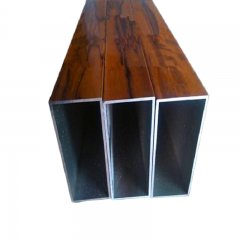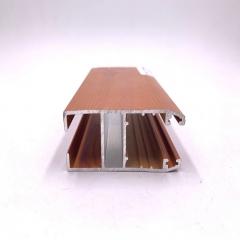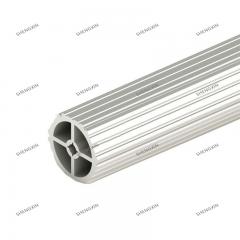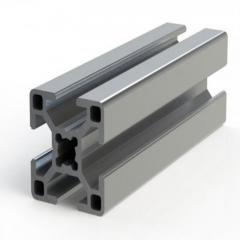
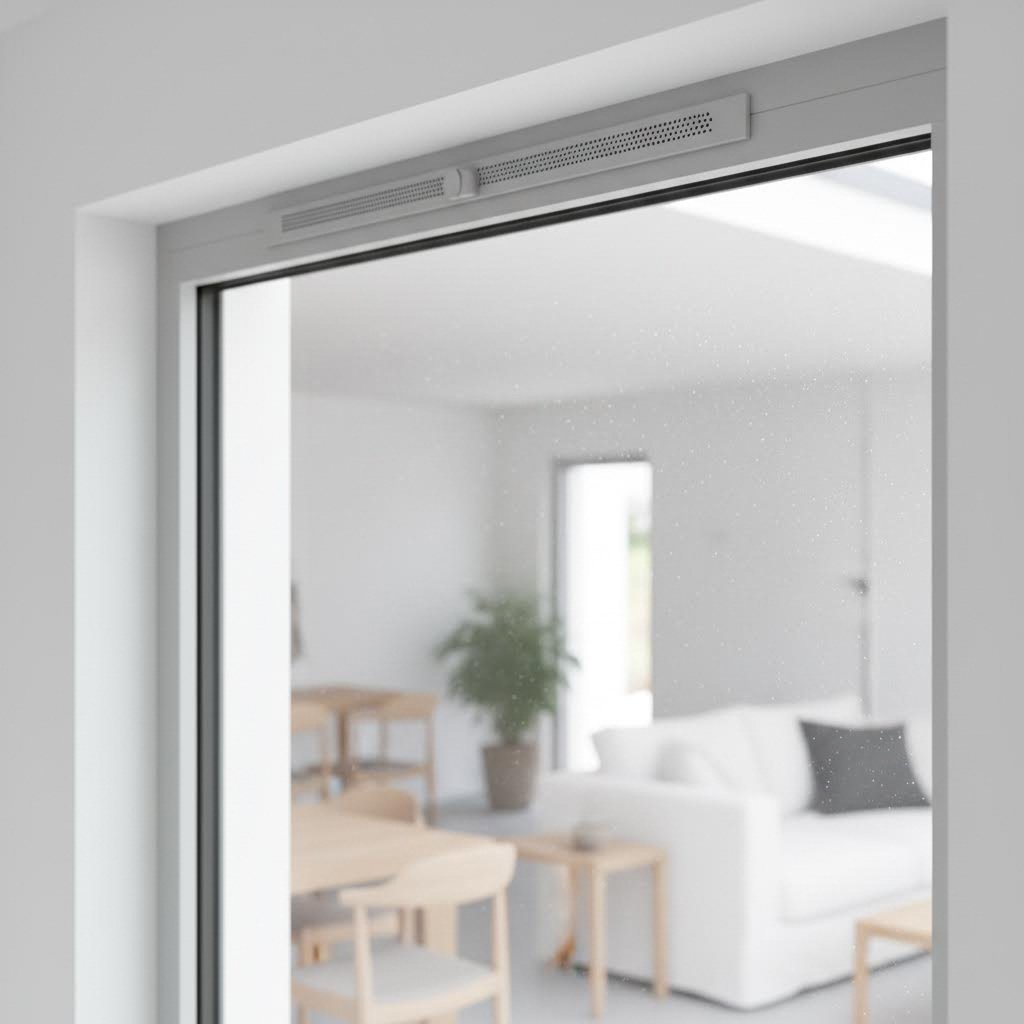
Have you ever noticed condensation creeping across your windows on a cold morning? Or perhaps you've spotted the first signs of mold forming in the corners of your rooms? These common problems often stem from a single issue: inadequate ventilation. Enter aluminium trickle vents—a simple yet remarkably effective solution that's transforming how modern homes breathe.
An aluminium trickle vent is a small, slotted opening integrated into window frames that provides controlled background ventilation without requiring you to open your windows. Think of it as your home's breathing system—a continuous, gentle flow of fresh air that works around the clock to maintain healthy indoor conditions.
These vents typically feature a staggered design on the interior and exterior sides, along with an adjustable cover that allows you to regulate airflow. According to Everest, while the vent can be closed, they're designed to remain open continuously for optimal ventilation. This "trickle-feed" of constant airflow from outside helps remove excess moisture buildup that can lead to mold growth and structural damage.
The mechanism is elegantly simple. As warm air rises and escapes through extraction systems or other outlets, it creates a slight vacuum that draws fresh air into your building through the trickle vents. This natural process ensures a continuous exchange of indoor and outdoor air, keeping humidity levels in check and your living spaces healthy.
When it comes to aluminium window trickle vents, the material itself offers distinct advantages that set it apart from plastic or uPVC alternatives. Aluminium's unique properties make it particularly well-suited for modern window designs where performance and aesthetics must work hand in hand.
Here are the core characteristics that distinguish aluminium trickle vents:
The compatibility factor is particularly important. When you're installing trickle vents on aluminium windows, using the same material ensures thermal expansion rates match, gaskets seal properly, and the overall aesthetic remains cohesive. This seamless integration is something plastic or uPVC alternatives simply cannot replicate as effectively.
Modern homes are designed to be increasingly airtight for energy efficiency. However, this improved insulation comes with a trade-off—reduced natural ventilation. Aluminium trickle vents bridge this gap elegantly, allowing buildings to maintain excellent thermal performance while still ensuring adequate fresh air circulation for occupant health and structural preservation.

So you understand what aluminium trickle vents are and why the material matters—but here's the question that really counts: are they actually required by law? The short answer is yes, in most cases. UK Building Regulations have made trickle vents for aluminium windows a compliance necessity rather than an optional upgrade. Understanding these requirements isn't just about avoiding penalties; it's about ensuring your property meets the standards designed to protect occupant health and building integrity.
The foundation of ventilation requirements in England lies within Approved Document F of the Building Regulations. This statutory guidance, published by the Ministry of Housing, Communities and Local Government, establishes the legal framework for adequate ventilation in dwellings.
At its core, Part F states a deceptively simple requirement: "There shall be adequate means of ventilation provided for people in the building." But what does "adequate" actually mean in practice?
Modern homes are designed to be as airtight as possible—excellent for energy efficiency, problematic for air quality. Without proper ventilation, moisture accumulates, pollutants concentrate, and mold finds the perfect conditions to thrive. Part F addresses this by requiring a combination of ventilation strategies:
Trickle vents aluminium windows incorporate fall squarely into the "whole dwelling ventilation" category. They provide what's called background ventilation—a constant, controlled trickle of fresh air that doesn't rely on occupants remembering to open windows.
The regulations, updated in June 2022, have tightened requirements significantly. When replacing windows, you must either replace existing trickle vents or demonstrate that sufficient background ventilation exists through other means. For new installations where the original windows lacked vents, you'll typically need to add them—especially given that modern windows are considerably more airtight than their predecessors.
Sounds complex? Here's where it gets technical—but stay with me, because understanding Equivalent Area (EA) ratings is crucial for proper compliance.
Trickle vents aren't measured by their physical dimensions. Instead, they're rated by their Equivalent Area—a measure of aerodynamic performance that indicates how much air can actually pass through. According to Building Regulations Part F, "Equivalent area is the area of a sharp edged circular orifice through which air would pass at the same volume flow rate, under an identical applied pressure difference, as through the opening under consideration."
In simpler terms: EA tells you the effective ventilation capacity, not just the size of the opening. A vent with an EA of 5,000mm² allows the same airflow as a perfectly circular hole of that area under standardized conditions.
Why does this matter? Because selecting aluminium trickle vents for windows based solely on physical size could leave you with inadequate ventilation—and a failed compliance inspection.
The EA requirements vary based on several factors:
| Room Type | Multi-Floor Minimum EA | Single-Floor Minimum EA | Minimum Number of Vents |
|---|---|---|---|
| Living Rooms/Bedrooms | 8,000mm² | 10,000mm² | 5 (or 4 for one-bedroom properties) |
| Kitchen | 8,000mm² | 10,000mm² | 5 (or 4 for one-bedroom properties) |
| Bathroom | 4,000mm² | 4,000mm² | No minimum specified |
| Utility Room/Toilet | No minimum | No minimum | No minimum specified |
Notice that single-floor properties (bungalows, ground-floor flats) require higher EA values. This accounts for the reduced stack effect—the natural upward movement of warm air—that multi-story buildings benefit from.
For properties with continuous mechanical extract ventilation systems, the requirements differ slightly. The number of trickle vents must equal the number of bedrooms plus two, with each habitable room requiring a combined EA of at least 4,000mm².
Positioning matters too. Building regulations specify that trickle vents should be installed at least 1.7 meters above floor level. This height requirement helps prevent uncomfortable drafts at sitting or sleeping level while still allowing effective air circulation throughout the room.
When calculating your requirements, consider this practical example: a three-bedroom house without existing trickle vents would need each habitable room fitted with at least five background ventilators, achieving a combined EA of 8,000mm² per room. That's a significant installation—but one that ensures compliant, healthy living conditions.
The regulations also address special circumstances. Back-to-back terraced houses with only one exposed elevation, properties where 70% or more of windows face one direction, and kitchens without external facades all have modified requirements. Always consult the full Approved Document F for complex situations.
With regulations clearly establishing what's required, the next logical question becomes: what types of aluminium trickle vents are available to meet these standards?
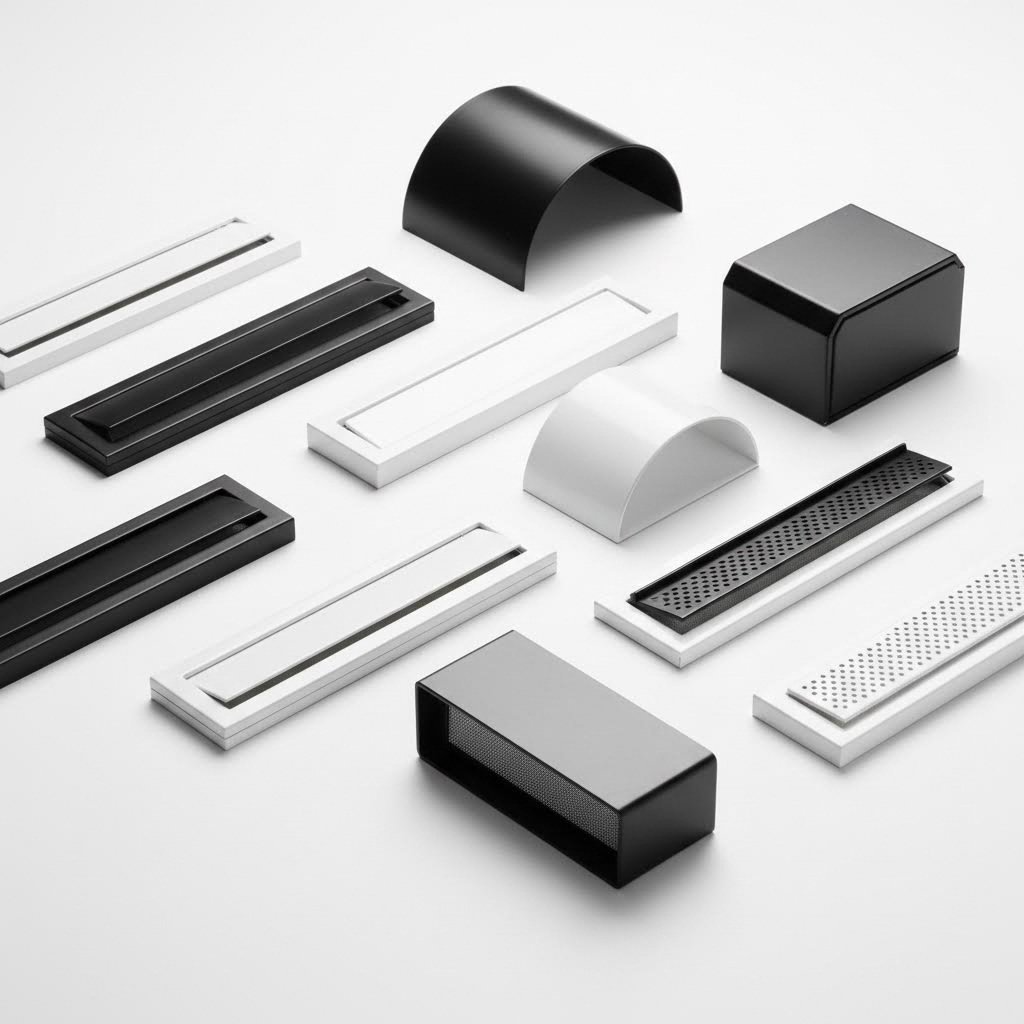
Now that you understand the regulations governing these ventilation components, you're probably wondering: what options are actually available? The world of aluminium trickle vents offers more variety than most homeowners realize. Each style brings distinct advantages depending on your window type, aesthetic preferences, and installation circumstances. Let's explore the main categories so you can identify which approach best suits your project.
Imagine a vent that virtually disappears into your window frame—that's the appeal of recessed fix trickle vents. These components are designed to sit within the window frame itself, creating a flush appearance that maintains those clean sightlines aluminium windows are famous for.
During manufacturing, slots are cut directly into the frame profile, and the vent mechanism is integrated seamlessly. The result? A ventilation system that's almost invisible from both inside and outside your property.
According to Durajoin, through-frame trickle vents are among the most common designs used in both residential and commercial buildings. They're particularly popular due to their discreet appearance and compatibility with various framing materials, including aluminium.
What if your windows are already installed and lack ventilation? Surface mounted aluminium trickle vents offer the practical solution. These components attach directly to the frame surface—typically at the top—without requiring any modifications to the window's core structure.
The installation process involves drilling ventilation holes through the frame, then securing both internal and external vent covers over these openings. For existing aluminium windows, this represents the most accessible upgrade path to building regulations compliance.
As noted by industry specialists, over-frame and surface-mounted options are often selected for retrofit applications or in situations where structural limitations prevent the use of through-frame designs.
Ever seen a window where the frame is so slim you wonder where ventilation could possibly fit? Glazed-in trickle vents solve this challenge by incorporating the ventilation mechanism into the upper section of the sealed glass unit itself rather than the frame.
This innovative approach is especially beneficial for windows with limited frame space or unique architectural features. According to ventilation specialists, glazed-in vents are frequently utilized in high-performance windows where maintaining airtightness is essential. By placing the vent within the glass unit, manufacturers ensure effective ventilation without sacrificing structural integrity or aesthetics.
You've invested in aluminium windows specifically for their contemporary, minimalist profiles. The last thing you want is a chunky vent disrupting those clean lines. This is where slimline aluminium trickle vents and flush aluminium trickle vents become essential considerations.
Modern manufacturers have responded to this demand with precision-engineered solutions. Titon notes that slimline designs sit flush with the window frame, maintaining sleek visual continuity—something increasingly important in design-conscious markets.
These aesthetic-focused options typically feature:
With multiple options available, how do you decide which style fits your situation? Consider these factors:
| Vent Style | Best For | Installation Type | Aesthetic Impact |
|---|---|---|---|
| Recessed Fix | New builds, window replacements | Factory only | Minimal—virtually invisible |
| Surface Mounted | Retrofits, budget projects | DIY possible | Moderate—visible but practical |
| Glazed-In | Ultra-slim frames, limited space | Factory only | Minimal—integrated into glazing |
| Slimline/Flush | Design-focused projects, premium properties | Factory or retrofit | Low—complements modern aesthetics |
The material advantage of aluminium becomes particularly apparent when examining these different styles. As industry research indicates, metal vents blend more naturally with modern profiles, offering custom color options that align with anodized or powder-coated window and door systems. Plastic alternatives simply cannot replicate the precision finishes and longevity that aluminium provides.
Understanding the available styles is just the beginning. The real value of aluminium trickle vents lies in their performance benefits—from moisture control to energy efficiency. Let's examine what these ventilation components actually deliver for your home.
You've explored the styles available—but what do aluminium trickle vents actually deliver in practice? Beyond meeting building regulations, these unassuming components provide tangible benefits that affect your comfort, health, and wallet. Let's cut through the marketing noise and examine what proper background ventilation genuinely offers for modern homes.
Picture this scenario: you wake on a winter morning to find water streaming down your windows, pooling on the sills. Over weeks, black spots appear in the corners. That's condensation at work—and it's one of the most common problems in well-insulated modern homes.
Here's the science behind it. When warm, moisture-laden indoor air meets cold window surfaces, the water vapor condenses into liquid droplets. Activities like cooking, showering, and even breathing add significant moisture to indoor air. Without adequate ventilation, this moisture has nowhere to go.
According to GFD Homes, trickle vents help reduce condensation by improving airflow and keeping moisture levels balanced—particularly in rooms prone to high humidity, such as kitchens and bathrooms.
The consequences of unchecked condensation extend far beyond foggy windows:
Aluminium trickle vents address this by providing continuous background ventilation. Fresh outdoor air enters through the vents while stale, moisture-laden air exits through extraction systems or other outlets. This constant air exchange prevents humidity from building to problematic levels.
The aluminium material itself contributes to this moisture management. Unlike plastic alternatives that can warp or degrade when exposed to persistent dampness, aluminium maintains its structural integrity and seal performance regardless of humidity levels. This reliability ensures your ventilation system keeps working effectively year after year.
"But won't trickle vents let all my expensive heated air escape?" It's the question homeowners ask most frequently—and the concern is understandable. You've invested in high-performance aluminium windows with thermal breaks and multi-chamber profiles. Adding intentional openings seems counterintuitive.
Here's the reality: the energy impact of properly designed trickle vents is minimal compared to the problems they prevent.
As Double Glazing Advice Centre explains, unlike keeping windows open, trickle vents maintain a constant airflow without compromising your home's insulation. This means you can enjoy fresh air without a significant increase in energy bills.
The key word is "controlled." Trickle vents aren't gaping holes—they're precision-engineered openings that allow just enough airflow to maintain healthy indoor conditions. Modern designs incorporate features that minimize heat loss:
What about the thermal bridging myth specific to aluminium? Some homeowners worry that metal vents will conduct cold directly into their homes. However, modern aluminium trickle vents feature polyamide thermal breaks—the same technology used in high-performance aluminium window frames themselves. These non-conductive barriers interrupt the thermal pathway, preventing the cold transfer that unbroken metal would allow.
Consider the alternative: without adequate ventilation, moisture accumulation forces you to periodically throw windows wide open to clear condensation and stuffiness. These purge ventilation events waste far more energy than the gentle, continuous airflow trickle vents provide.
Fresh air is vital for maintaining good indoor air quality, especially in homes with modern insulation that can trap pollutants inside. Trickle vents ensure a consistent supply of fresh air, reducing allergens and toxins.
The energy equation also includes prevention of damage. Moisture-related problems like mold remediation, timber treatment, and redecoration carry significant costs—both financial and environmental. Preventing these issues through proper ventilation represents genuine long-term efficiency.
Living near a busy road, railway line, or flight path? Standard ventilation solutions often force an uncomfortable choice: fresh air or peace and quiet. Acoustic trickle vents for aluminium windows eliminate this compromise.
According to testing data from Titon, acoustic trickle vents are designed to provide continuous fresh air while keeping windows securely closed. They maintain healthy indoor air quality without sacrificing the acoustic integrity of the building envelope.
But do they actually work? The evidence is clear: well-designed acoustic background ventilators meaningfully reduce sound transmission while meeting airflow requirements. The key lies in proper specification and independent testing.
Acoustic performance is measured using the Dn,e,w rating—the number of decibels a vent reduces incoming noise. Here's what different ratings mean in practice:
To put this in perspective, a trickle vent achieving 50 dB attenuation can reduce the perceived loudness of external noise by approximately 75%—transforming intrusive traffic rumble into barely noticeable background sound.
Smart aluminium trickle vents take this further with humidity-sensitive operation. These advanced units automatically adjust their opening based on indoor moisture levels, providing ventilation precisely when needed while minimizing unnecessary airflow—and the noise that accompanies it. Some Titon aluminium trickle vents and similar premium products incorporate these intelligent features, offering both acoustic control and responsive ventilation in a single solution.
The acoustic performance varies by frequency too. Low-frequency sounds (deep traffic rumble, trains) require different attenuation characteristics than high-frequency noise (sirens, aircraft). Quality acoustic vents are tested across the full frequency spectrum, ensuring effective performance against the specific noise sources affecting your property.
In an era of increasing environmental awareness, the materials we choose matter. Aluminium trickle vents offer compelling sustainability credentials that plastic alternatives simply cannot match.
Consider the lifecycle: aluminium is infinitely recyclable without any degradation in quality. The aluminium in your trickle vents can be recycled repeatedly, reducing the demand for virgin material extraction. In fact, recycling aluminium requires just 5% of the energy needed to produce new aluminium from bauxite ore—a dramatic environmental benefit.
But sustainability isn't just about end-of-life recycling. It's also about how long products last before replacement becomes necessary. Here, aluminium demonstrates clear advantages:
What does this mean in practical terms? While plastic trickle vents may require replacement after 10-15 years due to degradation, well-manufactured aluminium alternatives routinely exceed 30 years of service life. Fewer replacements mean less material consumption, reduced manufacturing emissions, and lower overall environmental impact.
The durability factor also affects your finances. Although aluminium trickle vents typically carry a higher initial purchase price than plastic alternatives, their extended lifespan delivers better value over time. When you factor in replacement costs, labor for refitting, and the inconvenience of addressing failed ventilation, the premium for aluminium represents a sound investment.
As ventilation specialists note, good ventilation provided by trickle vents can reduce the risk of respiratory issues caused by dampness and poor air quality—particularly important for households with children, elderly residents, or individuals with asthma. This health benefit adds another dimension to the value proposition: investing in quality, long-lasting ventilation isn't just about building preservation—it's about protecting the people who live there.
Understanding the benefits is essential, but implementation matters equally. How do you actually get these ventilation components installed in your aluminium windows?

You've selected your trickle vent style and understand the benefits—now comes the practical question: how do you actually get these components installed? Whether you're considering fitting trickle vents to aluminium windows yourself or weighing professional installation, this section provides the guidance you need to make informed decisions and avoid costly mistakes.
Can you install aluminium trickle vents yourself? The honest answer is: it depends. While retrofit trickle vents for aluminium windows are designed with DIY installation in mind, success requires honest self-assessment of your skills, tools, and the specific challenges your windows present.
DIY installation is generally appropriate when:
Before starting any installation, you'll need to gather the proper tools and materials. According to DIY Direct, a successful trickle vent installation requires:
One critical consideration often overlooked: aluminium window frames frequently contain steel reinforcement within the profile. This internal structure provides rigidity but complicates drilling. If your drill suddenly meets significant resistance after passing through the aluminium surface, you've likely hit reinforcement. In such cases, proceed with extreme caution or consult a professional.
Sometimes the smartest DIY decision is knowing when not to DIY. Professional fitting for retrofit trickle vents in aluminium windows becomes essential in several scenarios.
Warranty preservation: If your aluminium windows are still under manufacturer warranty, any unauthorized modifications—including drilling for trickle vents—will almost certainly void that coverage. The cost of professional installation pales compared to losing warranty protection on expensive window systems.
Building regulation compliance: When your installation relates to a building regulations application (window replacements, extensions, or new builds), professional fitting provides documented evidence of compliant work. Building control officers may require proof that ventilation meets Part F requirements—something professional installers can certify.
Complex frame configurations: Some aluminium window systems feature unusual profiles, integrated blinds, or concealed hardware that complicates DIY installation. Professionals familiar with specific manufacturers' systems can navigate these challenges without damaging expensive components.
Height and access limitations: Upper-floor windows, conservatory roofs, or difficult-access locations demand proper scaffolding or platform equipment. Falls from ladders remain a leading cause of serious DIY injuries.
Steel-reinforced frames: As Astraframe notes, if your frame contains steel reinforcement or you're unsure about drilling, consider getting professional advice. Incorrect drilling into reinforced sections can compromise window structural integrity.
Professional installation costs vary significantly based on location, access difficulty, and the number of vents required. Expect to pay between £80-150 per vent including labor and parts, according to industry estimates. While this exceeds DIY material costs of £15-50 per vent, the peace of mind and guaranteed compliance often justify the investment.
Ready to tackle the installation yourself? Fitting trickle vents aluminium windows requires methodical execution. Here's the step-by-step process for adding ventilation to your existing frames:
The entire process typically takes 30-60 minutes per vent once you're familiar with the procedure. Your first installation may take longer as you develop confidence with the technique.
Even experienced DIYers can compromise their installation through avoidable errors. Here are the pitfalls that most frequently undermine trickle vent effectiveness or damage window integrity:
Perhaps the most significant mistake is installing vents without considering the overall ventilation strategy. A trickle vent provides background ventilation, but it works as part of a system that includes extraction (in kitchens and bathrooms) and occasional purge ventilation (opening windows fully). Installing vents in isolation, without addressing other ventilation elements, may not resolve condensation or air quality issues.
With proper installation complete, your aluminium trickle vents should provide decades of reliable service. But what happens when problems arise, and how do you maintain these components for optimal performance? The next section addresses troubleshooting and ongoing care.
Your aluminium trickle vents are installed and working—but what happens when you notice an unwelcome cold draught, hear traffic noise creeping through, or spot dust accumulating around the vent covers? These common concerns are easily addressed with the right knowledge. Let's walk through practical solutions for the issues homeowners encounter most frequently, plus the maintenance routines that keep your ventilation system performing optimally for years.
Feeling a cold stream of air near your windows? Before blaming your trickle vents, it's worth understanding that properly functioning vents shouldn't create noticeable draughts. According to ventilation specialists, you should not feel a draught through trickle vents if they are sized and installed correctly—their primary function is maintaining air quality, not cooling your home.
If you're experiencing uncomfortable airflow, consider these adjustments:
However, as The Window Doctor advises, before assuming the trickle vent is at fault, check that your window handles operate correctly, windows close fully without gaps, and the rubber gasket seals properly against the frame. Often, draughts blamed on vents actually originate from worn seals or misaligned window hardware.
Living near a busy road or under a flight path? Standard trickle vents may allow more external noise than you'd like. While some sound transmission is inevitable with any ventilation opening, several solutions can restore peace and quiet.
Your options for noise reduction include:
For aluminium bi fold doors trickle vents and other large-span applications, acoustic performance becomes particularly important given the extended vent length required. Premium manufacturers offer acoustic variants specifically designed for these installations.
Aluminium trickle vent maintenance is refreshingly straightforward—but neglecting it can compromise ventilation effectiveness over time. As Air Box explains, dust and grime buildup within and around trickle vents can prevent them from working effectively, since the gaps are small and don't take much to become obstructed.
Here's your cleaning aluminium trickle vents routine:
Black aluminium trickle vents and other dark finishes show dust more readily than white or silver alternatives—you may find more frequent wiping keeps them looking their best, even though the underlying maintenance requirements remain identical.
Avoid using abrasive cleaners or scouring pads on aluminium components, as these can damage the anodized or powder-coated finish. Stick to soft cloths and mild cleaning solutions to preserve both appearance and corrosion resistance.
How long should your aluminium trickle vents actually last? The good news is that quality aluminium components are built for the long haul. Unlike plastic alternatives that may degrade, discolor, or become brittle after 10-15 years of UV exposure, well-manufactured aluminium vents routinely exceed 30 years of service life.
Several factors influence actual longevity:
Signs that replacement may be approaching include:
When replacement becomes necessary, the process mirrors original installation—and often proves simpler, since fixing points already exist. The extended lifespan of aluminium trickle vents means most homeowners will never need to address replacement during typical property ownership periods.
With troubleshooting knowledge and maintenance routines established, you're equipped to keep your ventilation system functioning optimally. But what if you're still in the selection phase, trying to choose the right vents for your specific situation?
So you've decided to invest in proper ventilation—but with so many aluminium window vent options available, how do you identify the best aluminium trickle vents for your specific situation? This buyer's guide cuts through the confusion, helping you match vents to your window types, select appropriate finishes, and understand what drives pricing so you can make a confident purchasing decision.
Not all windows are created equal—and neither are the trickle vents that serve them. The first step in buying aluminium trickle vents is understanding which styles work with your specific frame configurations.
Casement windows: These side-hinged or top-hinged windows represent the most straightforward installation scenario. Standard surface-mounted or recessed trickle vents fit comfortably along the frame head, with aluminium trickle vent sizes typically ranging from 250mm to 400mm in length. For casement windows, prioritize vents with EA ratings that match your room requirements—typically 4,000mm² to 5,000mm² per vent to achieve compliance when multiple units are installed.
Bi-fold doors: These present unique challenges. The multiple folding panels and slim aluminium profiles demand careful vent selection. According to ventilation specialists, through-frame integration works well here, with vents positioned in the frame head above each panel. The extended span of bi-fold systems often requires multiple vents to achieve adequate total EA—calculate requirements based on the combined floor area of the space the doors open onto.
Sliding windows and doors: Limited frame depth can restrict options. Glazed-in vents integrated into the sealed unit often prove the only viable solution for ultra-slim sliding systems. Alternatively, slimline surface-mounted options designed specifically for minimal profiles can work when frame geometry permits.
Tilt-and-turn windows: The complex opening mechanism requires vents positioned to avoid interference with hardware. Recessed designs integrated during manufacturing typically offer the cleanest solution, ensuring ventilation components don't obstruct the tilt or turn functions.
When selecting vents for any window type, verify that the product dimensions match your available frame space. Measure the frame head depth, width, and any obstructions like handles or restrictors before ordering.
You've invested in sleek aluminium windows—the last thing you want is mismatched ventilation components disrupting your carefully considered aesthetic. Fortunately, modern aluminium trickle vents offer extensive customization options.
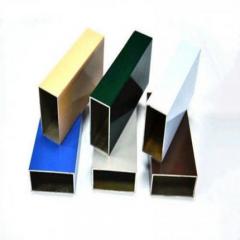
Black aluminium trickle vents have surged in popularity alongside the architectural trend toward anthracite and jet black window frames. These dark finishes create striking contrast against light-colored walls while maintaining visual continuity with the frame itself. Look for RAL 9005 (jet black) or RAL 7016 (anthracite grey) powder-coated options to match popular frame colors precisely.
Beyond black, manufacturers typically offer:
The finish type matters too. Powder coating provides excellent durability and color consistency, while anodizing offers superior scratch resistance and a distinctive metallic quality. For coastal or industrial environments where corrosion resistance is paramount, marine-grade anodized finishes provide enhanced protection.
When ordering, request samples or color swatches whenever possible. Screen images rarely capture true colors accurately, and a slight mismatch between vent and frame can be surprisingly conspicuous once installed.
What should you expect to pay when buying aluminium trickle vents? Pricing varies significantly based on several factors, and understanding what drives costs helps you allocate your budget effectively.
According to industry sources, standard trickle vents typically range from £15 to £50 per unit, with aluminium options generally sitting at the mid-to-upper end of this spectrum. Professional installation adds approximately £50 per vent on average.
Key factors influencing price include:
| Vent Category | Key Features | Best Applications | Relative Cost |
|---|---|---|---|
| Standard Surface-Mount | Basic ventilation, manual slider, limited color options | Budget retrofits, rental properties, basic compliance | Budget (£15-25) |
| Recessed/Through-Frame | Flush appearance, integrated during manufacture, thermal break | New builds, window replacements, design-conscious projects | Mid-Range (£25-40) |
| Slimline/Flush Design | Minimal profile, precision engineering, custom color matching | Contemporary aluminium systems, architectural projects | Mid-Range to Premium (£30-50) |
| Acoustic Performance | Sound attenuation (40-50dB), baffled airflow, premium construction | Properties near roads, railways, flight paths, urban locations | Premium (£40-60+) |
| Glazed-In | Integrated into sealed unit, preserves frame integrity, specialized | Ultra-slim frames, limited frame space, high-spec glazing | Premium (£45-70+) |
When calculating total project costs, remember to factor in:
The wisest approach? Avoid false economy. As ventilation experts note, low-cost, uncertified vents may save money initially but can lead to poor fit, whistling, or premature replacement—costing more in the long run. Investing in certified, high-quality aluminium trickle vents from reputable manufacturers delivers better value over the typical 25-30 year lifespan of these components.
With selection criteria established and budget expectations clear, you're well-equipped to make an informed purchasing decision. The final step is ensuring your investment delivers lasting value—something that starts with choosing quality solutions designed for long-term performance.
You've journeyed through the essentials—understanding what aluminium trickle vents are, navigating building regulations, exploring styles and benefits, and learning how to install and maintain these components. Now comes the most important question: what action will you take to protect your home and the people living in it?
Proper ventilation isn't merely a regulatory checkbox or an architectural detail. It's a fundamental investment in health, comfort, and long-term property preservation. Let's bring everything together with clear guidance on prioritizing air quality and finding solutions that deliver genuine, lasting value.
Imagine spending 90% of your time in environments where the air you breathe directly affects your wellbeing. That's the reality for most of us—and it's precisely why indoor air quality deserves serious attention.
According to the World Health Organization, household air pollution contributes to millions of premature deaths annually, with poor ventilation allowing pollutants to accumulate to levels that may cause or worsen health issues. While these statistics often reference extreme cases, the underlying principle applies universally: stagnant, poorly ventilated indoor air poses genuine health risks.
In well-sealed modern homes, the challenge is particularly acute. Your energy-efficient aluminium windows do an excellent job of keeping heat in and drafts out—but they also trap:
The consequences extend beyond stuffy rooms and foggy windows. Persistent dampness damages plaster, timber, and decorative finishes. Mold spores trigger respiratory issues and allergic reactions. Poor air quality affects concentration, sleep quality, and overall wellbeing—particularly for children, elderly residents, and those with existing health conditions.
Fresh air is vital for maintaining good indoor air quality. Trickle vents ensure a consistent supply of fresh air, reducing allergens and toxins while protecting your home's structural integrity.
Background ventilation through quality aluminium trickle vents addresses these concerns at their source. By maintaining continuous, controlled air exchange, you prevent problems before they develop rather than battling moisture damage and air quality issues after the fact.
Not all ventilation solutions deliver equal results. When searching for quality aluminium window vents, several factors separate products that perform reliably for decades from those that disappoint within years.
What should you look for in aluminium trickle vent suppliers? Start with these essential criteria:
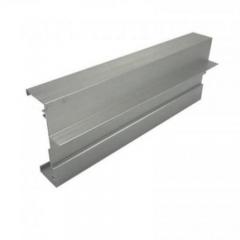
For homeowners and professionals seeking custom aluminium trickle vents that address the moisture control, mold prevention, and energy efficiency concerns discussed throughout this guide, Anhui Shengxin Aluminum's window trickle vents represent a compelling option. Their patented designs feature adjustable airflow mechanisms and seamless integration across various window frame types—from standard casements to bi-fold door systems.
What distinguishes Shengxin's approach is their focus on customizable passive ventilation solutions. Rather than offering generic products, they engineer vents tailored to specific project requirements. This flexibility proves particularly valuable for:
Their regulatory-compliant designs address the Part F requirements discussed earlier, giving you confidence that your ventilation investment meets current building standards. The adjustable airflow control means occupants can fine-tune their environment without compromising the background ventilation essential for healthy indoor conditions.
Ready to upgrade your ventilation? Here's your practical action plan:
The investment you make in proper ventilation pays dividends in multiple ways: healthier indoor environments for your family, protection against costly moisture damage, compliance with building regulations, and preservation of your property's long-term value. Whether you're addressing immediate condensation problems or proactively upgrading a well-sealed modern home, quality aluminium trickle vents provide the solution.
Your windows are the interface between your home and the outside world. With properly specified and installed trickle vents, that interface works for you—delivering fresh air, controlling moisture, and maintaining comfort without compromising the thermal performance or security you expect from modern aluminium window systems. The condensation streaking down your windows, the musty smell in corner rooms, the persistent humidity that feeds mold growth—these problems have a solution. It's time to let your home breathe.
Yes, trickle vents can be fitted to most aluminium windows through retrofit installation. Surface-mounted options are ideal for existing windows, requiring drilling ventilation holes and securing internal and external vent covers. For new installations, recessed or through-frame vents can be factory-integrated during manufacture. When retrofitting, ensure you use appropriate metal drill bits and check for steel reinforcement within the frame. Professional installation is recommended if your windows are under warranty or if building regulations compliance documentation is required.
Aluminium trickle vents offer significant advantages over plastic alternatives. They provide superior corrosion resistance, exceptional durability, and won't warp, discolor, or become brittle from UV exposure. Aluminium maintains dimensional stability across temperature extremes, ensuring consistent seal performance for 30+ years compared to 10-15 years for plastic. The material is also fully recyclable without quality degradation, making it more environmentally sustainable. Additionally, aluminium enables slimmer profiles that better complement modern window aesthetics.
Alternatives to trickle vents include mechanical ventilation systems (MVHR), extractor fans in wet rooms, passive stack ventilation, and windows designed with less visible integrated ventilation. However, UK Building Regulations Part F typically requires background ventilation in new builds and window replacements. While alternatives exist, trickle vents remain the most cost-effective solution for meeting compliance standards. Some homeowners combine trickle vents with other ventilation methods for comprehensive air quality management.
Potential disadvantages include minor noise infiltration from outside, possible drafts if incorrectly sized or installed, and aesthetic considerations for design-conscious homeowners. However, these issues are largely mitigated by proper specification and installation. Acoustic trickle vents can reduce noise by 40-50 dB, slimline designs minimize visual impact, and correctly sized vents shouldn't create noticeable drafts. Quality aluminium vents with adjustable mechanisms allow you to control airflow, balancing ventilation with comfort during extreme weather.
Equivalent Area (EA) requirements depend on room type and building configuration. Living rooms and bedrooms in multi-floor properties need minimum 8,000mm² total EA, while single-floor properties require 10,000mm². Bathrooms need at least 4,000mm². You'll typically need five vents minimum per habitable room (or four for one-bedroom properties). Consider your property's airtightness level and whether mechanical extract ventilation is installed, as these factors affect requirements. Consulting Building Regulations Part F ensures accurate calculation for your specific situation.



 Servicio en línea
 0086 136 3563 2360
 sales@sxalu.com
 +86 136 3563 2360
 español
 English
 français
 Deutsch
 русский
 português
 العربية
 ไทย
ไทย Việt
Việt Українська