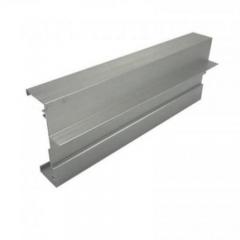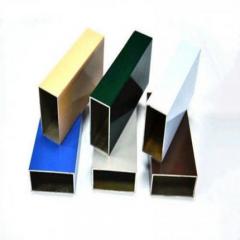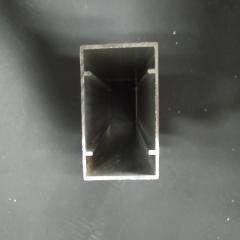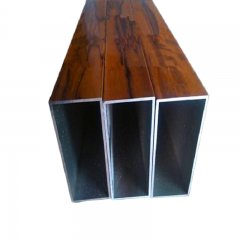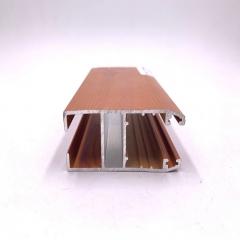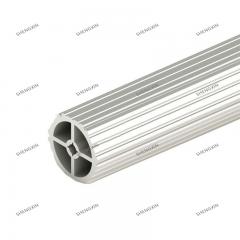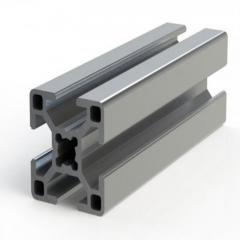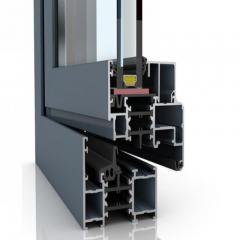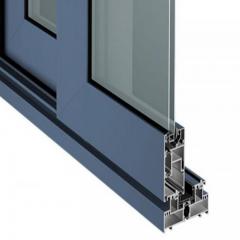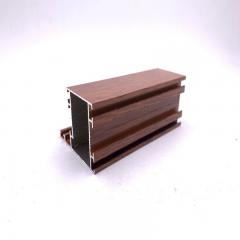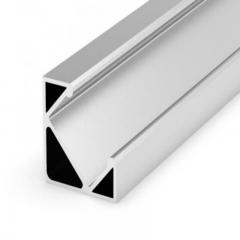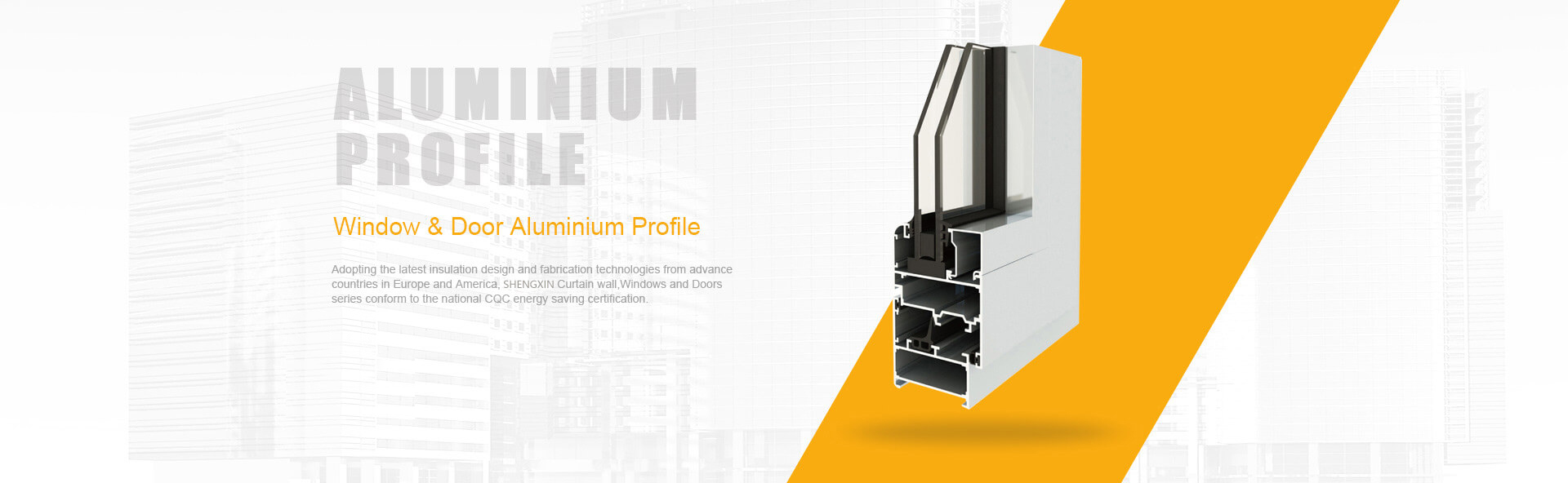
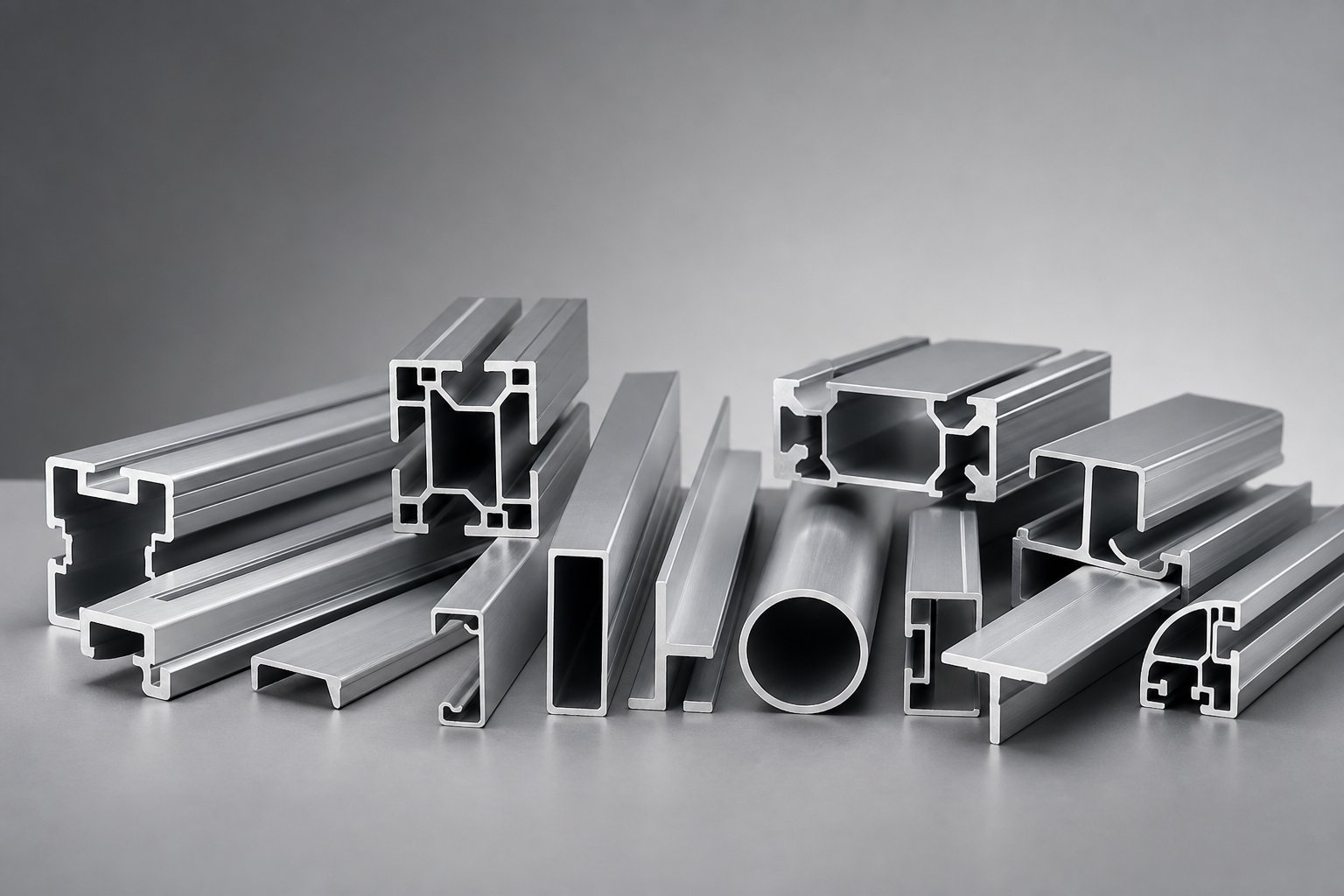
Ever noticed the clean, sleek lines of a modern window frame or the smooth finish of an aluminum railing? Chances are, you're looking at 6063 aluminum in action. Often called "architectural aluminum," this alloy has earned its reputation as the premier choice for extruded profiles across construction, industrial, and consumer applications.
But what exactly makes 6063 aluminum so special? And why do engineers and designers consistently reach for this particular alloy when countless alternatives exist? The answers lie in its unique chemical makeup and the remarkable balance of properties it delivers.
At its core, 6063 aluminum is a magnesium-silicon (Mg-Si) alloy that belongs to the 6xxx series of aluminum alloys. This series is specifically engineered for extrusion processes, where heated aluminum is pushed through a die to create profiles with fixed cross-sectional shapes. Think of it like squeezing toothpaste through a nozzle, but with precise engineering controls.
The 6063 aluminium alloy typically contains around 0.4% silicon and 0.7% magnesium, with aluminum making up approximately 98.9% of the composition. These percentages may seem small, but they create a powerful combination. When silicon and magnesium come together during heat treatment, they form magnesium silicide (Mg₂Si) precipitates, which strengthen the alloy while preserving its excellent workability.
6063 aluminum delivers the industry's best combination of extrudability, surface finish quality, and corrosion resistance, making it the undisputed standard for architectural and decorative applications.
What truly sets this alloy apart is its exceptional surface finish. Unlike higher-strength alloys that may sacrifice appearance for performance, 6063 emerges from the extrusion process with a smooth, bright surface that's ready for anodizing, powder coating, or other finishing treatments. This makes it invaluable for visible applications where aesthetics matter as much as structural integrity.
The 6000 series represents a family of heat-treatable aluminum alloys, all sharing magnesium and silicon as their primary alloying elements. However, not all members of this family are created equal. Each alloy strikes a different balance between mechanical strength, extrudability, and surface quality.
Here's how to think about it: as you increase mechanical properties like tensile strength within the 6000 series, you typically sacrifice extrudability and surface appearance. The 6063 alloy sits at a sweet spot where you get:
Compared to its stronger cousin 6061, the 6063 alloy allows for 25-35% thinner walls in extruded channel profiles. This means designers can create lighter, more intricate shapes without compromising structural performance for their intended applications.
When working with 6063 t5 aluminium profiles, you're getting material that's been artificially aged after cooling from the extrusion process. This temper provides an optimal balance of formability and strength for decorative and architectural work, making it the default choice for applications ranging from window frames to display fixtures.
The alloy's heat tolerance, combined with its ability to be welded, machined, and finished with ease, explains why it has become the industry standard for extruded aluminum channel products and countless other profile shapes. Whether you're designing a storefront system, a heat sink, or lightweight framing, 6063 delivers both performance and visual appeal.
Understanding what goes into aluminum 6063 at the molecular level helps explain why this alloy performs so exceptionally well in extrusion applications. The precise balance of elements isn't accidental—it's the result of decades of metallurgical refinement designed to optimize flow characteristics, strength development, and surface quality simultaneously.
So what exactly makes up this alloy? Let's break down the chemistry behind those smooth architectural profiles and intricate industrial shapes.
The magic of aluminium alloy 6063 properties starts with two primary additions: silicon and magnesium. These elements work together in a carefully calculated ratio to create magnesium silicide (Mg₂Si), the compound responsible for the alloy's ability to be strengthened through heat treatment.
Silicon content in 6063 ranges from 0.2% to 0.6% by weight. This element serves a critical function during extrusion: it dramatically improves the metal's fluidity as it flows through the die. Imagine trying to push thick honey versus water through a small opening—silicon essentially makes the aluminum behave more like water, enabling it to fill complex die shapes completely and uniformly. This improved flow characteristic is why 6063 can achieve intricate cross-sections with thin walls that would be impossible with other alloys.
Magnesium, present at 0.45% to 0.9%, provides the strength-building mechanism. When the extruded aluminum alloy undergoes heat treatment, magnesium combines with silicon to form fine Mg₂Si precipitates throughout the aluminum matrix. These microscopic particles act like reinforcing rods in concrete—they block the movement of crystal defects called dislocations, which is the primary way metals deform under stress. The result? A significant increase in yield and tensile strength without sacrificing the alloy's workability.
The stoichiometric ratio of these elements matters considerably. According to metallurgical research, the ideal mass ratio of magnesium to silicon for forming Mg₂Si is approximately 1.73:1. Most 6063 compositions maintain a slight silicon surplus, which accelerates precipitation during aging and binds unwanted impurities—particularly iron—that could otherwise compromise surface finish.
Beyond silicon and magnesium, several trace elements round out the 6063 properties profile. Each plays a specific role in controlling grain structure, improving processing behavior, or enhancing final product characteristics.
| Element | Percentage Range | Primary Function | Effect on Material Properties |
|---|---|---|---|
| Aluminum (Al) | Balance (~97.5-99%) | Base metal matrix | Provides inherent corrosion resistance and thermal/electrical conductivity |
| Silicon (Si) | 0.20-0.60% | Improves fluidity and forms Mg₂Si | Enhances extrudability and enables complex thin-wall profiles |
| Magnesium (Mg) | 0.45-0.90% | Forms Mg₂Si precipitates | Provides strength through precipitation hardening during aging |
| Iron (Fe) | 0.35% max | Controls grain structure | Affects surface finish quality; excess causes streaking defects |
| Manganese (Mn) | 0.10% max | Grain refinement | Influences recrystallization behavior and improves ductility |
| Chromium (Cr) | 0.10% max | Forms dispersion particles | Controls grain growth and prevents intergranular fracture |
| Zinc (Zn) | 0.10% max | Incidental element | No significant effect at trace levels |
| Titanium (Ti) | 0.10% max | Grain refiner | Promotes fine grain structure during solidification |
| Copper (Cu) | 0.10% max | Limited intentionally | Low copper content ensures excellent corrosion resistance and anodizing quality |
Notice that copper is deliberately kept below 0.10%—significantly lower than in alloys like 6061. This intentional limitation is crucial for achieving the superior surface finish and anodizing response that define 6063's character. Higher copper content would improve strength but degrade the very properties that make this alloy invaluable for architectural applications.
Iron deserves special attention because its management directly impacts surface quality. While some iron is unavoidable from raw materials, excess iron forms coarse intermetallic particles that interrupt the smooth metal flow during extrusion. These particles can create visible streaks or pits on the finished surface—precisely what you don't want on a visible storefront frame or decorative trim piece.
The interplay between all these elements creates what engineers call an "architectural alloy"—one that prioritizes appearance and extrudability over raw strength. When you select an extruded aluminum alloy for applications where aesthetics matter, this composition delivers consistently. The low alloy content also means the protective aluminum oxide layer forms uniformly, resulting in excellent natural corrosion resistance and the consistent coloring that makes anodized 6063 so visually appealing.
With the chemical foundation established, the next question becomes: how does heat treatment transform these elements into the specific mechanical properties your application demands?
You've got the right alloy selected—now comes the question that trips up many engineers and procurement specialists: which temper designation should you specify? The difference between ordering 6063 t5 aluminum versus 6063-T6 can mean the difference between a profile that bends gracefully during fabrication and one that cracks under the same conditions.
Temper designations might look like cryptic codes on a material specification sheet, but they tell you exactly how the aluminum was processed after extrusion. Understanding these codes helps you match material properties to your application requirements—and avoid costly mistakes when your profiles arrive on site.
The "T" in temper designations stands for thermally treated, and the number following it describes the specific heat treatment sequence applied. For 6063 aluminum, three tempers dominate industrial and architectural applications: T4, T5, and T6. Each delivers distinctly different mechanical properties.
Here's how the processes differ:
6063-T4 represents material that has been solution heat treated and then naturally aged at room temperature. After extrusion and rapid cooling, the aluminum sits without artificial aging intervention. This produces the lowest hardness but highest plasticity—ideal when your fabrication process requires significant bending or forming operations.
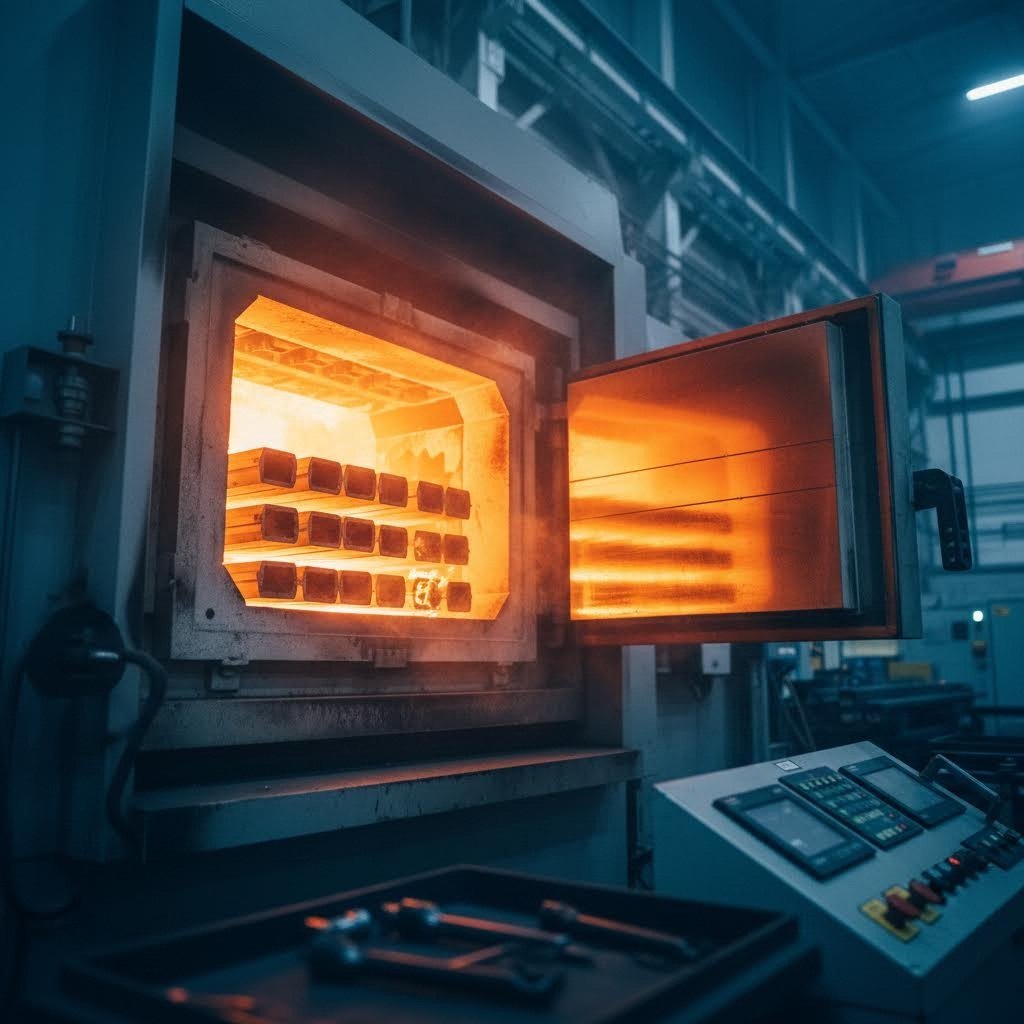
6063-T5 is the most commonly produced temper for architectural and industrial profiles. The process involves extruding the material, air cooling (quenching), then moving directly to an aging furnace at approximately 200°C (392°F) for 2-3 hours. This "incomplete artificial aging" strikes a balance between strength and formability. When you see aluminum 6063 t5 specified on architectural drawings, you're looking at the industry workhorse temper.
6063-T6 achieves the highest strength through a more intensive process. The key difference? Water quenching instead of air cooling, by higher aging temperatures held for longer durations. This "complete artificial aging" maximizes the precipitation hardening effect, creating more and larger Mg₂Si precipitates throughout the aluminum matrix.
The T5 state aluminum profile achieves moderate strength with certain plasticity, while the T6 state produces higher hardness but lower plasticity—choose based on whether your application prioritizes forming flexibility or maximum strength.
Think of it this way: T5 gives you a material that's still willing to cooperate during secondary operations, while T6 delivers maximum performance but expects you to work within tighter fabrication tolerances.
Beyond the standard tempers, you'll occasionally encounter 6063-t52 on specifications. This temper designation indicates stress-relieved material—profiles that have undergone controlled stretching after heat treatment to remove residual stresses from the extrusion and quenching processes.
Why does this matter? Residual stresses can cause profiles to warp or distort during subsequent machining operations. If you're CNC machining features into extruded profiles, specifying T52 helps ensure dimensional stability throughout the cutting process. According to Aluminum Association data, 6063-T52 maintains tensile strength between 22-30 ksi with yield strength of 16-25 ksi—slightly more controlled ranges than standard T5.
Suppliers like alro aluminum and other major distributors typically stock both standard and stress-relieved tempers, though T52 may require longer lead times for specialty sizes.
Numbers tell the real story. Here's how the different tempers stack up against each other based on industry-standard mechanical property limits:
| Temper | Tensile Strength (min ksi) | Yield Strength (min ksi) | Elongation (min %) | Relative Hardness |
|---|---|---|---|---|
| 6063-O (Annealed) | — | — | 18 | Lowest |
| 6063-T1 | 17 | 9 | 12 | Low |
| 6063-T4 | 19 | 10 | 14 | Low-Medium |
| 6063-T5 | 22 | 16 | 8 | Medium |
| 6063-T52 | 22-30 | 16-25 | 8 | Medium (Stress-Relieved) |
| 6063-T6 | 30 | 25 | 8-10 | Highest |
Notice the significant jump between T5 and T6 in both tensile and yield strength—approximately 36% higher tensile and 56% higher yield. However, elongation percentages remain similar, indicating that while T6 is stronger, it maintains reasonable ductility for most applications.
Selecting between 6063-t5 aluminum and T6 isn't simply about picking the strongest option. Consider these practical factors:
For most architectural applications—window frames, curtain wall systems, storefront assemblies—6063 t5 provides sufficient strength while remaining forgiving during installation. The construction industry has standardized on this temper precisely because it balances performance with practical workability.
When specifying for alro aluminum orders or any supplier, always confirm temper availability in your required profile shapes and sizes. While standard profiles in T5 are typically stocked, custom extrusions or T6 tempers may require production scheduling.
With temper selection clarified, how does 6063 compare to other aluminum extrusion alloys when your project demands different performance characteristics?
Choosing between 6063 aluminium and other 6000-series alloys isn't just about comparing spec sheets—it's about understanding which trade-offs align with your project priorities. While the classic 6063 vs 6061 debate dominates online discussions, limiting your comparison to just these two alloys means potentially missing better-suited alternatives like 6005 and 6082.
So how do you decide? Let's move beyond surface-level comparisons and examine what really drives alloy selection for extruded profiles.
All four alloys—6063, 6061, 6005, and 6082—belong to the Al-Mg-Si family. They share the same strengthening mechanism through magnesium silicide precipitation. However, variations in their chemical makeup create distinct performance profiles that matter when you're specifying materials for real applications.
Here's what sets each aluminum alloy 6063 competitor apart:
According to industry composition data, the key differentiator is manganese content: 6082 contains up to 1.0% manganese compared to just 0.1% maximum in al 6063. This single element largely explains why 6082 extrusion dies wear faster and why complex thin-wall profiles become impractical with this alloy.
| Property | 6063-T6 | 6061-T6 | 6005-T6 | 6082-T6 |
|---|---|---|---|---|
| Tensile Strength (MPa) | ~270 | ~310 | ~310 | ~350 |
| Yield Strength (MPa) | ~240 | ~276 | ~260 | ~340 |
| Elongation (%) | 8-12 | 12-17 | 10-12 | 8-10 |
| Extrudability Rating | Excellent | Moderate | Good | Difficult |
| Surface Finish Quality | Excellent | Good | Good | Fair |
| Anodizing Response | Excellent | Good | Good | Fair |
| Weldability | Good | Good | Excellent | Good* |
| Corrosion Resistance | Excellent | Good | Good | Excellent |
| Machinability | Moderate | Excellent | Fair | Moderate |
*6082 weld zones experience notable strength reduction
The strength ranking follows a clear pattern: 6082 > 6061 ≈ 6005 > 6063. But here's what the numbers alone don't reveal—as strength increases, extrudability decreases almost proportionally. A 6063 extrusion can achieve wall thicknesses and geometric complexities that would be impossible or prohibitively expensive in 6082.
Material selection should flow from project requirements, not habit. Consider these decision-making scenarios:
Choose 6063 when:
Choose 6061 when:
Choose 6005 when:
Choose 6082 when:
The best alloy isn't the strongest one—it's the one whose property balance most closely matches your actual performance requirements without over-engineering the solution.
Here's a practical example: imagine you're designing an architectural curtain wall system. The mullion profiles will be visible, require tight dimensional tolerances, and must accept high-quality anodizing. Could you use 6082 for its superior strength? Technically yes—but you'd pay substantially more for extrusion, struggle to achieve the necessary surface quality, and over-specify material properties you don't actually need. The aluminum alloy 6063 delivers exactly the performance required at lower cost with better aesthetics.
Conversely, if you're designing structural supports for a pedestrian bridge, 6063's lower yield strength becomes a genuine limitation. Here, 6082's difficult extrudability is an acceptable trade-off for mechanical properties that reduce required cross-sectional area—potentially offsetting the higher production costs through material savings.
Understanding these trade-offs transforms alloy selection from guesswork into strategic decision-making. The right choice depends not on which alloy is "best" in absolute terms, but on which combination of properties—extrudability, strength, finish quality, and cost—aligns with your specific application demands.
With alloy selection clarified, what profile shapes can you actually achieve with 6063's superior extrudability?
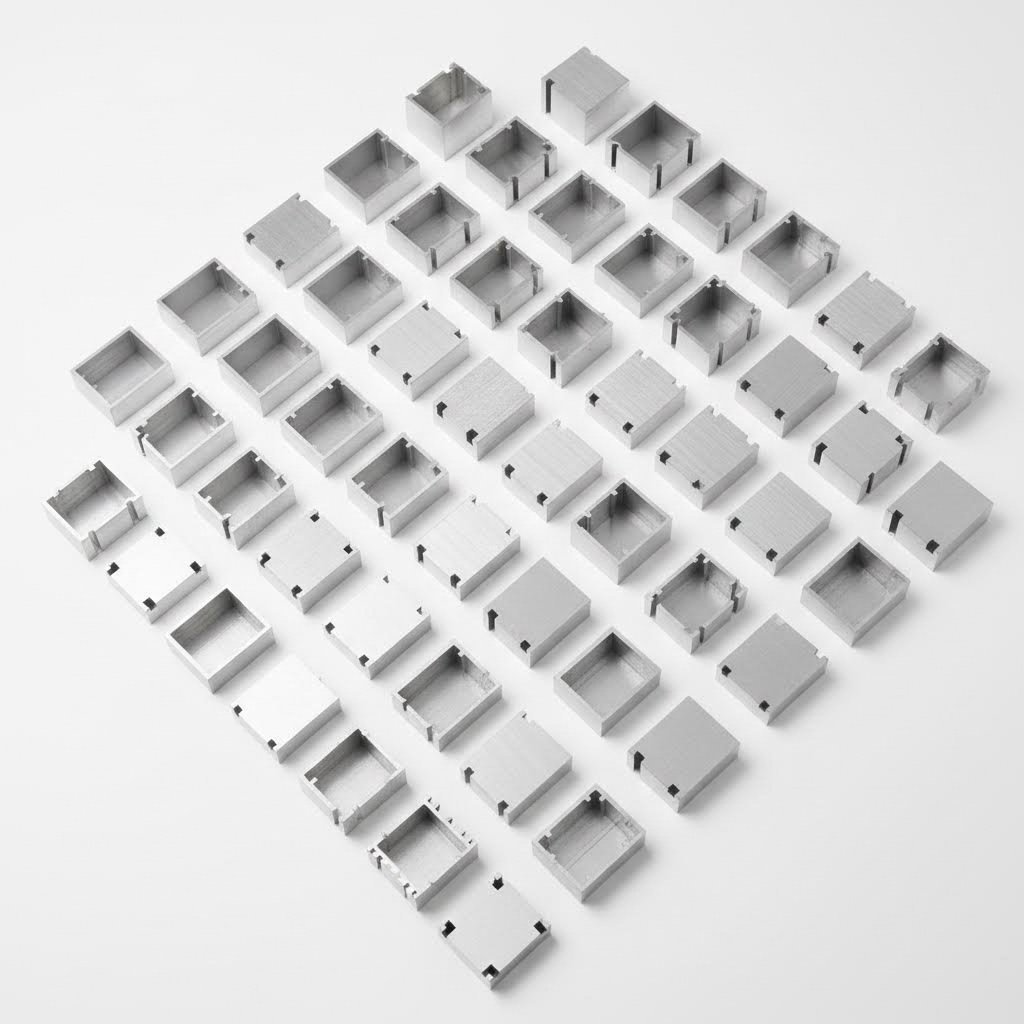
Now that you understand why 6063 outperforms other alloys in the extrusion process, here's the exciting part—what can you actually create with it? The answer: virtually any cross-sectional shape your application demands. From simple solid bars to intricate multi-cavity architectural profiles, 6063's exceptional flow characteristics unlock design possibilities that stronger alloys simply cannot match.
Whether you're sourcing stock profiles for quick turnaround or developing custom shapes for a proprietary product, understanding the available options helps you specify exactly what your project needs.
Extrusion suppliers maintain extensive inventories of standardized profile shapes. These stock options offer immediate availability and lower costs compared to custom tooling. Here's how the major categories break down:
According to industry specifications, 6063 excels at producing these standardized shapes with tight tolerances and excellent surface quality—the combination that makes profiles ready for anodizing or powder coating straight off the extrusion press.
Stock profiles work perfectly for many applications—but what happens when standard shapes don't quite fit your design requirements? This is where 6063's legendary extrudability truly shines.
Custom extrusion opens possibilities that stock profiles cannot address:
Here's what makes custom 6063 extrusions practical: the alloy's low flow stress during extrusion means dies experience less wear, reducing tooling costs over production runs. Die development typically costs between $500-$2,000 depending on complexity, with costs amortized across order volume.
6063's superior extrudability enables wall thicknesses as low as 1.0mm and intricate details that would be impossible or prohibitively expensive with higher-strength alloys.
Consider a real-world scenario: you're designing a solar panel mounting rail that requires integrated wire management, bolt slots at precise intervals, and a weight-optimized cross-section. A stock channel would require secondary operations—drilling, adding cable clips, attaching separate fastener tracks. A custom 6063 extrusion incorporates all these features directly, reducing part count and assembly labor while improving overall system reliability.
The decision between custom and stock ultimately depends on volume. For prototype quantities or runs under 500 feet, modifying stock profiles often proves more economical. Once volumes exceed this threshold, custom tooling investment typically pays for itself through reduced per-piece costs and eliminated secondary operations.
With countless profile geometries possible, how do you actually work with 6063 once it arrives at your facility? The fabrication characteristics that make this alloy so versatile deserve careful attention.
You've specified the right alloy, selected the optimal temper, and your extruded aluminum 6063 profiles have arrived at your facility. Now what? The fabrication process determines whether those carefully specified materials become precision components or scrap metal. Understanding how this alloy behaves under cutting tools, welding torches, and bending operations separates successful projects from costly rework.
Here's the good news: 6063's lower hardness compared to alloys like 6061 makes it relatively forgiving during fabrication. But "forgiving" doesn't mean "foolproof." The same properties that make this alloy so extrudable create specific challenges you need to anticipate.
Machining extruded structural aluminum in the 6063 alloy requires a different approach than working with steel or even harder aluminum alloys. The material's relative softness—particularly in T5 temper—creates a tendency toward built-up edge formation and tool adhesion that can ruin surface finish quality.
The key principle? High speed with adequate cooling. According to machining research, cutting speeds of 300 m/min or higher prevent the gummy chip formation that plagues lower-speed operations. When aluminum adheres to cutting edges, it creates inconsistent cuts and poor surface quality—precisely what you want to avoid on profiles destined for visible applications.
| Operation | Recommended Speed | Tool Selection | Key Considerations |
|---|---|---|---|
| Turning | 300-600 m/min | Carbide with polished rake face | Use positive rake angles (15-20°) to reduce cutting forces |
| Milling | 300-500 m/min | 2-3 flute carbide end mills | Single-flute for deep pockets to improve chip evacuation |
| Drilling | 80-120 m/min | 135° split-point HSS or carbide | Peck drilling for depths exceeding 3x diameter |
| Tapping | 20-40 m/min | Spiral flute taps | Use cutting oil; avoid forming taps in thin sections |
Residual stress in extruded profiles creates another challenge that's often overlooked. Complex or thin-wall sections can warp when stress releases during material removal. For aluminum extruded channel profiles requiring tight tolerances after machining, consider these practices:
Coolant selection matters significantly. Soluble cutting fluids at 5-10% concentration reduce tool wear by up to 40% according to industry testing. For operations where coolant contamination is a concern—such as parts destined for anodizing—dry machining at higher speeds with compressed air chip removal offers an alternative, though tool life decreases.
Good news for fabricators: alu extrusion in 6063 welds more readily than its stronger cousin 6061, with less distortion in the heat-affected zone (HAZ). Both TIG (GTAW) and MIG (GMAW) processes work effectively, though TIG dominates for thinner sections and applications where weld appearance matters.
However, welding introduces a critical strength consideration. Heat from the welding process dissolves the Mg₂Si precipitates responsible for 6063's strength, creating a softened zone around the weld. According to metallurgical data, strength loss in the weld and HAZ typically reaches 20-50%, with 30% being common for most applications.
Filler metal selection directly impacts weld quality and performance:
For welded joints in 6063 requiring both strength and conductivity, use 5356 filler metal and increase weld reinforcement to compensate for the lower conductivity of this alloy.
Cleanliness cannot be overemphasized. The aluminum oxide layer that provides corrosion resistance becomes a contaminant during welding. Remove this oxide immediately before welding using stainless steel wire brushes (dedicated to aluminum only), chemical cleaning, or mechanical scraping. Oils, greases, and moisture release hydrogen during welding, causing porosity that weakens the joint.
Forming 6063 profiles requires attention to temper selection and bend geometry. T5 temper accommodates moderate bending without cracking, while T6's higher strength makes it less forgiving. For profiles requiring sharp bends:
Drilling and tapping in extruded aluminum 6063 proceed smoothly with proper technique. Use spiral-flute taps that lift chips up and out of the hole rather than packing them into threads. For blind holes, back the tap out frequently to clear accumulated chips. Thread engagement of 1.5-2 times the fastener diameter provides adequate strength for most structural connections.
One of 6063's standout characteristics is its natural corrosion resistance. The alloy forms a thin, self-healing aluminum oxide layer (2-5 nm thick) that protects against atmospheric attack. In standardized salt spray testing (ASTM B117), anodized 6063 profiles routinely exceed 1,000 hours without significant corrosion—impressive durability for outdoor applications.
However, additional protection becomes necessary in specific environments:
For most architectural and industrial applications in temperate climates, 6063's inherent corrosion resistance—enhanced by standard anodizing—provides decades of maintenance-free service. The alloy's low copper content (under 0.1%) contributes significantly to this durability, as copper promotes intergranular corrosion in higher-copper alloys.
With fabrication fundamentals covered, how do you achieve the flawless finishes that make 6063 the preferred choice for visible architectural applications?
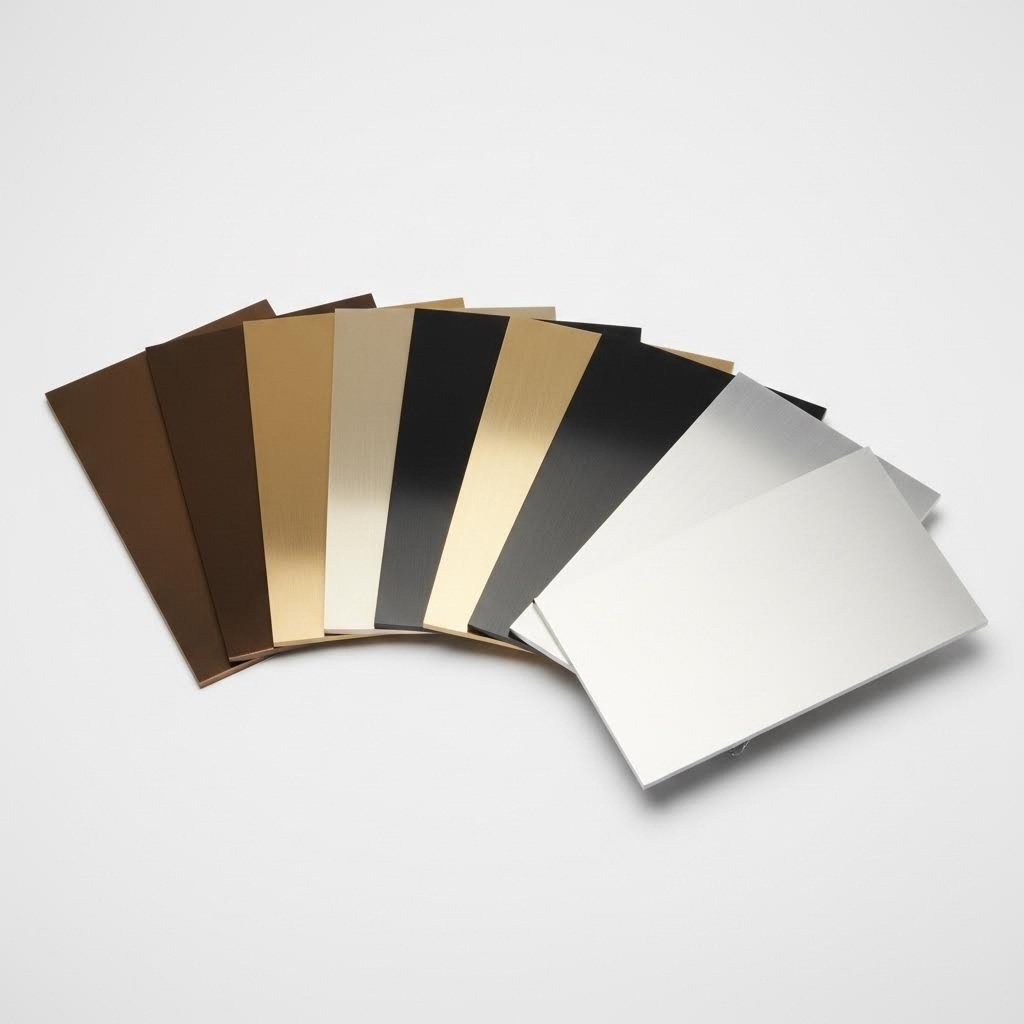
Here's where 6063 aluminum extrusion truly earns its reputation as the architectural alloy of choice. You've machined, welded, and formed your profiles—but the surface finish transforms functional metal into finished product. Whether you're creating sleek storefront systems, durable aluminum extrusion panels, or precision industrial components, the finishing process determines both aesthetic appeal and long-term performance.
Why does 6063 outperform other alloys in surface treatment? The answer lies in its low iron and copper content. These impurities—present at higher levels in stronger alloys—create inconsistent oxide layers and color variations during anodizing. With 6063, you get uniform coatings that accept color evenly and maintain their appearance for decades.
Anodizing remains the gold standard for aluminum finishing, and 6063 responds to this process better than virtually any other extrusion alloy. The electrochemical process converts the aluminum surface into a hard, porous aluminum oxide layer that's integral to the base metal—not applied on top like paint.
According to the Aluminum Anodizers Council, the Aluminum Association classifies anodic finishes into several categories:
Hardcoat Anodizing (Type III) deserves special mention for demanding applications. This process creates coatings from 1.0 to 5.0 mils thick with Rockwell C hardness of 50-70—described as "file hard" in industry terminology. While 6063's softer substrate limits point-pressure resistance, hardcoat finishes provide exceptional abrasion resistance for sliding or rubbing contact. Common applications include machined components, cookware, and industrial equipment housings.
6063's low iron and copper content produces more uniform oxide layers, consistent coloring, and superior surface brightness compared to higher-strength alloys—especially critical for light-colored decorative finishes.
When color range, texture options, or extreme durability requirements exceed what anodizing offers, powder coating and specialty finishes fill the gap. These applied coatings sit on top of the aluminum rather than integrating with it, providing different performance characteristics.
Choosing the right surface treatment involves balancing durability, aesthetics, and budget against your specific exposure conditions:
| Application Environment | Recommended Primary Finish | Alternative Options | Key Considerations |
|---|---|---|---|
| Interior architectural | Clear or colored anodize | Powder coating, brushed mechanical | Aesthetic consistency; fingerprint resistance |
| Exterior architectural (temperate) | Electrolytic color anodize (15+ microns) | PVDF coating | UV stability; color retention over decades |
| Coastal/marine exposure | PVDF coating or thick anodize (25+ microns) | Powder coating with marine-grade primer | Salt spray resistance; sacrificial protection at cut edges |
| Industrial/high-wear | Hardcoat anodize (Type III) | Industrial powder coating | Abrasion resistance; chemical exposure tolerance |
| Food contact/cookware | Hardcoat anodize (unsealed) | — | FDA compliance; non-reactive surface |
One critical detail: pre-treatment quality determines finish performance regardless of which coating you select. Proper cleaning, etching, and surface preparation remove extrusion lubricants and create the micro-texture necessary for coating adhesion. Skipping or rushing this step undermines even the most expensive finishing process.
The exceptional surface quality that 6063 delivers straight from the extrusion press means less aggressive pre-treatment is required compared to higher-alloy alternatives—another cost advantage that compounds across high-volume production runs.
With finishing options understood, what happens when surface defects appear despite careful processing? Identifying and preventing common extrusion problems saves significant rework costs.
Even with the right alloy and proper temper selection, aluminum 6063 extrusion can develop surface imperfections that compromise both appearance and performance. The difference between a flawless architectural profile and rejected scrap often comes down to recognizing defect patterns and understanding their root causes. For engineers evaluating suppliers or procurement specialists qualifying new sources, this knowledge transforms quality inspections from guesswork into systematic assessment.
Here's the reality: defects in extruded aluminum rarely appear randomly. Each imperfection tells a story about what went wrong during processing—and more importantly, what controls need adjustment to prevent recurrence.
Surface defects fall into distinct categories, each linked to specific process variables. According to extrusion quality research, most problems trace back to three areas: material preparation, die condition, and process parameters. Understanding these connections helps you communicate effectively with suppliers when quality issues arise.
Surface defects in extrusion rarely appear randomly—each imperfection traces to specific process variables that systematic quality control can address.
Prevention starts long before aluminum enters the press. According to quality control studies, five interconnected factors determine whether your profiles emerge defect-free or require rework.
Die design and maintenance represent your first line of defense. Well-engineered dies account for material flow characteristics, ensuring aluminum moves uniformly through all profile sections. Critical considerations include:
Billet temperature control directly affects both surface quality and dimensional accuracy. Temperature ranges typically span 350°C to 500°C depending on profile complexity and alloy. Too hot, and the aluminum becomes too fluid—causing surface tearing and dimensional instability. Too cold, and incomplete die filling or excessive press loads result. The key is maintaining consistent temperature throughout the billet, not just at the surface.
Extrusion speed optimization balances productivity against quality. Higher speeds increase output but generate more heat through friction and deformation. This additional heat can push surface temperatures beyond acceptable limits, causing tearing or oxidation. For complex aluminum 6063 extrusion profiles with thin walls or intricate features, slower speeds often prove more economical than high-speed runs requiring extensive rework.
Cooling and quenching control locks in dimensional stability and prevents thermal stress defects. Air cooling suits most 6063-T5 applications, while water quenching—required for T6 temper—demands careful control to prevent warping. The transition from extrusion temperature to ambient should be rapid enough to achieve proper metallurgical structure but gradual enough to avoid cracking.
Material preparation standards eliminate contamination-related defects before they can occur. This includes:
When evaluating extrusion suppliers, ask specific questions about these control measures. Reputable manufacturers document their process parameters, maintain calibrated equipment, and track defect rates by profile type. Suppliers unable to discuss their quality systems in detail may lack the controls necessary to deliver consistent results.
With defect prevention strategies in place, the final challenge becomes finding suppliers who can execute these controls reliably across your production volumes.
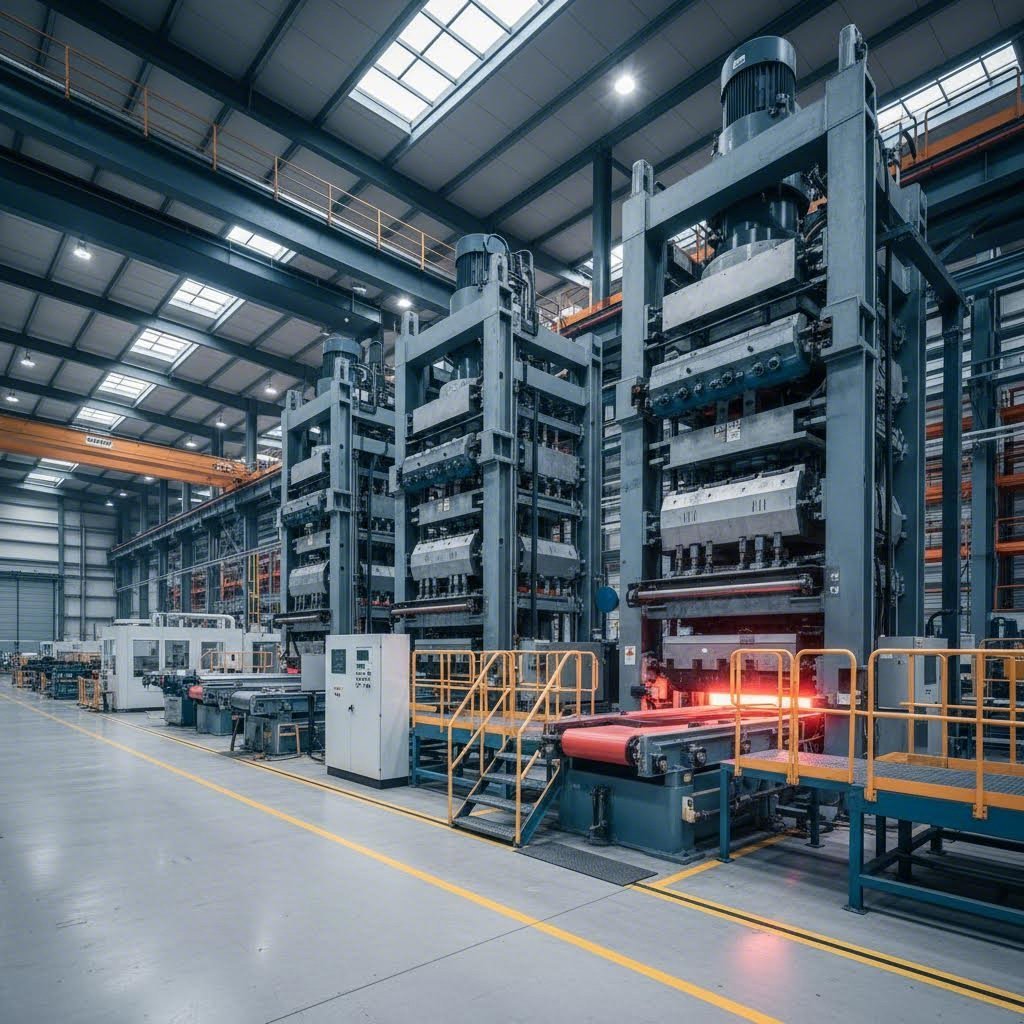
You've mastered the technical specifications—alloy chemistry, temper designations, fabrication guidelines, and finishing options. Now comes the practical challenge: finding a supplier who can consistently deliver profiles that meet your quality standards, timeline requirements, and budget constraints. Whether you're searching for aluminum extrusions for sale in stock configurations or developing custom profiles for a proprietary application, your supplier relationship determines project success far more than any specification sheet.
Think of supplier selection like choosing a manufacturing partner rather than simply purchasing commodity material. The right partner anticipates problems, offers technical guidance, and scales with your needs. The wrong one creates endless headaches through quality inconsistencies, communication gaps, and missed deadlines.
Not all extrusion facilities are created equal. A shop running a single small press cannot deliver the same capabilities as a vertically integrated manufacturer with dozens of production lines. According to industry sourcing guidelines, evaluating suppliers holistically—across technical capability, quality systems, and service infrastructure—reduces sourcing risks and ensures consistent product quality.
Here's what to examine when qualifying potential suppliers for your aluminum channel extrusion requirements:
A qualified aluminum extrusion supplier offers much more than extruded profiles—they provide engineering collaboration, quality assurance, and integrated production capabilities that align with your business goals.
Understanding the complete production workflow helps you evaluate whether a supplier can truly deliver on their promises. The journey from concept to finished aluminum extruded channels involves multiple interdependent stages—each representing potential failure points if not properly controlled.
The process typically follows this sequence:
For manufacturers seeking comprehensive extrusion capabilities, Shengxin Aluminium exemplifies the full-service model with 35 extrusion presses ranging from 600T to 5500T, state-of-the-art CNC machining centers, and extensive surface treatment options including anodizing in custom colors like champagne and rose gold, powder coating, PVDF, and micro-arc oxidation. This integrated approach—from die development through mass production—eliminates coordination between multiple vendors and ensures consistent quality across your entire order.
Before committing to any supplier, systematically verify their capabilities against your requirements. Use this framework to compare potential partners objectively:
| Evaluation Category | Key Questions to Ask | Documentation to Request |
|---|---|---|
| Production Capacity | How many presses? What tonnage range? Current utilization rate? | Equipment list; production capacity reports |
| Quality Systems | What certifications? In-house testing capabilities? Defect tracking? | ISO certificates; quality manual; inspection reports |
| Technical Expertise | Design support available? Industry experience in your sector? | Case studies; reference projects; engineering credentials |
| Surface Finishing | In-house or outsourced? Color matching capability? Coating warranties? | Finish samples; coating test reports; facility tour |
| Secondary Operations | CNC capability? Maximum profile length? Assembly services? | Machining specifications; work envelope dimensions |
| Supply Chain Reliability | Lead times? Inventory management? Logistics support? | Delivery performance metrics; material sourcing documentation |
Request physical samples before committing to production orders. Validate extrusion precision, surface finish consistency, and coating quality against your specifications. If possible, conduct a facility audit—either in person or virtually—to verify equipment condition, cleanliness standards, and workflow organization.
Finally, check references from companies with similar requirements. Ask about delivery reliability, issue resolution speed, and long-term consistency. According to supplier evaluation research, real-world performance feedback often reveals capabilities—or limitations—that sales presentations obscure.
The investment in thorough supplier evaluation pays dividends throughout your production lifecycle. A capable partner who understands 6063 aluminum's unique characteristics, maintains rigorous quality controls, and offers integrated services from die development through finished components transforms sourcing from a procurement headache into a competitive advantage.
6063 aluminum contains less magnesium and silicon than 6061, resulting in superior extrudability and surface finish quality but lower tensile strength. 6061 offers approximately 15% higher strength and better machinability due to its copper content, making it ideal for structural applications. However, 6063's lower copper content provides better corrosion resistance and consistent anodizing response, making it the preferred choice for architectural and decorative profiles where appearance matters.
The 6xxx series, particularly 6063, is widely considered the best grade for extrusion applications. 6063 delivers exceptional flow characteristics through dies, enabling complex thin-wall profiles with excellent surface finish. It balances moderate strength with superior extrudability, corrosion resistance, and anodizing quality. For applications requiring higher strength, 6005 or 6082 may be more suitable, though they sacrifice some extrudability and surface finish quality.
T5 temper involves air cooling after extrusion by artificial aging at approximately 200°C, producing moderate strength with good formability. T6 temper uses water quenching and longer aging cycles, achieving about 36% higher tensile strength and 56% higher yield strength than T5. Choose T5 for profiles requiring post-extrusion bending or forming operations, and T6 when maximum mechanical strength is the priority.
Yes, 6063 aluminum welds readily using TIG (GTAW) or MIG (GMAW) processes with minimal distortion. Use 4043 filler for aesthetic welds requiring anodizing, or 5356 filler for higher joint strength. Note that welding creates a heat-affected zone with 20-50% strength reduction. Proper cleaning to remove the oxide layer immediately before welding is essential to prevent porosity and ensure strong, clean joints.
6063 aluminum's low iron and copper content produces exceptionally smooth surfaces straight from extrusion, ideal for visible applications. It accepts anodizing uniformly with consistent coloring and maintains excellent corrosion resistance without additional coatings. The alloy's superior extrudability enables intricate architectural profiles with thin walls and complex geometries that stronger alloys cannot achieve economically, making it the industry standard for window frames, curtain walls, and decorative trim.



 Servicio en línea
 0086 136 3563 2360
 sales@sxalu.com
 +86 136 3563 2360
 español
 English
 français
 Deutsch
 русский
 português
 العربية
 ไทย
ไทย Việt
Việt Українська