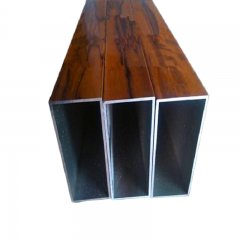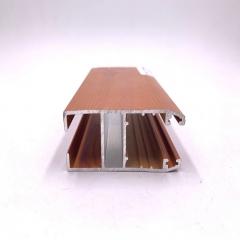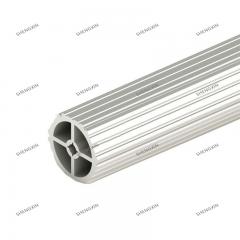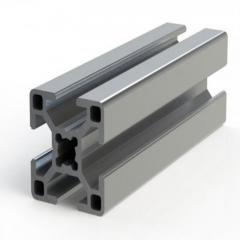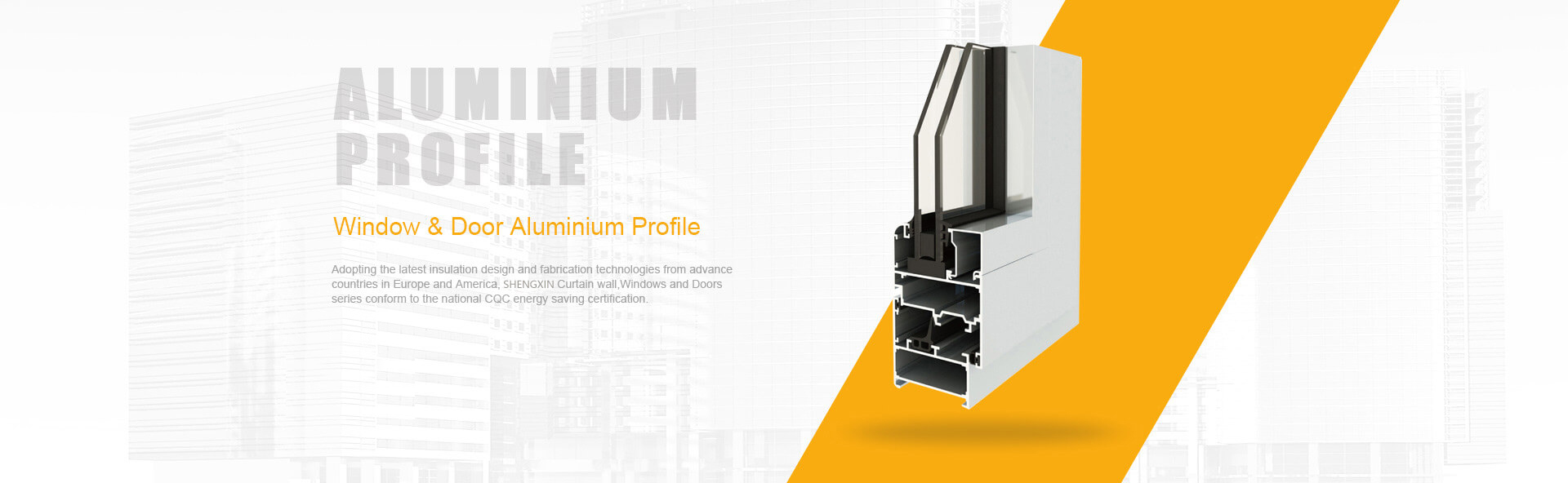
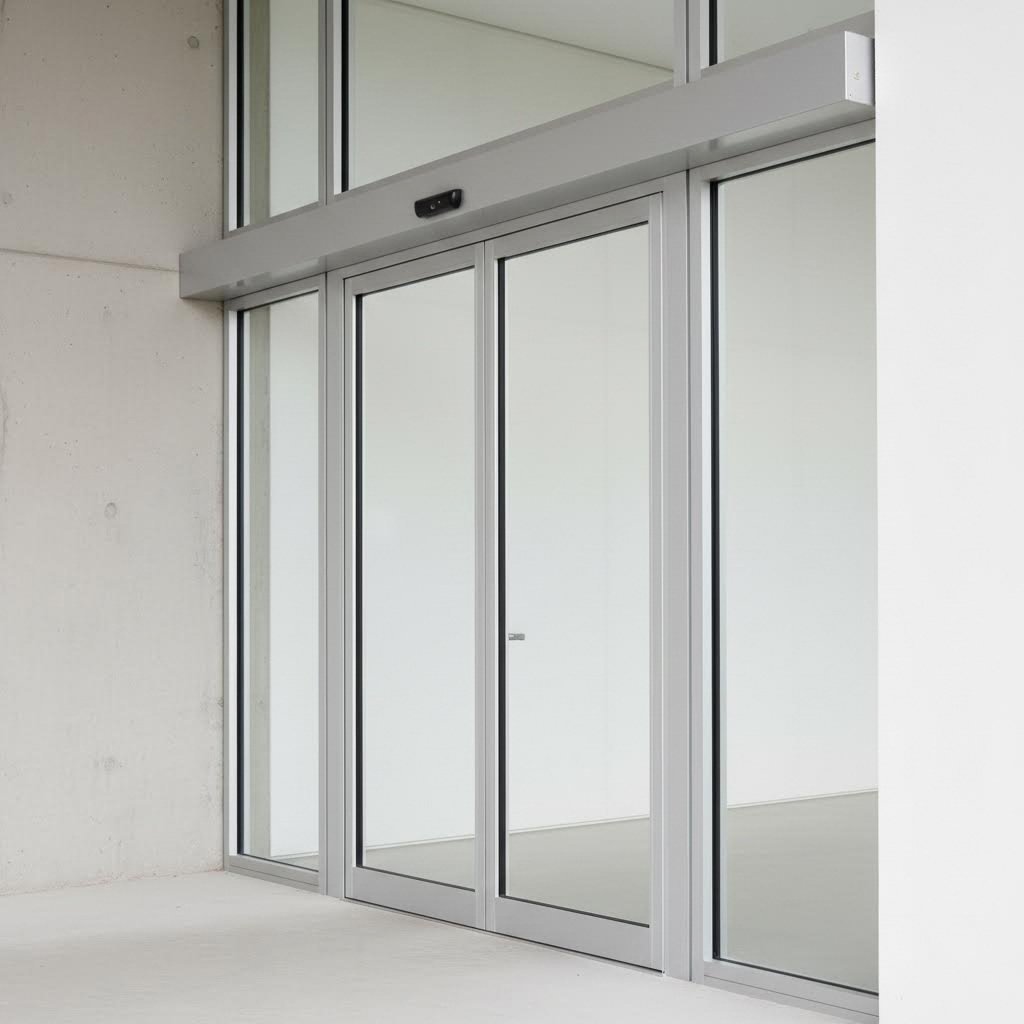
When you're shopping for door frames, you'll encounter countless product catalogs showcasing sleek aluminum options. But here's what most suppliers won't explain: understanding how these frames are actually manufactured gives you a significant advantage in selecting the right product for your project. Let's pull back the curtain on aluminum extrusion door frames and the precision process that makes them possible.
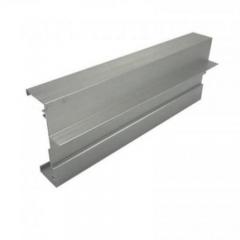
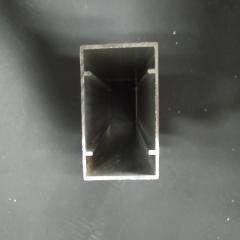
Aluminum extrusion is a manufacturing process in which a heated aluminum billet is pressed through a die with great accuracy to create complex shapes with precise tolerances, forming profiles with various cross-sections such as frames, sashes, and mullions.
Imagine squeezing toothpaste through a shaped nozzle. That's essentially what happens during aluminum extrusion, but with heated metal and incredible precision. Aluminum door frames begin as cylindrical billets heated to approximately 375°C to 500°C until the metal becomes soft enough to deform. The softened aluminum is then forced through a specially designed die that imparts the exact cross-sectional shape needed for your door frame profile.
What makes this process remarkable for door applications is the consistency it delivers. Unlike welded or assembled frames, an extruded frame maintains identical dimensions along its entire length. This uniformity is critical because even minor variations can cause doors to stick, create air gaps, or compromise weather sealing. Precision extrusion manufacturers like those producing misumi aluminum extrusion components can achieve dimensional tolerances as tight as ±0.02 mm, ensuring your door frame fits perfectly every time.
The complete aluminum frame extrusion process involves several carefully controlled steps:
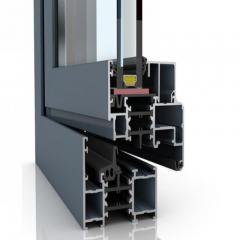
Why does this matter for your door project? Aluminum door frames created through this process offer three distinct advantages. First, dimensional accuracy means your frame will align precisely with walls, floors, and door panels. Second, structural integrity comes from the continuous grain structure that extrusion creates, eliminating weak points found in welded assemblies. Third, design flexibility allows manufacturers to incorporate complex features like weatherstripping channels, mounting slots, and thermal breaks directly into the profile.
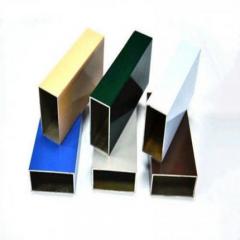
After extrusion, profiles can undergo additional finishing processes. Surface treatments like anodizing or powder coating enhance corrosion resistance and appearance. Fabrication operations including cutting, drilling, and machining bring profiles to their final dimensions. This end-to-end manufacturing approach, from misumi aluminum extrusion standards to custom architectural profiles, ensures your door frame meets exact specifications while delivering the durability aluminum is known for.
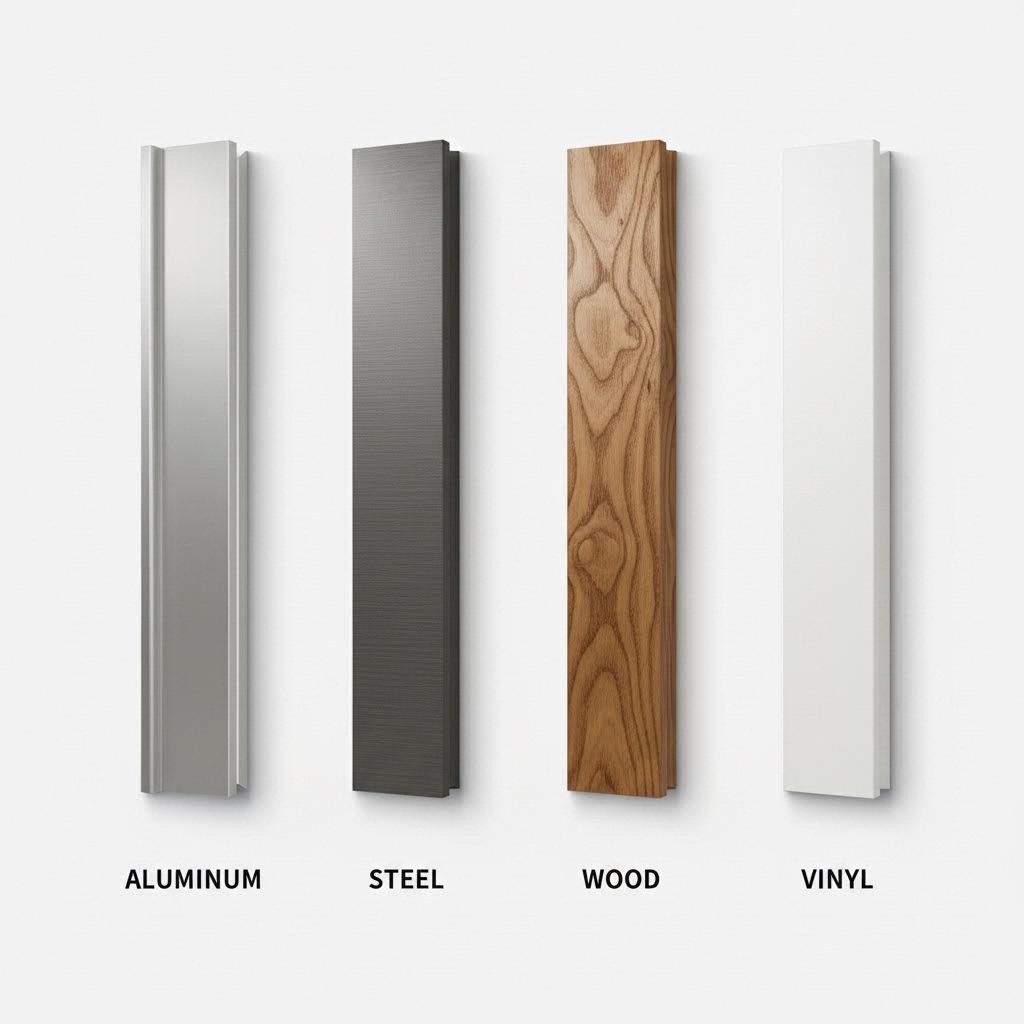
Now that you understand how aluminum extrusion door frames are manufactured, you're probably wondering: why choose aluminum over other materials? It's a fair question, and one that suppliers often gloss over with marketing speak. Let's break down the honest pros and cons of each material so you can make an informed decision based on your specific project requirements.
Steel and aluminum are the two most common metals used in commercial and industrial door frame applications. At first glance, steel might seem like the stronger choice, but the comparison isn't that straightforward.
An aluminum door frame weighs approximately one-third of an equivalent steel frame. This weight difference has practical implications beyond just shipping costs. Lighter frames are easier to install, place less stress on wall structures, and work better in applications like an aluminum sliding door frame where smooth operation depends on minimizing friction and mechanical wear.
Steel's Achilles heel is corrosion. Without proper treatment, steel frames rust when exposed to moisture, making them problematic in coastal environments, humid climates, or applications like shower enclosures and pool areas. Aluminum naturally forms a protective oxide layer that prevents corrosion without additional treatment, though anodizing or powder coating adds further protection.
However, steel does offer higher tensile strength per dollar. For high-security applications or frames supporting extremely heavy doors, steel may still be the practical choice despite its drawbacks.
When comparing aluminium door frame options against wood and vinyl, the differences become even more pronounced. Here's what you need to know:
| Property | Aluminum | Steel | Wood | Vinyl (PVC) |
|---|---|---|---|---|
| Weight (Relative) | Light | Heavy | Medium | Light |
| Corrosion Resistance | Excellent | Poor (requires coating) | Poor (requires sealing) | Excellent |
| Thermal Conductivity | High (requires thermal break) | High | Low | Low |
| Initial Cost | Medium-High | Medium | Medium-High | Low |
| Lifecycle Cost | Low | Medium-High | High | Medium |
| Lifespan | 40-50+ years | 20-30 years | 15-30 years | 20-30 years |
| Recyclability | 100% recyclable | Recyclable | Biodegradable | Limited |
| Design Flexibility | Excellent | Good | Good | Limited |
Wood frames offer natural beauty and excellent thermal insulation, but they demand ongoing maintenance. Painting, staining, and sealing become regular chores, and even well-maintained wood eventually succumbs to rot, warping, or insect damage. In contrast, alum door frames require virtually no maintenance beyond occasional cleaning.
Vinyl frames win on initial cost and thermal performance, but they have significant limitations. Vinyl can't be painted, limiting color options. It becomes brittle in extreme cold and can warp in intense heat. For large openings like patio doors or commercial storefronts, vinyl lacks the structural rigidity needed to maintain proper alignment over time.
Here are the key advantages that make aluminum the preferred choice for many door frame applications:
The thermal conductivity of aluminum is often cited as a drawback, and it's a legitimate concern for energy-conscious projects. However, modern aluminum sliding door frame designs incorporate thermal breaks, which are insulating barriers that dramatically reduce heat transfer. When properly designed, thermally broken aluminum frames can meet even stringent energy codes.
Understanding these material differences helps you move beyond marketing claims and focus on what actually matters for your application. But material selection is just the beginning. The specific aluminum alloy used in your door frame significantly impacts performance, and that's a topic most suppliers never discuss.
Here's something your supplier probably won't mention: not all aluminum is created equal. When you order an aluminum door and frame, the specific alloy used can dramatically affect everything from how the finished product looks to how long it lasts. Yet most product catalogs simply list "aluminum" without specifying which alloy you're actually getting. Let's change that.
The two most common alloys used in aluminum door extrusion are 6063 and 6061. Both belong to the 6000 series, meaning they contain magnesium and silicon as primary alloying elements. However, the subtle differences between them make each suited to different applications. Understanding these differences gives you leverage when discussing specifications with suppliers.
If you've ever admired the smooth, flawless finish on a high-end storefront or residential patio door, you were likely looking at 6063 aluminum. This alloy is often called "architectural aluminum" for good reason.
What makes 6063 special for aluminum door frame extrusions? It flows exceptionally well during the extrusion process. This superior extrudability means manufacturers can create complex profiles with intricate details, thin walls, and sharp corners without defects. The result is door frames with cleaner lines and more precise dimensions.
The real advantage shows up after finishing. When anodized or powder coated, 6063 produces a consistently smooth surface that looks professional and resists weathering beautifully. For visible applications where aesthetics matter, whether that's a sleek office entrance or an elegant residential sliding door, 6063 delivers the refined appearance clients expect.
So when would you choose 6061 over 6063? The answer comes down to strength requirements. Here's how the two alloys compare across key properties:
| Property | 6063-T6 | 6061-T6 | Winner For Door Frames |
|---|---|---|---|
| Tensile Strength | ~240 MPa | ~310 MPa | 6061 (higher strength) |
| Extrudability | Excellent | Good | 6063 (complex profiles) |
| Surface Finish Quality | Excellent | Good | 6063 (architectural use) |
| Corrosion Resistance | Excellent | Good | 6063 (slight edge) |
| Weldability | Good | Excellent | 6061 (fabrication needs) |
| Machinability | Good | Excellent | 6061 (precision work) |
| Typical Applications | Windows, doors, trim | Structural, industrial | Depends on use case |
The roughly 30% higher tensile strength of 6061 makes it the better choice for industrial door frames, heavy-duty access panels, or applications where the frame must support significant loads. Think warehouse doors, equipment enclosures, or trailer door frames that endure constant stress during transport.
When deciding which alloy is right for your project, consider these key selection criteria:
Here's practical advice: for most residential and commercial aluminum door extrusion applications, 6063-T6 is the appropriate choice. It provides adequate strength for standard doors while delivering the aesthetic quality that visible installations demand. Reserve 6061 for situations where you genuinely need the extra strength, such as oversized industrial doors or frames that will be heavily modified after extrusion.
Now that you understand what your door frame is made of, the next logical question is: what type of frame design works best for your specific application? The answer depends largely on whether you need a sliding, hinged, or swing door system.
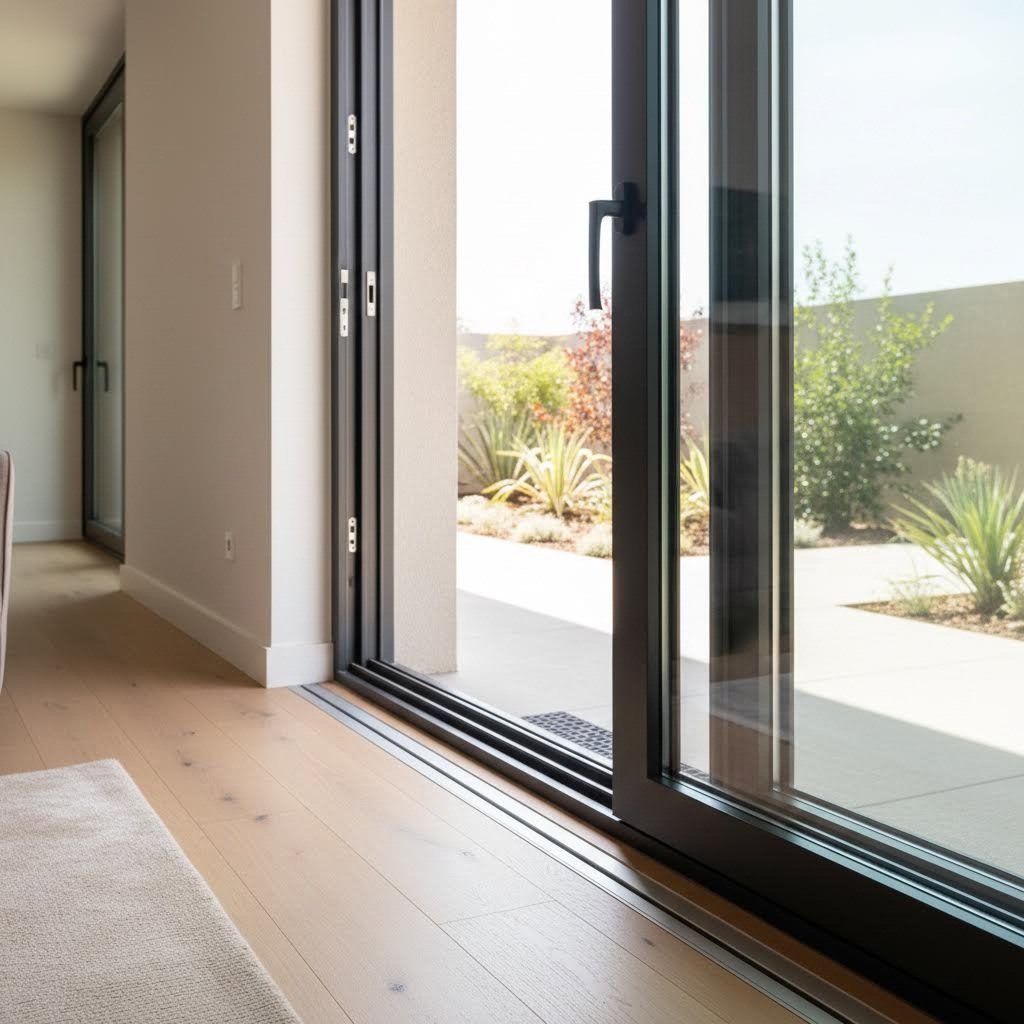
You've selected your alloy and understand the manufacturing process, but here's where many buyers get stuck: choosing the right frame type for their specific application. Suppliers often showcase their product range without explaining when each design makes sense. Let's fix that gap by exploring the major categories of aluminum extrusion door frames and matching them to real-world scenarios.
Door frames fall into three fundamental categories based on how the door operates: sliding systems, hinged panel frames, and swing door configurations. Each has distinct advantages, and selecting the wrong type can mean compromised functionality, wasted budget, or costly retrofits down the road.
When space is at a premium or you want unobstructed views, sliding door systems deliver. The magic happens in the aluminum sliding door track, which is an extruded profile engineered to guide door panels smoothly along a horizontal path. Unlike hinged doors that swing into a room, sliders move parallel to the wall, making them ideal for tight spaces and wide openings.
A complete sliding door aluminum track system consists of several integrated components:
The aluminum rails for sliding doors must be precisely extruded to maintain consistent tolerances. Even minor variations in the track profile can cause binding, uneven movement, or premature roller wear. Quality aluminum sliding door tracks feature integrated drainage channels that direct water away from the interior, preventing the pooling that leads to corrosion and seal failure.
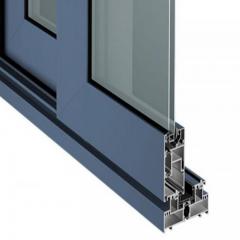
Glass panel integration is where extruded profiles really shine. Modern aluminium sliding door rails incorporate dedicated glazing channels that accept glass panels ranging from single-pane to triple-glazed units. Gaskets and glazing beads snap into extruded slots, creating watertight seals without exposed fasteners. This clean integration is simply not achievable with fabricated steel or wood frames.
Swing doors, whether hinged on one side or pivoting from the center, require fundamentally different frame designs. The frame must resist the rotational forces of repeated opening and closing, support the door's full weight at the hinge points, and provide a solid strike surface for latches and locks.
Hinged panel frames feature reinforced hinge pockets, either extruded directly into the profile or machined after extrusion. These pockets distribute stress across a larger area, preventing the frame distortion that plagues lighter-duty alternatives. For commercial applications with high traffic, heavy-duty aluminum frames incorporate steel reinforcement within the extrusion for added rigidity at hinge locations.
So how do you decide between sliding and swing configurations? Consider these application scenarios:
Hardware integration differs significantly between frame types. Swing door frames need reinforced areas for hinges, closers, and panic hardware. The extrusion profile must accommodate mounting screws while maintaining structural integrity. Sliding systems require smooth, unobstructed tracks and precise roller alignment, with hardware focused on locking mechanisms at the interlock points.
For glass panel applications, both frame types can accommodate similar glazing options, but the structural demands differ. Sliding door panels hang from rollers, so the head track bears the primary load. Swing doors transfer weight through hinges to the vertical jamb, requiring thicker wall sections in that area. Understanding these load paths helps you specify profiles with appropriate wall thicknesses for your application.
One often-overlooked consideration is weatherstripping integration. Extruded aluminum profiles can incorporate multiple weatherstrip channels directly into the cross-section. Sliding systems typically use pile weatherstripping in the aluminium sliding door track and compression seals at the interlock. Swing doors rely on continuous compression gaskets around the perimeter. The frame design must provide the proper geometry for these seals to function effectively.
With your frame type selected, the next critical decision involves surface finishes. The treatment you choose affects not just appearance but also durability, maintenance requirements, and suitability for your specific environment.
You've selected your alloy, chosen your frame type, and now comes a decision that will affect how your door frame looks and performs for decades: the surface finish. Here's what suppliers rarely explain clearly. The finish you choose isn't just about color or aesthetics. It fundamentally determines how well your aluminum door frame profile will resist corrosion, UV degradation, and wear in your specific environment.
Four primary finish options dominate the market for aluminium glass door frame applications: mill finish, anodizing, powder coating, and PVDF (polyvinylidene fluoride) coatings. Each offers distinct advantages, and understanding their differences helps you avoid costly mistakes like specifying a budget finish for a harsh coastal environment.
The debate between anodizing and powder coating is one you'll encounter repeatedly. Both are excellent choices, but they work in fundamentally different ways.
Anodizing is an electrochemical process that converts the aluminum surface into a hard, protective oxide layer. This layer becomes part of the metal itself rather than sitting on top of it. The result? Exceptional scratch resistance and a finish that won't peel, chip, or flake. For aluminium window frame extrusions and door frames in high-traffic areas, anodizing's durability is tough to beat.
Powder coating applies a dry powder electrostatically, then cures it under heat to form a protective film. Unlike anodizing, powder coating sits on the aluminum surface. While this makes it theoretically more susceptible to chipping, modern powder coatings are remarkably tough. The real advantage? Unlimited color options, including custom RAL colors and textured finishes that anodizing simply cannot achieve.
| Property | Mill Finish | Anodized | Powder Coated | PVDF Coating |
|---|---|---|---|---|
| Durability Rating | Low | High | Medium-High | Very High |
| Color Options | Natural silver only | Limited (clear, bronze, black, champagne) | Unlimited (any RAL color) | Wide range including metallics |
| UV Resistance | Poor | Excellent | Good to Excellent | Excellent |
| Scratch Resistance | Poor | Excellent | Good | Good |
| Relative Cost | Lowest | Medium | Medium | Highest |
| Best Applications | Interior, non-visible | Commercial, architectural | Residential, custom colors | Coastal, extreme exposure |
| Typical Warranty | None | 10-20 years | 10-20 years | 20-30 years |
Your environment should drive your finish selection more than aesthetics alone. Here's what to consider for each finish type based on where your door frame will live:
Coastal environments deserve special attention. Salt air accelerates corrosion on inadequately protected aluminum. For beach homes or seaside commercial buildings, either PVDF coatings or Class I anodizing (minimum 18-micron thickness) provides the protection needed. Standard powder coating may show degradation within 5-10 years in aggressive marine environments, while PVDF maintains its appearance for 20 years or more.
Industrial settings present different challenges. Chemical fumes, airborne particulates, and frequent cleaning with harsh agents demand finishes that resist both corrosion and abrasion. Anodizing's integral hardness makes it ideal for factory environments, though PVDF coatings offer better chemical resistance when exposure to solvents or acids is expected.
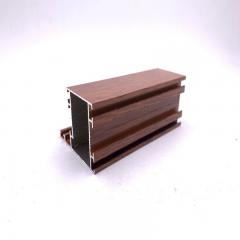
For residential projects, powder coating usually offers the best balance of cost, appearance, and durability. The ability to match any architectural color, including wood-grain finishes that complement traditional home styles, gives homeowners design flexibility that other finishes cannot match. Just ensure your supplier uses exterior-grade powders with UV stabilizers for any application exposed to sunlight.
Custom color availability varies significantly between finish types. Anodizing is limited to metallic tones since the process relies on aluminum's natural oxide. Standard options include clear (natural silver), champagne, bronze variations, and black. Powder coating, conversely, can match virtually any color in the RAL or custom color systems, including bright reds, deep blues, and specialty textures. PVDF coatings fall between these extremes, offering a good range of standard architectural colors plus metallics and specialty finishes at premium pricing.
With your finish selected, you're ready to address the technical specifications that ensure your aluminum extrusion door frame performs structurally. Wall thickness, dimensional tolerances, and load capacity requirements come next, and these details separate frames that last decades from those that fail prematurely.
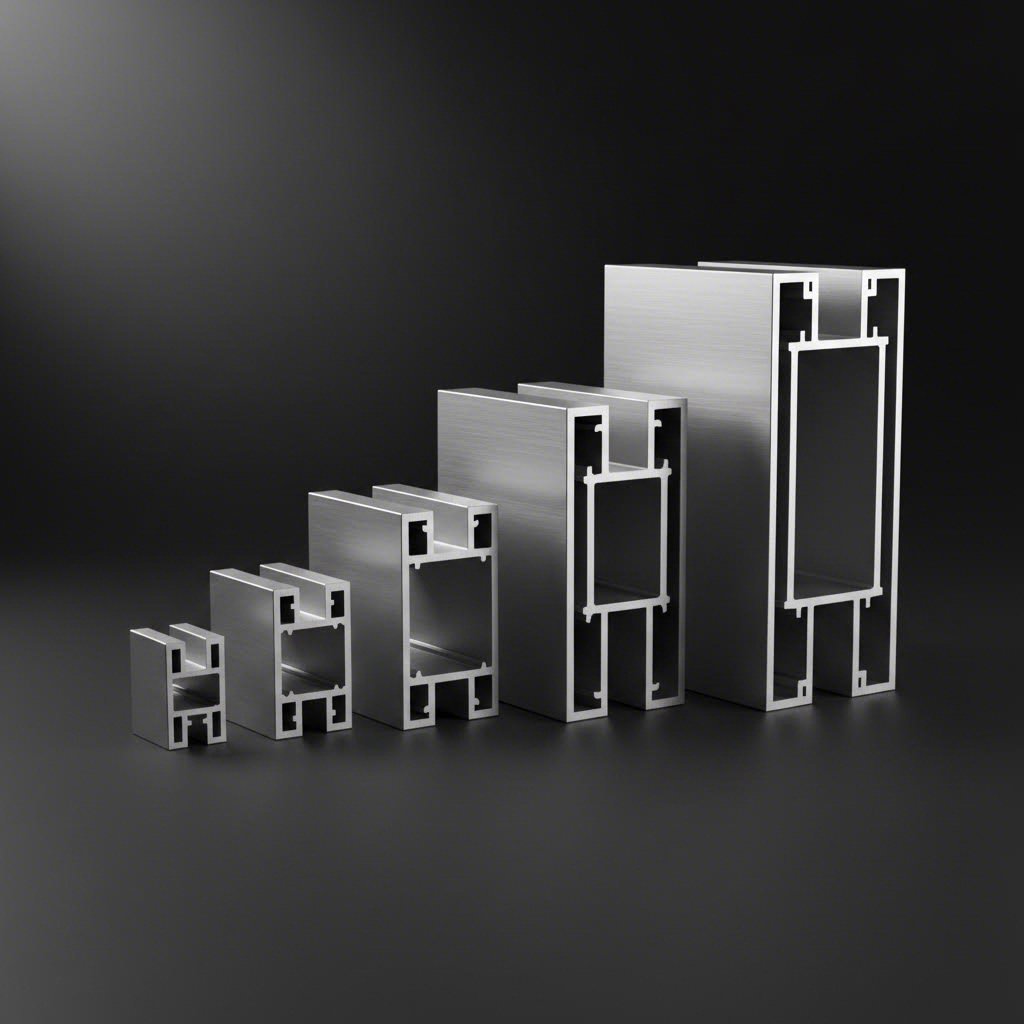
Here's a question most suppliers hope you never ask: what wall thickness and load capacity does my door frame actually need? The technical specifications behind aluminum extrusion door frames are often glossed over in product catalogs, leaving buyers to guess whether a profile will perform adequately for their application. Let's demystify these critical details so you can specify frames with confidence.
Understanding structural requirements isn't just about preventing failure. It's about optimizing your investment. Over-specifying means paying for material you don't need. Under-specifying leads to sagging frames, binding doors, and premature hardware failure. Getting it right requires understanding how profile dimensions, wall thickness, and load capacity work together.
Wall thickness is the single most important factor determining an extruded aluminum track's structural performance. Think of it this way: two profiles with identical external dimensions can have dramatically different strength characteristics based on their internal wall thickness. A profile with 2mm walls will deflect significantly more under load than one with 3mm walls, even though they look the same from the outside.
Standard aluminum door frame profiles typically range from 1.2mm to 3.0mm wall thickness, with most architectural applications falling in the 1.6mm to 2.0mm range. Industrial and commercial aluminum tracks often require 2.0mm or greater to handle heavier doors and higher usage frequency. Here's what these numbers mean in practice:
Dimensional tolerances determine how precisely the extruded profile matches its design specifications. According to industry standards for structural aluminum extrusions, quality manufacturers achieve tolerances of ±0.2mm on standard dimensions and ±0.1mm on critical features like slot widths and mounting surfaces. For aluminum track extrusion applications where smooth door operation depends on consistent rail geometry, tighter tolerances prevent the binding and uneven wear that plague lower-quality profiles.
Why does this matter for your project? Loose tolerances in an aluminium track mean rollers may not seat properly, weatherstripping won't compress uniformly, and door panels may shift during operation. When evaluating suppliers, ask specifically about their dimensional tolerance capabilities. Manufacturers who can't provide tolerance specifications probably aren't controlling them adequately.
Profile series designations like 20, 30, 40, and 45 Series refer to the primary cross-sectional dimension in millimeters. Larger series numbers indicate heavier profiles with greater load-bearing capacity. Understanding which series matches your application prevents both over-engineering and structural inadequacy.
| Profile Series | Typical Cross-Section | Relative Load Capacity | Ideal Door Applications |
|---|---|---|---|
| 15 Series | 15mm x 15mm | Light | Small cabinet doors, access panels under 5 kg |
| 20 Series | 20mm x 20mm | Light-Medium | Interior residential doors, closet systems, light partitions |
| 30 Series | 30mm x 30mm | Medium | Standard residential entries, patio sliders, office doors |
| 40 Series | 40mm x 40mm | Medium-Heavy | Commercial entrances, heavy glass panels, high-traffic areas |
| 45 Series | 45mm x 45mm | Heavy | Large storefronts, industrial entries, oversized sliding systems |
Selecting the appropriate series isn't just about door weight, though that's certainly important. Several factors affect structural requirements, and overlooking any of them can lead to premature frame failure:
The relationship between span and deflection follows engineering principles that manufacturers use to publish load tables. For example, a 40 Series extruded aluminium track supporting a 50 kg sliding door panel might show acceptable deflection over a 1200mm span but exceed limits at 2000mm. Doubling the span roughly quadruples the deflection under the same load, which is why larger openings often require stepping up to the next profile series.
For critical applications, manufacturers provide moment of inertia values that engineers use to calculate exact deflection under specific loading conditions. This data becomes essential when designing aluminum extrusion track systems for oversized doors, curtain wall applications, or installations subject to significant wind loads. If your supplier can't provide these engineering values, consider whether they truly understand the structural demands of your application.
With structural specifications understood, you're ready to explore how these profiles actually come together. Assembly methods and hardware integration determine whether your well-specified frame performs as designed or develops problems at connection points.
You've selected the right alloy, specified appropriate wall thickness, and chosen your surface finish. Now comes a detail that can make or break your installation: how do you actually connect everything together? Fastening methods are where many aluminum extrusion door frame projects go wrong, yet suppliers rarely explain the tradeoffs between different assembly approaches. Let's change that.
The fastening method you choose affects three critical outcomes: visual appearance, assembly complexity, and connection strength. Understanding when to use each approach helps you match the assembly technique to your project's priorities, whether that's a sleek architectural look or maximum structural rigidity.
According to industry fastening standards, T-slot fasteners divide into two fundamental categories: internal and external. Each serves different purposes, and knowing when to use which saves time, money, and frustration.
Internal fasteners are machined directly into the aluminum profiles, creating strong bonds that remain hidden from view. They're ideal when aesthetics matter because the connection hardware sits recessed within the T-slot channel. For extruded aluminum panels in visible applications like storefronts or residential entries, internal fastening delivers the clean, professional look clients expect.
Common internal fastening options include:
External fasteners mount directly on the profile's outside surface. They're easier to implement and reconfigure, making them practical for applications where adjustability matters more than aesthetics. Aluminum extrusions for panels in industrial settings often use external fastening because maintenance access and future modifications take priority over visual refinement.
External fastening options include:
When should you choose internal over external? Consider internal fastening when you need hidden connections, fewer visible parts, or flush surfaces that won't interfere with door operation. Choose external fastening when you need easy reconfiguration, variable angle options, or connections joining more than two profiles at one point. Some aluminum panel extrusions benefit from a hybrid approach, using internal fasteners for visible joints and external brackets for concealed structural reinforcement.
Beyond the frame connections themselves, your aluminum extrusion door frame must integrate smoothly with operating hardware. The profile design should accommodate all necessary components without compromising structural integrity or requiring extensive field modification.
Key hardware requiring frame integration:
Panel material integration extends beyond glass. Aluminum extrusion panels can accept various infill materials, each requiring specific channel dimensions and gasket systems. Understanding these requirements helps you specify profiles compatible with your chosen panel material:
The key to successful hardware integration is specifying these requirements upfront. Modifying extruded profiles after manufacturing is possible but adds cost and lead time. Work with your supplier to ensure the profile cross-section includes provisions for all planned hardware before die production begins.
With assembly methods understood, you're ready to evaluate potential suppliers. The right manufacturing partner makes the difference between a smooth project and endless headaches, and knowing what questions to ask gives you a significant advantage.
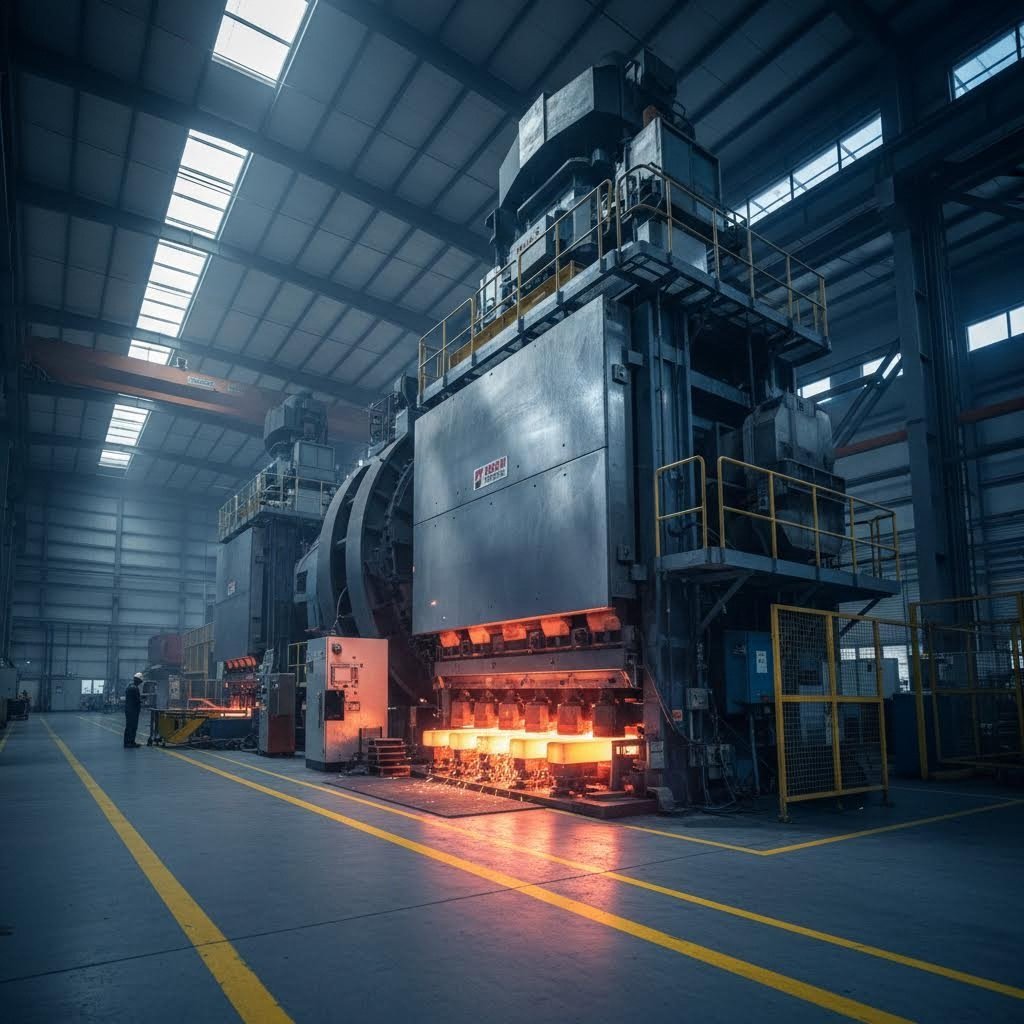
You've learned about alloys, finishes, structural specifications, and assembly methods. Now comes the decision that ties everything together: choosing the right supplier. Here's what most buyers discover too late. The manufacturer you partner with matters as much as the technical specifications you've carefully developed. A supplier with limited capabilities or poor communication can derail even the best-planned project.
Selecting an aluminum extrusion door frame supplier isn't like buying a commodity product where price alone drives the decision. You're entering a manufacturing partnership that affects quality, lead times, and your ability to solve problems when they arise. Let's walk through a systematic approach to making this decision with confidence.
Before requesting quotes, you need to qualify potential suppliers based on capabilities, experience, and service approach. The following step-by-step process guides you from initial research through final selection:
When evaluating responses to these questions, pay attention to how potential suppliers communicate. Industry experts emphasize that responsiveness during the quoting process predicts how suppliers will perform during production. If getting basic information feels difficult now, imagine resolving urgent issues mid-project.
Whether you're sourcing standard catalog profiles similar to misumi extruded aluminum components or developing fully custom extrusions, these evaluation steps apply. The difference lies in emphasis. Standard profiles prioritize availability and consistency, while custom projects demand stronger engineering collaboration and die development expertise.
One of the most significant decisions in your selection process is whether to use standard profiles or invest in custom extrusion tooling. This choice affects cost, lead time, and ultimately how well your aluminum slide track or door frame performs in its intended application.
Standard profiles offer compelling advantages when they meet your requirements:
Custom profiles become necessary when standard options fall short:
Experienced manufacturers help you navigate this decision objectively. A supplier with 30+ years of experience, like Shengxin Aluminium, has developed thousands of dies and can often identify existing tooling that meets your needs or suggest minor modifications to standard profiles that avoid full custom development. Their technical teams provide end-to-end support from die development through mass production, which proves invaluable for complex extruded aluminum slide applications.
When custom tooling is necessary, understand what you're paying for. Die costs vary based on profile complexity, typically ranging from several hundred to several thousand dollars. However, this investment amortizes across your production volume. For significant runs, custom profiles often achieve lower per-piece costs than heavily modified standard sections.
Regarding sourcing options, you'll encounter various supplier types in your search. Distributors like misumi extrusion suppliers offer convenience and broad catalogs for standard components. For custom aluminum door frame projects requiring specific alloys, finishes, and fabrication, working directly with manufacturers typically provides better pricing, faster problem resolution, and more flexible minimum quantities.
Quality indicators to prioritize when making your final selection:
Red flags that should prompt caution:
The misumi extrusions catalog approach works well for standardized industrial components, but door frame applications often require the customization and technical support that only direct manufacturer relationships provide. Evaluate your project's complexity honestly and match your supplier type accordingly.
Factory-direct pricing from established manufacturers frequently beats distributor pricing on custom work while providing superior technical support. When you need specific aluminum extrusion slider configurations or custom aluminum slide track profiles, manufacturers with comprehensive capabilities deliver better value than assembling solutions from multiple sources.
With your supplier selected, you're ready to finalize specifications and move toward installation. The final step involves confirming all your decisions align and creating an actionable project checklist.
You've journeyed through the technical landscape of aluminum extrusion door frames, from manufacturing processes and alloy selection to surface finishes and supplier evaluation. Now it's time to transform that knowledge into action. Whether you're tackling a commercial storefront, industrial enclosure, or residential patio upgrade, the decisions you make at this stage determine whether your project succeeds or struggles.
The three factors that matter most in aluminum door frame selection are matching the alloy and wall thickness to your structural requirements, choosing a surface finish appropriate for your environment, and partnering with a supplier who provides genuine technical support rather than just order processing.
Before placing your order, confirm you've addressed each critical decision point covered throughout this guide:
For projects involving aluminum sliding glass track systems or custom extruded aluminum door frame profiles, pay particular attention to dimensional tolerances. The smooth operation of sliding doors depends on consistent track geometry that only precision manufacturers can deliver reliably.
The information advantage you've gained puts you ahead of most buyers who rely solely on supplier recommendations. You now understand why certain alloys perform better in specific applications, how surface treatments affect long-term durability, and what structural specifications actually mean for your project's success.
For straightforward projects using standard profiles, your local aluminum tracking supplier or catalog distributor may serve your needs adequately. However, complex requirements involving custom cross-sections, integrated thermal breaks, or specialized aluminum sliding applications benefit from working directly with manufacturers who offer comprehensive capabilities.
Experienced manufacturers like Shengxin Aluminium provide the end-to-end support that complex door frame projects demand. Their CNC machining capabilities enable precise cutting, drilling, and bending to exact specifications, eliminating the coordination headaches that arise when fabrication is outsourced. For projects requiring custom profiles or specialized finishes, factory-direct partnerships often deliver better value than assembling solutions from multiple vendors.
Your next step? Gather your project specifications, document your requirements using the checklist above, and reach out to qualified suppliers for quotes. Ask the questions you now know matter most. The suppliers who respond with detailed, knowledgeable answers are the ones worth partnering with.
Remember: the goal isn't finding the cheapest door frame. It's finding the right door frame, manufactured correctly, from a partner who supports your success. Armed with the knowledge from this guide, you're equipped to make that decision with confidence.
6063 aluminum is the preferred choice for architectural door frames due to its superior extrudability and excellent surface finish quality after anodizing or powder coating. It's ideal for visible applications like storefronts and residential entries. 6061 aluminum offers approximately 30% higher tensile strength, making it better suited for industrial door frames, heavy-duty access panels, or trailer doors that must endure significant stress. For most residential and commercial applications, 6063-T6 provides adequate strength with the refined aesthetic quality clients expect.
Anodizing creates a hard, integral oxide layer that becomes part of the metal, offering exceptional scratch resistance and a finish that won't peel or chip. It's ideal for high-traffic areas but limited to metallic tones like clear, bronze, black, and champagne. Powder coating applies a cured film offering unlimited color options including custom RAL colors and wood-grain finishes. Choose anodizing for durability in commercial settings, and powder coating for residential projects requiring specific color matching. For coastal environments, consider PVDF coatings or Class I anodizing for maximum corrosion protection.
Wall thickness determines structural performance and varies by application. Lightweight interior doors and cabinets require 1.2mm to 1.4mm walls. Standard residential exterior doors need 1.6mm to 1.8mm walls. Commercial storefronts and high-traffic entrances require 2.0mm to 2.4mm walls. Industrial doors, oversized panels, and applications with significant wind loads need 2.5mm to 3.0mm or greater. The appropriate thickness also depends on door weight, span length, usage frequency, and hardware loads. Manufacturers provide load tables to help calculate exact requirements for specific applications.
Aluminum extrusion door frames offer several key advantages. They weigh one-third of equivalent steel frames, making installation easier and reducing stress on wall structures. Unlike steel, aluminum naturally resists corrosion without additional treatment, performing excellently in coastal and humid environments. Compared to wood, aluminum requires virtually no maintenance and won't rot, warp, or attract insects. Aluminum frames last 40-50+ years versus 15-30 years for wood. They're also 100% recyclable without losing properties. Modern thermally broken aluminum frames can meet stringent energy codes, addressing the thermal conductivity concern.
Standard profiles offer immediate availability, no die costs, and lower minimum order quantities, making them ideal when they meet your requirements. Choose custom profiles when you need specific dimensions for proprietary hardware, integrated features like thermal breaks or weatherstrip channels not available in stock profiles, or when production volume justifies die investment through lower per-piece costs. Experienced manufacturers like Shengxin Aluminium can often identify existing tooling that meets your needs or suggest modifications to standard profiles that avoid full custom development, potentially saving significant costs.



 Servicio en línea
 0086 136 3563 2360
 sales@sxalu.com
 +86 136 3563 2360
 español
 English
 français
 Deutsch
 русский
 português
 العربية
 ไทย
ไทย Việt
Việt Українська