Ever wondered why your aluminum shipment got held at customs or why you paid more duties than expected? The answer often lies in a simple string of numbers called an HS code. Getting this classification right can mean the difference between smooth customs clearance and costly delays that eat into your profit margins.
So, what is an HTS code exactly? The Harmonized Commodity Description and Coding System, commonly known as the Harmonized System or HS, serves as the universal language for international trade. Developed and maintained by the World Customs Organization (WCO), this standardized classification system helps customs authorities worldwide speak the same language when it comes to identifying traded goods.
The Harmonized System is a multipurpose international product nomenclature comprising more than 5,000 commodity groups, each identified by a six-digit code, arranged in a legal and logical structure supported by well-defined rules to achieve uniform classification.
Here's what makes this system so powerful: over 200 countries and economies rely on the HS code for aluminum and thousands of other products. In fact, more than 98% of all merchandise in international trade is classified using this system. When you ship aluminum extrusions from one country to another, customs officers on both ends use the same foundational codes to determine duties, taxes, and regulatory requirements.
Imagine ordering custom aluminum profiles for an architectural project, only to discover at the port that incorrect aluminum classification has triggered additional inspections and unexpected tariffs. This scenario plays out more often than you might think, and the consequences extend far beyond inconvenience.
Correct HS code classification directly affects:
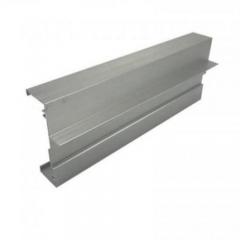
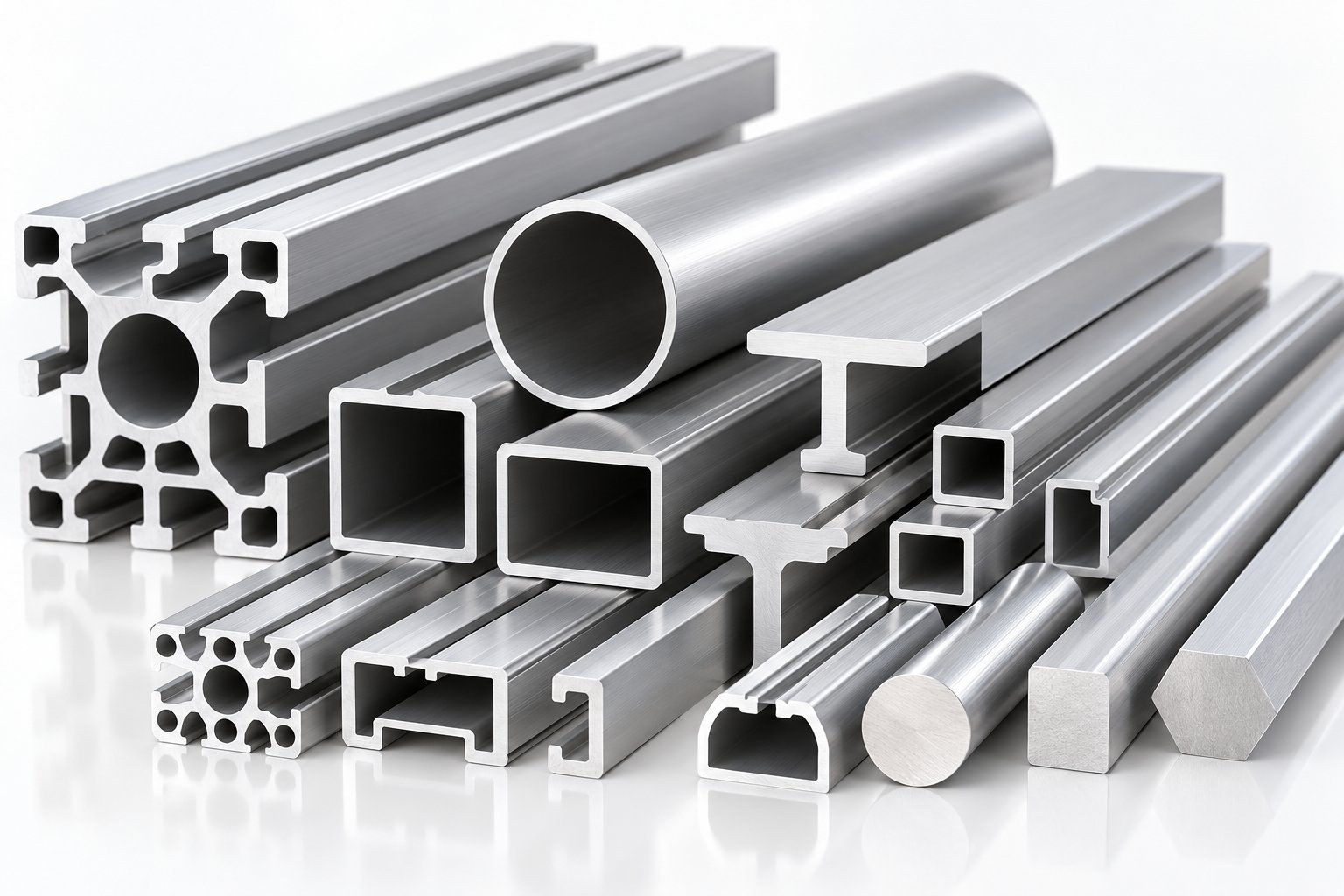
For aluminum extrusions specifically, the stakes are particularly high. These products fall under Chapter 76 of the Harmonized System, but within that chapter, subtle differences in alloy composition or profile shape can shift your product into an entirely different code category. A hollow aluminum alloy profile and a solid non-alloyed bar may look similar to the untrained eye, yet they require completely different classifications.
The HS code for aluminum products isn't just a bureaucratic formality. It's a critical business tool that influences your bottom line on every international shipment. Understanding how these codes work, and more importantly, how to apply them correctly to your specific products, puts you in control of your customs costs rather than leaving them to chance.

Now that you understand why these classification numbers matter, let's break down exactly how they work. Think of an HS code as a layered address system. Just like a mailing address narrows down from country to city to street to house number, HTS numbers narrow from broad product categories to highly specific items.
Every aluminum extrusion HS code follows a precise hierarchical structure. The system starts broad and gets progressively more specific with each additional digit. Here's how the layers work:
| Code Level | Example | What It Identifies |
|---|---|---|
| Chapter (2-digit) | 76 | Aluminum and articles thereof |
| Heading (4-digit) | 7604 | Aluminum bars, rods, and profiles |
| Subheading (6-digit) | 7604.21 | Hollow profiles of aluminum alloys |
| National Code (8-digit US) | 7604.21.00 | Further specification with duty rates |
| Statistical Suffix (10-digit US) | 7604.21.00.10 | Heat-treatable industrial alloys |
The first six digits are internationally standardized. Whether you're shipping to Germany, Brazil, or Japan, customs authorities in all these countries recognize 7604.21 as hollow aluminum alloy profiles. However, here's where things get interesting: each country adds its own extensions beyond the sixth digit to apply specific duty rates and statistical tracking.
According to the U.S. International Trade Commission, the Harmonized Tariff Schedule of the United States comprises 8-digit unique rate lines and 10-digit statistical reporting categories built upon the international 6-digit foundation. This means your HTS code list for the U.S. will look different from the Combined Nomenclature codes used in Europe, even though both start from the same base.
When you're working with aluminum extrusions, Chapter 76 is your home base. But within this chapter, the heading 7604 specifically covers bars, rods, and profiles. Understanding the distinction between the three main subheadings here can save you significant money on duties.
Let's examine the key aluminum number classifications within heading 7604:
7604.10 - Aluminum, Not Alloyed
This category covers profiles, bars, and rods made from pure aluminum containing at least 99% aluminum by weight. According to the official HTS Chapter 76 notes, "aluminum, not alloyed" must meet strict composition limits where iron plus silicon combined cannot exceed 1% and no single other element exceeds 0.1%.
7604.21 - Hollow Profiles of Aluminum Alloys
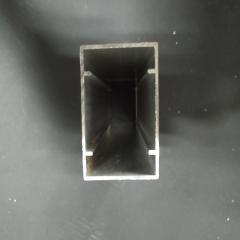
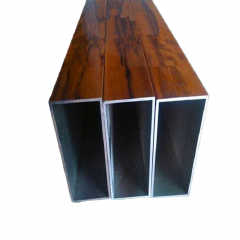
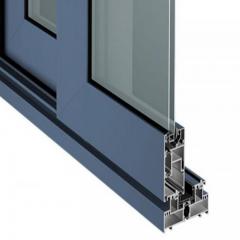
This subheading applies specifically to hollow profiles made from aluminum alloys. Think of window frame channels, tube-like structures, or any profile with an enclosed void running through its length. The U.S. duty rate for this category sits at 1.5%, making it one of the more favorable classifications.
7604.29 - Other Aluminum Alloy Profiles
Everything else falls here: solid profiles, bars with various cross-sections, and rods made from aluminum alloys. Within this subheading, the HTS further subdivides based on cross-section shape (round versus other) and alloy type (high-strength heat-treatable versus industrial heat-treatable versus other).
The difference between HS code and HTS code often confuses importers. Simply put, an HS code refers to the international 6-digit classification, while an HTS code (in the U.S. context) includes the additional country-specific digits. When someone asks about the "hts code 和 hs code" relationship, they're essentially asking about this distinction between the global standard and national extensions.
What determines whether your product is 7604.21 or 7604.29? Two critical factors come into play: whether the profile is hollow or solid, and the alloy composition. A solid 6063 aluminum extrusion used for architectural trim would classify under 7604.29.10, while the same alloy formed into a hollow tube for curtain wall framing would fall under 7604.21.00. This distinction alone can change your duty rate from 5% to 1.5% in the United States.
Understanding this structure gives you a roadmap for navigating the classification process. Before you can determine the correct code, you'll need to know exactly what your aluminum extrusion is made of and how it's shaped. Let's explore those technical specifications in detail.
Ready to get into the specifics? This section serves as your go-to reference for the primary HS codes covering aluminum extrusions. Whether you're importing architectural profiles, industrial tubes, or specialty bars, you'll find the precise classifications and definitions you need right here.
Let's break down each primary classification within the aluminum products category under heading 7604. Understanding these distinctions is essential because selecting the wrong code can result in overpaying duties by several percentage points or triggering compliance issues.
7604.10 - Aluminum, Not Alloyed (Profiles, Bars, and Rods)
This classification applies exclusively to products made from pure aluminum. According to the Harmonized Tariff Schedule of the United States (2025), "aluminum, not alloyed" means metal containing by weight at least 99 percent of aluminum. The code breaks down further:
7604.21 - Hollow Profiles of Aluminum Alloys
This subheading covers one of the most commonly imported aluminum products: hollow profiles made from aluminum alloys. These include structural tubes, window frame channels, and any extruded shape with an enclosed void running its entire length. The HS code of aluminium alloy hollow profiles carries a favorable 1.5% general duty rate, making proper classification particularly valuable.
7604.29 - Other Aluminum Alloy Products
Everything that doesn't fit into the hollow profile category lands here. This includes solid profiles, bars, and rods made from aluminum alloys. The aluminium HS code structure under 7604.29 gets more complex:
Each of these further subdivides based on alloy type. For example, statistical note 6 to Chapter 76 defines "high-strength heat-treatable alloys" as aluminum containing 7.0% or less copper by weight or 10.0% or less zinc, designated as series 2xxx or 7xxx. Statistical note 7 defines "heat-treatable industrial alloys" as series 6xxx containing 3.0% or less magnesium and silicon.
Sounds complex? It doesn't have to be. The key is understanding exactly how the tariff schedule defines each product type. The official USITC Chapter 76 notes provide precise definitions that customs officials use to classify your shipments.
Bars and Rods Definition:
Rolled, extruded, drawn or forged products, not in coils, which have a uniform solid cross section along their whole length in the shape of circles, ovals, rectangles (including squares), equilateral triangles or regular convex polygons. The thickness of products with a rectangular cross section exceeds one-tenth of the width.
Profiles Definition:
Profiles are rolled, extruded, drawn, forged or formed products with a uniform cross section along their whole length that do not conform to the definitions of bars, rods, wire, plates, sheets, strip, foil, tubes or pipes. In practical terms, if your aluminum extrusion has an irregular or complex cross-sectional shape like T-channels, angles, or custom architectural shapes, it qualifies as a profile.
Wire Definition:
Wire differs from bars and rods in one critical way: it comes in coils. Products in coils with uniform solid cross sections classify as wire under heading 7605 rather than 7604. For subheading 7616.91, the term "wire" applies only to products where no cross-sectional dimension exceeds 6 mm.
Hollow vs. Solid - The Critical Distinction:
The difference between 7604.21 (hollow profiles) and 7604.29 (other profiles) hinges on whether the product has an enclosed void. Tubes and pipes, as defined in the tariff notes, are hollow products with only one enclosed void along their whole length. If your aluminum alloy extrusion has a hollow center, whether circular, rectangular, or custom-shaped, it falls under 7604.21 with its lower 1.5% duty rate.
| Product Type | Key Characteristics | HS Code | US Duty Rate |
|---|---|---|---|
| Pure aluminum solid profile | 99%+ aluminum, complex cross-section, not coiled | 7604.10.10 | 5% |
| Aluminum alloy hollow tube | Alloy composition, enclosed void, uniform wall | 7604.21.00 | 1.5% |
| 6063 alloy solid T-bar | Series 6xxx alloy, T-shaped cross-section, solid | 7604.29.10 | 5% |
| Aluminum alloy round bar | Alloy composition, circular solid cross-section | 7604.29.30 | 2.6% |
A Note on 7616.99.5190 and Finished Articles:
You might encounter references to codes like 7616.99.5190 when dealing with more processed aluminum pieces. This falls under heading 7616 covering "other articles of aluminum" and applies when aluminum extrusions have been further manufactured into finished products like castings, forgings, or assembled components. If your product remains in its extruded form without significant further processing, stick with the 7604 classifications.
The distinction between raw aluminum extrusions and finished aluminum articles matters significantly for classification. A basic extruded profile classifies under 7604, but that same profile cut to length, drilled, and assembled into a window frame component might shift to 7610 (aluminum structures) or even 7616 depending on its degree of manufacture.
With these technical definitions in hand, you're ready to examine how physical characteristics of your specific products determine which code applies. The next section walks through exactly what customs officials look for when classifying aluminum extrusions.
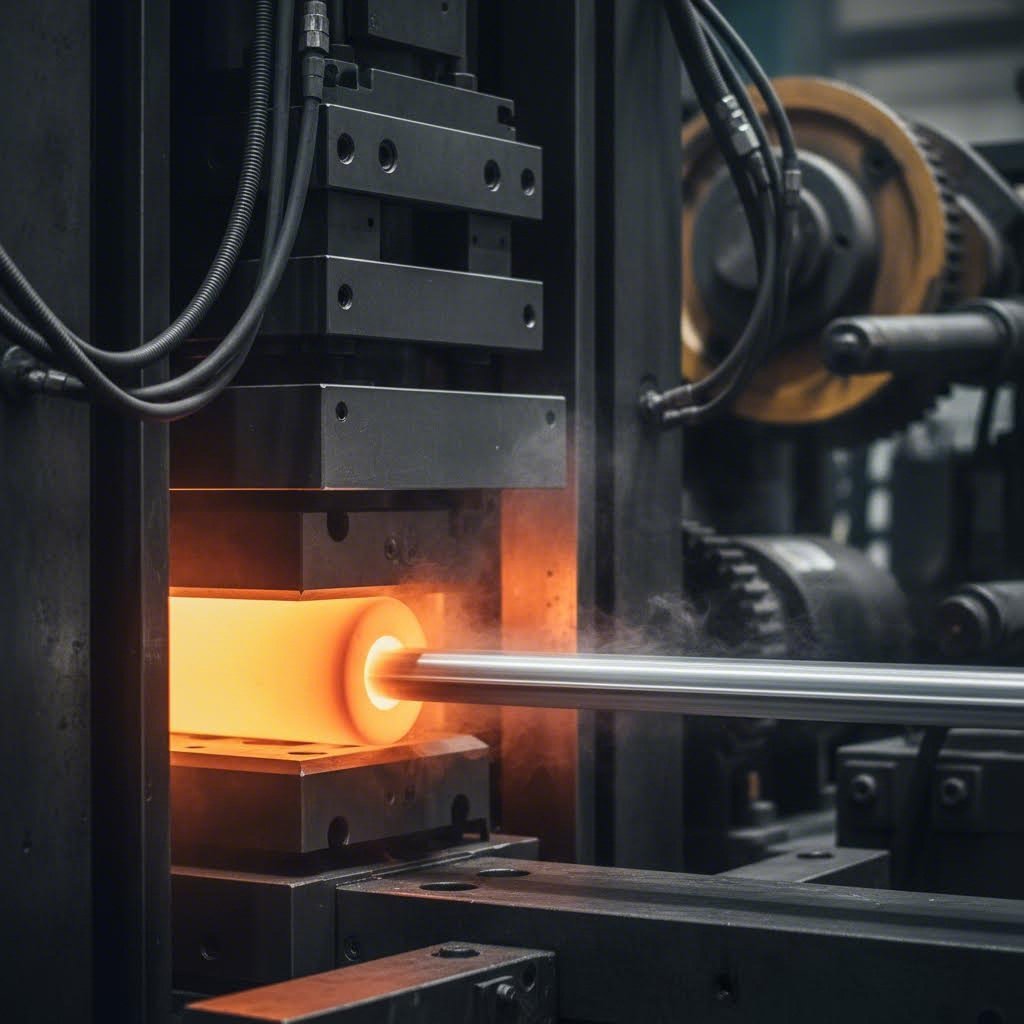
You've seen the codes and their definitions. But how do you know which one applies to the aluminum sitting in your warehouse or arriving at the port? The answer lies in understanding what aluminum extrusions actually are and how their physical properties drive classification decisions.
Picture this: a cylindrical aluminum billet, heated to around 900°F, gets pushed through a steel die under tremendous pressure. What emerges on the other side is an aluminum extrusion with a cross-sectional shape matching that die's opening. This process transforms unwrought aluminum into the profiles, bars, and rods that fall under heading 7604.
The extrusion process itself is straightforward, but the resulting product's characteristics determine everything about its classification. Whether you end up with a hollow window frame channel or a solid architectural trim piece depends on the die design. Whether that piece classifies as 7604.10 or 7604.29 depends on what alloy went into the billet in the first place.
Common aluminum alloys used in extrusions include:
The aluminium alloys list matters because customs authorities use alloy composition as a primary classification factor. A 6063 alloy extrusion falls into the heat-treatable industrial alloys category (series 6xxx), while a 7075 piece qualifies as a high-strength heat-treatable alloy (series 7xxx). These distinctions carry through to the 10-digit statistical suffixes that affect tracking and potential trade measures.
When customs officials examine your aluminum extrusion shipment, they're looking at specific physical attributes to determine the correct aluminium classification. Understanding these factors helps you classify products correctly before they ever reach the border.
Surface Treatments and Classification:
Here's where many importers get confused. Anodizing, powder coating, or mill finish treatments generally do not change the underlying HS code for aluminum extrusions. A 6063 hollow profile remains classified under 7604.21 whether it's raw mill finish or anodized. However, you must document these treatments accurately because they can affect valuation and, in some cases, trigger additional regulatory requirements.
Secondary processing presents a different scenario. If your aluminum profile arrives already cut to precise lengths and drilled for assembly, customs may consider it further advanced toward a finished article. The key question becomes: is this still primarily an aluminum profile, or has it been manufactured into something more specific? When in doubt, the degree of processing often tips the scales toward more specific classifications under headings 7610 or 7616.
Consider a practical example: you import architectural aluminum T-bars for curtain wall systems. If these arrive as straight extruded lengths requiring further fabrication, they classify under 7604.29.10. If they arrive pre-cut, pre-drilled, and ready for direct installation as structural framing components, they may shift to 7610.10 (aluminum structures and parts of structures). The physical characteristics haven't changed, but the degree of manufacture has.
With these physical factors clearly understood, you're equipped to evaluate your specific products. But what happens when your extrusion doesn't fit neatly into one category? The next section provides a step-by-step decision framework for those ambiguous situations where classification isn't immediately obvious.
What happens when your aluminum extrusion doesn't fit neatly into a single classification? Maybe you're dealing with a semi-hollow profile that could arguably qualify under multiple codes, or perhaps your alloy composition sits right on the boundary between categories. These gray areas are where classification mistakes happen most often, and where the right approach can save you thousands in duties.
Rather than guessing or hoping for the best, work through a systematic decision process. Think of it as following a map: each question leads you closer to the correct code for aluminum extrusions. Here's the framework customs brokers and compliance professionals use:
Step 1: Determine Alloy Status
Your first question is straightforward: is your aluminum product alloyed or not? Check your material certification. If the aluminum content is 99% or higher by weight, with iron plus silicon combined not exceeding 1% and no single other element exceeding 0.1%, you're working with "aluminum, not alloyed" under 7604.10. Anything else falls into the aluminum alloy categories under 7604.21 or 7604.29.
Step 2: Assess Profile Type
For aluminum alloys, the next critical question: is your profile hollow or solid? Examine the cross-section. If there's an enclosed void running the entire length of the product, you're looking at a hollow profile (7604.21). No enclosed void? That's a solid profile or bar/rod under 7604.29. This distinction alone can mean the difference between a 1.5% and 5% duty rate.
Step 3: Evaluate Cross-Sectional Shape
Within each category, cross-sectional geometry further refines your aluminum HS code. Round cross-sections on bars and rods typically carry lower rates than irregular shapes. A circular solid bar of aluminum alloy falls under 7604.29.30 at 2.6%, while a T-shaped profile of the same alloy classifies under 7604.29.10 at 5%.
Step 4: Consider Processing Level
Finally, assess how far your product has been manufactured beyond basic extrusion. Simple cutting to length, anodizing, or powder coating generally don't change classification. However, significant fabrication like drilling, milling, or assembly may shift your product from aluminium pieces under 7604 to finished articles under 7610 or 7616.
Even with a clear decision framework, some products resist easy classification. You might encounter situations where the alloy composition falls near the boundary between pure and alloyed aluminum, or where a profile's cross-section makes it unclear whether it qualifies as "hollow."
Consider these real-world classification scenarios:
| Product Description | Key Determining Factor | Likely HS Code |
|---|---|---|
| Architectural window frame channel (6063 alloy, hollow) | Hollow profile + aluminum alloy composition | 7604.21.00 |
| Industrial round tube (6061 alloy, enclosed void) | Hollow profile + heat-treatable industrial alloy | 7604.21.00.10 |
| Heat sink with fins (6063 alloy, solid complex shape) | Solid profile + irregular cross-section | 7604.29.10 |
| Round bar stock (6061 alloy, solid circular) | Solid bar + round cross-section | 7604.29.30 |
| Pre-cut curtain wall mullion (6063, hollow, drilled) | Degree of processing may shift to 7610 | 7604.21 or 7610.10 |
| Custom T-slot extrusion (pure aluminum 99.5%) | Non-alloyed aluminum + profile shape | 7604.10.10 |
Handling Edge Cases:
When your product sits on the boundary between classifications, documentation becomes your best ally. Gather detailed material certificates showing exact alloy composition, technical drawings with precise cross-sectional dimensions, and manufacturing specifications describing any secondary processing. These aluminium numbers and specifications often provide the clarity needed to make a definitive classification.
For truly ambiguous situations, you have options beyond guessing:
According to trade compliance experts, creating classification decision trees for complex products that could potentially fall under multiple HS codes is becoming standard practice. Documenting your reasoning thoroughly matters because customs authorities are increasingly scrutinizing classifications. The difference between similar codes can mean the difference between a 0% duty rate and a 25% tariff when trade measures apply.
When to Seek Official Rulings:
Consider requesting a formal classification ruling when the stakes are high: large volume shipments, ongoing import programs, or products where misclassification could trigger anti-dumping duties. The ruling process takes time, typically 30-90 days, but provides legal protection against future disputes. For one-time shipments of standard products, working with an experienced customs broker often provides sufficient confidence without the formal process.
With a clear classification framework in hand, you'll face fewer surprises at the border. However, classification requirements vary by destination country, and what works for U.S. imports may need adjustment for shipments to Europe or Asia. Understanding these regional variations is essential for companies trading across multiple markets.

You've mastered classification for U.S. imports, but what happens when you're shipping the same aluminum profile to multiple countries? Here's the challenge: while the first six digits remain standardized worldwide, each trading nation adds its own extensions, duty rates, and trade measures. A hollow 6063 aluminum profile classified under 7604.21 in the United States might carry entirely different duty implications when entering the European Union or crossing borders under USMCA.
The foundational HS code aluminium classifications remain consistent globally, but national extensions create significant differences in how your products are treated at each border. Understanding these variations helps you plan shipments strategically and avoid unexpected costs.
| Region | Code Format | Example for Aluminum Alloy Profiles | Key Differences |
|---|---|---|---|
| United States (HTS) | 10 digits | 7604.21.00.10 | Statistical suffixes distinguish alloy series; Section 232 tariffs may apply |
| European Union (CN) | 8 digits | 7604.21.00 | CBAM carbon costs apply from 2025; TARIC codes add further detail |
| Canada (Customs Tariff) | 10 digits | 7604.21.00.00 | USMCA preferential rates available with proper origin documentation |
| GCC Countries | 12 digits (from 2025) | 7604.21.00.00.00 | Extended codes provide more precise classification; adopted January 2025 |
| China | 10 digits | 7604.21.00.00 | Export controls and VAT rebate rates vary by specific extension |
Notice how the HTS codes in the United States extend to 10 digits, while the EU Combined Nomenclature uses 8 digits? This means your HS code for aluminium products needs adjustment depending on your destination. The good news: the core 6-digit classification (7604.21 for hollow aluminum alloy profiles) translates directly across all markets. The complexity comes from what each country layers on top.
According to recent trade updates, GCC countries including Kuwait, Oman, Qatar, and Saudi Arabia adopted 12-digit HS codes starting January 1, 2025. If you're shipping aluminum extrusions to these markets, you'll need to work with local customs brokers familiar with the expanded classification requirements.
Proper HTS aluminum classification becomes even more critical when trade agreements come into play. The United States-Mexico-Canada Agreement (USMCA) offers preferential duty treatment for qualifying aluminum products, but eligibility depends on meeting specific origin requirements tied directly to your classification.
For aluminum extrusions to qualify for USMCA benefits, you must demonstrate:
Here's where things get complicated. According to trade compliance experts, aluminum issues often start with tariff classification and country of origin questions, then lead to more complex barriers including Section 232 tariffs or anti-dumping duties. Getting your HTS codes right is just the first step; proving where your aluminum actually comes from determines whether you pay full duties or qualify for preferential rates.
Section 232 Tariffs and Your Classification:
The U.S. maintains a 10% base tariff on aluminum imports under Section 232, with the specific HTS code determining whether your product falls within scope. Most aluminum extrusions classified under heading 7604 are subject to these additional duties unless imported from exempted countries or under approved exclusions. Even more dramatically, aluminum where any amount of primary metal is smelted or cast in Russia now faces a 200% tariff.
Anti-Dumping and Countervailing Duties:
In November 2023, the U.S. International Trade Commission made affirmative preliminary determinations in anti-dumping and countervailing duty (AD/CVD) investigations concerning aluminum extrusions from 14 countries including China, India, Mexico, and Vietnam. These trade measures apply specifically to products classified under certain aluminum extrusion codes, making accurate HTS classification essential for calculating your true landed cost.
The scope of AD/CVD orders determines which companies and products are affected. If your aluminum extrusion falls within the scope of an active order, you'll owe additional duties calculated based on the exporter's specific margin. Misclassifying your product to avoid these duties isn't just risky; it's illegal and subject to substantial penalties.
EU CBAM Considerations:
Starting in 2025, the European Union's Carbon Border Adjustment Mechanism adds carbon costs to imports of high-emission aluminum. Your HS code for aluminium determines whether CBAM applies, and if so, the embedded emissions associated with your specific product classification. Sourcing low-carbon aluminum or obtaining proper emissions documentation can significantly reduce these costs.
With trade measures adding layers of complexity to every classification decision, proper documentation becomes your shield against unexpected duties and compliance penalties. The next section covers exactly what paperwork you need to support your classification claims and how to request official rulings when uncertainty remains.
You've determined the correct HS code for your aluminum product, but can you prove it? Customs authorities don't simply take your word for classification decisions. They require documented evidence supporting every claim you make about your aluminum extrusions. Missing or incomplete paperwork is one of the fastest ways to trigger delays, inspections, and potentially costly reclassification at the border.
When preparing an aluminum extrusion shipment for customs clearance, you'll need a complete documentation package that supports your classification decisions. According to export compliance guidelines, customs officers examine the full set of documents, not just the invoice. Here's what you need to assemble:
A standard commercial invoice includes seller information, buyer information, product description, HS code, unit price, total value, Incoterms, payment terms, and signature. Customs use these fields to calculate duties and confirm the shipment's legality.
The commercial invoice deserves special attention for aluminum extrusions. Your product description should include the alloy designation (6063, 6061, etc.), profile type (hollow tube, solid bar, custom profile), cross-sectional dimensions, temper designation (T5, T6), and surface treatment if applicable. Vague descriptions like "aluminum pieces" or "alumina product" invite scrutiny and potential reclassification.
What happens when you genuinely aren't sure which code applies to your product? Rather than guessing and hoping for the best, you can request an official binding ruling from customs authorities. According to the U.S. Customs and Border Protection Rulings Program, a ruling is a written decision that tells you exactly how CBP will treat your goods when they arrive in the United States.
The ruling process works as follows:
For U.S. Imports - NCSD Rulings:
The National Commodity Specialist Division handles prospective rulings on tariff classification, country of origin, and marking requirements. You can submit requests electronically through the eRulings system or by mail. NCSD aims to respond within 30 days of receiving a valid request. Your submission must include:
When Headquarters Review is Required:
More complex cases, including valuation questions and regional value content determinations under trade agreements, go to CBP Headquarters. These rulings typically take 90 days but provide definitive guidance for ambiguous situations.
Handling Classification Disputes:
If customs reclassifies your aluminum product at the port, you have options. The first step is requesting internal advice, where you ask the port to seek guidance from CBP Headquarters. If the port denies your position, you can file a formal protest within 180 days of liquidation using CBP Form 19. For significant disputes, you may request further review of the protest decision by Headquarters.
The importer of record is responsible for using reasonable care to enter, classify and determine the value of imported merchandise and to provide any other information necessary to enable U.S. Customs and Border Protection to properly assess duties.
The concept of "reasonable care" is critical here. Customs expects you to make genuine efforts to classify correctly, document your reasoning, and maintain records supporting your decisions. When disputes arise, your documentation demonstrates whether you exercised reasonable care or simply guessed at classification.
Special Considerations for HTS 99 Codes:
When trade measures like Section 232 tariffs apply, you'll report additional Chapter 99 codes alongside your primary aluminum extrusion classification. According to CBP guidance, if your product falls under Section 232 duties, the applicable Chapter 99 classification number should be reported on the same entry summary line as the Chapter 1-97 classification. This dual reporting ensures proper duty calculation while maintaining accurate trade statistics.
For products imported as sets containing aluminum components, classification becomes more complex. If the product imparting essential character to the set is subject to Section 232 duties, the entire set faces the additional tariff. Documentation must clearly identify which components are aluminum and how the set's essential character is determined.
With proper documentation practices in place, you're well-positioned for smooth customs clearance. However, your supplier plays a crucial role in this process. The next section explores how working with classification-ready aluminum extrusion partners can streamline compliance and reduce your administrative burden.

Here's something many importers overlook: your aluminum extrusion supplier can either simplify your customs compliance or turn it into a nightmare. The difference often comes down to whether your manufacturing partner understands what is a HTS number and why proper documentation matters. Experienced suppliers don't just deliver aluminum products; they provide the technical specifications, material certifications, and product documentation that customs authorities require.
Imagine receiving a shipment of custom aluminum profiles only to discover the commercial invoice describes them as generic "aluminum pieces" with no alloy specification or profile details. Now you're scrambling to obtain material certificates, requesting technical drawings after the fact, and potentially facing customs delays. This scenario plays out regularly when importers work with suppliers who don't understand international trade documentation requirements.
A classification-ready supplier proactively provides:
According to industry experts, top-tier suppliers operate as an extension of your production team, supporting everything from initial consultation to final shipment. This partnership approach extends naturally to customs compliance, where accurate upstream documentation prevents downstream classification headaches.
When evaluating aluminum extrusion suppliers for your import program, consider how their capabilities align with your compliance needs. The aluminum derivatives list you're importing, whether architectural window frames, industrial tubes, or custom alluminum products, requires documentation that matches the technical complexity of your orders.
End-to-End Support from Die Development Through Production:
The best suppliers engage early in your product development process. During die design and prototyping, they can advise on profile characteristics that affect classification. For instance, a minor design adjustment might shift your product from a solid profile (5% duty) to a hollow profile (1.5% duty) without compromising function. This kind of technical collaboration requires deep expertise in both extrusion manufacturing and trade compliance.
According to custom extrusion specialists, the development process should include review of your concepts and requirements, engineering documentation, and complete technical specifications. For classification purposes, this documentation trail proves invaluable when customs authorities question your product categorization.
Key Supplier Capabilities for Classification Support:
| Capability | Classification Benefit | Documentation Provided |
|---|---|---|
| In-house alloy analysis | Confirms whether product is pure aluminum or specific alloy series | Material test certificates with chemical composition |
| Precision die manufacturing | Ensures consistent cross-sections matching declared specifications | Technical drawings with tolerances |
| Surface treatment facilities | Documents anodizing, powder coating, or other treatments | Treatment specifications and compliance certificates |
| Quality management systems | Provides traceable documentation for each production run | ISO certificates, inspection reports, batch records |
| Export documentation experience | Understands customs requirements across target markets | Properly formatted invoices, packing lists, origin certificates |
Manufacturers with decades of experience understand that proper documentation isn't optional; it's essential for smooth international trade. For example, Shengxin Aluminium, with over 30 years in the industry, exemplifies this approach. Their technical team provides end-to-end support from die development through mass production, delivering detailed specifications for custom 6063 aluminum products and comprehensive documentation for both architectural and industrial profiles. With 35 advanced extrusion presses and state-of-the-art CNC machining centers, they maintain the precision and consistency that supports reliable classification across shipments.
Questions to Ask Potential Suppliers:
Suppliers who cannot answer these questions confidently may leave you scrambling for documentation when customs asks for proof of your classification claims. As noted by aluminum industry analysts, a capable supplier supports logistics, packaging, and delivery planning, especially critical for export orders where documentation accuracy directly affects customs clearance.
The Value of Consistent, Properly Classified Products:
Working with suppliers who understand classification requirements delivers benefits beyond avoiding customs delays. When your supplier consistently provides accurate documentation, you can establish classification precedents that streamline future shipments. Customs authorities recognize importers who demonstrate reasonable care through proper documentation, often resulting in faster clearance and fewer inspections over time.
For companies importing aluminum extrusions regularly, the right supplier partnership transforms classification from a recurring headache into a predictable, manageable process. The investment in qualifying suppliers who understand HTS requirements pays dividends with every shipment that clears customs smoothly, on time, and at the correct duty rate.
Aluminum extrusions primarily fall under HS code heading 7604, which covers aluminum bars, rods, and profiles. The specific subheading depends on alloy composition and profile type: 7604.10 applies to non-alloyed aluminum profiles, 7604.21 covers hollow profiles of aluminum alloys (carrying a favorable 1.5% U.S. duty rate), and 7604.29 covers other aluminum alloy profiles including solid bars and rods. For accurate classification, you must determine whether your aluminum is pure or alloyed, and whether the profile is hollow or solid.
HS code 76090000 classifies aluminum tube or pipe fittings, including couplings, elbows, and sleeves. This differs from aluminum extrusion codes under heading 7604, which cover the extruded profiles themselves. If your product is a fitting designed to connect aluminum tubes or pipes rather than a raw extruded profile, it would classify under 7609 instead. The distinction matters because duty rates and trade measures may differ between these headings.
The critical distinction between 7604.21 and 7604.29 lies in whether the aluminum alloy profile is hollow or solid. Code 7604.21 applies exclusively to hollow profiles with an enclosed void running their entire length (like window frame channels or structural tubes), carrying a 1.5% U.S. duty rate. Code 7604.29 covers all other aluminum alloy products including solid profiles, bars, and rods, with duty rates ranging from 2.6% to 5% depending on cross-sectional shape. This single classification difference can mean a 3.5% duty savings.
Section 232 tariffs add a 10% base duty on most aluminum imports classified under heading 7604, on top of standard tariff rates. When importing affected products, you must report additional Chapter 99 codes alongside your primary aluminum extrusion classification. Aluminum with any primary metal smelted or cast in Russia faces a 200% tariff. Some countries may be exempt, and exclusion processes exist for specific products. Proper HS code classification is essential because it determines whether your product falls within the scope of these trade measures.
Proper customs classification of aluminum extrusions requires comprehensive documentation including: commercial invoices with detailed product descriptions specifying alloy designation, profile type, and dimensions; material test certificates confirming exact alloy composition; technical drawings showing cross-sectional geometry; packing lists with quantities and weights; bills of lading; and certificates of origin when claiming trade agreement benefits. Working with experienced suppliers like Shengxin Aluminium ensures you receive complete documentation packages including material certifications and technical specifications that support accurate classification.



 Servicio en línea
 0086 136 3563 2360
 sales@sxalu.com
 +86 136 3563 2360
 español
 English
 français
 Deutsch
 русский
 português
 العربية
 ไทย
 Việt
 Українська