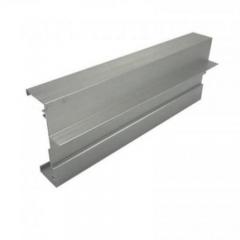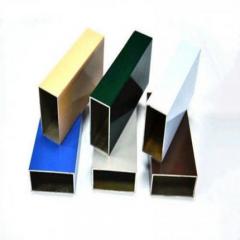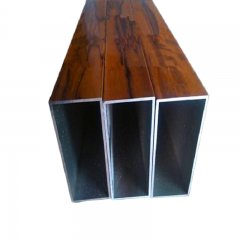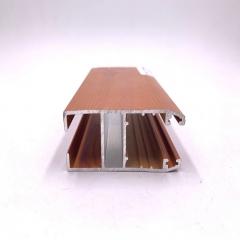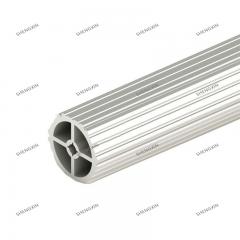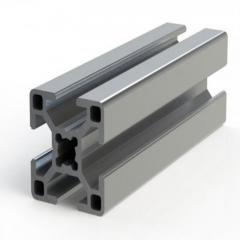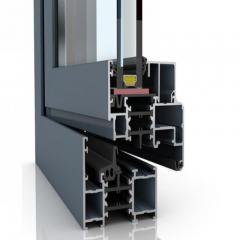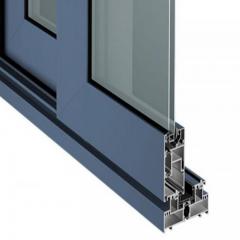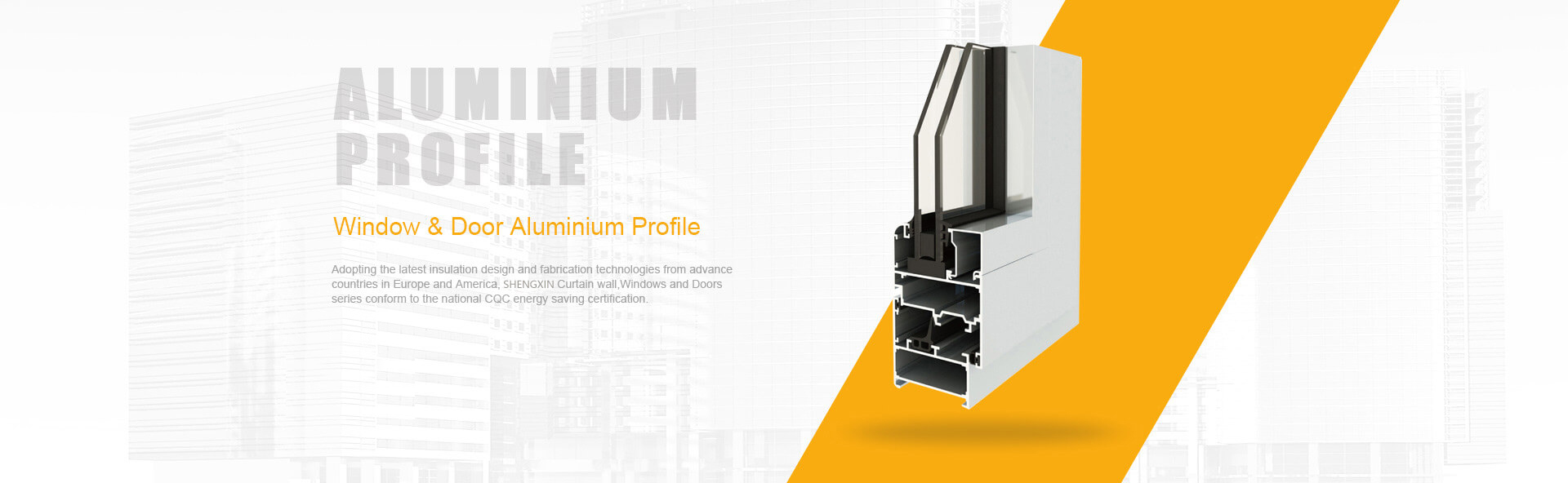
Ever wondered how those sleek aluminum window frames or sturdy industrial components get their flawless, long-lasting finish? The answer lies in aluminum extrusion powder coating - an electrostatically applied dry finishing process that transforms extruded aluminum profiles into durable, visually appealing products ready for demanding applications.
Unlike traditional liquid paint, powder coating uses 100% solid coating material with no solvents whatsoever. The dry powder particles fuse together during the curing process, creating a continuous protective film that bonds directly to the aluminum surface. This fundamental difference makes powder coated aluminum the preferred choice across architectural, industrial, and consumer product sectors.
Imagine applying a finish that contains zero volatile organic compounds and wastes almost nothing during application. That's exactly what separates aluminum powder coating from conventional liquid painting.
Traditional liquid paint relies on solvents to keep pigments and binders in a sprayable state. As the paint dries, these solvents evaporate into the atmosphere, leaving behind only a thin film. Powder coating flips this approach entirely. The dry powder consists of polymer resins, pigments, curing agents, and flow modifiers - all blended into microscopic particles that require no liquid carrier.
According to industry comparisons, powder coating creates a much thicker, more resilient finish in a single application than multiple coats of liquid paint can achieve. The cured finish provides enhanced resistance to chipping, scratching, fading, and general wear - qualities that matter significantly for aluminum products exposed to harsh conditions.
So, can you powder coat aluminum? Absolutely - and the process is remarkably efficient. Here's how it works:
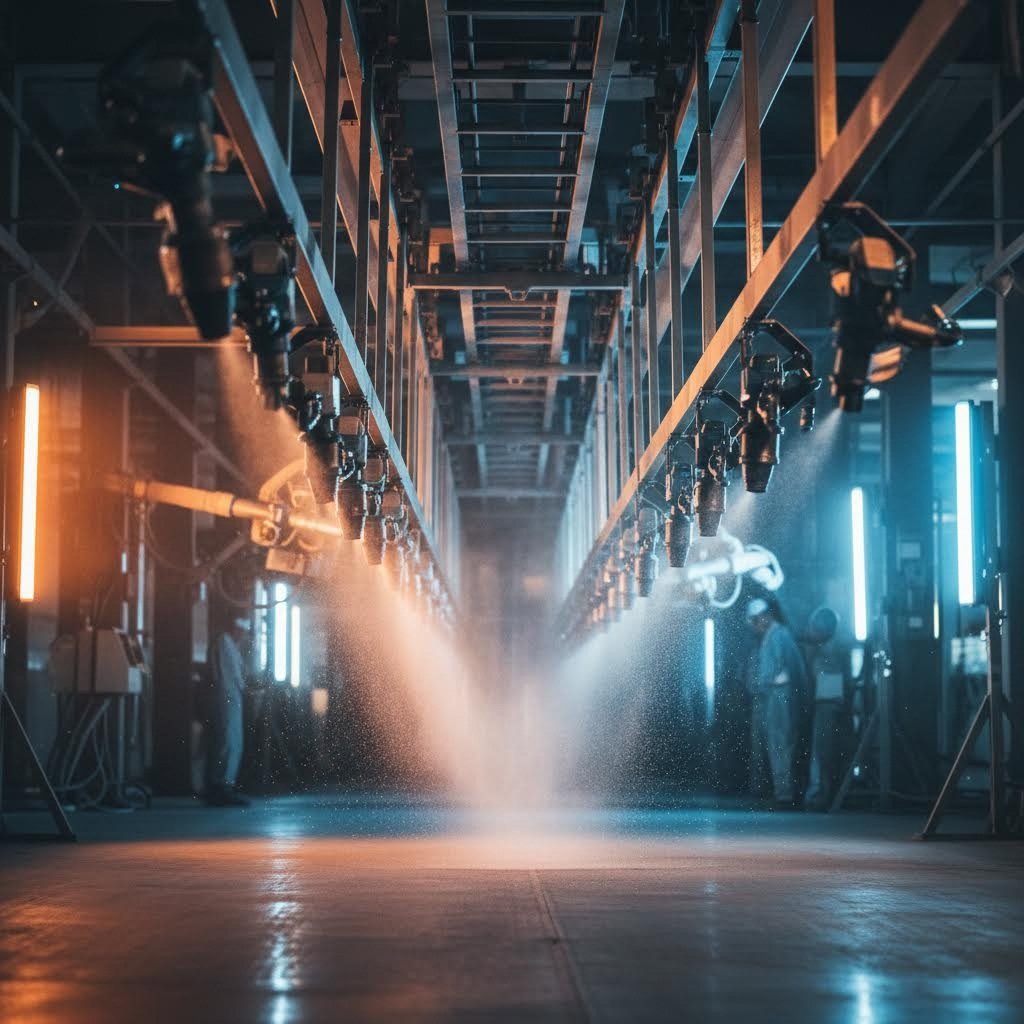
The aluminum extrusion is first grounded, creating an electrical connection. Meanwhile, powder particles pass through specialized spray guns equipped with electrode fittings that impart an electrostatic charge to each particle. When these charged particles encounter the grounded aluminum surface, they cling firmly through electrostatic attraction - even before curing begins.
The coated profile then enters a curing oven where temperatures typically range from 350°F to 400°F. At these temperatures, the powder melts, flows together, and chemically cross-links to form a hard, uniform coating that won't remelt under normal conditions. This thermoset curing process, as noted by coating specialists, creates permanent chemical bonds that deliver superior scratch resistance compared to other finishing methods.
Can aluminium be powder coated as effectively as steel? Yes - aluminum's excellent heat conductivity actually makes it ideal for the curing process, ensuring even temperature distribution across the entire profile.
This finishing method has become the industry standard for aluminum extrusions because it addresses multiple priorities simultaneously. Here are the key characteristics that make powder coating ideal for aluminum profiles:
Whether you're specifying architectural curtain walls, manufacturing outdoor furniture, or producing automotive trim components, understanding these fundamentals helps you appreciate why this finishing technology continues to outperform traditional alternatives across virtually every metric that matters.
Now that you understand how powder coating works, here's the critical question: which type of powder should you actually use? Not all coatings on aluminum perform equally, and choosing the wrong chemistry can lead to premature failure, costly rework, or projects that simply don't meet specification requirements.
Four main powder coating chemistries dominate the aluminum extrusion industry: epoxy, polyester, epoxy-polyester hybrids, and fluoropolymer (PVDF). Each brings distinct strengths and limitations to the table. Understanding these differences isn't just academic - it directly determines whether your finished product will thrive or deteriorate in its intended environment.
When your aluminum extrusions will live their entire life indoors, epoxy and polyester represent the two primary chemistry options. But which one fits your project?
Epoxy powder coatings deliver exceptional chemical resistance and advanced hardness. According to coating specialists at Keystone Koating, epoxy remains one of the most popular finishes despite being among the earliest powder coat formulations available. Industries like electronics, appliances, and industrial equipment favor epoxy for its durability against chemical exposure and mechanical wear.
However, epoxy has one significant limitation - it cannot tolerate UV exposure. Sunlight causes fading, chalking, and surface degradation relatively quickly. This restricts epoxy-coated aluminum strictly to interior applications.
Polyester powder coatings take the opposite approach. They sacrifice some chemical resistance to gain impressive weather resistance. The low cure temperature of polyester formulations also makes them ideal for heat-sensitive components. Two variations exist: TGIC polyester (lower cure temperature) and urethane polyester (requires greater minimum thickness to prevent peeling).
For coatings aluminum destined for general exterior use - think fencing, outdoor furniture, or building facades - polyester typically offers the right balance of durability and cost-effectiveness.
What if your project demands both chemical resistance AND some outdoor exposure capability? Epoxy-polyester hybrids blend the best properties of both parent chemistries.
These thermosetting powder systems create stable, permanent finishes with moderate UV resistance and good chemical protection. They're particularly valuable for applications that experience occasional sunlight but primarily remain indoors, or for industrial settings where chemical exposure and aesthetic longevity both matter.
Hybrids cost less than premium fluoropolymer coatings for aluminum while outperforming straight epoxy in weathering scenarios. Consider them your go-to choice when application requirements fall somewhere between purely interior and demanding exterior exposure.
When projects demand the absolute best in long-term exterior performance, fluoropolymer powder coating stands in a class of its own. These premium coatings deliver 20+ years of service life even in harsh environments - a claim no other chemistry can match.
Two common fluoropolymer formulations exist in the market:
What makes fluoropolymer exceptional? According to industry sources, these coatings boast incredible weathering properties including high corrosion resistance combined with superior gloss and color retention. Architectural markets particularly favor fluoropolymer because building facades must maintain their appearance for decades while enduring rain, salt air, temperature extremes, and constant UV bombardment.
The tradeoff? Cost. Fluoropolymer coatings command premium pricing that only makes sense when long-term performance justifies the investment.
The following table summarizes how each chemistry performs across the factors that matter most when selecting coatings for aluminum extrusions:
| Chemistry Type | UV Resistance | Chemical Resistance | Flexibility | Cost Range | Ideal Applications |
|---|---|---|---|---|---|
| Epoxy | Poor (interior only) | Excellent | Good | Low to Moderate | Electronics, appliances, industrial equipment, medical devices |
| Polyester | Good | Moderate | Good | Moderate | Fencing, outdoor furniture, automotive, general exterior use |
| Epoxy-Polyester Hybrid | Moderate | Good | Good | Moderate | Office furniture, shelving, appliances, limited outdoor exposure |
| Fluoropolymer (PVDF/FEVE) | Excellent (20+ years) | Good | Excellent | Premium | Architectural facades, curtain walls, coastal environments |
Choosing the right coating chemistry comes down to answering a few key questions about where and how your aluminum extrusions will be used:
Understanding these chemistry differences prevents costly mistakes. Specifying epoxy for an outdoor application or settling for polyester when a project demands fluoropolymer performance leads to premature coating failure - exactly the kind of defect you want to fix before it ruins your project.
You've selected the perfect powder coating chemistry for your project. But here's what many manufacturers learn the hard way: even the best coating will fail spectacularly if applied to improperly prepared aluminum. According to industry data, poor surface preparation causes up to 85% of powder coating adhesion failures - making pretreatment the single most critical factor in determining whether your finish thrives or peels.
Understanding how to powder coat aluminum properly means mastering the multi-stage pretreatment process that creates the foundation for lasting adhesion. Skip these steps or execute them poorly, and you're essentially guaranteeing future defects.
Imagine trying to apply tape to a dusty, oily surface. It might stick initially, but it won't stay. The same principle applies when you powder coat aluminum - microscopic contaminants invisible to the naked eye create barriers that prevent proper molecular bonding between the coating and substrate.
Aluminum extrusions arrive at coating facilities carrying a variety of surface contaminants: oils from the extrusion process, lubricants from machining operations, handling residues, and even fingerprints from workers. Beyond these contaminants, aluminum naturally forms an oxide layer that, while protective, doesn't provide the ideal surface for coating adhesion.
Proper pretreatment accomplishes three essential objectives:
When any of these steps fails, the consequences show up months or years later as blistering, peeling, or corrosion creeping beneath the coating surface.
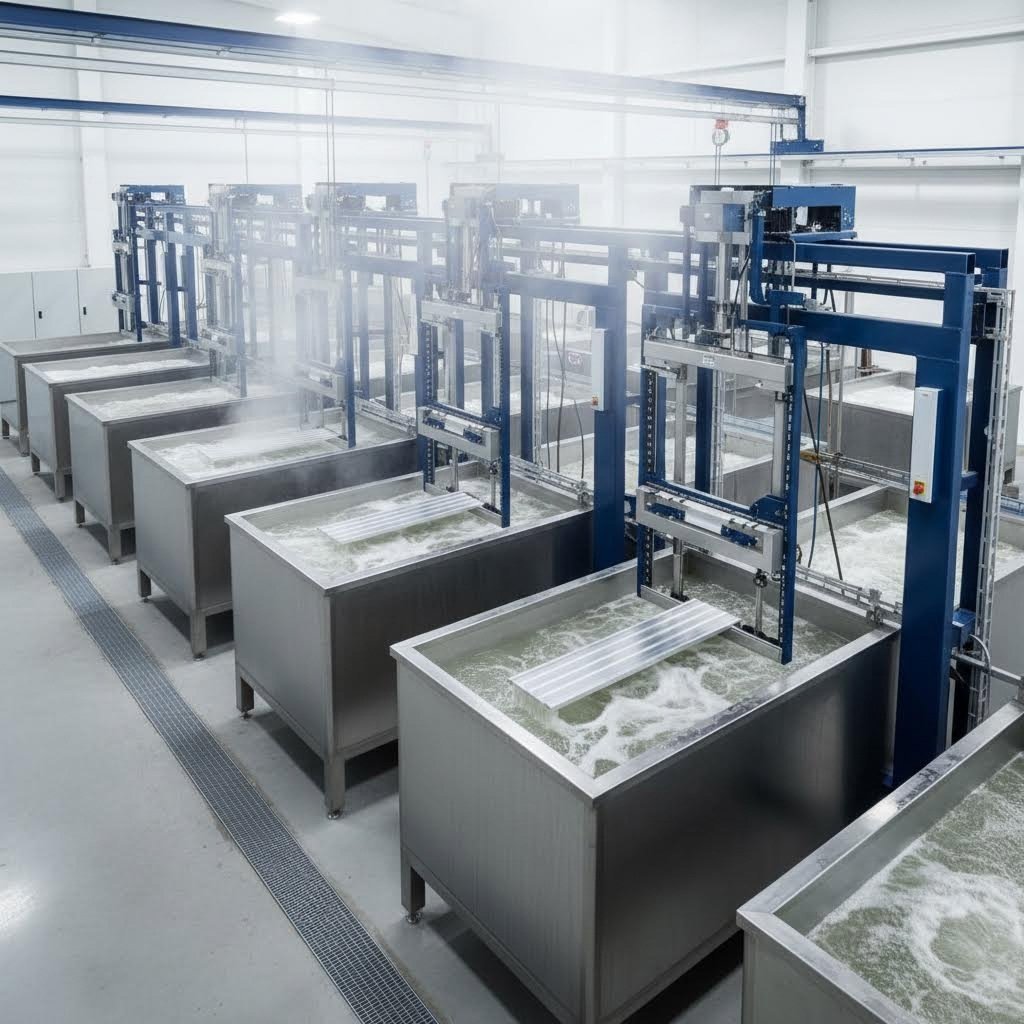
Professional powder coating aluminum operations follow a carefully sequenced process where each stage builds on the previous one. Here's what a comprehensive pretreatment system looks like:
Each stage requires precise control of time, temperature, chemical concentration, and pH. Skipping stages or rushing through them might save minutes on the production line but costs far more in rework and warranty claims.
For decades, chromate conversion coatings dominated aluminum pretreatment due to their exceptional corrosion protection. However, the toxic effects of hexavalent chromium compounds have driven extensive regulatory bans worldwide. According to industry sources, a ban on chromium VI conversion coatings for the European construction industry is expected in the foreseeable future.
Fortunately, chrome-free alternatives now deliver equivalent performance for powder coating aluminum applications:
Modern chrome-free systems offer several practical advantages beyond regulatory compliance. Zirconium-based processes can operate with nearly infinite bath life through automatic dosing, and their rinse water contains no interfering polymers - enabling close-loop recycling systems that achieve almost 100% water recovery. This makes them both environmentally responsible and economically attractive.
Every common powder coating defect traces back to pretreatment in some way. Adhesion loss? Contamination wasn't fully removed or conversion coating didn't form properly. Blistering? Trapped moisture or residual chemicals beneath the coating. Premature corrosion? Inadequate conversion coating or poor rinsing between stages.
The aluminum profiles entering your curing oven carry the complete history of their pretreatment journey. Properly prepared surfaces emerge with coatings that pass crosshatch adhesion tests, resist salt spray for thousands of hours, and maintain their appearance for decades. Poorly prepared surfaces fail - sometimes immediately, sometimes months later when they're already installed in the field.
When evaluating coating quality or troubleshooting failures, always start by examining the pretreatment process. The chemistry you selected and the application parameters you specified matter far less than whether the aluminum received proper surface preparation before any powder touched it.
You've prepared your aluminum surfaces properly and selected the right coating chemistry. Now comes the question that separates professional-grade finishes from mediocre ones: what technical specifications actually define quality when you powder coat aluminium? Understanding film thickness requirements, curing parameters, and industry certification standards ensures your finished products meet performance expectations rather than becoming warranty headaches.
These specifications aren't arbitrary numbers - they represent decades of testing and real-world performance data compiled by organizations like the American Architectural Manufacturers Association (now known as FGIA). When you powdercoat aluminum to these standards, you're guaranteeing predictable, reliable performance for your end users.
How thick should your aluminum powder coat actually be? The answer depends on your finish type and application requirements.
For standard smooth finishes, coating thickness typically ranges from 60 to 80 microns (approximately 2.5 to 3.5 mils). This range provides adequate protection while maintaining the smooth appearance customers expect. According to guide specifications from Southern Aluminum Finishing, minimum thickness for commercial architecture applications should be 2.5 to 3.5 mils dry film thickness.
Textured finishes require more material - typically 80 to 120 microns - because the texture pattern consumes coating volume. Without additional thickness, texture peaks would expose thin spots vulnerable to wear and corrosion.
Special exposure conditions demand even greater protection. For buildings with direct exposure to salt and fog along seashores, industry specifications recommend two-coat systems achieving 3.5 to 5 mils minimum thickness on edges and corners - the areas most vulnerable to inadequate coverage.
Measuring coating thickness accurately requires proper instrumentation:
Multiple readings across each profile ensure consistent coverage. Pay particular attention to recessed areas, sharp corners, and edges where electrostatic application tends to leave thinner deposits.
Even perfectly applied powder becomes a defective finish if curing goes wrong. The curing process chemically cross-links the powder particles into a continuous film - and this reaction requires precise temperature and time control.
Different chemistries demand different cure schedules. Here's what proper curing looks like for common powder types:
According to manufacturer specifications, two-coat systems require careful attention to each layer: cure the first coat between 392°F for 5 minutes or 356°F for 10 minutes, then cure the second coat at 392°F for 22 minutes or 356°F for 35 minutes. Always measure temperature at the substrate itself - oven air temperature runs significantly higher than metal temperature during heat-up.
Under-curing leaves the coating soft, poorly adhered, and chemically vulnerable. Over-curing causes yellowing, embrittlement, and reduced flexibility. Both conditions lead to premature failure in the field.
When architects specify coatings for aluminum extrusions, they reference AAMA standards to communicate performance expectations. Three specification levels exist, each representing progressively higher performance requirements:
AAMA 2603 represents the entry-level specification for organic coatings on architectural aluminum. According to TIGER Coatings, these coatings are appropriate for exterior applications such as residential windows and doors, fencing, and handrails. They also perform very well for interior applications even when exposed to sunlight through glass. The specification requires one year of outdoor weathering exposure in South Florida with no cracking, adhesion loss, or other structural issues.
AAMA 2604 - often called "Super Durable" - delivers significantly enhanced performance. These high-performance coatings offer at least five times the weathering performance of standard polyesters at a reasonable cost. They're ideal for surfaces experiencing frequent contact, like handrails, and for ground-level installations within reach of passersby.
AAMA 2605 holds the highest performance ranking, designed for premium architectural applications requiring exceptional longevity. Products coated to this specification must withstand 10 years of South Florida exposure while maintaining strict color and gloss retention standards. As noted by Aegis Finishing, architects and building owners can be confident their structures will maintain beauty and performance for decades, reducing maintenance needs and minimizing lifecycle costs.
The following table compares the three AAMA specification levels across their key test requirements:
| Test Requirement | AAMA 2603 | AAMA 2604 | AAMA 2605 |
|---|---|---|---|
| Outdoor Weathering Exposure (S. Florida) | 1 year | 5 years | 10 years |
| Color Retention (Delta E) | Slight change acceptable | Delta E < 5 after 5 years | Delta E < 5 after 10 years |
| Gloss Retention (After Weathering) | No specification | > 30% retention after 5 years | > 50% retention after 10 years |
| Erosion Resistance (After Weathering) | No specification | < 10% loss after 5 years | < 10% loss after 10 years |
| Gloss Tolerance (ASTM D 523) | Within +/- 5 units of manufacturer's recommended values | ||
| Structural Integrity | No cracking, adhesion loss, or other structural issues throughout exposure period | ||
Choosing between AAMA 2603, 2604, and 2605 comes down to balancing exposure conditions, warranty expectations, and budget constraints. Here's a practical framework for making that decision:
Choose AAMA 2603 when:
Choose AAMA 2604 when:
Choose AAMA 2605 when:
One important note: the specification level you choose directly impacts which powder coating chemistries qualify. Standard polyester typically meets AAMA 2603 requirements, super durable polyester formulas achieve AAMA 2604 compliance, and fluoropolymer (PVDF) coatings are generally required for AAMA 2605 certification.
Understanding these technical specifications and standards protects your projects from quality disputes and premature failures. But what happens when something goes wrong during application? Even with proper specifications, coating defects can still occur - and knowing how to identify and solve them quickly saves time, money, and reputation.
You've every specification perfectly - proper pretreatment, correct chemistry selection, ideal curing parameters. Yet somehow, your powder-coated aluminum emerges from the oven with pinholes, rough texture, or inconsistent color. Sound familiar? These defects frustrate manufacturers and coating applicators alike, often appearing without obvious explanation.
The good news? Most coating defects on aluminum powder coated products trace back to identifiable causes with proven solutions. Understanding what went wrong - and how to fix it - transforms frustrating rejects into learning opportunities that improve your entire operation.
Outgassing represents one of the most persistent challenges when finishing aluminum extrusions. Those tiny pinholes or craters scattered across your cured coating aren't random - they're evidence of gases escaping from the substrate at exactly the wrong moment.
Here's what happens: aluminum castings and extrusions contain microscopic pores that trap air during manufacturing. When parts enter the curing oven, these trapped gases expand and migrate toward the surface. If the powder coating has already begun gelling, the escaping gas punches through the softened film, leaving visible pinholes that compromise both appearance and corrosion protection.
According to powder coating specialists, recycled aluminum or lower-grade alloys with impurities increase porosity significantly, making outgassing issues even more prevalent.
Common causes and solutions for outgassing include:
That bumpy, textured surface resembling citrus skin isn't the powder coated aluminum texture you specified. Orange peel occurs when the coating doesn't flow properly during curing, leaving an uneven surface that catches light irregularly and feels rough to the touch.
Several factors contribute to orange peel formation:
The universal fix that impacts almost every orange peel problem? Check your grounding. Poor ground prevents proper electrostatic attraction, causing uneven powder distribution regardless of your other settings. Ensure clean metal-to-metal contact between parts, racks, and earthen ground.
When powder coating peels, flakes, or separates from the aluminum substrate, pretreatment failure is almost always the culprit. The coating might look perfect leaving your facility, only to fail months later when installed in the field.
Adhesion problems stem from these root causes:
Batch-to-batch color variation or uneven finish appearance across a single part signals film thickness problems. When coating thickness varies, so does the color intensity and surface appearance.
Troubleshooting individual defects matters, but the real goal is preventing them entirely through proper process control. Every defect traced back to its root cause reveals an opportunity to strengthen your coating operation.
Implement these quality control measures to catch problems early:
Whether you're a coating applicator striving for zero rejects or a buyer evaluating supplier quality, understanding these defects and their solutions provides the foundation for consistent, specification-compliant finishes. The investment in process control pays dividends in reduced rework, fewer field failures, and products that perform as expected throughout their service life.
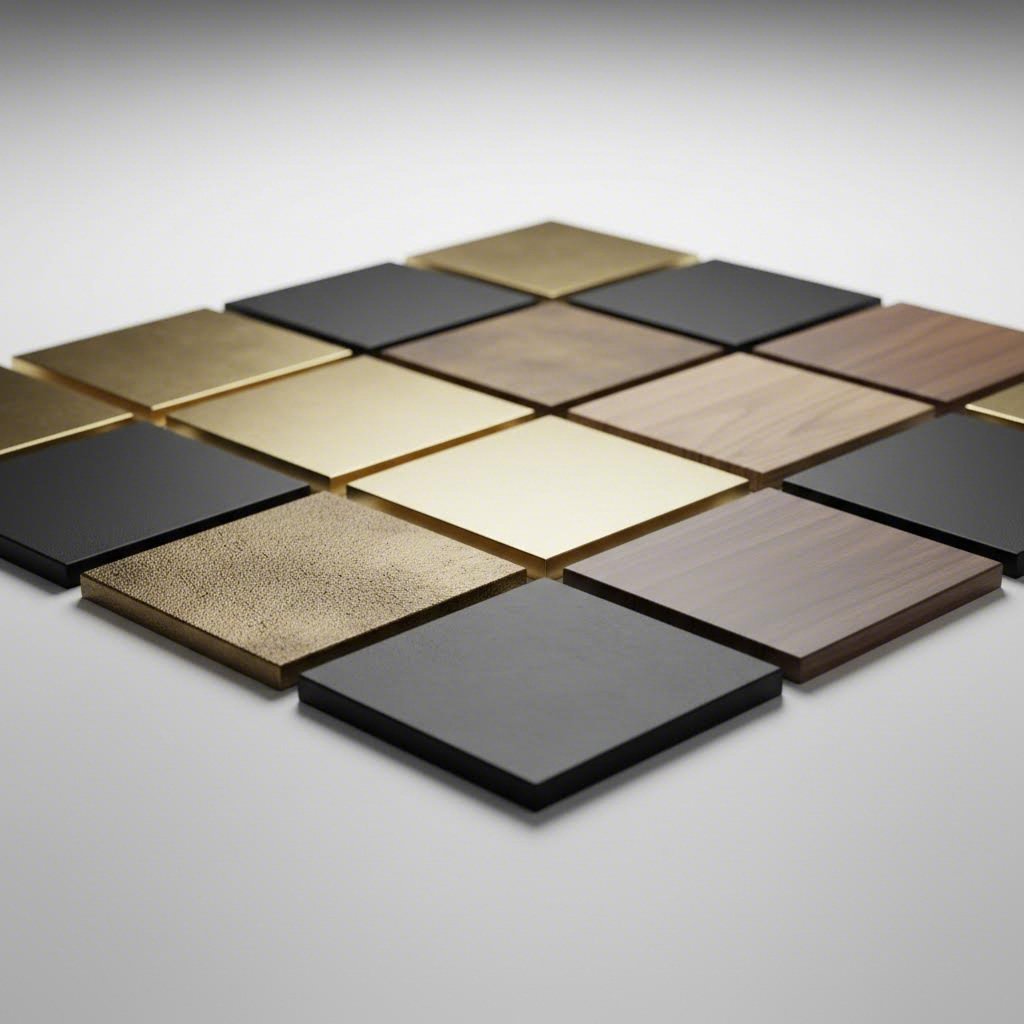
Now that you understand how to achieve defect-free coatings, here's where things get exciting: finish selection. The protective qualities of powder coating matter tremendously, but let's be honest - appearance often drives the final decision. Whether you're creating sleek consumer electronics, dramatic architectural facades, or eye-catching automotive trim, the finish you choose transforms functional aluminum extrusions into statement pieces.
Painted aluminium offers an incredible range of aesthetic possibilities that liquid paint simply cannot match. According to American Dry Stripping, powder coat products are unique in their depth of hues, textures, and special effects - creating opportunities to express creativity while enjoying durability and eco-friendly benefits.
When specifying colors for powder coated aluminum, you'll likely encounter the RAL color system. This standardized coding system, developed by the German organization Reichs-Ausschuß für Lieferbedingungen, provides a universal language for color communication across the powder coating industry.
Each RAL color carries a unique four-digit code - RAL 3020 for Traffic Red, RAL 9010 for Pure White, or any of the 213 colors in the RAL Classic palette. This eliminates guesswork when specifying colors across different suppliers, countries, or projects. You'll see professional coaters reference the K7 RAL fan book, a compact swatch collection that helps visualize exactly how each color appears once applied.
Beyond RAL standards, Pantone matching serves projects requiring alignment with specific branding guidelines. However, there's an important consideration: unlike liquid paints available in unlimited RGB or CMYK combinations, powder coat formulations have finite shading options. Minute color adjustments that come easily with liquid paint require custom formulation for powder coatings.
For projects demanding exact brand colors or unique shades, custom powder coat colors can be developed through a specialized process:
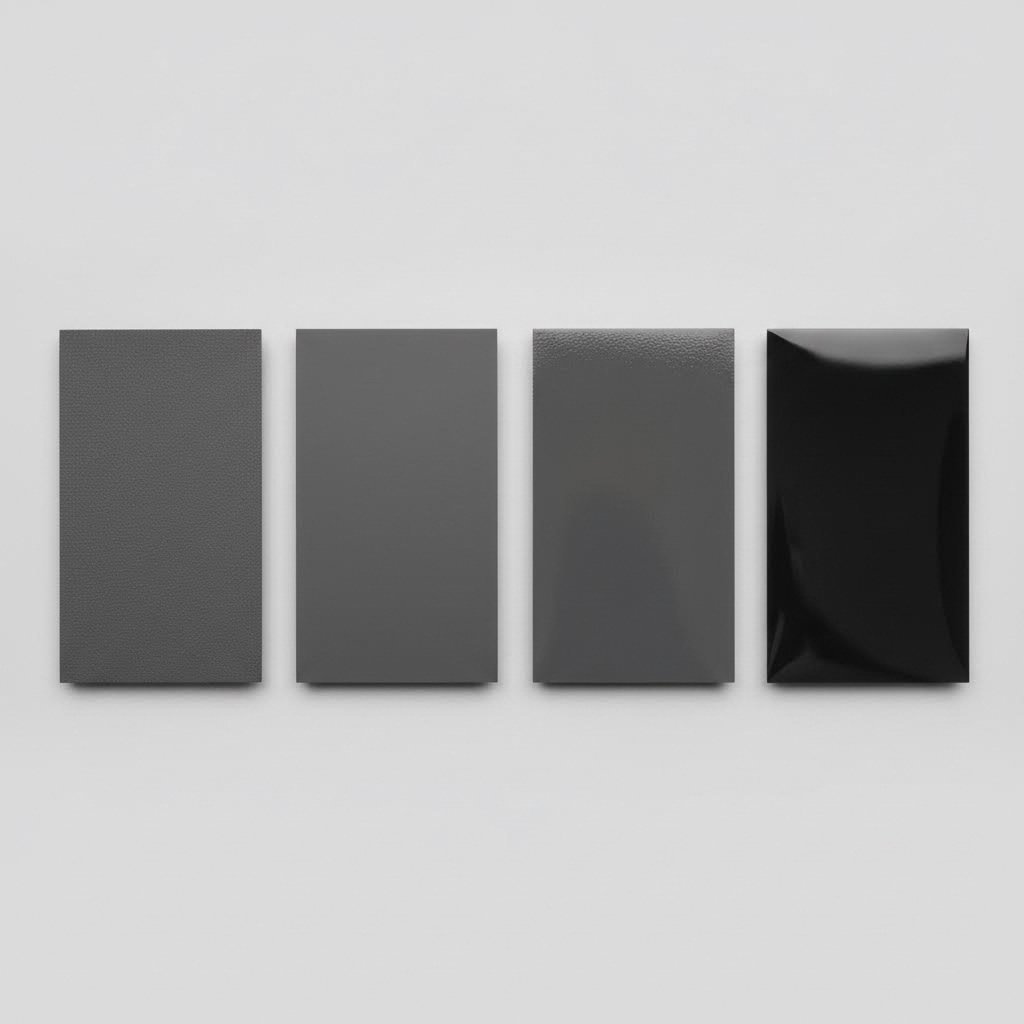
Smooth finishes deliver the clean, polished look that modern designs demand. But "smooth" encompasses a wide spectrum of gloss levels, each creating distinctly different visual effects:
Remember that all RAL colors in the standard K7 fan deck appear in high gloss finish. Many colors are also available in different gloss levels, with secondary codes specifying the finish type alongside the color designation.
Textured powder coatings add another dimension to painted aluminium - literally. These finishes create raised or patterned surfaces that serve both aesthetic and functional purposes:
Textured finishes require greater film thickness - typically 80 to 120 microns compared to 60 to 80 microns for smooth coatings. The texture pattern consumes coating volume, and insufficient thickness leaves texture peaks vulnerable to premature wear.
When projects demand attention-grabbing visual impact, metallic and special effect powders deliver results impossible with conventional alu paint options:
Brushed aluminum powder coat effects deserve special mention. These finishes replicate the linear grain pattern of mechanically brushed aluminum without requiring actual surface brushing. They combine the aesthetic appeal of brushed metal with the superior durability and color options of powder coating.
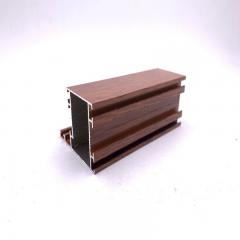
Perhaps the most dramatic finish option transforms aluminum extrusions into convincing wood replicas. Sublimation printing applies photographic-quality wood grain patterns through a heat-transfer process applied over a base powder coat.
The result? Aluminum window frames, door profiles, or facade elements that look remarkably like natural wood while delivering the durability, dimensional stability, and low maintenance of coated aluminum. This technology has revolutionized architectural applications where wood aesthetics are desired but weather resistance and longevity matter more.
Choosing the right finish involves balancing aesthetics with practical considerations. Here's how different finish categories align with typical applications:
| Finish Category | Best Applications | Key Considerations |
|---|---|---|
| Smooth High Gloss | Consumer electronics, premium appliances, display fixtures | Requires pristine substrate; shows fingerprints readily |
| Smooth Matte/Satin | Architectural elements, office furniture, industrial equipment | Hides minor imperfections; resists fingerprint visibility |
| Textured | Building facades, electrical enclosures, high-traffic installations | Excellent hiding power; requires thicker film build |
| Metallic | Automotive trim, signage, premium consumer products | Creates visual depth; may require specialized application |
| Wood-Grain | Window frames, door profiles, architectural facades | Two-stage process; adds cost but delivers unique aesthetics |
One final consideration: texture directly impacts functional performance beyond aesthetics. Textured finishes hide minor surface imperfections in the substrate, making them forgiving of slight handling damage or minor extrusion marks. Smooth high-gloss finishes, conversely, demand absolutely pristine surfaces - every scratch, dent, or contamination spot shows clearly through the coating.
Understanding these finish options empowers you to specify exactly what your project needs. But aesthetic choices don't exist in isolation - they must work within the broader context of environmental responsibility and sustainable manufacturing practices that increasingly drive material selection decisions.
Beyond aesthetics and durability, there's a compelling reason why specifying aluminum extrusion powder coating aligns with modern corporate values: it's one of the most environmentally responsible finishing methods available. While competitors focus exclusively on performance specifications, the sustainability advantages of this technology deserve serious attention - especially as environmental regulations tighten and green building certifications become standard requirements.
The benefits of powder coating extend far beyond what ends up on your finished product. According to Lane Coatings, eco-friendly powder coating meets or exceeds national environmental protection regulations while delivering finishes that can last up to 20 years - significantly reducing the environmental impact of replacement and refinishing cycles.
Remember how traditional liquid paints rely on solvents to remain sprayable? Those solvents evaporate during application and curing, releasing volatile organic compounds into the atmosphere. VOCs contribute to smog formation, respiratory problems, and broader environmental degradation.
Powder coating eliminates this problem entirely. The dry powder formulation contains no solvents whatsoever - meaning zero or near-zero VOC emissions during application and curing. As noted by Precision Dip Coating, this characteristic helps facilities meet EPA regulations, OSHA workplace safety standards, and ISO 14001 environmental management certifications.
Powder coating produces no volatile organic compounds, no hazardous waste requiring special disposal, and no wastewater discharge into public sewers, groundwater, or surface water systems.
This clean operation profile translates to tangible regulatory advantages:
Here's where powder coating truly shines from a waste reduction perspective. When you spray liquid paint, overspray becomes hazardous waste requiring special handling and disposal. With powder coating, that overspray becomes a resource.
Modern recovery systems capture powder that doesn't adhere to parts during initial application. This reclaimed material gets filtered, screened, and fed back into the coating process. According to industry sources, environmentally friendly powder coating overspray can be recycled to achieve nearly 92% use of the coating material - with some advanced systems reaching up to 98% transfer efficiency.
Compare this to liquid paint operations where 40-60% of material typically ends up as waste rather than on the finished product. The material efficiency difference is dramatic.
Additional environmental advantages include:
Sustainability isn't just about the manufacturing process - it encompasses the entire product lifecycle. Powder coated aluminum delivers environmental benefits long after leaving the coating facility.
The exceptional durability means products maintain their appearance and protection for decades rather than requiring frequent refinishing. According to coating specialists, powder coated products have longer life-cycles and can go longer before needing retreatment, reducing the cumulative environmental impact of replacing or recoating them.
When products do eventually reach end-of-life, the aluminum substrate remains fully recyclable. The coating doesn't contaminate the aluminum recycling stream the way some other finishing processes might. This closed-loop potential aligns perfectly with circular economy principles that forward-thinking manufacturers increasingly embrace.
For companies pursuing corporate sustainability goals or responding to customer demands for greener products, powder coating offers a finishing solution that checks every environmental box without sacrificing performance. It's a rare case where doing right by the environment also means doing right by your bottom line - lower waste disposal costs, reduced regulatory burden, and products that last longer in service.
Of course, environmental benefits mean little if the coating can't meet the specific performance demands of your application. Understanding how requirements differ across industries helps ensure you specify the right solution for your particular use case.
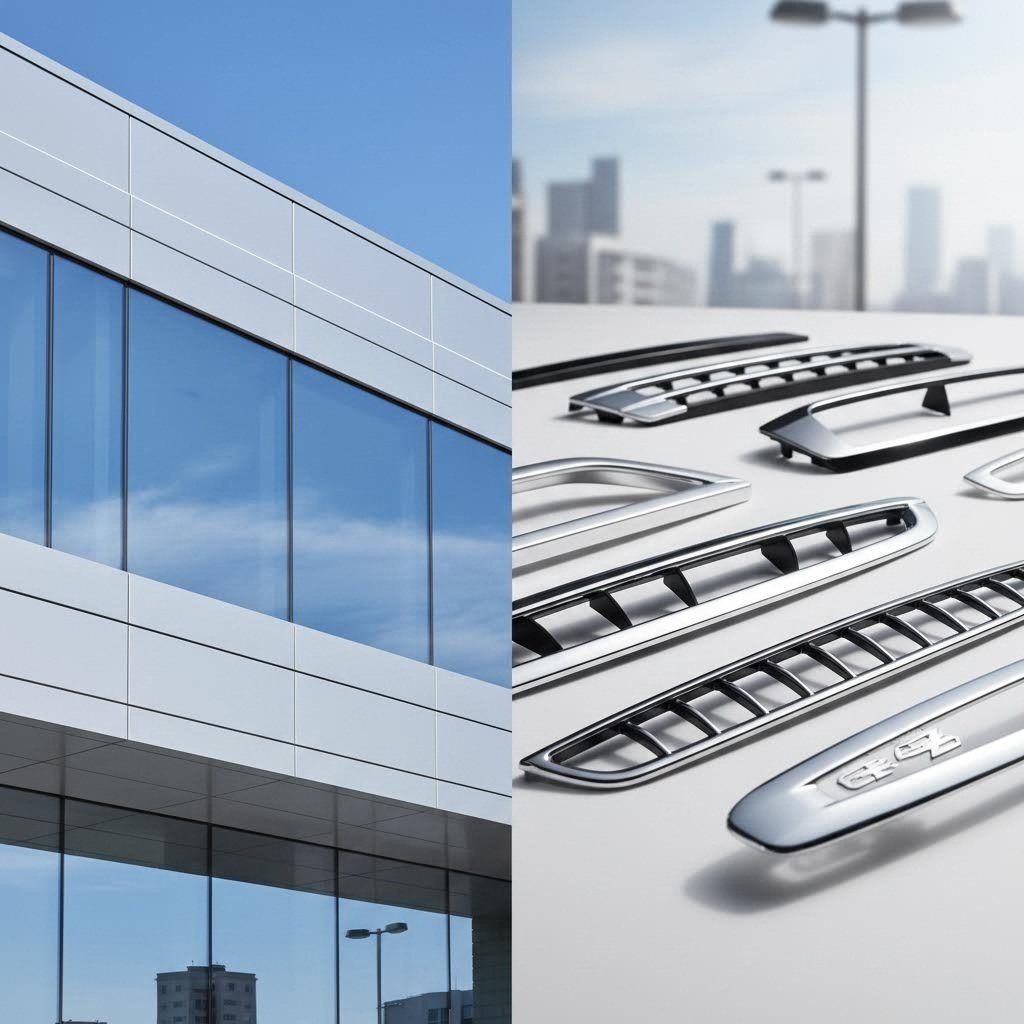
You now understand coating chemistry, pretreatment processes, quality standards, and finish options. But here's the practical question that brings everything together: what does YOUR specific project actually require? The powder coating specifications for aluminum windows differ dramatically from those for automotive components or industrial machinery. Understanding these industry-specific requirements prevents both over-specification (wasting money on unnecessary performance) and under-specification (coating failures in demanding environments).
Each industry has developed distinct expectations based on decades of real-world performance data. Let's break down exactly what matters for the most common application categories.
When you're powder coating aluminum windows, curtain walls, storefronts, or building facades, exterior durability becomes the primary concern. These components face constant UV bombardment, temperature cycling, rain, humidity, and in coastal areas, corrosive salt air - often for 30+ years of expected service life.
According to Colourific Coatings, AAMA standards play a crucial role in predicting and assuring the quality and durability of coated architectural products. The specification level you choose directly impacts coating chemistry options and warranty coverage.
For architectural applications, consider these requirements:
Coastal environments deserve special attention. Salt air accelerates corrosion dramatically, making enhanced pretreatment and premium coating chemistries essential rather than optional. Inland projects can sometimes achieve adequate performance with intermediate specifications.
Automotive applications present a unique combination of demands: aesthetic perfection, chip resistance, UV stability, and the ability to withstand temperature extremes inside vehicles that can exceed 150°F on summer days.
According to TIGER Coatings, automotive trim powder coatings are engineered to meet or exceed the color and gloss retention requirements of AAMA 2604, delivering brilliant surface finishes that hit targets for gloss, texture, and special effects. These premium class coating systems serve components including cargo shades, cassette covers, luggage compartments, wing mirrors, roof racks, spoilers, and B pillars.
Key considerations for automotive applications include:
Industrial equipment operates in environments that would destroy architectural coatings within months. Chemical plants, food processing facilities, agricultural equipment, and manufacturing machinery face exposure to acids, alkalis, solvents, and aggressive cleaning agents.
According to Aerovent's Chemical Resistance Guide, epoxy powder coatings demonstrate excellent performance against a wide range of chemicals, with ratings of "10 - No effect" against many common industrial exposures including various acids, salts, and alkaline solutions.
For industrial applications, coating selection priorities shift:
Importantly, UV durability matters far less for equipment housed indoors or in covered facilities. This allows specifying epoxy or hybrid chemistries that deliver superior chemical resistance at lower cost than fluoropolymers.
Consumer products occupy a middle ground where appearance drives purchasing decisions but cost constraints limit specification options. Furniture, appliances, sporting goods, and electronics housings must look attractive while meeting practical durability requirements.
Typical considerations include:
The following table summarizes how specification requirements differ across major application categories:
| Application Category | Typical AAMA Spec | Preferred Chemistry | Key Performance Priorities | Finish Considerations |
|---|---|---|---|---|
| Residential Architectural | AAMA 2603 | Standard Polyester | Basic weathering, color retention | Smooth or light texture; broad color range |
| Commercial Architectural | AAMA 2604 | Super Durable Polyester | 5-year weathering, scratch resistance | Texture hides handling marks; metallic options |
| Premium Architectural | AAMA 2605 | Fluoropolymer (PVDF) | 10+ year color/gloss retention | Smooth preferred; precise color matching |
| Automotive Trim | AAMA 2604 equivalent | Super Durable Polyester | Chip resistance, UV stability, OEM color match | High gloss; metallics; special effects |
| Industrial Equipment | Varies by exposure | Epoxy or Hybrid | Chemical resistance, temperature tolerance | Texture for durability; function over aesthetics |
| Consumer Products | AAMA 2603 or internal specs | Standard Polyester | Appearance, scratch resistance, cost | High gloss; metallics; brand colors |
Understanding these industry-specific requirements transforms abstract specifications into practical decision-making tools. Ask yourself these questions when specifying coatings:
Matching coating specifications to actual application demands ensures your aluminum extrusions perform as expected throughout their service life - without paying for unnecessary performance or suffering premature failures from under-specification. The key is understanding which requirements genuinely apply to your specific project rather than defaulting to either minimal or maximum specifications.
Of course, even perfect specifications mean nothing without a capable coating partner to execute them. Finding the right supplier - one with proper certifications, technical expertise, and integrated capabilities - determines whether your carefully considered specifications translate into quality finished products.
You've mastered the technical specifications, understand coating chemistry options, and know exactly what your project demands. But here's the reality that separates successful projects from frustrating ones: even perfect specifications mean nothing without a capable partner to execute them. Choosing the right aluminum extrusion coating services provider isn't just a procurement decision - it's a quality assurance strategy that determines whether your carefully considered requirements translate into defect-free finished products.
According to industry experts, selecting the right powder coating supplier is a critical decision that influences the quality, durability, and overall appeal of your finished products. In the competitive world of industrial coatings, the choice of supplier can make a substantial difference in maintaining a competitive edge.
When evaluating potential partners for professional powder coating aluminum projects, capabilities and certifications provide the clearest indicators of quality commitment. A reputable supplier brings more than just equipment - they deliver expertise, reliability, and innovation.
Start your evaluation by examining these critical factors:
Don't rely solely on marketing claims. Request samples of previous work, review case studies from similar applications, and ask for references from customers with comparable projects.
Here's where many buyers underestimate the value of integrated capabilities: suppliers who handle only coating depend entirely on the quality of extrusions and preparation they receive from others. When problems arise, finger-pointing between separate extrusion and coating vendors wastes time while defects continue.
Integrated manufacturers who control the entire process - from extrusion through surface treatment - eliminate these handoff risks. They catch potential issues before coating begins, maintain consistent quality standards across all production stages, and accept complete responsibility for finished product quality.
Consider these advantages of integrated suppliers:
For projects requiring high-precision aluminum solutions with complete surface treatment capabilities, Shengxin Aluminium exemplifies this integrated approach. With over 30 years of industry experience and 35 advanced extrusion presses ranging from 600T to 5500T, they provide end-to-end support from die development through mass production. Their comprehensive surface treatment offerings include powder coating, anodizing (with custom colors like Champagne and Rose Gold), PVDF, and micro-arc oxidation - giving you access to virtually any finish requirement through a single technical team.
Finding the right partner is just the beginning. Developing an effective working relationship maximizes the value you receive over time.
According to coating industry specialists, building a long-term relationship with your supplier can lead to numerous benefits including priority production scheduling, better pricing through volume commitments, and collaborative problem-solving when challenges arise.
Establish clear communication practices from the start:
As your relationship develops, reliable partners often provide additional value - technical recommendations for future projects, early access to new coating technologies, and preferential treatment during capacity constraints.
Choosing a powder coating partner ultimately comes down to trust - confidence that they'll deliver specification-compliant products consistently, communicate proactively when issues arise, and stand behind their work when problems occur.
Before committing, verify these final considerations:
The investment in thorough supplier evaluation pays dividends throughout your project. Partners with genuine capabilities, proper certifications, and integrated manufacturing eliminate the coating defects that ruin projects - while suppliers chosen primarily on price often deliver the very problems you've learned to prevent.
Yes, aluminum extrusions are excellent candidates for powder coating. The electrostatic application process works exceptionally well on aluminum due to its excellent heat conductivity, which ensures even temperature distribution during curing. Powder coating creates a durable, attractive finish in various textures and colors. Proper pretreatment including alkaline cleaning, acid etching, and conversion coating is essential for optimal adhesion. Professional applicators like Shengxin Aluminium offer comprehensive powder coating services alongside anodizing and PVDF treatments for complete surface finishing solutions.
The primary advantages include enhanced durability, environmental benefits, and cost-effectiveness. Powder coating creates a thick, chemically-bonded finish that resists impacts, scratches, UV damage, and corrosion far better than liquid paint. It contains zero volatile organic compounds with up to 98% material transfer efficiency since overspray can be recovered and reused. The finish provides consistent color across complex geometries and eliminates frequent touch-ups, reducing lifecycle costs significantly compared to traditional painting methods.
Professional powder coating typically costs $50 to $150 per hour, with some projects quoted as flat fees based on complexity. Factors affecting cost include part size, surface preparation requirements, coating chemistry (standard polyester vs. premium fluoropolymer), finish type (smooth vs. textured or metallic), and AAMA specification level. Sandblasting services may add $1.50 to $7 per square foot. While initial costs may exceed liquid painting, powder coating's durability eliminates frequent refinishing, delivering better long-term value.
Your AAMA specification depends on exposure conditions and warranty requirements. AAMA 2603 suits residential windows and interior applications with limited UV exposure. AAMA 2604 serves commercial exteriors, handrails, and ground-level installations requiring five-year weathering performance with super durable polyester. AAMA 2605 is mandatory for premium architectural facades, coastal environments, and projects demanding 10+ year warranties, requiring fluoropolymer (PVDF) coatings for maximum color and gloss retention.
Outgassing occurs when trapped gases in porous aluminum escape during curing, creating pinholes. Prevent this by pre-baking parts at 15-20°C above curing temperature for 45-60 minutes before coating. Use outgassing-forgiving (OGF) powder formulations that remain liquid longer. Apply thin base coats of 40-60 microns with partial curing, by a second coat at 30-50 microns. Ensure thorough alkaline degreasing to remove contaminants that volatilize during curing. Avoid excessive film thickness in single applications.



 Servicio en línea
 0086 136 3563 2360
 sales@sxalu.com
 +86 136 3563 2360
 español
 English
 français
 Deutsch
 русский
 português
 العربية
 ไทย
ไทย Việt
Việt Українська