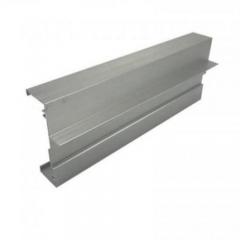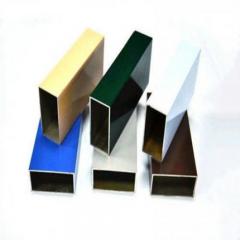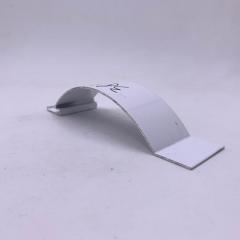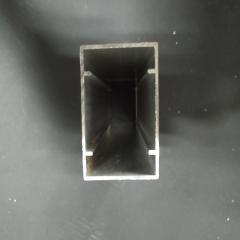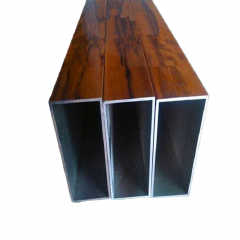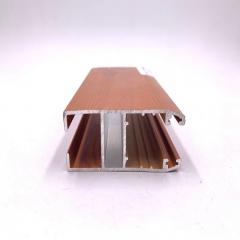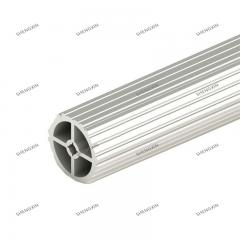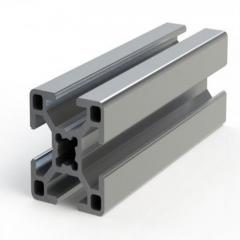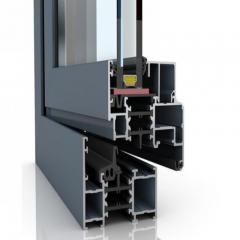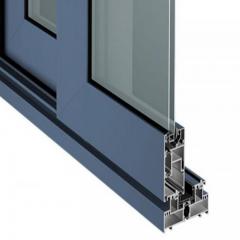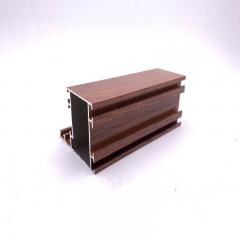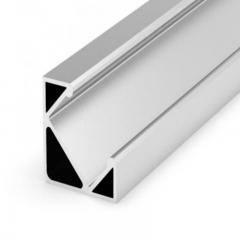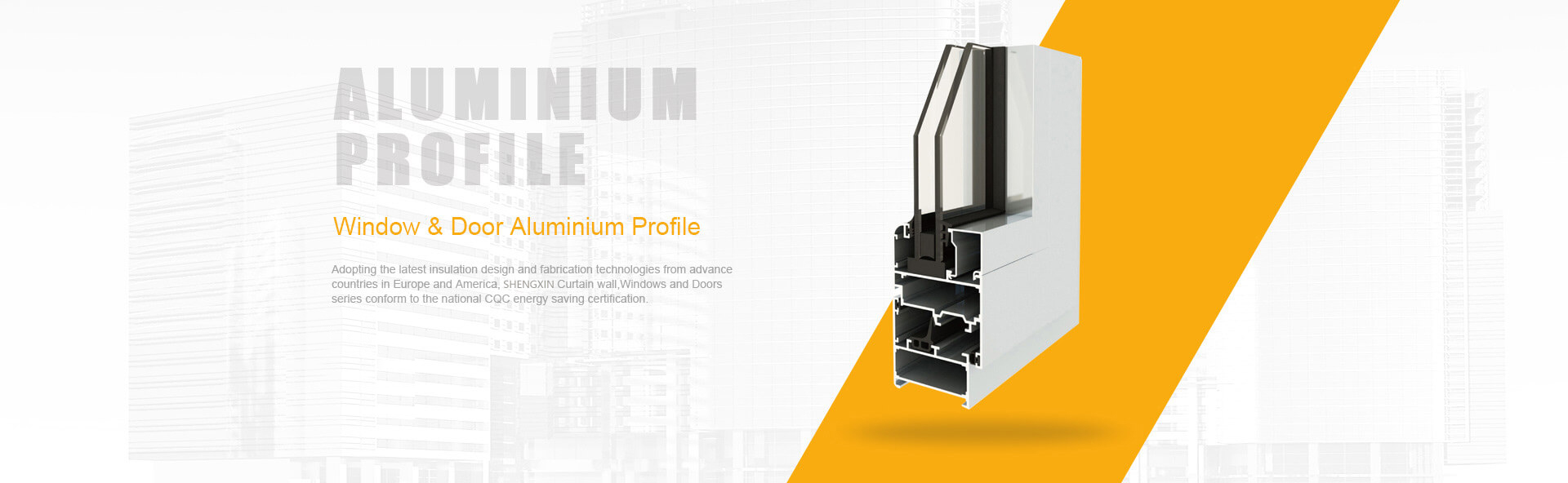
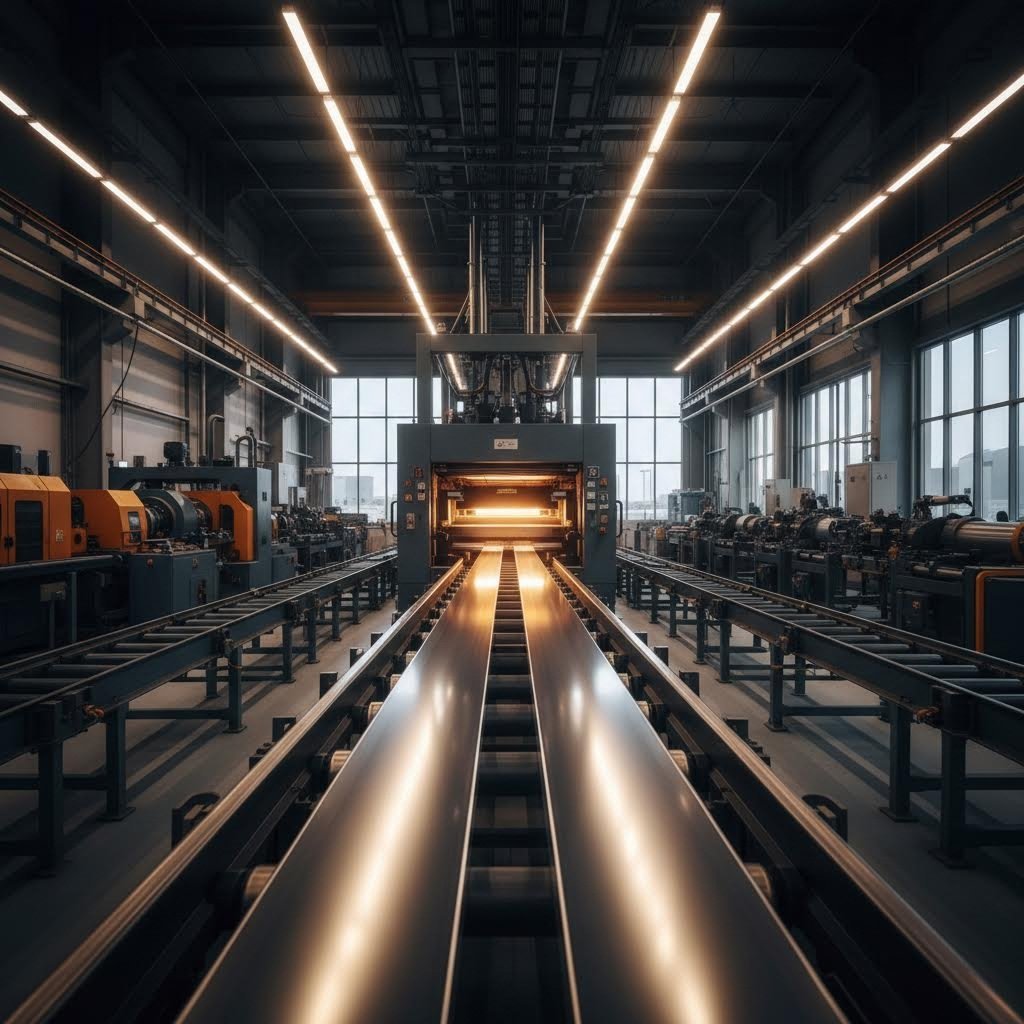
When you think about the Middle East's industrial transformation, aluminum extrusion in Saudi Arabia stands at the center of a remarkable shift. The Kingdom is rapidly positioning itself as a regional powerhouse for aluminum manufacturing, driven by ambitious Vision 2030 goals and an unprecedented wave of mega-projects. For buyers seeking reliable extrusion partners, understanding this evolving landscape is essential before placing your next order.
Saudi Arabia's commitment to industrial diversification has created a thriving ecosystem for aluminum production. According to Frost & Sullivan's strategic analysis, the Metals & Minerals sector represents a dynamic third pillar of a US$2 trillion industrial revolution. The Royal Commission for Jubail and Yanbu forecasts investments of US$11.4 billion in major integrated aluminum projects, signaling serious commitment to building world-class manufacturing capacity.
What makes the Kingdom such a compelling hub for aluminum extrusion? The answer lies in a perfect storm of strategic advantages. Local manufacturers like ALTCO, with its 24,000 MT/year capacity, and FMIC, producing 16,000 MT annually, have developed sophisticated capabilities to serve the region's growing demand. These facilities provide buyers with access to quality profiles without the delays and costs associated with distant suppliers.
The recent consolidation in the upstream aluminum sector further strengthens this position. In September 2024, Ma'aden signed a non-binding agreement with Aluminium Bahrain (Alba) to potentially create one of the world's largest aluminum producers. This partnership combines over 75 years of operational expertise and promises enhanced production capacity across the region.
This potential combination will reshape the global aluminium industry, positioning the merged entity as one of the largest aluminium producers worldwide, offering advantages such as expanded production capacity, enhanced global presence, and significant shareholder value creation.
For buyers sourcing aluminum profiles for Saudi projects, local extrusion capacity offers compelling advantages that extend beyond simple convenience. Consider what domestic manufacturing means for your projects:
The surge in mega-projects like NEOM, the Red Sea Project, and Qiddiya creates sustained demand for quality aluminum profiles. These developments require massive quantities of extruded aluminum for everything from curtain walls and window frames to structural components and solar mounting systems. Manufacturers like Altaco and regional extrusion specialists have expanded their press capacities specifically to meet this growing need.
Saudi Arabia's unique position also provides downstream manufacturers with access to primary aluminum from facilities like Ma'aden Aluminium at Ras Al Khair. This integrated supply chain, from bauxite mining to finished extrusions, gives buyers confidence in material traceability and quality consistency. As the Kingdom progresses toward its 2060 NetZero target, expect increasing emphasis on Green Aluminium certification throughout the value chain.
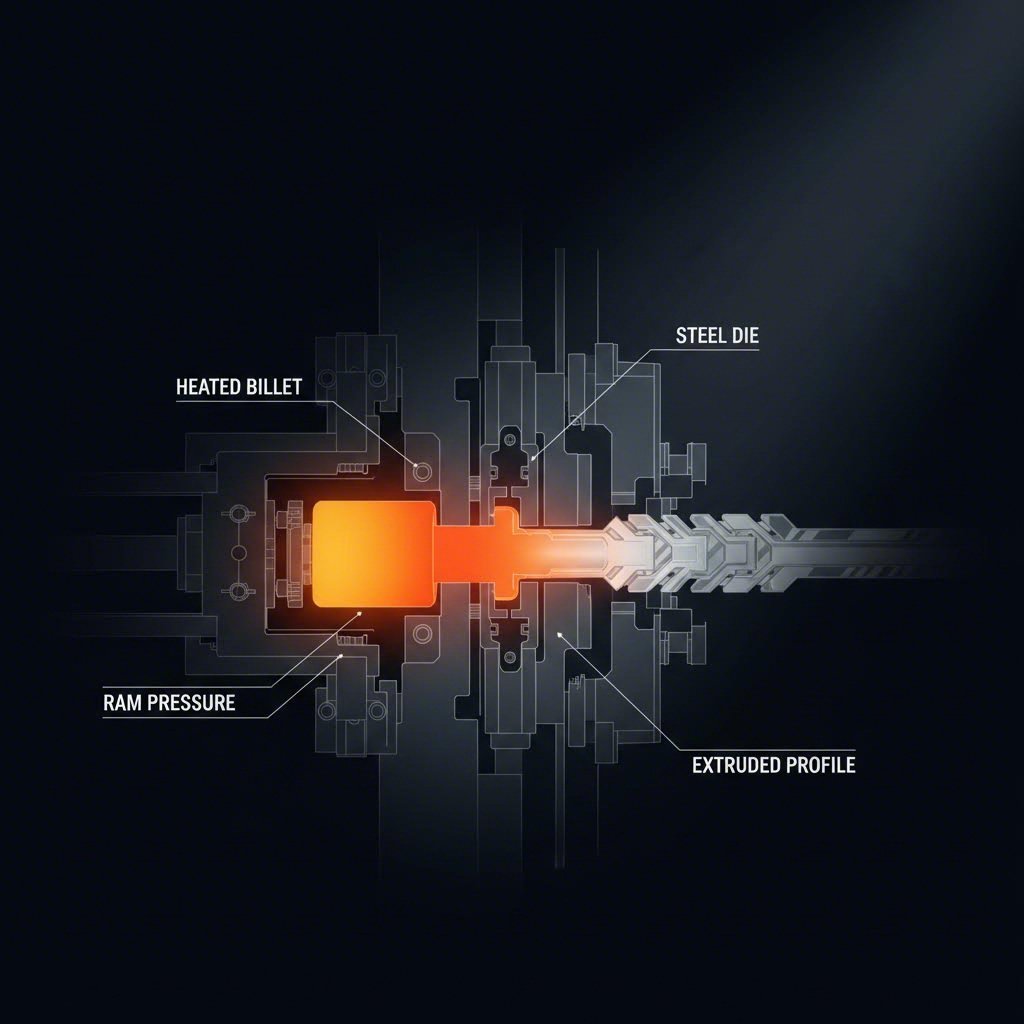
Ever wondered how a solid aluminum cylinder transforms into intricate window frames, structural beams, or precision industrial components? The al extrusion process is fascinating yet surprisingly straightforward once you understand its fundamentals. For buyers sourcing profiles in Saudi Arabia, grasping this manufacturing journey helps you communicate specifications clearly and evaluate supplier capabilities effectively.
Think of aluminum extrusion like a sophisticated Play-Doh Fun Factory. You push soft material through a shaped opening, and it emerges with that exact cross-sectional profile. The principles are identical for industrial aluminum extrusion, though the technology involved is considerably more advanced. Understanding each stage empowers you to ask the right questions and ensure your profiles meet project requirements.
The transformation from raw aluminum billet to finished profile follows a precise sequence. Each step directly influences the final product's quality, dimensional accuracy, and mechanical properties. Here's how manufacturers create the profiles you'll use in your Saudi projects:
Temperature control represents the single most critical factor throughout extrusion. Why does this matter for your projects? Because temperature directly determines characteristics like hardness, surface finish, and dimensional accuracy. Manufacturers maintaining tight temperature control consistently produce superior profiles.
Consider what happens at excessively high temperatures: metal flow becomes too fluid, seeking paths of least resistance and avoiding constricted die areas. The result? Thin projections or ribs fall below allowable tolerances. At extreme temperatures, metal may tear at thin edges or sharp corners due to reduced tensile strength. Understanding these dynamics helps you evaluate whether a supplier possesses the expertise to deliver consistent quality.
Press size directly determines what extrusions a manufacturer can produce. Extrusion presses range from 600 tons to 5500 tons, with each capacity serving different applications:
| Press Tonnage | Typical Applications | Profile Characteristics |
|---|---|---|
| 600T - 1200T | Small architectural profiles, trim pieces | Smaller circumscribing circles, simpler cross-sections |
| 1500T - 2500T | Standard window frames, door profiles, medium industrial components | Medium complexity, balanced wall thicknesses |
| 3000T - 4000T | Large curtain wall mullions, structural sections, complex hollows | Larger profiles, intricate multi-void designs |
| 4500T - 5500T | Heavy structural beams, large industrial profiles, wide flat sections | Maximum size capability, challenging geometries |
The extrusion ratio, calculated by dividing billet area by profile area, indicates the mechanical working that occurs during extrusion. Ratios below 10:1 may not guarantee mechanical properties because insufficient deformation occurs. For hard alloys, acceptable ratios range from 10:1 to 35:1, while soft alloys accommodate ratios up to 100:1.
When evaluating suppliers for your Saudi projects, inquire about their press range. A manufacturer operating multiple presses across different tonnages offers flexibility for diverse profile requirements. This capability matters particularly when your projects demand both intricate architectural details and robust structural components.
With the manufacturing process now clear, the next consideration becomes selecting the right aluminum alloy for your specific application requirements.
Imagine you're specifying aluminum profiles for a high-rise curtain wall in Riyadh. Should you choose the same alloy for decorative trim as you would for structural mullions? The answer reveals why understanding extruded aluminum alloy specifications is crucial for project success. Different alloys deliver dramatically different performance characteristics, and selecting the wrong one can compromise both aesthetics and structural integrity.
For buyers sourcing 6061 aluminum extrusion or architectural profiles in Saudi Arabia, three alloys dominate the conversation: 6063, 6061, and 6082. Each belongs to the 6000 series, primarily alloyed with magnesium and silicon. Yet their differences in strength, formability, and surface finish suitability make each optimal for distinct applications.
When evaluating a 6061 aluminum manufacturer versus suppliers specializing in architectural grades, you'll encounter a fundamental trade-off: strength versus surface quality. Understanding this distinction helps you match alloy selection to application requirements.
6063 Aluminum: Often called "architectural aluminum," 6063 is the most popular extruded alloy for thin-wall and decorative applications. Why? Its composition produces exceptional surface finishes and responds beautifully to anodizing. According to Howard Precision Metals, 6063 is somewhat more ideal for the extrusion process itself, flowing smoothly through complex die geometries that would challenge stronger alloys.
When welded through tungsten inert gas welding, 6063 often loses as much as 30% of its strength. However, subsequent heat treatment can restore a significant percentage of that strength. This characteristic matters when your fabrication process involves welded assemblies.
6061-T6 Aluminum: When material strength becomes your primary concern, 6061 emerges as the preferred choice. This precipitation-hardened alloy undergoes heat treatment that enhances its grain structure, resulting in superior durability and strength. According to Industrial Metal Service, untempered naturally aged 6061 is roughly on par with heat-treated 6063 aluminum and actually exceeds 6063-T6's shear strength.
The key insight? 6061 is commonly described as a structural metal, while 6063 serves as an architectural metal. Although 6063 possesses significant strength for applications like impact-resistant hurricane windows, it isn't suitable for bridges or structures requiring 6061's superior load-bearing capacity.
Sounds complex? Let's simplify with concrete numbers. The table below compares the three alloys most relevant to Saudi construction and industrial applications:
| Property | 6063-T6 | 6061-T6 | 6082-T6 |
|---|---|---|---|
| Tensile Strength | 35,000 psi | 45,000 psi | Highest in 6000 series |
| Yield Strength | 31,000 psi | 40,000 psi | Superior to 6061 |
| Brinell Hardness | 73 | 95 | Higher than 6061 |
| Shear Strength | 22,000 psi | 30,000 psi | Excellent |
| Formability/Extrudability | Excellent | Good | Difficult for thin walls |
| Surface Finish Quality | Excellent | Good | Not as smooth |
| Corrosion Resistance | Excellent | Good | Excellent |
| Machinability | Fair | Excellent | Good |
| Anodizing Response | Excellent | Good | Good |
| Weldability | Good (30% strength loss) | Good | Very good |
| Primary Applications | Window frames, door frames, furniture, decorative trim, tubing | Automotive parts, aerospace, machinery frames, hydraulic manifolds, structural components | Bridges, cranes, trusses, ore skips, highly stressed structural applications |
What about 6082? According to thyssenkrupp Materials, 6082 has the highest strength of all 6000 series alloys. The addition of manganese controls grain structure, resulting in exceptional structural performance. However, there's a trade-off: it's difficult to produce thin-walled, complicated extrusion shapes in 6082, and the extruded surface finish is not as smooth as other similar-strength alloys.
For Saudi buyers, this means 6082 excels in heavy structural applications like cranes, bridges, and roof trusses but proves less suitable for architectural profiles where appearance matters.
How do you choose between these options for your Saudi projects? Consider these practical guidelines:
The composition differences explain these performance variations. 6063 aluminum is purer, containing fewer additional metals. While this reduces strength compared to 6061, it enhances appearance and makes the alloy more amenable to aesthetic coating processes. Meanwhile, 6061's higher copper and chromium content delivers superior mechanical properties at the expense of surface quality.
With your alloy selection determined, the next critical decision involves choosing the right surface finishing to protect profiles against Saudi Arabia's demanding climate conditions.
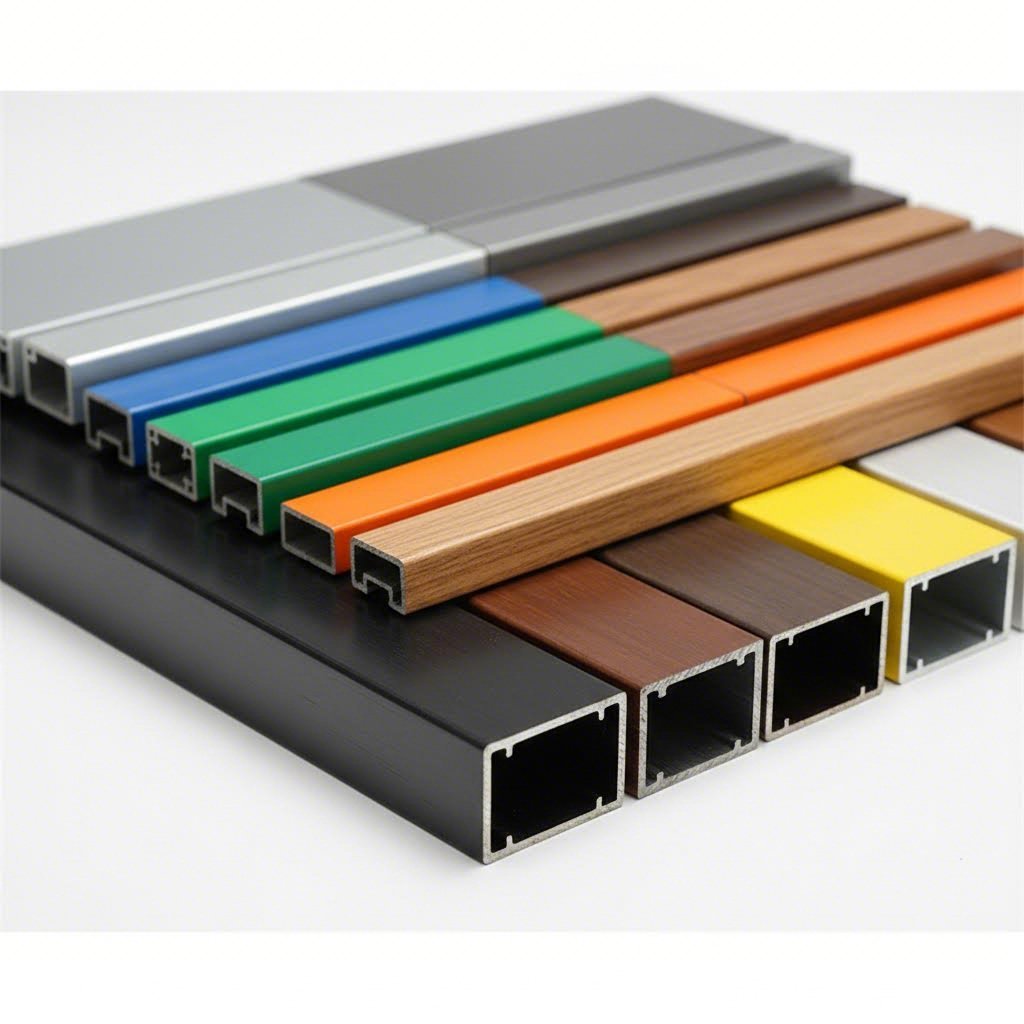
Picture an aluminum window frame installed in Jeddah, exposed to scorching summer temperatures exceeding 45°C and relentless UV radiation year-round. Without proper surface treatment, that beautiful profile would quickly show scratches, stains, and oxidation. The right extrusion finish transforms vulnerable raw aluminum into a durable, attractive component that withstands Saudi Arabia's punishing climate for decades.
Selecting appropriate surface treatments isn't merely aesthetic preference. It's a critical engineering decision that directly impacts profile longevity, maintenance requirements, and overall project costs. For precision aluminum extrusion applications across the Kingdom, understanding your finishing options ensures you specify exactly what your projects demand.
Why does surface finishing matter so much in this region? Consider the environmental challenges your aluminum profiles face daily. Intense UV exposure accelerates color fading and surface degradation. Extreme heat cycling stresses coating adhesion. Coastal areas introduce salt-laden air that attacks unprotected surfaces. Desert dust creates abrasive conditions that wear down inadequate finishes.
A raw "mill finish" aluminum, as it exits the extrusion die, remains vulnerable to all these threats. According to Gabrian International, mill finish is only suitable for products made as cheaply as possible, where appearance doesn't matter and short service life is acceptable. For standard aluminium extrusions destined for Saudi construction projects, that clearly won't suffice.
The good news? Modern finishing technologies offer exceptional protection tailored to specific environmental demands. Whether you're sourcing profiles for NEOM's coastal developments, Riyadh's urban towers, or industrial facilities in the Eastern Province, there's an optimal finish for your application.
Three primary finishing technologies dominate the aluminum extrusion market. Each offers distinct advantages and trade-offs that buyers must understand before specifying. Let's examine what makes each unique and when to choose one over another.
Unlike paints and coatings applied to aluminum surfaces, anodizing creates protection from within the metal itself. This electrochemical process submerges aluminum in an acid bath while passing electric current through it. The result? A super-hard aluminum oxide layer that's fully integrated with the base metal rather than sitting on top.
According to Minh Dung Holdings, anodizing delivers exceptional hardness and scratch resistance, making it ideal for high-traffic architectural applications. The oxide layer won't peel, flake, or chip like external coatings can. For Saudi projects, this translates to profiles that maintain their integrity despite constant exposure to blowing sand and dust.
Color options include clear (showcasing natural aluminum), bronze, black, champagne, gold, and various custom shades. However, the palette remains more limited than powder coating. Anodizing thickness classifications matter significantly:
When your project demands specific colors or textured finishes, powder coating offers unmatched versatility. This process applies dry paint powder electrostatically to grounded aluminum parts, then bakes them to melt and cure the coating into an even, durable finish.
For Saudi applications, powder coating provides excellent UV resistance when formulated correctly. The coating protects aluminum from corrosion while delivering virtually unlimited color possibilities. You can specify matte, glossy, or textured finishes to match architectural requirements precisely.
However, powder coatings aren't as hard as anodized surfaces. If the coating becomes damaged, the underlying aluminum loses protection at that location. This makes powder coating better suited for applications with less physical abuse but high aesthetic demands.
Architects consider PVDF (Polyvinylidene Fluoride) the gold standard for exterior projects demanding maximum resilience. Often known by the trade name Kynar 500, this high-performance liquid paint system delivers incredible UV resistance and color retention even after decades of exposure.
For Saudi Arabia's extreme conditions, PVDF coatings offer compelling advantages. According to industry sources, PVDF provides 25-30 years or more of color retention outdoors, superior chalk resistance, and excellent performance in harsh coastal or industrial environments. The coating applies thinner than powder coating, typically 0.8-1.2 mils versus 2-3 mils.
The trade-off? PVDF costs more than powder coating, requires factory application rather than field touch-ups, and offers fewer texture options. For monumental architecture, building facades, and curtain walls across the Kingdom, this premium investment often proves worthwhile.
Choosing the right finish requires balancing multiple factors. This comparison table helps you evaluate options against Saudi-specific requirements:
| Finish Type | Durability | UV Resistance | Cost Level | Ideal Saudi Applications |
|---|---|---|---|---|
| Anodizing (Clear) | Excellent scratch resistance; integral to metal | Good; may show slight dulling over time | Medium | Interior architectural elements, electronics housings, precision components |
| Anodizing (Colored) | Excellent; color embedded in oxide layer | Good; bronze and black very stable | Medium-High | Premium window frames, curtain wall mullions, high-end facades |
| Powder Coating | Good; can chip if impacted | Very Good with quality formulations | Low-Medium | Window/door frames, fencing, furniture, general architectural |
| PVDF Coating | Excellent chemical and weather resistance | Outstanding; 25-30+ year color retention | High | Monumental facades, coastal buildings, mega-project cladding |
| Wood Grain (Sublimation) | Good; pattern embedded in powder base | Very Good with quality films | Medium-High | Residential facades, hospitality projects, heritage-style developments |
| Micro-Arc Oxidation | Exceptional hardness; ceramic-like surface | Excellent | High | Industrial components, wear-intensive applications, specialized equipment |
Want the warmth of timber without maintenance headaches? Wood grain finishes through sublimation create aluminum profiles that look remarkably like real wood. According to architectural finishing experts, patterns can mimic everything from oak and cherry to walnut and maple with impressive realism.
The process begins with a base powder coat, then wraps the aluminum in printed film featuring your chosen pattern. Heat and pressure embed that pattern into the finish permanently. For Saudi hospitality projects, residential developments, or any application where wood appearance matters but aluminum durability is essential, this option delivers both.
High-quality sublimation films meet international standards for colorfastness and weather resistance, including AAMA 2604/2605 certifications. Maintenance couldn't be simpler: no staining, painting, or sealing required. Simple cleaning with mild soap and water keeps these finishes looking fresh while resisting peeling, chipping, and insect damage that would plague actual wood.
In Saudi Arabia's high-temperature, high-UV environment, finishing quality directly determines how long your aluminum profiles remain functional and attractive. Consider these protective mechanisms:
When specifying finishes for your Saudi projects, always verify that manufacturers test to relevant standards. ASTM B117 salt spray testing confirms corrosion resistance, while accelerated weathering tests validate UV performance. Reputable suppliers provide certifications proving their finishes meet these specifications.
With surface finishing decisions clarified, the next consideration for energy-conscious Saudi developments involves thermal break technology, a crucial innovation for reducing cooling loads in the Kingdom's demanding climate.
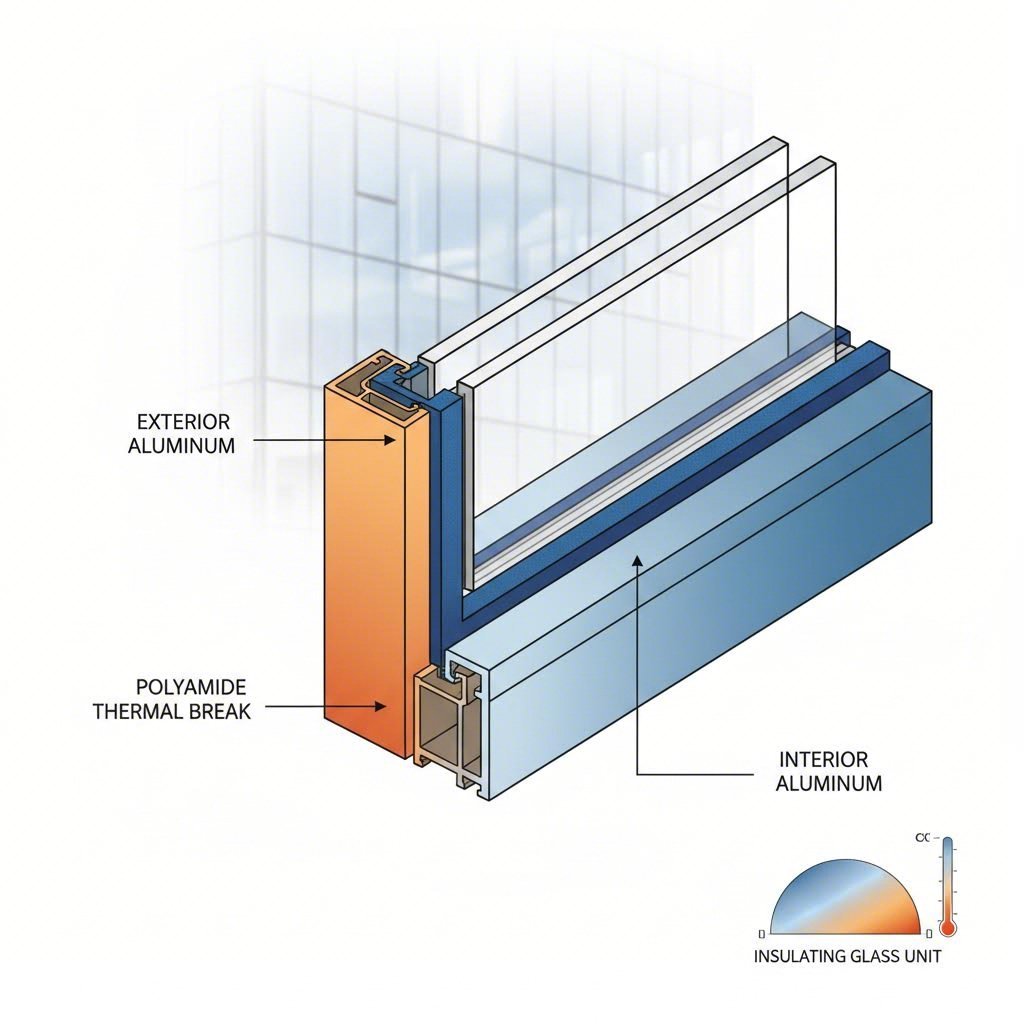
Imagine touching an aluminum window frame in Riyadh during peak summer. Without thermal break technology, that frame conducts scorching exterior heat directly into your air-conditioned interior. Your cooling system works overtime, energy bills climb, and occupants near windows experience discomfort despite climate control. This scenario explains why thermal break profiles have become essential for custom aluminium extrusion projects across Saudi Arabia.
For buyers sourcing bespoke aluminium profiles for the Kingdom's construction boom, understanding thermal break technology isn't optional. It's fundamental to meeting energy efficiency goals, controlling operational costs, and delivering comfortable building environments in one of the world's most demanding climates.
What exactly is a thermal break? At its core, it's an insulating barrier that separates the exterior and interior aluminum profiles within a window or door frame. According to Altaglaze's technical guide, this innovation consists of a continuous insulating material, typically polyamide reinforced with glass fiber, inserted between inner and outer aluminum sections.
Why does this matter? Aluminum conducts heat extremely efficiently. While that property makes excellent cookware, it creates problems for building envelopes where you want to prevent thermal transfer. Without intervention, hot exterior aluminum conducts heat directly to interior surfaces, overwhelming cooling systems and creating uncomfortable zones near windows.
The thermal break works through three mechanisms:
In high-quality custom aluminium extrusions, these thermal breaks range from 14.8mm to 35mm in width, creating substantial insulation zones within the frame. The wider the thermal break, the greater the insulation value, though costs increase accordingly.
Saudi Arabia's climate creates unique challenges that make thermal break technology particularly valuable. During summer months when exterior temperatures regularly exceed 45°C, thermal breaks prevent that extreme heat from conducting through window frames into conditioned spaces. According to Prance Building's technical analysis, continuous polyamide thermal breaks reduce frame surface temperatures and significantly diminish cooling loads on air-conditioning systems.
Consider what happens in a typical Saudi office tower without thermal breaks. Perimeter zones near curtain walls experience heat gain through aluminum frames, creating hot spots that force HVAC systems to work harder. Occupants near windows feel uncomfortable despite thermostat settings. Energy consumption spikes during peak cooling hours when electricity rates are highest.
Thermal break profiles address these challenges directly:
Vision 2030's emphasis on sustainability has accelerated adoption of energy-efficient building technologies across the Kingdom. For developers and contractors, specifying custom aluminium extrusions with proper thermal breaks isn't just about comfort. It's increasingly about regulatory compliance and building certification.
Saudi Arabia's evolving energy codes and green building standards favor thermally broken window and curtain wall systems. Projects pursuing sustainability certifications find that high-performance glazing assemblies contribute significantly to required energy performance targets. The lifecycle cost argument is compelling: while thermal breaks add upfront expense relative to basic aluminum framing, energy savings typically deliver payback within a few years.
When evaluating thermal break specifications for your projects, key performance metrics include:
For maximum efficiency, thermal break profiles should be paired with complementary technologies: low-E glass reflecting infrared energy, warm-edge spacers between glass panes, and argon gas fills. This integrated approach addresses conductive, radiative, and convective heat transfer comprehensively.
The growing demand for thermal break products among Saudi aluminum suppliers like Al Taiseer confirms market recognition of this technology's importance. For buyers sourcing profiles for mega-projects like NEOM, the Red Sea Project, or high-specification commercial developments, thermal break capability has become a baseline requirement rather than a premium option.
Beyond thermal performance, the next critical consideration for Saudi buyers involves understanding how aluminum profiles serve diverse applications across the Kingdom's rapidly expanding construction and industrial sectors.
What connects a gleaming Riyadh skyscraper, a solar farm in the Empty Quarter, and an automotive assembly line in Jubail? The answer lies in extruded structural aluminum profiles engineered for each unique application. Saudi Arabia's industrial diversification under Vision 2030 has created extraordinary demand across multiple sectors, each requiring specialized aluminum extrusion fabrication capabilities tailored to specific performance requirements.
Understanding where aluminum extrusions fit within Saudi Arabia's economic transformation helps buyers identify the right profiles for their projects. According to Ken Research's market analysis, the Saudi soft alloy aluminum extrusion market is valued at approximately USD 875 million, driven primarily by urbanization and mega-infrastructure initiatives. Let's explore how different sectors leverage these versatile materials.
When you walk through any major Saudi city, aluminum extrusions surround you. They frame the windows of commercial towers, form the curtain walls of shopping centers, and create the door systems of residential compounds. The architectural segment dominates the Kingdom's aluminum extrusion market for compelling reasons: rapid construction growth and increasing demand for aesthetically pleasing yet functional building materials.
Key architectural applications include:
The trend toward sustainable and energy-efficient buildings further accelerates architectural aluminum demand. As Saudi Arabia pursues its 2060 NetZero target, building codes increasingly favor thermally broken aluminum systems that reduce cooling loads. Companies like Alupco (Aluminium Products Company) and other established manufacturers have expanded their architectural product lines specifically to address these evolving requirements.
Beyond buildings, Saudi Arabia's industrial transformation creates substantial demand for structural aluminum components. The Kingdom's investment in manufacturing diversification means more factories, more machinery, and more infrastructure requiring specialized aluminum profiles.
Industrial applications span diverse sectors:
The National Industrial Development and Logistics Program (NIDLP) specifically targets industrial expansion, creating sustained demand for aluminum components. According to Ken Research, government policies promoting industrial diversification represent a key growth driver for the Kingdom's aluminum market through 2030 and beyond.
Saudi Arabia's automotive manufacturing expansion and transportation infrastructure investments create growing demand for lightweight aluminum solutions. The adoption of lightweight materials in transportation represents a significant market trend, driven by fuel efficiency requirements and performance optimization goals.
Transportation applications include:
As Saudi Arabia develops local automotive manufacturing capabilities, demand for domestically produced aluminum extrusions serving this sector will intensify. The proximity of local suppliers reduces lead times and logistics costs compared to importing finished components.
Perhaps no sector demonstrates Saudi Arabia's transformation more dramatically than renewable energy. The partnership between Array Technologies and Alupco to localize production of extruded aluminum parts for solar trackers, as noted by industry analysts, illustrates how aluminum extrusion manufacturers are positioning for this growth opportunity.
Energy sector applications include:
With SAR 12.3 billion allocated for photovoltaic projects, the solar sector represents a significant opportunity for aluminum extrusion suppliers. Local manufacturing capability becomes particularly valuable given the massive volumes required for utility-scale solar installations planned across the Kingdom.
The scale of Saudi Arabia's mega-projects defies conventional construction timelines. NEOM alone encompasses 26,500 square kilometers of development including THE LINE, a 170-kilometer linear city requiring unprecedented quantities of building materials. The Red Sea Project spans 28,000 square kilometers with 50 resorts across 22 islands. Qiddiya, the Kingdom's entertainment capital, covers 334 square kilometers.
These developments create sustained, predictable demand for aluminum extrusions that justifies capacity expansion by local manufacturers. According to market research, Saudi Arabia has SAR 121.9 billion (approximately USD 32.5 billion) in transport infrastructure projects under bidding, requiring aluminum extrusion profiles for everything from station structures to signage systems.
Why does local manufacturing matter for these mega-projects? Consider the logistics challenges of importing millions of linear meters of aluminum profiles from distant suppliers. Local manufacturers offer:
For buyers sourcing aluminum profiles for Saudi projects, understanding these sector-specific requirements helps align specifications with application demands. The next consideration involves establishing clear criteria for evaluating potential suppliers capable of meeting your project's unique requirements.
You've identified your project requirements, selected the right alloy, and specified your surface finish. Now comes a decision that can make or break your entire procurement experience: choosing the right aluminum extrusion supplier. Unlike simple directory listings that offer names and contact details without context, effective aluminum extrusion supplier evaluation requires systematic assessment across multiple performance dimensions.
Whether you're sourcing short run aluminum extrusions for prototype development or scaling to mass production for mega-projects, the criteria remain fundamentally similar. The difference lies in weighting those criteria appropriately for your specific situation. Let's explore what separates capable suppliers from those who might leave you with quality issues, missed deadlines, or unexpected costs.
Sounds overwhelming? It doesn't have to be. Think of aluminum profile manufacturer selection as evaluating a potential long-term partner rather than simply comparing quotes. According to AlCircle's industry guidance, experienced suppliers have refined their techniques and can offer advice to optimize your designs. They are more likely to deliver consistent quality and meet your specific requirements.
Here's what to examine during your evaluation process:
For Saudi projects, certification verification isn't optional. It's essential for regulatory compliance and quality assurance. According to SASO's official guidance, various conformity certificates apply to products entering the Saudi market, including production line approvals and consignment certificates confirming products meet relevant standards.
Key certifications to verify include:
Why should you prioritize suppliers offering comprehensive services from die development through mass production? The answer involves both quality control and project efficiency. When a single supplier manages the entire process, accountability remains clear. There's no finger-pointing between die makers, extruders, and finishers when issues arise.
Integrated capabilities also accelerate problem resolution. If a dimension requires adjustment, the supplier controlling both dies and extrusion can implement corrections immediately. If surface treatment specifications need refinement, in-house finishing enables rapid iteration without logistics delays.
For aluminium cold extrusion applications requiring tight tolerances, this integration proves particularly valuable. Each production stage influences subsequent operations. A supplier managing the complete chain optimizes each step for downstream requirements rather than treating each operation in isolation.
Saudi Arabia's business environment operates in both Arabic and English. When evaluating suppliers, consider their documentation capabilities. Can they provide technical drawings, test certificates, and quality reports in formats your team can readily use? For international suppliers serving the Saudi market, this bilingual reality requires attention.
Effective communication extends beyond language. It encompasses technical understanding, responsiveness, and proactive problem identification. According to AlCircle's supplier evaluation guidance, good customer support and communication are critical. A supplier committed to good service will work with you to meet your needs, providing timely updates on your project's progress.
When comparing potential partners, request references from similar projects. Speaking with existing customers reveals how suppliers perform under real-world conditions, how they handle challenges, and whether they deliver on their promises. This due diligence investment pays dividends throughout your project's lifecycle.
With clear evaluation criteria established, the next consideration involves understanding how value-added processing services transform basic extrusions into finished components ready for installation.

You've sourced the perfect aluminum extrusion profile. It matches your specifications exactly, arrives with flawless surface finishing, and meets every dimensional requirement. But here's the challenge: that profile still needs holes drilled, ends mitered, threads tapped, and components assembled before installation. Without integrated aluminum extrusion CNC capabilities at your supplier, you're now coordinating multiple vendors, managing additional logistics, and risking dimensional inconsistencies at every handoff.
For Saudi buyers managing complex projects, deep processing services transform this fragmented experience into seamless delivery. Instead of receiving raw profiles requiring secondary fabrication, you receive finished components ready for immediate installation. This integration isn't merely convenient. It's strategically valuable for project timelines, quality control, and total cost management.
What exactly happens during deep processing? According to Zetwerk's manufacturing guide, secondary operations play a crucial role after the extrusion process to further refine and enhance profiles, ensuring they meet specific project requirements. These operations add functionality and allow for easy integration of profiles into larger assemblies.
Modern extruded aluminum CNC processing encompasses a comprehensive range of operations:
According to Precision Steel Services, advanced CNC machining capabilities, including 5-axis equipment, expedite fabrication of custom extrusions without increasing costs. Many design features required for specialty applications can only be achieved through post-extrusion machining rather than the extrusion process itself.
Imagine you're procuring aluminum window frames for a commercial development. Without integrated processing, your workflow looks something like this: receive extruded profiles from Supplier A, transport to Fabricator B for cutting and drilling, ship to Finisher C for powder coating, then coordinate assembly at Contractor D's facility. Each transition introduces scheduling delays, quality risks, and cost additions.
With cnc aluminium extrusion suppliers offering end-to-end capabilities, that complexity collapses into a single relationship. One purchase order. One quality standard. One accountability chain from raw billet to finished, assembled component.
The benefits extend beyond convenience:
Beyond individual profile processing, leading suppliers offer assembly services that deliver installation-ready kits. According to industry specialists, rather than requiring customers to seek out another company to complete post-machining services, comprehensive suppliers complete any necessary assembly required before shipping. This includes things like window frames and even safety equipment fabricated from aluminum tubing.
For Saudi mega-projects requiring thousands of identical assemblies, kit production offers compelling advantages. Components arrive pre-assembled with hardware installed, gaskets fitted, and accessories attached. Site labor focuses on installation rather than fabrication, accelerating construction schedules and reducing on-site quality variables.
When evaluating deep processing capabilities, consider the range and scale of equipment available. For example, Shengxin Aluminium's custom extrusion and deep processing services demonstrate what comprehensive capability looks like: 35 extrusion presses ranging from 600T to 5500T provide flexibility for profiles of varying complexity, while state-of-the-art CNC machining centers handle precise cutting, drilling, and bending operations. This combination of extrusion capacity and finishing capabilities enables true end-to-end service from die development through finished component delivery.
Surface treatment integration matters equally. Suppliers offering anodizing in custom colors like champagne and rose gold, powder coating, PVDF, and advanced options like micro-arc oxidation eliminate the need to coordinate separate finishing vendors. When your project requires specific aesthetic requirements alongside precision machining, integrated capabilities ensure consistent results.
The value proposition becomes clear: rather than managing multiple supplier relationships, you partner with a single source capable of transforming your design specifications into ready-to-install components. For buyers navigating Saudi Arabia's demanding project timelines and quality expectations, this integrated approach simplifies procurement while enhancing outcomes.
With deep processing capabilities clarified, the final consideration involves establishing effective partnerships with suppliers who can support your projects from initial specification through successful delivery.
You've selected your alloy, specified surface treatments, and identified suppliers with the right capabilities. Now comes the final piece: building a partnership that delivers consistent results from first sample through mass production. Whether you're working with local Saudi manufacturers or international aluminum extrusion partners, effective collaboration requires clear processes, proper documentation, and proactive communication throughout your project lifecycle.
For buyers navigating aluminum extrusion project management across the Kingdom's mega-developments, understanding these partnership dynamics separates smooth procurement experiences from frustrating delays and quality disputes.
International suppliers offer Saudi buyers access to specialized capabilities, competitive pricing, and proven expertise developed across diverse global markets. However, successful cross-border partnerships require attention to details that domestic transactions might overlook.
According to industry documentation specialists, essential export documents include the commercial invoice, packing list, bill of lading, certificate of origin when required, and specific compliance papers based on the destination country. Missing or incorrect documentation causes delays, storage fees, and customs complications that erode any pricing advantages.
When establishing international partnerships, verify these documentation capabilities upfront:
Communication frequency matters significantly with international partners. According to manufacturing collaboration experts, enhancing communication culture can boost output by nearly 50% and lift team morale by over 40%. Regular updates prevent misunderstandings that cause delays, particularly when body language cues are absent in virtual interactions.
For buyers seeking a reliable aluminum supplier with proven international capabilities, Shengxin Aluminium exemplifies what comprehensive partnership looks like. With over 30 years of industry experience and factory-direct pricing, they provide end-to-end technical support from die development through mass production. Their extensive surface treatment options, including anodizing in custom colors like champagne and rose gold, powder coating, PVDF, and micro-arc oxidation, address the full spectrum of Saudi project requirements.
What separates successful aluminum extrusion projects from troubled ones? Preparation. According to aluminum extrusion production specialists, understanding each stage from design confirmation to shipment is crucial for timely project delivery. Custom aluminum extrusion production involves design confirmation, mold production, sample approval, and mass production, with each stage vital for ensuring quality and meeting lead times.
Before placing your order, complete this project preparation checklist:
The sample approval stage deserves particular attention. According to production management guidance, this process involves a feedback loop where samples are refined until they meet desired standards. Typically this should not exceed a month, but high-precision demands might extend this timeline. Conducting thorough inspections, maintaining clear communication, and incorporating iterative testing ensures product quality meets specifications before full-scale manufacturing.
Effective quality management extends beyond incoming inspection of finished goods. For critical applications, consider these verification touchpoints:
Building these verification steps into your procurement process catches issues early when corrections remain feasible. Discovering problems after goods arrive in Saudi Arabia introduces delays, additional costs, and potential project disruptions.
Effective audits are crucial for catching potential issues that could mess with production quality. Plus, keeping an open line of communication with your suppliers is super important for tackling any problems before they escalate.
For Saudi buyers, aluminum extrusion procurement success ultimately depends on selecting capable partners and establishing clear processes from the outset. Whether sourcing from local manufacturers serving Vision 2030 mega-projects or international suppliers offering specialized capabilities, the principles remain consistent: thorough preparation, clear documentation, proactive communication, and systematic quality verification. Master these elements, and your aluminum extrusion projects will deliver the performance your Saudi developments demand.
Aluminum extrusion pricing in Saudi Arabia varies based on alloy type, profile complexity, surface finishing, and order volume. 6063 architectural profiles typically cost less than high-strength 6061-T6 structural grades. Premium finishes like PVDF add to costs but extend lifespan significantly. For accurate pricing, request quotes specifying your exact alloy, dimensions, tolerances, and surface treatment requirements. Factory-direct suppliers like Shengxin Aluminium offer competitive pricing with comprehensive services from die development to finished components.
Saudi Arabia hosts several established aluminum extrusion manufacturers including ALTCO (24,000 MT/year capacity), FMIC (16,000 MT/year), Eastern Aluminum Extrusion Factory in Dammam, Al Andalus Aluminium, and Al Taiseer Group (TALCO). Additionally, international suppliers serve the market, with Ma'aden providing primary aluminum upstream. For buyers seeking custom profiles with extensive surface treatment options and CNC machining capabilities, international partners like Shengxin Aluminium complement local manufacturing capacity.
The key difference lies in strength versus surface finish quality. 6063 aluminum, known as architectural aluminum, offers excellent extrudability, superior anodizing response, and smooth surface finishes ideal for window frames and decorative applications. 6061-T6 delivers higher tensile strength (45,000 psi vs 35,000 psi), better machinability, and greater hardness, making it suitable for structural components, machinery frames, and automotive parts. Choose 6063 when aesthetics matter most; select 6061-T6 when strength is the priority.
Saudi Arabia's extreme heat and UV exposure demand premium surface treatments. PVDF coating offers 25-30+ years of color retention for exterior facades and mega-project cladding. Anodizing creates an integral oxide layer resistant to scratching and abrasion from desert conditions. Powder coating provides cost-effective protection with unlimited color options for general architectural use. For maximum durability, Class I anodizing (0.7 mils+) or PVDF finishes are recommended for exterior applications across the Kingdom.
Evaluate suppliers across multiple criteria: production capacity and press range (600T-5500T), in-house surface treatment options, CNC machining capabilities, ISO 9001 and SASO compliance certifications, lead times, and technical support quality. Verify end-to-end capabilities from die development through finished components to ensure accountability. Request references from similar projects and confirm bilingual documentation capabilities. Suppliers offering integrated deep processing, like precision cutting, drilling, and assembly, simplify procurement and improve quality consistency.



 Servicio en línea
 0086 136 3563 2360
 sales@sxalu.com
 +86 136 3563 2360
 español
 English
 français
 Deutsch
 русский
 português
 العربية
 ไทย
 Việt
 Українська