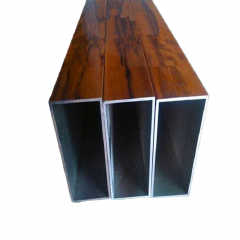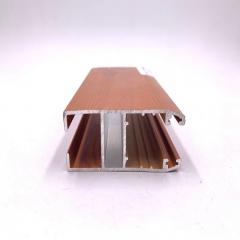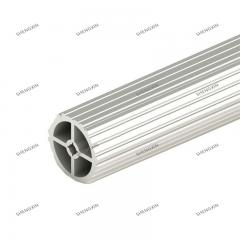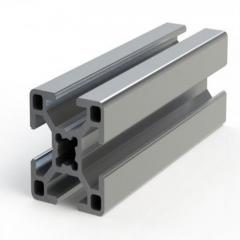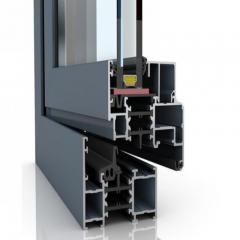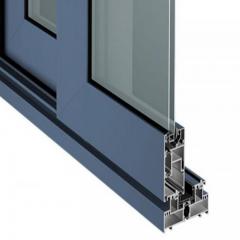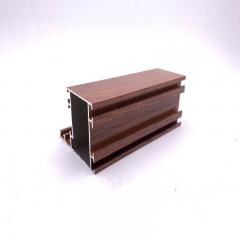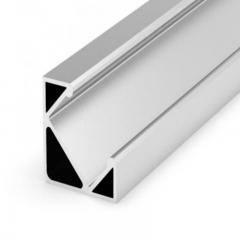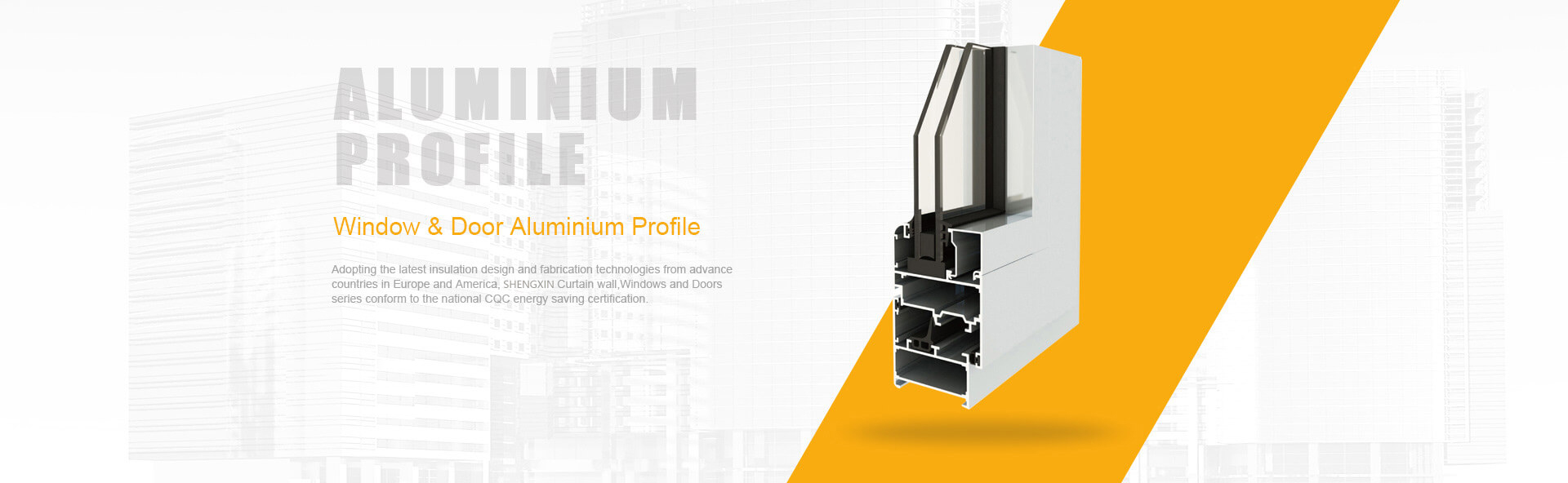
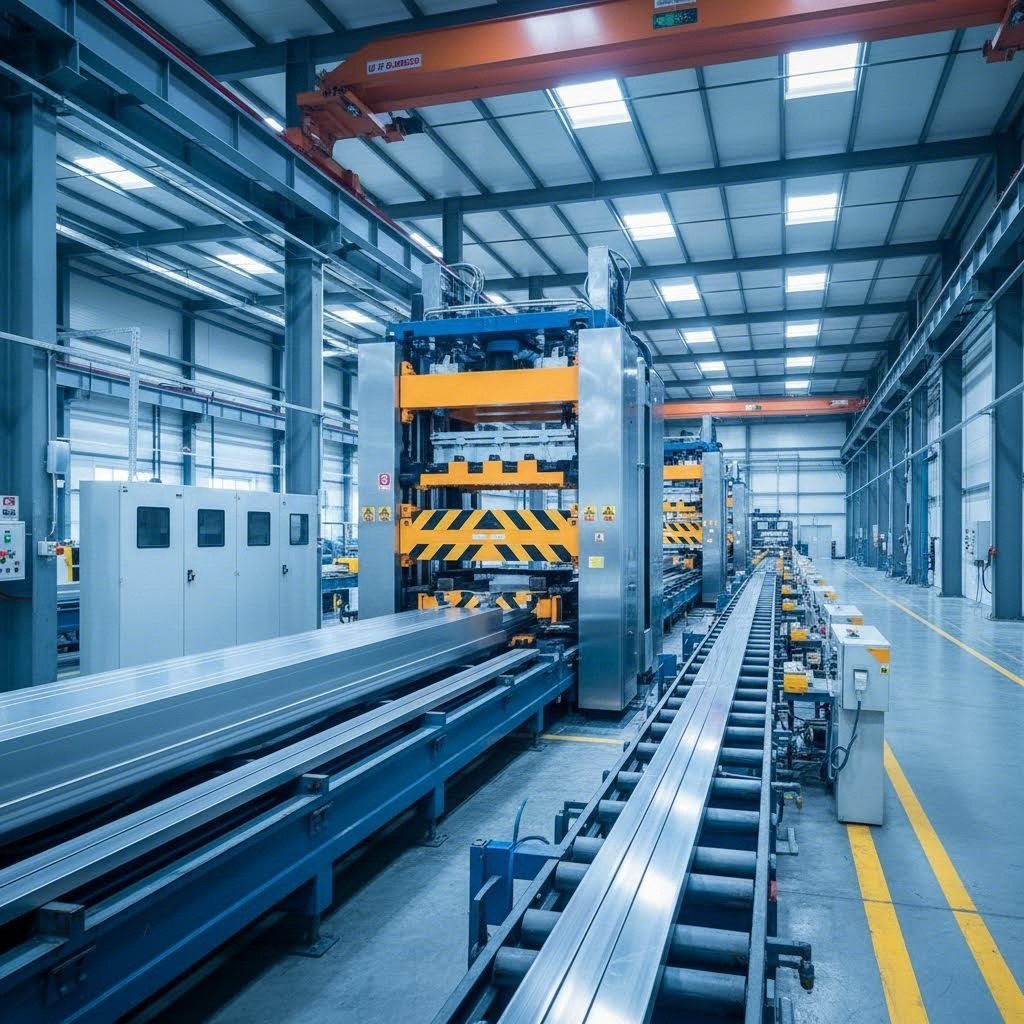
Imagine placing a single phone call and having your entire aluminum component project handled from initial concept to final delivery. No juggling multiple vendors, no coordination headaches, and no finger-pointing when something goes wrong. This is the essence of aluminum extrusion turnkey manufacturing—a comprehensive approach that's transforming how procurement managers and engineers source custom aluminum profiles.
Traditional manufacturing often involves a fragmented supply chain. You might work with one company for die design, another for extrusion, a third for CNC machining, and yet another for surface finishing. Each handoff introduces delays, potential miscommunication, and quality control gaps. Turnkey aluminum extrusion manufacturers eliminate these pain points by consolidating every production stage under one roof.
Turnkey manufacturing in the aluminum extrusion context means a single-source solution that encompasses design engineering, die development, extrusion pressing, secondary fabrication, surface finishing, and final assembly—delivering ready-to-install components without requiring additional processing.
The term "turnkey" originates from the idea that you simply "turn the key" and everything works. In aluminum extrusion manufacturing, this translates to receiving finished parts that require zero additional work before installation or integration into your products. A genuine turnkey partner handles:
When you're sourcing aluminum extrusion for manufacturing lines, this integrated approach proves especially valuable. Production environments demand components that arrive ready for immediate use, with consistent quality across every batch.
Why does single-source manufacturing matter so much? Consider the typical multi-vendor scenario. Your design team sends drawings to one company for die creation. Once the die is ready, it ships to a separate extrusion facility. The raw profiles then travel to a fabrication shop for machining, by another trip to a finishing company for anodizing. Finally, parts arrive at an assembly operation before reaching your facility.
Each transition creates opportunities for problems. Tolerances might drift. Communication gaps lead to specification errors. Lead times stretch as you wait for each vendor to fit your project into their schedule. Quality issues discovered late in the process become exponentially more expensive to address.
Aluminum extrusion manufacturers offering true turnkey solutions compress this entire journey. Their engineering teams communicate directly with extrusion operators, machining technicians, and finishing specialists. When adjustments are needed, they happen immediately—not after weeks of back-and-forth between separate companies.
For procurement professionals managing complex supply chains, this consolidation delivers tangible benefits: reduced administrative overhead, clearer accountability, shorter lead times, and more predictable quality outcomes. Engineers appreciate having a single technical contact who understands the complete manufacturing process and can offer optimization suggestions that consider every production stage.
The value proposition becomes even stronger when you factor in aluminum extrusion for manufacturing lines that require ongoing production runs. Consistent quality, reliable delivery schedules, and responsive technical support make the difference between smooth operations and costly production delays.
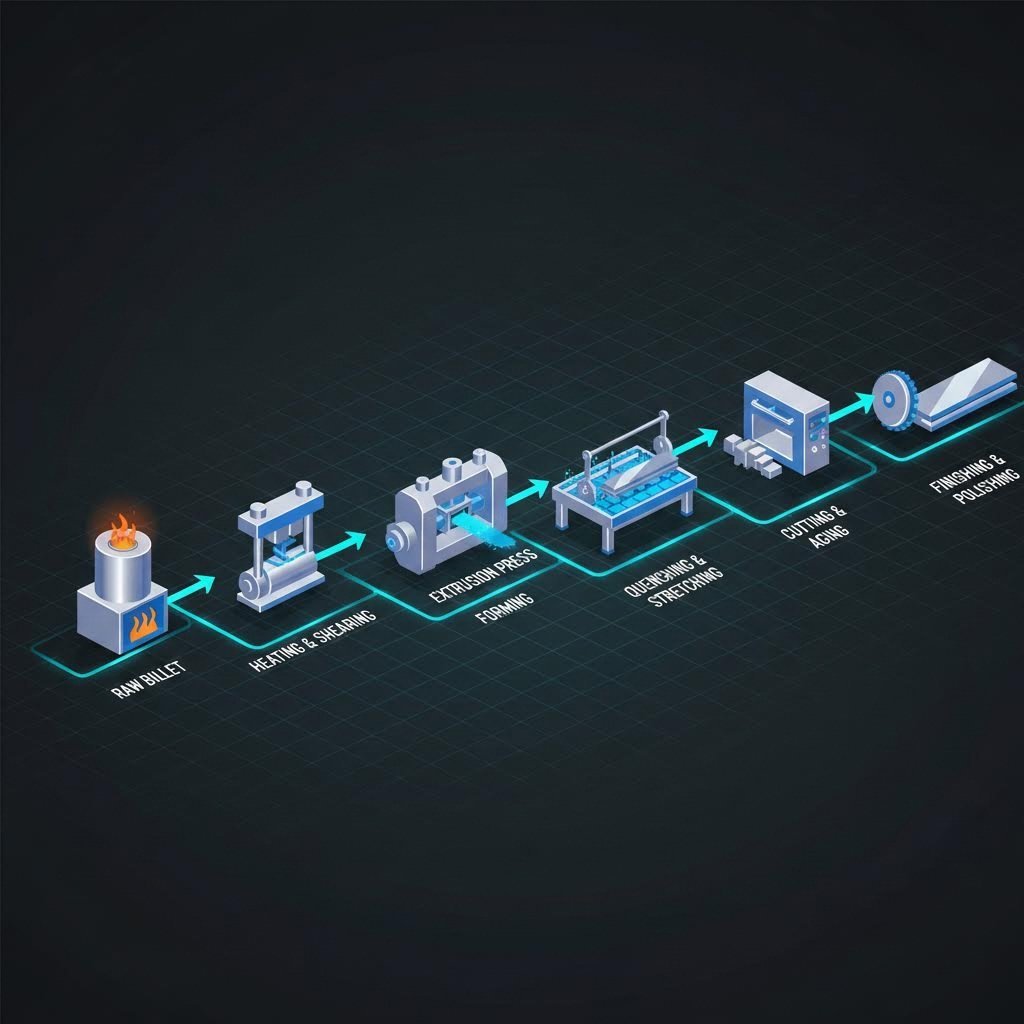
So what actually happens once you partner with a turnkey aluminum extrusion manufacturer? Understanding the aluminum extrusion manufacturing process helps you anticipate timelines, prepare necessary inputs, and communicate effectively with your manufacturing partner. Let's walk through each stage of this integrated journey.
Every custom aluminum profile moves through a carefully orchestrated sequence. When custom aluminum extrusion manufacturers handle all stages internally, each transition becomes seamless rather than a potential bottleneck. Here's how the complete workflow unfolds:
You might wonder—why does keeping these stages under one roof matter so much? The answer lies in how information and materials flow between operations.
When aluminum extrusion manufacturing companies manage all stages internally, engineers designing your die already know which CNC equipment will machine the final parts. They understand the finishing process requirements and design accordingly. If a tolerance concern arises during extrusion, the machining team learns immediately—not days later through email chains between separate companies.
Consider a practical example. Suppose your application requires a complex profile with internal channels that must align precisely with drilled mounting holes. In a fragmented supply chain, the extrusion vendor might produce profiles meeting their specifications, but slight variations could cause problems during drilling at a separate facility. With integrated production, the same quality team monitors both processes, catching and correcting issues before they compound.
This seamless connection eliminates several common pain points:
The result? Aluminum extrusion manufacturing companies offering true turnkey capabilities typically deliver projects faster with fewer quality issues than multi-vendor arrangements. For procurement managers tracking costs and timelines, this integration translates directly to predictable outcomes and reduced management overhead.
Understanding this workflow also helps you prepare better project documentation, ask informed questions during vendor evaluation, and set realistic expectations for your next aluminum extrusion project. With the production stages clear, the next consideration becomes matching press capabilities to your specific profile requirements.
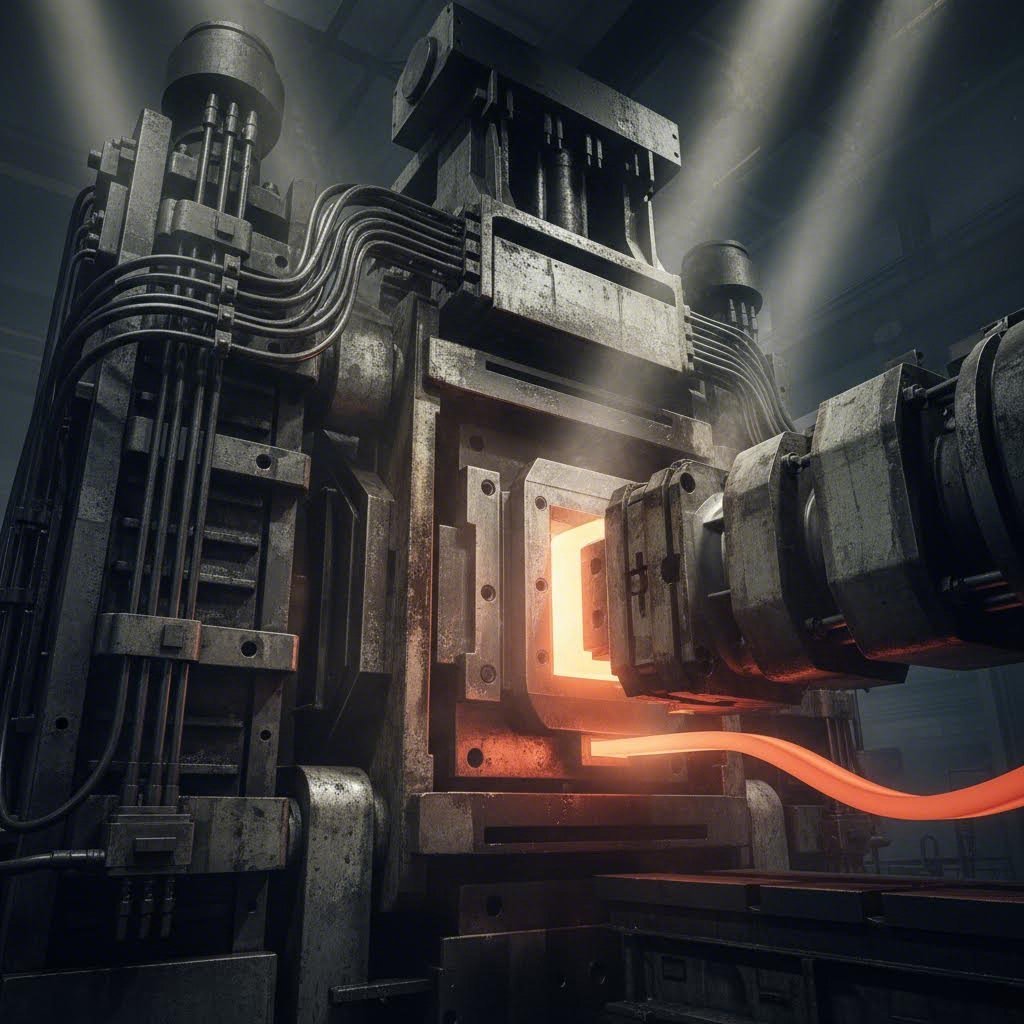
Ever wondered why some aluminum profiles feature intricate multi-chamber designs while others remain simple solid shapes? The answer largely comes down to press tonnage—the raw hydraulic force that transforms heated aluminum billets into finished profiles. When evaluating aluminum extrusion press manufacturers, understanding this relationship helps you determine whether a partner can actually produce your specific designs.
Think of it like squeezing toothpaste through different nozzle shapes. A simple round opening requires minimal effort, but forcing paste through a complex star-shaped tip demands considerably more pressure. The same principle applies to aluminum extrusion, just scaled up to industrial proportions with forces measured in hundreds or thousands of tons.
Press tonnage directly determines three critical factors in aluminum extrusion:
According to industry standards, press capabilities typically align with billet sizes and profile demands. Smaller presses around 500 to 1,800 tons handle 6-inch diameter billets suitable for simple, precision profiles. Mid-range presses from 2,000 to 2,500 tons work with 7-inch billets for moderately complex designs. Larger aluminum extrusion profile manufacturers operating presses of 2,750 tons and above process 8-inch or larger billets for substantial industrial applications.
Here's where things get interesting for procurement managers. Not every project requires the same press capacity, and working with a complex aluminum extrusion manufacturer that operates diverse press fleets provides significant advantages.
Consider a practical scenario. Your company needs both delicate electronic enclosure profiles requiring precise tolerances and robust structural framing for equipment housings. A manufacturer limited to a single press size must either decline one project type or compromise on production efficiency. Meanwhile, a partner with presses ranging from 600T to 5500T can optimize each job on the most appropriate equipment.
| Press Tonnage Range | Typical Billet Diameter | Best Applications | Profile Characteristics |
|---|---|---|---|
| 600T - 1,000T | 4.5" - 6" | Small precision components, electronic housings | Fine details, thin walls, tight tolerances |
| 1,800T - 2,200T | 7" - 8" | Architectural profiles, window frames, heat sinks | Moderate complexity, hollow sections |
| 2,750T - 4,000T | 8" - 10" | Industrial framing, curtain walls, transportation | Large cross-sections, multi-void hollows |
| 4,500T - 5,500T | 10" - 14" | Structural members, bridge components, heavy industrial | Maximum size, complex industrial geometries |
Large aluminum extrusion manufacturers investing in comprehensive press fleets demonstrate commitment to handling diverse customer requirements. This capability becomes especially valuable when your product line evolves or when you need to consolidate multiple profile types with a single supplier.
The engineering calculation behind press selection involves more than just profile size. Extrusion ratio—the relationship between billet cross-section and final profile area—plays a crucial role. Higher extrusion ratios are often desirable for achieving optimal mechanical properties and grain structure, but they demand proportionally greater tonnage.
Aluminum extrusion profiles manufacturers with extensive press options can also optimize production economics. Running a small profile on an oversized press wastes energy and reduces throughput. Matching each job to appropriately sized equipment keeps costs competitive while maintaining quality standards.
When evaluating potential turnkey partners, ask about their complete press range and how they determine equipment assignments. A manufacturer who thoughtfully matches your project to the right press capacity demonstrates the kind of engineering expertise that translates to better outcomes. This same attention to detail extends into alloy selection—another critical factor that directly impacts your finished product's performance.
You've selected the right press tonnage and finalized your profile design—now comes another decision that profoundly impacts your finished product: which aluminum alloy should you specify? For many engineers and procurement managers, this choice feels overwhelming given the dozens of available options. Fortunately, understanding a few key principles simplifies the selection process considerably.
In turnkey aluminum extrusion manufacturing, alloy selection isn't just a technical footnote. It directly influences how easily your profile extrudes, what mechanical strength it achieves, how well it resists corrosion, and what surface finish quality you can expect. A skilled aluminum alloy extrusion manufacturer guides you through these tradeoffs, but knowing the fundamentals helps you participate meaningfully in these discussions.
When you hear engineers discussing aluminum alloys, they're referring to specific recipes of aluminum combined with other elements like magnesium, silicon, copper, or zinc. Each combination produces distinct characteristics suited to different applications. For extrusion applications, the 6000 series dominates—and for good reason.
The 6000 series aluminum alloys contain magnesium and silicon as their primary alloying elements. When combined, these form magnesium silicide compounds within the aluminum matrix, creating a structure that's both strong and workable. According to industry research on 6000 series properties, this unique chemistry delivers an impressive balance of:
But what about applications demanding maximum strength? That's where aluminum alloy extrusions manufacturer expertise becomes valuable. The 7000 series alloys, particularly 7075, offer tensile strengths approaching some steels. However, 7075 aluminum extrusion manufacturers face significant challenges—these alloys are considerably harder to extrude, more expensive, and trickier to weld. For most turnkey projects, the 6000 series provides the optimal balance between performance and manufacturability.
Within the 6000 series, two alloys dominate the extrusion landscape: 6063 and 6061. Understanding their differences helps you specify the right material for your application without over-engineering or sacrificing performance.
Think of 6063 as the "architectural alloy." It extrudes beautifully into complex shapes, produces exceptionally smooth surfaces, and accepts anodizing with outstanding consistency. According to alloy comparison data, 6063-T6 achieves an ultimate tensile strength of at least 28,000 psi—more than adequate for window frames, door systems, decorative trim, and countless consumer products.
Now consider 6061, often called the "structural workhorse." When strength matters more than surface aesthetics, this alloy delivers. In the T6 temper, 6061 reaches ultimate tensile strength of at least 42,000 psi and yield strength of 35,000 psi—significantly higher than its 6063 counterpart. This makes 6061 the preferred choice for truck frames, marine components, structural framing, and load-bearing applications.
Here's a practical comparison to guide your selection:
| Property | 6063-T6 | 6061-T6 | What This Means For You |
|---|---|---|---|
| Ultimate Tensile Strength | ≥28,000 psi | ≥42,000 psi | 6061 handles 50% higher loads before failure |
| Yield Strength | ≥23,000 psi | ≥35,000 psi | 6061 resists permanent deformation under stress |
| Extrudability | Excellent | Good | 6063 allows more complex profile geometries |
| Surface Finish Quality | Superior | Good | 6063 produces smoother, more consistent surfaces |
| Anodizing Response | Excellent | Good | 6063 achieves better color consistency |
| Typical Applications | Windows, doors, architectural trim, furniture | Structural frames, transportation, marine, machinery | Application determines optimal selection |
High quality aluminum extrusion manufacturers understand these tradeoffs intimately. When you approach a 6063 aluminum extrusion manufacturer about a structural application, they'll likely recommend 6061 instead—even if it means slightly more tooling cost. Conversely, specifying 6061 for decorative trim wastes money on unnecessary strength while potentially compromising surface aesthetics.
What about other 6000 series options? Alloys like 6005 and 6082 occupy the middle ground, offering enhanced strength over 6063 while maintaining better extrudability than 6061. Your aluminum extrusions manufacturer can recommend these alternatives when standard options don't quite fit your requirements.
The alloy decision also impacts downstream processes in turnkey production. Finishing quality varies by alloy—6063's superior surface characteristics produce more uniform anodized colors and smoother powder coat adhesion. Machining behavior differs too, affecting tolerances and cycle times during CNC operations.
When discussing your project with potential partners, don't hesitate to ask why they recommend a particular alloy. Experienced turnkey manufacturers consider your complete application—not just mechanical requirements, but also finishing specifications, budget constraints, and production efficiency. This holistic approach ensures your alloy selection optimizes the entire manufacturing process, not just one aspect of performance. With your alloy specified, the next consideration becomes how surface treatments will protect and enhance your finished profiles.
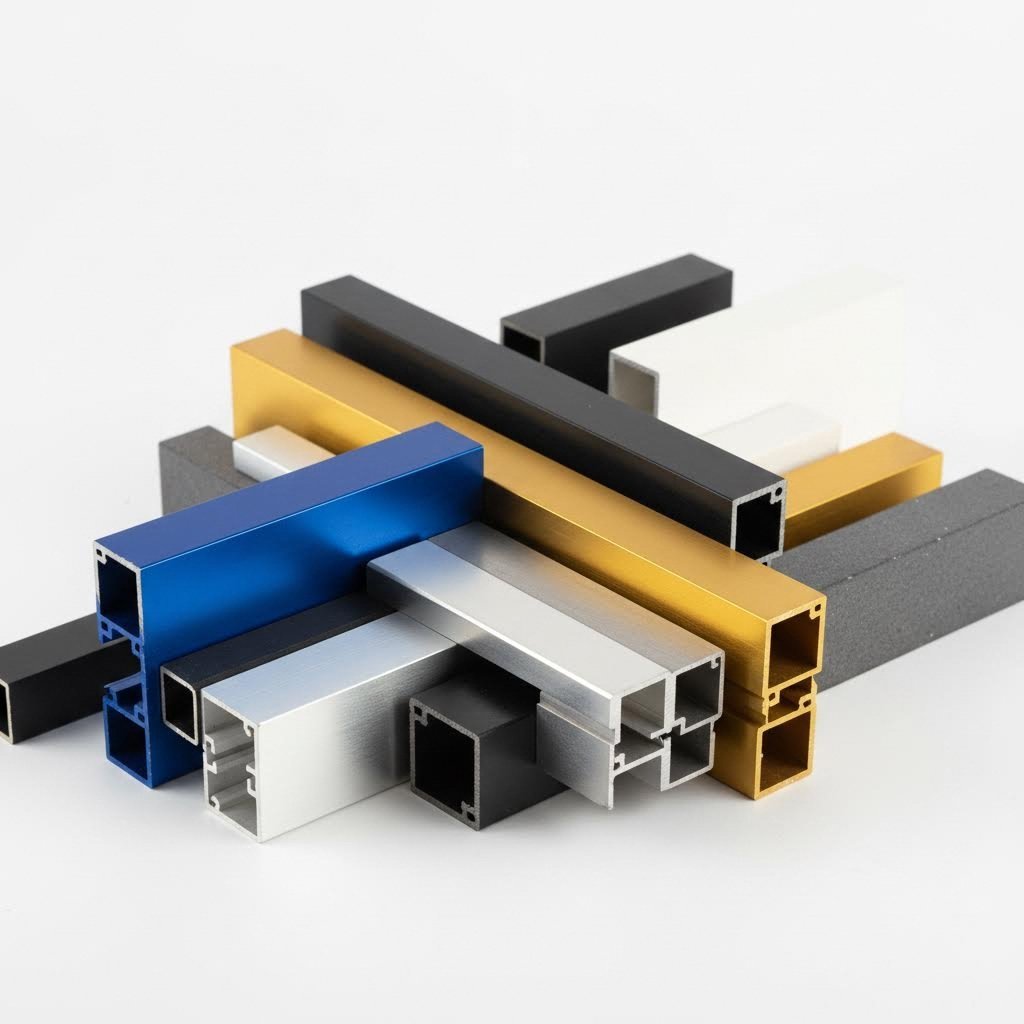
Your aluminum profiles have been extruded, machined, and cut to specification—but they're not quite ready for real-world deployment. Surface finishing transforms raw aluminum into components that resist corrosion, match your aesthetic requirements, and perform reliably in demanding environments. In turnkey manufacturing, this critical stage happens seamlessly within the same facility, eliminating the logistics headaches and quality inconsistencies that plague multi-vendor approaches.
Why does integrated finishing matter so much? Consider what happens when extrusions ship to a separate finishing company. Handling during transit can scratch surfaces. Moisture exposure might cause oxidation spots. Batches processed weeks apart could show color variations. When an aluminum extrusion profile manufacturer handles finishing in-house, these risks disappear—profiles move directly from fabrication to treatment under consistent quality oversight.
Anodizing remains the most popular finishing choice for aluminum extrusions, and for good reason. Unlike paint or coating that sits on top of aluminum, anodizing is an electrochemical process that converts the outer surface into aluminum oxide—a ceramic material that becomes permanently integrated with the base metal. You're not adding a layer that might peel; you're fundamentally transforming the surface itself.
This transformation delivers impressive benefits:
For aluminum extrusion anodized enclosure manufacturers, anodizing provides the perfect combination of protection and professional appearance. Electronic housings, equipment covers, and architectural panels all benefit from this durable, attractive finish. Aluminum window extrusions manufacturer operations similarly rely on anodizing to deliver frames that withstand decades of weather exposure while maintaining their visual appeal.
Color consistency across production batches requires careful process control—another area where integrated manufacturing excels. When the same facility handles extrusion and anodizing, they control every variable affecting final appearance.
While anodizing handles many applications beautifully, some environments demand alternative approaches. Powder coating and PVDF coatings each offer distinct advantages worth understanding.
Powder Coating involves electrostatically applying dry powder to aluminum surfaces, then curing at high temperatures to form a tough, uniform finish. This coating is highly durable and resists scratches better than anodizing in some applications. The key advantages include:
Customized aluminum extrusion heatsink manufacturers often specify powder coating for industrial applications where color coding aids installation or where thermal components need protection from harsh factory environments. Aluminum heatsink extrusion manufacturers must balance thermal performance with surface protection—powder coating offers this balance when properly specified.
PVDF Coatings (polyvinylidene fluoride) represent the premium choice for architectural and exterior applications. Conforming to AAMA 2605 standards, PVDF coatings deliver outstanding UV, chemical, and chalk resistance with warranties extending up to 30 years. When your profiles will face intense sun exposure, coastal salt spray, or industrial pollutants, PVDF provides the most durable protection available.
Additional finishing options for specialized requirements include:
Aluminum extrusion profiles manufacturer partners offering comprehensive finishing capabilities let you match treatment to application without compromising on vendor consolidation. Whether you need standard clear anodize for internal components or custom-color PVDF for building facades, integrated turnkey solutions handle it all.
The finishing stage also presents the final opportunity for quality inspection before shipment. With all processes under one roof, any surface defects discovered during finishing can be traced immediately to their source—whether extrusion parameters, handling procedures, or pre-treatment preparation. This closed-loop feedback accelerates problem resolution and prevents recurring issues. Of course, maintaining these quality standards requires formal systems and certifications—the subject we'll explore next.
You've learned about press capabilities, alloy selection, and finishing options—but how do you know a manufacturer actually delivers consistent quality across every stage? This is where certifications and precision standards enter the picture. For procurement managers evaluating potential partners, understanding what quality certifications mean (and what they don't) helps separate genuine high quality aluminum extrusion manufacturer operations from those simply going through the motions.
Quality isn't something that happens by accident in aluminum extrusion. It requires systematic processes, documented procedures, and continuous verification throughout production. When a manufacturer of aluminum extrusions invests in formal quality management systems, they're committing to accountability at every touchpoint.
ISO 9001:2015 represents the globally recognized standard for quality management systems. When you see this certification, it signals that a company has implemented structured processes covering everything from initial customer requirements through final delivery. But what does this actually mean for your project?
According to industry analysis on ISO 9001 implementation, certified manufacturers demonstrate measurable improvements in consistency and defect reduction—some reporting up to 25% fewer defects within the first year of certification. This isn't just paperwork; it represents fundamental operational discipline.
ISO 9001 certification indicates that an aluminum extrusion manufacturer has established:
For industries demanding even stricter oversight, certifications like AS9100 (aerospace) build upon ISO 9001 foundations with additional requirements specific to high-consequence applications. When evaluating potential partners, ask which certifications they maintain and request current certificates for verification.
Certifications establish the framework, but actual quality emerges from consistent execution at specific checkpoints throughout production. In integrated turnkey manufacturing, these verification points connect seamlessly—unlike multi-vendor arrangements where quality gaps often develop between handoffs.
What should you expect from a capable turnkey partner? According to precision manufacturing specialists, comprehensive quality control spans every production stage:
Tolerance capabilities deserve special attention when evaluating manufacturers. For precision applications, 0.05mm tolerance aluminum extrusion manufacturers demonstrate the equipment investments and process control necessary for demanding specifications. Ask potential partners about their standard tolerances versus capabilities for tight-tolerance work—and request sample inspection reports demonstrating actual achieved dimensions.
The beauty of turnkey manufacturing lies in unified quality oversight. When the same quality team monitors extrusion, machining, and finishing, they catch issues early and implement corrections immediately. Contrast this with fragmented supply chains where problems discovered during finishing might trace back to extrusion parameters set weeks earlier at a different facility.
Before committing to any partner, verify their quality systems match your requirements. Request facility tours, review sample documentation, and ask how they handle non-conforming material. A genuine commitment to quality shows in transparent answers and willingness to demonstrate processes—not just certificates hanging on walls. With quality systems understood, the next step involves evaluating potential partners against your specific project requirements.
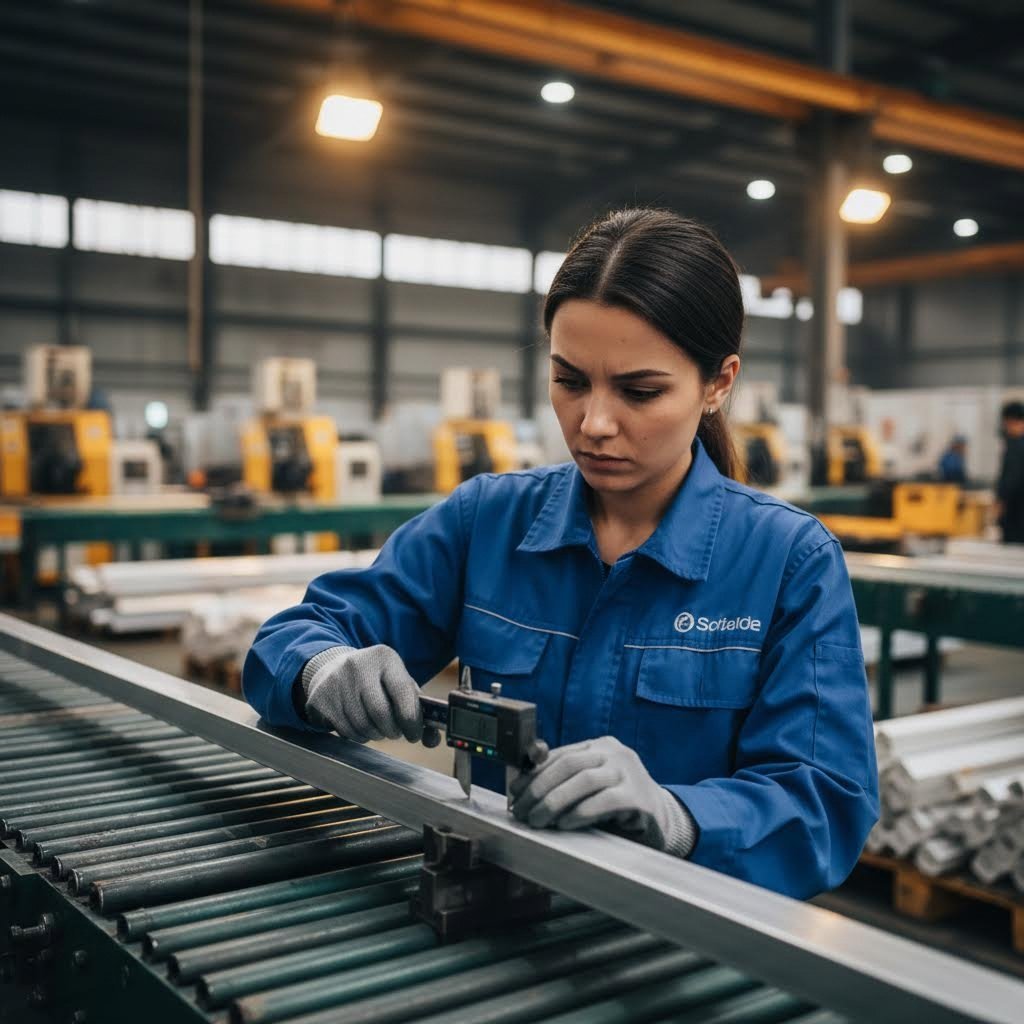
You've now explored press capabilities, alloy selection, finishing options, and quality certifications. But here's the critical question: how do you actually choose the right partner from your shortlist of potential custom aluminum extrusion manufacturer candidates? Whether you're searching for aluminum extrusion manufacturers near me or considering global options, a structured evaluation framework prevents costly mistakes and ensures your selected partner truly delivers turnkey capabilities.
Selecting the wrong manufacturer doesn't just cause project delays—it creates ripple effects throughout your supply chain. Missed tolerances require rework. Communication gaps lead to specification errors. Limited capabilities force you back to multi-vendor arrangements, eliminating the turnkey advantages you sought in the first place.
Think of partner evaluation as building a scorecard that covers both technical capabilities and operational reliability. The best aluminum extrusion tooling manufacturer relationships develop when expectations align from the start. Here's a systematic framework for assessment:
Press Capacity Range: Does the manufacturer operate presses spanning the tonnage required for your current and anticipated future projects? According to manufacturing partnership research, companies with diverse equipment can optimize each job on appropriately sized machinery while accommodating product evolution. Ask specifically about their press fleet and how they assign projects to equipment.
Fabrication Capabilities: True turnkey partners handle secondary operations internally. Verify they offer CNC machining, precision cutting, drilling, tapping, bending, and welding. Request details about their machining centers—number of axes, achievable tolerances, and capacity for complex geometries. Aluminum extrusion die manufacturers who also maintain robust fabrication departments eliminate handoff delays between extrusion and value-added processing.
Finishing Options: Confirm the manufacturer provides your required surface treatments in-house. Can they deliver standard anodizing, custom colors, powder coating, and specialized finishes? Integrated finishing ensures consistent quality control and prevents logistics complications.
Technical Support Depth: Evaluate the engineering resources available to your project. Do they offer design-for-manufacturability consultations? Can they suggest profile optimizations that reduce cost or improve performance? The best suppliers act as technical partners, contributing expertise beyond simple order fulfillment.
Industry Experience: Prioritize manufacturers with proven experience in applications similar to yours. A partner serving automotive, aerospace, or architectural markets understands the specific challenges and standards relevant to those industries.
Use this evaluation checklist when comparing potential partners:
| Evaluation Factor | Key Questions to Ask | What Good Looks Like | Warning Signs |
|---|---|---|---|
| Press Capacity | What tonnage range do you operate? How many presses? | Multiple presses from 600T to 5500T+ | Single press or narrow tonnage range |
| Fabrication Depth | What secondary operations are performed in-house? | Full CNC, cutting, drilling, bending, assembly | Outsources machining or fabrication |
| Finishing Options | What surface treatments do you offer on-site? | Anodizing, powder coating, PVDF, custom colors | Limited options or external finishing |
| Engineering Support | Do you provide DFM reviews and design optimization? | Dedicated engineering team for customer collaboration | No design support or minimal technical staff |
| Quality Systems | What certifications do you maintain? May I see reports? | ISO 9001:2015 with documented inspection processes | No certifications or reluctant to share documentation |
| Experience | Have you served my industry? Can you share references? | Proven track record with similar applications | No relevant experience or evasive about references |
| Communication | Who is my primary contact? What's your response time? | Dedicated project manager with clear escalation paths | Unclear responsibilities or slow responses |
Even manufacturers who look capable on paper may reveal concerning patterns during evaluation. Industry experts note that engaging with manufacturers who outsource critical processes can result in varying quality levels and complicated troubleshooting. Watch for these warning signs:
When evaluating china aluminum extrusion manufacturers or a taiwan aluminum extrusion manufacturer, apply these same criteria while also considering logistics, communication time zones, and intellectual property protections. Geographic distance doesn't preclude excellent partnerships—many Asian manufacturers deliver outstanding quality and service—but thorough vetting becomes even more critical when site visits are challenging.
For aluminum extrusion manufacturers in usa, proximity offers advantages for prototyping, urgent orders, and collaborative development. However, domestic location alone doesn't guarantee capability. Apply the same rigorous evaluation regardless of geography.
Before making final commitments, request facility tours when possible. Observe how operations flow, how staff interact with quality systems, and whether the shop floor reflects the professionalism claimed in marketing materials. Ask to speak with existing customers in similar industries—their experiences reveal more than any sales presentation.
A thorough partner evaluation takes time upfront but prevents far greater costs downstream. With your evaluation framework established, the next consideration becomes understanding realistic timelines for turnkey projects—from initial design through final delivery.
You've identified the right partner, specified your alloy, and confirmed finishing requirements. Now comes the question every procurement manager asks: how long will this actually take? Understanding realistic timelines for turnkey aluminum extrusion projects helps you plan production schedules, coordinate with downstream operations, and set appropriate expectations with your stakeholders.
Here's what surprises many first-time buyers: typical lead times for custom aluminum extrusions run from about 6 to 12 weeks after tooling approval. That's a wide range—and many factors determine where your specific project falls within it.
Think of your project timeline as a series of connected stages rather than a single waiting period. Each phase has its own duration, and understanding these segments helps you identify opportunities to accelerate delivery.
For simpler projects using existing tooling with straightforward finishes, you might see delivery in 4 to 8 weeks. Complex profiles requiring new dies, tight tolerances, and specialized surface treatments can stretch to 10 to 14 weeks or longer. Here's how different order types typically break down:
| Order Type | Tooling Status | Typical Timeline | Key Variables |
|---|---|---|---|
| Simple profile, low volume | Existing die | 4-6 weeks | Plant backlog, finish type |
| Moderate complexity | Existing die | 6-8 weeks | Fabrication requirements, finishing batch cycles |
| Custom profile, standard finish | New tooling required | 8-12 weeks | Die development time, sample approval speed |
| Complex profile, specialized finish | New tooling required | 10-14+ weeks | Die complexity, multiple finishing steps, inspection requirements |
Die development represents one of the most significant timeline variables. When your project requires new tooling, expect 2 to 6 additional weeks before production can begin. This includes die design, steel fabrication, heat treatment, trial extrusion, and sample validation. If adjustments are needed after initial testing—and they often are for complex geometries—add more time for die corrections and retesting.
Beyond tooling, several interconnected factors shape your actual delivery date. Understanding these helps you work proactively with your aluminum extrusion companies manufacturer partner to minimize delays.
Plant Workload and Scheduling: Extrusion facilities combine orders from multiple customers. When you submit during a low-backlog period, your order may progress quickly through production. During peak demand, even simple profiles wait in queue. According to industry lead time analysis, scheduling depends heavily on how full the extrusion line is at any given moment.
Finishing Process Timing: Surface treatments like anodizing and powder coating often run in batches—weekly or bi-weekly cycles at many custom aluminum extrusions manufacturer facilities. Your parts might complete extrusion quickly but wait for the next finishing batch. Multiple finishing steps compound this effect.
Material Availability: Global supply chain dynamics affect raw aluminum billet availability. Alloy shortages or supplier disruptions can add uncertain wait times before extrusion even begins.
Approval Cycles: Design changes, late customer approvals, missing specifications, or delayed deposits often cause more delay than manufacturing processes themselves. Manufacturing research confirms that internal hesitations frequently exceed plant-side production time.
Here's where turnkey manufacturing delivers significant timeline advantages. When an aluminum extrusion manufacturing plant handles all stages internally, coordination delays between separate vendors disappear. No shipping between facilities. No waiting for external finishing houses to schedule your batch. No communication gaps causing specification errors that require rework.
In fragmented supply chains, each handoff introduces its own scheduling queue and transit time. Your extrusion might complete in week three, but the separate machining vendor can't start until week five. Finishing adds another gap. These accumulated delays easily stretch timelines by 30% or more compared to integrated operations.
Single-source manufacturers also respond faster when issues arise. If a tolerance concern emerges during extrusion, the machining team learns immediately—not days later through email chains. Problems get resolved in hours rather than weeks, preventing cascading schedule impacts.
To help compress your project timeline, consider these strategies when working with your aluminum extrusion die manufacturer partner:
Treat quoted lead times as informed estimates rather than guarantees. Variables shift throughout production, and transparent communication with your partner helps you adapt when schedules move. The six-to-twelve-week baseline provides useful planning guidance—but your specific project's complexity, tooling requirements, and finishing specifications ultimately determine actual delivery. With realistic timeline expectations set, you're ready to take the first step toward launching your turnkey manufacturing project.
You've explored the complete landscape of aluminum extrusion turnkey manufacturing—from press capabilities and alloy selection to finishing options and partner evaluation. Now comes the moment that matters most: actually launching your project. Whether you need lightweight aluminum extrusion manufacturers for weight-sensitive applications or t slot aluminum extrusion manufacturers for modular framing systems, the path forward follows a consistent pattern that maximizes your chances of success.
Starting your turnkey journey doesn't require having every specification finalized upfront. In fact, the best partnerships begin with collaborative conversations where experienced aluminum extrusions manufacturers help refine your requirements based on real-world manufacturing constraints and opportunities.
So where do you actually begin? The initial step involves reaching out to potential aluminum profile extrusion manufacturers with your project concept—even if it's preliminary. Share your application requirements, volume expectations, and any existing drawings or specifications. A capable turnkey partner evaluates your needs and provides initial guidance on feasibility, materials, and approximate timelines.
During these early discussions, pay attention to how the manufacturer engages with your project. Are they asking thoughtful questions about your application? Do they suggest optimizations you hadn't considered? This collaborative approach distinguishes genuine technical partners from simple order-takers.
For companies seeking comprehensive capabilities, consider manufacturers who've invested in complete production infrastructure. Shengxin Aluminium, for example, exemplifies what a fully equipped turnkey partner looks like—with over 30 years of industry experience, 35 extrusion presses ranging from 600T to 5500T, state-of-the-art CNC machining centers, and complete surface treatment facilities including custom anodizing colors like Champagne and Rose Gold. This breadth of capability means your project stays under one roof from die development through mass production.
When approaching any potential partner, prepare to discuss:
Once you've engaged a lightweight aluminum extrusion manufacturer or other specialized partner, expect a structured onboarding process. Quality-focused aluminum profile extrusion manufacturers typically follow a defined workflow that protects both parties and ensures clear expectations.
Your partnership journey will likely include:
Initial Technical Review: Engineers examine your drawings and specifications, identifying any manufacturability concerns or optimization opportunities. This collaborative review often reveals cost-saving modifications without compromising functionality.
Die Development Coordination: If custom tooling is required, you'll receive die designs for approval before fabrication begins. Your input ensures the final profile matches your vision precisely.
Sample Approval: First-article samples allow you to verify dimensions, finish quality, and overall conformance before production quantities proceed. Take this step seriously—catching issues here prevents larger problems downstream.
Production Communication: Transparent partners provide regular updates on production status, finishing schedules, and shipping timelines. You shouldn't need to chase information—it should flow proactively.
Documentation and Traceability: Expect material certifications, inspection reports, and complete documentation accompanying your shipment. This paperwork proves invaluable for quality records and regulatory compliance.
The value of end-to-end technical support cannot be overstated. When your aluminum extrusions manufacturers partner handles everything from initial die development through mass production and finishing, problems get solved quickly because the same team owns every stage. Factory-direct pricing eliminates middleman markups, and dedicated technical teams provide the expertise to optimize both your product and your manufacturing costs.
Ready to move forward? Here are the key takeaways for sourcing turnkey aluminum extrusion manufacturing successfully:
The aluminum extrusion turnkey manufacturing model exists precisely to simplify your supply chain while delivering superior quality outcomes. By consolidating design support, die development, extrusion, fabrication, finishing, and assembly with a single capable partner, you eliminate the coordination headaches, quality inconsistencies, and timeline uncertainties that plague fragmented approaches. Your next project deserves the streamlined efficiency that true turnkey manufacturing delivers.
Turnkey aluminum extrusion manufacturing is a comprehensive single-source solution that consolidates every production stage under one roof. This includes design engineering, custom die development, extrusion pressing, secondary fabrication like CNC machining and drilling, surface finishing such as anodizing or powder coating, and final assembly. The result is ready-to-install components delivered without requiring additional processing, eliminating coordination headaches and quality inconsistencies between separate vendors.
Typical lead times for custom aluminum extrusions range from 6 to 12 weeks after tooling approval. Simple profiles using existing dies with standard finishes may arrive in 4-6 weeks, while complex profiles requiring new tooling and specialized treatments can extend to 10-14 weeks. Key factors affecting timeline include die development time (2-6 weeks for new tooling), plant workload scheduling, finishing batch cycles, and customer approval speed for samples.
6063 aluminum is the preferred architectural alloy offering excellent extrudability, superior surface finish quality, and outstanding anodizing response—ideal for windows, doors, and decorative trim. 6061 aluminum is the structural workhorse with approximately 50% higher tensile strength (42,000 psi vs 28,000 psi), making it better suited for load-bearing applications like truck frames and marine components. The choice depends on whether aesthetics or mechanical strength is the priority.
Common surface finishing options include anodizing (providing exceptional hardness, corrosion protection, and color variety), powder coating (offering unlimited color options with a thick protective layer), and PVDF coatings (premium choice for architectural applications with 30-year warranties). Additional options include electropolishing for lustrous surfaces, brushing or sandblasting for matte textures, and chrome plating for high-visibility applications. Integrated turnkey manufacturers offer these finishes in-house for consistent quality.
Evaluate potential partners based on press capacity range (diverse fleets from 600T to 5500T handle varied requirements), in-house fabrication capabilities (CNC machining, cutting, bending), integrated finishing options, quality certifications like ISO 9001:2015, and relevant industry experience. Red flags include outsourced critical processes, vague capability answers, no design engineering support, and pricing significantly below competitors. Request facility tours, sample inspection reports, and references from customers in similar industries.



 Servicio en línea
 0086 136 3563 2360
 sales@sxalu.com
 +86 136 3563 2360
 español
 English
 français
 Deutsch
 русский
 português
 العربية
 ไทย
 Việt
 Українська