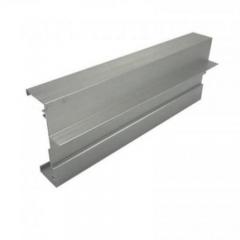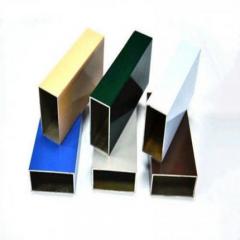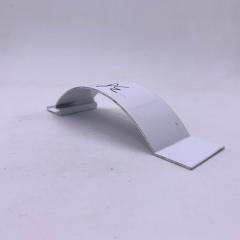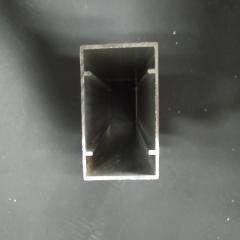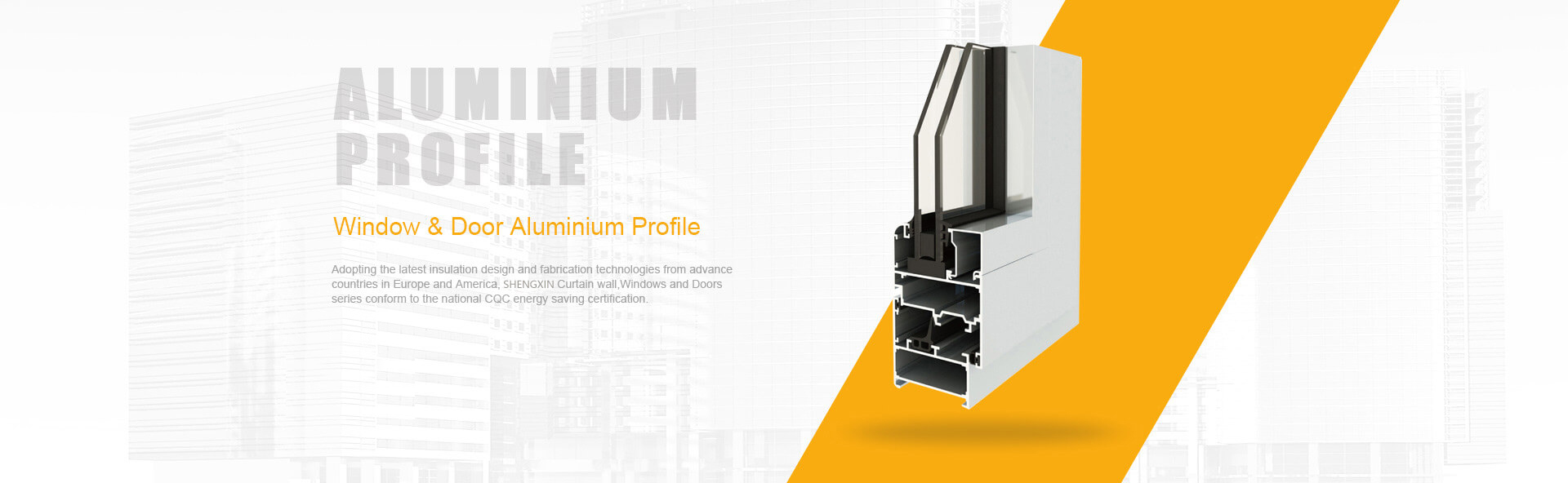
Ever wondered how manufacturers create those perfectly uniform aluminum channels, tubes, and intricate structural components you see in buildings, vehicles, and electronics? The answer lies in a remarkably efficient process called aluminum extrusion. This fabrication method transforms raw aluminum into precision-engineered profiles that power countless modern applications.
At its core, aluminum extrusions and fabrication involves forcing heated aluminum billets through custom-shaped steel dies to produce continuous profiles with consistent cross-sections. Think of it like squeezing toothpaste through a shaped nozzle—except you're working with metal heated to temperatures between 800 to 925°F, and the "nozzle" is a precisely engineered die capable of creating virtually any shape imaginable.
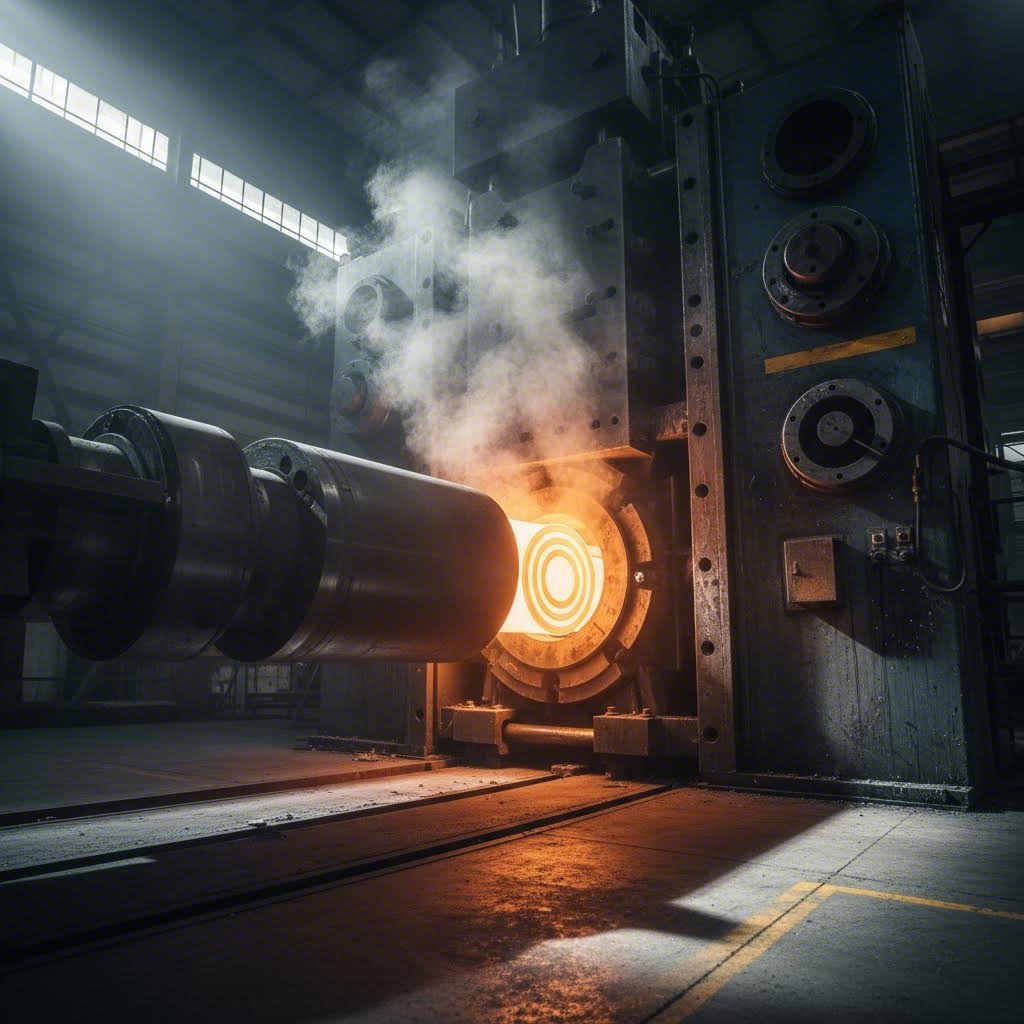
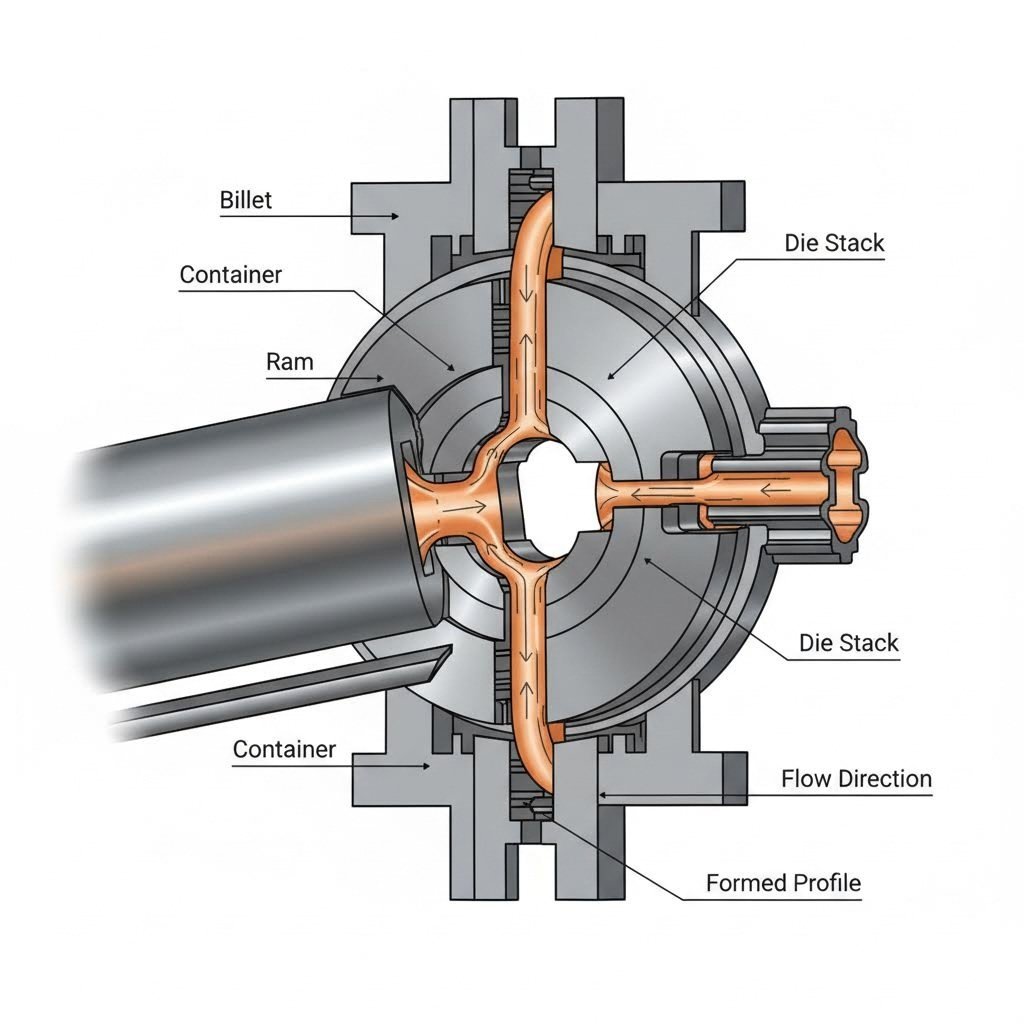
The transformation from raw material to finished extruded aluminum profiles begins with a cylindrical aluminum billet—essentially a log of aluminum alloy. When heated to the optimal temperature range, this billet becomes malleable enough to be pushed through a die opening without actually melting. A powerful hydraulic ram applies tremendous pressure, often reaching up to 15,000 tons, forcing the softened aluminum through the die's cross-sectional opening.
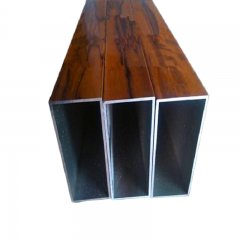
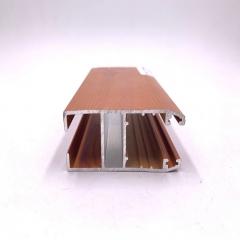
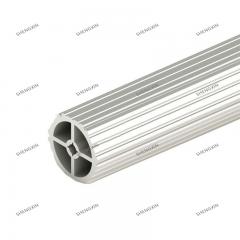
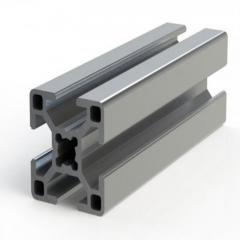
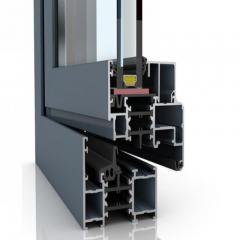
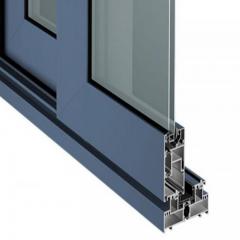
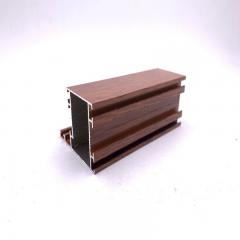
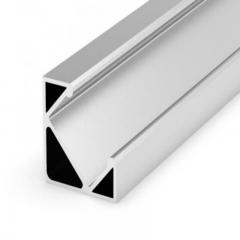
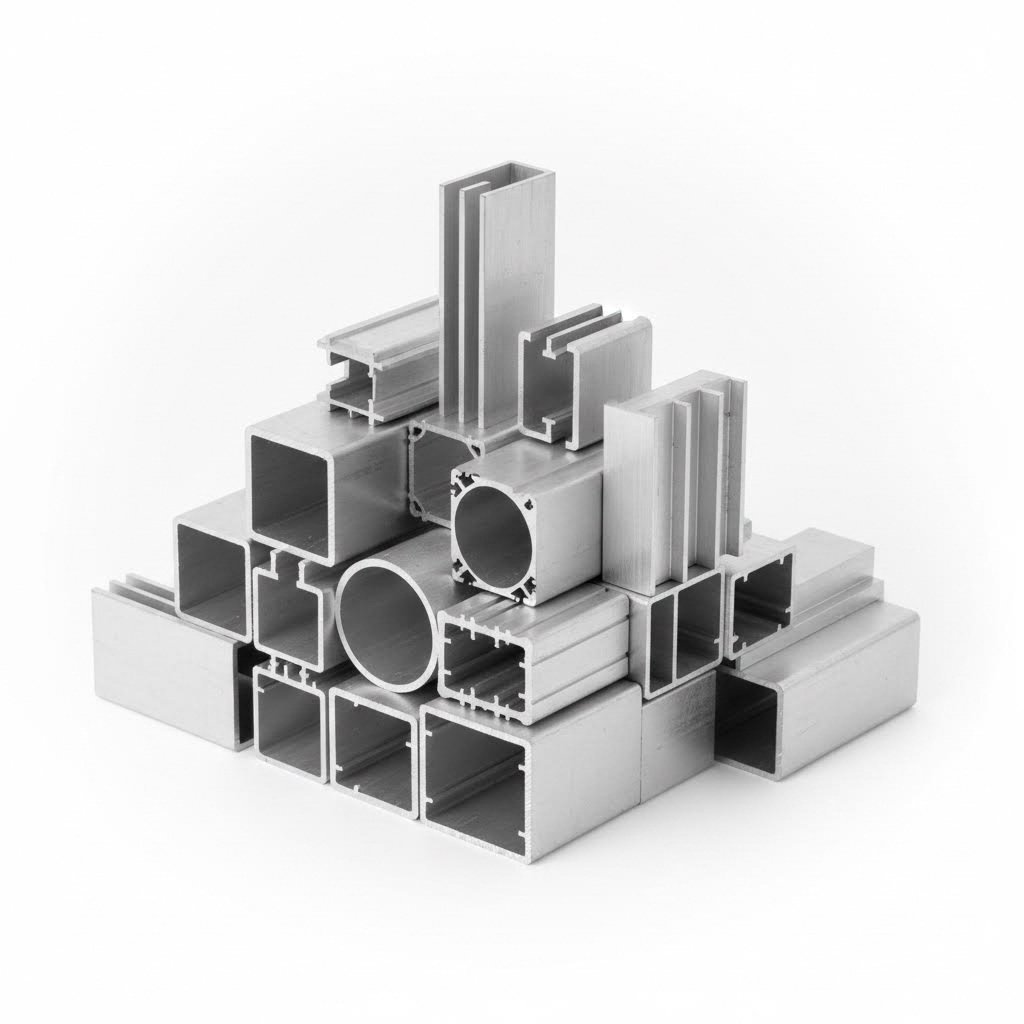
What emerges on the other side? A continuous length of aluminum shaped exactly like the die opening—whether that's a simple rectangular tube, a complex architectural trim piece, or an intricate heat sink design. The beauty of this process lies in its ability to produce aluminum extrusion shapes ranging from basic angles to highly detailed multi-hollow configurations, all with exceptional dimensional accuracy.
Why does this method work so effectively? Aluminum's unique physical properties make it ideal for extrusion. The metal is naturally malleable, corrosion-resistant, and remarkably strong relative to its weight. When properly heated, aluminum flows smoothly through even complex die geometries, filling every corner and detail of the opening.
Aluminum extrusion stands as one of the most versatile metalworking processes available today—capable of producing everything from simple solid bars to complex hollow profiles with internal chambers, all in a single continuous operation.
The fabrication and assembly possibilities expand dramatically once profiles leave the press. Manufacturers can machine, drill, bend, weld, and finish these extrusions to meet virtually any specification. This flexibility explains why industries from architecture to aerospace rely heavily on this manufacturing approach.
Understanding aluminum extrusion cost factors starts with recognizing the efficiency built into this process. Once a die is created, manufacturers can produce thousands of identical profiles with minimal material waste—the aluminum that doesn't pass through the die gets recycled back into new billets. This efficiency, combined with aluminum's lightweight strength, makes extrusion increasingly attractive for assembly fabrication across diverse applications including automotive structures, building facades, consumer electronics, and industrial machinery frames.
Now that you understand the fundamentals, let's dive into exactly how manufacturers transform raw aluminum billets into the precision profiles you see in finished products. The journey from solid cylindrical billet to complex custom extrusions involves a carefully orchestrated sequence of steps—each one critical to achieving the dimensional accuracy and structural integrity your application demands.
The aluminum extrusion process follows a precise sequence that balances metallurgical science with mechanical engineering. Unlike other metalworking methods, extrusion requires each stage to be optimized for the specific alloy being processed and the complexity of the profile being created. Here's how the complete process unfolds:
Why does each temperature and pressure specification matter so much? The relationship between heat, pressure, and material flow determines whether your finished profile meets specifications or becomes scrap metal.
Consider the billet heating stage. At precisely the right temperature, aluminum becomes what metallurgists call "plastic"—it flows like thick honey while retaining its solid structure. This plasticity allows the metal to fill every detail of complex die geometries without cracking or tearing. If the temperature drops even 50°F below optimal, the increased resistance can damage dies and produce profiles with surface defects.
Die design presents perhaps the most fascinating relationship between engineering and outcome. Complex hollow profiles—like multi-chambered tubes or intricate heat sink fins—require "porthole" or "bridge" dies where the aluminum splits around internal supports and then welds back together within the die itself. The die designer must calculate exactly how the metal will flow, where it will meet, and what pressures each section will experience. This expertise explains why aluminum extrusion custom projects typically begin with detailed consultations between engineers and extrusion specialists.
The cooling stage equally impacts final quality. Rapid water quenching locks in a specific crystalline structure that responds well to subsequent aging treatment. Slower air cooling produces different properties—sometimes desirable, sometimes not. Selecting the wrong cooling method can leave profiles either too soft for structural applications or too brittle for forming operations.
Understanding this complete process reveals why partnering with experienced extruders matters so much. Each variable interconnects with others—alloy choice affects optimal temperatures, profile complexity influences press speeds, and end-use requirements dictate heat treatment parameters. The next critical decision involves selecting the right aluminum alloy for your specific application.
Choosing the right aluminum alloy might seem like a minor detail—until you discover your beautiful architectural trim is corroding prematurely or your structural frame lacks the strength your application demands. The alloy you specify determines everything from mechanical performance to surface finish quality, making this decision one of the most consequential in any aluminum extrusion project.
Pure aluminum offers poor mechanical properties on its own, which is why manufacturers alloy it with other metals like magnesium, silicon, copper, and zinc. The resulting combinations create distinct property profiles suited to different applications. For aluminum extruded profiles, the 6000 series alloys—containing primarily magnesium and silicon—dominate the market due to their excellent extrudability, heat treatability, and balanced performance characteristics.
How do you determine which alloy fits your project? Start by identifying your primary performance requirements. Are you prioritizing surface finish for visible architectural elements? Do you need maximum structural strength for load-bearing applications? Will the profile face harsh environmental exposure? Your answers guide you toward one of three common alloy families.
6063 – The Architectural Standard
Often called "architectural aluminum," alloy 6063 has been specifically optimized for extrudability and surface finish quality. It flows beautifully through complex die geometries, producing custom aluminum profiles with intricate patterns and thin-walled sections that other alloys simply cannot achieve. When you see decorative window frames, elegant shower enclosures, or sleek furniture components, you're likely looking at 6063.
This alloy contains lower magnesium and silicon levels than its structural counterparts—typically 0.45-0.9% magnesium and 0.2-0.6% silicon. These reduced levels translate to exceptional finishing response, making 6063 the go-to choice when anodizing or powder coating appearance matters. Applications including door frames, display fixtures, lighting components, and solar panel framing typically specify 6063 for precisely this reason.
6061 – The Structural Workhorse
When strength takes priority over surface aesthetics, alloy 6061—commonly known as "structural aluminum"—steps forward. With higher magnesium content (0.8-1.2%) and silicon content (0.4-0.8%), this alloy delivers superior tensile strength while maintaining good corrosion resistance and excellent machinability.
Design engineers specify 6061 for applications ranging from aerospace components to truck trailer structures, marine fittings to welded assemblies. In the T6 temper condition, 6061 achieves minimum tensile strengths of 38,000 psi—significantly higher than 6063's typical performance. This strength advantage makes 6061 ideal for load-bearing structures, machine frames, scaffolding, and custom aluminum products requiring reliable mechanical performance.
The tradeoff? 6061 exhibits a poorer finishing response compared to 6063. If your large aluminum extrusions will be visible and appearance matters, you'll need to weigh whether the strength benefits justify additional finishing steps or consider whether 6063's strength is actually sufficient.
Sometimes neither architectural finish nor standard structural strength meets your requirements. Aerospace applications, high-performance sporting goods, and defense equipment often demand the exceptional properties found in 7000 series alloys.
7075 – The Aerospace Choice
Introduced by Alcoa in 1943 and standardized for aerospace use in 1945, 7075 aluminum remains the dominant alloy in aircraft structures today. With zinc as its primary alloying element, 7075 achieves tensile strengths reaching 81,000 psi in the T6511 temper—more than double what standard 6000 series alloys deliver.
This exceptional strength-to-weight ratio and fatigue resistance make 7075 essential for military and commercial airframes. However, custom aluminium extrusion projects specifying 7075 face significant considerations: reduced corrosion resistance compared to 6000 series alloys, more challenging extrudability requiring specialized equipment, and substantially higher material costs.
| Alloy Type | Tensile Strength Range | Best Applications | Extrudability Rating | Finishing Compatibility |
|---|---|---|---|---|
| 6063-T5/T6 | 27,000 - 35,000 psi | Window frames, door frames, decorative trim, shower enclosures, lighting fixtures, display frames | Excellent | Excellent – ideal for anodizing and bright finishes |
| 6061-T6 | 38,000 - 45,000 psi | Structural components, truck trailers, marine applications, machine frames, aerospace secondary structures | Good | Fair – suitable for functional finishes |
| 6005/6105 | 35,000 - 42,000 psi | Building construction, ladders, platforms, marine components, fixtures where strength and finish both matter | Very Good | Good |
| 7075-T6 | 72,000 - 83,000 psi | Aircraft structures, aerospace components, high-performance sporting equipment, defense applications | Poor – specialized equipment required | Limited – often requires protective coatings |
Making Your Selection Decision
The decision framework for aluminum alloy selection considers three interconnected factors:
Interestingly, experienced manufacturers report that many projects could succeed with either 6061 or 6063. The key is understanding what you're trading off. As one industry source notes, 6063 is the most popular aluminum alloy for extrusions due to its balance of properties, while 6061 holds the second position for applications demanding higher strength.
With your alloy selected, the next critical consideration becomes translating your design intent into manufacturable specifications—wall thicknesses, tolerances, and profile geometries that your chosen alloy can actually achieve.
You've selected the perfect alloy for your application—but can your design actually be manufactured? This is where many custom aluminum extrusions projects hit unexpected roadblocks. The gap between design intent and production reality often comes down to understanding the specific constraints that govern what's achievable through the extrusion process.
Unlike machining from solid billet, extrusion involves forcing hot metal through a die opening at tremendous pressure. This fundamental difference creates a unique set of design rules that, when , dramatically reduce tooling costs and improve production yields. Ignore them, and you're looking at expensive die modifications, higher scrap rates, or profiles that simply cannot be made.
Every custom extrusion begins with a critical question: does this design respect the physical limitations of the extrusion process? According to the Aluminum Extruders Council, most economical profiles fit within a circumscribing circle diameter (CCD) between one and ten inches, with profiles under 8 inches significantly reducing costs.
But size is just the starting point. Wall thickness decisions directly impact both die life and profile quality. Too thin, and the aluminum may not flow consistently through the die opening—creating surface defects or incomplete fill. Too thick, and you're paying for material you don't need while potentially creating distortion issues during cooling.
What's the sweet spot? Industry guidelines suggest minimum wall thicknesses between 0.040" and 0.080" depending on alloy and profile complexity. However, the relationship between wall thickness and surrounding geometry matters more than any single dimension. A thin wall adjacent to a thick section creates what engineers call "thick-thin junctions"—areas prone to distortion, die breakage, and surface defects.
For custom extruded aluminum profiles requiring hollow sections, the decision between solid, semi-hollow, and fully hollow designs carries significant cost implications. Hollow shapes require more complex porthole or bridge dies where the aluminum splits around internal supports and welds back together within the die itself. This complexity increases tooling investment but enables weight reduction and functional features like internal channels.
How do you balance your design aspirations with manufacturing realities? The key lies in understanding how die design directly affects achievable tolerances and surface quality.
Tolerance expectations must be realistic from the outset. Profile design, wall thickness, and alloy selection all influence what tolerances are achievable. According to European standards EN 755-9 and EN 12020-2, tighter tolerances can significantly affect productivity and price. Discussing tolerance requirements with your extrusion partner early prevents costly surprises later.
Draft angles—the slight taper that allows profiles to release cleanly from dies—represent another often-overlooked consideration. While some profiles can achieve near-zero draft, adding even minimal taper extends die life and improves surface finish. Your extrusion partner can advise on optimal angles for your specific geometry.
Following established design rules yields significant benefits in both cost and quality. Here are the critical guidelines for custom aluminium extrusions:
The investment in proper upfront design pays dividends throughout production. Custom extruded profiles optimized for manufacturability require less tooling iteration, achieve higher first-pass yields, and cost less per piece at volume. Conversely, designs that ignore these principles often require multiple die revisions—each adding weeks to timelines and thousands to project costs.
Remember that these guidelines represent starting points rather than absolute limits. Complex profile designs that violate several of these rules can still be produced—they simply require more specialized expertise and may carry cost premiums. The most effective approach? Discuss your needs with a qualified extruder who can help determine the optimal balance between your design requirements and manufacturing efficiency.
With your profile geometry optimized for production, the next consideration becomes surface finishing—the treatments that protect your extrusion and define its final appearance.
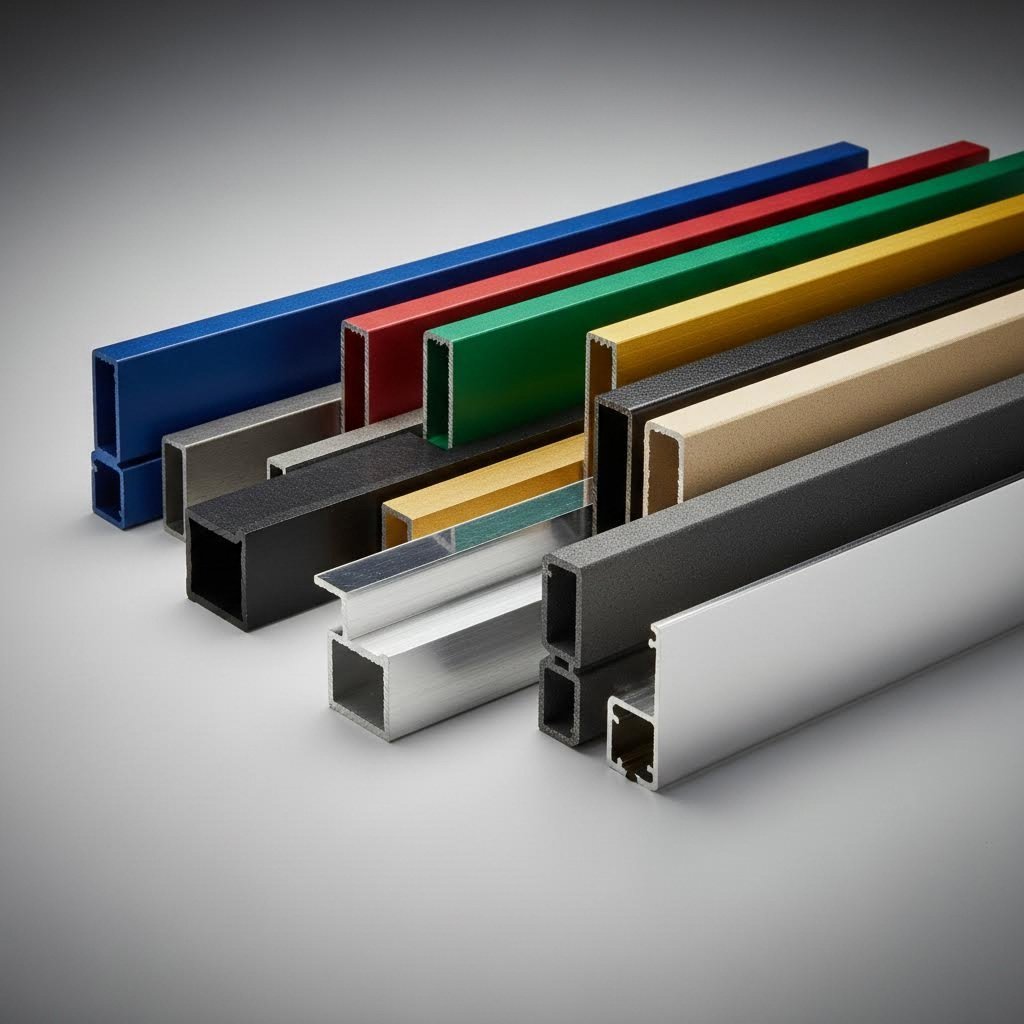
Your aluminum profile has emerged from the press, been straightened, cut, and heat-treated to specification. But the journey isn't complete. Without proper surface finishing, even the finest extruded aluminum trim remains vulnerable to environmental degradation—and may lack the aesthetic appeal your application demands.
Surface finishing transforms raw extrusions into durable, visually refined components ready for their intended environment. Whether you're specifying bespoke aluminium extrusion for coastal architectural facades or industrial heat sinks for manufacturing equipment, the finish you select determines how long your profiles maintain both functionality and appearance.
What distinguishes one finish from another? It comes down to protection mechanism, thickness, durability, and aesthetic possibilities. Let's examine the primary finishing categories available for aluminum extrusions.
Anodizing – The Electrochemical Standard
Anodizing remains the most widely used and appreciated coating for aluminum, according to industry specialists. Unlike paint or powder coating that sits on top of the metal surface, anodizing actually converts the outer aluminum layer into aluminum oxide—creating an integral protective barrier that won't peel or flake.
The most common process uses a sulfuric acid electrolyte solution, making it relatively eco-friendly since no heavy metals, solvents, or carcinogenic substances are involved. The parts are immersed in the electrolyte tank, an anodic current is applied to the workpiece, and the aluminum surface transforms into a dense, corrosion-resistant oxide layer.
Two distinct anodizing types serve different application needs:
Type II (Sulfuric Acid) Anodizing – Also called decorative or clear anodizing, this process produces a light grey layer typically measuring 10-25 microns thick. Type II anodizing excels for decorative or protective purposes in non-aggressive environments. The oxide layer accepts dyes beautifully, enabling a wide color palette while maintaining scratch and discoloration resistance. This makes Type II ideal for architectural elements, consumer electronics housings, and extruded aluminum trim profiles where appearance matters.
Type III (Hard) Anodizing – When applications demand superior wear resistance, hard anodizing delivers. This process creates a very dense and compact oxide layer with thicknesses typically ranging from 25 to 75 microns—significantly greater than decorative anodizing. According to surface treatment specialists, Type III anodizing improves and increases the characteristics of clear anodizing, offering high hardness and excellent corrosion resistance. Industrial machinery components, hydraulic cylinders, and parts exposed to aggressive marine environments typically specify hard anodizing.
An important consideration for precision applications: anodizing involves dimensional growth. Clear anodizing creates dimensional growth of about 30% of the treatment thickness, while hard anodizing grows 50% outward from the original surface. Designers must account for these changes when specifying tight tolerances.
Powder Coating – Versatility and Durability
Powder coating involves electrostatically applying a dry polymer powder to the aluminum surface, then curing it in an oven at approximately 375-400°F. The result? A hard, uniform finish offering excellent protection against corrosion, abrasion, and UV damage.
What makes powder coating particularly attractive is its versatility. You'll find virtually unlimited color options, plus texture choices ranging from smooth gloss to matte, satin, or textured finishes. Typical coating thickness falls between 60-120 microns, providing robust protection for bespoke aluminium profiles exposed to demanding conditions.
Powder coating proves especially suitable for automotive components, outdoor furniture, building facades, and industrial equipment. According to surface finishing guides, powder coating offers high durability and good thickness tolerance, making it a go-to choice for outdoor applications.
The primary drawbacks? Higher setup costs for small batches and difficulty in re-coating damaged surfaces without removing the original finish entirely.
PVDF Coatings – The Architectural Premium
For projects demanding the ultimate in long-term performance—particularly architectural applications in harsh environments—PVDF (polyvinylidene fluoride) coatings represent the industry gold standard. These multi-layer fluoropolymer systems offer superior resistance to UV degradation, chemical exposure, and chalking that surpasses standard powder coatings.
According to coating specialists, PVDF maintains color and gloss far longer than standard powder coats and resists staining from pollution and salty air. This makes PVDF the recommended choice for external cladding, curtain wall systems, and high-exposure interiors in coastal or high-UV locations.
The tradeoff? PVDF carries a higher price point and offers a narrower range of specialty textures compared to powder coating. However, for projects where longevity and low maintenance are priorities—especially seaside structures and external soffits—the investment typically proves worthwhile.
Mechanical Finishes – Texture and Preparation
Before or instead of chemical treatments, mechanical finishing processes create specific surface textures and appearances:
Mechanical finishes often serve as preparation for subsequent treatments. Bead blasting before anodizing, for example, produces a uniform matte anodized appearance that many architectural specifications require.
How do you select the right finish for your application? The decision involves balancing protection requirements, aesthetic goals, and budget constraints.
| Finish Type | Thickness Range | Durability Rating | Best Applications | Color Options |
|---|---|---|---|---|
| Type II Anodizing (Clear/Decorative) | 10-25 microns | Good – suitable for indoor and mild outdoor environments | Consumer electronics, interior architectural trim, display fixtures, furniture components | Wide palette through dyeing; natural silver, bronze, black, gold, blue, red available |
| Type III Anodizing (Hard) | 25-75 microns | Excellent – high wear and corrosion resistance for demanding environments | Industrial machinery, hydraulic components, marine hardware, aerospace parts | Limited; typically dark grey to black due to process characteristics |
| Powder Coating | 60-120 microns | Very Good – excellent UV and corrosion protection | Outdoor furniture, automotive parts, building facades, industrial equipment | Virtually unlimited; RAL colors, metallics, textures, gloss levels all available |
| PVDF Coating | 25-35 microns (typically 2-3 coat systems) | Superior – 20+ year performance in harsh environments | Architectural curtain walls, external cladding, coastal structures, high-UV exposure areas | Broad standard palette; custom color matching available at premium |
| Mechanical (Brushed/Polished/Blasted) | Surface texture only (no coating thickness) | Minimal protection alone – typically requires clear coat or anodizing for durability | Decorative elements, premium consumer products, preparation for subsequent coatings | Natural aluminum appearance with varied texture effects |
Impact on Total Project Cost
Finish selection directly affects your project economics in several ways. Initial finishing costs vary significantly—anodizing typically runs $0.10-$0.30 per square centimeter while powder coating ranges from $0.12-$0.35. However, the true cost picture extends beyond initial treatment.
Consider lifecycle costs. A PVDF-coated curtain wall system may cost more upfront than powder coating, but if it maintains appearance for 25 years versus 15, the total cost of ownership often favors the premium finish. Similarly, hard anodizing industrial components may seem expensive until you calculate replacement costs for prematurely worn parts.
Corrosion resistance directly correlates with maintenance requirements and service life. Proper finish selection for your specific environment—whether coastal salt spray, industrial chemical exposure, or simple indoor humidity—prevents premature degradation and costly repairs.
The most economical approach? Match finish performance to actual requirements. Over-specifying wastes money; under-specifying creates maintenance headaches and shortened service life. When evaluating your options, consider consulting with both your extrusion supplier and finishing specialists to identify the optimal balance for your specific application and environment.
Understanding finishing options positions you to make informed decisions—but how does aluminum extrusion compare to alternative manufacturing methods for your specific application?
You're designing a new aluminum component—but should you extrude it, cast it, roll form it, or machine it from solid billet? This decision can mean the difference between a cost-effective production run and a budget-busting mistake. Surprisingly, few manufacturers clearly explain when each method excels, leaving engineers and procurement teams to figure it out through expensive trial and error.
The truth? There's no universally "best" manufacturing method. Each process brings distinct advantages depending on your volume requirements, geometric complexity, tolerance needs, and budget constraints. Understanding these tradeoffs empowers you to specify the optimal approach for your specific application—whether that's fabricated aluminum structural components or precision extruded aluminum parts for aerospace assemblies.
Aluminum extrusion shines brightest when you need continuous profiles with consistent cross-sections at medium to high volumes. According to industry specialists, extrusion offers attractive initial costs since die engineering fees for new custom shapes are much less when compared to castings. Additionally, extruded aluminum shapes are produced with an excellent surface finish and are typically stronger in comparison to cast alternatives.
What makes extrusion particularly compelling? The process creates parts with zero porosity—unlike castings, which often contain internal voids that weaken the material. This structural integrity, combined with the ability to produce complex cross-sectional shapes like snap-fits, tongue-and-groove joints, and integrated screw bosses, makes extrusion fabrication the preferred choice for applications ranging from window frames to heat sinks to machine frames.
However, extrusion does face limitations. Size constraints represent the most significant drawback—aluminum extrusions are limited by both the billet size and the capacity of the extrusion press cylinder. Very large components may simply be impossible to extrude, whereas castings face no such limitations and are often used to produce items like boat propellers or engine components.
How do these manufacturing approaches stack up against each other? Let's examine each alternative and when it makes sense to choose one over extrusion.
Extrusion vs. Die Casting
Die casting excels for complex three-dimensional shapes with non-uniform thicknesses—geometries that extrusion simply cannot achieve. When you need intricate internal features, undercuts, or shapes that vary along their length, casting becomes necessary.
The tradeoff? Casting has a higher introductory cost than extrusion and requires secondary fettling operations to remove seams and mold imperfections. Castings also typically exhibit some porosity, potentially compromising structural integrity for load-bearing applications. For aluminum extrusion parts requiring consistent strength throughout, extrusion maintains the advantage.
Choose casting when: You need complex 3D shapes, non-uniform wall thicknesses, or very large components exceeding extrusion press capacity. The automotive industry, for example, uses casting for more than half of the aluminum in vehicles—components like transmission cases and engine blocks that extrusion cannot produce.
Extrusion vs. Roll Forming
Roll forming gradually bends flat sheet metal into longitudinal profiles by passing it through a series of mated tool dies. According to roll forming specialists, this process produces very tight tolerances and an attractive finish while enabling in-line fabrication operations.
The critical distinction? Roll forming works exclusively with sheet metal, limiting wall thicknesses and preventing the creation of complex hollow sections that extrusion achieves easily. Roll forming cannot produce the thick-walled profiles or multi-chambered hollows common in structural applications.
However, roll forming offers unique advantages: there are no length limits since material feeds continuously from coils, and the process handles high-strength steels that extrusion cannot accommodate. Roll forming also proves more cost-effective at very high volumes where tooling investment amortizes across massive production runs.
Choose roll forming when: You need very long parts, are working with steel rather than aluminum, or require medium to high volumes with simpler cross-sections achievable from sheet material.
Extrusion vs. CNC Machining from Billet
CNC machining starts with a solid block of aluminum and cuts away material to create the desired shape—a subtractive process that contrasts with extrusion's formative approach. Precision manufacturing experts note that CNC machining delivers unparalleled geometric precision, achieving tolerances as tight as ±0.001 inches and surface finishes down to Ra 0.4 μm.
The downside? Material waste. Machining a complex part from solid billet may remove 80% or more of the starting material as chips—an expensive proposition when aluminum prices fluctuate. Fabrication aluminum projects with high material removal requirements quickly become cost-prohibitive compared to near-net-shape extrusion.
CNC machining typically carries higher per-part costs due to cutting time and tool wear, but proves more economical for low volumes, prototyping, and complex parts requiring features impossible to extrude. Many manufacturers combine both processes—extruding the basic profile to minimize material waste, then CNC machining to add precision features, holes, and threads.
Choose CNC machining when: You need complex 3D geometries, extremely tight tolerances, low volumes, or rapid prototyping without die investment.
| Method | Ideal Volume Range | Tooling Investment | Design Flexibility | Cost Per Unit at Scale |
|---|---|---|---|---|
| Aluminum Extrusion | Medium to High (1,000+ pieces) | Low to Moderate ($500-$5,000 typical die cost) | Excellent for consistent cross-sections; hollow profiles, snap-fits, integrated features possible | Low – amortized tooling plus efficient material use |
| Die Casting | High (10,000+ pieces for best economics) | High ($10,000-$100,000+ for complex molds) | Excellent for complex 3D shapes; non-uniform thicknesses; internal features | Very Low at volume – high tooling spreads across large runs |
| Roll Forming | Medium to Very High (5,000+ pieces) | Moderate to High (multiple die stations required) | Limited to sheet metal shapes; no thick walls or complex hollows | Very Low at high volume – in-line fabrication reduces labor |
| CNC Machining | Low to Medium (1-1,000 pieces) | Very Low (programming only; no hard tooling) | Unlimited – any geometry achievable if physically possible | High – material waste and machine time drive costs |
Making Your Decision
When should extrusion be your first choice? Consider these decision criteria:
Many successful projects actually combine methods. Extruding basic profiles minimizes material waste and captures complex cross-sections, while subsequent CNC machining adds precision features, holes, and threaded connections. This hybrid approach captures the cost benefits of extrusion with the precision capabilities of machining—often the most economical path for extruded aluminum parts requiring secondary operations.
Understanding these manufacturing alternatives positions you to make informed specifications. But where do these various aluminum profiles actually end up? The applications span virtually every industry you can imagine.

Where do all those carefully engineered aluminum profiles actually end up? The answer might surprise you—from the window frames in your office building to the structural components inside commercial aircraft, aluminum extrusion products touch virtually every aspect of modern life. This versatility stems from a unique combination of properties that few other manufacturing methods can match.
According to industry specialists, aluminum extrusion profiles are especially ideal for applications requiring high strength and light weight. The excellent weight-to-strength ratio and high corrosion resistance make these profiles indispensable across sectors ranging from construction to aerospace. Let's explore how different industries leverage these unique extrusions to solve specific engineering challenges.
What makes aluminum extrusion so universally applicable? The process enables designers to create complex cross-sections optimized for specific functions—whether that's thermal management, structural support, or aesthetic appeal. Here's how major industries put these capabilities to work:
Why does aluminum extrusion suit such diverse applications? The answer lies in three fundamental advantages that aluminum extrusion companies consistently deliver.
Weight Reduction Without Strength Sacrifice – Aluminum weighs roughly one-third as much as steel while delivering impressive structural performance. For transportation applications, this directly translates to fuel savings and extended range. In construction, reduced component weight simplifies installation and minimizes structural support requirements.
Design Flexibility for Functional Integration – Unlike machining or fabrication from sheet, extrusion enables designers to incorporate multiple functions into single profiles. A window frame extrusion might integrate thermal break chambers, weatherseal grooves, hardware pockets, and glazing channels—features that would require multiple parts and assembly operations using alternative methods.
Corrosion Resistance for Long Service Life – Aluminum naturally forms a protective oxide layer that resists environmental degradation. When enhanced through anodizing or coating, building with aluminum extrusion creates structures capable of decades of maintenance-free service in demanding environments.
The economic and ecological advantages extend beyond individual applications. As industry analysts note, aluminum's recyclability makes extrusion a sustainable manufacturing choice—particularly important for companies committed to reducing their carbon footprint. Scrap from fabrication operations returns directly to the production cycle, minimizing waste.
Understanding where aluminum extrusions excel helps you envision possibilities for your own applications. But transforming that vision into reality requires partnering with the right extrusion supplier—one with the equipment, expertise, and integrated capabilities to deliver exactly what your project demands.
You've designed your profile, selected your alloy, and specified your finish—but none of that matters if you partner with the wrong aluminum extrusion suppliers. The difference between a seamless production experience and months of delays, quality issues, and cost overruns often comes down to one critical decision: choosing a supplier whose capabilities genuinely match your project requirements.
What separates capable custom aluminum extruders from those who simply take orders and hope for the best? It's not just about having an extrusion press. The best partners bring integrated capabilities spanning die design through finished part delivery—eliminating the coordination headaches and quality inconsistencies that plague multi-vendor supply chains.
When you're ready to partner with aluminum extrusion suppliers, where do you start? The evaluation process should examine several interconnected capability areas that collectively determine whether a supplier can reliably deliver your specific requirements.
Press Capacity Range and Implications
The extrusion press defines what profiles a supplier can actually produce. According to industry evaluation guidelines, press capacity ranges serve distinct purposes:
Why does this range matter for your project? A supplier with multiple press capacities can handle a wider range of projects and maintain flexibility when your production volumes or profile specifications change. If you're specifying wholesale aluminum extrusions across multiple product lines, working with a partner who operates diverse press capacities prevents the need to qualify multiple vendors.
Consider Shengxin Aluminium as an example of comprehensive press capability. With 35 extrusion presses ranging from 600T to 5500T, they can accommodate everything from delicate architectural trim to substantial structural profiles—all under one roof. This breadth means your entire product family can source from a single qualified aluminum profile manufacturer.
In-House Die Manufacturing Capabilities
Here's a distinction many buyers overlook: does your potential supplier manufacture dies in-house, or do they outsource this critical function? According to supplier evaluation experts, many suppliers outsource die manufacturing to third parties, leading to longer lead times and slower problem resolution.
When a die fails or produces inaccurate dimensions during production, delays ripple across your entire project timeline. Suppliers with in-house die workshops can modify or repair dies quickly, ensuring production continuity and consistent quality. This capability becomes especially valuable for custom aluminum extrusion suppliers handling complex profiles requiring iterative die refinement.
Secondary Operations Integration
Raw extrusions rarely go directly to end-use. Most applications require additional fabrication—cutting, drilling, machining, bending—before profiles become finished components. The question is: who performs these operations?
A supplier with integrated CNC machining and secondary processing delivers significant advantages. Integration reduces transportation between subcontractors, prevents handling damage, and shortens lead times. Perhaps most importantly, batch consistency improves dramatically when the same facility controls both extrusion and fabrication.
When evaluating custom aluminum extrusions suppliers, look for these secondary capabilities:
Shengxin Aluminium exemplifies this integrated approach, operating state-of-the-art CNC machining centers alongside their extrusion presses. Their deep processing services handle precise cutting, drilling, and bending to exact specifications—meaning profiles arrive ready for assembly rather than requiring additional vendor coordination.
Surface Treatment Capabilities
Your finishing requirements significantly narrow the field of qualified suppliers. Not every extruder offers comprehensive surface treatment, and outsourcing finishing introduces quality variables and timeline risks.
Evaluate whether potential partners can deliver your specified finishes in-house:
Shengxin Aluminium offers an extensive surface treatment menu including anodizing in custom colors like Champagne and Rose Gold, powder coating, PVDF, and micro-arc oxidation for superior durability. This range means your architectural window frames or industrial profiles receive appropriate protection without involving additional vendors.
Capabilities mean nothing without consistent quality execution. How do you verify that a supplier actually delivers on their promises?
Certifications and Compliance Standards
A professional aluminum profile manufacturer should maintain current certifications demonstrating commitment to process control and traceability. According to industry standards, look for:
These certifications demonstrate a supplier's commitment to consistent quality—vital for industrial customers who cannot afford batch-to-batch variation.
Quality Control Systems and Documentation
Beyond certifications, examine actual quality control practices. Key verification points include:
Suppliers with modern facilities typically track production parameters digitally and can provide process data for quality audits—a capability increasingly demanded by automotive, aerospace, and medical device customers.
Communication and Technical Support
Strong technical communication differentiates professional custom aluminum extrusion suppliers from simple order-takers. Capable partners will provide Design for Manufacturability (DFM) feedback on your drawings, offer feasibility and cost optimization suggestions, and share inspection photos and reports before shipment.
With over 30 years of industry experience, Shengxin Aluminium provides end-to-end technical support from die development through mass production. Their factory-direct pricing model and comprehensive capabilities make them a reliable choice whether you need custom 6063 aluminum tubes, architectural profiles, or complex industrial extrusions.
Lead Time Reliability
Perhaps the most practical indicator of capability is lead time reliability. Typical benchmarks for standard projects include:
Ask how suppliers manage production scheduling during peak seasons. Factories with ERP-based production systems generally deliver more consistently than those relying on manual scheduling.
Evaluating aluminum extrusion supplier capability requires more than a cost comparison. By analyzing die design, process control, machining integration, and quality systems, procurement teams can choose suppliers that deliver consistent results, lower rework rates, and predictable lead times.
The investment in thorough supplier evaluation pays dividends throughout your production relationship. A well-matched partner anticipates problems before they occur, maintains quality across production runs, and becomes an extension of your own engineering team rather than simply a vendor filling purchase orders.
With the right extrusion partner identified, the final piece of the puzzle becomes understanding the complete project journey—from initial design consultation through fabrication, finishing, and delivery to your facility.
You've selected the right alloy, optimized your profile design, and identified a capable extrusion partner. Now comes the part that makes or breaks your project timeline: the actual journey from concept to finished parts arriving at your facility. Understanding this complete value chain empowers you to set realistic expectations, avoid common pitfalls, and maintain momentum throughout production.
Unlike many manufacturing processes where handoffs between specialists create communication gaps and quality inconsistencies, custom aluminum extrusion projects benefit enormously from integrated service models. When one partner controls the entire process—from die development through fabrication assembly and final delivery—accountability remains clear and problems get resolved quickly.
What does a typical custom extrusion aluminum project timeline actually look like? While specifics vary based on complexity and volume, most projects follow a predictable sequence of phases. According to industry specialists, the complete process spans initial consultation through packaging and logistics—each stage building on the previous one.
Phase 1: Initial Design Consultation (1-2 Weeks)
The journey begins with understanding your requirements. During this phase, experienced technicians collaborate closely with you to capture every aspect of your design—from functionality and aesthetics to durability and cost targets. According to fabrication experts, this personalized approach ensures that every aspect of the design meets the client's requirements.
Expect your extrusion partner to ask detailed questions about:
The best partners provide Design for Manufacturability (DFM) feedback during this phase—identifying potential issues before they become expensive problems. They might suggest integrating features like screw holes or ribs directly into the profile, which can significantly reduce lead times and costs associated with secondary operations.
Phase 2: Die Design and Development (10-20 Days)
Once your profile design is finalized, engineers translate it into a precision extrusion die. This critical component determines everything about your finished profile—tolerances, surface quality, and achievable complexity all depend on proper die engineering.
Using advanced design software like AutoCAD or SolidWorks, the team creates detailed digital models that simulate how aluminum will flow through the die opening. For alluminum extrusions requiring complex hollow sections or intricate details, this phase may involve multiple iterations to balance design aspirations with manufacturing realities.
The die itself is manufactured from hardened tool steel, precision-machined to create the exact cross-sectional shape your application demands. According to manufacturing specialists, the die should match the profile's specifications and intricacies precisely—any deviation here ripples through every subsequent production run.
Phase 3: Extrusion Production (7-15 Days)
With the die ready, actual production begins. The sequence follows the process we outlined earlier—billet preheating, die preparation, extrusion press operation, cooling, stretching, and cutting to length. What happens during this phase determines whether your profiles meet specification.
Communication touchpoints during production typically include:
Suppliers with comprehensive capabilities—like Shengxin Aluminium with their 35 extrusion presses ranging from 600T to 5500T—can match press capacity to your specific profile requirements, ensuring optimal production efficiency whether you need delicate architectural trim or substantial structural sections.
Phase 4: Surface Finishing (5-10 Days)
Raw extrusions proceed to finishing operations based on your specifications. Whether you require anodizing, powder coating, PVDF, or specialty treatments like micro-arc oxidation, this phase transforms functional profiles into ready-to-install components.
Integrated finishing capabilities prove particularly valuable here. When your extrusion partner controls surface treatment in-house, quality consistency improves and timeline risks diminish. Shengxin Aluminium exemplifies this approach, offering custom metal extrusion services with an extensive finishing menu including anodizing in custom colors like Champagne and Rose Gold alongside standard protective treatments.
Phase 5: Secondary Operations and Fabrication Assembly (5-15 Days)
Most applications require additional fabrication before profiles become finished components. Precision cutting, CNC machining, drilling, tapping, and bending operations transform extrusions into parts ready for aluminum extrusion assembly into larger systems.
According to fabrication specialists, these secondary operations add value by expanding functionality, improving aesthetics, and meeting specific project requirements. The key is ensuring seamless integration with extrusion production—which is why single-source suppliers deliver significant advantages.
Phase 6: Quality Control and Packaging (3-5 Days)
Before shipping, finished profiles undergo thorough inspection. Dimensional accuracy, surface finish quality, and mechanical properties are verified against your specifications. Documentation including CMM reports, tensile test results, and visual inspection records accompanies each shipment.
Packaging receives careful attention to protect your investment during transit. Industry leaders utilize hundreds of packaging specifications—from simple bare bundles to fully enclosed secure crates—ensuring profiles arrive undamaged regardless of shipping distance.
Adding up these phases, a typical custom aluminum extrusion project spans 4-8 weeks from initial consultation to delivery. Complex projects requiring specialized alloys, intricate die designs, or multiple secondary operations may extend this timeline, while repeat orders with existing dies can ship significantly faster.
What should you expect at each stage? Clear communication, measurable milestones, and proactive problem-solving. The best partners don't wait for you to ask for updates—they provide regular progress reports and flag potential issues before they impact your schedule.
Working with partners who control the complete process—from die development through surface finishing and fabrication—eliminates the coordination headaches, quality inconsistencies, and finger-pointing that plague multi-vendor supply chains. When accountability remains with a single experienced partner, problems get solved rather than shuffled between vendors.
With over 30 years of industry experience, Shengxin Aluminium exemplifies this integrated approach. Their end-to-end support model spans die development to mass production, backed by factory-direct pricing that eliminates middleman markups. Whether you need custom 6063 aluminum tubes, architectural window frames, or complex industrial profiles, their technical team provides support throughout the entire project journey.
The manufacturing time for custom aluminum extrusion profiles depends on various factors—complexity, quantity, finishing requirements, and secondary operations all influence your specific timeline. According to industry sources, projects typically range from a few days to a few weeks depending on these variables.
Understanding this complete value chain transforms aluminum extrusions and fabrication from a mysterious manufacturing process into a manageable project with clear milestones and predictable outcomes. Armed with this knowledge, you're equipped to specify requirements accurately, evaluate supplier capabilities meaningfully, and drive your project from concept to successful completion.
Extruded aluminum is formed by pushing heated billets through shaped dies, creating continuous profiles with zero porosity and excellent structural integrity. Cast aluminum is poured into molds, allowing complex 3D shapes but often containing internal voids. Extrusion offers lower tooling costs, superior surface finish, and higher strength for consistent cross-sections, while casting suits intricate geometries varying along their length.
The 6000 series alloys dominate extrusion applications. Alloy 6063 is the architectural standard, offering excellent surface finish and extrudability for decorative applications like window frames. Alloy 6061 delivers higher tensile strength (38,000+ psi) for structural components. For aerospace demands requiring maximum strength, 7075 achieves up to 81,000 psi but requires specialized equipment and carries higher costs.
A typical custom extrusion project spans 4-8 weeks from consultation to delivery. This includes die design and development (10-20 days), extrusion production (7-15 days), surface finishing (5-10 days), and secondary operations (5-15 days). Repeat orders with existing dies ship faster. Partners like Shengxin Aluminium with integrated capabilities from die development to finishing can streamline timelines significantly.
Primary finishing options include Type II anodizing (10-25 microns) for decorative applications with color dyeing, Type III hard anodizing (25-75 microns) for wear resistance, powder coating (60-120 microns) offering unlimited colors and textures, and PVDF coatings for 20+ year architectural performance. Mechanical finishes like brushing, polishing, and bead-blasting prepare surfaces or create specific textures.
Evaluate press capacity range (600T-5500T covers most applications), in-house die manufacturing for faster turnaround, integrated secondary operations (CNC machining, cutting, bending), comprehensive surface treatment capabilities, and ISO 9001:2015 certification. Suppliers like Shengxin Aluminium with 35 extrusion presses and full finishing services eliminate multi-vendor coordination while ensuring consistent quality from die development through delivery.



 Servicio en línea
 0086 136 3563 2360
 sales@sxalu.com
 +86 136 3563 2360
 español
 English
 français
 Deutsch
 русский
 português
 العربية
 ไทย
ไทย Việt
Việt Українська