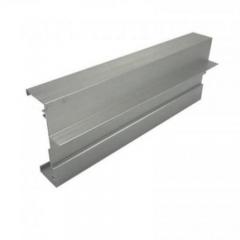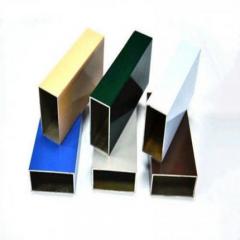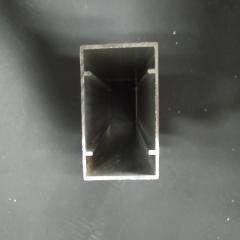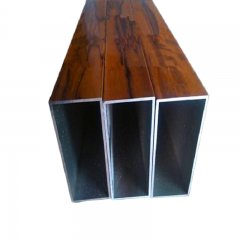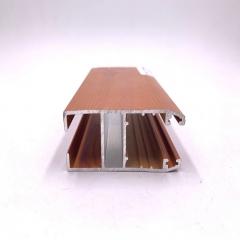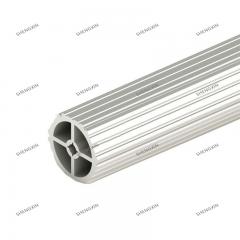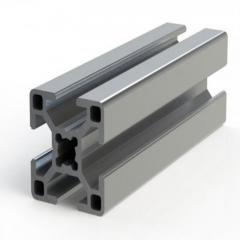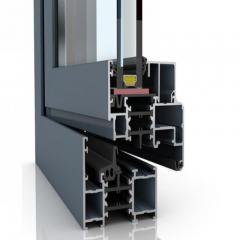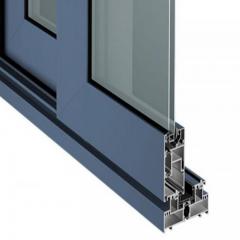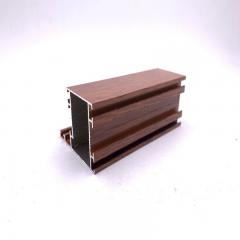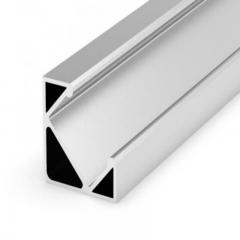
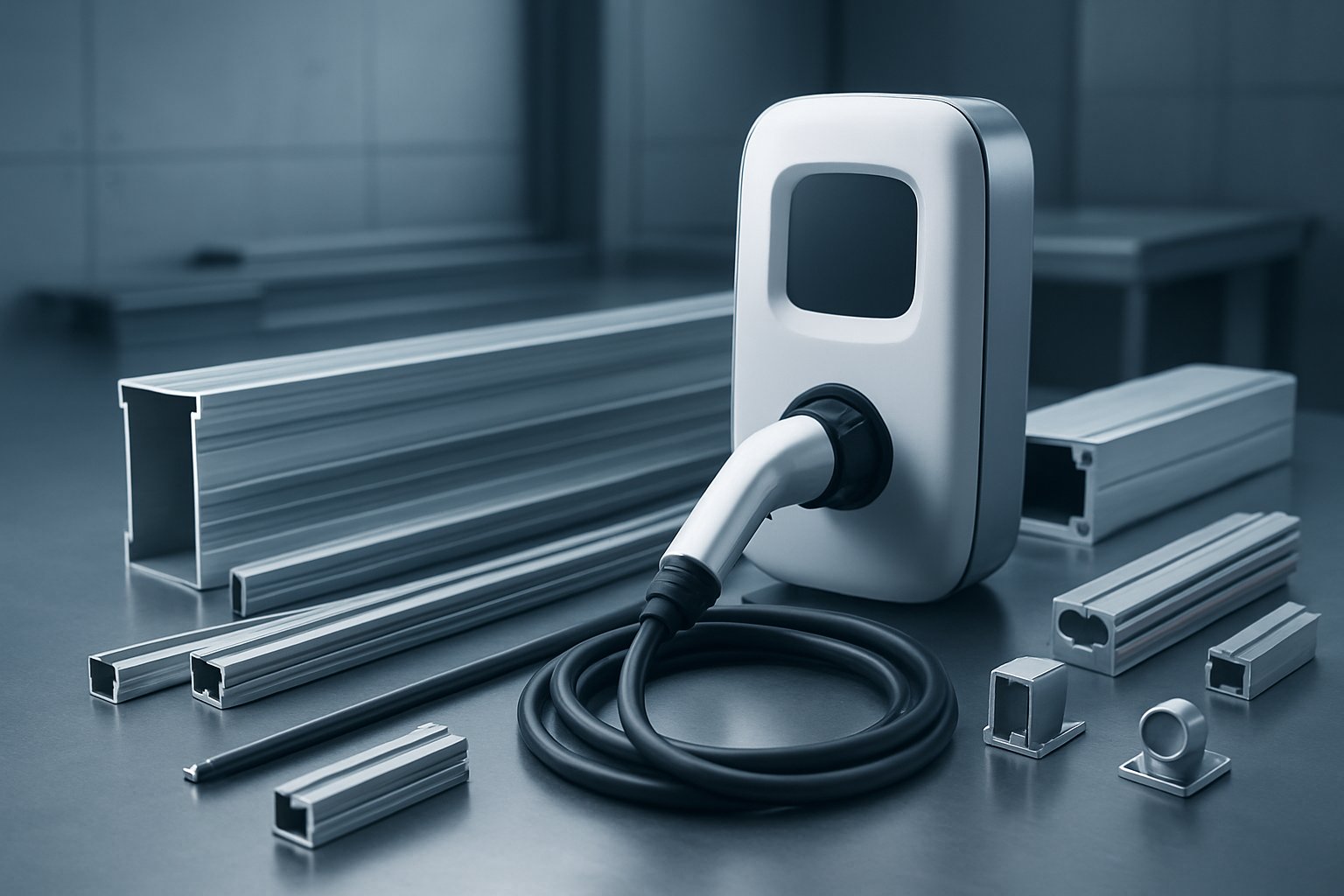
Sounds complex? For teams evaluating aluminum extrusions for electric vehicle accessories, the basic idea is simpler than it sounds. If you have ever wondered what is aluminum extrusion, it is a manufacturing process where aluminum alloy is pushed through a shaped die to create a long part with a constant cross-section. Industry guides from Gabrian and IQS Directory describe the result as a continuous profile that is then pulled out, cut to length, and often heat treated, finished, or machined for its final use.
Aluminum extrusion creates a continuous aluminum profile by forcing alloy material through a die with a defined cross-section.
In EV work, that profile might later become a support rail, enclosure wall, mounting member, trim element, or thermal support part. This article stays focused on accessory-oriented applications, not full vehicle body structures or major structural assemblies. That accessory lens matters because design priorities are different. Buyers may care about repeatability and finish. Engineers may care about strength, wiring paths, or tool access. Product teams may need one aluminum profile extrusion to handle several jobs at once.
You will notice that this is why aluminum extrusions show up in far more than battery-related hardware. The real decision is not just whether extrusion is possible. It is whether the profile matches the accessory's function, alloy needs, fabrication plan, joining method, and service environment. Those choices start to make more sense when you look at where extruded forms actually appear across EV accessory categories.
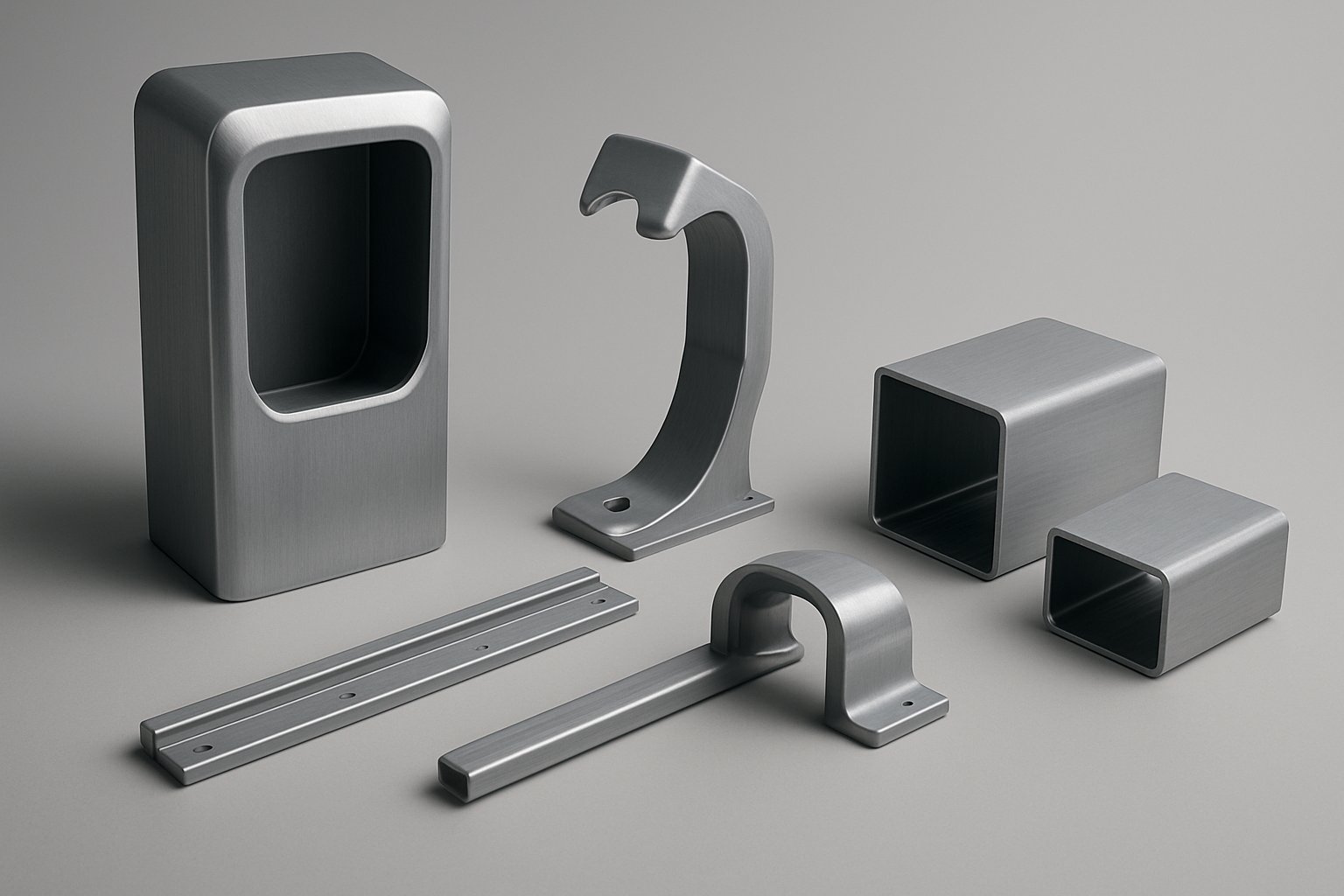
When one profile has to protect electronics, route a cable, and still look clean, application context matters. In aluminum extrusions for electric vehicle accessories, the same extrusion idea can support very different jobs. A charger housing needs enclosure strength and service access. An aluminum extrusion rail may need straight mounting faces and repeatable hole locations. An aluminum extrusion frame may lean more toward appearance, cover fit, and easier assembly.
A recent EV charging guide points to four strong fits for custom extrusions in charging equipment: enclosures and housings, mounting structures, cooling systems, and cable management systems. You will notice that these same functional themes also help organize the broader accessory landscape around the vehicle, the charger, and nearby support hardware.
| Accessory category | Functional needs | Likely profile characteristics | Common secondary operations |
|---|---|---|---|
| Vehicle-mounted supports and rails | Low weight, secure attachment, clean load paths, repeatable installation | Linear members, mounting faces, screw channels, boxed sections, or an aluminum extrusion tube where protected internal space is useful | Cutting, drilling, slotting, tapping, end machining |
| Charging hardware and infrastructure | Protection for internal components, outdoor durability, cable organization, service access | Enclosure walls, pedestal housings, cable management arms, connector support features, open aluminum channel extrusions, and framed outer structures | Precision cutting, hole making, panel-interface machining, surface finishing |
| Interior and electrical support systems | Compact packaging, wire routing, appearance control, modular mounting | Light frame sections, shallow channels, cover-retention details, low-profile rails | Cutting, drilling, countersinking, light assembly prep |
| Thermal and electrical support parts | Heat dissipation, component spacing, enclosure stiffness, cable separation | Finned or heat-sink-like shapes, channels for wiring, hollow sections, or an aluminum extrusion tube for combined protection and routing | Machining for interfaces, surface treatment, flatness-critical cuts |
Sounds broad? That is exactly the point. One cross-section might act as structure in one program, cable management in another, and a visible enclosure feature somewhere else. Open profiles often help with routing and fastener access. Closed profiles help when stiffness, protection, or a cleaner exterior matters. That is why aluminum extrusion accessories are better understood by function than by shape alone.
This range of use also creates a harder engineering question. A profile that works beautifully as a charger housing or mounting member still has to justify itself against steel, stainless, plastics, sheet metal, or castings once corrosion, finish quality, and assembly demands enter the picture.
When a charger enclosure, pedestal member, or cable support has to handle weather, heat, and repeated service, material choice becomes a design decision, not a purchasing afterthought. For many accessory teams, an aluminum extrusion stands out because one continuous section can provide structure, mounting faces, cable routing, and a visible outer surface in the same part. Outdoor enclosure guidance from AZE highlights aluminum for low weight, natural corrosion resistance through its oxide layer, and strong heat dissipation. A charger enclosure review from Die Casting China reflects the same pressure toward lightweight designs and better cooling in EV hardware.
Extrusions are often the practical middle ground when one part must combine support, routing, attachment, and finish.
| Material | Corrosion and outdoor behavior | Geometry and appearance | Secondary work and assembly | Where it often fits |
|---|---|---|---|---|
| Aluminum extrusions | Good natural corrosion resistance, with anodizing or powder coating available for added protection and appearance | Best for constant-cross-section parts, including channels, hollows, and many linear aluminum extrusion shapes | Usually easy to cut, drill, tap, and integrate into modular assemblies | Rails, frame members, enclosure sides, cable-management arms, and heat-dissipating supports |
| Steel, often galvanized or coated | Protective coatings help outdoors, but surface damage can expose the base metal | Strong and rugged, but heavier and usually less attractive in visible applications | Works well for robust brackets and formed parts, though transport and installation weight increase | Budget-sensitive supports, guards, and rugged infrastructure parts |
| Stainless steel | Very strong corrosion resistance for harsh or highly exposed sites | Premium look and high strength, but heavier and less effective at heat dissipation than aluminum | Often chosen where long life and low maintenance outweigh higher fabrication cost | Coastal, corrosive, or high-abuse public charging hardware |
| Molded plastics | Do not rust and can handle many outdoor uses with the right grade | Good for styled covers, touch surfaces, and electrically isolating shells, but not ideal for long structural spans | Can reduce part count through molded features, inserts, or snap details | Covers, bezels, low-load housings, and consumer-facing trim pieces |
| Sheet metal | Outdoor durability depends heavily on base metal and coating system | Best for flat panels, folded boxes, and straightforward enclosures rather than integrated internal channels | Punching, bending, and welding can be efficient for simple forms | Cabinet-like shells, doors, brackets, and panel-based enclosures |
| Cast aluminum | Good corrosion behavior and heat dissipation, with enclosure-friendly surface treatments available | Better for non-linear geometry, integrated bosses, ribs, and cooling features than a linear profile | Can reduce downstream fabrication for complex 3D parts, but tooling changes are less flexible | Dense charger housings, connector bodies, and parts with localized geometry |
| Composites | Can offer excellent corrosion resistance in specialized environments | Useful when very low weight or electrical isolation matters, but appearance and repairability vary by process | Joining and rework are often more specialized than with metals | Niche premium applications and highly specific environmental demands |
You will notice a pattern. Aluminum usually wins when the accessory is long, linear, outdoor-exposed, and expected to accept machining or modular assembly. That is why standard aluminum extrusions are so useful for rails, frames, and enclosure members. A well-chosen aluminum extrusion profile can also deliver a cleaner visible finish than a basic galvanized part while still keeping weight under control.
Still, material selection in aluminum extrusions for electric vehicle accessories should stay practical. If the design is mostly a folded box, sheet metal may be simpler. If the part needs deep 3D geometry, cast aluminum can be more natural. If insulation or consumer-style outer surfaces matter most, plastics may be the better call. The real decision does not stop at aluminum versus everything else. Inside aluminum itself, alloy choice starts to determine whether the part favors finish quality, strength, corrosion performance, or fabrication ease.
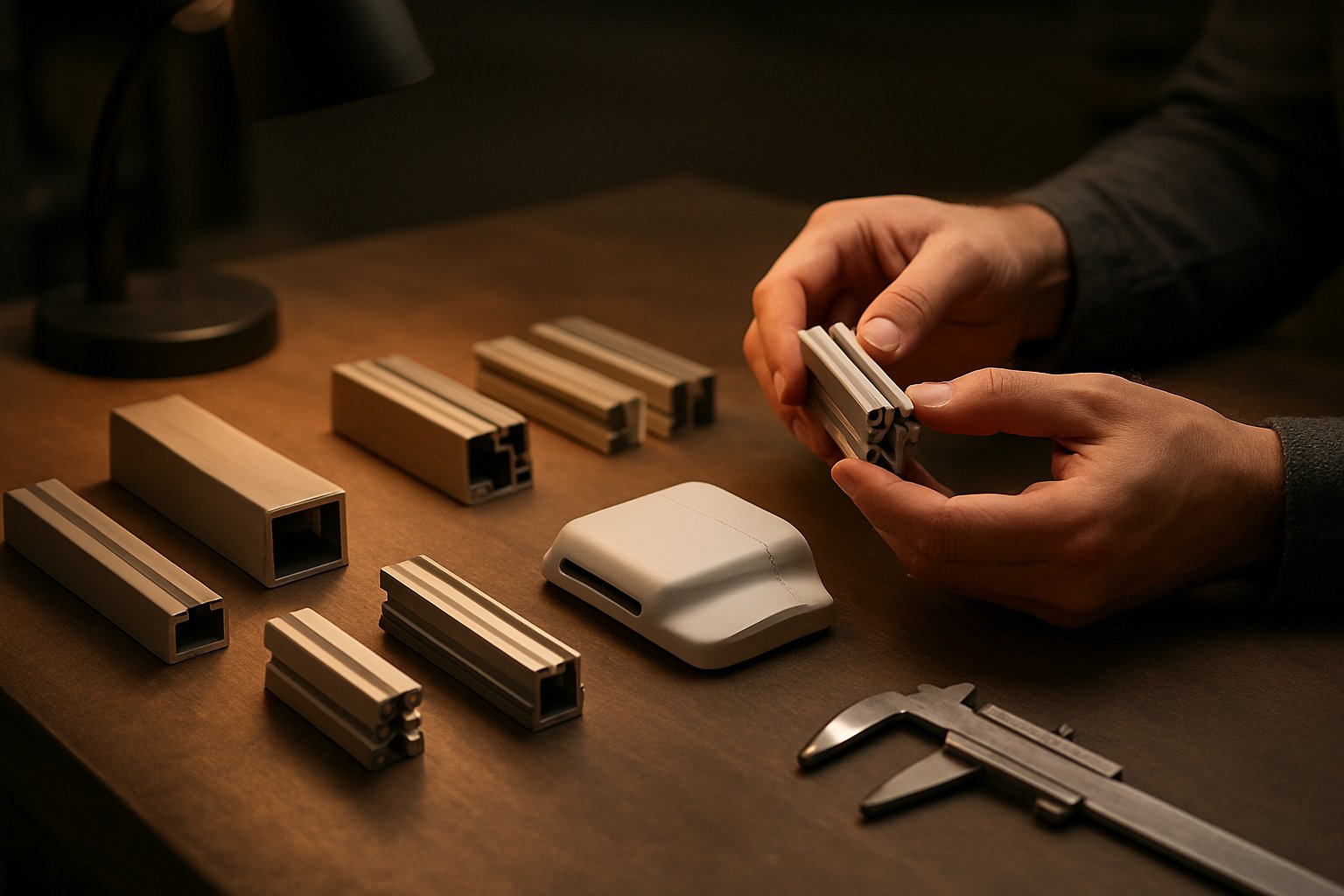
When two profiles look almost identical on a drawing, alloy choice is often what separates a clean-looking part from a durable one. In aluminum extrusions for electric vehicle accessories, that decision affects charger supports, mounting rails, enclosure frames, brackets, and trim-like visible members. If you browse an aluminum extrusion profiles catalog, you will notice that 6005, 6061, 6063, and 6082 keep showing up because each solves a different mix of strength, finish quality, corrosion resistance, and fabrication ease.
Comparisons from Chalco 6061 vs 6063 and Chalco 6061 vs 6082 place 6063 on the appearance-first end of the range. It extrudes more easily, supports complex cross-sections well, and typically gives a smoother, more uniform surface after anodizing. 6061 is the practical all-rounder. It offers stronger structural performance than 6063, along with very good machinability and weldability. 6082 shifts farther toward heavy-duty structural use, with higher strength than 6061, but that usually comes with tougher machining and more care around welding. 6005 is also commonly considered for profile-based structural work, especially when designers want a stronger extrusion-oriented option without treating cosmetic finish as the top priority.
| Accessory priority | Often favored alloy | Why it fits | Main tradeoff |
|---|---|---|---|
| Cosmetic finish and anodized appearance | 6063 | Best known for smooth extrusion flow, strong surface treatment results, and good suitability for complex visible shapes | Usually not the first pick for highly loaded brackets or rails |
| Balanced structural use | 6061 | Good mix of strength, corrosion resistance, weldability, and machinability | Finish quality after anodizing is often less refined than 6063 |
| Higher stiffness or heavier loading | 6082 | Often chosen when structural strength matters more than appearance or easy machining | More difficult machining and slightly lower weld friendliness than 6061 |
| Extrusion-oriented structural profiles | 6005 | Frequently reviewed for structural profile programs where extrusion efficiency still matters | Final suitability depends heavily on temper, section design, and supplier capability |
| Machining-intensive parts | 6061 | Well suited for drilling, tapping, milling, and tight-tolerance secondary work | May not deliver the best visible finish in decorative applications |
| Weld-heavy assemblies | 6061 or 6063 | Both are widely used where weldability matters | 6082 can need tighter process control, and stronger alloys can lose more performance around the weld zone |
Imagine a public charging accessory with a visible outer frame and an internal load-bearing bracket. The outer frame may lean toward 6063 because appearance and finish consistency matter. The bracket may move to 6061 or even 6082 because the real priority is load path, fastener retention, and post-machining stability. That is why smart custom aluminum extrusions are usually selected by job function, not by habit.
For a custom aluminum extrusion program, the key question is simple: what must this profile do after it leaves the press? If the answer includes heavy loads, welding, drilling, anodizing, outdoor exposure, and precise assembly, alloy selection becomes a system decision. That is also why experienced teams review aluminum profile extrusions together with geometry. A strong alloy cannot fully rescue a profile that is too thin, too sharp, or too difficult to machine at scale.
Imagine a charger rail that looks perfect in CAD, then turns into scrap, slow cycle time, or costly rework on the shop floor. For aluminum extrusions for electric vehicle accessories, that gap usually comes from geometry, not intent. Alloy still matters, but the aluminum extrusion process is often won or lost by the cross-section itself. The strongest profile on paper is not always the safest one to run, cut, drill, finish, and assemble at scale.
Design guidance from AEC and a practical DFM guide point to the same pattern: simpler, more balanced shapes usually run more predictably. Symmetry helps control metal flow and reduces stress on the aluminum extrusion die, especially in hollow and semi-hollow sections. Uniform walls matter just as much. The DFM guide treats a wall-thickness ratio of 2:1 or less as a useful starting point, because large thick-thin jumps can lead to distortion, surface streaks, slower runs, and more die wear.
Corner design also deserves attention early. AEC notes that outside corners should be at least 0.020 in and inside corners at least 0.015 in in many designs, with generous radii preferred over knife edges. In plain terms, rounded transitions help metal flow more smoothly. Wide, thin faces may look efficient, but they are harder to straighten after extrusion. Ribs, webs, and shallow grooves can improve flatness, reduce twist, and even make drilling or part identification easier later.
Easy-to-extrude shapes usually scale into repeat production with fewer defects and fewer surprises.
Sounds familiar? Many accessory teams lock tolerances before they have settled the profile concept. The DFM guide recommends starting from recognized tolerance families such as ASTM B221 or EN 755, then tightening only the features that truly affect fit, sealing, or appearance. It also recommends dimensioning to metal faces and functional datums, not theoretical centerlines that are harder to inspect and control.
Internal channels for fasteners or wiring are a major advantage of extrusion, but they also increase complexity. Solid sections are usually the easiest to produce. Semi-hollow and hollow forms raise tooling difficulty, especially when voids are narrow or repeated. If a cable path does not need a fully closed cavity, a simpler open channel may lower risk. That is why searches for 2020 aluminum extrusion dimensions can help as a framing reference, but custom EV aluminum extrusion parts often need different pads, ribs, and access clearances than standard catalog profiles.
When profile design already accounts for tool access, secondary operations, and inspection, the drawing becomes easier to quote and easier to build. That same cross-section logic keeps showing up in assembly decisions too, because brackets, welds, screws, inserts, and service access only work well when the profile was shaped for them from the start.
When a clean profile drawing reaches the bench, the challenge changes fast. The cross-section may be right, but the program can still stumble if the joint is hard to build, hard to align, or impossible to service later. For aluminum extrusions for electric vehicle accessories, the main joining families outlined by Paramount Extrusions are mechanical fastening, welding, and adhesive bonding. In real accessory assemblies, those choices often expand into bolts, screws, rivets, aluminum extrusion brackets, threaded features, and hybrid joints.
| Joining method | Where it fits best | Main strengths | Key limitations |
|---|---|---|---|
| Bolts and screws with slot nuts | Serviceable rails, enclosures, and modular supports, especially in t-slot aluminum extrusion layouts | Easy to assemble, adjust, and remove with little heat input | Needs tool access, accurate hole locations, and good clamp-load design |
| Rivets or blind fasteners | Thin covers or simpler permanent attachments to a profile | Quick installation and a relatively clean exterior | Limited rework and poor serviceability once installed |
| Brackets, gussets, and joining plates | Corner joints, repeatable angles, and framed subassemblies | Help alignment and load sharing, and work well with aluminum extrusion connectors | Add visible hardware and extra part count |
| Threaded inserts or tapped ends | Blind assembly areas and cleaner outer faces | Reduce loose hardware and simplify final assembly | Need enough local material and controlled machining |
| Welding | Permanent joints where rigidity and a seamless look matter most | Strong, rigid, and not easily loosened in service | Requires skill, adds heat, and can affect finish or local properties |
| Hybrid fastening plus adhesive | Mixed-material interfaces or joints that need both retention and cleaner appearance | Can share load and hide some hardware | Surface preparation and curing add process control needs |
Profile design decides which of those options will actually work. In an aluminum t-slot extrusion system, slot access makes bolts, T-nuts, plates, and standardized hardware easier to package. Even then, load path matters more than convenience. The Vention design guide shows why reaction-force-based joints are stronger than friction-only layouts: force is transferred through direct contact between members instead of relying only on clamp friction. The same guide also shows that fastener capacity depends on the exact system, torque, and joint geometry, which is why generic assumptions can create assembly risk.
Machining is what turns a near-net profile into an assembly-ready part. Sinoextrud highlights the usual steps after extrusion: precision cutting, drilling, milling or slotting, tapping, deburring, and inspection. For EV accessory programs, that means defining assembly features early. A mounting face may need a milled pad for flush contact. A cover joint may need countersunk holes. End-fastened members may need tapped ends or threaded inserts. Cable-support parts often need slots positioned so a tool still fits after coating and final assembly. You will notice the strongest drawings do more than show the profile. They also call out datum faces, access windows, hardware orientation, and which features must be complete before finishing. That discipline matters whether the build uses welded brackets or modular aluminum extrusion frame kits, and it sets up the next question just as clearly: how the finished assembly will handle touch, weather, and heat over time.
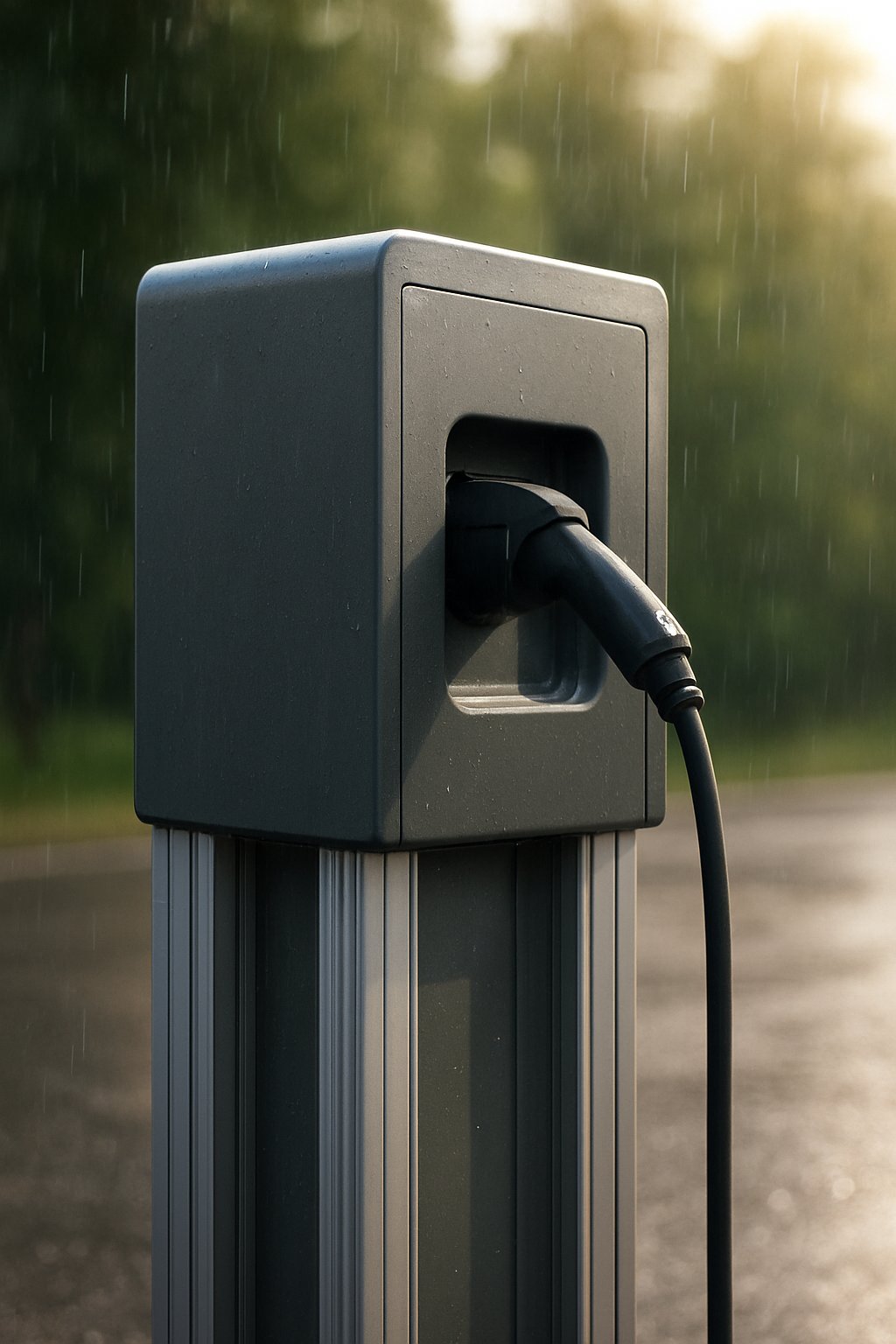
When you move from assembly drawings to real field use, two failure modes show up fast: heat build-up and finish breakdown. A charger support can be mechanically sound and still disappoint if it traps heat, fades in sunlight, or looks worn after constant contact. In aluminum extrusions for electric vehicle accessories, thermal behavior and surface treatment need to be designed as one system.
An aluminum extrusion enclosure around charger electronics, controllers, or power modules often has to do more than protect the contents. Guidance on enclosure design notes that the cross-section may need strength, connection features, and heat-dissipation channels or fins. In practice, profiles with more exposed surface area, fin-like ribs, or open spacing usually give heat a clearer path to ambient air. Smooth sealed boxes can look cleaner, but closed cavities may also hold heat if airflow, venting, or panel contact is limited. Rail-like supports near electrical hardware face a similar balance between low weight, stiffness, and the need to spread or shed heat.
Finish selection changes both durability and appearance. Anodizing forms an oxide layer that is integral to the metal, so it does not peel or flake. The same source notes that anodizing is harder than PVDF or FEVE and is unaffected by sunlight, which helps explain why anodized aluminum extrusions are often favored for exposed rails, touch points, and visible edges. A black aluminum extrusion can deliver a premium metallic look, but visible parts still need color-range review because anodized appearance can vary slightly from batch to batch.
Organic coatings solve a different problem. Powder coatings offer wide color flexibility, and cured powders emit no VOCs in the oven process, but texture and long-term gloss depend heavily on the resin and application quality. PVDF coatings are usually the stronger fit when UV stability, chemical resistance, and color retention matter most. For harsh exterior exposure, AAMA 2605 is widely used as a demanding benchmark for coated aluminum systems.
You will notice that no single finish wins everywhere. Anodizing suits abuse-prone, metallic-looking parts. PVDF is strong in chemically aggressive and UV-heavy settings. Powder coating can be a practical middle ground where color choice and cost control matter. Those tradeoffs belong in the specification itself, because a finish is only reliable when the supplier can repeat it on the exact profile, alloy, and service conditions you are asking for.
When finish quality, fit, and outdoor life all matter, the RFQ package matters just as much as the profile. Guidance from Yajia and the PTSMAKE guide points to the same lesson: good aluminum extrusion suppliers are not judged on price alone. They are judged on engineering support, quality systems, machining and finishing depth, delivery reliability, and scale-up discipline. If your team is asking where to buy aluminum extrusion for a charger bracket, pedestal housing, rail, or enclosure member, start by defining the part clearly enough that a supplier can quote risk, not guesswork.
You will notice that catalog aluminum extrusions for sale can help with prototyping, but EV accessory programs often need more than a stock shape. They need DfM feedback, controlled machining, and finish repeatability.
| Capability area | What to verify | Why it matters for EV accessories |
|---|---|---|
| Die development and DfM | Can the supplier review drawings, suggest profile changes, and support prototyping? | Better early feedback reduces tooling revisions and downstream assembly issues. |
| Press range | Ask which aluminum extrusion press range fits your section size, wall design, and planned volumes. | One press setup does not suit every profile equally well. |
| CNC fabrication | Check cut-to-length accuracy, drilling, tapping, slotting, and bending capability. Do not stop at the aluminum extrusion machine list. Ask what is done in-house. | In-house secondary work cuts handoff risk and improves feature alignment. |
| Surface finishing | Confirm anodizing, powder coating, and other required finishes, plus inspection of coating quality. | Outdoor charger and support parts depend on finish consistency as much as base metal quality. |
| Quality support | Request sample parts, dimensional inspection methods, material verification, and audit access if needed. | Clear QA reduces rejects, warranty issues, and field failures. |
| Scale-up readiness | Review capacity planning, delivery communication, packaging, and readiness for repeat production. | A supplier that can quote well but not scale well still creates program risk. |
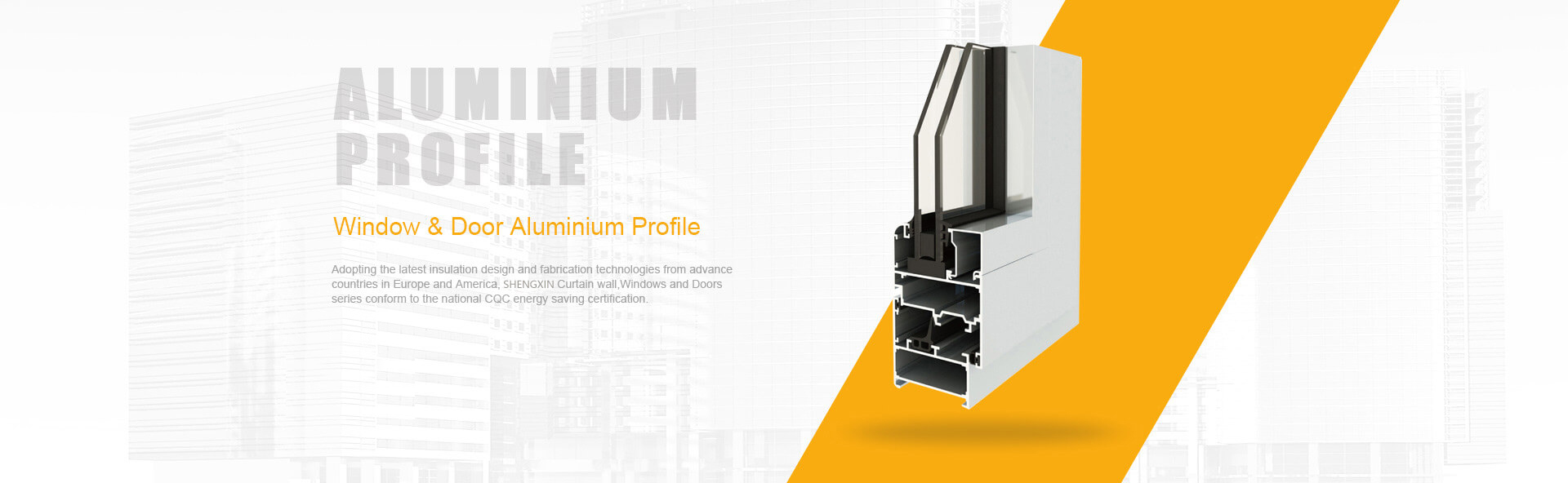
One useful benchmark is Shengxin Aluminium. Not because every project should choose the same vendor, but because its service scope reflects what a capable partner should be able to show: over 30 years of experience, 35 extrusion presses from 600T to 5500T, CNC machining centers for precise cutting, drilling, and bending, end-to-end support from die development to mass production, and finishing options including anodizing, powder coating, PVDF, and micro-arc oxidation. That is the kind of integrated offer worth comparing against when reviewing aluminum extrusion suppliers.
The best sourcing decision usually comes from the clearest specification. A low quote without machining detail, finish control, or quality evidence can be expensive later. A supplier that understands the profile, the process, and the production ramp is far more likely to keep EV accessory parts consistent from first article to repeat shipments.
Aluminum extrusions are a strong fit for many linear or modular EV accessory parts. Common examples include mounting rails, charger housings, pedestal structures, cable management arms, connector holders, interior support frames, trim elements, and heat-dissipating enclosure parts. They work especially well when one profile needs to combine more than one job, such as structure, cable routing, attachment points, and a clean exterior surface. They are usually less suitable when the part needs deep 3D geometry or when a simple folded sheet metal form can meet the requirement more directly.
Neither alloy is universally better. 6063 is often chosen for visible profiles because it supports complex shapes and usually gives a smoother result after anodizing. 6061 is often the better choice for parts that need more machining, stronger load handling, or welded assembly. If the accessory is more heavily loaded, teams may also review 6005 or 6082. The right answer depends on what matters most in the final part: appearance, stiffness, corrosion resistance, welding, or secondary machining.
A hollow profile is often the better option when you need protected internal space, a cleaner outer appearance, or better resistance to twisting. That can help with enclosed cable routing, enclosed supports, or members that need a more finished look. An open channel is often easier to machine, inspect, drain, and access with tools, so it can reduce manufacturing risk and assembly time. The choice should be made early because it affects die complexity, finishing access, machining strategy, and how the accessory will be assembled in production.
The best finish depends on the service environment and the visual goal. Anodizing is often preferred for metallic-looking parts and frequent-touch areas because the protective layer is part of the metal rather than a film on top. Powder coating is useful when color choice and broad practical protection matter. PVDF is often reviewed for stronger UV and chemical resistance in demanding outdoor settings. For some specialized programs, advanced treatments such as micro-arc oxidation may also be considered. The finish should be selected only after reviewing sunlight, moisture, road splash, abrasion, cleaning chemicals, and the appearance standard expected across production batches.
Start by checking whether the supplier can support the full path from profile review to repeat production. Important areas include die development, press capacity suited to your section, in-house CNC cutting and drilling, finishing options, inspection support, and packaging for long or visible parts. It also helps to compare suppliers against integrated service models. For example, Shengxin Aluminium is one benchmark readers can review because its offering includes die development, a wide press range, CNC machining, and finishing options such as anodizing, powder coating, PVDF, and micro-arc oxidation. Even so, the best supplier is the one that can clearly match your alloy, geometry, finish, quality, and volume needs without guessing.



 Servicio en línea
 0086 136 3563 2360
 sales@sxalu.com
 +86 136 3563 2360
 español
 English
 français
 Deutsch
 русский
 português
 العربية
 ไทย
ไทย Việt
Việt Українська