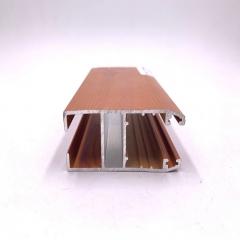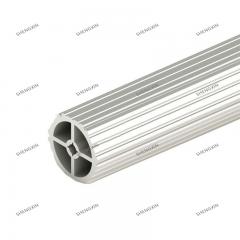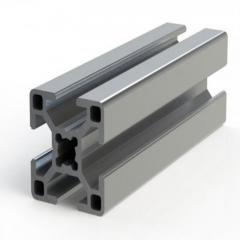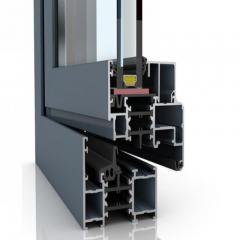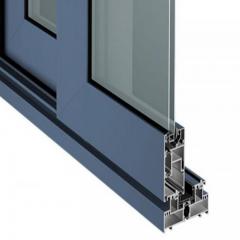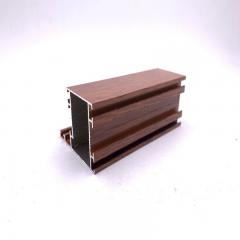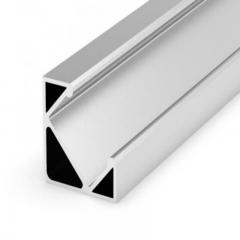
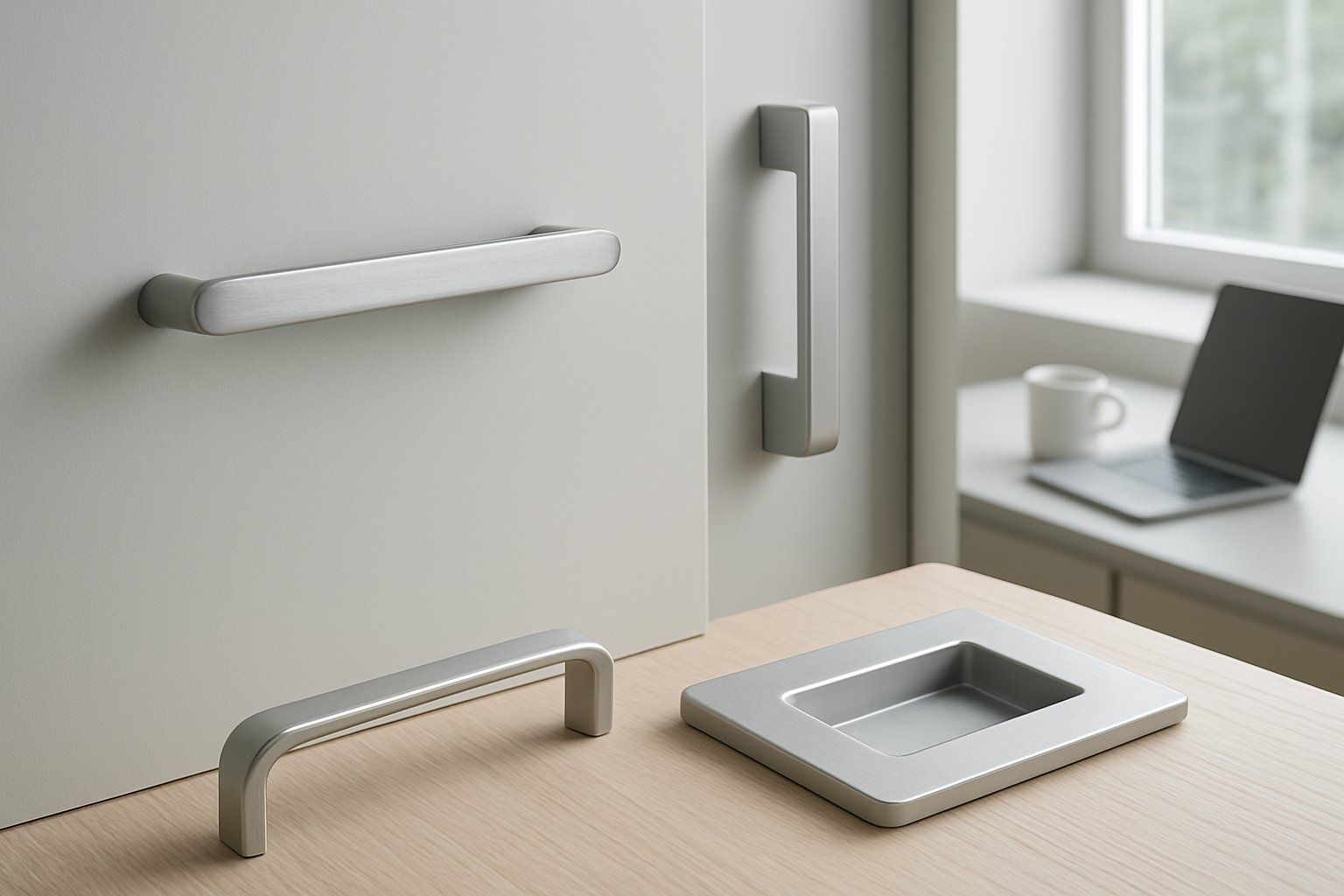
Walk through a kitchen showroom, a door hardware page, or an equipment catalog, and the same term can point to several products. In plain English, an aluminum handle is a grip or pull made primarily from aluminum or an aluminum alloy. That can mean cabinet pulls, drawer grips, recessed finger pulls, equipment access handles, and many aluminum door handles used in homes or commercial spaces.
An aluminum handle is a pull or grip made from aluminum, used to open, close, slide, or carry doors, drawers, cabinets, panels, and similar components.
The name sounds straightforward, but the real buying decision is not about metal alone. A slim edge pull on a cabinet, a rounded bar pull on a door, and a recessed grip on an access panel may all be aluminum handles, yet they feel very different in daily use. That is why finish, thickness, grip shape, and mounting style matter just as much as the base material.
Its popularity comes from balance. Guidance from KRC and Roche Handle points to low weight, durability, and corrosion resistance tied to aluminum's natural oxide layer. Material notes from TAKCOM also highlight the clean, modern look many buyers want.
You will see an aluminum handle on kitchen cabinets, drawers, wardrobe doors, sliding systems, patio doors, gates, windows, and equipment panels. That wide use is helpful, but it also creates confusion. A handle that looks perfect on minimalist cabinetry may be awkward on a heavy door or a high-use access point. The material sets the baseline. The handle type decides whether it actually fits the job.
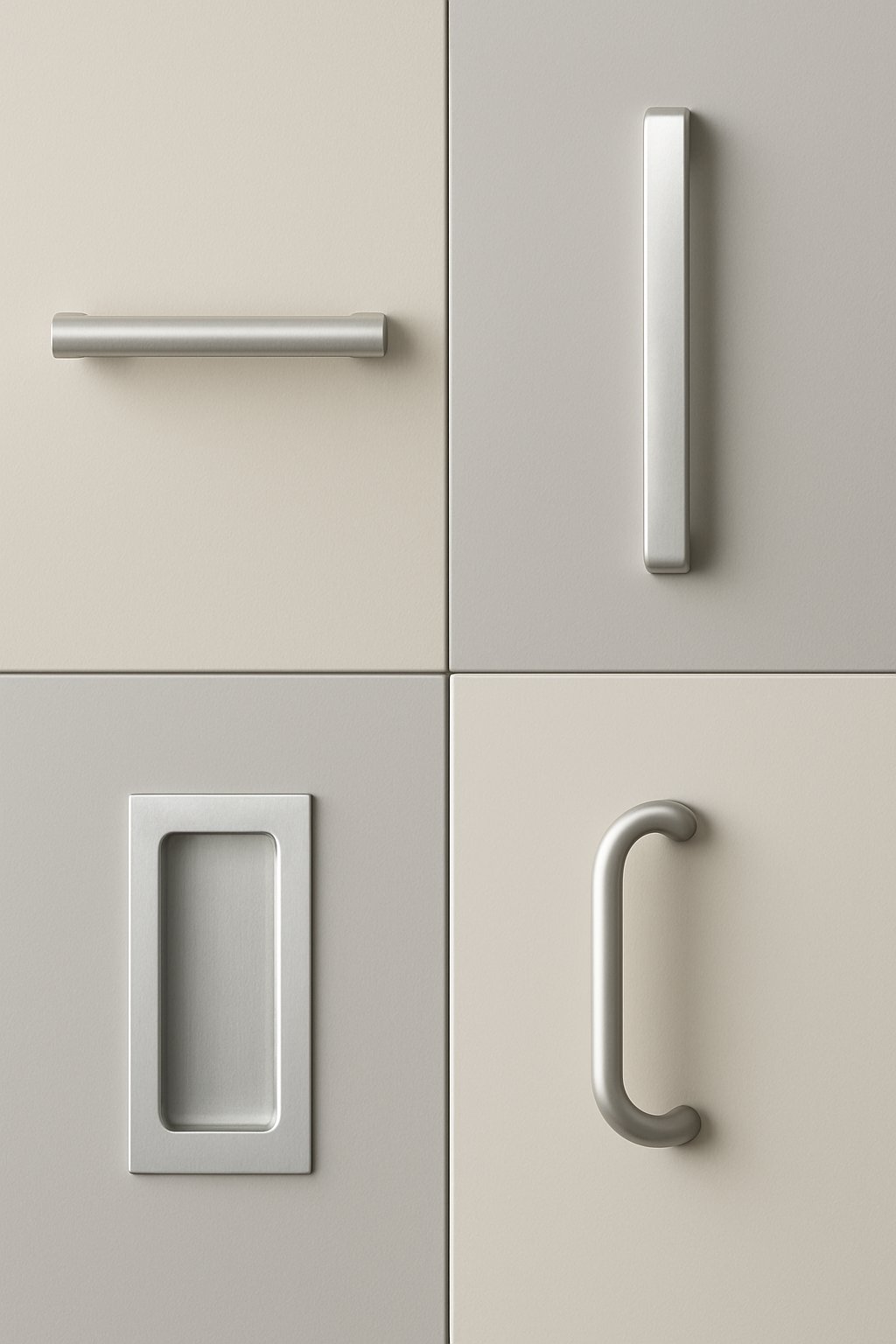
The material may stay the same, but the handle family changes how it looks, feels, and installs. That is where many buyers get misled. A cabinet pull, a profile grip, a recessed pull, and an enclosure handle can all be made from aluminum, yet each one suits a different kind of door, drawer, or panel.
Standard bar pulls and bridge pulls are the familiar choice for kitchens, wardrobes, vanities, and storage furniture. Many aluminum cabinet handles are popular because they are easy to grab, simple to replace, and available in clean modern shapes. For an aluminum drawer handle, the measurement that usually matters most is center-to-center hole spacing, since it determines whether the new pull will match existing drill holes. These styles generally offer better grip comfort than ultra-flat options, especially on heavier drawers, but they also create a more visible hardware line and a few more edges to clean around.
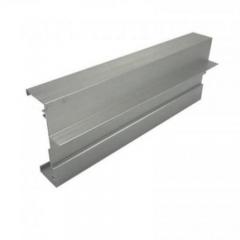
Profile pulls sit along the edge of a drawer or door front instead of projecting far outward. They are a strong fit for slab cabinetry and other minimalist layouts where visual clutter is the enemy. If that stripped-back look is the goal, a l shaped handle aluminum profile is often one of the first catalog terms worth knowing. The tradeoff is finger room. Thin edge pulls can feel less comfortable on large hands or wide, fully loaded drawers.
An aluminum recessed handle pushes the minimalist idea even further. It is useful on sliding doors, pocket openings, and narrow walkways where projecting hardware could snag clothing or interrupt movement. Recessed styles also keep the surface visually calm, but they usually require a routed pocket or cutout. That makes cutout size and panel thickness more important than buyers expect. They are worth the extra installation effort when flush clearance matters more than quick mounting. Cleaning can also vary: edge profiles are easy to wipe across, while recessed pockets may collect dust or crumbs inside the opening.
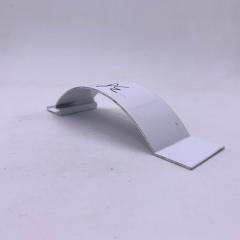
For utility doors, machinery guards, and access panels, fuller-hand grips are often easier to live with. An aluminum d handle is usually the easiest style to grip because your fingers can wrap around it from several angles. That makes it a practical choice for enclosure doors or any opening that needs a firmer pull. On industrial frames, T-slot-compatible handles are built around system fit. Buyers need to focus less on appearance and more on slot compatibility, fastening hardware, and clearance for gloved hands. In those settings, another aluminum d handle often beats a sleek edge pull on comfort alone.
| Handle style | Typical application | Grip clearance | Visual impact | Mounting method | Main tradeoff |
|---|---|---|---|---|---|
| Bar or bridge pull | Cabinets, wardrobes, vanity doors | Moderate to high | Medium | Through-screw mounting | Easy grip, but more visible hardware |
| Long drawer pull | Wide drawers, storage units | High | Medium | Through-screw mounting | Comfortable pull, but spacing must match exactly |
| Profile or edge pull | Minimalist cabinetry, flat panels | Low to moderate | Low | Edge-mounted or rear-fixed | Clean look, but less finger room |
| Recessed pull | Sliding doors, pocket doors, tight spaces | Flush to low | Very low | Cutout or routed installation | Flush finish, but more complex installation |
| D handle or enclosure pull | Equipment doors, utility access panels | High | Functional | Face-mounted or through-bolted | Best grip, but less visually minimal |
| T-slot-compatible handle | Extrusion frames, machine guarding | Moderate to high | Low to medium | T-slot nuts and bolts | Flexible system fit, but compatibility matters |
Style names help narrow the field, but replacement success usually depends on the small measurements hidden in the spec sheet. Two pulls can look nearly identical online and still fail because the spacing, projection, or mounting format is wrong.
Look-alike hardware often fails for one simple reason: the spec sheet was read too quickly. Whether you are comparing aluminum door pull handles for cabinetry, an aluminum sliding door handle for a tighter opening, or an aluminum door handle replacement for an entry door, a few small measurements decide whether the part fits, feels right, and installs without rework.
DoorCorner explains hole spacing, also called center-to-center or CTC, as the distance between the centers of the two mounting holes. That is the first number to match when you want to reuse existing holes. The same guide separates CTC from overall length, which is the full end-to-end size of the pull. Buyers mix those up all the time. A longer pull can share the same CTC, and a similar-looking pull can have completely different spacing. DoorCorner also notes that many cabinet listings use metric spacing, with common CTC sizes such as 64 mm, 76 mm, 96 mm, 128 mm, 160 mm, 192 mm, and 224 mm.
Door pull listings on commercial products follow the same logic. In the storefront guide from Door Closers USA, common outside pull handle CTC sizes are listed as 8 inch, 10 inch, and 12 inch. If you are shopping for an aluminum door handle with lock, treat the pull spacing and the lock preparation as separate checks. Matching one does not guarantee the other.
Projection tells you how far the handle stands off the door or drawer face. DoorCorner defines it as the distance from the mounting surface to the outermost point. That affects comfort, knuckle room, and nearby clearance. Grip clearance is the usable finger space behind the pull. Diameter or cross-section tells you how the grip will feel in the hand. A slim flat pull may look cleaner, while a thicker rounded section usually feels easier on heavier doors. On an aluminum sliding door handle, low projection can be just as important as appearance because the pull may need to clear adjacent panels or frames.
Mounting format is another common trap. Check whether the handle is through-bolted, face-fixed, back-to-back, or designed for a specific frame or panel style. Compatibility notes matter just as much on doors as on drawers. They tell you whether the hardware suits a cabinet front, a storefront stile, or another construction. Door Closers USA lists typical storefront pull details of 2-1/4 inch projection and 1 inch thick extruded aluminum, which is a good reminder that an aluminum door handle with lock should never be chosen by looks alone.
| Specification field | What it means | Why it matters | Common mistake |
|---|---|---|---|
| CTC or hole spacing | Distance from the center of one mounting hole to the center of the other | Determines whether existing holes will line up | Measuring edge to edge instead of center to center |
| Overall length | Full end-to-end size of the handle | Affects appearance and reach | Assuming it is the same as CTC |
| Projection | How far the handle extends from the surface | Affects comfort and collision clearance | Ignoring nearby walls, frames, or sliding panels |
| Grip clearance | Open space behind the pull for fingers | Determines real-world usability | Looking only at the front view photo |
| Diameter or cross-section | Thickness and shape of the grip | Changes comfort and perceived sturdiness | Choosing the thinnest profile without considering hand feel |
| Mounting format | How the handle fastens to the door, drawer, frame, or panel | Controls installation method and hardware fit | Ordering without checking fastener style or hole prep |
| Compatibility notes | Application details for specific constructions or systems | Prevents mismatch with stiles, panels, or lock setups | Assuming all aluminum door handle parts are universal |
Correct dimensions get the handle onto the door. What happens after that depends heavily on the material itself, because two pulls with identical specs can feel very different and age very differently in use.
A handle can match every measurement on the spec sheet and still feel wrong in daily use. Many listings for aluminum alloy handles focus on spacing and projection first, but material changes weight, touch, upkeep, and how the part ages. For a cabinet pull, access grip, or aluminum door handle, the real question is not which metal sounds best, but which one fits the environment, traffic level, and feel you want in the hand.
Stainless steel usually has the edge when higher strength and a heavier feel matter most. Unified Alloy notes that stainless steel is stronger than aluminum in similar shapes and thicknesses. The same source also says an aluminum component may weigh roughly one-third of an identical stainless one, which helps explain why an aluminum alloy handle often feels easier on lightweight doors, drawers, and framed panels. Both materials resist corrosion well in water and mostly neutral conditions. Stainless steel, however, typically performs better in more aggressive acidic, basic, or marine environments. Aluminum does not rust, is easier to form, and keeps a clean modern look without adding much weight.
Brass is often chosen for warmth and decorative character. The Lock Shop describes it as durable and generally corrosion-resistant, but also notes that it can tarnish over time and may corrode in harsh weather, which makes it more comfortable as an interior choice in many cases. Zinc alloy sits in a more value-driven lane. Both The Lock Shop and YALIS describe zinc alloy handles as cost-efficient, corrosion-resistant, and fairly low maintenance, though not always the strongest or most premium-looking option. Plastic works when very low initial cost matters most, but it is not well suited to heavy use or outdoor exposure.
Steel needs a closer read than the label suggests. In hardware catalogs, some listings clearly say stainless steel, while others simply say steel. That difference matters because grade, coating, and finish affect how the handle will age.
Choose handle material by moisture, use demand, and grip feel, not by trend alone.
| Material | Corrosion behavior | Maintenance | Appearance and feel | Weight | General cost positioning |
|---|---|---|---|---|---|
| Aluminum | Good in water and mostly neutral conditions, but less ideal than stainless in aggressive or marine exposure | Usually low, with occasional cleaning | Clean, modern, light in hand | Very light | Low to moderate |
| Stainless steel | Excellent in many wet conditions and typically stronger in aggressive environments | Low, usually periodic mild cleaning | Solid, heavier, often commercial-looking | Heavy | Moderate, but varies |
| Brass | Generally corrosion-resistant, but can tarnish and may struggle in harsh weather | More polishing and appearance care | Warm, decorative, classic feel | Heavy | Moderate to high |
| Zinc alloy | Corrosion-resistant for many door-hardware uses | Low, with occasional cleaning | Practical, less premium feel | Moderate | Low to moderate |
| Steel-based options | More finish- and grade-dependent than buyers often expect | Varies with coating and surface treatment | Utilitarian, solid feel | Heavy | Varies widely |
| Plastic | Weak fit for heavy use or outdoor exposure | Easy to wipe, but replacement may come sooner | Basic, lightweight, less substantial | Very light | Low |
Aluminum often lands in the middle in a good way. It balances low weight, corrosion resistance, and easy upkeep without feeling purely decorative or purely industrial. Still, metal choice is only half the story. Surface finish changes fingerprints, scratch visibility, and long-term appearance, which is why finish deserves its own closer look.
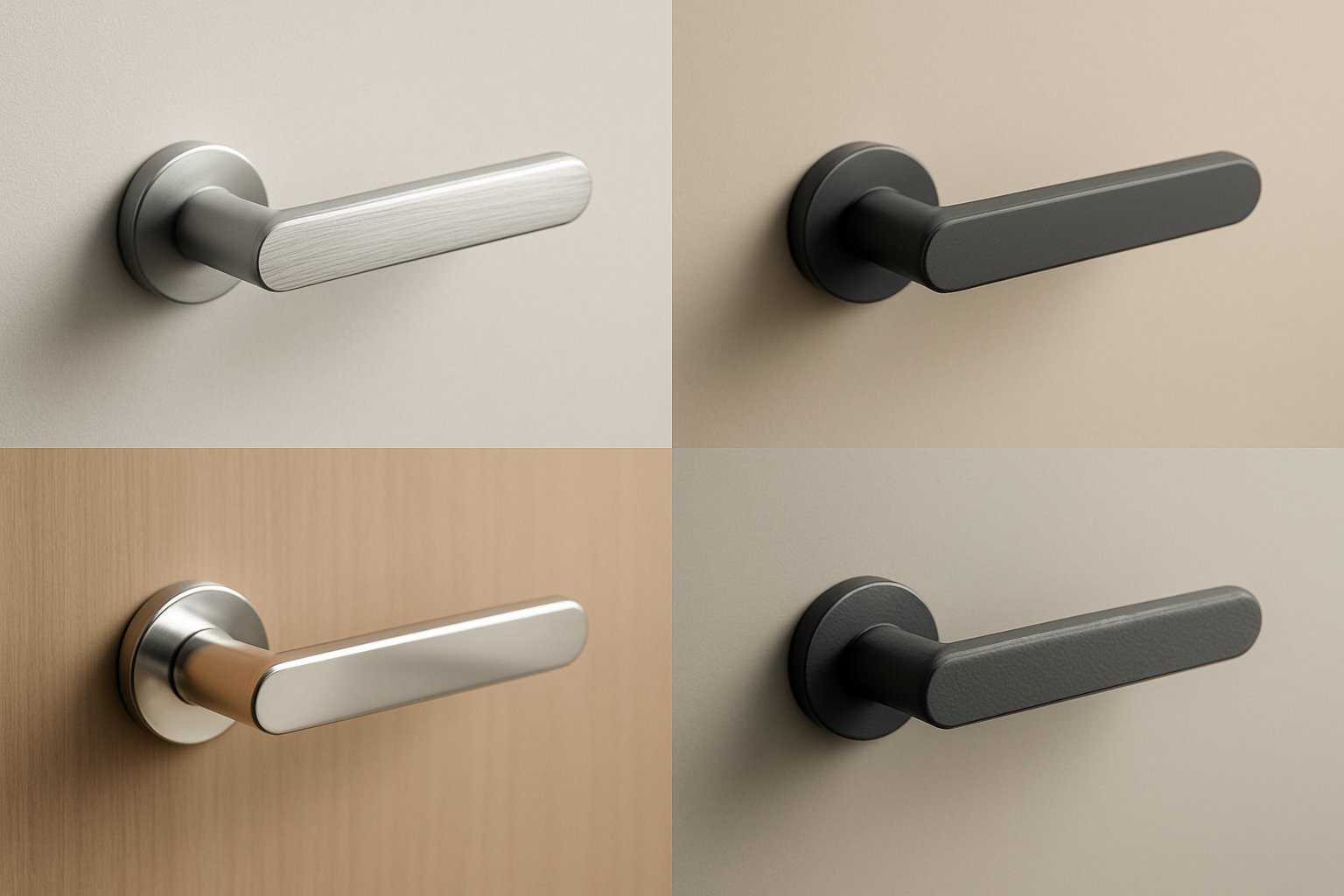
Specs tell you whether a pull will fit. Finish tells you whether it will still look good after months of touch, cleaning, humidity, and weather. On cabinets, doors, and access hardware, that surface choice changes how easily fingerprints show, how visible scratches become, and how much upkeep the part will need.
A brushed finish has fine directional lines and a matte, low-gloss look. That texture helps hide fingerprints, smudges, and minor wear better than a polished surface, so it often works well in kitchens and other high-touch interior spaces. Polished finishes look brighter and more decorative, but they also tend to reveal fingerprints and fine scratches faster.
Anodizing thickens aluminum's natural oxide layer, which improves corrosion resistance and helps preserve a metallic appearance. It is low maintenance and UV-resistant, but high-contact areas can show scratches more clearly. Painted finishes bring color flexibility, though durability depends heavily on coating quality and edge damage can become the weak point. Powder coating offers a wide range of colors and textures and can deliver strong weather and chemical resistance when the pretreatment is done properly.
The best finish matches the environment first and the style second.
Finish demands change quickly by location. Indoor drawer pulls usually have a lighter job than aluminum screen door handles exposed to rain and hand oils, or aluminum glass door handles in busy entries that need frequent wiping. Guidance on coastal environments shows that salt, humidity, and pollutants raise corrosion pressure, and wet contact between dissimilar metals can also create galvanic trouble. That matters for aluminum door handles and locks, where trim, fasteners, and lock parts may age differently. A quiet bathroom cabinet, a damp screen door, and a high-traffic commercial opening all ask different things from the same metal, which is why finish choice only makes sense when the application itself comes into focus.
A finish can hold up well and still be the wrong choice if the grip does not match the job. The same low-profile pull that feels fine on a light vanity drawer can become annoying on a heavy access panel or a busy shared door. In practice, the better filter is not style first. It is use first: how often the door or drawer opens, how much force it takes, how much hand clearance is available, and whether the user will grab it with bare hands or gloves.
For light home storage, comfort usually comes down to finger room, projection, and how easy the surface is to clean. A simple aluminum cabinet handle with enough stand-off often feels better on everyday drawers than an ultra-thin edge pull, especially when the drawer is wide or fully loaded. Rounded pulls also tend to be easier to wipe down than deep recessed pockets. Recessed styles still make sense on tight walkways or minimalist fronts, but they trade some grip ease for a cleaner look.
The indoor cabinet guidance from Essentra points buyers toward ergonomic pull handles for comfort and recessed handles when space is limited. That same buying logic works well in residential settings: lighter traffic allows slimmer styling, while heavier drawers reward more usable clearance.
Higher traffic raises the bar quickly. A handle on a shared door, utility cabinet, or service enclosure needs fast, confident grip and straightforward cleaning. More projection usually beats a flatter profile here, particularly when people are carrying items or wearing light gloves. For indoor cabinets and machinery access points, an aluminum grab handle or other full-hand pull is often the safer choice because fingers can wrap around it from more than one angle. Buyers comparing aluminum grab handles should pay close attention to stand-off and mounting strength, not just the front view.
The same Essentra guide highlights a few useful industrial clues. Recessed handles are a strong fit where aisle space is tight. Lift-and-turn cam latches fold away when not in use, which helps reduce snag risk. Adjustable T-handle compression latches are suggested where vibration resistance matters. It also notes that continuous hinges are ideal when cabinet doors open and close frequently, which is a good reminder that high-use handle selection should be matched with equally durable surrounding hardware.
Exterior barriers need a similar reality check. With aluminum gate handles, weather resistance matters, but so do leverage and pull comfort. A thin decorative pull may look tidy on paper, yet a larger or heavier gate usually benefits from a deeper grip and more secure mounting.
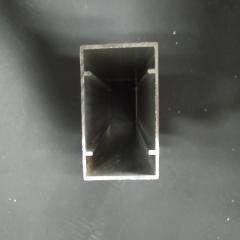
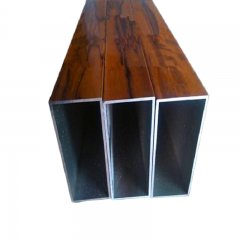
Framed panels and modular equipment add another layer: fit with the structure itself. Many aluminum extruded handles are chosen as much for mounting logic as for appearance. Check panel thickness, fastener access, and how much hand room the surrounding frame leaves. If the pull point varies across a tall panel, an aluminum continuous handle or long pull can make opening feel more controlled over a wider reach.
Shape also affects maintenance. Open bar pulls and smooth arches are generally easier to sanitize than deep pockets. Recessed pulls help when clearance is tight, but they can collect dust and grime more easily. That tradeoff matters on telecom cabinets, electrical enclosures, and any surface that gets wiped often. The same caution applies to aluminum gate handles in outdoor settings, where exposed edges, dirt buildup, and frequent touch all add up over time.
| Application type | Recommended handle style | Key measurements | Main selection priorities |
|---|---|---|---|
| Light residential drawers | Bar pull or compact bridge pull | Hole spacing, projection, grip clearance | Everyday comfort, easy cleaning, simple replacement |
| Minimalist cabinet fronts | Edge profile or recessed pull | Panel edge depth, cutout size, finger room | Low visual impact, walkway clearance, flush appearance |
| High-traffic commercial doors | Full-hand pull or sturdy bar handle | Projection, overall length, mounting strength | Quick grip, sanitation, durability under repeated use |
| Indoor equipment cabinets | Arch pull, recessed handle, or latch-integrated handle | Clearance, panel thickness, latch compatibility | Space limits, user safety, secure closing |
| Vibration-prone machine panels | T-handle compression latch or robust pull | Mounting prep, sealing setup, usable grip | Hold under vibration, sealing, reliable access |
| Extrusion or framed panel systems | Bolt-on pull or long profile handle | Frame compatibility, fastener access, stand-off | System fit, gloved-hand use, controlled opening |
| Exterior gates and barriers | Deeper pull with secure mounting | Grip clearance, fixing method, reach | Leverage, weather exposure, long-term usability |
Application narrows the field faster than style alone, yet one practical question still remains: which catalogs actually give you enough detail to verify finish options, mounting choices, and customization before you buy.
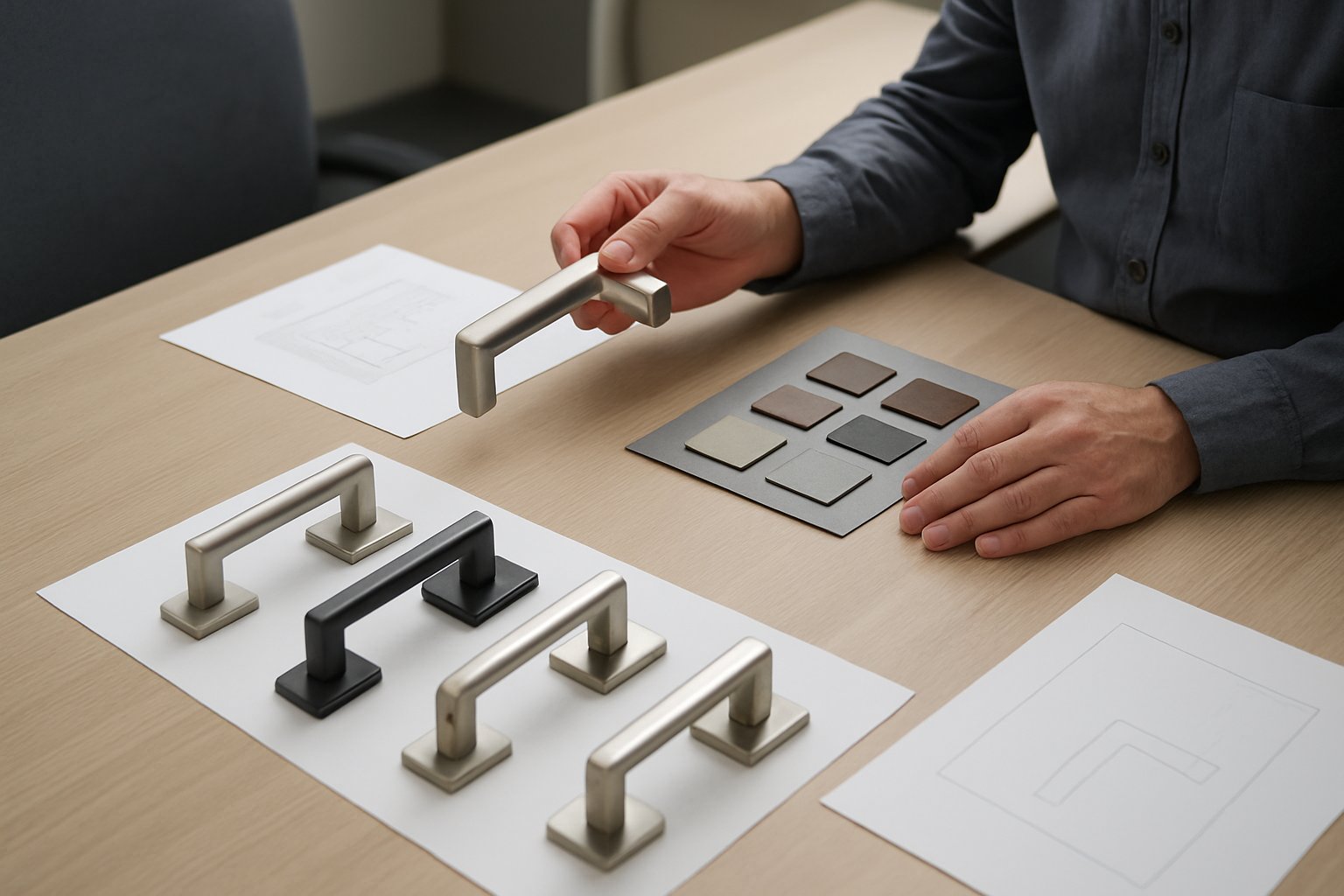
By this stage, the weak link is rarely the idea of the handle itself. It is the catalog behind it. A supplier page should tell you whether the part is standard or custom, whether it belongs to a wider hardware system, and whether the maker can support repeat orders without turning every reorder into a new guessing game.
A strong catalog does more than show polished product photos. Guidance from Ya Ji Aluminum puts the focus on technical support, quality assurance, finishing, machining, logistics, and delivery planning. For handle buyers, that translates into practical checks: clear categories, usable specifications, and honest detail on downstream services.
The category structure seen on KRC is a good example of what useful depth looks like. When a catalog separates bar handles, concealed handles, edge profile handles, furniture handles, and wardrobe handles, buyers can compare like with like instead of forcing one style into every job. That matters even more when you are sourcing an aluminum handle profile rather than a simple replacement pull.
Custom work deserves closer screening. The same Ya Ji supplier guide notes that better partners often support die design, prototyping, CNC machining, and in-house surface treatments such as anodizing and powder coating. Search terms like extrusion automation for aluminum handles or robotic extrusion of aluminum handles usually point to a real concern beneath the jargon: production consistency. Ask how the supplier controls tolerances, manages finishing, and handles capacity when order volume rises.
The best shortlist usually comes from documentation, not promises. When the catalog gives you enough detail on finish, mounting, accessories, and custom support, choosing stops feeling like browsing and starts feeling like a process you can repeat with confidence.
A good catalog helps, but the real advantage comes from using the details in the right order. For most buyers, the safest path is simple: define the job, confirm the measurements, narrow the style, compare exposure needs, and verify the supplier documents. That same sequence works for small aluminum pull handles on furniture and for handles for aluminum doors that need tighter technical matching.
The best aluminum handle is the one that fits the mounting pattern, use environment, and grip requirement all at once.
If you want a real catalog example to test this checklist against, Shengxin Aluminum's Aluminium Handle Series is a practical place to look. It presents modern options for cabinets, windows, and doors, with durability, corrosion resistance, and customization support noted across the range. Use it as a reference point, then apply the same standards to any supplier you shortlist.
Start with center-to-center spacing if you need the new handle to match existing holes. Then check overall length, projection, finger clearance, grip thickness, and the mounting style. If the handle is part of a locking door set, confirm the lock-related prep separately, because matching the pull size alone does not guarantee a proper fit.
They often work well, but the finish is a major factor. Anodized or well-coated aluminum usually performs better in damp or weather-exposed settings than unfinished or poorly finished hardware. For screen doors, gates, and coastal or humid locations, also review fasteners, lock parts, and cleaning habits so the whole assembly holds up well over time.
Full-hand shapes such as bar pulls, D handles, and grab handles are usually the most comfortable, especially on heavier doors, wide drawers, or panels opened with gloves. Profile and recessed styles save space and create a cleaner look, but they reduce usable finger room. If comfort matters more than visual minimalism, choose a shape with more stand-off and a rounder grip.
Aluminum is typically chosen for its low weight, modern appearance, and good corrosion resistance in many everyday settings. Stainless steel usually feels heavier and is often the stronger option when the application is more demanding or exposure is harsher. The better choice depends on traffic, moisture, desired feel in the hand, and the finish quality, not just the metal name.
A useful catalog should clearly separate handle types, explain finishes and mounting options, and show compatibility details, accessories, or custom support. It also helps if the supplier can provide samples, machining or finishing information, and repeat-order consistency. For a real catalog example, manufacturers and buyers can review Shengxin Aluminum's Aluminium Handle Series at https://www.shengxinaluminium.com/aluminium-handle-series_c78 for cabinets, windows, doors, and customization options.



 Servicio en línea
 0086 136 3563 2360
 sales@sxalu.com
 +86 136 3563 2360
 español
 English
 français
 Deutsch
 русский
 português
 العربية
 ไทย
ไทย Việt
Việt Українська