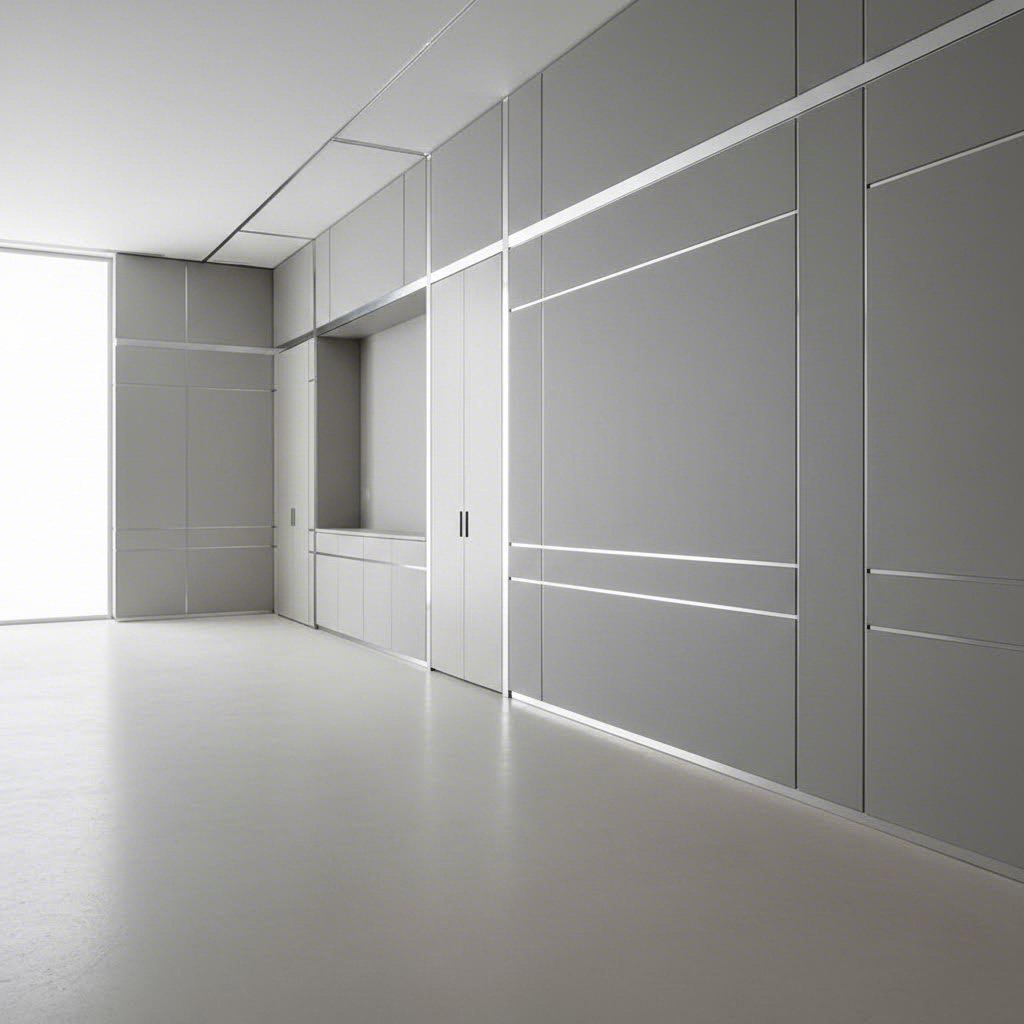
When you walk through a sleek modern kitchen or admire the clean lines of a contemporary office lobby, you're likely seeing aluminum trim extrusions at work. But what exactly are these versatile design elements, and why have they become essential to today's interior design landscape?
Aluminum trim refers to precisely shaped metal profiles used to finish edges, protect corners, create transitions between materials, and add refined visual details to interior spaces. Unlike traditional wood molding or plastic alternatives, extruded aluminum offers unmatched dimensional accuracy and design possibilities that architects and designers increasingly demand.
Think of traditional molding materials. Wood expands and contracts with humidity changes. Plastic can warp over time. Standard metal trims often require welding or complex fabrication. Aluminum extrusions solve these challenges by delivering profiles that remain dimensionally stable year after year.
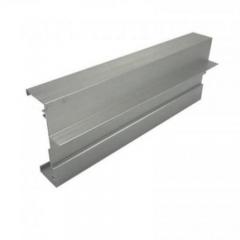
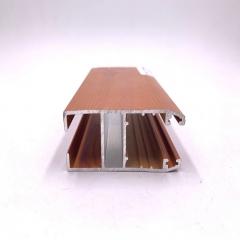
The real distinction lies in what aluminum extrusion technology makes possible. You'll find profiles in virtually any cross-sectional shape imaginable—from simple L-angles to complex custom designs with integrated channels, grooves, or mounting features. This flexibility allows designers to specify trim that performs multiple functions simultaneously, such as an aluminum frame that conceals panel edges while providing a mounting channel for LED lighting.
According to industry experts at Spectra Aluminum, the lightweight nature, corrosion resistance, and ability to form complex shapes make aluminum extrusion an ideal choice for modern architectural designs—qualities that translate directly into superior interior applications.
Sounds complex? The aluminum extrusion process is surprisingly straightforward to understand. Imagine pushing soft clay through a shaped cookie cutter—that's essentially what happens, but with heated aluminum and industrial precision.
Here's how it works:
This manufacturing method delivers benefits impossible to achieve through cutting, stamping, or casting. Every inch of an extruded aluminum profile maintains identical dimensions—critical when you're installing trim across a 30-foot wall or matching pieces in a multi-room project.
The process also enables cost-effective customization. Once a die is created for a specific profile shape, producing that shape becomes highly efficient. This explains why aluminum extrusions have become the go-to solution for both standard trim applications and custom interior detailing where precision matters most.
For residential and commercial interiors alike, this combination of industrial precision and design aesthetics positions aluminum trim as more than just functional hardware—it's a deliberate design choice that elevates the finished space.
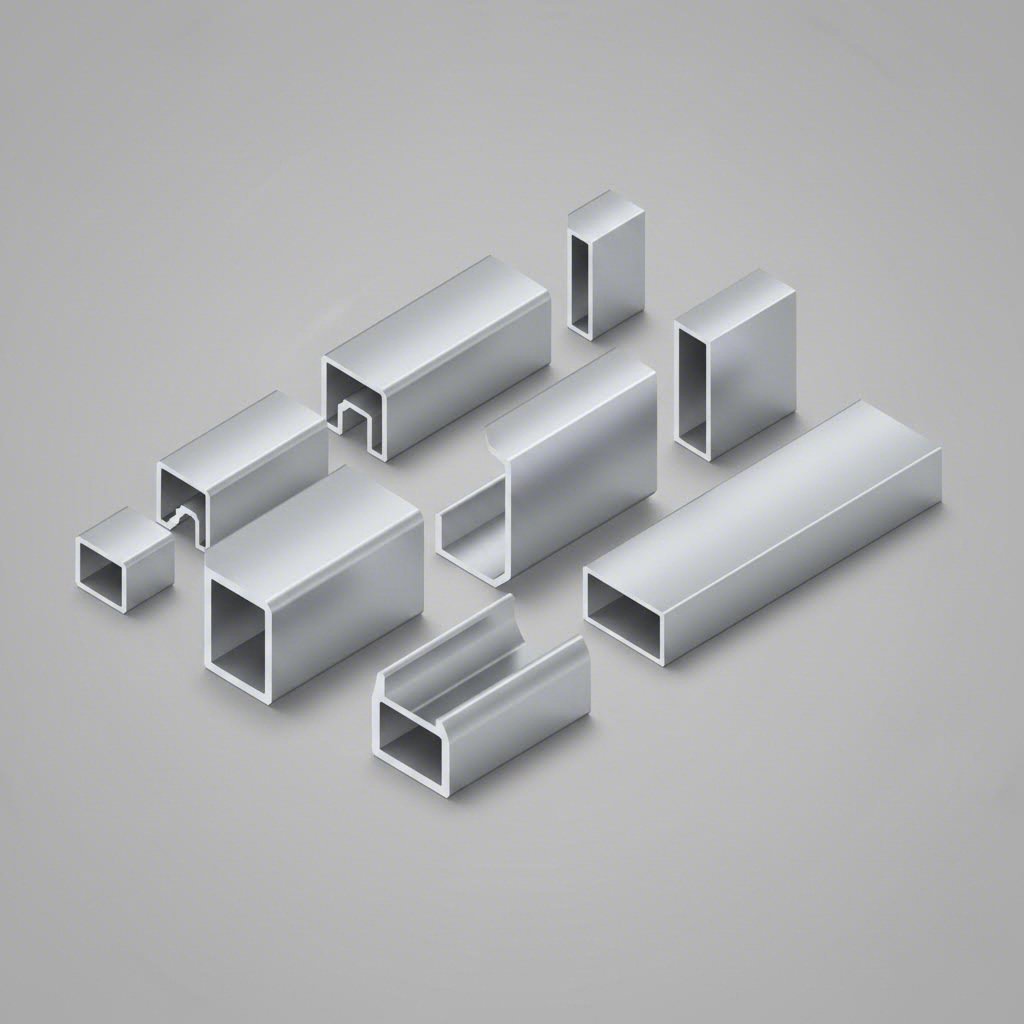
So you understand how aluminum trim gets made—but which profile shape should you actually choose? The answer depends entirely on the interior challenge you're solving. Whether you're concealing raw panel edges, creating elegant transitions between flooring materials, or protecting high-traffic corners from damage, there's a specific aluminum channel or angle designed for that purpose.
Let's break down the most common profile shapes you'll encounter and explore exactly where each one excels in interior applications.
When you need to guide, contain, or protect linear edges, channel profiles are your primary toolkit. These profiles feature walls on multiple sides that create a contained space for inserting materials or concealing connections.
U Channel Profiles
The aluminum u channel is perhaps the most versatile profile in interior design. Shaped like a horseshoe or the letter "U," this profile offers equal-height walls on both sides with an open top. According to Orange Aluminum, these channels are commonly used for door framing, edge protection, and wire management due to their uniform shape and durability.
Common interior applications for aluminum u channel include:
J Channel Profiles
Imagine a U channel with one short leg—that's essentially an aluminum j channel. This asymmetrical design serves a specific purpose: minimizing the visible profile while still providing edge containment.
The j channel works beautifully when you're trimming around existing obstacles or creating termination points where one material meets another. As industry resources explain, the shorter leg ensures a uniform edge while keeping the finished appearance minimal and clean.
You'll find aluminum j channel profiles ideal for:
C-Channel and T-Slot Profiles
The c-channel profile adds another dimension of functionality. Unlike the fully open U shape, c-channel features inward-curving edges that partially close the opening. This design prevents items from simply pulling straight out—they must slide along the channel's length to be removed.
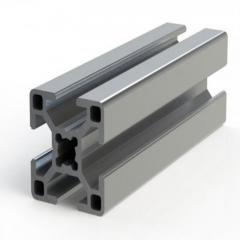
This makes c-channel profiles perfect for applications requiring secure mounting, such as adjustable shelving systems, track lighting installations, and modular furniture components where repositioning flexibility matters.
Not every interior challenge requires a channel. Sometimes you need to protect an exposed corner, create a decorative edge detail, or provide structural reinforcement at a junction point. That's where aluminum angle and flat bar profiles come into play.
L-Angle Profiles
The aluminum angle—shaped like the letter "L"—is the workhorse of corner protection. Available with equal or unequal leg lengths, these profiles wrap around 90-degree corners to shield vulnerable edges from impact damage.
You can choose between sharp corners for a contemporary geometric look or rounded options for a softer, safer appearance. Profiles rounded on the inside also help fill gaps at corner joints, creating a more seamless transition.
Interior applications for aluminum angle profiles include:
Flat Bar and Rectangular Profiles
When you want a simple decorative accent without the dimensional complexity of channels or angles, aluminum flat bar delivers clean, minimal lines. These profiles work as surface-mounted trim pieces that add visual interest or create reveals between materials.
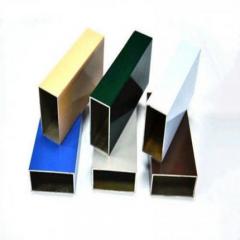
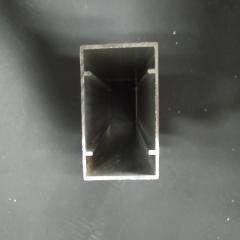
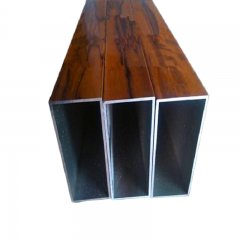
For applications requiring more structural depth, aluminum square tubing or rectangular tube profiles offer hollow cross-sections that combine strength with lightweight construction. These profiles work well for furniture frames, display systems, and architectural details where rigidity matters.
Choosing the Right Profile for Your Challenge
Profile selection ultimately comes down to answering one question: what problem are you solving?
Understanding these functional differences empowers you to specify the right aluminum channel or angle for each application—ensuring both performance and aesthetics align with your project goals. With profile selection sorted, the next critical decision involves choosing the right surface finish to match your interior environment and design vision.
You've selected the perfect profile shape for your project—but that's only half the decision. The surface finish you choose dramatically affects both the appearance and long-term performance of your aluminum trim molding. Will it resist fingerprints in a busy kitchen? Can it handle bathroom humidity without degrading? Does the color complement your design vision?
Understanding finish options isn't just about aesthetics. It's about matching surface treatments to the specific demands of each interior environment. Let's explore what each finish type offers and when it makes the most sense.
These two finish types dominate the aluminum trim market, yet they work in fundamentally different ways. Knowing the distinction helps you make informed decisions for your specific application.
Anodized Aluminum Trim: Enhanced Natural Protection
When aluminum meets air, it naturally develops a thin oxide layer that protects the underlying metal. Anodizing amplifies this process dramatically. According to Gabrian, technicians submerge the aluminum piece in an electrolytic bath and run an electric current through it, creating an oxide layer far thicker and more durable than what forms naturally.
What makes anodized aluminum trim particularly valuable for interiors?
Powder Coating: Color and Texture Freedom
Powder coating takes a completely different approach. Instead of chemically altering the aluminum surface, this process applies a dry powder using electrostatic charge, then cures it in an oven to create a uniform, bonded layer.
As industry experts note, powder coating uses no solvents, making it an environmentally friendly finishing option. But the real advantage for interior applications is creative flexibility:
Brushed and Polished Finishes: Mechanical Surface Treatments
Beyond chemical and coating treatments, mechanical finishing creates distinctive surface textures through physical abrasion or polishing.
Brushed finishes involve running abrasives across the aluminum in one direction, creating fine parallel lines. This contemporary look works beautifully in modern kitchens and minimalist spaces. However, be aware that brushed aluminum edge moulding shows fingerprints more readily than other finishes—an important consideration for aluminum edge trim molding in high-touch areas.
Polished finishes take the opposite approach, buffing the surface to a mirror-like shine. While stunning in luxury applications, polished aluminium edge moulding demands regular maintenance to prevent water spots, fingerprints, and minor scratches from dulling the reflective surface.
Choosing the right finish means honestly evaluating your interior environment. A finish that performs beautifully in a formal dining room might struggle in a humid bathroom or busy commercial kitchen.
Environment-Based Selection Guide:
Finish Comparison at a Glance
| Finish Type | Durability | Maintenance | Color Options | Relative Cost | Best Applications |
|---|---|---|---|---|---|
| Anodized | Excellent | Low | Metallic tones (champagne, bronze, black, rose gold) | Higher | High-traffic areas, moisture-prone spaces, architectural details |
| Powder Coated | Very Good | Low | Unlimited colors and textures | Moderate | Decorative accents, color-matched trim, outdoor-facing interiors |
| Brushed | Good | Moderate (fingerprints visible) | Natural aluminum tones | Lower | Contemporary kitchens, modern minimalist spaces |
| Polished | Moderate | High (shows marks easily) | Mirror-like reflective | Moderate | Luxury residential, low-traffic accent areas |
According to TPOS, aluminum trims are available in various finishes including mill finish, anodized (silver, champagne, bronze, black), and powder-coated in custom RAL colors—giving designers flexibility to match virtually any interior palette.
When specifying aluminum molding trim, always request physical samples before committing to large orders. Check surface finish consistency, color accuracy, and how the material looks under your actual lighting conditions.
The finish you select ultimately balances three factors: the visual effect you're after, the environmental conditions the trim will face, and your maintenance tolerance. With surface treatment decisions made, you're ready to explore specific interior applications where these finished profiles deliver both function and refined aesthetics.
Now that you understand profile shapes and finish options, let's talk about where these elements actually get installed. Rather than thinking about aluminum trim as a product category, imagine it as a problem-solving toolkit. Each interior challenge—whether protecting a cabinet edge or creating seamless flooring transitions—has an ideal solution waiting.
From residential kitchens to commercial office build-outs, metal trim serves purposes that go far beyond decoration. Let's explore the major applications and discover which profiles perform best in each scenario.
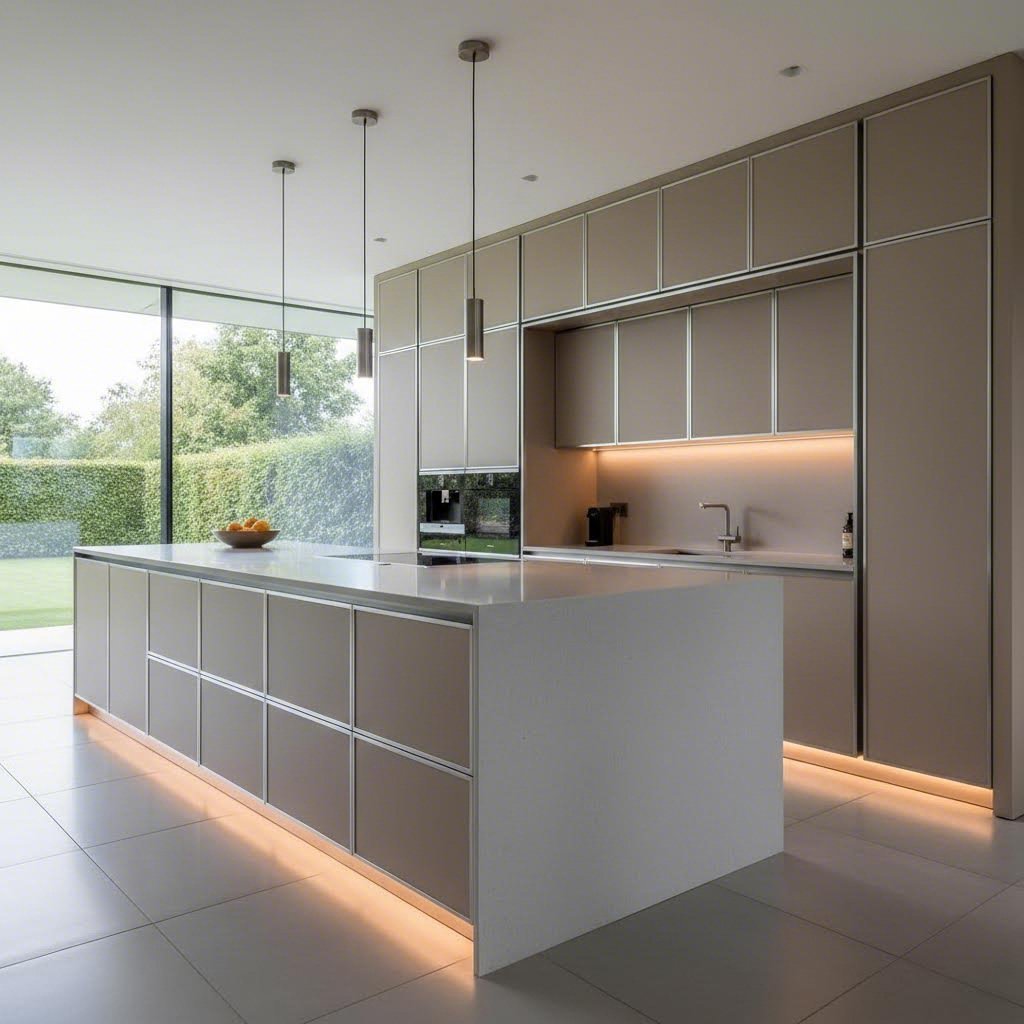
Modern kitchens demand materials that combine visual refinement with serious durability. Think about it—cabinets face daily contact, humidity fluctuations from cooking, and the occasional impact from pots and pans. This is where aluminum door trim and edge profiles truly shine.
Cabinet Edge Protection
Those sleek handle-less cabinets you see in contemporary kitchens? They typically feature aluminum flat bar or U-channel profiles along the top edge. This creates a finger-pull detail while simultaneously protecting the cabinet surface from chipping and wear.
Common kitchen cabinetry applications include:
Countertop Edge Solutions
Where countertops meet backsplashes or transition between materials, metal corner trim prevents moisture infiltration and provides clean visual separation. According to Winsen Tile Trim, metal edging provides a sophisticated look and feel that adds premium quality to kitchen decor—while delivering the durability needed for high-traffic cooking spaces.
For countertop applications, J-channel profiles work particularly well. The asymmetrical design minimizes visible profile thickness while still protecting the vulnerable edge where countertop material meets vertical surfaces.
Furniture Edging for Custom Pieces
Custom kitchen islands, built-in desks, and integrated storage units benefit from aluminum edge treatment. When you're working with laminate, MDF, or composite materials, exposed edges look unfinished and remain vulnerable to moisture damage. Aluminum U-channel wraps these edges cleanly, transforming budget-friendly substrates into furniture-quality pieces.
Wall cladding installations—whether decorative wood panels, acoustic materials, or architectural laminates—require thoughtful edge and transition detailing. This applies equally to residential accent walls and large-scale commercial interiors.
Panel Mounting and Edge Concealment
When installing wall panels, you'll encounter three primary challenges: concealing panel edges, creating reveals between panels, and finishing termination points where panels meet windows, doors, or ceilings.
Recommended profiles for wall panel applications:
Commercial Wall System Requirements
Commercial environments—offices, retail spaces, healthcare facilities—demand aluminum trim that withstands constant use while meeting fire codes and accessibility requirements. Outside corner trim in high-traffic corridors protects both walls and occupants, especially in spaces where carts, wheelchairs, or heavy equipment regularly navigate.
In these settings, corner trim does double duty. It shields vulnerable drywall corners from impact damage while creating clean visual lines that contribute to professional aesthetics. Choose anodized finishes for maximum wear resistance in demanding commercial applications.
Flooring Dividers and Transition Strips
Where different flooring materials meet—tile transitioning to hardwood, carpet meeting luxury vinyl—aluminum transition strips create smooth, safe junctions. These profiles prevent edge lifting, reduce trip hazards, and visually define zones within open floor plans.
Flooring applications for aluminum trim include:
Residential vs Commercial Considerations
The functional requirements shift between residential and commercial contexts. Residential projects often prioritize aesthetics and design cohesion, while commercial installations emphasize durability, code compliance, and maintenance efficiency.
| Application | Residential Focus | Commercial Focus | Recommended Profiles |
|---|---|---|---|
| Cabinet edges | Sleek appearance, color matching | Impact resistance, easy cleaning | U-channel, flat bar |
| Wall panels | Design integration, custom reveals | Fire ratings, durability | J-channel, L-angle |
| Corner protection | Subtle accent, furniture safety | Heavy impact resistance | L-angle, corner guards |
| Floor transitions | Visual continuity, comfort | ADA compliance, heavy traffic | T-bar, reducer strips |
As the reference from industry sources confirms, metal trim excels in high-traffic areas like living rooms and corridors due to its enhanced durability—making it ideal for both demanding commercial installations and busy family homes.
Understanding these application-specific requirements helps you specify the right profile and finish combination for each element of your project. But how does aluminum compare when stacked against traditional alternatives like wood, PVC, or stainless steel? That comparison reveals important insights for making final material decisions.
Here's an honest truth: aluminum trims and moldings aren't always the right choice. Sometimes wood delivers warmth that metal simply can't replicate. Other times, budget constraints make PVC the practical winner. And in specific environments, stainless steel outperforms everything else.
Making the best material decision means understanding what each option genuinely offers—and where each one falls short. Let's break down these comparisons without the marketing spin.
Wood trim has defined interior design for centuries. There's a reason it remains popular—natural grain patterns, warmth, and that classic aesthetic create an emotional connection that manufactured materials struggle to match.
But here's what often gets overlooked: wood demands ongoing attention. According to Allura, wood is susceptible to problems caused by moisture and insects. It can absorb water and swell, then shrink again when it dries, which often causes it to warp. The paint or stain protecting wood will begin to crack, peel, chip, and fade within a few short years—and when this happens, water and insects can access the wood, causing rot.
Aluminum moulding trim takes the opposite approach. It doesn't absorb moisture, won't attract insects, and maintains dimensional stability regardless of humidity changes. For contemporary spaces—especially kitchens, bathrooms, or commercial interiors—this practical durability often outweighs wood's aesthetic warmth.
When Wood Makes More Sense:
When Aluminum Wins:
Aluminum occupies a middle ground in the trim material spectrum. PVC sits below it in cost and durability, while stainless steel sits above in both categories. Understanding these positions helps you match materials to project requirements honestly.
PVC Trim: The Budget-Conscious Alternative
PVC (vinyl) trim emerged as a wood alternative in the 1950s and remains popular for good reasons. It's impervious to moisture and insects, requires minimal maintenance, and costs significantly less than both aluminum molding and wood.
However, as industry experts note, vinyl doesn't perform well in extreme cold or heat. In cold temperatures, the plastic can become brittle—any hard knock could result in cracking. In heat, the material can soften, causing melting and warping. Vinyl is also not flame-retardant, creating safety concerns in certain applications.
Choose PVC when budget is the primary constraint, installation is temporary, or the environment remains temperature-controlled. Avoid it for exterior-facing interiors, near heat sources, or in premium spaces where long-term quality matters.
Stainless Steel Trim: Maximum Performance at Premium Cost
When aluminum's corrosion resistance isn't enough, stainless steel steps in. According to NIUYUAN, stainless steel is more durable, corrosion resistant, and stronger than aluminum. The chromium content forms a protective layer that prevents rusting and oxidizing—making it ideal for high-moisture environments.
But stainless steel comes with trade-offs. It's heavier, harder to cut, and significantly more expensive. As the same source explains, if your project is not going into a bathroom, around a pool, or installed outdoors, you're probably wasting money buying stainless steel when aluminum would perform equally well.
The aluminum trim edge performs admirably in most interior applications. Reserve stainless steel for:
This comprehensive comparison covers the factors that actually influence material decisions. Use it as a reference when weighing options for your specific project requirements.
| Factor | Aluminum | Wood | PVC | Stainless Steel |
|---|---|---|---|---|
| Durability | Excellent—resists dents, won't rot or warp | Moderate—vulnerable to moisture, insects, warping | Good—but brittle in cold, softens in heat | Excellent—strongest option, highly impact-resistant |
| Cost | Moderate—higher than PVC, lower than stainless | Moderate to high—plus ongoing maintenance costs | Low—most budget-friendly option | High—premium pricing across all applications |
| Weight | Light—easy handling and installation | Moderate—varies by species | Very light—simplest to handle | Heavy—may require additional support |
| Maintenance | Low—occasional cleaning, no repainting | High—regular painting/staining required | Low—simple cleaning only | Low—wipe clean, no special care |
| Design Flexibility | High—custom extrusions, many finishes | High—carved details, staining options | Moderate—limited colors, no painting | Moderate—fewer finish options than aluminum |
| Environmental Impact | Positive—highly recyclable | Variable—depends on sourcing | Negative—plastic, difficult to recycle | Positive—recyclable, long lifespan |
| Best Use Cases | Contemporary interiors, moisture-prone areas, commercial spaces | Traditional homes, dry environments, custom millwork | Budget projects, temporary installations, controlled climates | Wet environments, healthcare, premium commercial |
Decorative metal trim molding—whether aluminum or stainless steel—excels where durability, moisture resistance, and contemporary aesthetics matter most. But metal moulding trim isn't universally superior. The right material depends on your specific context.
Ask yourself these questions:
The best material isn't the most expensive or the most popular—it's the one that genuinely matches your project's functional requirements, aesthetic goals, and budget constraints.
With material selection clarified, the next critical step involves understanding how to actually install aluminum trim for professional results—whether you're a DIY homeowner or a seasoned contractor.
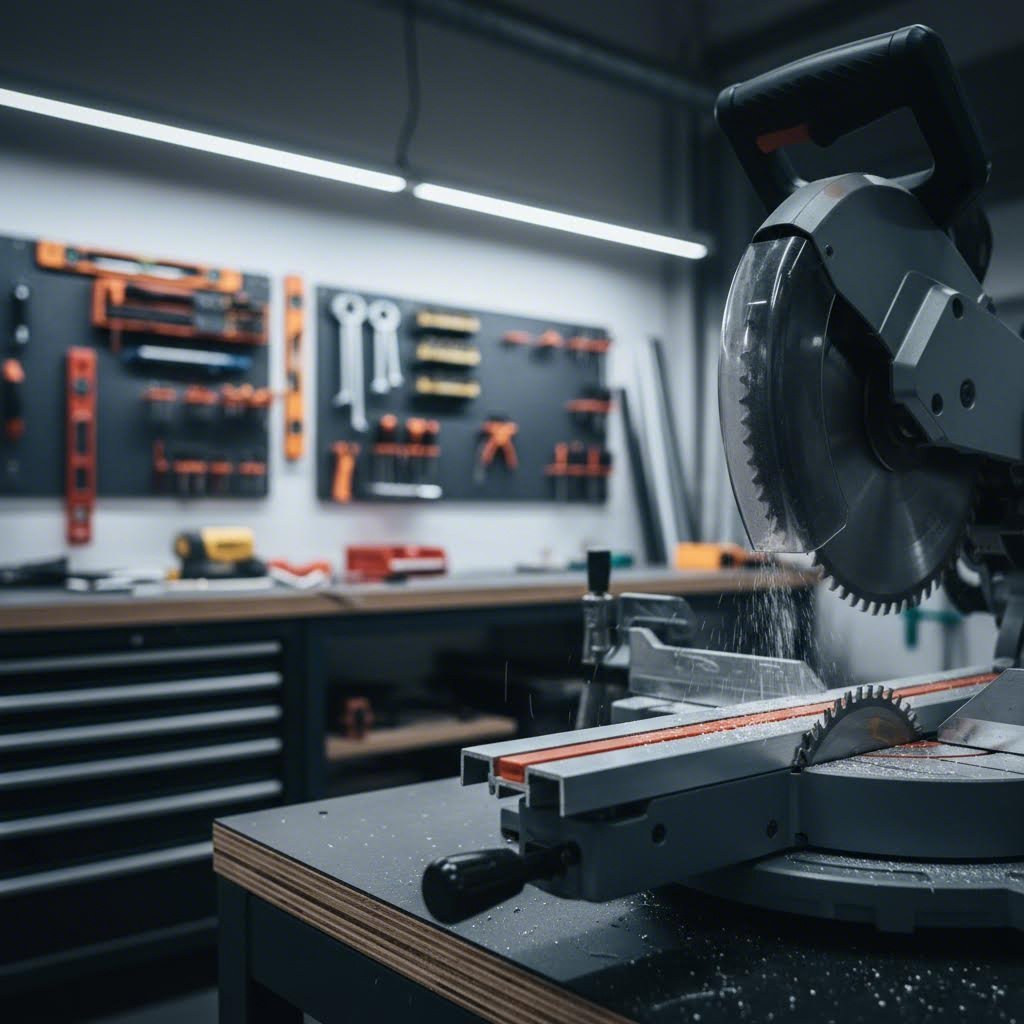
You've selected the perfect profile, chosen an ideal finish, and compared material options. Now comes the moment of truth—actually installing your aluminum trim. This is where many projects go sideways. Without proper technique, even premium aluminum c channel or decorative edge profiles can end up looking amateurish.
Whether you're a DIY homeowner tackling your first metal trim project or a contractor seeking to refine your approach, these installation methods will help you achieve clean, lasting results.
Precision cutting separates professional installations from disappointing ones. Unlike wood, aluminum doesn't forgive rough cuts—every imperfection remains visible, especially on brushed or polished finishes.
Choosing the Right Cutting Tool
Your tool selection depends on the volume of cuts and the precision required. According to Winsen Tile Trim, a miter saw is ideal for high-volume cutting and precise straight or angled cuts. Whether you're working on window frames, door trims, or other aluminum trim pieces, this tool provides an efficient cutting solution.
For best results, use carbide-tipped blades specifically designed for aluminum, with a tooth count between 80T and 120T. Higher tooth counts significantly reduce chipping and produce cleaner edges.
Miter Cuts vs Straight Cuts
The type of cut you need depends on the joint you're creating:
Step-by-Step Cutting Process
Dealing with Corners and Transitions
Corners present the biggest challenge for clean installations. Inside corners typically use butt joints where one piece terminates against another. Outside corners require precise 45-degree miter cuts on both pieces.
For sliding door track installations or long c channel runs, plan your joints carefully. Position seams in less visible locations, and ensure cut ends align perfectly before fastening. Even small gaps become noticeable once the installation is complete.
How you attach aluminum trim matters as much as how you cut it. The right fastening method depends on your substrate, the profile type, and whether aesthetics or durability takes priority.
Mechanical Fastening: Maximum Durability
According to Tread-Ware, mechanical fastening is the most durable and reliable way to install wall molding. This method is recommended for high-traffic areas, workshops, and any application where the trim may be subject to impact.
For aluminum specifically, screws are always superior to nails—they provide much greater clamping force and won't loosen over time. When installing sliding door tracks or door track systems that see daily use, mechanical fastening is non-negotiable.
Adhesive Bonding: Seamless Appearance
When you need a clean look with no visible hardware, adhesive installation delivers. As installation experts explain, adhesive bonding is ideal for a seamless look with no visible hardware—very effective for decorative wall molding trim in lower-traffic areas.
The secret is using the right adhesive. Construction adhesives designed for metal-to-substrate bonding work best. Avoid general-purpose adhesives that may not provide adequate long-term hold.
Hybrid Approach: Best of Both Worlds
According to Austin Hardware, adhesives and mechanical fasteners are often used together to enhance performance. Adhesives reduce vibration, seal out moisture, and bond surfaces, while mechanical fasteners provide clamping force and immediate handling strength.
This combination works exceptionally well for sliding door tracks and other high-use applications where both durability and weather-sealing matter.
Even experienced installers encounter these pitfalls. Knowing what to watch for helps you achieve professional results on the first attempt.
Be honest about your skill level. Simple applications—straight runs of edge trim, basic wall panel installations—are manageable for confident DIY homeowners with basic tools.
Consider professional installation for:
A proper installation takes patience. Rushing through cuts or forcing misaligned pieces creates problems that remain visible for years. Invest the time to measure carefully, cut precisely, and test-fit before committing.
With installation techniques mastered, the next consideration involves understanding what these projects actually cost—and how to budget effectively for aluminum trim across different scales and applications.
You've researched profiles, compared finishes, and mastered installation techniques. But one question remains unanswered across most industry resources: what should you actually expect to pay? Understanding aluminum trim pricing isn't about memorizing dollar amounts—it's about recognizing which factors drive costs up or down so you can make informed decisions for your specific project.
Let's break down what influences aluminum extrusion profiles pricing and how to budget effectively whether you're trimming a single bathroom or outfitting an entire commercial space.
Unlike commodities with fixed price tags, aluminum trim costs vary significantly based on multiple interconnected factors. According to CQ Aluminum, the price of aluminum profiles is subject to fluctuations in the international market, driven by supply and demand dynamics, energy costs, and manufacturing complexity.
Here are the primary cost drivers, ranked by their typical impact on your final price:
Standard vs Custom Extrusion Costs
This distinction deserves special attention. Standard aluminum extrusion profiles—U-channels, L-angles, aluminum square tube, and common flat bars—are manufactured in high volumes using existing dies. These readily available shapes offer the most cost-effective entry point.
Custom extrusions flip the equation. According to AngleLock, custom solutions come at a premium price point. But sometimes, the premium solution is so much better than the standard that it quickly pays for itself—and then some.
Custom die development typically represents a significant upfront investment. However, once created, that die can produce your unique profile efficiently for years. The cost-per-piece drops dramatically as order volume increases, eventually approaching standard profile pricing.
Smart budgeting for aluminum trim requires thinking beyond the purchase price. The real question isn't "what does it cost?" but rather "what value does it deliver over time?"
The Long-Term Value Proposition
Aluminum framing and trim typically costs more upfront than PVC alternatives—sometimes significantly more. But according to BNP Media's continuing education resources, while it may be true that the upfront cost of extruded aluminum trim products is higher than some alternatives, when you compare whole life cycle costs, extruded aluminum is a much greater value, as it requires less maintenance and will last far longer.
Consider this lifecycle perspective:
When Custom Profiles Justify the Investment
Not every project needs custom extrusions. Standard shapes handle most common applications perfectly well. But certain situations genuinely warrant the custom investment:
When Standard Shapes Suffice
For most residential projects and many commercial applications, standard aluminum extrusion profiles deliver excellent results at lower costs:
Before committing to custom extrusions, always explore standard profiles first. A skilled designer can often achieve excellent results by creatively combining readily available shapes.
Understanding these cost dynamics empowers you to budget realistically and make decisions that balance immediate expenses against long-term value. With budgeting fundamentals established, maintaining your investment properly ensures that value persists throughout the trim's extended lifespan.
Here's something competitors rarely mention: aluminum trim requires remarkably little attention to maintain its appearance for decades. Unlike wood that demands regular refinishing or painted surfaces needing periodic touch-ups, alu trim delivers lasting performance with minimal intervention. But "low maintenance" doesn't mean "no maintenance."
Understanding how to properly care for different finish types ensures your aluminum trims edge details and metal wall trim continue performing beautifully throughout their extended lifespan—which often exceeds the interior design trends that originally specified them.
The cleaning approach that works perfectly for anodized surfaces may not suit powder-coated finishes. Knowing the distinction prevents accidental damage while keeping your aluminium trim edge looking pristine.
Cleaning Anodized Aluminum Trim
According to Linetec, with a hardness comparable to a sapphire, anodized aluminum is extremely durable and one of the highest performance architectural finishes. Its hardness and durability ensure a long-lasting and low-maintenance surface.
For routine cleaning of anodized surfaces:
What to Avoid with Anodized Finishes:
Caring for Powder-Coated Aluminum
Powder coating creates a durable protective layer, but it requires slightly different care. According to JM Aluminium, routine cleaning is the first step towards keeping aluminum powder coating looking its best and lasting longest. Accumulation of dirt and dust over time can make the finish dull if not addressed.
For powder-coated surfaces:
What makes aluminum trim genuinely different from alternatives like aluminum rods, aluminum bars, or wood molding is its inherent material stability. The same properties that make aluminum valuable for aerospace and marine applications translate directly into interior longevity.
Inherent Advantages That Require No Maintenance:
Addressing Common Concerns
Even durable materials have vulnerabilities. Understanding potential issues helps you prevent problems before they develop:
Maintenance Do's and Don'ts
With minimal effort, your aluminum trim will retain its beauty and durability for years to come—often outlasting multiple interior redesigns while maintaining the same clean, professional appearance it had on day one.
This longevity makes aluminum trim not just a practical choice, but a sustainable one. When you're ready to source profiles that deliver this kind of lasting performance, selecting the right manufacturing partner becomes essential for ensuring quality, customization options, and technical support throughout your project.
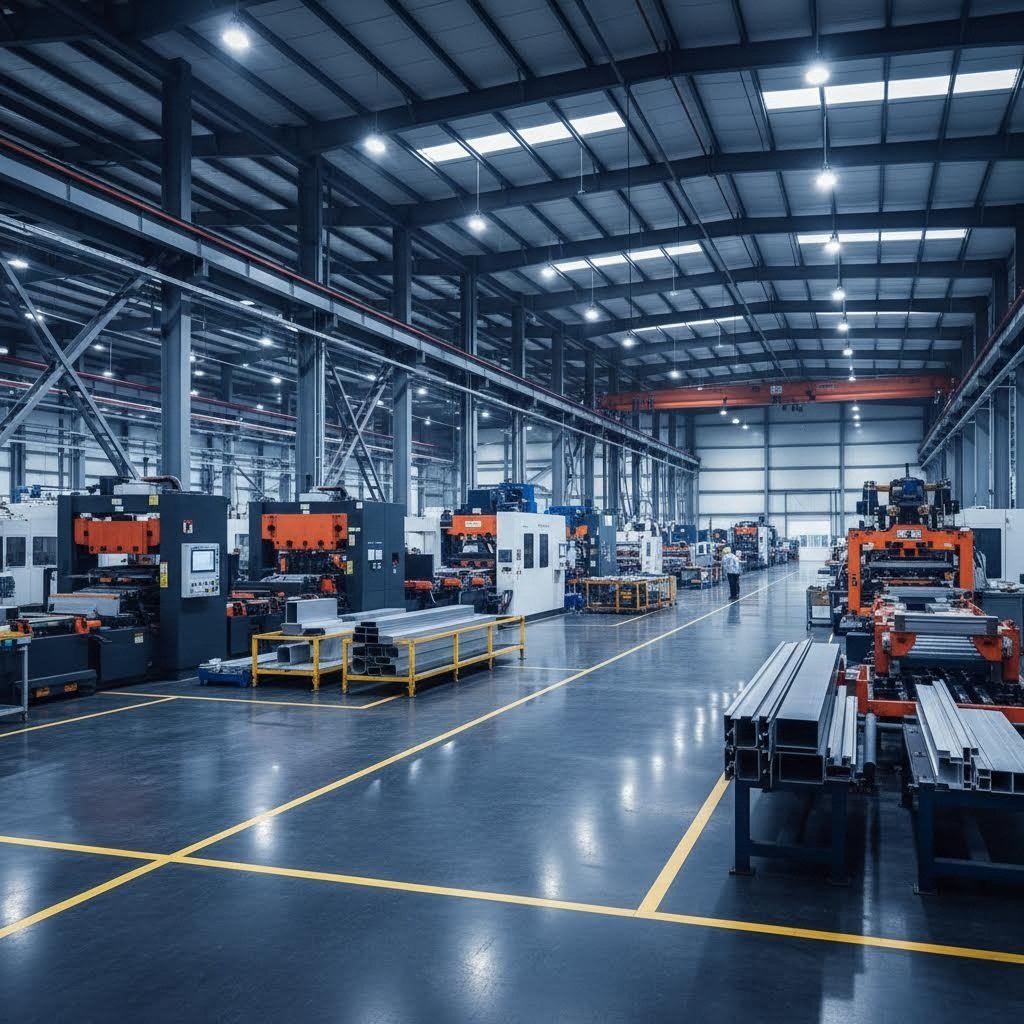
You've mastered profile selection, finish options, installation techniques, and maintenance requirements. Now comes the decision that ties everything together: choosing the right manufacturing partner for your aluminum trim profiles. The supplier you select directly impacts product quality, customization possibilities, lead times, and ultimately the success of your interior project.
Whether you need standard extruded aluminum trim for a straightforward renovation or custom aluminum trim engineered for a unique architectural vision, understanding how to evaluate suppliers separates successful projects from frustrating experiences.
Not all aluminium extrusion manufacturers offer the same capabilities. According to JM Aluminium, the manufacturer's capability, expertise, and practice are crucial in delivering high-quality extruded profiles, regardless of the complexity of a particular industry or custom-designed components.
What should you look for when evaluating potential suppliers?
Press Tonnage Range and Profile Complexity
The extrusion presses a manufacturer operates determine what profiles they can produce. Higher tonnage presses handle larger, more complex cross-sections—essential if your interior project requires intricate aluminum channel extrusions or substantial architectural profiles.
A manufacturer with a broad range of press tonnages offers flexibility. You won't need to change suppliers as your projects evolve from simple trim applications to more demanding aluminum extrusion trim requirements.
In-House Surface Treatment Options
According to industry analysis, product quality—including surface finish and dimensional accuracy—ranks among the top evaluation criteria for aluminum extrusion vendors.
Manufacturers with comprehensive in-house finishing capabilities deliver several advantages:
Quality Certifications and Standards
As industry experts emphasize, look for manufacturers who are ISO certified or have other relevant industry certifications. These certifications indicate that the company follows best practices and is committed to maintaining consistent product quality.
Relevant certifications to verify include:
Custom extruded aluminum trim profiles require a collaborative relationship with your supplier. The process extends far beyond placing an order—it involves technical partnership from initial concept through final delivery.
Technical Support From Die Development Through Production
According to Tri-State Aluminum, designers who are well-versed in extrusion technology produce the most successful designs. The best manufacturers provide engineering support that helps optimize your profiles for both performance and manufacturability.
Key technical support elements to expect:
What Factory-Direct Sourcing Offers
Working directly with manufacturers rather than distributors provides tangible advantages for interior trim projects:
Example: Comprehensive Manufacturing Capabilities
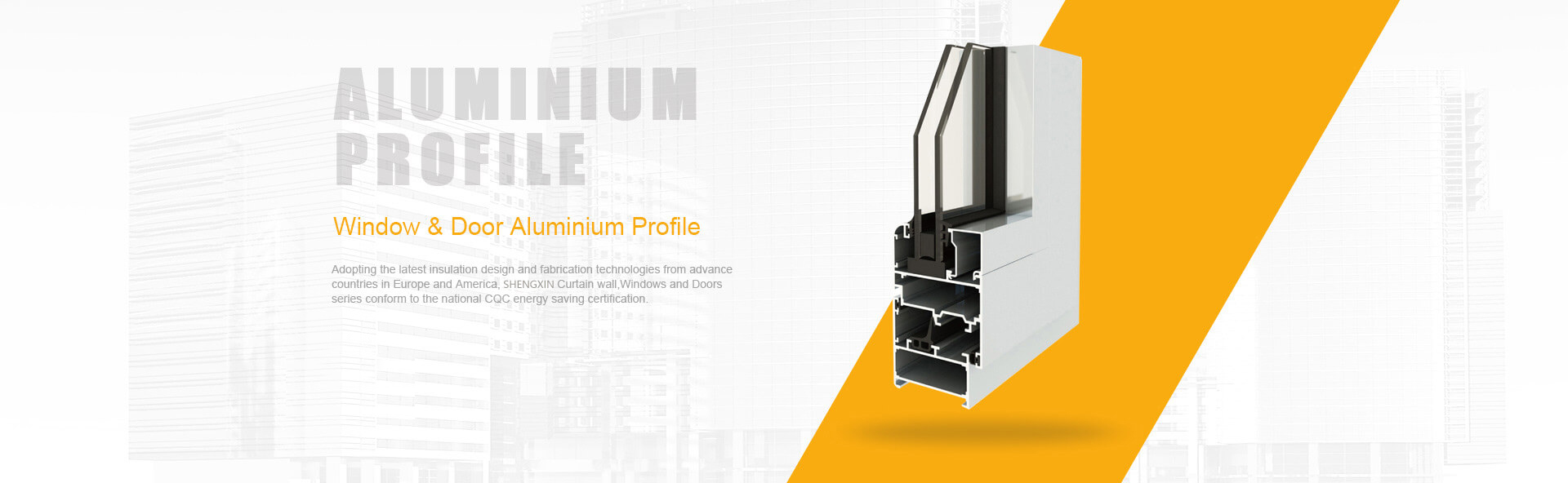
To illustrate what comprehensive capabilities look like in practice, consider manufacturers like Shengxin Aluminium. With over 30 years of experience and 35 extrusion presses ranging from 600T to 5500T, they demonstrate the kind of capacity serious interior projects require. Their in-house offerings—including CNC machining centers for precise cutting and drilling, extensive surface treatments like custom anodized colors and PVDF coating, plus end-to-end technical support from die development through mass production—represent the full-service approach that delivers consistent results.
This factory-direct model, with capabilities spanning simple extruded aluminum trim profiles to complex custom aluminum trim solutions, illustrates what to seek when evaluating potential manufacturing partners for your interior projects.
Questions to Ask Potential Suppliers
Before committing to a supplier for your aluminum trim profiles, gather information on these critical points:
The right manufacturing partner transforms your aluminum trim vision into reality. Invest time in supplier evaluation upfront—it pays dividends throughout your project and in every future collaboration.
With the guidance covered throughout this article—from profile selection and finish options through installation techniques, cost planning, and supplier evaluation—you're equipped to specify, source, and install aluminum trim extrusions that deliver lasting performance and refined aesthetics for any interior application.
The most common aluminum trim profiles for interiors include U-channels for edge protection and panel mounting, J-channels for transitions and terminations, L-angles for corner protection, and flat bars for decorative accents. Each profile serves specific functions—U-channels secure glass panels and manage cables, J-channels create clean wall panel terminations, and L-angles protect high-traffic corners from impact damage.
Anodized finishes chemically enhance aluminum's natural oxide layer, creating exceptional wear resistance while maintaining a metallic luster in colors like champagne, bronze, and rose gold. Powder coating applies a dry powder cured in an oven, offering unlimited color options and texture variety. Anodizing excels in high-traffic and moisture-prone areas, while powder coating provides greater design flexibility at moderate cost.
Professional aluminum trim installation requires precision cutting with carbide-tipped blades designed for aluminum, pre-drilling holes to prevent cracking, and choosing appropriate fastening methods. For high-traffic areas, mechanical fastening with screws provides maximum durability. For seamless appearances, construction adhesives designed for metal bonding work well. Always allow small expansion gaps at termination points to prevent buckling from temperature changes.
Aluminum trim offers superior moisture resistance, dimensional stability, and durability compared to wood, which can warp and require regular refinishing. Unlike PVC, aluminum handles temperature extremes without becoming brittle or softening. While aluminum costs more upfront than PVC, its zero-maintenance longevity often delivers better lifecycle value. Wood remains preferable for traditional aesthetics in dry, climate-controlled environments.
Key cost factors include raw aluminum market prices, profile complexity (intricate designs require expensive custom dies), surface treatment type (anodizing typically costs more than powder coating), order quantity (larger orders reduce per-unit costs), and dimensional tolerances. Standard profiles from existing dies cost significantly less than custom extrusions, though custom dies become cost-effective for high-volume projects requiring unique specifications.



 Servicio en línea
 0086 136 3563 2360
 sales@sxalu.com
 +86 136 3563 2360
 español
 English
 français
 Deutsch
 русский
 português
 العربية
 ไทย
ไทย Việt
Việt Українська