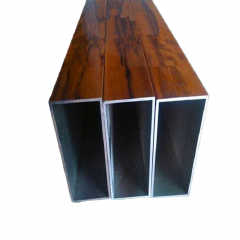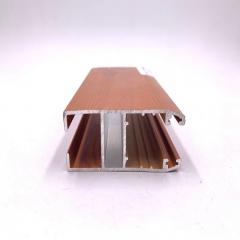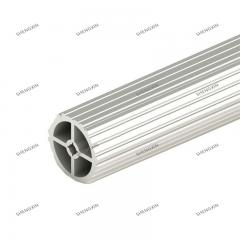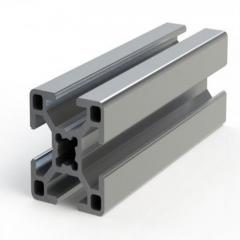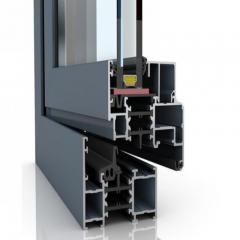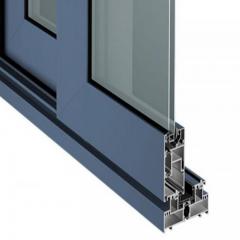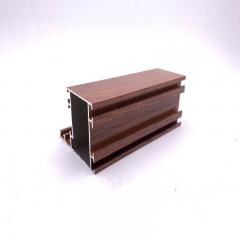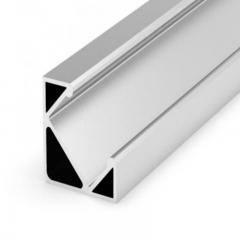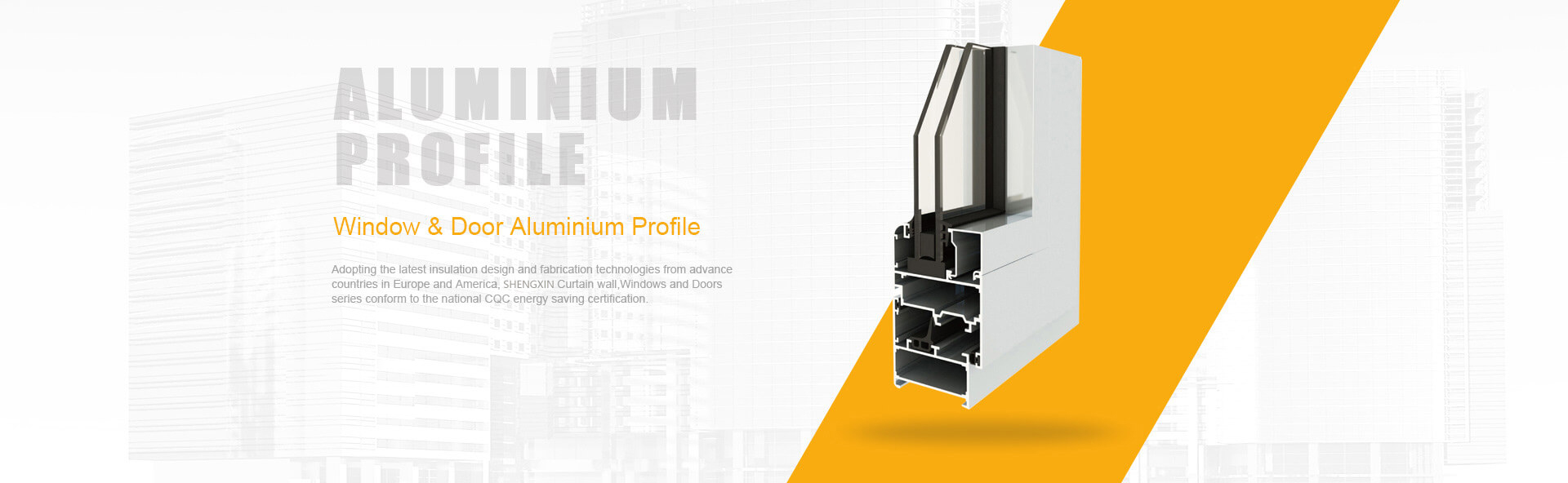
When you hear the term "large aluminum extrusion," what dimensions come to mind? The answer varies surprisingly across the industry, creating confusion for engineers and procurement professionals seeking these specialized profiles. Understanding exactly what separates standard extrusions from their larger counterparts is essential before embarking on any major project.
So what are aluminum extrusions considered "large" in technical terms? The industry generally classifies large aluminum extrusions as profiles with a circumscribing circle diameter (CCD) exceeding 10 inches. This measurement refers to the smallest circle that can completely enclose the cross-section of the extruded profile. According to industry tolerance standards, profiles with CCDs of 10 inches and above require different tolerance specifications than their smaller counterparts, reflecting the distinct manufacturing challenges involved.
Most common aluminium extrusion profiles fall within a CCD of 1 to 10 inches, where production is most economical and widely available. However, specialized extruders can produce profiles with CCDs reaching 24 inches or even larger, though these require high-tonnage presses and considerable expertise. The distinction matters because tolerances, manufacturing processes, and supplier capabilities change dramatically once you cross into large profile territory.
Beyond the circumscribing circle diameter, several other dimensional characteristics determine whether an aluminum extrusion qualifies as "large." Consider these key factors when evaluating your project requirements:
Why does this classification matter for your project? The answer lies in supplier selection and realistic expectations. According to Aluminum Extruders Council guidelines, press availability decreases significantly as profile sizes increase. While numerous facilities handle profiles under 10 inches CCD, far fewer possess the high-tonnage presses necessary for truly large aluminum extrusions. Understanding where your design falls on this spectrum helps you identify qualified suppliers, anticipate lead times, and budget appropriately from the start.
For engineers specifying extruded aluminum components, recognizing these thresholds early in the design phase prevents costly surprises. A profile that barely crosses into "large" territory may require an entirely different supplier network than one just below the threshold, potentially affecting both cost and timeline significantly.
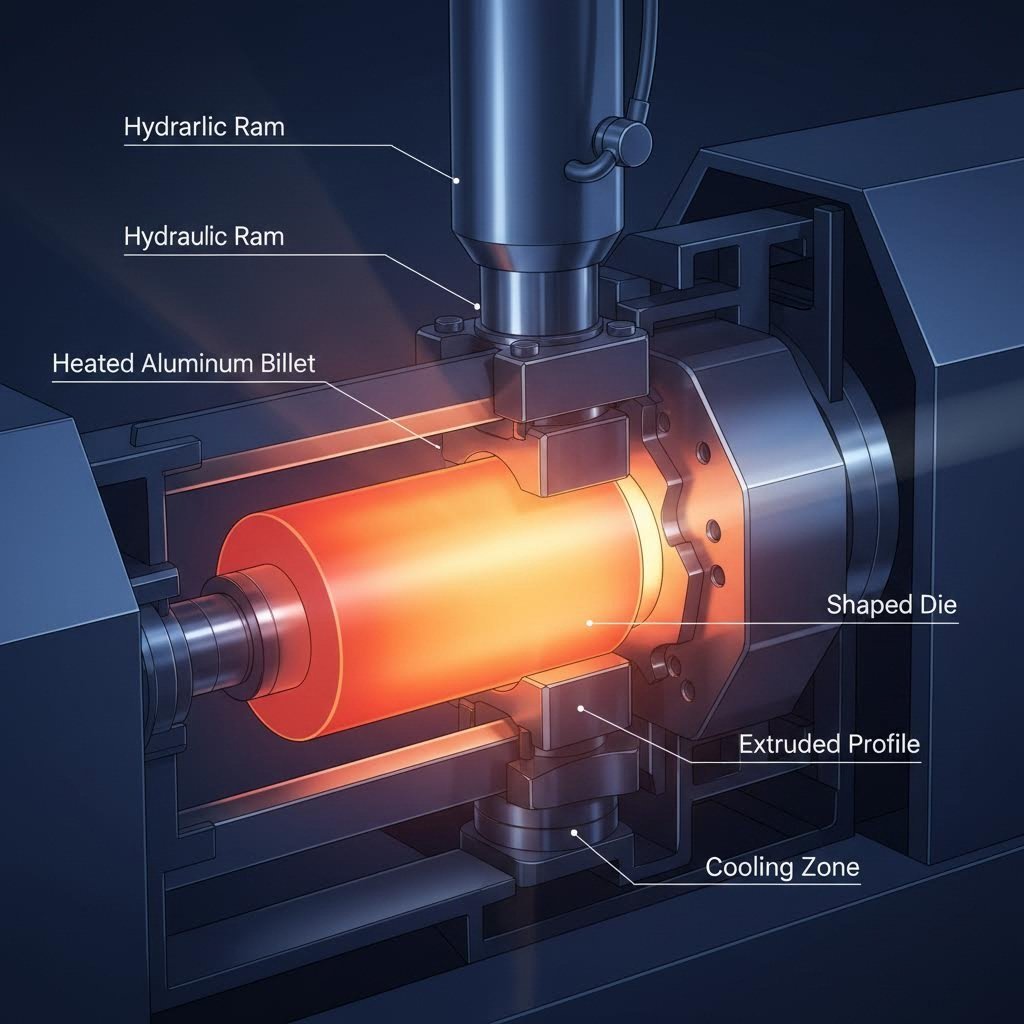
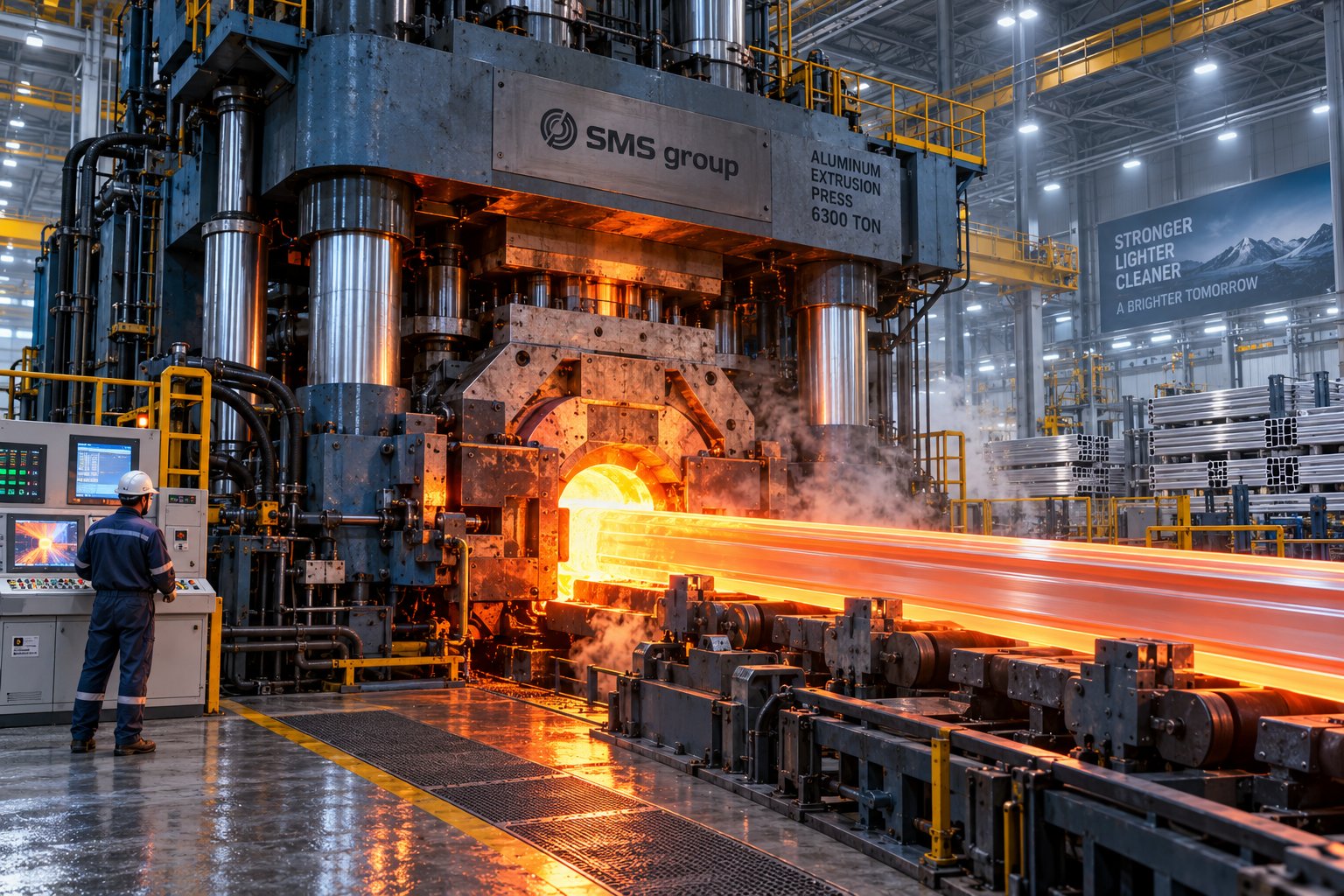
Imagine squeezing toothpaste from a tube—that simple action captures the basic principle behind aluminum profile extrusion. Pressure applied at one end forces material through a shaped opening, creating a continuous profile. Now scale that concept to industrial proportions, add thousands of tons of hydraulic force, and you'll begin to appreciate what it takes to produce large aluminum extrusions.
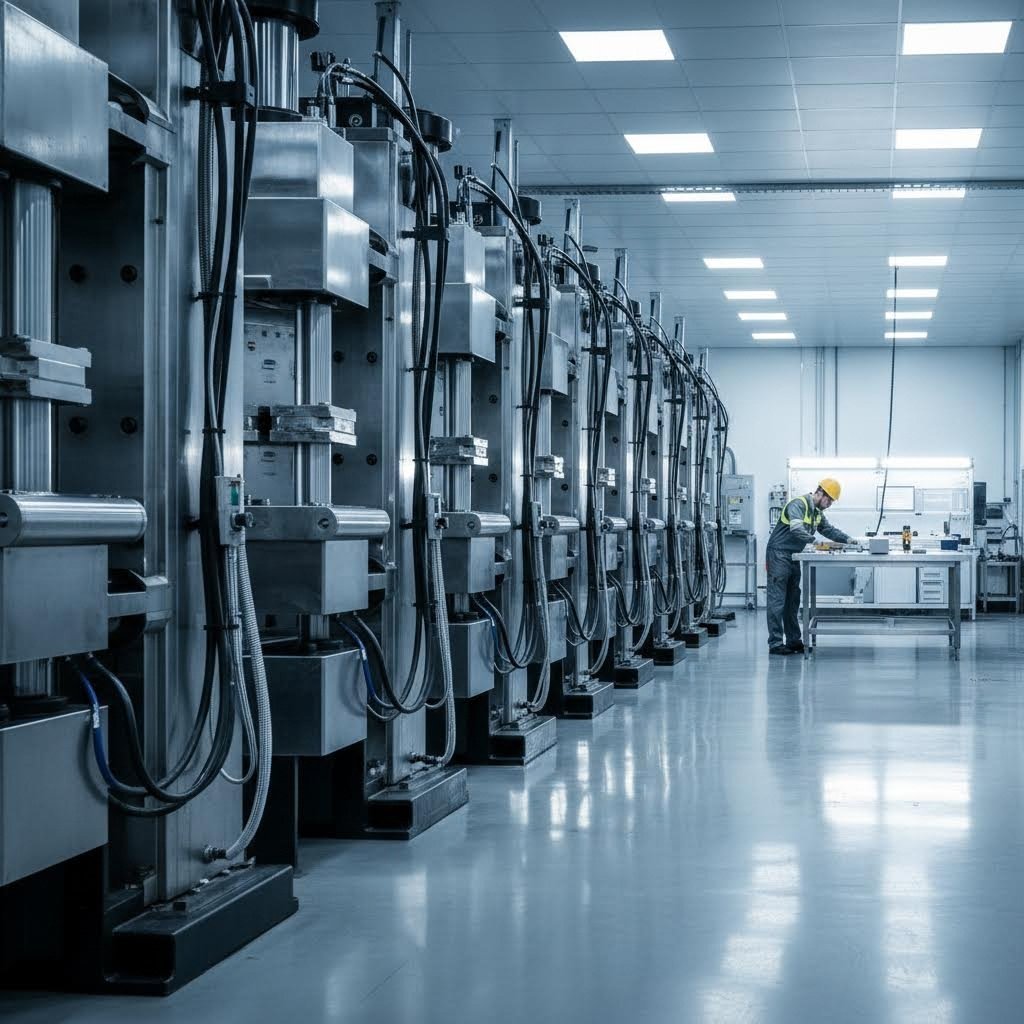
What separates large extrusion manufacturing from standard production? The answer starts with press tonnage. While conventional aluminum extrusions use presses in the 880 to 2200 ton range—capable of handling billets up to approximately 8 inches in diameter—large profiles demand significantly more force. Manufacturing truly large aluminum extrusion profiles requires presses typically ranging from 3000 tons to 5500 tons or higher.
Why does tonnage matter so much? The amount of force directly dictates the maximum profile size the press can produce. Larger cross-sectional areas require exponentially greater pressure to push heated aluminum alloy extrusion material through the die opening. Additionally, maintaining dimensional accuracy becomes increasingly challenging as profile size grows. Higher tonnage allows the press to maintain consistent pressure throughout the extrusion stroke, reducing variations that could compromise tolerances.
The container—that hollow chamber holding the aluminum billet—must also scale appropriately. Larger presses feature containers with greater inside diameters, accommodating the bigger billets needed to produce substantial profiles. This relationship between billet size, container capacity, and press tonnage forms the foundation of large extrusion capability.
Understanding the complete manufacturing sequence helps you appreciate why extruding aluminum at large scales requires such specialized equipment and expertise. Here's how the process unfolds:
The challenges multiply with large profiles. Maintaining dimensional accuracy across substantial cross-sections requires exceptional die engineering. Wall thickness variations, corner radii consistency, and overall flatness all become harder to control as size increases. Cooling rates differ between thick and thin sections of the same profile, potentially causing distortion if not managed properly.
Temperature uniformity throughout the billet also grows more critical at larger scales. Any inconsistency translates directly into variations in material flow, potentially creating surface defects or dimensional deviations. This is why experienced operators and sophisticated process controls distinguish capable large extrusion manufacturers from those merely possessing high-tonnage equipment.

Where do those massive extruded aluminum profiles actually end up? The answer spans some of the most demanding sectors in modern industry. From high-speed trains racing across continents to gleaming skyscraper facades that define city skylines, large aluminum extrusions serve as the structural backbone for applications where performance truly matters.
Picture a modern commuter train gliding into a station. Much of what you're seeing—the body panels, floor sections, and structural framework—consists of large aluminum extrusion profiles. The transportation sector has embraced these industrial aluminum profiles for compelling reasons: they dramatically reduce vehicle weight while maintaining exceptional strength.
In rail applications specifically, structural aluminium extrusions form the primary building blocks for passenger car bodies. Train manufacturers rely on wide, hollow profiles to create floor sections that span the full width of rail cars. These extruded aluminum profiles incorporate integrated mounting points for seats, handrails, and HVAC systems—eliminating the need for secondary attachment hardware.
The automotive and commercial vehicle industries follow similar logic. Electric vehicle manufacturers increasingly turn to large extrusions for battery enclosures, where aluminum's strength-to-weight ratio directly translates into extended driving range. According to industry sources, aluminum extrusion is critical for reducing vehicle weight, improving fuel efficiency, and enhancing overall performance across automotive, aerospace, and shipping applications.
Aerospace represents another frontier where every ounce matters. Aircraft fuselage sections, wing spars, and structural stringers frequently utilize large aluminum extrusion technology. The ability to create complex, integrated shapes in a single extrusion reduces assembly time, joint count, and overall weight—all critical factors at 30,000 feet.
Walk through any modern city center and you'll encounter architectural aluminum extrusions at every turn. Those floor-to-ceiling glass facades adorning commercial buildings? They're supported by sophisticated curtain wall systems built from large aluminum profiles. These systems must resist wind loads, accommodate thermal expansion, and maintain weathertight seals across spans that can exceed 15 feet between structural supports.
Curtain walls and window walls represent major application categories for large profiles. As architectural specialists note, aluminum's design flexibility allows for the extrusion of complex shapes crucial for intricate window and curtain wall systems. Extruded aluminum panels form the visible framing elements, while concealed structural members handle the heavy lifting behind the scenes.
Bridge construction has also embraced large extrusions for pedestrian walkways, railing systems, and even primary structural components in smaller spans. The combination of corrosion resistance and high strength makes aluminum plate and extruded sections ideal for infrastructure exposed to weather and de-icing chemicals.
Beyond facades, stadium seating structures, transit platform canopies, and atrium skylight systems all leverage large aluminum profiles. The construction sector values aluminum's durability in outdoor environments and its ability to span significant distances without intermediate supports—reducing visual clutter while simplifying installation.
Saltwater environments present some of the harshest conditions any material can face. Yet marine applications represent a growing market for large aluminum extrusions precisely because aluminum alloys resist corrosion far better than steel in these settings.
Shipbuilders utilize large extruded profiles for hull structures, deck components, and superstructure framing. According to marine aluminum specialists, extruded aluminum is a popular choice for marine projects due to its lightweight properties, high strength, and excellent corrosion resistance. Applications range from commercial ferries and ships to small boats, large barges, and floating docks.
Aluminum tubing and structural profiles form the skeleton of vessel superstructures, where weight above the waterline directly affects stability. Large profiles enable designers to create rigid frameworks using fewer individual pieces, reducing weld counts and potential failure points. The marine sector also relies on specialized alloys like 5083, 5086, and 6082 that offer enhanced resistance to seawater corrosion.
Industrial equipment manufacturers face different but equally demanding requirements. Mining equipment, agricultural machinery, and manufacturing automation systems all incorporate large aluminum extrusions for frames, guards, and structural housings. These industrial aluminum profiles must withstand vibration, impact loads, and sometimes harsh chemical environments—all while remaining light enough for practical handling and installation.
| Industry Sector | Typical Profile Types | Key Performance Requirements |
|---|---|---|
| Rail Transportation | Wide hollow sections, floor panels, body side profiles | High strength-to-weight ratio, fatigue resistance, crash energy absorption |
| Automotive/EV | Battery enclosures, crash rails, structural frames | Weight reduction, dimensional precision, weldability |
| Aerospace | Fuselage stringers, wing spars, floor beams | Tight tolerances, high strength, fatigue life |
| Architectural/Curtain Walls | Mullions, transoms, pressure plates, extruded aluminum panels | Weather resistance, thermal performance, aesthetic finish quality |
| Bridge/Infrastructure | Deck panels, railing systems, support beams | Corrosion resistance, load capacity, long service life |
| Marine/Shipbuilding | Hull framing, deck sections, superstructure profiles, aluminum tubing | Seawater corrosion resistance, weldability, weight savings |
| Industrial Equipment | Machine frames, guards, housings, structural supports | Vibration resistance, dimensional stability, machinability |
Each sector brings unique demands that shape profile design, alloy selection, and finishing requirements. Yet they share a common thread: the need for substantial, precisely manufactured extrusions that deliver reliable performance over extended service lives. Understanding which industry category your project falls into helps clarify the specifications and supplier capabilities you'll need to consider.
You've identified your application and selected large aluminum extrusion as the solution. Now comes the critical phase that separates successful projects from costly redesigns: nailing down the design specifications. When working with aluminum extrusion shapes at larger scales, every design decision carries amplified consequences. Wall thickness inconsistencies that barely matter in small profiles can cause significant warping in large ones. Tolerance assumptions that work for standard aluminum extrusions may prove completely unrealistic at greater dimensions.
Getting these details right from the start saves you time, money, and frustration. Let's walk through the essential design parameters that demand your attention.
Imagine hot aluminum flowing through a die opening—it naturally wants to follow the path of least resistance. When wall thicknesses vary dramatically across a profile's cross-section, material flows faster through thicker areas and slower through thinner ones. The result? Distortion, internal stresses, and dimensional headaches that compound as profile size increases.
For large aluminum extrusion dimensions, maintaining consistent wall thickness becomes paramount. According to Profile Precision Extrusions, large variations in thickness can cause cooling inconsistencies, lead to warping, and increase costs. As a practical guideline, keep walls as uniform as possible throughout the cross-section. When thickness must vary—and functional requirements sometimes demand it—design smooth transitions rather than abrupt changes to maintain proper material flow.
The choice between hollow and solid profiles also affects manufacturability significantly. Hollow sections require more complex dies with internal mandrels, increasing tooling costs. However, they offer superior strength-to-weight ratios for structural applications. Solid profiles simplify die construction but may require more material to achieve equivalent stiffness.
Corner radii present another critical consideration. Sharp internal corners create stress concentrations and make die fabrication more difficult. For large extruded aluminum shapes, generous corner radii—typically 1/16 inch minimum for internal corners—improve both die life and profile quality. External corners can be sharper but still benefit from slight radii to prevent chipping and improve surface finish.
When reviewing an extruded aluminum shapes catalog for design inspiration, pay attention to these key design parameters:
Here's where many engineers encounter unexpected challenges. Tolerances that seem reasonable on paper may prove impossible—or prohibitively expensive—to achieve at large scales. The physics of extrusion simply don't scale linearly. Larger profiles experience greater thermal gradients during cooling, more potential for handling-induced distortion, and increased cumulative variation across their dimensions.
Standard tolerance specifications follow industry guidelines that account for profile size. As circumscribing circle diameter increases, allowable dimensional variation increases proportionally. A tolerance of ±0.010 inches that's easily achievable on a 2-inch profile may become ±0.030 inches or more for a 12-inch profile.
When addressing dimensioning and tolerancing for your large aluminum extrusion project, consider these practical realities:
The key insight? Specify only the tolerances your application truly requires. Industry experts advise that overly tight tolerances may sound like a quality advantage, but they could lead to higher costs and longer production times. Work backward from your functional requirements—what dimensional variations can your assembly actually accommodate?
Not all aluminum extrusion shapes perform equally. The alloy you specify directly impacts strength, corrosion resistance, machinability, surface finish quality, and even extrudability. For large profiles, alloy selection becomes even more consequential because larger cross-sections amplify any property limitations.
The 6000-series alloys dominate aluminum extrusion applications, with 6063 and 6061 representing the most common choices. Understanding their differences helps you match material properties to your specific needs:
6063 Aluminum: Often called the "architectural alloy," 6063 offers excellent extrudability and produces superior surface finishes. It's the go-to choice when appearance matters—anodized or powder-coated profiles in 6063 achieve smooth, consistent surfaces. Mechanical properties are moderate, with typical tensile strengths around 27,000 psi in T5 temper and 33,000 psi in T6 temper. Choose 6063 for curtain walls, decorative trim, and applications where visual quality takes priority over maximum strength.
6061 Aluminum: When structural performance matters most, 6061 delivers. This alloy offers significantly higher strength—approximately 42,000 psi tensile in T6 temper—along with excellent corrosion resistance and good weldability. The tradeoff? 6061 is harder to extrude and produces slightly rougher surface finishes. It's ideal for structural frames, transportation components, and load-bearing applications.
6005A Aluminum: Positioned between 6063 and 6061, this alloy offers a balanced combination of strength and extrudability. It's particularly popular in rail car construction and structural applications where both properties matter.
Beyond the base alloy, temper designation affects final properties significantly. Common tempers for large extrusions include:
According to alloy selection guidance, factors beyond strength also warrant consideration: weldability requirements, machinability needs, corrosion resistance in your operating environment, and compatibility with planned surface treatments. Complex geometries and thin walls favor alloys like 6063 that flow more easily through dies, while thick-walled structural sections can take advantage of 6061's superior mechanical properties.
Making these design decisions early—and getting them right—sets the foundation for everything that follows. Your choices regarding wall thickness, tolerances, and alloy selection ripple through surface finishing options, secondary processing requirements, and ultimately, project success.
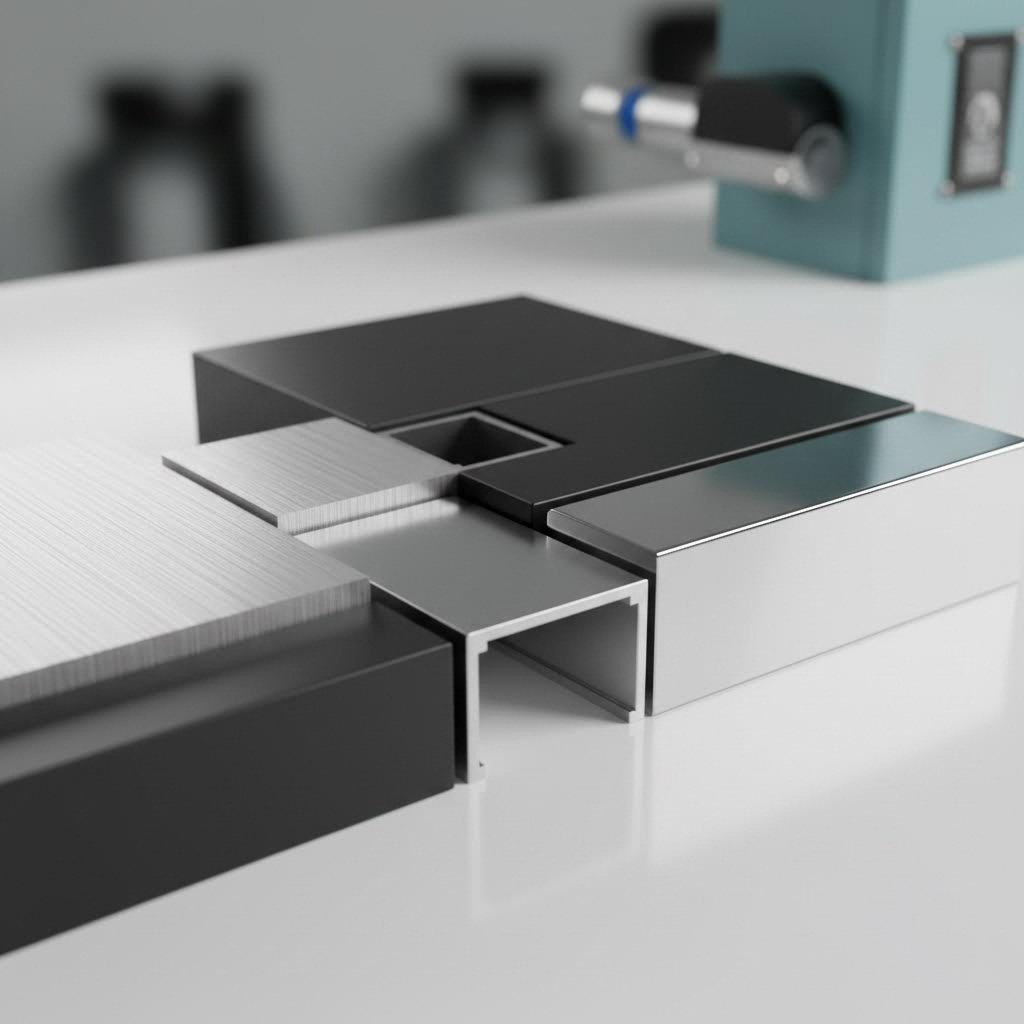
Your large aluminum extrusion has emerged from the press, been stretched straight, and cut to length. But here's the thing—it's not ready for your application yet. The raw mill finish, while clean and functional, rarely meets the aesthetic or performance requirements of demanding projects. This is where surface finishing and secondary processing transform a basic profile into a finished component ready for installation.
Think of surface treatment as armor for your aluminum. Without it, even the most precisely extruded profile remains vulnerable to environmental attack, handling damage, and visual inconsistency. The finish you select affects not just appearance but long-term durability, maintenance requirements, and total cost of ownership. For large extruded aluminum sections, these decisions carry even greater weight because of the substantial surface areas involved.
Choosing the right surface treatment for your aluminum extrusion parts starts with understanding what each option delivers—and where it falls short. The four primary finishing categories each address different performance priorities.
Anodizing creates a protective aluminum oxide layer through an electrochemical process. Unlike coatings that sit on top of the metal, anodizing actually transforms the surface layer into an integral part of the profile. According to finishing specialists, the lifetime of the finish is proportional to the thickness of the anodic coating applied. Class I anodizing (0.7 mils thick) delivers twice the durability of Class II (0.4 mils) for exterior applications.
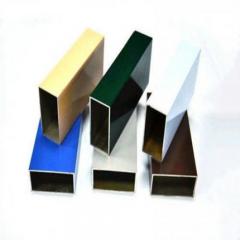
What makes anodizing particularly attractive for large profiles? Its exceptional abrasion resistance and the ability to be "renewed" through cleaning. When an anodized surface appears to have failed, proper cleaning often restores its original appearance—something painted surfaces simply cannot match. Custom colors including champagne, bronze, and black are achievable through dyeing processes, though the color range is more limited than paint options.
Powder Coating offers the widest color selection and excellent durability without the environmental concerns of liquid paints. As coating analysts note, powder coating is a dry finishing process that emits minimal volatile organic compounds (VOCs), making it a more environmentally friendly option. The coating produces thicker, more uniform layers than traditional paints, reducing corrosion risk.
For large aluminium extrusion parts, powder coating provides comprehensive coverage even on complex shapes. The ability to recycle overspray reduces waste and material costs. However, be aware that powder coatings can exhibit "orange peel" texture, and the coating may appear slightly textured rather than perfectly smooth.
PVDF Coatings (polyvinylidene fluoride) represent the premium choice for exterior architectural applications. These fluoropolymer coatings—marketed under names like Kynar 500 and Hylar 5000—deliver exceptional UV resistance and color retention over decades of exposure. AAMA 2605 specification requires actual ten-year exposure testing in South Florida, providing real-world performance validation.
PVDF dominates the curtain wall and metal roofing markets because it passes stringent weathering tests in the widest variety of colors. The typical formulation uses 70% PVDF resin with 30% acrylic, achieving an optimal balance of durability and application properties. For aluminum extrusion square profiles and other architectural elements requiring long-term color stability, PVDF remains the benchmark.
Micro-arc Oxidation (MAO), also called plasma electrolytic oxidation, creates an extremely hard ceramic-like coating through high-voltage plasma discharge. This specialized treatment produces surfaces significantly harder than standard anodizing, with superior wear and corrosion resistance. While more expensive than conventional treatments, MAO excels in demanding industrial applications where extruded aluminum parts face severe abrasion or chemical exposure.
| Treatment Type | Key Benefits | Durability Rating | Typical Applications |
|---|---|---|---|
| Anodizing (Class I) | Excellent abrasion resistance, renewable surface, integral to metal | 20+ years exterior | Storefronts, handrails, door frames, aluminum square tube components |
| Powder Coating | Wide color range, environmentally friendly, thick uniform coverage | 10-15 years exterior | Industrial equipment, furniture, interior architectural elements |
| PVDF (Kynar/Hylar) | Superior UV resistance, color retention, meets AAMA 2605 | 20-30 years exterior | Curtain walls, metal roofing, exterior facades |
| Micro-arc Oxidation | Extreme hardness, wear resistance, thermal stability | 15-25 years (application dependent) | High-wear industrial parts, marine components, aerospace |
Surface finishing addresses appearance and protection. But what about the holes, slots, notches, and precise cuts your application requires? Secondary processing transforms standard aluminium extrusion parts into installation-ready components, eliminating field fabrication and ensuring consistent quality.
CNC Cutting delivers precise length cuts with tight tolerances. For large profiles, this means accurate end preparation without the burrs and dimensional variation of manual sawing. Modern CNC systems handle complex miter cuts, compound angles, and cope cuts that would be extremely difficult to achieve on-site.
Drilling and Tapping creates mounting holes and threaded connections exactly where needed. CNC-controlled drilling ensures hole patterns remain consistent across hundreds or thousands of pieces—critical when extruded aluminum sections must align with mating components. Tapped holes accept fasteners directly, eliminating nuts and simplifying assembly.
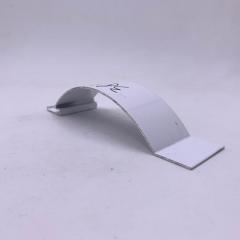
Bending and Forming reshapes straight extrusions into curved elements. While not all profiles can be bent successfully, many aluminum extrusion square and rectangular sections accommodate controlled bending for applications like curved handrails or radiused frames. The key lies in selecting appropriate alloys and tempers that won't crack during forming.
Welding Preparation ensures clean, properly prepared surfaces for joining operations. This includes edge beveling for full-penetration welds, surface cleaning to remove oxide layers, and dimensional verification to ensure proper fit-up. Proper preparation significantly affects weld quality and structural integrity.
For projects requiring comprehensive capabilities, manufacturers with integrated facilities offer significant advantages. Shengxin Aluminium, for example, combines 35 extrusion presses ranging from 600T to 5500T with state-of-the-art CNC machining centers for cutting, drilling, and bending. Their surface treatment options span anodizing in custom colors like champagne and rose gold, powder coating, PVDF, and micro-arc oxidation—providing end-to-end support from die development through finished parts.
The integration of extrusion and secondary processing under one roof offers practical benefits beyond convenience. Quality control maintains continuity throughout production. Dimensional data from extrusion informs machining setups automatically. And single-source responsibility eliminates finger-pointing when issues arise.
When specifying secondary operations, provide clear drawings with complete dimensioning and tolerancing information. Identify critical features that require tighter tolerances versus those with more flexibility. And remember that operations performed on extruded aluminum parts before surface treatment may need masking during finishing—adding process steps and cost. Planning the complete sequence from extrusion through finishing helps optimize both quality and economics.
You've finalized your design, selected the alloy, and specified the surface treatment. Now comes the question that often catches project managers off guard: how long will this actually take, and what will it really cost? For large aluminum extrusion projects, the answers involve more variables than you might expect—and understanding them upfront prevents budget surprises and schedule derailments.
Unlike standard profiles where you might pull from existing inventory, custom aluminum extrusions require dedicated tooling, specialized press scheduling, and often extended processing sequences. The scale of large profiles amplifies each of these factors, making realistic planning essential from day one.
When planning your project timeline, think of it as three distinct phases stacked end-to-end. Each phase carries its own duration drivers, and large profiles extend nearly all of them.
Tooling Lead Time: Before any aluminum moves through a press, you need a die. According to industry sources, die creation typically requires 2 to 4 weeks for standard profiles. For large custom extrusion aluminum projects, expect this to stretch further—complex geometries, hollow sections, and tight tolerances all demand additional engineering and machining time. Dies for profiles exceeding 12-inch circumscribing circle diameters may require 4 to 6 weeks or more.
Extrusion Lead Time: Once tooling arrives, your order enters the production queue. The die must first undergo trial runs to verify the extrusion matches print specifications and meets industry standards. As production specialists explain, adjustments and die corrections are common—achieving required tolerances rarely happens on the first attempt. Large profiles require high-tonnage presses with limited availability, potentially extending queue times compared to standard extrusions.
Fabrication Lead Time: Many orders don't end at the extrusion press. Anodizing, powder coating, CNC machining, drilling, and cutting to length all add days or weeks depending on order complexity and size. For custom aluminium extrusions requiring multiple secondary operations, this phase can actually exceed the extrusion time itself.
Pricing custom extruded aluminum involves far more than material weight. Understanding the complete cost structure helps you make informed decisions—and identify opportunities for savings.
Raw Material Cost: Aluminum billet pricing represents the largest single component, typically accounting for 60-75% or more of total cost for many profiles. Large profiles consume proportionally more material, making commodity price fluctuations particularly impactful. Your alloy selection matters too—6061 typically costs more than 6063 due to alloying element differences.
Die and Tooling Investment: Here's where volume dramatically affects per-piece economics. A die costing $2,000 to $5,000 (or more for large, complex profiles) represents a fixed investment spread across your order quantity. As pricing analysts note, if you produce 20,000 kg through a $2,000 die, tooling adds just $0.10/kg. Produce only 2,000 kg, and that same die adds $1.00/kg—a tenfold difference.
Processing Complexity: Hollow profiles require more complex dies than solid shapes. Multiple cavities, tight tolerances, and unusual geometries all increase both tooling cost and extrusion difficulty. Large profiles push press capacity limits, potentially requiring slower extrusion speeds that reduce output rates.
Minimum Order Quantities: Large extrusions typically carry higher MOQs than standard profiles. According to industry guidelines, typical minimums run around 1,000 lbs, though some suppliers accommodate orders as low as 500 lbs. For large profiles, the combination of die investment, press setup costs, and quality verification overhead makes very small runs economically impractical for both buyer and supplier.
The takeaway? Plan your volumes strategically. Consolidating orders, designing for standard tolerances where possible, and selecting suppliers with appropriate press capacity all contribute to better economics. When quotes seem high, request a cost breakdown—understanding which factors drive pricing helps you identify realistic optimization opportunities.
Even with careful planning and qualified suppliers, large aluminum extrusion projects encounter challenges that can derail timelines and budgets. The good news? Most problems are predictable—and preventable. Understanding what can go wrong, and why, puts you in a position to catch issues early or avoid them entirely.
When you're working with extrusion profiles at larger scales, the margin for error shrinks while the consequences of defects grow. A slight warp that barely matters in a small profile becomes a major assembly problem when you're dealing with 20-foot lengths. Let's walk through the most common challenges and practical strategies to keep your project on track.
Picture a freshly extruded aluminum profile emerging from the die at nearly 900°F. As it travels down the runout table and begins cooling, thermal stresses build unevenly across the cross-section. Thicker areas retain heat longer than thin walls. The result? Bowing, twisting, or warping that turns a straight profile into something resembling a banana.
According to extrusion specialists, warping occurs when profiles cool unevenly or stretch inconsistently. For large profiles, these effects amplify significantly because greater mass means longer cooling times and more opportunity for differential shrinkage.
Prevention starts with supplier selection—facilities experienced with large extruded aluminum profile production understand these risks and engineer their processes accordingly. During receiving inspection, check straightness against specification before accepting delivery. Early detection prevents costly rework downstream.
Surface quality matters whether your profiles will be visible in a finished application or hidden within an assembly. Defects compromise both aesthetics and, in some cases, structural integrity. For large extrusion aluminum orders, surface issues become particularly frustrating because the material investment is substantial.
Several common defects plague aluminum extrude operations:
When specifying aluminum extrusion bars or square aluminum extrusion profiles for visible applications, communicate surface quality requirements clearly. Request sample sections before production runs to verify finish quality meets expectations. For critical applications, specify inspection criteria and acceptance standards in your purchase agreement.
Dimensional accuracy across long lengths presents one of the greatest challenges in large profile production. A tolerance that seems tight but achievable at one cross-section may prove impossible to hold consistently over a 40-foot length. Understanding what causes variation helps you set realistic expectations and catch problems early.
As technical analysts explain, dimensional defects affect the shape and size of extruded products, leading to issues with fit and function in intended applications. Common causes include:
Quality verification should occur at multiple stages. Request first-article inspection reports before full production begins. For critical dimensions, specify in-process inspection frequency. Upon delivery, verify dimensions on a statistical sample before accepting the complete shipment.
Proper storage at your facility also matters. Store extrusion profiles flat on level surfaces with adequate support spacing. Protect from temperature extremes that could induce thermal stress. Keep profiles covered to prevent contamination that could affect subsequent finishing operations.
By anticipating these challenges and implementing preventive measures, you transform potential project disasters into manageable quality control checkpoints. The next critical decision—selecting the right supplier—determines whether you'll have a partner capable of meeting these quality demands consistently.
You've navigated design specifications, understood manufacturing processes, and anticipated potential challenges. Now comes the decision that ties everything together: choosing the right partner to bring your large aluminum extrusion project to life. This isn't simply about finding someone with a big enough press—it's about identifying a supplier whose capabilities, quality systems, and technical expertise align with your project's specific demands.
Think of supplier selection as building a strategic partnership rather than placing a commodity order. For large aluminium extrusions, the stakes run higher than standard profiles. Fewer manufacturers possess the specialized equipment required, making your choice simultaneously more critical and more constrained. The right partner delivers on specifications, meets deadlines, and solves problems before they escalate. The wrong one? Missed deliveries, dimensional issues, and costly project delays.
When sourcing large profiles, start with the fundamental question: does this supplier actually have the equipment to produce what you need? According to industry specialists, evaluating a supplier's production scale and technical capability is essential—can they produce large profiles, tight-tolerance micro-profiles, or high-volume runs without delays?
Press tonnage forms the foundation of large extrusion capability. For custom extruded aluminum profiles exceeding 10-inch circumscribing circle diameters, you'll need suppliers operating presses in the 3000T to 5500T range or higher. But tonnage alone doesn't tell the complete story. Consider these additional capability factors:
Beyond extrusion, examine secondary processing capabilities. As supplier evaluation experts note, full-service suppliers deliver in-house surface finishing, CNC machining, cutting-to-length, and even welding—reducing coordination costs and improving turnaround times. For bespoke aluminium extrusion projects requiring multiple operations, integrated facilities eliminate handoffs between vendors and the quality risks they introduce.
Manufacturers like Shengxin Aluminium exemplify this integrated approach, housing 35 extrusion presses ranging from 600T to 5500T alongside CNC machining centers and comprehensive surface treatment options. With over 30 years of industry experience, such established manufacturers provide reliable partnership for complex large extrusion projects—from initial die development through mass production and finishing.
Knowing what to ask separates informed buyers from those who discover capability gaps after problems emerge. When evaluating aluminum extrusion suppliers, dig beyond surface-level marketing claims with targeted questions:
On Quality Systems: What certifications does the facility hold? According to quality control specialists, ISO 9001 certification demonstrates commitment to consistent quality and customer satisfaction. For aerospace or automotive applications, look for IATF 16949 or AS9100 certifications that verify more stringent process controls.
On Technical Support: Will engineers review your design for manufacturability before tooling begins? The best aluminum profile manufacturers offer early-stage technical support—tolerance advice, extrusion optimization, and CAD file consultation—that improves your final product while reducing costly tooling revisions.
On Capacity and Reliability: How do they handle demand fluctuations or unexpected order increases? Suppliers with multiple extrusion lines and diversified material sources prove more resilient when your project needs change or market conditions shift.
Use this structured checklist when evaluating potential suppliers for your custom aluminum extrusion profiles:
Before committing to production orders, request physical samples to validate extrusion precision, surface finish, and material consistency. As sourcing specialists recommend, ask for quality certificates, audit reports, or production videos to verify claims. If possible, conduct a factory visit or virtual walkthrough to assess machinery, cleanliness, and workflow organization firsthand.
Factory-direct relationships offer particular value for custom projects. Working directly with manufacturers—rather than through distributors or brokers—provides clearer communication channels, faster response to technical questions, and often more competitive pricing. When you need modifications mid-project or encounter unexpected challenges, direct access to engineering and production teams proves invaluable.
Selecting the right supplier isn't just about finding someone who can make your parts. It's about identifying a partner invested in your project's success—one with the technical capability, quality systems, and collaborative approach to deliver large aluminium extrusions that meet your specifications consistently, order after order.
Large aluminum extrusions are typically defined as profiles with a circumscribing circle diameter (CCD) exceeding 10-12 inches. Other qualifying factors include cross-sectional areas over 20-25 square inches, weights exceeding 3-10 pounds per linear foot, and wall thicknesses ranging from 0.125 inches to over 1 inch. These thresholds matter because they require high-tonnage presses (3000T-5500T or higher) and specialized manufacturing expertise that fewer suppliers possess.
Large aluminum extrusions serve critical applications across transportation (rail car bodies, EV battery enclosures, aerospace components), architecture (curtain walls, building facades, structural framing), marine (ship hulls, deck components, superstructures), and industrial equipment (machine frames, guards, structural housings). Each sector values aluminum's high strength-to-weight ratio, corrosion resistance, and design flexibility for spanning significant distances without intermediate supports.
Lead times vary significantly based on project complexity. Simple projects using existing dies with mill finish typically require 2-4 weeks. Custom die development with standard finishing takes 6-10 weeks. Large complex profiles requiring multiple secondary operations may need 10-16 weeks or more. First-time custom large extrusions should allow 12-20 weeks for complete development through delivery, including die trials and adjustments.
Four primary surface treatments are available: anodizing (Class I or II) for excellent abrasion resistance and renewable surfaces; powder coating offering wide color selection with minimal VOCs; PVDF coatings (Kynar/Hylar) providing superior UV resistance for 20-30 year exterior performance; and micro-arc oxidation creating extremely hard ceramic-like coatings for demanding industrial applications. Manufacturers like Shengxin Aluminium offer comprehensive options including custom anodizing colors and specialized treatments.
Evaluate suppliers based on press tonnage capacity (3000T-5500T+ for large profiles), maximum achievable CCD, quality certifications (ISO 9001, IATF 16949, AS9100), in-house capabilities for die design and secondary processing, and technical support availability. Request references from similar projects, physical samples, and factory tours when possible. Integrated manufacturers offering end-to-end services from die development through surface finishing reduce coordination costs and quality risks.



 Servicio en línea
 0086 136 3563 2360
 sales@sxalu.com
 +86 136 3563 2360
 español
 English
 français
 Deutsch
 русский
 português
 العربية
 ไทย
 Việt
 Українська