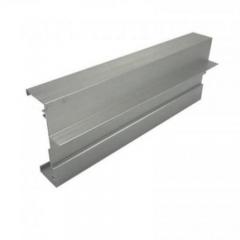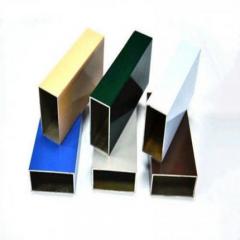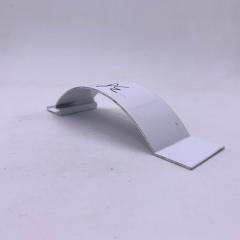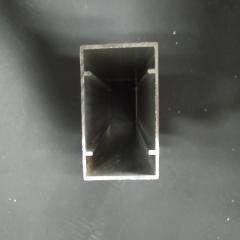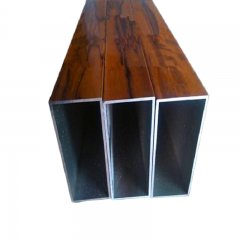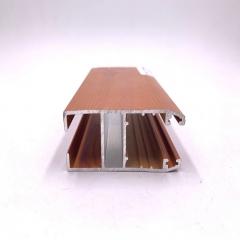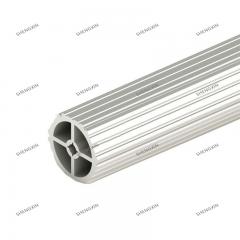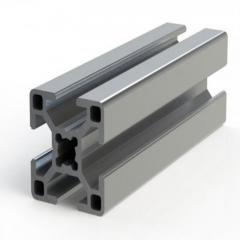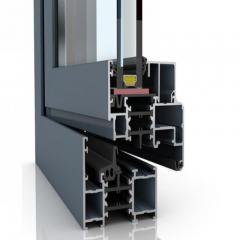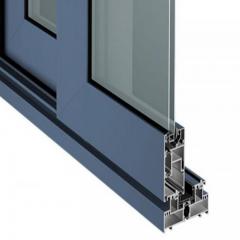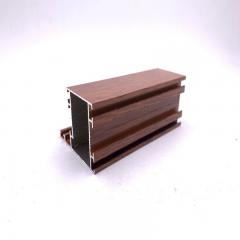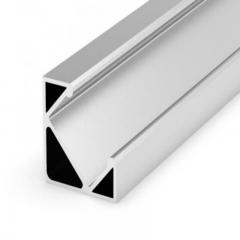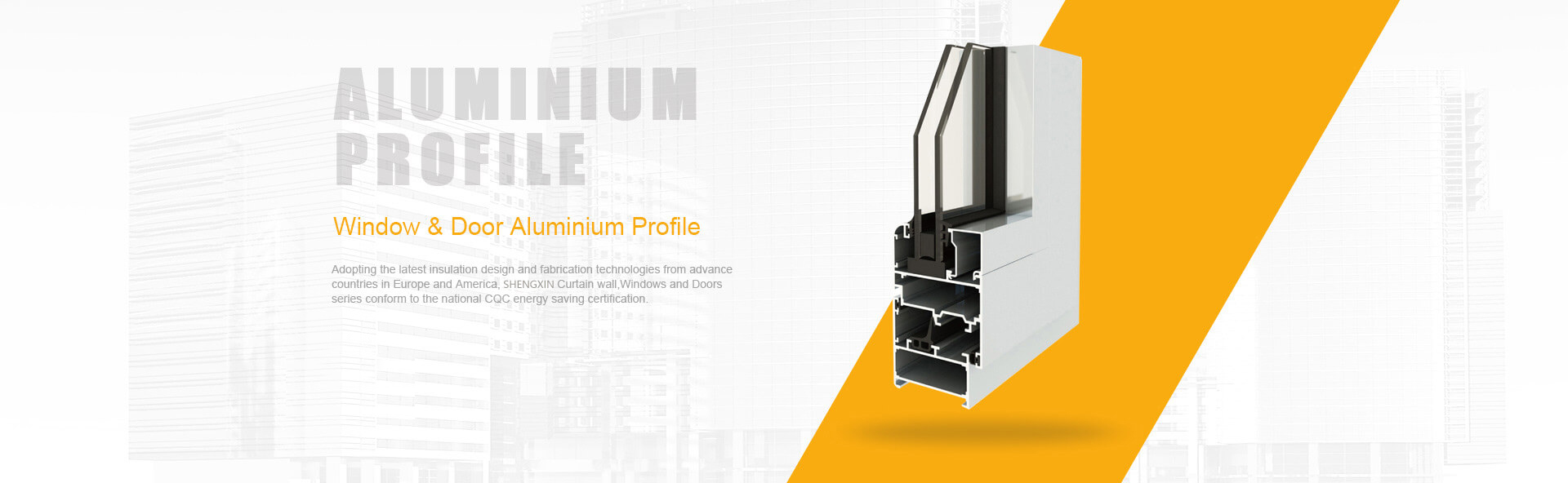
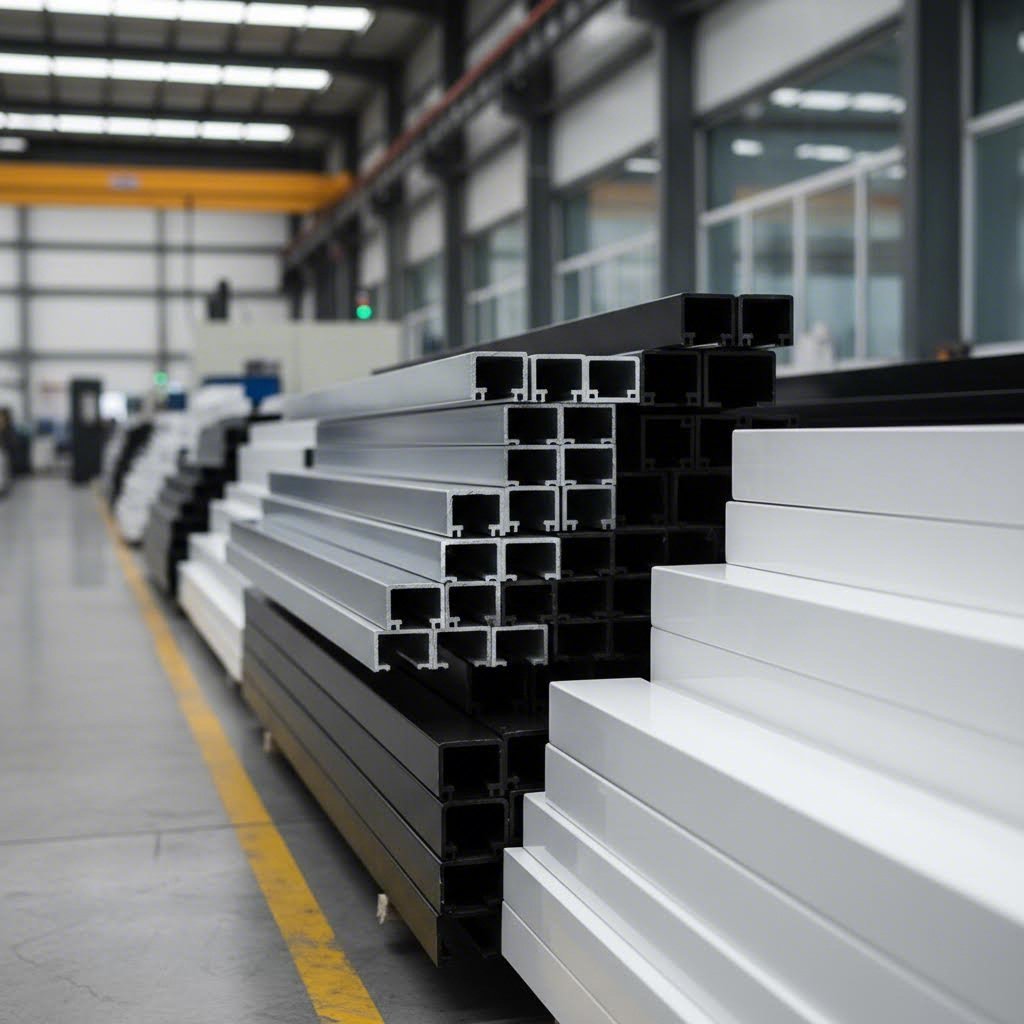
Can you powder coat aluminum? Absolutely. In fact, aluminum extrusions are among the most suitable substrates for this advanced finishing technique. The material's natural conductivity and corrosion-resistant surface create ideal conditions for powder adhesion, resulting in finishes that outperform many traditional coating methods.
Powder coating is a dry finishing process where powdered resin is electrostatically applied to a conductive surface and cured under heat, forming a durable, uniform film without volatile organic compounds (VOCs).
Unlike sheet aluminum or cast components, extruded aluminum presents unique finishing challenges. These profiles often feature complex cross-sections, hollow chambers, and varying wall thicknesses that demand specialized coating approaches. Understanding these distinctions is essential for achieving flawless results on your powder coated aluminum products.
Aluminum extrusions possess characteristics that make them particularly well-suited for powder coating applications. Their electrically conductive surfaces allow charged powder particles to adhere uniformly, even across intricate profile geometries. This compatibility extends to curved extrusions, enclosed shapes, and detailed architectural profiles.
The aluminum powder coating process delivers several advantages over alternative finishes:
According to industry data from Ya Ji Aluminum, properly applied powder coatings on aluminum can last 15 to 25 years depending on environmental exposure, with some protected installations exceeding 30 years.
Imagine tiny powder particles being drawn to aluminum like magnets to metal. That's essentially what happens during electrostatic application. The powder coating gun imparts a positive electrical charge to the powder particles, while the aluminum extrusion remains grounded or negatively charged. This charge differential causes particles to wrap around profiles and adhere to surfaces they cannot even "see" directly.
The process follows a precise sequence: powder flows from an air-fluidized hopper through the spray gun, where it receives its electrostatic charge. Skilled operators control the gun's distance from the surface, powder flow rate, and application pattern to achieve even coverage across complex extrusion geometries.
Once applied, the coated profile enters a curing oven heated to approximately 180 to 200 degrees Celsius. Here, the powder particles melt into a liquid state, fuse together, and cross-link to form a continuous, homogenous film. This curing stage typically lasts 10 to 20 minutes, though exact parameters depend on powder formulation and part dimensions.
This guide serves as your comprehensive technical resource for powder coating aluminum extrusions. Whether you're specifying finishes for architectural projects, evaluating coating partners, or troubleshooting quality issues, the following chapters bridge fundamental concepts with the industry-insider knowledge you need for consistently flawless results.
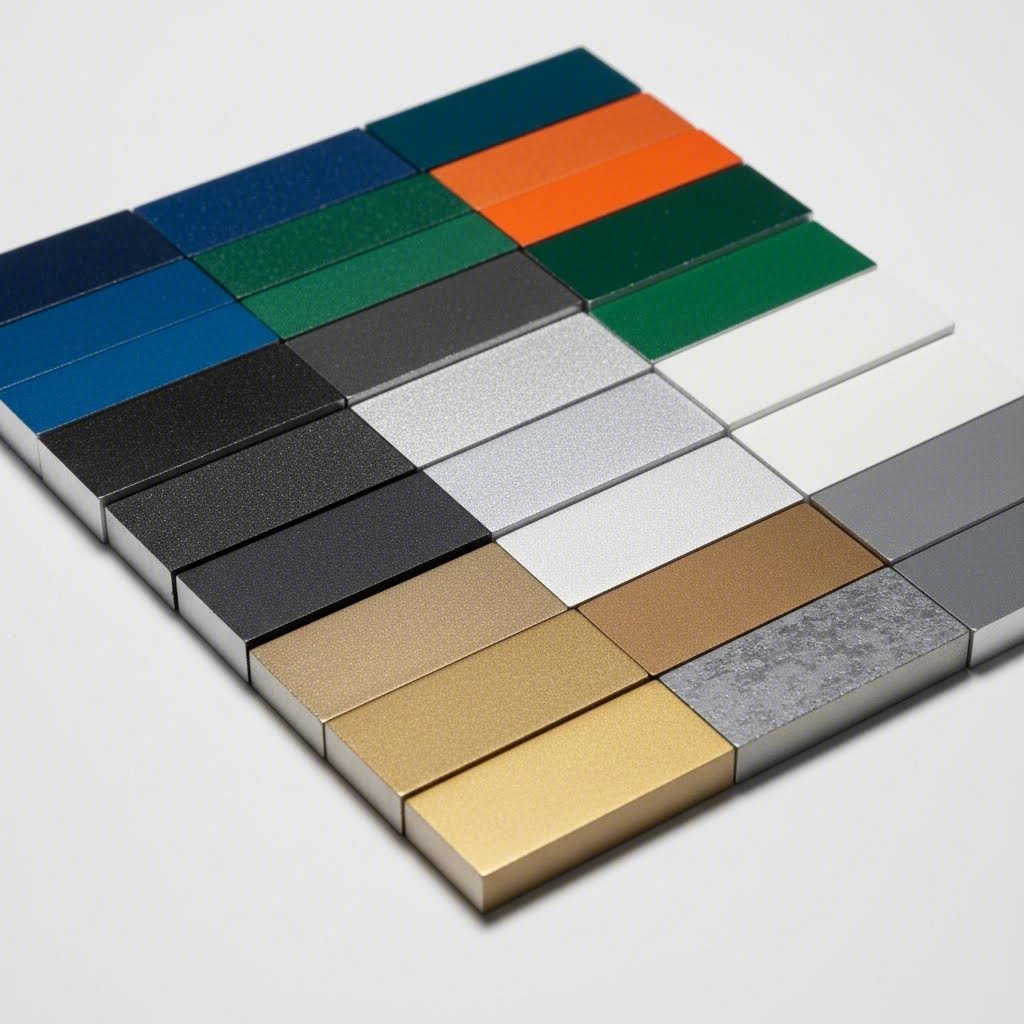
Selecting the right coatings for aluminum extrusions goes far beyond picking a color. The chemistry behind your powder coating determines everything from UV stability to chemical resistance. Think of it this way: you wouldn't use the same paint on outdoor architectural facades as you would on indoor electrical enclosures. Each environment demands specific performance characteristics that only certain powder formulations can deliver.
Four primary powder coating chemistries dominate the aluminum extrusion market: polyester, epoxy, hybrid polyester-epoxy, and fluoropolymer. Each brings distinct advantages and limitations to your finishing project. Understanding these differences helps you match coating performance to your application requirements, avoiding costly specification errors.
When evaluating coatings on aluminum for extrusion projects, the polyester versus epoxy decision often comes first. These two chemistries represent opposite ends of the performance spectrum, each excelling where the other falls short.
Polyester powder coatings have earned their reputation as the workhorse of outdoor applications. Their molecular structure provides exceptional resistance to UV degradation, meaning colors stay vibrant and surfaces remain intact even after years of direct sunlight exposure. According to Keystone Koating, polyester's weather resistance makes it common on products like fencing that face constant outdoor exposure. Another advantage? Polyester cures at lower temperatures than many alternatives, making it suitable for heat-sensitive aluminum profiles.
However, polyester coatings offer less chemical resistance compared to other options. They work beautifully on window frames, curtain walls, and outdoor furniture, but may not survive exposure to solvents or harsh cleaning agents.
Epoxy powder coatings flip this equation entirely. As Powder Coating Services notes, epoxies deliver advanced hardness and impressive resistance to chemicals and corrosion. Their dense molecular structure creates a barrier that shrugs off solvents, acids, and industrial contaminants. For electrical enclosures, laboratory equipment, and industrial machinery, epoxy remains the go-to choice.
The catch? Epoxy coatings are limited to indoor use. Exposure to UV rays causes fading, chalking, and surface-level degradation that can compromise both appearance and protection within months of outdoor installation.
What if your aluminum extrusion project needs both chemical resistance and some outdoor durability? Hybrid polyester-epoxy coatings offer a middle ground. These formulations combine epoxy's toughness with polyester's weather tolerance, creating a balanced performance profile suitable for semi-protected environments.
Hybrid coatings appear frequently on office furniture, general industrial equipment, and interior architectural elements that may receive occasional UV exposure through windows. They're more forgiving than pure epoxy in mixed-environment installations, though they won't match the long-term outdoor performance of dedicated polyester systems.
For demanding outdoor environments where standard polyester falls short, super durable polyester formulations step in. These enhanced coatings retain the vibrant color options and UV resistance of traditional polyesters while offering improved resistance to harsh weather conditions. Building facades and outdoor signage in extreme climates often specify super durable polyester, though the enhanced performance comes at a higher cost.
Fluoropolymer powder coating represents the premium tier of coatings aluminum extrusions can receive. These advanced formulations deliver exceptional weather resistance and chemical inertness that standard coatings simply cannot match. When you need a finish that will look pristine after decades of exposure, fluoropolymer chemistry delivers.
Two common fluoropolymer types dominate the market: PVDF (polyvinylidene fluoride) and FEVE (fluoroethylene vinyl ether). Both provide outstanding gloss and color retention, resisting the chalking and fading that eventually affects even quality polyester coatings. Their effectiveness at resisting damage from solvents and acids makes them suitable for industrial environments where chemical exposure is unavoidable.
Fluoropolymer coatings justify their premium cost in several scenarios:
The higher performance level of fluoropolymer coatings means they generally come at a higher cost, as noted by industry specialists. However, when lifecycle costs and maintenance requirements are factored in, the investment often proves worthwhile for long-term installations.
The following table provides a comprehensive comparison of powder coating chemistries for aluminum extrusion applications, helping you match the right formulation to your project requirements:
| Chemistry Type | Best Applications | UV Resistance | Chemical Resistance | Relative Cost | Recommended Use Cases for Aluminum Extrusions |
|---|---|---|---|---|---|
| Polyester | Outdoor architectural, fencing, garden furniture | Excellent | Moderate | Low to Moderate | Window frames, curtain walls, outdoor railings, facade panels |
| Super Durable Polyester | Extreme outdoor environments, building facades | Superior | Moderate | Moderate to High | High-rise curtain walls, coastal installations, signage |
| Epoxy | Indoor industrial, electrical enclosures | Poor | Excellent | Low to Moderate | Electrical housings, laboratory equipment, interior industrial profiles |
| Hybrid Polyester-Epoxy | Office furniture, general industrial | Good | Good | Moderate | Interior architectural trim, office partitions, display systems |
| Fluoropolymer (PVDF/FEVE) | Premium architectural, harsh industrial | Outstanding | Outstanding | High | Landmark buildings, coastal architecture, chemical processing facilities |
When selecting coatings for aluminum projects, consider the full picture: environmental exposure, expected service life, aesthetic requirements, and budget constraints. A skilled coating partner will help you navigate these variables, but understanding the fundamental chemistry differences puts you in a stronger position to specify the right solution from the start. With your powder chemistry selected, the next critical factor is understanding how the application process itself affects final coating quality.
Wondering how to powder coat aluminum extrusions properly? The process involves far more than simply spraying powder and heating. Each stage builds upon the previous one, and cutting corners at any point compromises the entire finish. Whether you're evaluating a coating partner or troubleshooting quality issues, understanding these technical parameters gives you the knowledge to demand excellence.
Can aluminium be powder coated successfully every time? Yes, but only when operators follow precise protocols designed specifically for this substrate. Aluminum's unique thermal properties and surface chemistry require adjustments that steel finishing operations don't need. Here's the complete sequential process with the specifications that matter:
If there's one factor that separates excellent powder coated aluminum from mediocre results, it's pre-treatment quality. According to Keystone Koating, their thorough aluminum pretreatment process includes eight distinct stages to ensure optimal adhesion and finish durability.
The conversion coating step deserves particular attention. Traditional chromate conversion coatings have long been the industry standard, providing exceptional corrosion resistance and powder adhesion. However, environmental regulations increasingly restrict hexavalent chromium, pushing manufacturers toward chrome-free alternatives.
Modern chrome-free pretreatments use zirconium, titanium, or silane-based chemistries that meet or exceed traditional chromate performance. For architectural applications meeting AAMA specifications, both chrome and chrome-free systems are now accepted, with the specification requiring a minimum of 40 mg/sq. ft. for chrome systems under AAMA 2605 standards.
Why does pre-treatment matter so much for aluminum? Unlike steel, aluminum forms a natural oxide layer within seconds of exposure to air. This oxide must be removed and replaced with a controlled conversion coating that bonds chemically to both the aluminum substrate and the incoming powder. Skip this step, and you're essentially applying powder to a surface that will eventually delaminate.
Here's where powder coat aluminum projects get technically interesting. Aluminum conducts heat approximately five times faster than steel. This means extrusion profiles heat up quickly, but they also present unique challenges based on their geometry.
Most aluminum powder coats cure at 325-400 degrees Fahrenheit (163-204°C) for 10-25 minutes. However, coating professionals calculate exact parameters based on several factors:
The goal is achieving "metal temperature" rather than simply running parts through an oven for a set time. Metal temperature refers to the actual substrate temperature, not the oven air temperature. For proper curing, the aluminum itself must reach and maintain the specified temperature for the full cure duration.
Coating thickness also plays a critical role in process success. Standard powder coating on aluminum extrusions ranges from 60-120 microns (2.4-4.7 mils) for most applications. AAMA specifications define minimum dry film thickness requirements: 0.80 mils for AAMA 2603, and 1.20 mils minimum for AAMA 2604 and 2605 standards.
What happens if curing goes wrong? Under-cured coatings remain soft and scratch easily, while over-cured finishes become brittle and may yellow or lose gloss. Both conditions lead to premature failure in service. Proper quality control includes cure testing to verify complete powder cross-linking before parts leave the facility.
Understanding these process parameters helps you evaluate whether a coating partner has the technical capability to powdercoat aluminum extrusions correctly. The next consideration is how powder coating compares against alternative finishing methods for your specific application requirements.
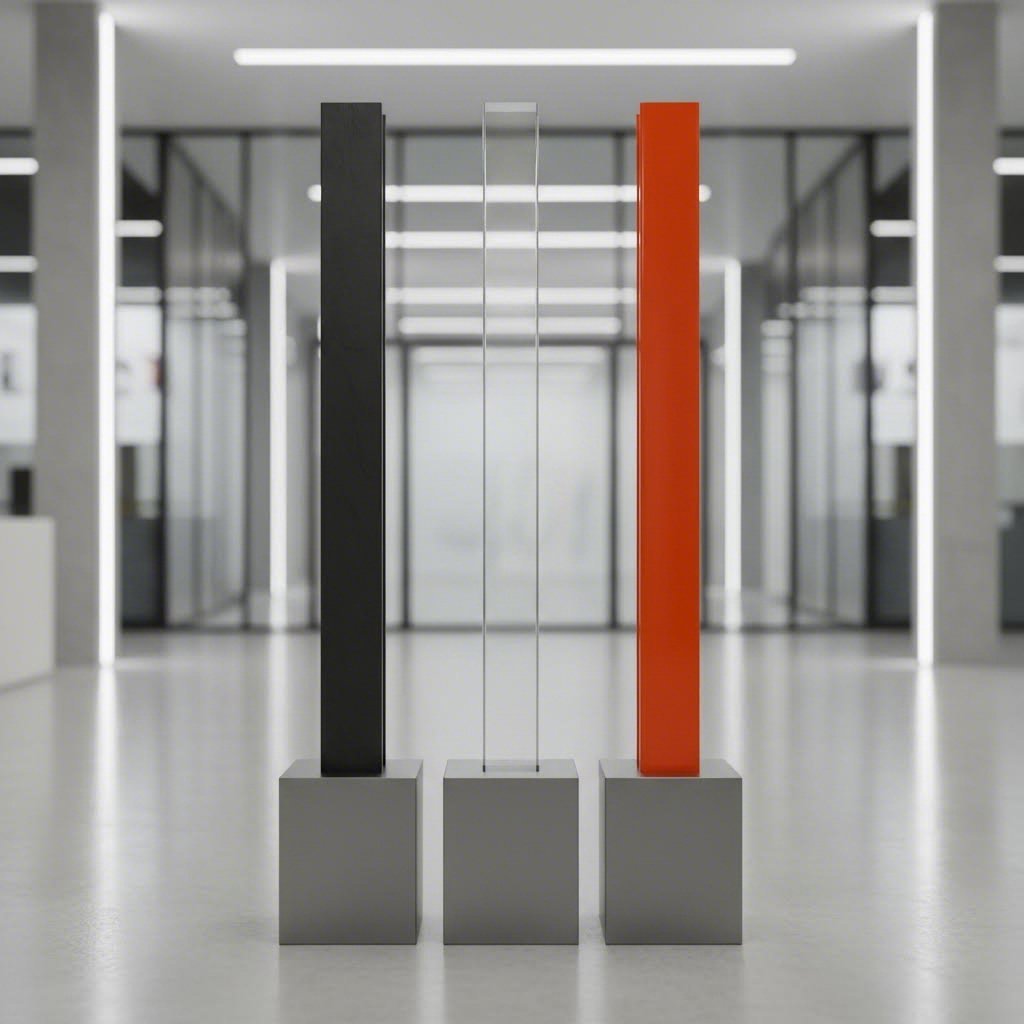
Choosing a protective coating for aluminum extrusions isn't a one-size-fits-all decision. Each finishing method brings distinct performance characteristics, aesthetic possibilities, and environmental considerations to your project. Should you specify powder-coated aluminum for that architectural facade? Would anodizing serve your storefront application better? Understanding these trade-offs helps you make specifications that balance performance, appearance, and sustainability.
Four primary finishing methods dominate the aluminum extrusion market: powder coating, anodizing, liquid paint, and PVDF (polyvinylidene fluoride) coatings. Each has earned its place through specific advantages, but none excels in every category. Let's examine how they compare across the factors that matter most.
When architects and specifiers evaluate finishes for aluminum extrusions, the powder coating versus anodizing debate often takes center stage. Both methods deliver excellent durability, but they achieve it through fundamentally different mechanisms.
Anodizing is an electrochemical process that thickens aluminum's natural oxide layer, creating an integral protective surface that cannot peel or flake. As SAF notes, this coating grows from the base aluminum metal itself, making it part of the substrate rather than a separate layer applied on top. The result is exceptional abrasion resistance that outperforms any organic coating.
However, anodizing has limitations. Color options remain restricted primarily to clear, black, bronze, and champagne tones achieved through dyes or diffraction phenomena. Custom colors are difficult to achieve consistently. Additionally, the Achilles heel of anodizing is its chemical resistance - acidic pollutants in urban environments can eventually degrade the coating surface.
Powder coat aluminium finishes take the opposite approach. Rather than modifying the aluminum surface, powder coating applies a separate thermoplastic or thermoset layer that cures into a durable film. This method unlocks virtually unlimited color possibilities, from standard RAL colors to custom matches, metallics, and textured effects.
Where should each finish go? Consider these application guidelines:
One often-overlooked advantage of anodizing: it can be renewed. According to industry experts, anodized surfaces that appear failed can often be restored through cleaning with mild detergent and abrasive techniques, removing accumulated deposits to reveal renewed finish beneath. When organic coatings fail, recoating or replacement becomes the only option.
Liquid paint remains extremely common for aluminum finishing, offering advantages that other methods cannot match. The ability to mix custom colors on-demand and apply them in small batches gives painters and customers unequalled flexibility. Need a precise brand color match for a corporate installation? Liquid paint delivers with minimal lead time.
PVDF liquid coatings represent the premium tier of liquid paint technology. These fluoropolymer-based finishes have come to dominate curtain wall and metal roofing markets because of their outstanding weather resistance and color consistency across large projects. As SAF explains, PVDF coatings typically formulated as 70% PVDF and 30% acrylic resins deliver performance that meets the stringent AAMA 2605 specification.
However, liquid coatings carry significant environmental concerns. The application process releases volatile organic compounds (VOCs) into the atmosphere, contributing to smog formation and requiring expensive pollution control equipment. Between 70 and 80 percent of each gallon of solvent-borne architectural paint evaporates during curing, releasing hydrocarbons that regulations increasingly restrict.
The benefits of powder coating become particularly clear when comparing environmental impact:
According to Righton Blackburns, since powder coating does not use solvents or VOCs, there is no environmental damage caused during spraying, and any waste powder can be collected and reused for another job.
The following table provides a comprehensive comparison to help you select the right protective coating for aluminum extrusion projects:
| Finish Type | Durability Rating | Color Options | Environmental Impact | Thickness Range | Application Suitability |
|---|---|---|---|---|---|
| Powder Coating | Excellent - resists chips, scratches, fading | Virtually unlimited RAL and custom colors | Very Low - zero VOCs, recyclable overspray | 60-120 microns (2.4-4.7 mils) | Curtain walls, windows, facades, industrial equipment |
| Anodizing (Class I) | Outstanding - integral to metal, renewable | Limited - clear, bronze, black, champagne tones | Low - no VOCs, byproducts often beneficial | 18-25 microns (0.7-1.0 mils) | Storefronts, door hardware, handrails, kick plates |
| Liquid Paint (Standard) | Good - depends on resin type | Unlimited with easy custom matching | High - significant VOC emissions | 25-75 microns (1.0-3.0 mils) | Small batches, touch-ups, specialty colors |
| PVDF Liquid | Excellent - 20+ year performance | Wide range with consistent matching | Moderate-High - VOCs plus chrome pretreatment | 25-40 microns (1.0-1.6 mils) | Premium curtain walls, metal roofing, monumental architecture |
Relative costs vary significantly based on project scale, color requirements, and regional factors. However, general cost relationships remain fairly consistent across the industry.
Anodizing typically offers the most cost-effective solution for standard clear or bronze finishes in moderate to large volumes. The process produces consistent results with minimal variation concerns. However, costs increase substantially for custom colors or small batches.
Powder coating occupies the middle ground for most architectural applications. Initial costs compare favorably to liquid paint systems, while lower waste disposal and cleanup expenses reduce total project costs. The challenge lies in custom colors, where minimum batch requirements can drive up per-unit costs for small orders.
PVDF liquid coatings command premium pricing, but their extended performance life often justifies the investment for high-visibility installations. As one consideration, SAF points out that repainting a building is normally much more expensive than the cost of original factory-applied finish, making initial investment in quality finishes a sound long-term decision.
When evaluating costs, consider the complete picture: initial finishing expense, expected service life, maintenance requirements, and potential refinishing costs. A finish that costs more upfront but performs for 25 years often proves more economical than a cheaper option requiring replacement at 10 years.
With finishing method selection complete, exploring the full range of aesthetic options available with powder-coated aluminum opens additional possibilities for your extrusion projects.
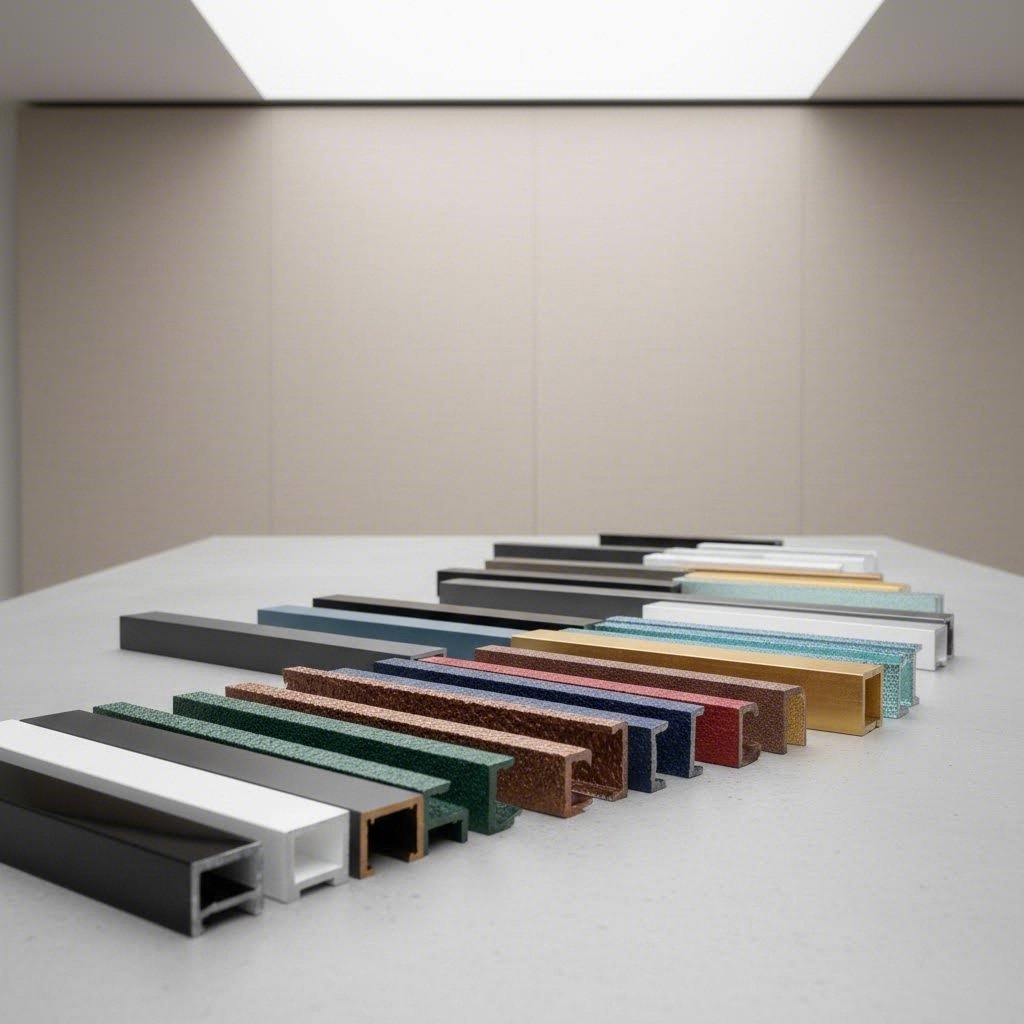
When you think about aluminum powder coat finishes, color probably comes to mind first. But here's what many specifications overlook: the texture and sheen of your powder coated aluminum can transform both appearance and performance in ways that color alone cannot achieve. From mirror-like high-gloss surfaces to rugged anti-slip textures, the options extend far beyond what traditional liquid paints can offer.
Understanding these aesthetic possibilities helps you specify finishes that deliver exactly the visual impact and functional performance your project demands. Let's explore the full spectrum of what aluminum powder coated surfaces can become.
Gloss level dramatically affects how your finished extrusions interact with light and their surrounding environment. Powder coatings are available across the complete gloss spectrum, each creating distinct visual impressions:
Keep in mind that higher gloss finishes reveal substrate imperfections more readily than matte alternatives. When working with extrusions that have visible machining marks or minor surface variations, lower gloss levels can actually deliver superior final appearance.
Smooth finishes dominate most powder coating applications, but textured alternatives offer advantages that deserve serious consideration. According to TIGER Coatings, textured finishes provide the ability to mask surface imperfections on the substrate, making them particularly valuable where machining and grinding marks remain after metal forming.
The powder coated aluminum texture options available include:
One critical consideration: textured finishes require heavier film builds than smooth coatings. Film thickness measurements read from the peak of the texture to the substrate, meaning the coating remains thinner at the low points. Proper application ensures adequate protection across the entire surface profile.
Specialty finishes push powder coating aesthetics into territory that liquid paints struggle to match. According to Powder Coated Tough, metallic effect powder coatings appear across a wide spectrum of applications, from automotive wheels to architectural facades.
Metallic finishes use aluminum, bronze, or stainless-steel pigments to create effects ranging from bright sparkle to muted brushed aluminum powder coat appearances. The pigment type determines the final look:
Beyond metallics, specialty effects expand the creative palette further:
Note that some metallic finishes may require clear topcoats to protect against fingerprinting and chemical attack. Consult your coating supplier about durability requirements for your specific application.
The color flexibility of aluminum powder coat finishes rivals any finishing method available. Standard RAL color charts provide thousands of options, while custom color matching extends possibilities to virtually any shade imaginable.
According to Prism Powder Coatings, custom color programs allow customization beyond standard offerings, working with customers to match specific gloss and texture requirements rather than limiting options to high-gloss factory standards.
The custom color development process typically involves:
For projects requiring precise color matching across multiple coating batches or facilities, establish clear color tolerance specifications upfront. Delta E values (a measure of color difference) should be defined in your specification to ensure consistency throughout production runs.
With aesthetic options fully explored, understanding how to prevent common coating defects becomes essential for achieving the flawless finishes these possibilities promise.
Even with proper chemistry selection and ideal aesthetic specifications, powder coating aluminum extrusions can still produce disappointing results. Those tiny pinholes scattered across your finished profile? The coating that peeled away during assembly? These defects frustrate manufacturers and end users alike, yet most occur for predictable reasons with straightforward solutions.
Understanding why defects happen puts you in control. Whether you're evaluating coating quality from a supplier or troubleshooting issues in your own facility, recognizing the root causes helps you demand the process controls that prevent problems before they occur.
Outgassing remains the most notorious challenge when coating aluminum extrusions. Imagine heating a porous material filled with trapped air and moisture - as temperatures rise during curing, those gases expand and push through the melting powder, leaving behind pinholes and craters that ruin an otherwise perfect finish.
According to UC Powder, aluminum parts, especially die-cast or sand-cast components, often contain microscopic pores from the manufacturing process. During curing, trapped air or gases within these pores expand and escape, forming pinholes in the coating. While extruded aluminum generally has denser structure than castings, the issue still affects profiles with varying wall thicknesses or complex geometries.
Effective outgassing prevention strategies include:
Environmental factors compound outgassing problems. High humidity above 70% introduces moisture that volatilizes during curing. As UC Powder notes, maintaining coating areas at 20-50% relative humidity prevents moisture absorption by both the substrate and the powder itself.
When powder coating lifts, peels, or flakes from aluminum extrusions, the culprit almost always traces back to inadequate surface preparation. Unlike outgassing, which occurs during curing, adhesion failures often don't become apparent until weeks or months after installation - making them particularly costly to address.
According to industry troubleshooting guides, poor adhesion stems from several interconnected causes:
For extrusions with laser-cut edges, special attention is required. The troubleshooting reference notes that adhesion often fails on laser cut edges, requiring mechanical treatment such as brushing or light polishing to create adequate surface profile for coating adhesion.
Beyond outgassing and adhesion, several surface defects specifically plague aluminum extrusion coating operations. Each has distinct causes and solutions:
Aluminum extrusions present coating challenges that flat sheet metal doesn't encounter. Those intricate cross-sections, hollow chambers, and sharp corners that make extrusions so useful also create finishing difficulties.
The Faraday cage effect causes powder to avoid recessed areas and interior corners. Electrostatic charge concentrates on outer edges and protrusions while inner surfaces receive inadequate coverage. According to Machine4Aluminium, complex profile geometries require careful attention to ensure uniform coverage.
Strategies for coating complex extrusion profiles include:
Thin-walled extrusions create additional concerns. Rapid heat-up during curing can cause thermal distortion if oven temperatures spike too quickly. Hollow sections with multiple chambers develop thermal shadows where inner walls heat more slowly than outer surfaces, potentially causing incomplete curing in shadowed areas while outer surfaces over-cure.
Successful coating of complex extrusions requires process control that accounts for these geometric realities. Temperature profiling through the cure cycle, adjusted dwell times based on section mass, and proper part spacing in the oven all contribute to consistent results.
With defect prevention strategies in place, understanding the industry standards that define acceptable quality becomes essential for specifying and verifying coating performance.
When specifying powder coated finishes for architectural aluminum extrusions, how do you ensure the coating will actually perform as promised? The answer lies in industry standards that define measurable performance requirements. Without these benchmarks, you're essentially trusting marketing claims rather than verified testing data.
The American Architectural Manufacturers Association, now operating as part of the Fenestration and Glazing Industry Alliance (FGIA), has established the definitive performance standards for organic coatings on architectural aluminum. Understanding AAMA 2603, 2604, and 2605 specifications helps you match coating performance to project requirements, whether you're finishing aluminum windows for residential applications or curtain walls for high-rise buildings.
Think of AAMA specifications as performance tiers, each designed for different exposure conditions and longevity requirements. According to Aegis Finishing, these standards underscore the commitment to delivering top-tier exterior architectural coatings that can stand up to wind, rain, sun, and corrosive environments.
AAMA 2603 represents the entry-level standard for powder and liquid coatings on aluminum. This specification covers applications with limited exposure to harsh weather elements, making it suitable for interior use and mild exterior environments. Coatings meeting this standard undergo one year of outdoor exposure testing in South Florida to evaluate gloss retention, color retention, and chalk resistance.
AAMA 2604, often called "Super Durable," steps up performance significantly. As Colourific explains, these high-performance coatings offer enhanced resistance to weathering, chalking, fading, and gloss loss. Testing requires five years of outdoor exposure, with specific requirements for color retention (delta E less than 5) and gloss retention exceeding 30%. This specification suits high-traffic areas, residential buildings, and moderate environmental conditions.
AAMA 2605 stands as the gold standard for architectural coatings. According to High Performance Coatings, this most stringent specification requires ten years of outdoor exposure testing in South Florida, with coatings demonstrating color retention of delta E less than 5, gloss retention exceeding 50%, and erosion loss under 10%. AAMA 2605 coatings typically consist of 70% fluoropolymer resin formulations like PVDF.
| Specification Number | Performance Level | Typical Applications | Key Testing Requirements |
|---|---|---|---|
| AAMA 2603 | Basic - Entry Level | Interior applications, mild exterior environments, low-exposure installations | 1 year South Florida exposure; gloss within +/- 5 units of manufacturer values; slight color change acceptable |
| AAMA 2604 | High Performance - Super Durable | High-traffic areas, residential buildings, moderate environmental conditions | 5 years South Florida exposure; delta E < 5 color fade; > 30% gloss retention; < 10% erosion loss |
| AAMA 2605 | Superior Performance - Premium | Monumental buildings, harsh climates, coastal installations, high-visibility projects | 10 years South Florida exposure; delta E < 5 color fade; > 50% gloss retention; < 10% erosion loss |
Selecting the right specification depends on your project's exposure conditions, expected service life, and maintenance budget. For powder coating aluminum windows in residential settings, AAMA 2604 typically provides the right balance between performance and economy. Ground-level applications within reach of passersby often benefit from AAMA 2604's superior handling durability, even when higher-tier specifications might seem appealing.
For high-rise curtain walls, building facades, and monumental architecture, AAMA 2605 becomes the appropriate choice. As industry experts note, specifying coatings that meet AAMA guidelines ensures that the project's design intent is protected and that the structure maintains its envisioned look for many years.
Powder coating warranties typically align with these standards. A coating meeting AAMA 2603 may carry a one-year warranty, AAMA 2604 coatings often include five-year coverage, and AAMA 2605 finishes may be warranted for up to ten years. However, warranty validity depends heavily on proper application - the coating applicator's adherence to manufacturer guidelines directly affects whether warranty claims will be honored.
When drafting specifications for your projects, consider using language that references these standards explicitly. This creates clear, measurable performance expectations that coating suppliers and applicators can verify through documented testing. With industry standards understood, selecting the right coating partner becomes the final step toward achieving consistently excellent results.
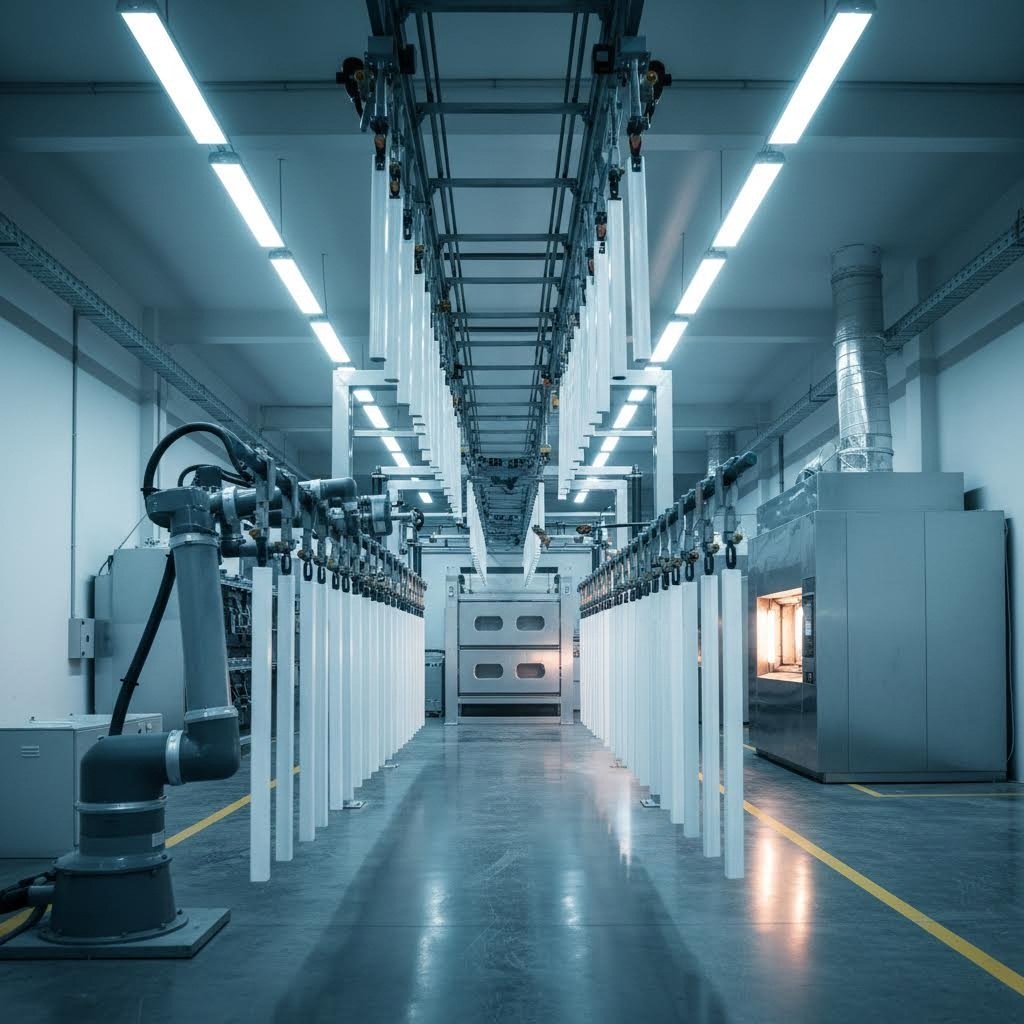
You've mastered powder chemistry, understood process parameters, and defined your finish specifications. Now comes the decision that determines whether all that knowledge translates into flawless results: choosing the right aluminum extrusion powder coating services partner. This choice affects everything from initial quality to long-term performance, making it one of the most consequential decisions in your project.
What separates exceptional coating partners from adequate ones? According to Keystone Koating, delivering a high-quality powder coated finish requires specialized equipment and in-depth knowledge of the technology. Experience matters, certifications provide verification, but the complete picture involves evaluating multiple capabilities together.
When assessing professional aluminum finishing providers, consider these critical evaluation criteria:
Experience with similar projects provides the strongest indicator of capability. According to industry guidance, you should verify whether the powder coating service provider has handled projects comparable to yours, examining their portfolio and customer evaluations before committing.
Imagine working with a single partner who handles everything from initial extrusion design through final surface treatment. This integrated approach eliminates coordination headaches between separate extrusion and finishing vendors while ensuring consistent quality throughout production.
End-to-end capability becomes particularly valuable for custom powder coating for aluminum projects where profile geometry affects coating performance. Partners who understand both extrusion and finishing can optimize designs to avoid coating challenges before they occur - adjusting wall thicknesses, eliminating sharp corners that cause edge buildup, or specifying alloys that minimize outgassing potential.
As Silver City Aluminum notes, comprehensive providers implement robust pre-treatment processes prior to powder coating, enhancing adhesion and ensuring durability of the final finish. This attention to detail throughout the manufacturing chain produces results that standalone coating operations may struggle to match.
For projects requiring multiple surface treatment options, seek partners offering diverse finishing capabilities. Shengxin Aluminium exemplifies this integrated approach, combining aluminum extrusion with comprehensive deep processing services. Their surface treatment options extend beyond powder coating to include anodizing in custom colors, PVDF coatings for premium architectural applications, and micro-arc oxidation for specialized performance requirements. With over 30 years of industry experience and technical teams supporting projects from die development through mass production, this type of comprehensive capability streamlines complex projects that would otherwise require multiple vendor relationships.
When evaluating potential partners, request samples of finished work similar to your project requirements. Physical samples reveal coating quality, color accuracy, and surface finish characteristics that photographs cannot capture. Ask about their quality assurance processes - does the facility include testing capabilities for adhesion, thickness verification, and cure confirmation?
The right partner relationship extends beyond individual projects. Establish ongoing communication channels for specification questions, order status updates, and technical problem-solving. Quality coating partners invest in understanding your applications and requirements, becoming valuable resources as your finishing needs evolve over time.
Yes, aluminum extrusions are ideal candidates for powder coating. Their natural electrical conductivity allows charged powder particles to adhere uniformly across complex profile geometries, including curved surfaces, hollow sections, and detailed architectural shapes. Proper pre-treatment including cleaning, deoxidizing, and conversion coating ensures excellent adhesion and durability, with properly applied coatings lasting 15 to 25 years depending on environmental exposure.
Powder coating offers multiple advantages for extruded aluminum: enhanced impact resistance and durability, zero VOC emissions during application, virtually unlimited color options including custom matches and metallic effects, and cost efficiency through lower waste disposal and energy costs. The electrostatic application process wraps powder around complex profiles for even coverage, while the cured finish resists scratching, chipping, and UV degradation far better than conventional liquid paints.
Powder coating costs for aluminum extrusions vary based on project scale, profile complexity, color requirements, and regional factors. Professional powder coating services typically charge hourly rates or flat fees depending on project type. Custom colors may require minimum batch sizes that affect per-unit costs for small orders. When evaluating costs, consider the complete lifecycle including initial expense, expected 15-25 year service life, minimal maintenance requirements, and avoided refinishing costs compared to shorter-lived alternatives.
These AAMA specifications define performance tiers for architectural coatings. AAMA 2603 is entry-level suitable for interior and mild exterior use, requiring one year of outdoor testing. AAMA 2604 (Super Durable) requires five years of testing with color retention under delta E 5 and gloss retention above 30%, ideal for residential and moderate environments. AAMA 2605 is the premium standard requiring ten years of testing, typically achieved with 70% fluoropolymer formulations, suitable for monumental buildings and harsh coastal climates.
Outgassing occurs when trapped gases in aluminum escape during curing, creating pinholes in the finish. Prevention strategies include pre-baking parts at 15-20°C above curing temperature for 45-60 minutes before coating, using outgassing-forgiving powder formulations that remain liquid longer, applying thin multiple coats rather than one thick layer, maintaining coating area humidity at 20-50%, and optimizing cure profiles with the lowest effective temperature to allow gases to escape before the film gels.



 Servicio en línea
 0086 136 3563 2360
 sales@sxalu.com
 +86 136 3563 2360
 español
 English
 français
 Deutsch
 русский
 português
 العربية
 ไทย
ไทย Việt
Việt Українська