
Ever noticed condensation streaming down your windows on a cold morning? You're not alone. Modern homes are built to be incredibly energy-efficient, but that airtightness comes with a hidden cost: trapped moisture, stale air, and the perfect conditions for mould growth. This is precisely where a trickle vent for uPVC windows becomes your home's best friend.
A trickle vent is a small, controllable opening integrated into your window or door frame that provides continuous low-level ventilation. Think of it as your home's way of breathing without you having to open windows fully. These unobtrusive devices allow a regulated inflow of fresh air to dilute indoor pollutants and moisture while minimising draughts, heat loss, and security risks.
A trickle vent, also known as a background ventilator, is a passive ventilation device that allows controlled airflow into your home without requiring electricity or compromising security.
Trickle vents for uPVC windows operate on beautifully simple physics. They're passive ventilation systems, meaning they don't require electricity or moving mechanical parts. When opened, they allow outside air to "trickle" into your home at a controlled rate, typically achieving airflow rates of 5-20 litres per second per vent depending on pressure conditions.
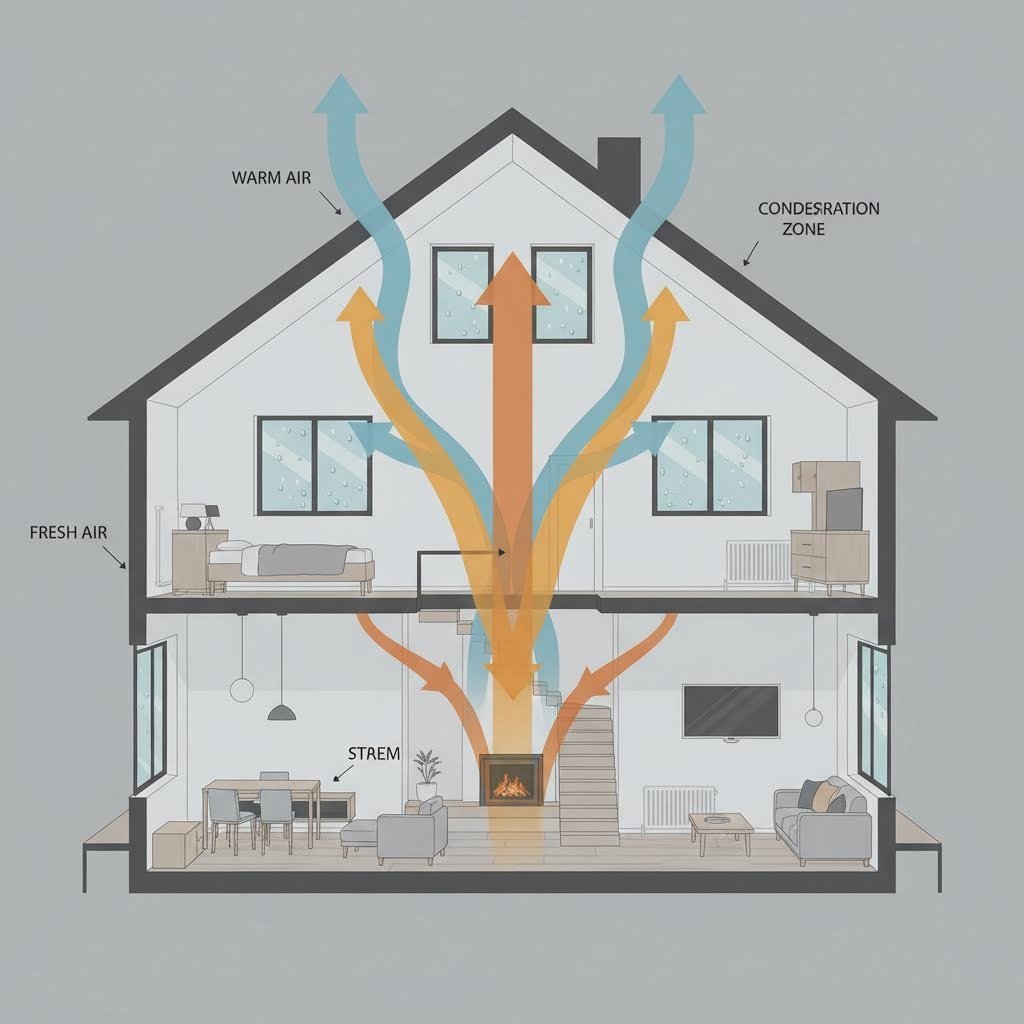
The magic behind these vents lies in two natural phenomena:
Imagine a hot air balloon. The burner heats the air inside, making it lighter than the cooler air outside, causing the balloon to rise. Your home works on exactly the same principle. As warm air from cooking, bathing, and simply breathing rises and exits through upper-level openings, replacement air is gently pulled in through your uPVC window trickle vents.
Most trickle vents upvc windows feature an adjustable slider or flap, allowing you to regulate airflow based on weather conditions and your comfort preferences. Many designs also incorporate insect screens and acoustic baffles to prevent pest entry and reduce external noise transmission.
Here's the thing about uPVC windows: they're exceptionally good at their primary job. These frames create an almost hermetically sealed barrier against the elements, dramatically reducing heat loss and outside noise. However, this very efficiency creates a problem older homes never faced.
Traditional timber or metal window frames were inherently "leaky." Small gaps and imperfections allowed what's called adventitious ventilation, providing enough natural air exchange to prevent moisture buildup. Modern uPVC frames, with their precision-engineered gaskets and multi-point locking systems, eliminate virtually all uncontrolled air infiltration.
Without proper ventilation, moisture generated from everyday activities gets trapped inside. A family of four can produce up to 14 litres of moisture daily through breathing, cooking, showering, and drying clothes. In an airtight home, this moisture has nowhere to go, leading to:
Trickle vents for upvc windows provide the controlled solution. They allow your home to breathe steadily without compromising the thermal efficiency you paid for when upgrading to double glazing. Studies indicate that homes without adequate airflow can suffer from 30-60% higher humidity levels, contributing to mould growth and respiratory issues. By maintaining relative humidity in the optimal 40-60% range, these simple devices protect both your health and your property.
So, you understand what trickle vents do. But do upvc windows need trickle vents by law? The answer might surprise you. Since June 2022, the regulatory landscape in the UK has shifted significantly, making these humble ventilation devices far more than just a nice-to-have feature. Whether you're planning a full window replacement or simply trying to understand your obligations as a homeowner, knowing the rules could save you headaches down the line.
The game changed on 15th June 2022. That's when updated Building Regulations came into force, specifically Approved Document F, which governs ventilation in residential buildings. These amendments strengthened requirements around background ventilation, placing trickle vents firmly in the spotlight.
Here's what you need to know about when trickle vents are legally required:
The core objective behind Document F is straightforward: remove excess water vapour, reduce air pollutants, and prevent condensation, particularly in moisture-heavy spaces like bathrooms and kitchens. As Direct Window Co explains, the regulations also specify minimum levels of fresh air delivery from outside to improve occupant health and reduce indoor pollution.
What does this mean practically? If you're having upvc windows with trickle vents installed after June 2022, your installer should ensure compliance as standard. However, if you're dealing with an older property or a company unfamiliar with the updated rules, it pays to ask questions. Non-compliant installations could cause problems when selling your home or obtaining building control sign-off.
Regulations aside, there's a compelling personal reason to care about upvc windows trickle vents: your health. Modern airtight homes, while wonderfully energy-efficient, can become traps for stale air, allergens, and moisture if not properly ventilated.
Imagine cooking dinner, running a hot shower, and drying a load of laundry, all while your windows remain firmly shut against the winter chill. Without adequate ventilation, all that moisture stays indoors. Cold surfaces like window panes become magnets for condensation. Over time, damp patches appear, and before you know it, you're dealing with black mould in the corners of your bedroom.
This isn't just an aesthetic problem. Mould releases spores into the air that can trigger respiratory issues, allergies, and asthma symptoms. Poor indoor air quality has been linked to headaches, fatigue, and difficulty concentrating. For households with young children, elderly residents, or anyone with existing respiratory conditions, the stakes are even higher.
Trickle vents provide a simple, passive solution. By allowing a steady flow of fresh air even when windows are closed, they help flush out stale indoor air, dilute pollutants, and maintain humidity at healthier levels. The key benefits include:
Think of trickle vents as part of a wider ventilation strategy rather than a standalone solution. They work best alongside extractor fans in kitchens and bathrooms, consistent heating to reduce cold spots, and occasional window opening when weather permits. Together, these measures create a healthier, more comfortable living environment throughout the year.
Now that you understand the regulatory requirements and health benefits, the next logical question becomes: what types of trickle vents are available for your uPVC windows, and which one suits your specific situation?
Not all trickle vents are created equal. Walk into any window showroom or browse online retailers, and you'll quickly discover a surprising variety of options, each designed for different situations and priorities. Whether you're battling condensation in a quiet suburb or trying to block out traffic noise from a busy road, there's a specific uPVC window trickle vent designed for your needs.
Understanding these differences before purchasing can save you money, frustration, and potential reinstallation costs. Let's break down the main categories so you can make an informed choice.
The most fundamental distinction in the trickle vent world comes down to one question: how much does noise matter to you?
Standard slot vents are the workhorses of background ventilation. These simple, cost-effective devices consist of a basic slot opening with an adjustable cover or slider. They do exactly what they're supposed to: allow a steady flow of fresh air into your home while remaining relatively unobtrusive. For homes in quiet residential areas, away from major roads or flight paths, standard vents typically provide all the functionality you need.
Most standard slot vents cover an equivalent area (EA) between 2,500mm² and 8,000mm², meeting the requirements of Approved Document F for habitable rooms. They're lightweight, easy to install, and available in colours matching most uPVC frame finishes.
Acoustic trickle vents for upvc windows take things further. These specialised devices are engineered specifically for noise reduction, making them essential for properties near busy roads, railways, airports, or urban entertainment districts. According to Titon's Ultimate Guide to Acoustic Trickle Vents, these units feature more complex internal designs that attenuate noise more effectively than their standard counterparts.
How do they achieve this? Several clever engineering features work together:
Acoustic performance is measured using Dn,e,w values, expressed in decibels (dB). Higher values indicate better sound reduction. For context, a standard vent might offer minimal noise attenuation, while premium acoustic vents, like titon trickle vents for upvc windows, can achieve ratings of 35-44 dB or higher. In practical terms, this can mean the difference between clearly hearing traffic noise and enjoying peaceful quiet indoors.
Sounds complex? Think of it this way: standard vents are like basic earplugs, while acoustic vents are more like noise-cancelling headphones. Both let you breathe, but one does far more to preserve your peace.
Beyond noise considerations, you'll also need to choose where your trickle vent sits on the window. This decision affects installation complexity, aesthetics, and sometimes even which products are available for your specific window type.
Frame-mounted (through-frame) trickle vents are the most common choice. These are installed directly into the top of the uPVC window frame, with slots cut during manufacturing or retrofitting. Air flows through the frame itself, entering your room just above the glass.
Frame-mounted options offer several advantages:
Glazing-mounted (glazed-in) trickle vents take a different approach. These are incorporated into the upper section of the sealed glass unit itself, rather than the frame. According to Durajoin's comprehensive guide, this design is especially beneficial for windows with limited frame space or unique architectural features.
Glazed-in vents maintain the frame's structural integrity and can be ideal for high-performance windows where airtightness is paramount. However, they typically require specialised installation during glass unit manufacture and are less commonly used for retrofit applications. If your sealed unit ever needs replacing, the vent goes with it.
There's also a third option worth mentioning: over-frame trickle vents. These sit on top of the window frame rather than through it. They're particularly useful for retrofit applications where cutting into existing frames isn't practical. While slightly more visible, they provide similar functionality and can be matched to your window colour.
When selecting upvc window trickle vent covers and designs, aesthetics matter more than many homeowners initially realise. A bulky, poorly matched vent can detract from otherwise beautiful windows, especially in period properties or homes with high-end finishes.
Modern manufacturers have responded with slim, low-profile designs that integrate seamlessly into existing uPVC systems. These vents maintain clean sight lines while delivering full ventilation performance. Look for options with:
The table below summarises key differences to help you compare options at a glance:
| Type | Best For | Noise Reduction | Installation Complexity | Typical Cost Range |
|---|---|---|---|---|
| Standard Slot Vent | Quiet residential areas, budget-conscious projects | Minimal (0-5 dB) | Low to Medium | £5 - £15 per unit |
| Acoustic Trickle Vent | Urban locations, near roads, railways, flight paths | Good to Excellent (30-44+ dB) | Medium | £20 - £60 per unit |
| Frame-Mounted (Through-Frame) | Most uPVC windows, new installations, retrofits | Varies by model | Low to Medium | £5 - £50 per unit |
| Glazing-Mounted (Glazed-In) | Limited frame space, high-performance windows | Varies by model | High (factory installation) | £30 - £80 per unit |
| Over-Frame | Retrofit applications, structural limitations | Varies by model | Low | £10 - £30 per unit |
Keep in mind that costs vary based on brand, performance specifications, and where you purchase. Premium acoustic models from established manufacturers like Titon will sit at the higher end, while basic slot vents from general hardware stores offer more affordable entry points.
With a clearer picture of the available trickle vent types, the next step is determining whether your existing uPVC windows can accept these devices, and how to measure correctly before purchasing.

Here's the good news: yes, you can retrofit trickle vents to upvc windows in most cases. If your current windows lack ventilation and you're battling condensation or stuffy rooms, adding these devices is often a practical solution without replacing the entire window. However, not every uPVC window is equally suited to retrofitting, and understanding your frame's limitations before picking up a drill could save you from costly mistakes.
Can trickle vents be fitted to existing upvc windows? Absolutely. The real question is whether your specific windows have the right characteristics to make the job straightforward or whether you'll face complications. Let's walk through the assessment process that experienced tradespeople use when evaluating retrofit suitability.
Before ordering any trickle vents, you need to examine your window frames carefully. Several factors determine whether retrofitting trickle vents to upvc windows will be simple or problematic.
Frame depth and profile design are your primary considerations. Most uPVC window frames contain internal chambers that provide structural strength and thermal insulation. According to Astraframe's installation guide, you'll need sufficient material depth in the frame head (the top horizontal section) to cut slots without compromising the frame's integrity or hitting internal reinforcement.
Here's what experienced installers check:
Can you retrofit trickle vents to upvc windows with steel reinforcement? Yes, but it requires a high-speed metal drill bit and more patience. The HandleStore sizing guide notes that uPVC windows often contain steel or aluminium reinforcement inside the frame, which can make the task considerably harder. If you're uncertain about what's inside your frames, consult a professional before proceeding.
Another practical tip from tradespeople: if your windows were manufactured with trickle vent preparation (pre-routed slots covered by blank plates), you're in luck. Simply remove the blanking plates and fit compatible vents directly. This is far easier than cutting new slots.
Accurate measurement is crucial when you retro fit trickle vents to upvc windows. Ordering the wrong size means either returning products or ending up with vents that don't fit properly, leaving gaps or failing to cover existing slots.
Follow this step-by-step measuring process before purchasing:
When replacing existing vents, start by removing the old unit. As the HandleStore guide explains, this may involve unclipping a snap-fit cover or unscrewing hidden fixings beneath caps. Once removed, measure across the exposed slots and fixing positions directly.
If your measurements fall between standard sizes, opt for a slightly wider vent that bridges existing slots and allows new screw positions. A larger canopy covers imperfections and provides a cleaner finish than trying to squeeze an undersized vent into place.
Understanding your windows' retrofit potential and taking accurate measurements puts you in a strong position. With the right preparation, fitting trickle vents to your existing uPVC windows becomes a manageable project, whether you tackle it yourself or hire a professional.

Ready to tackle this yourself? Fitting trickle vents to upvc windows is absolutely achievable for confident DIYers, but it requires careful preparation and the right approach. One wrong drill placement can damage your frame permanently, so understanding the full process before starting is essential. Whether you're learning how to fit trickle vents to existing upvc windows or installing them during a new window project, this step-by-step guide will walk you through everything you need to know.
The good news? According to Astraframe's installation guide, trickle vents can be retrofitted to uPVC windows with careful planning and the right tools. The process involves drilling through the frame, so precision matters. Let's start with what you'll need to gather before beginning.
Before drilling a single hole, ensure you have everything assembled. Missing a critical tool mid-installation means stopping work with an exposed frame, which isn't ideal. Here's your complete checklist:
Sounds like a lot? Don't worry. Most of these items are common household tools, and the vent kit itself typically includes the necessary screws and fixings. The high-speed metal drill bit is the most important purchase if you don't already own one, as standard bits can crack uPVC or struggle with internal reinforcement.
With your tools ready, it's time to get hands-on. The following process applies whether you're fitting trickle vents to existing upvc windows as a retrofit or working with new frames. Take your time with each step; rushing leads to mistakes that are difficult to correct.
Congratulations! You've successfully learned how to fit a trickle vent to a upvc window. Repeat this process for each window requiring ventilation, and you'll notice improved airflow and reduced condensation within days.
Now, here's an honest question: should you actually do this yourself? While how to install trickle vents in upvc windows is certainly a manageable DIY project, it's not for everyone. Several factors should influence your decision.
As GFD Homes advises, while it may be tempting to DIY fit trickle vents, contacting the manufacturer or adding them at your initial purchase point is recommended to keep warranties intact. This is particularly important for newer windows where warranty protection has significant value.
If you decide professional installation is the right choice, here are key questions to ask potential installers:
The cost difference between DIY and professional fitting is typically £30-60 per window for labour, depending on your location and the number of units. For a single window, DIY savings are modest. For a whole-house project involving eight to ten windows, doing it yourself could save £300 or more, provided you're confident in your abilities.
One final consideration: new window installations versus retrofitting present different challenges. When ordering new uPVC windows, specifying factory-fitted trickle vents is always the easiest option. The manufacturer cuts precise slots during production, ensuring perfect fit and maintaining full warranty coverage. Retrofitting existing windows requires more care, as you're working with frames that weren't designed with vents in mind.
With installation covered, the next practical question becomes cost. What should you expect to pay for trickle vents themselves, and where can you find quality products at fair prices?
So, you've decided trickle vents are the right solution for your condensation problems. Now comes the practical question every homeowner asks: how much will this actually cost? The good news is that trickle vents for upvc windows cost significantly less than many home improvement projects, making them an accessible upgrade for most budgets. However, prices vary considerably depending on what you need and how you choose to install them.
Understanding the full cost picture before purchasing helps you avoid surprises and ensures you're comparing like with like. Let's break down the numbers so you can plan your budget accurately.
When you buy trickle vents for upvc windows, you'll notice prices ranging from pocket-change affordable to surprisingly expensive. This variation isn't random; it reflects genuine differences in features, materials, and performance.
Basic slot vents sit at the budget-friendly end of the spectrum. According to the Federation of Master Builders, prices can range from around £15 for basic models to at least £25 for advanced designs with additional features. However, if you shop around, you'll find entry-level options from as little as £5-8 per unit at general hardware retailers. These simple vents do the job for homes in quiet areas where noise reduction isn't a priority.
What affects pricing within the basic category?
Acoustic trickle vents represent the premium end of the market. These specialised units, designed to reduce external noise while maintaining airflow, typically cost £20-60 per unit. High-performance models from manufacturers like Titon can exceed this range, particularly for units achieving 40+ dB noise reduction ratings. If you live near a busy road, railway, or flight path, this investment often proves worthwhile for the peace and quiet gained.
Humidity-controlled vents add another layer of sophistication. These smart devices automatically adjust their opening based on indoor moisture levels, opening wider when humidity rises and closing during dry conditions. Expect to pay £25-50 per unit for this convenience, though the self-regulating feature can reduce user error and optimise ventilation without manual adjustment.
Remember that most homes need multiple vents. A typical three-bedroom house might require 6-10 units to achieve adequate background ventilation across all habitable rooms. Factor this into your overall budget calculations.
Here's where the economics become interesting. The vent itself is only part of the total investment; installation costs can equal or exceed the product price, depending on your chosen approach.
DIY installation keeps costs minimal. According to Stewart Milne Homes, DIY installation costs £15-50 per vent for materials alone, with your time being the only additional investment. If you already own a drill and basic tools, your out-of-pocket expense is literally just the vent units themselves.
The potential savings are substantial. For a whole-house project involving eight windows, DIY might cost £80-200 total for vents, compared to £400-600 or more for professional supply and fit. That's £200-400 staying in your pocket.
However, DIY carries risks worth acknowledging:
Professional installation adds labour costs but provides peace of mind. Tradesperson rates vary by location and project size, but according to industry estimates, professional installation ranges from £80-150 per vent including labour and parts. Some installers offer reduced per-unit rates for multiple windows, making larger projects more economical.
What do you get for that extra money? Professional fitting typically includes:
The table below summarises your options for planning purposes:
| Option | Unit Cost Range | Installation Cost | Total Investment (Per Window) | Best For |
|---|---|---|---|---|
| DIY Basic Slot Vent | £5 - £15 | £0 (your time only) | £5 - £15 | Budget-conscious homeowners with DIY experience |
| DIY Acoustic Vent | £20 - £60 | £0 (your time only) | £20 - £60 | Noise-sensitive locations, confident DIYers |
| Professional Basic Vent | £10 - £20 | £40 - £80 | £50 - £100 | Those wanting guaranteed workmanship |
| Professional Acoustic Vent | £25 - £60 | £50 - £90 | £75 - £150 | Urban properties requiring noise reduction and professional finish |
| New Window with Factory-Fitted Vent | Included in window price | Included in installation | No additional cost | Anyone ordering new uPVC windows |
One important note: if you're ordering new uPVC windows, trickle vents are typically included in the overall price at no extra charge. As the Federation of Master Builders confirms, there's no additional payment when vents are part of a window installation. This makes specifying vents during purchase the most cost-effective approach for anyone already planning window replacement.
Knowing where to buy trickle vents for upvc windows matters almost as much as knowing what to buy. Your purchasing choice affects product quality, colour matching options, and after-sales support.
Specialist window hardware suppliers offer the widest selection and most knowledgeable service. Companies like HandleStore, Coastal Group, and ERA specialise in window components and can advise on compatibility with your specific uPVC profile. Expect better colour matching options and access to premium brands like Titon, Greenwood, and Glazpart.
General hardware retailers provide convenient access to basic options. You'll find upvc window trickle vents Screwfix stocks readily available for same-day collection, though the range tends toward standard white finishes and basic specifications. Similarly, trickle vents for upvc windows Wickes carries offer affordable entry points for straightforward projects. These retailers suit homeowners needing quick solutions without specialist requirements.
Online marketplaces including Amazon and eBay offer competitive pricing and extensive choice. However, verify seller reputation and product specifications carefully. Generic or unbranded vents may lack proper quality certification or Building Regulations compliance documentation.
Direct from manufacturers works well if you've identified a specific product. Titon, Greenwood, and Renson sell direct or can recommend authorised stockists. This route ensures genuine products with full manufacturer warranty.
When comparing prices across sources, factor in delivery costs. A seemingly cheaper online price plus £8 shipping may exceed local retailer pricing for collection. For multiple vents, bulk discounts from specialist suppliers often provide the best overall value.
With costs and purchasing options clear, you might wonder what happens after installation. Even the best trickle vents occasionally need attention. Let's explore common problems and how to solve them.

You've installed your trickle vents, but something doesn't feel quite right. Perhaps there's an annoying draught chilling your living room, or condensation still streams down your windows despite the new ventilation. Don't worry. These issues are surprisingly common, and most have straightforward solutions you can tackle yourself without calling in a professional.
Understanding why problems occur helps you fix them faster. Trickle vents are simple devices, but their effectiveness depends on proper adjustment, positioning, and regular maintenance. Let's work through the most frequent complaints homeowners face and exactly how to resolve them.
Feeling a cold breeze whenever you sit near the window? This is the most common complaint about trickle vents, and it's usually the easiest to fix. The issue typically stems from one of three causes: fully open sliders, incorrect positioning, or damaged seals.
Adjusting manual sliders is your first line of defence. Most trickle vents feature a sliding mechanism that controls how much air passes through. According to Anglian's maintenance guide, trickle vents are operated by sliding the vent to the centre of the window to open, and sliding it back in the opposite direction to close. Once opened, many vents can also be angled up or down to direct airflow away from seating areas.
Here's the thing many homeowners miss: trickle vents aren't designed to be left fully open all the time. During cold, windy weather, partially closing the slider reduces airflow while still maintaining background ventilation. Experiment with different positions until you find the balance between fresh air and comfort.
When repositioning becomes necessary:
It's worth noting, as The Window Doctor explains, that trickle vents are not designed to be airtight when closed. A small amount of air movement is normal and intentional. However, if you're experiencing strong draughts even with closed vents, the problem may lie elsewhere, such as worn window seals or incorrectly adjusted locking mechanisms.
Two seemingly opposite problems often frustrate homeowners: vents that let in too much external noise, and vents that don't seem to prevent condensation effectively. Both issues have solutions, though they require different approaches.
Unwanted noise transmission typically occurs with basic slot vents in urban environments. Traffic sounds, neighbourhood activity, and aircraft noise can all penetrate through open trickle vents. Your options include:
Condensation persisting despite trickle vents frustrates many homeowners who expected their moisture problems to disappear immediately. Several factors may be at play:
Remember that trickle vents work as part of a wider ventilation strategy. They're designed for continuous background airflow, not rapid moisture extraction. For bathrooms and kitchens, extractor fans remain essential companions to your trickle vents.
Here's something most homeowners overlook: trickle vents need regular attention to function properly. Unlike your windows, which get cleaned whenever they look dirty, vents often go years without any maintenance. This neglect gradually reduces their effectiveness.
Cleaning trickle vents on upvc windows is straightforward but important. Dust, pollen, insects, and airborne debris accumulate in the narrow slots and internal channels over time. This buildup restricts airflow, encourages damp conditions, and can even create musty odours as trapped organic material decomposes.
Follow this simple maintenance routine:
The Anglian maintenance guide recommends using plenty of clean, warm soapy water for cleaning uPVC components, and explicitly warns against using abrasive cleaners, scouring pads, or harsh chemicals like bleach, solvents, or products like WD40. These can damage the plastic and degrade moving parts.
How to remove trickle vents in upvc windows for thorough cleaning or replacement varies by design. Most internal covers simply unclip by pressing tabs or gently prising from the frame. Some require removing screws hidden beneath decorative caps. Work carefully to avoid cracking aged plastic.
External canopies typically attach with screws accessible from inside once the internal cover is removed. Note the screw positions and any sealant around edges before removal. When refitting, apply fresh silicone sealant if the original seal appears damaged.
How to replace trickle vents in upvc windows follows the same removal process, with the new unit fitting into existing slots and screw holes. Ensure replacement vents match existing dimensions, particularly fixing centres (the distance between screw holes). Mismatched sizes require filling old holes and drilling new ones, which is achievable but adds complexity.
Signs your vents need replacement rather than just cleaning:
Replacement trickle vents for upvc windows are widely available from the same retailers discussed earlier. Match the colour, size, and equivalent area of your existing units for seamless results. If upgrading to acoustic versions, check that the new vent's dimensions fit your existing frame preparation.
With regular maintenance and prompt attention to problems, your trickle vents should provide years of reliable service. Now that you understand how to keep them working optimally, the final step is choosing the right vent for your specific situation if you're starting fresh or upgrading existing units.
You've made it this far. You understand what trickle vents do, why regulations require them, how to install them, and what problems to watch for. Now comes the final piece of the puzzle: selecting the perfect vent for your specific situation. With so many options available, how do you narrow down the choices to find one that genuinely suits your home?
The truth is, there's no universal "best" trickle vent. What works brilliantly for a quiet suburban bungalow might be completely wrong for a city-centre flat overlooking a busy junction. Your decision should balance practical needs, personal preferences, and budget considerations. Let's work through the key factors that should guide your choice.
Before browsing products, ask yourself three fundamental questions. Your answers will immediately filter out unsuitable options and point you toward the right category.
How noisy is your environment?
This is often the deciding factor between basic and acoustic vents. If you live in a peaceful residential area away from main roads, standard slot vents will serve you perfectly well. However, if traffic noise, railway sounds, or aircraft regularly disturb your peace, acoustic trickle vents become essential rather than optional.
Consider your location honestly:
How much airflow does your room need?
Airflow capacity, measured as equivalent area (EA), determines how effectively a vent can ventilate your space. Building Regulations specify minimum requirements based on room type and size, but you may want to exceed these minimums in moisture-prone areas.
According to SDS London's compliance guide, habitable rooms typically require 8,000mm² EA, kitchens need 13,000mm² EA, and bathrooms require 4,000mm² EA in addition to extract fans. When selecting vents, check that your chosen product meets or exceeds these figures for your specific rooms.
Larger rooms or spaces with higher moisture production benefit from either multiple standard vents or single high-capacity units. A small bathroom might need just one vent, while a large open-plan kitchen-diner could require two or three to achieve adequate air exchange.
How important are aesthetics?
Let's be honest: some trickle vents are more attractive than others. If you've invested in beautiful windows, a bulky, poorly matched vent can spoil the look. Modern manufacturers understand this concern and offer increasingly refined designs.
Key aesthetic considerations include:
Understanding manual slider controls
Nearly all trickle vents feature manual sliders that let you regulate airflow. This simple feature provides essential control throughout the year. During cold, windy weather, partially closing the slider reduces draughts while maintaining background ventilation. In milder conditions, opening fully maximises fresh air intake.
Quality sliders should move smoothly without sticking or rattling. They should hold their position without creeping open or closed over time. When testing vents before purchase (or immediately after installation), operate the slider repeatedly to confirm proper function. A stiff or loose mechanism indicates potential quality issues that may worsen with age.
Some premium vents offer additional control features. Humidity-sensitive models automatically adjust their opening based on indoor moisture levels, opening wider when the air becomes damp and closing during dry conditions. While more expensive, these self-regulating options reduce the need for manual adjustment and optimise ventilation without user intervention.
Ready to add trickle vents to upvc windows but unsure which product to choose? The market offers everything from budget basics to premium acoustic solutions. Here are quality options worth considering, organised to help you find the right match for your requirements.
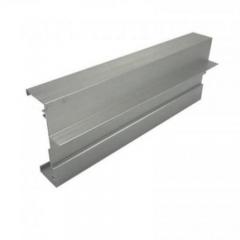
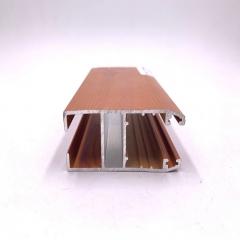
For homeowners seeking quiet, controlled passive ventilation without compromising on aesthetics, Shengxin Aluminium's Slim uPVC Window Trickle Vents represent an excellent choice. These purpose-built units feature a durable, low-profile design that integrates seamlessly into existing uPVC systems. The manual slider provides precise airflow regulation, helping reduce condensation effectively while maintaining thermal efficiency.
What makes these vents stand out? Their slim canopy height preserves clean window lines, avoiding the bulky appearance that cheaper alternatives often create. The construction prioritises longevity, using weather-resistant materials that won't discolour or become brittle under UV exposure. For DIY installers, the straightforward fitting process means professional results without professional costs.
Can you fit trickle vents to upvc windows yourself? Absolutely. Quality products like these come with clear instructions and all necessary fixings, making installation accessible for confident homeowners. The well-engineered design accounts for typical frame depths and slot requirements, reducing compatibility concerns during retrofit projects.
The table below compares recommended options to help you evaluate alternatives based on your priorities:
| Product | Best For | Noise Reduction | Airflow (EA) | Key Features |
|---|---|---|---|---|
| Shengxin Aluminium Slim uPVC Trickle Vents | Quiet ventilation, aesthetic integration, retrofit projects | Standard | 4,000-8,000mm² | Low-profile design, manual slider control, durable construction, easy DIY installation |
| Titon Select S13 | General-purpose ventilation | Standard | 5,000mm² | Established brand, wide colour range, reliable performance |
| Titon Trimvent Select XS | Urban environments, noise-sensitive locations | Up to 42 dB | 5,000mm² | Acoustic attenuation, dual-component design, premium pricing |
| Greenwood EV4 | Budget-conscious projects | Minimal | 4,000mm² | Affordable, basic functionality, widely available |
| Glazpart Slotvent 4000 | Compact windows, limited frame space | Standard | 4,000mm² | Slim profile, straightforward installation |
When installing trickle vents in upvc windows, product quality directly affects long-term satisfaction. Cheaper vents may save money initially but often develop problems within a few years: sliders that stick, canopies that crack, or seals that fail. Investing slightly more in durable, well-designed products pays dividends through reliable performance and reduced maintenance needs.
Your final decision should balance all the factors we've discussed: noise environment, airflow requirements, aesthetic preferences, and budget. For most homeowners, a mid-range option providing good durability, adequate airflow, and attractive appearance represents the sweet spot. Those in particularly noisy locations should prioritise acoustic performance, even at higher cost, while budget-conscious buyers in quiet areas can safely opt for simpler designs.
Whether you're tackling a trickle vents upvc windows fitting project yourself or engaging a professional, choosing the right product makes everything easier. Quality vents install more smoothly, perform more reliably, and look better in your home for years to come. With the knowledge you've gained throughout this guide, you're now equipped to make a confident, informed decision that keeps your home fresher, drier, and more comfortable.
Yes, you can retrofit trickle vents to existing uPVC windows in most cases. The process involves drilling slots into the frame head and fitting the vent components. Success depends on your frame depth (at least 20-25mm clear depth needed), whether internal steel reinforcement is present, and the overall condition of your frames. Many homeowners complete this as a DIY project, though professional installation is recommended for frames with heavy reinforcement or those still under warranty. Shengxin Aluminium's Slim uPVC Window Trickle Vents are specifically designed for easy retrofit installation with their low-profile design and straightforward fitting process.
While trickle vents offer significant benefits, they do have some potential drawbacks. Standard slot vents provide minimal noise reduction, allowing traffic and external sounds to enter. If improperly installed, vents may create unwanted draughts or allow water ingress during heavy rain. They can also permit small insects to enter if screens are damaged or missing. Additionally, vents require regular cleaning to maintain effectiveness, and cheaper models may become stiff or crack over time. However, many of these issues can be avoided by choosing quality products with acoustic properties and proper installation.
Since the Building Regulations update on 15th June 2022, all newly installed windows in dwellings must include trickle vents to ensure adequate background ventilation. This applies to new builds, extensions, and replacement windows. If your existing windows already have trickle vents, replacements must include them too. Even windows replacing those without vents typically require them to meet current ventilation standards under Approved Document F. The regulations aim to remove excess moisture, reduce air pollutants, and prevent condensation in modern airtight homes.
Several alternatives to trickle vents exist for home ventilation. Extractor fans in kitchens and bathrooms actively remove moist air. Mechanical Ventilation with Heat Recovery (MVHR) systems provide whole-house ventilation while recovering heat from extracted air. Passive stack ventilation uses natural convection through vertical ducts. Simply opening windows regularly provides ventilation but compromises security and energy efficiency. Some modern windows feature less visible integrated ventilation designs. However, trickle vents remain the most cost-effective solution for continuous background ventilation without requiring electricity or sacrificing security.
Trickle vent costs vary based on type and features. Basic slot vents range from £5-15 per unit, while acoustic models designed for noise reduction cost £20-60 per unit. Humidity-controlled vents that automatically adjust airflow typically cost £25-50 each. For professional installation, expect to pay £50-150 per window including labour and materials. DIY installation saves significant money, with your only expense being the vents themselves plus basic tools. A typical three-bedroom house needing 6-10 vents might cost £50-150 for DIY basic vents or £400-600 for professional acoustic installation.



 Servicio en línea
 0086 136 3563 2360
 sales@sxalu.com
 +86 136 3563 2360
 español
 English
 français
 Deutsch
 русский
 português
 العربية
 ไทย
ไทย Việt
Việt Українська