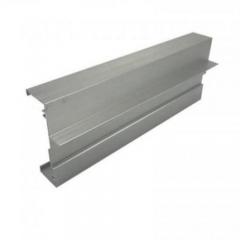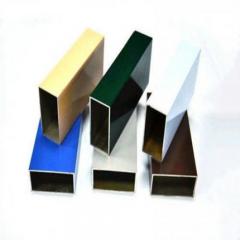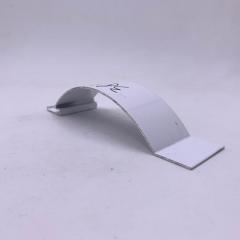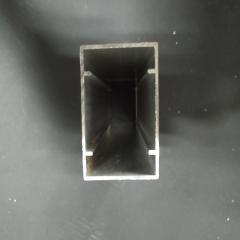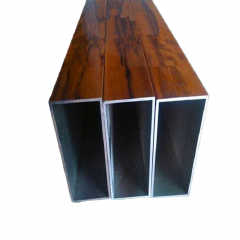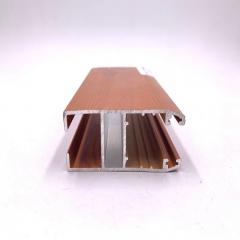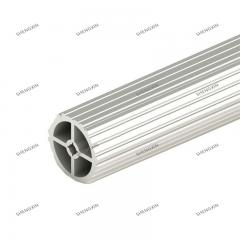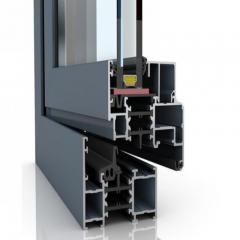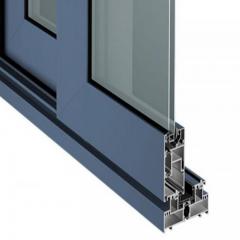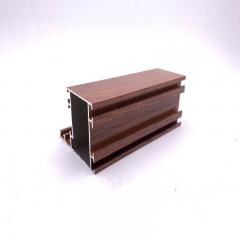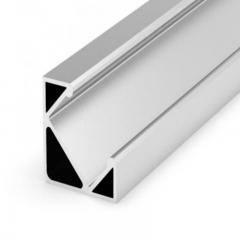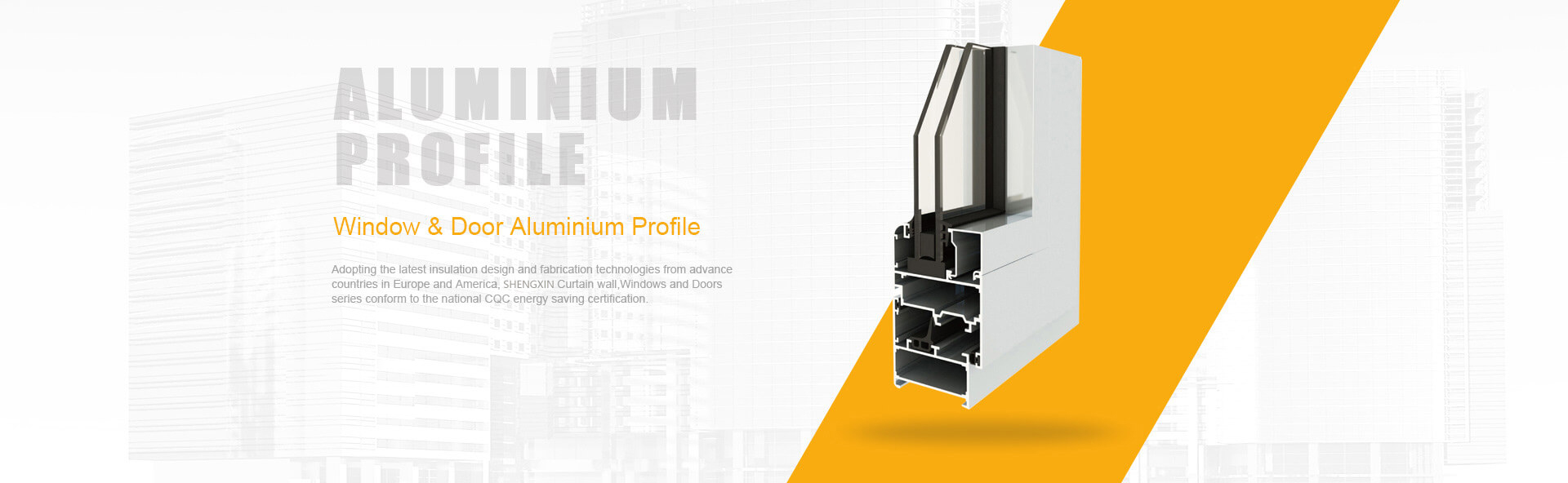
When you're sourcing materials for large-scale manufacturing or construction projects, understanding what is aluminum extrusion and how bulk purchasing works can make the difference between a profitable operation and one struggling with overhead costs. Wholesale aluminum extrusions refer to extruded aluminum profiles purchased in large quantities—typically 500 to 1,000 meters or more—directly from manufacturers or authorized distributors at significantly reduced per-unit pricing.
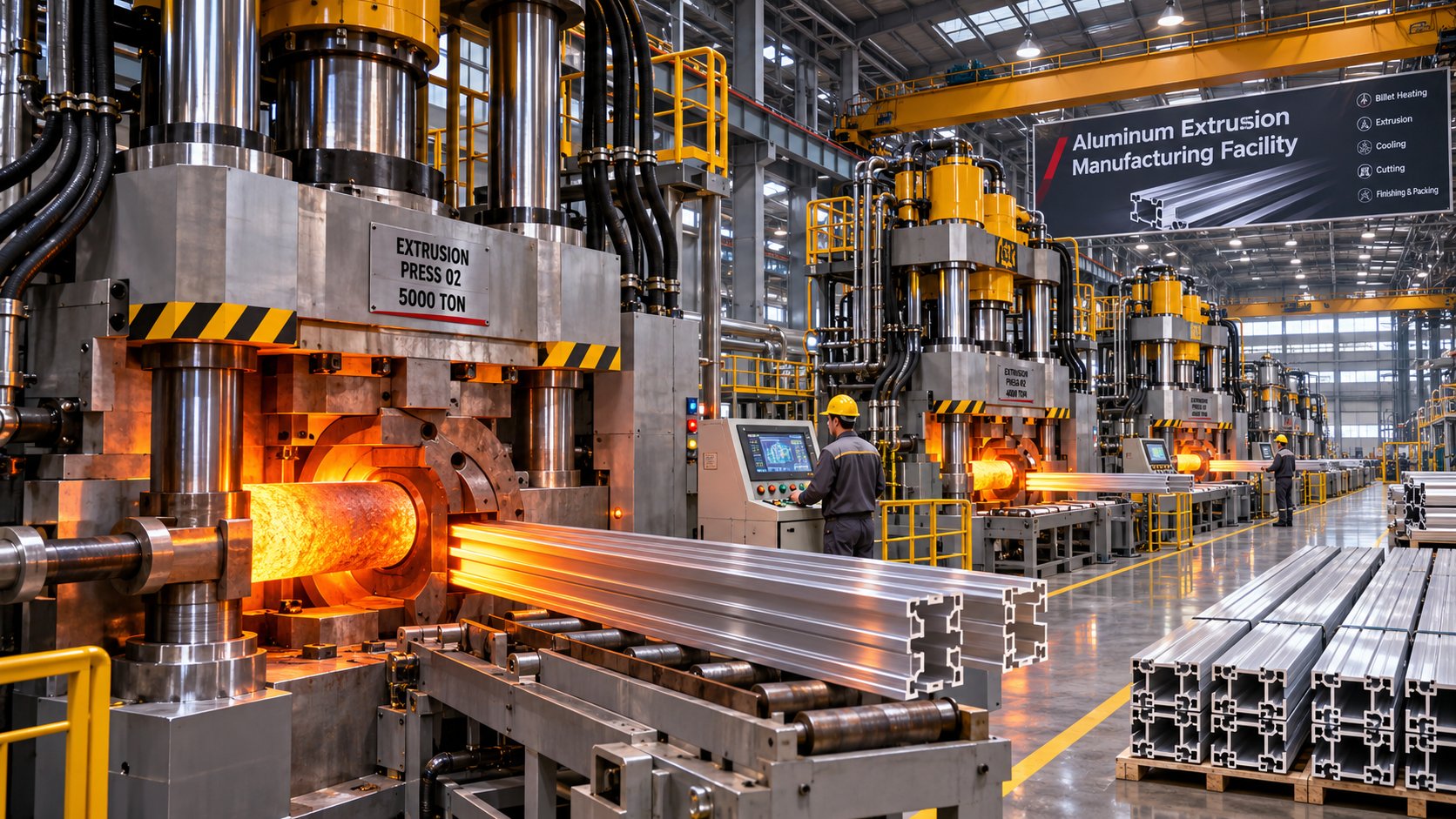
But here's what many buyers don't realize: the aluminum extrusion process itself creates unique cost dynamics that favor bulk purchasing. During extrusion, aluminum billets are heated to around 900°F and forced through precision-engineered steel dies to create specific cross-sectional profiles. This extrusion extrusion process requires substantial setup costs, die preparation, and machine calibration—expenses that remain relatively fixed whether you're ordering 50 pieces or 5,000.
Imagine needing a lightweight yet strong material that resists corrosion, conducts heat efficiently, and can be shaped into virtually any cross-sectional profile. That's precisely what extruded aluminum delivers. The extrusion process allows manufacturers to create complex shapes—from simple angles and channels to intricate multi-hollow profiles—all in a single production step.
This versatility explains why aluminum extrusions dominate industries ranging from construction and automotive to electronics and renewable energy. The material's natural oxide layer provides inherent corrosion resistance, while its excellent strength-to-weight ratio reduces transportation costs and structural load requirements.
Here's where things get interesting for procurement professionals. According to industry analysis, dies required to create specific aluminum profiles can cost thousands of dollars. When you place small orders, these setup costs get distributed over fewer units, making the per-unit cost disproportionately high. Larger orders absorb these costs across many units, delivering substantial savings.
The distinction between wholesale and retail purchasing extends beyond simple volume discounts. Wholesale aluminum extrusions typically involve:
There's also a hidden benefit many procurement teams overlook: die maintenance economics. Producing small batches means higher costs for maintaining or replacing dies, whereas larger quantities justify these maintenance expenses and maximize die lifespan. When minimum order quantities aren't met, the cost of die upkeep can actually outweigh sale profits—which explains why suppliers often decline smaller orders entirely.
Whether you're an OEM, contractor, or system integrator, understanding these dynamics positions you to negotiate smarter and source more strategically. The following sections will reveal the specific factors suppliers often keep vague—from alloy selection to pricing structures—so you can approach wholesale procurement with confidence.
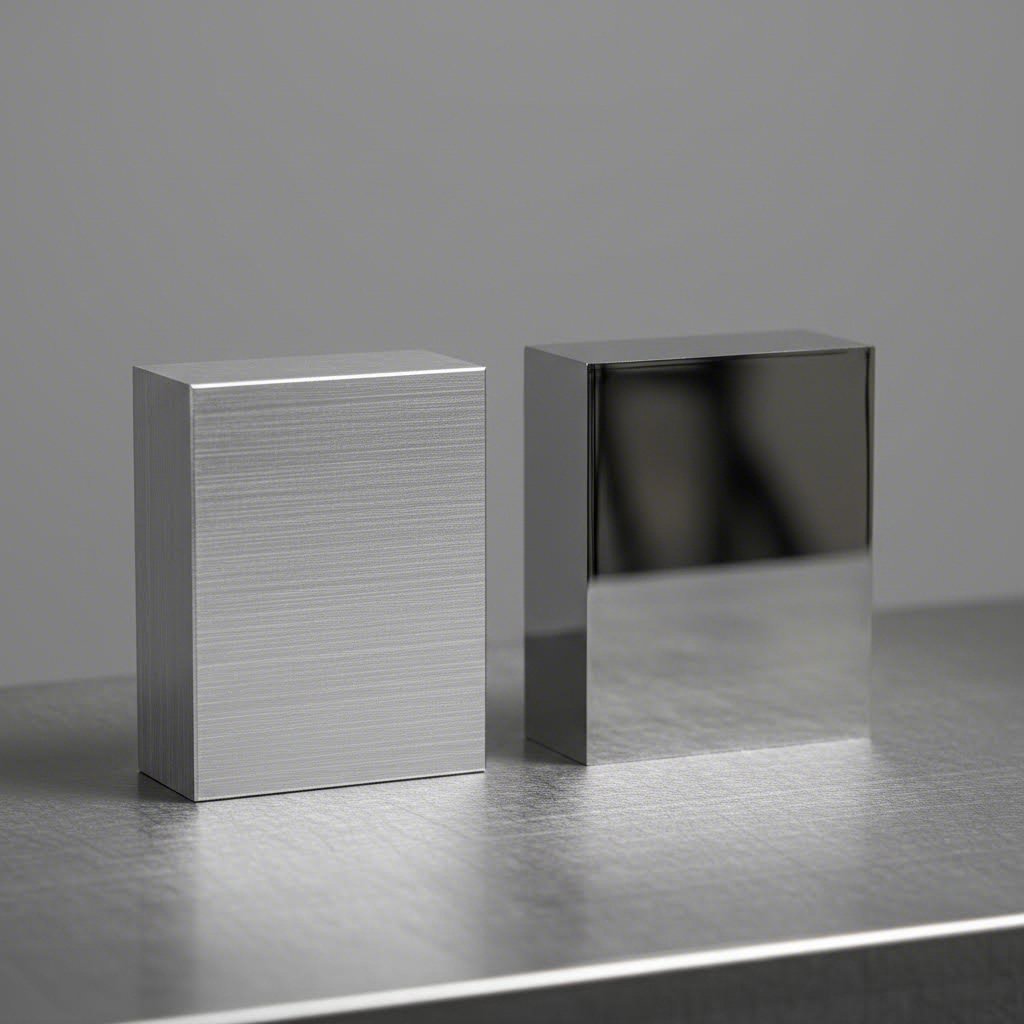
Here's something most suppliers won't tell you upfront: the alloy you choose can impact your project costs and performance more than the profile design itself. When sourcing wholesale aluminum extrusions, 6061 aluminum and 6063 aluminum dominate the conversation—but understanding their differences separates informed buyers from those who end up with materials that don't quite fit their needs.
So what is tensile strength, and why does it matter for your alloy selection? Simply put, tensile strength definition refers to the maximum stress a material can withstand while being stretched before breaking. This tensile breaking strength becomes critical when your application involves load-bearing structures or components under mechanical stress.
Both alloys belong to the 6000 series, meaning they share magnesium and silicon as primary alloying elements. However, 6061 contains approximately 30-50% more magnesium and silicon than 6063, which translates to measurable differences in mechanical performance.
Let's break down the 6061 vs 6063 comparison with specific numbers you can use in your procurement decisions:
| Property | 6061-T6 Aluminum | 6063-T6 Aluminum | Buyer Implication |
|---|---|---|---|
| Tensile Strength | 310 MPa | 241 MPa | 6061 handles heavier loads |
| Yield Strength | 276 MPa | 214 MPa | 6061 resists deformation better |
| Brinell Hardness | 95 | 73 | 6061 more durable; 6063 easier to machine |
| Elongation at Break | 12% | 15% | 6063 withstands bending better |
| Thermal Conductivity | 170 W/m-K | 200 W/m-K | 6063 superior for heat dissipation |
| Corrosion Resistance | Good | Very Good | 6063 better for outdoor exposure |
| Surface Finish Quality | Good | Excellent | 6063 preferred for visible applications |
| Weldability | Good | Very Good | 6063 easier for TIG and argon arc welding |
| Relative Cost | Higher | Lower | 6063 more economical for most applications |
Notice how aluminum 6061 consistently outperforms in strength-related metrics, while 6063 excels in formability and finish quality. This isn't coincidental—it reflects the fundamental trade-off between structural performance and workability that defines these two alloys.
You'll frequently encounter temper designations like T5 and T6 when ordering extruded profiles. These aren't arbitrary codes—they indicate specific heat treatment processes that dramatically affect mechanical properties.
Here's what suppliers often leave vague: 6061 exhibits a greater deformation coefficient and superior hardness compared to 6063 during heat treatment. This means 6061-T6 achieves significantly higher performance gains from the T6 process than 6063-T6, making the alloy choice even more critical for demanding applications.
Sounds complex? Let's simplify the decision process. When evaluating 6061 vs 6063 for your wholesale order, consider these practical guidelines:
Choose 6061 aluminum when your application involves:
Choose 6063 aluminum when your application prioritizes:
One detail worth noting: both alloys can be heat-treated, but 6061 benefits more in terms of increased strength and performance after this process. If you're considering heat treatment as part of your fabrication workflow, factor this into your alloy selection.
With your alloy selection strategy in place, the next critical decision involves choosing between standard profiles and custom extrusion designs—a choice that significantly impacts both upfront costs and long-term project economics.
Here's a decision that can make or break your project budget: should you work with standard aluminum profiles or invest in custom extrusion design? Most suppliers won't walk you through this calculation honestly—because the answer depends entirely on your specific production volumes, application requirements, and timeline constraints.
Standard profiles offer immediate availability and lower upfront costs, while custom extrusions require die investments but can dramatically reduce assembly complexity and material waste. Understanding when each option makes sense separates strategic buyers from those who overspend on unnecessary customization—or worse, force-fit standard profiles into applications that demand purpose-built solutions.
Wholesale channels typically stock a comprehensive range of pre-designed aluminum profiles that cover the majority of industrial and architectural applications. These standard shapes have been refined over decades to address common structural and functional requirements.
The primary standard profile categories include:
Each aluminum channel, aluminum angle, and aluminum tube category comes in multiple size variations. For instance, standard angle profiles typically range from 1/2" x 1/2" up to 4" x 4" with various wall thicknesses, giving buyers flexibility without custom tooling costs.
Custom aluminum extrusions begin with creating a unique die tailored to your specific cross-sectional geometry. According to industry analysis, this initial investment typically ranges from $300 to $800 for simple solid dies, $800 to $2,000 for hollow profile dies, and can exceed $2,000 for highly complex multi-void designs.
Sounds expensive? Here's what suppliers often keep vague: the true economics depend almost entirely on your production volume. Consider this calculation—a $1,500 custom die used to produce 100,000 feet of profile adds only $0.015 per foot to your cost. As volume increases, this per-unit tooling expense approaches zero.
Custom extrusion design makes financial sense when:
When evaluating standard versus custom extrusions, consider these three factors:
| Decision Factor | Favor Standard Profiles | Favor Custom Extrusion |
|---|---|---|
| Production Volume | Under 2,000 units or one-time projects | 5,000+ units with ongoing demand |
| Design Complexity | Simple structural requirements; minimal secondary processing needed | Complex geometry; multiple integrated features; part consolidation opportunities |
| Lead Time | Immediate availability from stock | 4–8 weeks for die development plus production time |
| Tolerance Requirements | Standard industry tolerances acceptable | Tight dimensional tolerances critical to function |
Leading custom aluminum extrusion manufacturers can guide you through this analysis, from initial design through prototyping and mass production. The key is finding a partner who honestly evaluates whether customization benefits your specific application—rather than pushing custom solutions that inflate their margins.
Whether you choose standard or custom profiles, surface treatment selection will significantly impact durability, aesthetics, and long-term performance—factors we'll examine next.
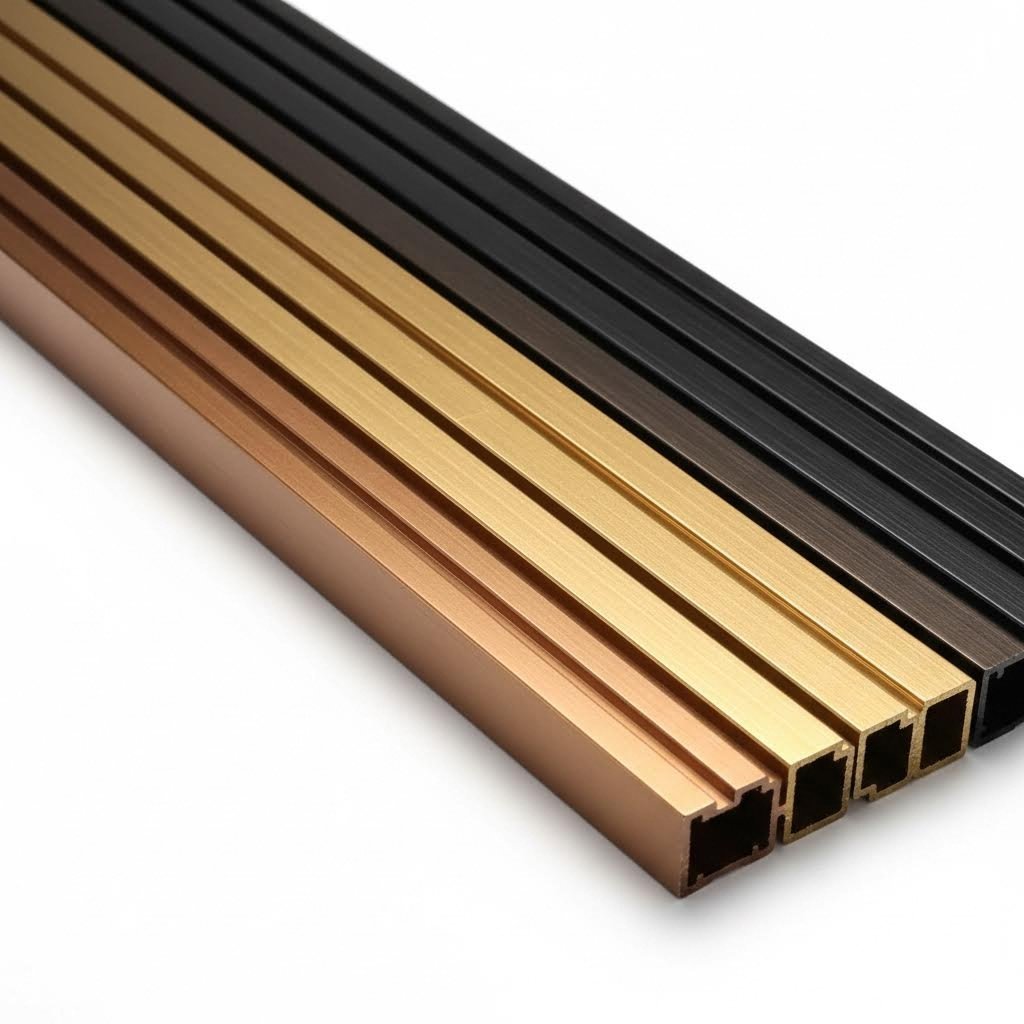
Here's what many suppliers won't emphasize during your initial conversations: raw aluminum extrusions—even with excellent alloy selection—remain vulnerable to scratches, stains, and environmental degradation without proper surface treatment. The finish you choose ultimately defines your product's longevity, appearance, and performance in real-world conditions.
But with multiple treatment options available, how do you make the right choice for your wholesale order? Understanding the differences between anodizing, powder coating, and advanced treatments like PVDF coating will help you match surface protection to your specific application requirements.
So what is anodized aluminum exactly? Unlike paints or coatings that sit on top of the metal, anodizing is an electrochemical process that transforms the aluminum surface itself. The process submerges the aluminum in an acid bath while passing an electric current through it, creating a super-hard protective layer of aluminum oxide that becomes fully integrated with the base metal.
This anodized aluminum material offers several distinct advantages for wholesale buyers:
However, anodizing does have limitations. Color options, while varied, don't match the extensive palette available with powder coating. The process also works best on simpler profiles—intricate shapes may show uneven coloration.
When your project demands specific colors or textures, powder coating offers unmatched flexibility. This dry finishing process electrostatically applies powder material onto aluminum surfaces, which then cures in an oven to create a smooth, durable finish.
For projects requiring extreme weather resistance—think building facades, curtain walls, or aluminum trim exposed to coastal environments—PVDF coating represents the premium option. This high-performance liquid paint system, often known by the trade name Kynar 500, delivers decades of color retention even under harsh UV exposure.
Here's a comprehensive comparison to guide your selection:
| Treatment Type | Durability | Color Options | Best Applications | Relative Cost |
|---|---|---|---|---|
| Anodizing (Standard) | Excellent abrasion resistance; integrated with metal | Limited palette; metallic finish retained | Electronics, precision parts, window frames | Moderate |
| Anodizing (Custom Colors) | Same as standard anodizing | Expanded color range through dyeing | Architectural facades, premium consumer products | Moderate-High |
| Powder Coating | Excellent impact and chip resistance | Virtually unlimited colors and textures | Furniture, edge trim, industrial components | Moderate |
| PVDF Coating | Superior UV and weathering resistance (20+ years) | Wide range; exceptional color retention | Building facades, metal roofing, curtain walls | High |
| Micro-Arc Oxidation | Extremely hard ceramic-like layer | Limited; typically gray/white tones | High-wear industrial applications | Premium |
Your surface treatment selection ultimately depends on three key factors: environmental exposure intensity, aesthetic requirements, and budget constraints. For interior applications with minimal wear, standard anodizing provides excellent value. Exterior architectural projects—especially those with specific color requirements—often justify PVDF's premium pricing for its decades-long performance guarantee.
Powder coating also offers environmental advantages—the material contains no solvents or volatile organic compounds, and unused powder can be collected and reused, minimizing waste. This makes it an increasingly popular choice for sustainability-focused projects.
With your surface treatment strategy defined, the next critical step involves understanding the often-opaque world of wholesale pricing structures, minimum order quantities, and lead time expectations.
Ever wondered why some suppliers seem reluctant to discuss pricing details upfront? The wholesale aluminum extrusions market operates with pricing structures and order requirements that many buyers don't fully understand until they're deep into negotiations. This knowledge gap works in suppliers' favor—but it doesn't have to work against you.
Understanding how aluminum extrusion cost is calculated, what drives minimum order quantities, and realistic lead time expectations will transform you from a price-taker into an informed negotiator. Let's pull back the curtain on the practical aspects of wholesale purchasing that competitors often keep intentionally vague.
If you've ever tried to buy aluminum extrusion in smaller quantities, you've likely encountered frustratingly high per-unit costs—or outright rejection. There's a reason for this, and it's not simply suppliers trying to extract more money from every order.
According to industry experts, MOQs exist for legitimate economic and technical reasons that directly impact your final cost:
So where does this leave buyers seeking cheap aluminum extrusion options without massive volume commitments? The answer lies in understanding the distinction between mill-direct purchasing and distributor relationships.
Mill-direct purchasing connects you straight to the extrusion manufacturer—eliminating middleman markups but typically requiring larger commitments. Distributors, conversely, aggregate orders from multiple buyers and maintain inventory, enabling smaller purchases at moderately higher per-unit costs.
Here's what affects your wholesale pricing regardless of which channel you choose:
For buyers searching for where to buy aluminum extrusion near me, local distributors often provide the best balance of accessibility, reasonable MOQs, and technical support—particularly for standard profiles and moderate volumes.
Lead time surprises derail more projects than pricing disputes. Understanding realistic timelines helps you plan procurement cycles and avoid costly production delays.
Industry data reveals significant differences between standard and custom order timelines:
| Order Type | Typical Lead Time | Key Factors |
|---|---|---|
| Standard Profiles (In-Stock) | 7–14 days | Inventory availability; shipping logistics |
| Standard Profiles (Production) | 2–4 weeks | Production scheduling; surface treatment requirements |
| Custom Profiles | 4–6 weeks | Die development (2–4 weeks); sample approval; production run |
| Complex Custom Orders | 6–10 weeks | Intricate die design; multiple approval cycles; specialized finishing |
The custom profile timeline breaks down into three distinct phases. Tooling lead time typically consumes 2–4 weeks for die construction, with complex geometries extending this period. Extrusion lead time follows, depending on production scheduling and sample approval processes. Finally, fabrication lead time adds days or weeks if your order requires secondary operations like machining, drilling, or specialized surface treatments.
When evaluating suppliers—whether searching aluminum near me or sourcing internationally—quality certifications provide objective verification of manufacturing standards. Don't accept vague quality claims; look for specific credentials:
Beyond certifications, ask potential suppliers about their specific inspection protocols. Reliable manufacturers verify aluminum extrusion dimensions and tolerances using precision equipment including:
Full traceability—where every order connects to documented chemical composition, production parameters, and inspection results—distinguishes professional suppliers from those cutting corners. When evaluating cheap aluminum extrusion offers, verify that cost savings don't come at the expense of quality documentation and inspection rigor.
With pricing structures and quality verification understood, selecting the right profiles for your specific industry application becomes the next critical decision point.
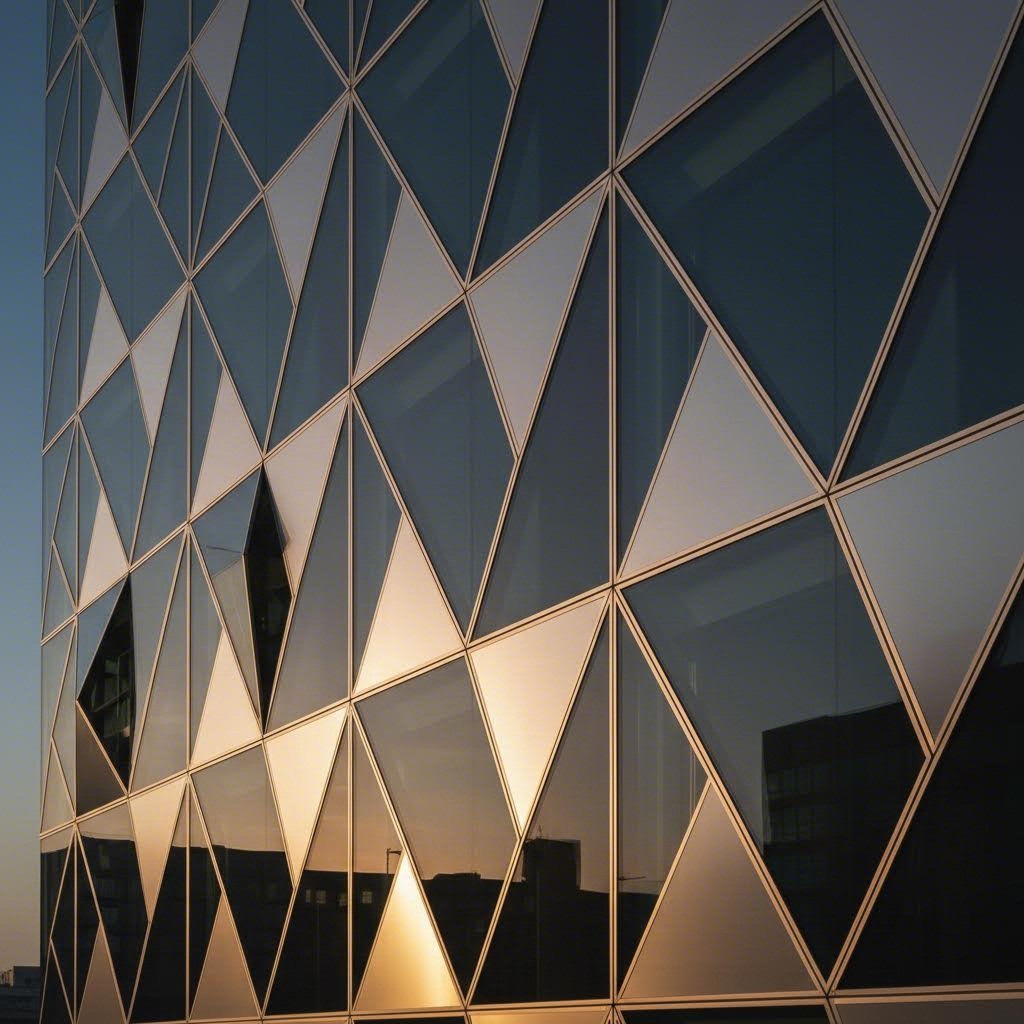
You've mastered alloy selection, understand standard versus custom profiles, and know what surface treatments protect your investment. But here's where many wholesale buyers stumble: matching the right profile geometry to their specific industry application. The same aluminum extrusion that performs brilliantly in architectural window frames may prove entirely wrong for industrial machine guarding—and suppliers don't always clarify these distinctions upfront.
Let's break down profile recommendations by industry sector so you can specify exactly what your application demands, not just what happens to be in stock.
The construction industry consumes more aluminum extrusions than any other sector—and for good reason. Aluminum profiles are rust-resistant, long-lasting, and require minimal maintenance, making them ideal for structures exposed to weather and continuous use.
Key architectural applications include:
For construction applications, prioritize 6063 aluminum when surface appearance matters and 6061 when structural loads dominate the design requirements.
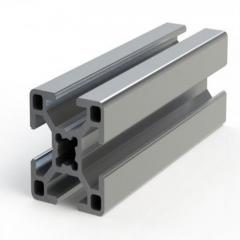
Here's where t-slot aluminum extrusions have genuinely revolutionized how manufacturers approach equipment design. Rather than welding steel frames that require skilled labor and cannot be easily modified, engineers now build modular structures using interlocking aluminum profiles and specialized fasteners.
The 80/20 aluminum system—named after the company that popularized t-slot framing in North America—has become so ubiquitous that "80 20 aluminum" is now industry shorthand for any t-slot extrusion system. These profiles feature channels running along their length that accept drop-in fasteners, enabling tool-free assembly and reconfiguration.
According to engineering analysis, selecting the right t-slot bar depends on understanding when deflection begins under specific weight loads. For example, a 1" x 1" t-slot profile will deflect 1/10" when 46 pounds is applied to the center of a 36" span—while a 2" x 2" profile handles 576 pounds before reaching that same deflection threshold.
Industrial manufacturing applications include:
When designing t-slot aluminum structures, always account for worst-case loading scenarios—including the possibility of a heavy person standing on your frame to change a light bulb.
The transportation sector leverages aluminum's exceptional strength-to-weight ratio to reduce vehicle mass without sacrificing structural integrity. Every kilogram saved translates directly to improved fuel efficiency and payload capacity.
Common transportation applications include:
The signage industry presents different requirements—prioritizing visual impact and installation simplicity over extreme structural performance:
| Industry Sector | Recommended Alloy | Common Profile Types | Key Selection Criteria |
|---|---|---|---|
| Architectural/Construction | 6063-T5/T6 | Channels, frames, tubes | Surface finish quality; thermal performance |
| Industrial Manufacturing | 6061-T6 or 6063-T5 | T-slot profiles, strut channels | Load capacity; modularity; fastener compatibility |
| Transportation | 6061-T6 | Structural shapes, floor planks | Fatigue strength; weight reduction |
| Signage/Display | 6063-T5 | Snap frames, lightbox sections | Anodizing quality; ease of assembly |
Understanding which profiles serve each industry enables more productive conversations with suppliers—and helps you recognize when a supplier is recommending profiles based on their inventory rather than your actual requirements. With application-specific knowledge in hand, the final challenge becomes identifying suppliers capable of delivering the quality, capacity, and technical support your projects demand.
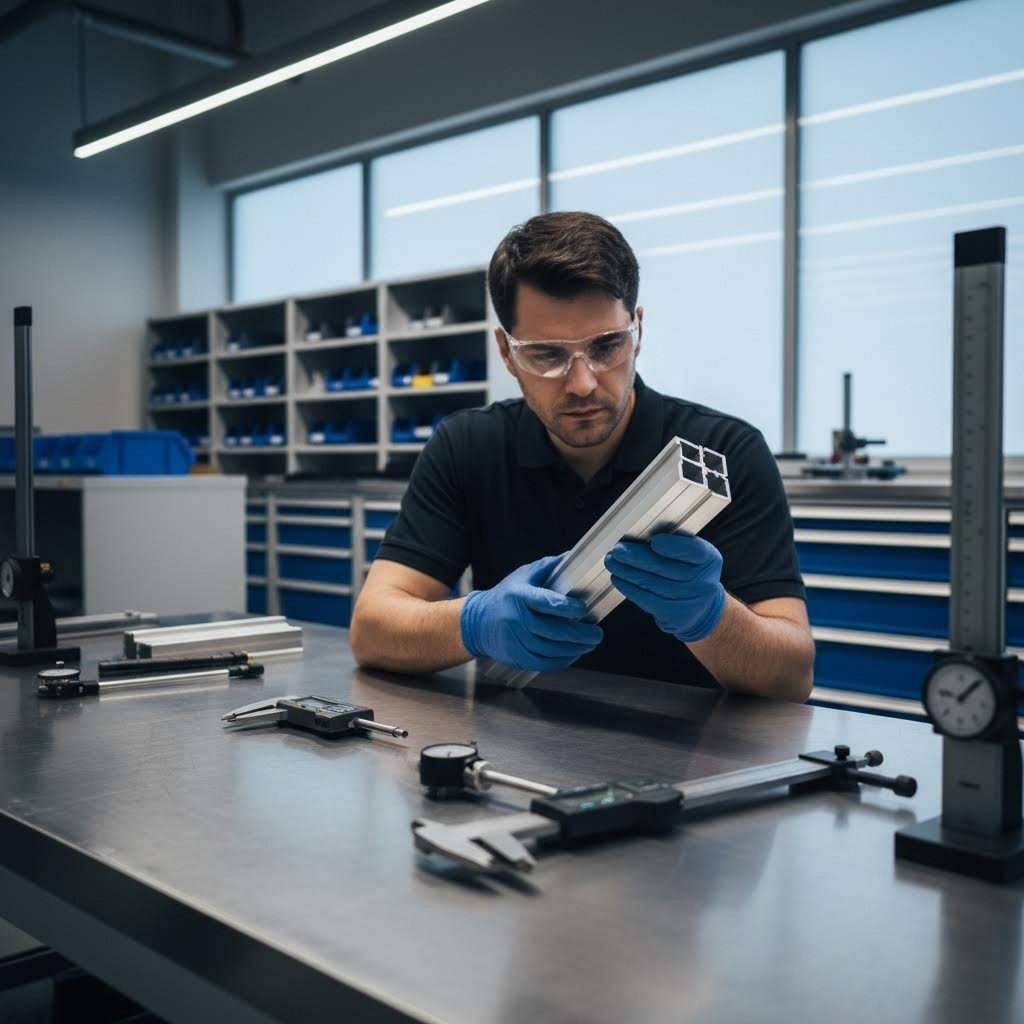
You've defined your alloy requirements, chosen between standard and custom aluminum extrusion profiles, and mapped out surface treatment needs. Now comes the decision that determines whether all that planning pays off—or falls apart at execution. Selecting the right wholesale supplier isn't simply about finding the lowest price per meter; it's about identifying a manufacturing partner capable of consistently delivering quality extruded aluminium that meets your specifications.
Here's what most procurement guides won't tell you: supplier capabilities vary dramatically, and the differences only become apparent when problems arise. A supplier quoting attractive pricing may lack the equipment range to handle your profile complexity, the machining capabilities for secondary processing, or the quality systems to catch defects before shipping. Understanding what to evaluate—and what questions to ask—separates strategic buyers from those learning expensive lessons on their first orders.
The foundation of any aluminum extrusion operation is its press capacity. According to industry analysis, the extrusion press defines what kind of aluminum profile a supplier can actually produce—and many suppliers won't volunteer that their equipment limits your design options.
Press sizes serve distinctly different purposes:
Why does equipment diversity matter for your procurement strategy? A supplier with multiple press capacities can handle diverse project requirements efficiently—from delicate aluminum bar stock for precision machining to heavy structural profiles for industrial framing. This flexibility becomes invaluable when your product line spans multiple applications or when you need to consolidate suppliers for better pricing leverage.
For example, Shengxin Aluminium operates 35 extrusion presses ranging from 600T to 5500T—providing the capacity range to produce everything from thin-walled aluminum tubes to substantial industrial profiles under one roof. This diversity eliminates the need to split orders across multiple suppliers, simplifying quality control and logistics.
Raw extrusions rarely ship directly to end applications. Most projects require secondary operations—cutting to length, drilling mounting holes, milling slots, or bending to specific radii. Suppliers with integrated CNC machining capabilities deliver finished or semi-finished products directly to your assembly line.
Integration reduces transportation between subcontractors, prevents handling damage, and shortens lead time. An extrusion requiring anodizing and precision drilling can be processed completely within a capable supplier's facility—ensuring batch consistency in both dimension and finish quality.
When evaluating suppliers, verify their machining capabilities include:
Equipment capability means nothing without the quality systems to verify output meets specifications. A supplier's QC system reflects their ability to maintain repeatable quality across large orders—exactly what wholesale buyers require.
Key verification points for procurement teams evaluating quality systems:
Professional aluminum extrusion manufacturers should provide documented credentials demonstrating process control and traceability:
| Certification | What It Indicates | Relevance for Buyers |
|---|---|---|
| ISO 9001 | Quality management system in place | Baseline requirement for professional suppliers |
| EN 755-9 / EN 12020-2 | Dimensional tolerance compliance | Essential for precision applications |
| RoHS / REACH | Environmental and chemical compliance | Required for European market access |
| EN1090-3 | Structural welded aluminum compliance | Mandatory for construction applications in Europe |
Ask whether the factory provides traceable lot data and QA certificates with each batch—this documentation becomes essential for long-term industrial customers managing their own quality systems.
Here's a distinction that separates genuine manufacturing partners from commodity suppliers: technical support quality. Strong technical communication differentiates professional suppliers from traders who simply broker orders without understanding the engineering involved.
A capable extrusion factory will:
Many suppliers outsource die manufacturing to third parties, leading to longer lead times and slower problem resolution when issues arise. Suppliers with in-house die workshops can modify or repair dies quickly, ensuring production continuity and consistent quality throughout your order.
The importance of end-to-end support cannot be overstated. From initial die development through prototyping samples and mass production runs, suppliers who manage the complete process maintain tighter control over quality and timing. Shengxin Aluminium exemplifies this approach, offering comprehensive services from die development through mass production—including advanced CNC machining and diverse surface treatments like custom anodizing colors (Champagne, Rose Gold, and beyond)—all supported by a technical team with over 30 years of industry experience.
Suppliers with in-house surface treatment capabilities eliminate coordination headaches and quality variations that occur when profiles travel between multiple facilities. Verify your potential supplier offers the specific treatments your application requires:
Procurement managers value suppliers who proactively prevent issues instead of reacting after defects occur. When evaluating potential partners, assess not just their equipment list but their communication responsiveness, willingness to provide samples, and transparency about production timelines and potential challenges.
With supplier evaluation criteria clearly defined, the final step involves translating this knowledge into actionable purchasing decisions and building supplier relationships that deliver value over the long term.
You've now uncovered the essential knowledge that separates informed wholesale buyers from those learning expensive lessons through trial and error. From alloy selection and profile design to surface treatments and supplier evaluation, these insights give you the foundation to approach aluminum extrusions procurement with confidence. But knowledge without action remains theoretical—so let's translate everything you've learned into a practical roadmap for your next wholesale order.
Before contacting suppliers or requesting quotes, pause to crystallize your requirements. The uses of the element aluminum span countless applications—from architectural facades to precision machine components—and each demands specific material properties, tolerances, and finishes. Rushing into quotes without clear specifications leads to mismatched materials, costly revisions, and strained supplier relationships.
The three most critical decision factors for wholesale aluminum procurement: alloy selection matched to your application's mechanical and environmental demands, profile standardization versus customization economics based on production volume, and surface treatment aligned with exposure conditions and aesthetic requirements.
Consider this practical checklist before engaging suppliers:
Don't overlook complementary products you might need alongside extrusions. Many projects require aluminum plate for mounting bases, aluminum tubing for structural connections, aluminum flat bar for brackets, or aluminum bar stock for machined components. Consolidating these requirements with a single capable supplier simplifies logistics and often unlocks additional volume discounts.
Here's what experienced procurement professionals understand: the best wholesale relationships extend far beyond transactional purchasing. Building a positive rapport with suppliers—communicating requirements clearly, respecting their expertise, and maintaining consistent order volumes—unlocks benefits that one-time buyers never access.
Long-term partnerships deliver tangible advantages:
The ideal supplier partnership combines technical capability with responsive communication. Seek suppliers offering end-to-end support—from die development through prototyping and mass production. Shengxin Aluminium exemplifies this partnership approach, providing over 30 years of manufacturing experience backed by a technical team that supports customers from initial design consultation through final delivery. Their factory-direct model eliminates middleman markups while maintaining quality control across 35 extrusion presses and integrated surface treatment facilities.
When evaluating potential long-term partners, prioritize suppliers who demonstrate:
The wholesale aluminum extrusions market rewards buyers who approach procurement strategically. Armed with the knowledge from this guide—alloy properties, profile economics, surface treatment options, pricing structures, and supplier evaluation criteria—you're positioned to negotiate from strength, avoid common pitfalls, and build supplier relationships that deliver value for years to come.
Minimum order quantities for wholesale aluminum extrusions typically range from 500 to 1,000 meters, depending on the supplier and profile complexity. MOQs exist because die preparation, machine setup, and quality verification costs remain fixed regardless of order size. Custom profiles with complex dies often require higher minimums, while standard profiles from distributors may offer lower thresholds. Suppliers like Shengxin Aluminium can provide guidance on MOQ requirements based on your specific profile needs and offer factory-direct pricing that helps offset volume commitments.
The primary difference lies in strength versus finish quality. 6061 aluminum offers higher tensile strength (310 MPa vs 241 MPa) and is ideal for structural, load-bearing applications like machine frames and aerospace components. 6063 aluminum provides superior surface finish, better corrosion resistance, and higher thermal conductivity, making it perfect for architectural applications like window frames and decorative trim. 6063 is also more economical and easier to extrude into complex shapes, while 6061 excels when mechanical performance takes priority over aesthetics.
Custom aluminum extrusion lead times typically range from 4 to 10 weeks depending on complexity. Die development requires 2-4 weeks for construction, by sample approval and production runs. Simple custom profiles may ship within 4-6 weeks, while complex multi-void designs with specialized finishing can extend to 10 weeks. Standard in-stock profiles ship within 7-14 days. Manufacturers with comprehensive in-house capabilities—like Shengxin Aluminium with 35 extrusion presses and integrated CNC machining—often deliver faster turnaround by eliminating coordination between multiple facilities.
T-slot aluminum extrusions are modular framing components featuring channels that accept specialized drop-in fasteners, enabling tool-free assembly and reconfiguration. Common applications include machine frames and safety guards, conveyor systems, ergonomic workstations, automation fixtures, and prototyping structures. The 80/20 system popularized this technology, making 't-slot' and '80/20 aluminum' interchangeable terms. These profiles revolutionized industrial construction by replacing welded steel frames with lightweight, adjustable aluminum structures that can be modified as production needs change.
Anodizing is an electrochemical process that transforms the aluminum surface into a hard, integrated oxide layer, providing excellent abrasion resistance and a metallic finish. Powder coating applies a dry finish that cures into a smooth coating, offering virtually unlimited color options and superior impact resistance. Anodized finishes won't peel or flake and work best for precision parts and architectural applications requiring metallic aesthetics. Powder coating excels when specific colors, textures, or budget-friendly finishing is needed. For extreme weather exposure, PVDF coating offers premium 20+ year durability for building facades.



 Servicio en línea
 0086 136 3563 2360
 sales@sxalu.com
 +86 136 3563 2360
 español
 English
 français
 Deutsch
 русский
 português
 العربية
 ไทย
 Việt
 Українська