
When engineers need a reliable, versatile material for structural applications, one alloy consistently rises to the top: 6061 aluminum extrusion. But what exactly makes this material so special? Simply put, 6061 is a precipitation-hardened aluminum alloy belonging to the 6000 series, with magnesium and silicon as its primary alloying elements. This combination creates what many consider the most balanced structural aluminum available today.
You'll find 6061 aluminum in everything from aircraft structures to bicycle frames, and there's a good reason for its dominance. According to Wikipedia's documentation on aluminum-magnesium-silicon alloys, 6061 alloy is one of the most commonly used general-purpose aluminum alloys in the world. Its popularity stems from an exceptional balance of properties that few materials can match.
Think of 6061 alu as the "Swiss Army knife" of extruded aluminum. It offers solid strength without sacrificing machinability. It resists corrosion while remaining weldable. And it accepts surface finishes beautifully while staying cost-effective. This versatility is why engineers often reach for it first when designing structural components.
What gives 6061 aluminum its remarkable properties? The answer lies in its aluminum-magnesium-silicon (Al-Mg-Si) metallurgical system. When magnesium and silicon combine within the aluminum matrix, they form magnesium silicide (Mg2Si) precipitates during heat treatment. These tiny particles strengthen the material dramatically while preserving its excellent formability.
The 6000 series alloys are easy to machine, weldable, and can be precipitation hardened to achieve impressive mechanical properties. While they don't reach the extreme strengths of 2000 or 7000 series alloys, they offer something arguably more valuable: a dependable, well-rounded performance across virtually every measure that matters in real-world applications.
Throughout this guide, you'll gain comprehensive technical knowledge about 6061 aluminum—from its precise chemical composition to its mechanical properties, from available profile shapes to surface treatment options. Whether you're specifying materials for aerospace components or industrial frameworks, understanding this workhorse alloy will help you make smarter engineering decisions.
Ever wondered what gives 6061 aluminum alloy its exceptional performance? The secret lies in its precisely controlled chemical composition. Unlike commercially pure aluminum (such as al 1100, which offers excellent corrosion resistance but limited strength), the composition of 6061 aluminum includes carefully balanced alloying elements that transform it into a structural powerhouse.
The material 6061 aluminium derives its mechanical properties from two primary alloying elements working in synergy: magnesium and silicon. Here's how each contributes to the alloy's performance:
Magnesium (0.8-1.2%) serves as the primary strengthening agent in the al 6061 alloy. When combined with silicon during heat treatment, magnesium forms magnesium silicide (Mg2Si) precipitates that dramatically increase strength. According to Ryerson's technical documentation, this element also enhances corrosion resistance by contributing to the formation of a protective oxide layer.
Silicon (0.4-0.8%) plays a dual role in the 6061 al composition. First, it combines with magnesium to form the strengthening Mg2Si phase. Second, it significantly improves the alloy's fluidity during the extrusion process, allowing for more complex profile shapes and better surface finishes. This makes silicon essential for achieving the excellent extrudability that 6061 is known for.
Copper (0.15-0.4%) adds supplementary strength to the alloy and improves machinability. While present in smaller quantities than magnesium or silicon, copper contributes to the overall mechanical performance, particularly in applications requiring precise machining operations.
Beyond the primary alloying elements, several trace elements fine-tune the 6061 aluminum alloy's properties for specific performance characteristics:
| Element | Composition Range (% by weight) | Primary Function |
|---|---|---|
| Aluminum (Al) | 95.9 - 98.6 | Base metal providing lightweight properties |
| Magnesium (Mg) | 0.8 - 1.2 | Primary strengthening, corrosion resistance |
| Silicon (Si) | 0.4 - 0.8 | Strengthening, improved extrudability |
| Iron (Fe) | 0 - 0.7 | Grain refinement, forms secondary phases |
| Copper (Cu) | 0.15 - 0.4 | Additional strength, machinability |
| Chromium (Cr) | 0.04 - 0.35 | Stress corrosion cracking resistance |
| Zinc (Zn) | 0 - 0.25 | Minor strengthening effect |
| Manganese (Mn) | 0 - 0.15 | Grain structure control |
| Titanium (Ti) | 0 - 0.15 | Grain refinement during solidification |
Chromium deserves special attention in this lineup. As noted in Wikipedia's 6061 aluminum documentation, iron, manganese, and chromium form secondary phases (Fe2Si2Al9 and (Fe, Mn, Cr)3SiAl12) that appear as inclusions in the material. These phases, while sometimes considered impurities, actually contribute to the alloy's resistance to stress corrosion cracking—a critical factor in structural applications exposed to corrosive environments.
This carefully engineered composition creates the ideal balance for extrusion applications: sufficient strength for structural demands, excellent formability through the die, good corrosion resistance for diverse environments, and reliable weldability for assembly operations. Understanding these compositional details helps you appreciate why this alloy consistently outperforms alternatives in demanding applications.

Now that you understand what goes into 6061 aluminum, let's explore what comes out: its mechanical properties. Sounds complex? It doesn't have to be. The key to unlocking this alloy's full potential lies in understanding aluminum tempers—specifically the T6 designation that transforms good material into exceptional structural performance.
When you see "6061-T6" on a specification sheet, you're looking at aluminum that has undergone a two-step heat treatment process designed to maximize strength. According to technical documentation on T6 tempering, this process includes:
This process increases yield strength by nearly four times compared to the annealed (O-temper) condition. The result? A 6061 tube or structural profile that can handle serious loads while maintaining excellent dimensional stability.
Here's the comprehensive mechanical properties data that engineers need for design calculations:
| Property | Metric Value | Imperial Value | Notes |
|---|---|---|---|
| Ultimate Tensile Strength | 310 MPa | 45,000 psi | AA Typical |
| Tensile Yield Strength | 276 MPa | 40,000 psi | AA Typical |
| Elongation at Break | 12-17% | 12-17% | Varies with thickness |
| Hardness (Brinell) | 95 HB | 95 HB | 500g load, 10mm ball |
| Modulus of Elasticity | 68.9 GPa | 10,000 ksi | Average tension/compression |
| Shear Strength | 207 MPa | 30,000 psi | AA Typical |
| Fatigue Strength | 96.5 MPa | 14,000 psi | 500 million cycles |
| Poisson's Ratio | 0.33 | 0.33 | Estimated from similar alloys |
Here's where things get interesting for weight-critical applications. The density of 6061-T6 aluminum is just 2.7 g/cc (0.0975 lb/in³)—roughly one-third the density of steel. When you combine this lightweight characteristic with a tensile strength of 310 MPa, you get an exceptional strength-to-weight ratio that makes this alloy ideal for:
Imagine designing a structural frame. Using steel might give you higher absolute strength, but at three times the weight. With a tube 6061 t6 extrusion, you achieve adequate structural performance while dramatically reducing overall system weight. This trade-off explains why aerospace and transportation industries consistently specify this alloy.
The density of al 6061-t6 also impacts thermal and electrical properties. With a thermal conductivity of 167 W/m-K and excellent heat dissipation characteristics, 6061 t6 tube profiles serve effectively in heat sink applications and thermal management systems.
While T6 dominates structural applications, understanding alternative tempers helps you select the right material for specific requirements:
| Temper | Process | Key Characteristics | Best Applications |
|---|---|---|---|
| T4 | Solution heat treated + natural aging | Lower strength, better formability | Parts requiring extensive forming after treatment |
| T6 | Solution heat treated + artificial aging | Optimal strength, good machinability | General structural applications |
| T651 | T6 + stress relieved by stretching | Same strength as T6, reduced residual stress | Precision machining, thick plates |
According to comparison data on T6 versus T651, both tempers share identical mechanical properties—276 MPa yield strength, 310 MPa tensile strength, and 95 Brinell hardness. The difference lies in dimensional stability. T651 undergoes additional stretching (1-3% elongation) after quenching to relieve internal stresses, making it superior for applications requiring tight tolerances after machining.
For most 6061 t6 tubing and standard extrusion applications, the T6 temper provides the ideal balance of strength, workability, and cost-effectiveness. However, when you're machining complex geometries from thick plate stock, the stress-relieved T651 temper minimizes distortion and delivers better dimensional accuracy.
You've seen the impressive mechanical properties of 6061 aluminium alloy. But here's a question engineers frequently ask: when should I choose 6061 over its close cousin, 6063? Both belong to the same 6000 series family, share magnesium and silicon as primary alloying elements, and work beautifully in aluminium alloy extrusion processes. Yet they serve distinctly different purposes.
Understanding what is 6061 aluminum versus 6063 comes down to recognizing their fundamental design philosophies. According to Gabrian's technical comparison, 6061 is often called "structural aluminum" while 6063 earns the nickname "architectural aluminum." These designations reveal everything about their intended applications.
When you compare these two extruded aluminum alloy options side-by-side, the differences become clear. The 6061 aluminium contains higher concentrations of magnesium (0.8-1.2% versus 0.45-0.9%) and silicon (0.4-0.8% versus 0.2-0.6%). This compositional difference translates directly into mechanical performance.
| Property | 6061-T6 | 6063-T6 | Advantage |
|---|---|---|---|
| Ultimate Tensile Strength | 42,000 psi (290 MPa) | 28,000 psi (193 MPa) | 6061 (+50%) |
| Yield Strength | 35,000 psi (241 MPa) | 23,000 psi (159 MPa) | 6061 (+52%) |
| Extrudability | Good | Excellent | 6063 |
| Surface Finish Quality | Good | Excellent | 6063 |
| Corrosion Resistance | Very Good | Excellent | 6063 |
| Anodizing Response | Good | Superior | 6063 |
| Machinability | Good | Fair | 6061 |
| Weldability | Very Good | Very Good | Equal |
Data compiled from Eagle Aluminum and Xtra Metal technical resources
Notice that 6061-T6 delivers approximately 50% higher tensile and yield strength than 6063-T6. What is 6061 t6 aluminum's advantage here? When your application involves load-bearing structures, heavy-duty frameworks, or components that must resist significant mechanical stress, this strength differential matters enormously.
However, that extra strength comes with trade-offs. The lower alloying element content in 6063 allows it to flow more smoothly through extrusion dies, producing:
So how do you decide between these two popular options? The choice ultimately depends on your project's primary requirements.
Choose 6061 aluminum when:
Choose 6063 aluminum when:
Consider this practical example: you're designing a commercial building facade. The visible window frames and decorative trim would benefit from 6063's superior surface finish and anodizing response—people will see these elements daily. But the structural support beams hidden behind walls? That's where 6061's higher strength justifies its selection, ensuring the framework handles wind loads and structural demands safely.
According to industry data from Gabrian, 6063 ranks as the most popular aluminum alloy for extrusions, while 6061 holds the second position. This ranking reflects usage patterns rather than superiority—architectural applications simply outnumber heavy structural ones in the overall extrusion market.
Both alloys accept common fabrication techniques including welding, cutting, and forming. Both offer reliable performance in their respective domains. The key is matching the alloy's strengths to your application's demands rather than defaulting to one option for every project. Understanding these distinctions helps you specify materials confidently and avoid over-engineering (or under-engineering) your designs.
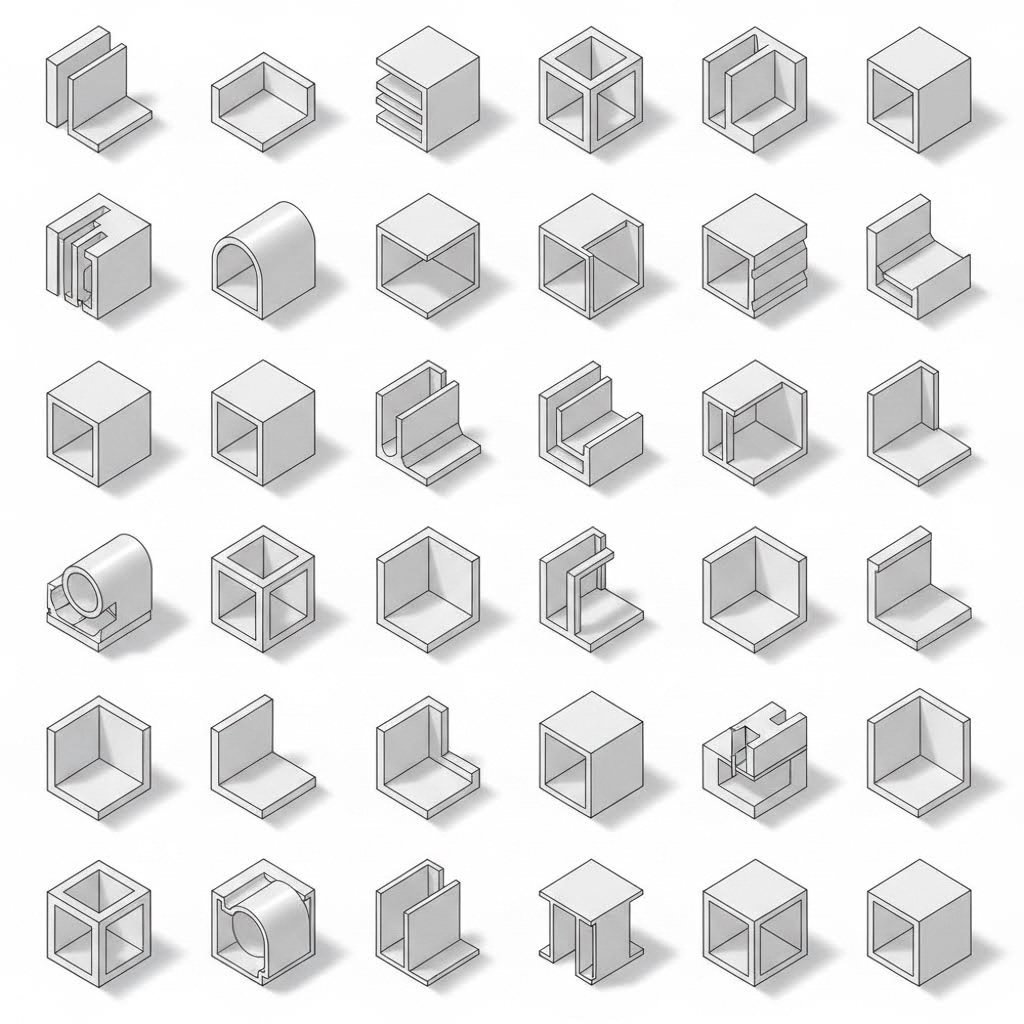
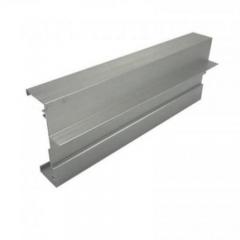
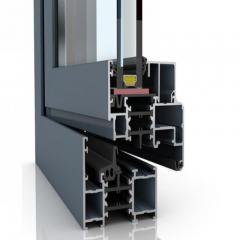
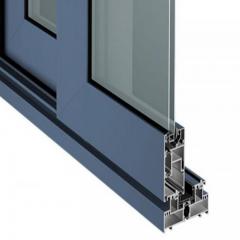
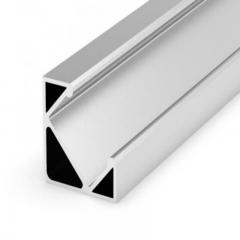
With a solid understanding of 6061's mechanical advantages and how it compares to 6063, the next question becomes practical: what shapes can you actually get? The answer might surprise you. From simple aluminum channel extrusions to complex multi-cavity profiles, 6061 aluminum offers remarkable design flexibility. Whether you're working with standard catalog shapes or envisioning something entirely custom, this alloy adapts to virtually any cross-sectional geometry your project demands.
Most extrusion suppliers maintain extensive libraries of standard dies—often numbering in the thousands. According to Tri-State Aluminum, inventories can include over 2,000 standard aluminum extrusion dies covering a wide range of shapes and sizes. Selecting an existing die rather than fabricating a custom one often means shorter lead times and lower initial production costs.
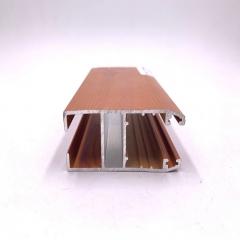
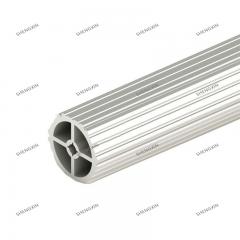
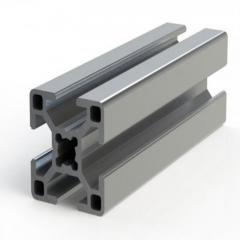
Here's a breakdown of the primary profile categories available in 6061 aluminum:
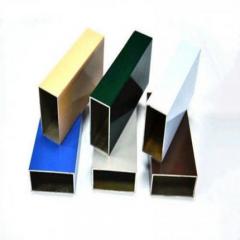
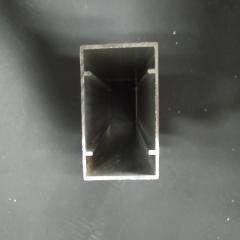
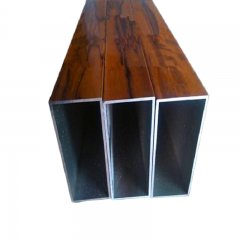
Each aluminum extrusion channel or profile category serves specific structural purposes. For instance, an extruded aluminum tube handles torsional and bending loads efficiently, while aluminum extrusion tube profiles with rectangular cross-sections excel in applications requiring directional rigidity.
What happens when standard shapes don't meet your requirements? That's where custom extrusion capabilities shine. As noted in ALLWIN's comprehensive guide, custom aluminum extrusion enables engineers to create complex geometries that reduce assembly steps and integrate multiple functions into a single profile.
Imagine consolidating what would normally require three separate parts—a mounting bracket, a wire channel, and a structural beam—into one extruded profile. This approach eliminates fasteners, reduces assembly labor, and creates a cleaner finished product. Custom profiles can incorporate:
Regardless of whether you choose standard or custom profiles, understanding tolerances is essential for successful implementation. According to Silver City Aluminum's design guidance, the larger the dimension of the design, the wider the tolerance range required. For example, a 0.500" OD tube can achieve tighter tolerances (around +/-.003") compared to a 1.000" OD tube.
Key dimensional factors to consider include:
| Design Element | Typical Consideration | Impact on Production |
|---|---|---|
| Wall Thickness | Maintain uniformity where possible | Even flow rates reduce twisting and bending |
| Corner Radii | Minimum radius of approximately 0.005" | Sharp corners impossible due to wire EDM die cutting |
| Profile Complexity | Balance functionality with extrudability | Complex shapes may require multi-part dies |
| Dimensional Tolerances | Tighter on smaller features | Larger dimensions require wider tolerance ranges |
One common mistake among designers new to extrusion: assuming all corners will be perfectly sharp. Because extrusion dies are cut using wire EDM technology, the wire diameter directly impacts corner radius. Planning for slightly radiused corners from the start prevents surprises during production.
How do you match profile shape to structural requirements? Consider these practical guidelines:
Working with an experienced extrusion partner early in the design phase helps optimize your profile geometry for both performance and manufacturability. Uniform wall thickness, appropriate corner radii, and realistic tolerance specifications all contribute to faster production, lower costs, and better final results.
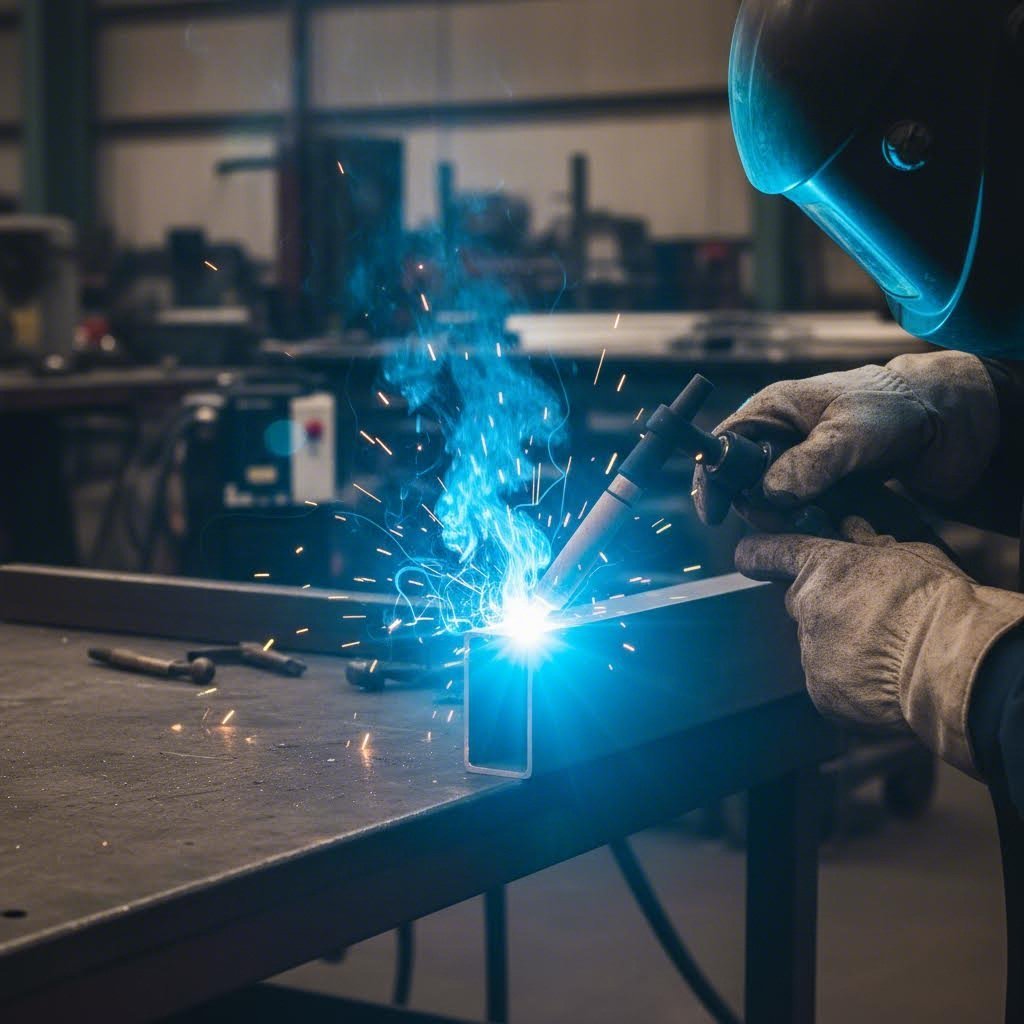
You've selected the perfect 6061 extrusion profile for your project. Now comes the real question: how will you join it? Welding 6061 aluminum presents unique challenges that catch many fabricators off guard. Unlike steel, this alloy doesn't just melt and fuse—it fights back with a stubborn oxide layer, rapid heat dissipation, and a frustrating tendency to lose strength exactly where you need it most.
Understanding these challenges before striking an arc makes the difference between structural success and costly rework. Let's explore what happens when heat meets aluminum extrusion alloys and how to maintain the mechanical properties you're counting on.
When welding 6061 t6 extrusion profiles, two processes dominate: TIG (GTAW) and MIG (GMAW). Each offers distinct advantages depending on your application requirements.
TIG Welding remains the preferred method when precision and quality take priority. According to welding industry experts, TIG provides excellent heat input control—critical for aluminum's high thermal conductivity. Key parameters for successful TIG welding include:
TIG works particularly well for thinner materials and applications where weld appearance matters. The slower pace allows better heat management, reducing the warping and burn-through risks common with aluminum extruded components.
MIG Welding offers faster deposition rates for production environments and thicker materials. When MIG welding 6061 extrusion profiles:
For extruded bar stock and structural profiles thicker than 1/4", MIG welding becomes increasingly practical. The faster travel speeds help minimize the heat-affected zone while maintaining adequate penetration.
Choosing the right filler metal significantly impacts your weld's performance. Two options dominate the market, and understanding their differences prevents costly specification errors.
| Property | 4043 (Al-Si) | 5356 (Al-Mg) |
|---|---|---|
| Primary Alloying Element | 5% Silicon | 5% Magnesium |
| Crack Sensitivity | Lower (more forgiving) | Higher |
| Joint Strength | Moderate | Higher |
| Corrosion Resistance | Good | Excellent (especially marine) |
| Anodizing Response | May appear darker/gray | Better color match |
| Weld Appearance | Smoother, less spatter | More spatter possible |
| Best Applications | General fabrication, beginners | Structural, marine, anodized parts |
Here's a practical guideline: if you're welding 5052 aluminum or similar 5xxx series alloys, use 5356 filler. For 6061 specifically, both fillers work, but 4043 offers more forgiveness for less experienced welders while 5356 delivers higher joint strength and better corrosion performance in demanding environments.
Here's the uncomfortable truth about welding 6061-T6: you will lose strength. According to The Fabricator's technical documentation, when 6061-T6 is welded, it loses 30-50% of its strength in the heat-affected zone (HAZ). The required minimum ultimate tensile strength (UTS) for 6061-T6 product forms is 40 KSI, but fabrication codes only require 24 KSI UTS after welding.
Why does this happen? The heat from welding essentially "un-does" the T6 heat treatment in the zones adjacent to the weld. Those carefully precipitated magnesium silicide particles that provide strength either dissolve back into solution or coarsen to ineffective sizes.
Post-Weld Heat Treatment Options
Can you restore T6 properties after welding? Yes, but it's not simple. The only way to completely restore T6 properties involves:
The challenge? Components typically distort significantly during quenching and must be mechanically straightened before aging—a process requiring considerable expertise.
A Smarter Alternative: Start with T4 Temper
According to industry specialists, purchasing starting materials in T4 temper (rather than T6) offers a practical workaround. Weld the components in the T4 condition, then perform only the low-temperature aging treatment at 400°F for one hour. This approach yields approximately 35 KSI UTS—not full T6 properties, but substantially better than the 24 KSI achieved otherwise.
When designing welded 6061 structures, always factor the reduced HAZ strength into your calculations. Design to the as-welded strength unless you plan to perform complete post-weld heat treatment.
Beyond welding, 6061 aluminum offers excellent machinability—one reason it remains so popular for precision components. The alloy machines cleanly with good chip formation, accepts high cutting speeds, and produces quality surface finishes without excessive tool wear.
Key machinability considerations include:
For extruded bar stock requiring extensive secondary machining, consider specifying T651 temper rather than T6. The stress-relieved condition minimizes distortion during material removal, maintaining tighter tolerances on finished components.
Whether you're welding structural frameworks or machining precision parts from extrusions, understanding these processing characteristics helps you plan fabrication sequences that preserve the properties you need. With proper techniques, 6061 aluminum delivers on its promise of versatility from raw extrusion through finished assembly.
Your 6061 extrusion has been welded, machined, and fabricated to specification. But here's a critical question many engineers overlook until late in the design process: how will you protect and finish that surface? The right surface treatment transforms raw aluminum from a functional material into a finished component ready for years of reliable service—whether facing salt spray on a marine dock or UV exposure on a building facade.
Surface finishing serves multiple purposes beyond aesthetics. It enhances corrosion resistance, improves wear characteristics, provides electrical insulation, and enables color matching for architectural applications. Understanding your options helps you specify the right treatment for your 6061 aluminum angle, structural profile, or custom extrusion from the start.
Anodizing remains the most popular surface treatment for aluminum extrusions, and for good reason. This electrochemical process converts the aluminum surface into a durable aluminum oxide layer that becomes integral to the base metal rather than sitting on top like paint or plating.
According to the Aluminum Anodizers Council, several anodizing classifications serve different application requirements:
Here's something important to understand: 6061 and 6063 don't respond identically to anodizing. According to industry finishing guides, 6063 typically produces superior anodizing results due to its lower alloying element content.
Why does this matter? The copper content in 6061 aluminum angle metal and other profiles can cause slight color variations and a somewhat less uniform oxide layer compared to 6063. The iron, manganese, and chromium forming secondary phases in 6061's microstructure may also affect surface appearance after anodizing.
Practical implications include:
When anodizing alone won't provide adequate protection—or when specific colors and textures are required—applied coatings offer expanded possibilities:
Choosing the right finish depends heavily on where your 6061 extrusion will spend its service life. Consider these environment-specific recommendations:
| Environment | Recommended Finishes | Key Considerations |
|---|---|---|
| Marine | Hard anodizing, PVDF coating, or powder coating with marine-grade pretreatment | Salt spray resistance critical; avoid unsealed anodizing; consider sacrificial protection in severe conditions |
| Industrial | Hard anodizing (Type III), micro-arc oxidation, or heavy-duty powder coating | Wear resistance and chemical resistance priorities; appearance secondary; consider leaving hardcoat unsealed for maximum hardness |
| Architectural | Class I anodizing (0.7 mil+), electrolytic color anodizing, or PVDF coating | Long-term color stability essential; specify AAMA 2605 for high-performance coatings; match finishes across visible components |
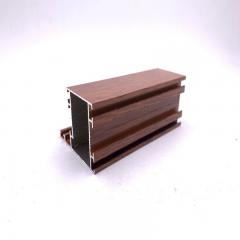
| Interior/Decorative | Clear anodizing, dyed anodizing, powder coating, or sublimation finishes | Wider color options available; UV stability less critical; sublimation can create wood-grain or custom patterns |
Before applying any finish, surface preparation significantly impacts final results. Aluminum extrusions can be buffed, blasted, polished, ground, or sanded to achieve specific appearances or prepare for subsequent treatments:
Whatever finish you select, proper specification from the design phase prevents costly surprises during production. Understanding how 6061's specific composition interacts with various finishing processes—and matching those processes to your application environment—ensures your aluminum extrusions deliver both the appearance and performance your project demands.

You've learned about 6061's impressive properties, profile options, fabrication characteristics, and finishing possibilities. Now comes the practical question: where does all this translate into real-world performance? The answer spans virtually every industry where strength, weight, and durability matter. From aircraft flying overhead to solar panels capturing sunlight, structural aluminum extrusions built from 6061 deliver reliable service in applications you encounter daily—often without realizing it.
What makes this alloy so universally applicable? According to Tech Steel & Materials, 6061 aluminum provides a balance of strength, machinability, weldability, and excellent corrosion resistance—plus it's non-toxic and bio-compatible. This combination opens doors across aerospace, automotive, marine, construction, consumer products, and medical industries. Let's explore how different sectors leverage these properties.
When every gram counts and failure isn't an option, aerospace engineers consistently reach for 6061. The alloy's exceptional strength-to-weight ratio—delivering 310 MPa tensile strength at just 2.7 g/cc density—makes it ideal for applications where performance demands collide with weight restrictions.
Aerospace applications include:
Automotive and transportation uses include:
Imagine you're designing a next-generation electric vehicle. Every kilogram saved in the chassis translates directly to extended battery range. By specifying 6061 extruded aluminum tubing for frame members instead of steel, you might reduce structural weight by 50% while maintaining adequate strength margins—a trade-off that directly impacts vehicle performance and marketability.
Beyond transportation, 6061 aluminum serves critical roles in industrial and construction applications where reliability and longevity matter most.
Marine applications:
Construction sector applications:
Industrial machinery applications:
Beyond heavy industry, 6061's versatility extends into products you might use personally:
According to Tech Steel & Materials, 6061 aluminum is among the most recycled materials in the world, capable of being recycled repeatedly without losing quality. This sustainability advantage increasingly influences material selection decisions across all these application areas as manufacturers and consumers prioritize environmental responsibility.
Whether you're designing aircraft components, solar racking systems, or marine structures, 6061's proven track record across diverse industries provides confidence that your application can benefit from the same properties that have made this alloy an engineering favorite for decades. The key lies in matching the alloy's specific strengths to your project's unique demands—something that becomes easier once you understand the sourcing and manufacturing considerations that bring these applications to life.
You've identified 6061 aluminum as the right material, selected your profile geometry, and planned your finishing requirements. Now comes a question that can make or break your project timeline and budget: how do you actually source these extrusions? Finding the right 6061 aluminum manufacturer involves more than comparing prices—it requires understanding the complete production lifecycle and partnering with suppliers who can support your project from concept through delivery.
Whether you need standard aluminum extrusion bar stock or complex custom profiles, the sourcing decisions you make early directly impact lead times, costs, and final part quality. Let's walk through the key considerations that separate successful procurement from frustrating delays.
Your first major decision involves choosing between existing catalog shapes and custom-designed profiles. This choice influences every downstream aspect of your project.
When standard profiles make sense:
Standard aluminum bar extrusions, channels, angles, and tubes ship quickly because manufacturers maintain ready inventory. According to industry guidance on aluminum extrusion selection, standard profiles offer immediate availability, no tooling costs, proven dimensional consistency, and easier supplier switching.
When custom profiles deliver better value:
Imagine you're designing a mounting system that currently requires three separate extruded tubing aluminum components plus fasteners. A custom profile incorporating all mounting features into one extrusion eliminates assembly labor, reduces part count, and often costs less per unit at production volumes—even after accounting for die investment.
For custom profiles, die development represents the critical path item controlling your project timeline. Understanding this process helps you plan realistically and communicate effectively with suppliers.
According to Gemini Group's technical documentation on extrusion dies, several factors influence die complexity and cost:
| Factor | Impact on Cost | Impact on Lead Time |
|---|---|---|
| Profile complexity (solid vs. hollow) | Hollow dies cost 2-3x more than solid | More complex = longer fabrication |
| Number of cavities | Multi-cavity dies increase cost but reduce per-piece price | Minimal impact |
| Tight tolerances | Precision requirements increase die refinement iterations | May require multiple trial runs |
| Profile size | Larger profiles require larger presses and dies | Similar across sizes |
Typical aluminum tube extrusion die development takes 2-4 weeks, though intricate hollow profiles or extremely tight tolerances may extend this timeline. The die must be tested to verify the extrusion matches design specifications before production begins. Budget for sample approval time in your project schedule.
Minimum order quantities (MOQs) often surprise first-time extrusion buyers. These requirements exist for legitimate technical and economic reasons rather than arbitrary supplier preferences.
According to KMC Aluminium's industry guidance, several factors drive MOQ requirements:
Typical lead time components include:
For projects requiring custom extruded metal profiles, plan for 6-10 weeks total from order placement to delivery. Standard profiles from inventory can ship within days.
The right manufacturing partner provides more than production capacity—they offer technical expertise that improves your designs and prevents costly mistakes. When evaluating potential suppliers, consider these capabilities:
Technical support and design assistance:
Production capabilities to evaluate:
For example, Shengxin Aluminium represents the type of comprehensive extrusion partner that simplifies complex projects. With over 30 years of experience and 35 extrusion presses ranging from 600T to 5500T capacity, they handle everything from die development through mass production. Their CNC machining centers provide precise cutting, drilling, and bending—eliminating the need to coordinate multiple vendors for secondary operations.
Even well-planned projects encounter obstacles. Understanding common issues helps you address problems quickly when they arise.
Dimensional variation:
Surface defects:
Strength variations:
Delivery delays:
Early supplier engagement prevents most sourcing problems. Share your complete requirements—including tolerances, finishes, quantities, and timelines—during the quotation phase rather than after order placement.
The best extrusion bar and profile sourcing relationships develop through consistent communication and mutual understanding. Consider these practices:
Whether you're sourcing simple extrusion bar stock or complex custom profiles, treating your manufacturer as a technical partner rather than just a vendor yields better results. Their expertise in aluminum extrusion bar production, die design, and process optimization can enhance your designs while reducing costs and lead times.
With sourcing strategies established and manufacturing partnerships in place, you're ready to make confident decisions about your 6061 extrusion projects. The final step involves synthesizing everything you've learned into actionable selection criteria for your specific applications.
You've journeyed through the complete technical landscape of 6061 aluminum—from its precisely engineered chemical composition to real-world applications spanning aerospace, marine, and industrial sectors. Now it's time to translate that knowledge into confident material specifications for your next project. Whether you need a standard 6061 aluminum channel or a custom 6061 t6 rectangular tube, the decision framework remains consistent.
When should you specify 6061 over alternatives? The answer depends on how your application priorities align with this alloy's core strengths.
Choose 6061 aluminum when your project demands a balanced combination of structural strength, good corrosion resistance, excellent machinability, and reliable weldability—all at a cost-effective price point.
Here's a quick-reference checklist for your specification decisions:
A 6061 t6 channel or 6061 aluminum u channel serves structural framing, equipment mounting, and industrial applications where strength outweighs decorative concerns. The aluminium rectangular tube configuration handles directional loads efficiently, while the 6061 channel profile creates versatile tracks and support systems.
Ready to move from specification to production? Success depends on partnering with a manufacturer who understands both the material and your application requirements.
For engineers and procurement professionals seeking a comprehensive extrusion partner, Shengxin Aluminium offers the technical depth and production capacity to support complex 6061 projects. With over 30 years of industry experience and 35 extrusion presses ranging from 600T to 5500T, their facility handles everything from die development through mass production of custom industrial profiles.
Their comprehensive surface treatment capabilities—including anodizing in custom colors, powder coating, PVDF, and micro-arc oxidation—ensure your 6061 extrusions meet both functional and aesthetic requirements. Factory-direct pricing eliminates middleman markups, while their technical team provides end-to-end support for even the most demanding specifications.
Whatever your application—whether standard 6061 t6 aluminum channel for equipment framing or custom profiles for specialized machinery—the knowledge you've gained here positions you to specify materials confidently and communicate effectively with manufacturing partners. The versatility that has made 6061 aluminum the industry's first choice for decades remains just as relevant today.
Yes, 6061 aluminum extrudes exceptionally well. This alloy combines magnesium and silicon that form magnesium silicide during heat treatment, improving flow through extrusion dies. While 6063 offers slightly better extrudability, 6061 produces high-quality profiles in angles, channels, tubes, and custom shapes. Its excellent strength, corrosion resistance, and weldability make it the second most popular extrusion alloy after 6063, ideal for structural applications requiring a high strength-to-weight ratio.
The key difference lies in strength versus surface finish. 6061-T6 delivers approximately 50% higher tensile strength (310 MPa vs 193 MPa) than 6063-T6, making it superior for load-bearing structural applications. However, 6063 offers better extrudability, smoother surface finishes, and superior anodizing response—earning it the nickname 'architectural aluminum.' Choose 6061 for structural frameworks, aerospace, and heavy-duty applications; select 6063 for decorative window frames, door frames, and visible architectural elements.
The 6xxx series alloys (particularly 6061 and 6063) are best suited for extrusion applications. 6061 is the optimal choice when structural strength, machinability, and weldability are priorities—delivering 310 MPa tensile strength with excellent corrosion resistance. 6063 excels for architectural applications requiring superior surface finish. For extreme strength requirements, 7xxx series alloys work but extrude less easily. The 'best' grade ultimately depends on your specific application's balance of strength, appearance, and formability needs.
6061 aluminum has several limitations to consider. It typically costs more than alternatives like 5052 or 6063. When welded, it loses 30-50% of its T6 temper strength in the heat-affected zone—requiring design adjustments or post-weld heat treatment. Its anodized finish appears slightly grayer than 6063, making it less ideal for decorative applications. Additionally, its mechanical properties may degrade at very low temperatures. Despite these drawbacks, 6061 remains the most versatile structural aluminum for applications balancing multiple performance requirements.
Restoring full T6 properties after welding requires complete re-heat treatment: solution heat treatment at 538°C (1000°F), rapid water quenching, then artificial aging at 204°C (400°F). However, this causes significant distortion requiring mechanical straightening. A practical alternative is purchasing material in T4 temper, welding, then performing only the aging treatment at 400°F for one hour—achieving approximately 35 KSI tensile strength versus 24 KSI otherwise. Experienced manufacturers like Shengxin Aluminium can advise on optimal approaches for your specific application.



 Servicio en línea
 0086 136 3563 2360
 sales@sxalu.com
 +86 136 3563 2360
 español
 English
 français
 Deutsch
 русский
 português
 العربية
 ไทย
ไทย Việt
Việt Українська