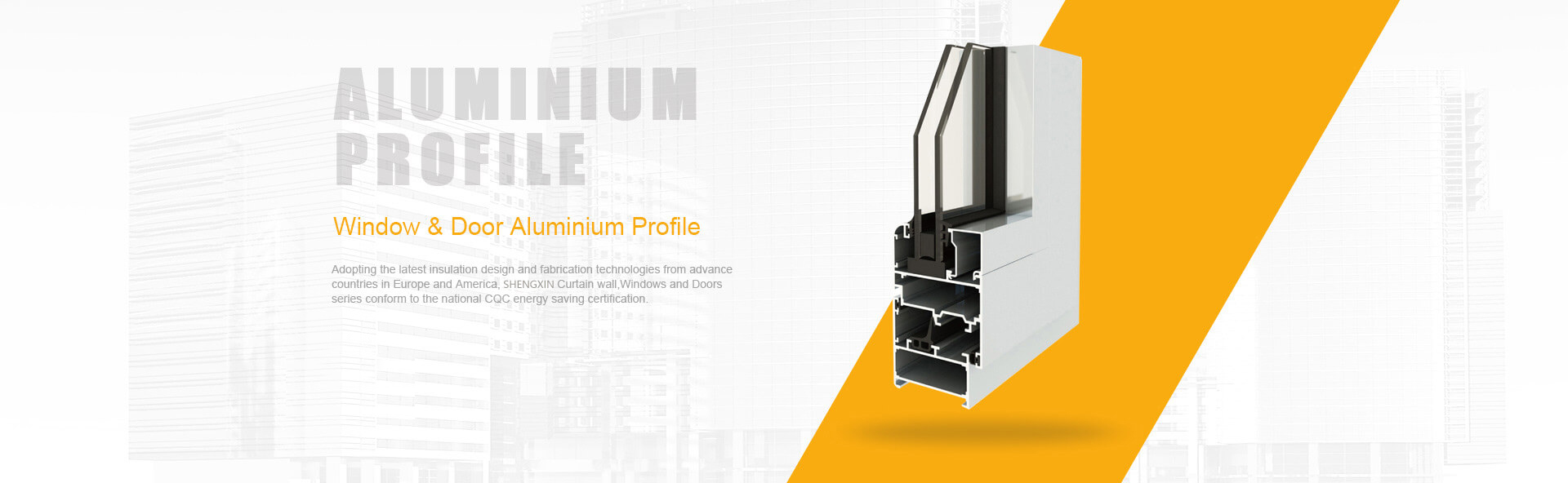
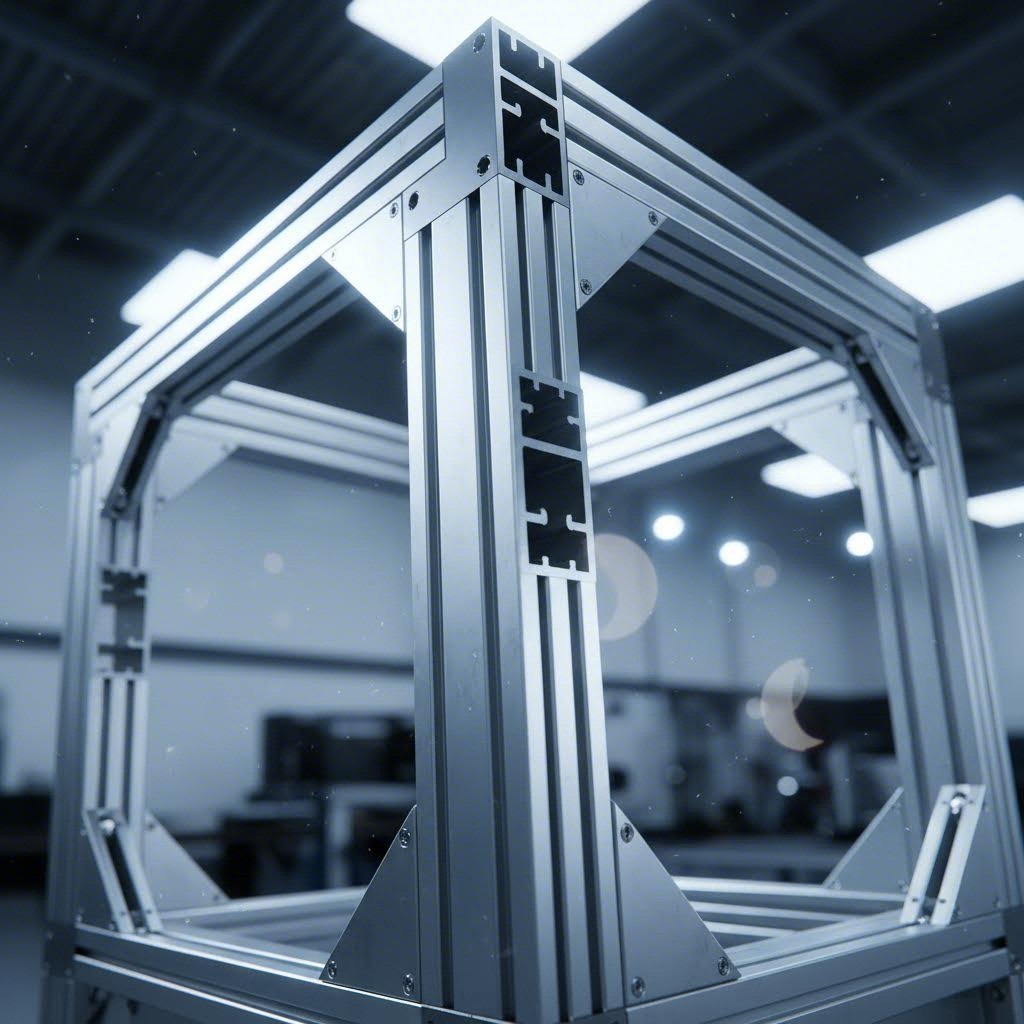
Ever searched for "aluminum extrusion CNC" and found yourself drowning in results that seem to pull you in completely different directions? You're not alone. This single search term actually bridges two distinct manufacturing worlds, and understanding both can transform how you approach your next project.
Here's the thing: when someone types "aluminum extrusion CNC" into a search bar, they could be looking for one of two very different things. The first group wants to build CNC machines using aluminum extrusion frames—think T-slot profiles that form the structural backbone of routers, mills, and laser cutters. The second group needs CNC machining services for aluminum extrusion profiles—precision cutting, drilling, and milling operations that transform raw extruded shapes into finished components.
Both applications are equally valid, and both represent significant opportunities in modern manufacturing. The challenge? Most resources online only address one side of the equation, leaving you piecing together information from scattered sources.
Imagine you're a DIY enthusiast planning your first CNC router build. You need rigid aluminum profiles to construct a stable frame. Now picture an aerospace engineer sourcing precision-machined aluminum components with tight tolerances. Both professionals might land on the same search results page, yet their needs couldn't be more different.
Understanding what is CNC aluminium work in both contexts gives you a significant advantage. According to industry experts, CNC machining can achieve tolerances of +/- 0.005 inches, while standard extrusion tolerances typically range from +/- 0.010 to +/- 0.020 inches. This precision gap matters tremendously when selecting your approach.
Throughout this guide, you'll discover how aluminum extrusion machining works in both applications. Whether you're selecting T-slot profiles for machine construction or specifying CNC operations for custom components, you'll gain practical knowledge that applies directly to your projects.
Here's what you can expect to learn:
By mastering both interpretations of aluminum extrusion CNC, you'll unlock opportunities that others miss—whether you're building your own machine, manufacturing precision parts, or scaling from prototype to production.
Why do so many CNC builders—from weekend hobbyists to professional machinists—choose extruded aluminum profiles over welded steel or cast iron? The answer lies in a remarkable combination of precision, adaptability, and performance that these structural building blocks deliver. Understanding how to select and utilize these profiles can mean the difference between a machine that chatters and deflects versus one that cuts clean and true.
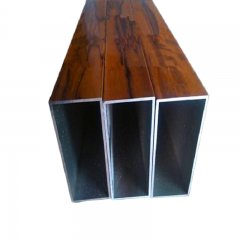
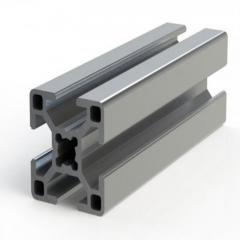
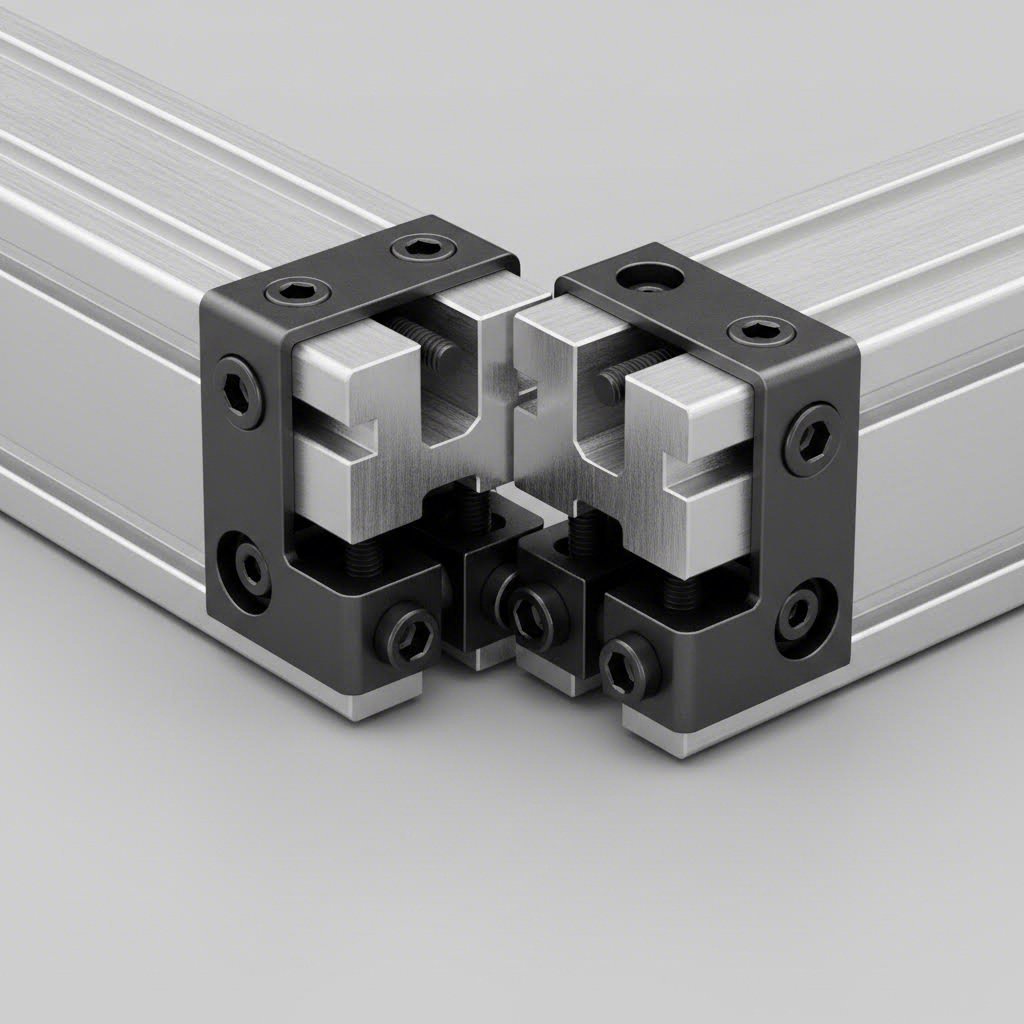
T-slot aluminum profiles have become the industry standard for CNC frame construction, and for good reason. These extruded aluminum shapes feature distinctive T-shaped channels running along their lengths, designed to accept specialized fasteners and accessories. Think of them as industrial-grade building blocks—you can assemble, adjust, and reconfigure without welding, grinding, or painting.
The genius lies in the connection system. According to engineering experts, T-nuts slide into the profile slots and rotate 90 degrees to lock under the slot shoulders. This simple mechanism enables rapid assembly using basic hand tools while maintaining structural integrity comparable to welded joints.
For CNC aluminium extrusion frames specifically, this modularity offers critical advantages:
Here's where things get interesting for extruded aluminum CNC builders. Aluminum offers an exceptional strength-to-weight ratio—significantly lighter than steel while still providing substantial structural integrity. But rigidity, not just strength, determines how well your machine performs during cutting operations.
Rigidity refers to how much a structure resists bending (deflection) and twisting (torsion) under load. For CNC applications, this directly impacts cutting precision and surface finish quality. A frame that flexes during aggressive cuts produces chatter marks and dimensional inaccuracies.
The key metric engineers use is the Moment of Inertia—a geometric property measuring resistance to bending. The higher this value, the stiffer the beam and the less it deflects under load. What's remarkable is how dramatically this scales with profile size. Doubling the profile dimension from 20mm to 40mm increases the Moment of Inertia by more than tenfold, according to structural analysis data.
Wall thickness also plays a crucial role in vibration dampening. Heavier-wall profiles absorb more vibrational energy, reducing the resonance that causes tool chatter. For a profile milling machine or CNC router cutting aluminum, this dampening capability directly affects achievable surface finishes and tool life.
Selecting the right profile size isn't just about bigger equals better—it's about matching structural capability to your specific CNC requirements. Here's how the most common sizes compare:
| Profile Size | Approximate Moment of Inertia | Relative Load Capacity | Ideal CNC Applications |
|---|---|---|---|
| 20x20mm | ~0.7 cm⁴ | Light duty | 3D printer frames, laser engravers, small desktop CNC routers for soft materials |
| 30x30mm | ~2.7 cm⁴ | Light to medium | Hobby CNC routers, camera sliders, electronic workbenches, prototyping fixtures |
| 40x40mm | ~9.0 cm⁴ | Medium duty | Full-size CNC routers, plasma cutters, automation frames, workstation assemblies |
| 80x80mm | ~70+ cm⁴ | Heavy duty | Large format CNC machines, industrial automation, heavy machinery bases, gantry systems |
Notice the dramatic jumps in stiffness as profiles increase in size. A 40x40mm profile offers roughly 13 times the bending resistance of a 20x20mm profile—not double, as the dimensions might suggest. This is why experienced CNC builders often specify larger profiles than newcomers expect.
For practical CNC frame construction, many successful builds combine profile sizes strategically. A machine base might use heavy-duty 40x80mm rectangular profiles for maximum rigidity where loads are highest, while secondary bracing and guarding components use lighter 30x30mm or even 20x20mm sections where structural demands are lower.
The profile series you choose also affects accessory compatibility. Most cnc aluminium extrusion systems use standardized slot widths within their series (typically 6mm slots for 20-series, 8mm for 40-series), ensuring that T-nuts, brackets, and connectors work interchangeably within the same family. Mixing profile series in a single build requires careful attention to connection hardware selection.
Understanding these relationships between profile selection and machine performance sets the foundation for successful CNC builds. But selecting the right frame material is only half the equation—the CNC machining operations performed on aluminum extrusions represent an equally important manufacturing discipline worth exploring.
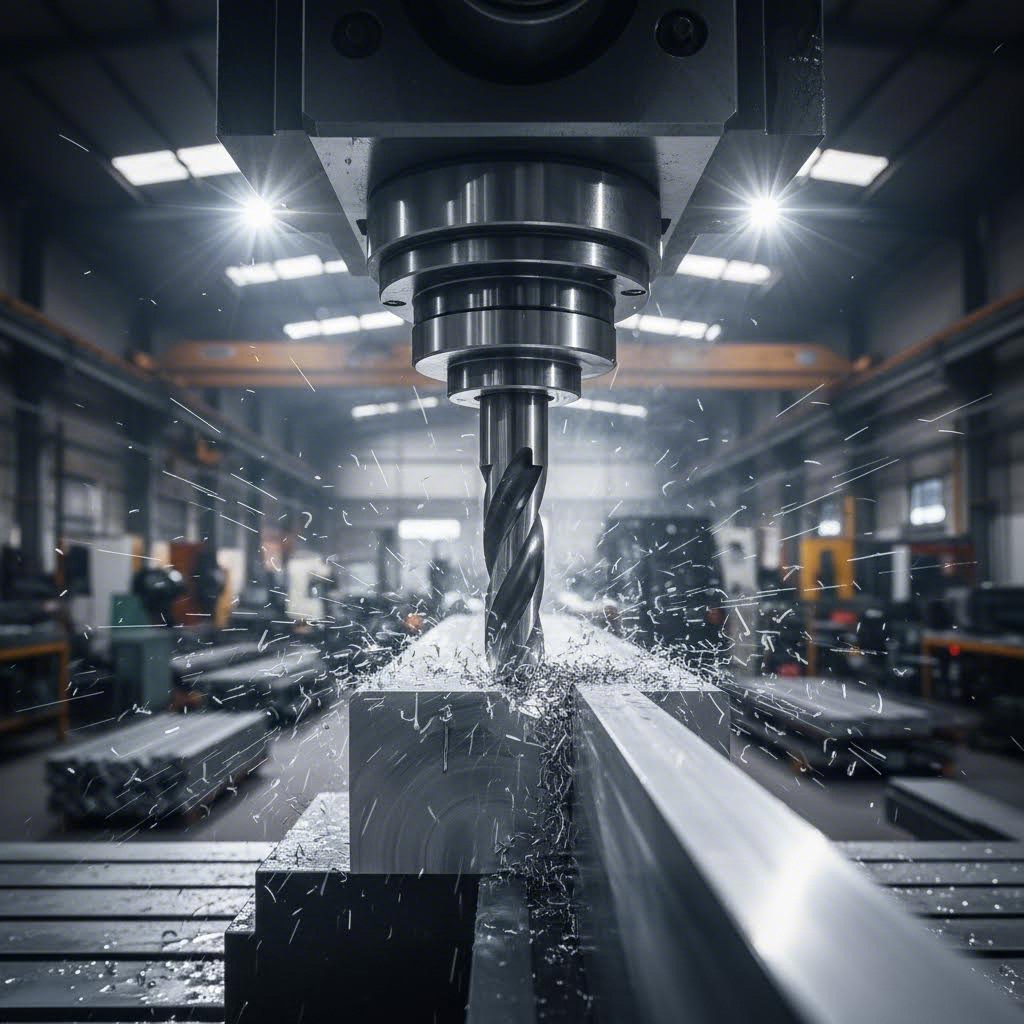
So you've got a raw aluminum extrusion profile fresh from the press—now what? Transforming that continuous shape into a precision component requires a carefully orchestrated sequence of CNC machining operations. Whether you're producing aerospace brackets, architectural trim pieces, or custom enclosures, understanding this workflow from raw extrusion to finished part determines your success.
Here's the reality: aluminium extrusion machining differs significantly from machining solid billet stock. The extruded grain structure, hollow sections, and thin walls common in profiles demand specific strategies that standard machining approaches simply don't address.
The journey from raw extrusion to machined aluminum extrusion component typically follows a predictable sequence. Each operation builds on the previous one, and skipping steps or performing them out of order often leads to quality issues or scrapped parts.
The most common CNC operations for extrusion processing include:
According to CNC machining experts, combining extrusion with CNC machining creates strong products with intricate cross-sections and asymmetrical geometries—something neither process achieves efficiently alone. The extrusion provides the base profile with excellent surface finish and complex cross-section, while CNC operations add features that require uniform cross-sections impossible to extrude.
When it comes to extrusion machining specifics, the alloy you're working with dramatically affects your approach. The two most common extrusion alloys—6063 and 6061—behave quite differently under cutting tools.
6061 aluminum exhibits superior machinability, producing clean chip formation and allowing for higher-speed machining with tighter tolerances. It's often referred to as the "structural alloy" due to its excellent mechanical properties. In contrast, 6063—the "architectural alloy"—is softer and can gum up tools if not handled with proper techniques, especially in softer tempers like T4 or T5.
Here's what this means for your machining parameters:
| Parameter | 6061-T6 Aluminum | 6063-T6 Aluminum |
|---|---|---|
| Brinell Hardness | ~95 HB | ~73 HB |
| Machinability Rating | Excellent | Good (requires care) |
| Recommended Spindle Speed | Higher speeds possible | Moderate speeds preferred |
| Chip Formation | Clean, well-defined chips | Can produce built-up edge |
| Surface Finish Potential | Excellent | Superior (naturally smoother) |
The extrusion grain structure adds another layer of complexity. During the extrusion process, aluminum crystals align along the direction of material flow, creating a directional grain pattern. This affects machining in subtle but important ways—cutting perpendicular to the grain typically produces cleaner surfaces than cutting parallel to it, particularly when milling thin walls or delicate features.
For optimal results when machining aluminum extrusions, invest in high-quality carbide cutting tools designed specifically for aluminum. These tools feature polished flutes and specialized geometries that prevent chip welding and built-up edge formation. Cutting parameter optimization—adjusting spindle speed, feed rate, and depth of cut—remains essential. Testing and experimentation help identify the most effective settings for your specific combination of alloy, profile geometry, and required tolerances.
Surface preparation often determines whether your finished component meets specifications or ends up in the scrap bin. Before machining begins, raw extrusions typically require cleaning to remove lubricants, handling oils, and protective films applied during manufacturing and shipping. Contaminated surfaces can cause tool slippage, inconsistent cutting, and adhesion problems with subsequent coatings.
Workholding deserves special attention when processing aluminum profiles. Unlike solid billets, extrusions often feature hollow sections, thin walls, and complex geometries that can distort under clamping pressure. Experienced machinists use custom fixtures, sacrificial backing plates, or internal mandrels to support thin-walled sections during aggressive cutting operations.
After machining, surface preparation focuses on two goals: removing machining artifacts and preparing surfaces for finishing treatments. Common post-machining steps include:
The tolerances achievable when machining aluminum extrusions depend on multiple factors: machine capability, tooling condition, workholding rigidity, and the specific alloy being processed. For reference, wrought aluminum alloys like 6061 and 6063 are among the most widely used materials in aluminum CNC machining due to their superior mechanical properties and structural integrity compared to cast alloys. They produce better surface finishes and are less hard-wearing on cutting tool edges.
With proper technique and equipment, CNC machining of aluminum extrusions routinely achieves tolerances of ±0.005 inches (±0.127mm) for critical dimensions—precision that opens doors to demanding applications in aerospace, medical devices, and precision instrumentation. Of course, achieving these results consistently requires selecting the right aluminum alloy for your specific project requirements.
Here's a question that trips up even experienced engineers: should you use the same aluminum alloy for building a CNC frame as you would for precision aluminum extrusion components that get machined? The short answer is no—and understanding why can save you significant headaches, money, and rework down the road.
When you're working with aluminum profile CNC applications, the alloy you select directly impacts everything from machining difficulty to final part performance. Two alloys dominate this space—6063 and 6061—and while they share the same 6000-series family tree, their differences matter enormously depending on your application.
Think of aluminum alloy selection like choosing between a marathon runner and a sprinter. Both are athletes, but their strengths serve completely different purposes. Similarly, the alloy that excels in extrusion line production for T-slot profiles isn't necessarily the best choice when you need tight-tolerance machined features.
For CNC frame construction, you're primarily concerned with:
For precision machined components, your priorities shift dramatically:
According to industry specifications, both alloys contain magnesium and silicon as primary alloying elements—but in notably different percentages. This compositional difference creates the performance gap that determines which alloy suits your project.
Let's decode what these alloy numbers actually mean for your work. Professionals often refer to 6063 as "architectural aluminum" because it produces exceptionally smooth surfaces and anodizes beautifully. Meanwhile, 6061 earns its nickname "structural aluminum" from superior mechanical properties that make it the workhorse of precision machining.
Here's how they compare across the factors that matter most:
| Property | 6063 Aluminum | 6061 Aluminum |
|---|---|---|
| Tensile Strength (T6 Temper) | ~30,000 psi | ~45,000 psi |
| Brinell Hardness | 73 HB | 95 HB |
| Machinability Rating | Good (requires care to prevent gumming) | Excellent (clean chip formation) |
| Extrudability | Superior—flows easily through complex dies | Good—but less suitable for intricate profiles |
| Corrosion Resistance | Excellent—outperforms 6061 | Good—slightly less resistant |
| Surface Finish Quality | Exceptional—ideal for visible applications | Good—may require additional finishing |
| Typical Applications | Window frames, T-slot profiles, architectural trim, furniture | Aerospace parts, machined brackets, structural components, automotive |
| Cost Considerations | Similar pricing—widely available in extrusion form | Similar pricing—widely available in plate, bar, and extrusion |
The composition tells the story. 6061 contains 0.8-1.2% magnesium and 0.4-0.8% silicon, while 6063 contains lower amounts—0.45-0.9% magnesium and 0.2-0.6% silicon. This means 6061 offers roughly 50% higher tensile strength but sacrifices some of the extrudability and surface quality that make 6063 dominant in profile manufacturing.
So which alloy should you choose? The answer depends entirely on what you're actually making.
Choose 6063 when:
Choose 6061 when:
Here's an insight that experienced fabricators understand: 6063 is the most popular aluminum alloy for extrusions, while 6061 ranks second. This popularity ranking reflects how the manufacturing industry has naturally sorted these alloys into their optimal applications. The aluminum extrusion line producing your T-slot frame profiles almost certainly runs 6063. But when those profiles need precision machined features—mounting holes, threaded bosses, or custom pockets—switching to 6061 stock for those components often yields better results.
Many successful projects actually combine both alloys strategically. Your CNC frame might use 6063 T-slot profiles for the structural skeleton, while 6061 plates serve as precision mounting surfaces for linear rails and spindle brackets. This hybrid approach leverages each alloy's strengths exactly where they matter most.
Understanding alloy selection is foundational—but having the right equipment and tooling to work with these materials determines whether your knowledge translates into successful parts.
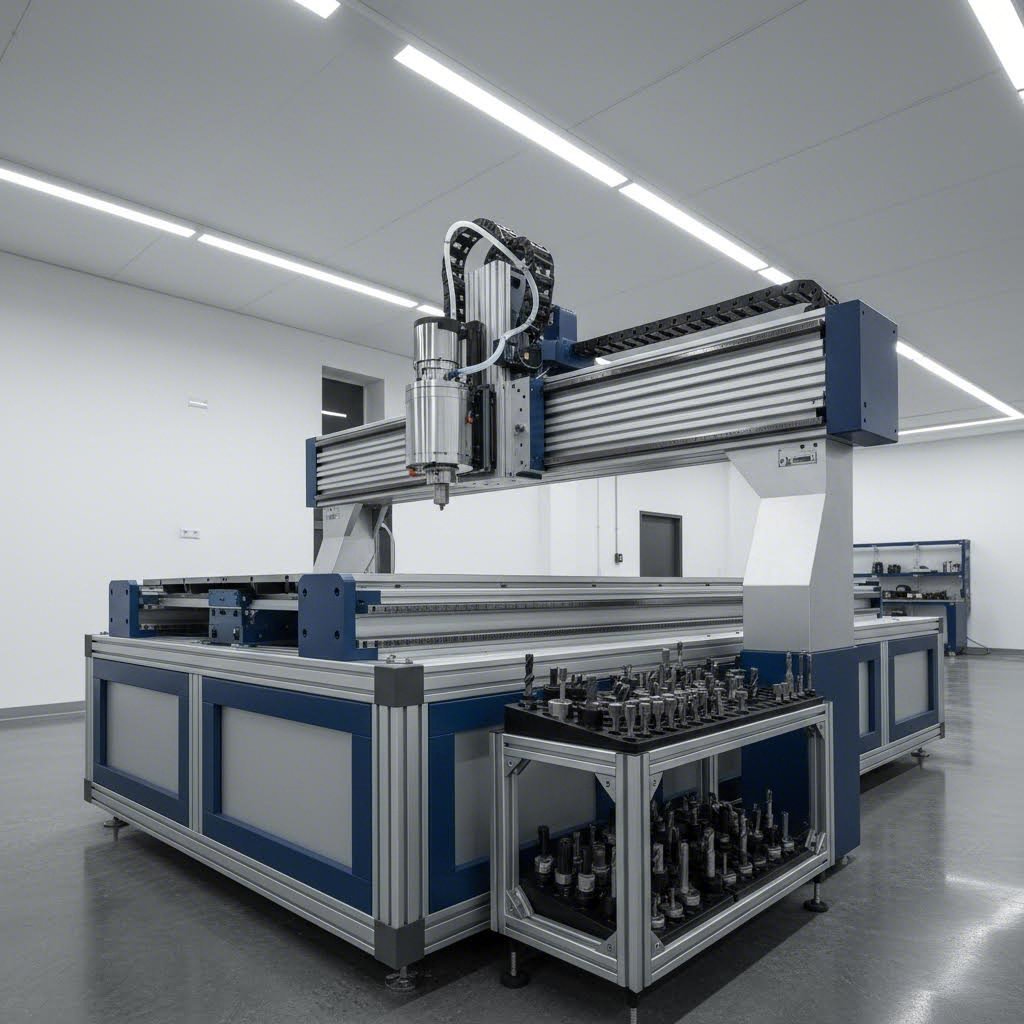
You've selected your aluminum alloy and understand the machining operations required—but what equipment actually gets the job done? Whether you're building CNC frames from T-slot profiles or machining precision components from extruded stock, selecting the right machine and tooling combination determines your success or frustration.
Here's where many newcomers stumble: they assume any CNC machine for aluminum extrusions will perform similarly to equipment designed for wood or plastics. That assumption leads to burned cutters, chattering cuts, and disappointing results. Let's break down what actually matters when equipping your shop for aluminum work.
The CNC router versus CNC mill debate comes up constantly in aluminum machining discussions—and for good reason. These machines share DNA but serve distinctly different purposes based on their fundamental engineering.
According to machining experts, CNC routers employ high-speed spindles typically ranging from 15,000 to 24,000+ RPM, prioritizing rapid surface engagement and fine finishing. CNC mills operate at lower RPM ranges (commonly 3,000 to 12,000 RPM) but deliver significantly higher torque and horsepower—enabling sustained deep cuts through dense materials without deflection or vibration.
What does this mean for your aluminium extrusion machine selection?
CNC aluminum routers can handle soft aluminum sheets and profiles effectively when configured correctly. Their gantry-style construction accommodates large workpieces—perfect for cutting T-slot frame components to length or machining flat aluminum panels. However, their lightweight frames and high-speed spindles limit cutting depth and tolerance capabilities on harder aluminum alloys.
CNC mills are built for precision metalworking. Cast iron or solid steel frames dampen vibration and resist cutting loads, while high-torque spindles sustain deep cuts in 6061 and harder alloys. For machining precision brackets, threaded bosses, or tight-tolerance features on aluminum extrusions, mills deliver superior dimensional accuracy and surface finish.
The practical reality? Many shops benefit from having access to both platforms. A CNC aluminum router handles high-speed 2D profiling and nested part cutting efficiently, while a mill tackles the precision 3D contouring and deep pocket work that demands rigidity.
The spindle is the heart of any CNC machine—and for aluminum work, both power and cooling design matter enormously.
Here's what separates a dedicated aluminium extrusion machine from equipment designed for softer materials: aluminum cutting demands sustained torque under load, not just high rotational speed. Wood routers can get away with lightweight spindles because wood yields easily. Aluminum fights back, generating heat and cutting forces that overwhelm underpowered equipment.
According to spindle engineering specialists, water-cooled spindles maintain stable operating temperatures even during long, demanding machining sessions. This reduces thermal expansion, preserves bearing life, and ensures cutting accuracy. Air-cooled spindles work for lighter-duty aluminum operations but may run hotter during extended cuts, affecting precision and tool life.
Key spindle considerations for aluminum CNC work include:
The Forest-Liné MGP™150 exemplifies industrial-grade profile milling machine design—featuring three active spindles with high rigidity for absolute accuracy across drilling, milling, chamfering, and end-machining operations on aluminum extrusions. This fully automated approach delivers maximum throughput for aerospace and high-volume manufacturing applications.
Even the best machine produces poor results with inadequate tooling. Aluminum demands specific cutter geometries, materials, and coatings that differ substantially from wood or plastic tooling.
For CNC router applications on aluminum, manufacturers recommend carbide bits—preferably two-flute spiral upcut designs for improved chip removal and heat resistance. The polished flutes and specialized geometries prevent chip welding and built-up edge formation that plague standard tooling in aluminum.
Essential equipment considerations beyond spindles and cutters include:
For shops machining both frame components and precision parts, investing in dedicated aluminum tooling libraries pays dividends. Carbide end mills with TiB2 or diamond-like carbon (DLC) coatings resist the adhesion tendencies of aluminum alloys, maintaining sharp edges longer and producing cleaner cuts.
The bottom line? Matching equipment capability to your specific aluminum work requirements—whether routing T-slot profiles or milling precision aerospace components—determines both part quality and operational efficiency. Understanding these equipment fundamentals positions you to make informed decisions about when DIY approaches make sense versus when professional manufacturing partnerships become necessary.
So you've mastered the fundamentals of aluminum extrusion CNC work—you understand frame construction, machining operations, alloy selection, and equipment requirements. Now comes a critical question: when should you tackle a project yourself versus partnering with professional manufacturing services?
This decision trips up many engineers and entrepreneurs. Some invest thousands in equipment for projects better suited to outsourcing. Others outsource simple work that could be completed faster and cheaper in-house. Getting this balance right saves money, accelerates timelines, and ensures quality matches your application requirements.
The DIY versus professional manufacturing decision isn't simply about capability—it's about optimizing resources for your specific situation. According to CNC machining experts, building your own equipment or machining your own parts offers advantages in customization, cost-effectiveness for small volumes, and educational value. But these benefits come with significant trade-offs.
Here's the reality check: the out-of-pocket cost of a homemade CNC mill may appear lower because your labor is "free." However, if you can earn $30+ per hour elsewhere, purchasing quality equipment or outsourcing to professionals might make more economic sense. Time invested in building and troubleshooting DIY equipment represents opportunity cost that many hobbyists underestimate.
DIY approaches typically make sense when:
Professional manufacturing partnerships become necessary when:
According to industry analysis, professionally produced machines benefit from years of design refinement and premium materials, ensuring durability and longevity. The same principle applies to professionally manufactured parts—they benefit from optimized processes, calibrated equipment, and quality systems that DIY operations rarely match.
The journey from prototype to production represents one of the most challenging transitions in product development. According to manufacturing experts, scaling too soon—or without proper preparation—leads to wasted money on tooling, costly redesigns, supply chain headaches, or even failed launches.
Here's a common pitfall: a prototype may perform perfectly as a one-off model, but scaling that design into mass production introduces challenges. Materials used in prototyping may not be cost-effective at scale, and tolerances achievable in a single CNC alu profile part may be impractical in high-volume manufacturing.
The transition typically follows these stages:
Before committing to production tooling and large volumes, conduct pilot runs to evaluate manufacturability, assembly workflows, and supply chain readiness. These small runs act as a bridge between prototype and mass production, allowing you to spot problems before they affect thousands of units.
Not all aluminum extrusion projects demand the same quality standards. Understanding where your application falls on the quality spectrum helps you invest appropriately—neither over-engineering simple projects nor under-specifying critical ones.
Use this decision framework to match manufacturing approach to application requirements:
| Application Level | Typical Tolerance Requirements | Surface Finish Expectations | Certification Needs | Recommended Approach |
|---|---|---|---|---|
| Hobbyist/Maker | ±0.5mm to ±1.0mm | Functional—visible tool marks acceptable | None required | DIY or local machine shop |
| Architectural | ±0.25mm to ±0.5mm | Good—consistent appearance, minor imperfections acceptable | Building codes, fire ratings may apply | Professional extrusion supplier with finishing capabilities |
| Industrial/Commercial | ±0.1mm to ±0.25mm | High—uniform finish, no visible defects | ISO 9001 often required | Established manufacturing partner with quality systems |
| Aerospace/Medical | ±0.05mm or tighter | Exceptional—controlled surface roughness values | AS9100, FDA, NADCAP mandatory | Certified specialty manufacturer—aluminium airfoil extrusion for aerospace demands full traceability |
According to Aluminum Association standards, standard extrusion tolerances vary significantly based on profile dimensions and temper conditions. Straightness tolerances, for example, range from 0.0125 inches per foot of measured length for stress-relieved tempers to 0.050 inches per foot for annealed material. Understanding these baseline capabilities helps you specify realistic requirements.
For aerospace applications like aluminium airfoil extrusion components, every aspect faces scrutiny—material certification, process documentation, dimensional verification, and surface condition. These requirements typically mandate professional manufacturing partners with established quality management systems and industry-specific certifications.
The quality benchmark decision ultimately comes down to consequences. Ask yourself: what happens if this part fails or doesn't meet specifications? For a hobbyist CNC frame, the answer might be minor inconvenience and rework. For an aerospace structural component, the consequences could be catastrophic. Match your manufacturing approach—and investment—to those stakes.
With your project scope, volume requirements, and quality benchmarks defined, the final consideration becomes how surface treatments and finishing options complete your machined aluminum extrusions.
You've precision-machined your aluminum extrusion to exact specifications—but the job isn't finished yet. That freshly cut surface, while dimensionally accurate, remains vulnerable to oxidation, wear, and environmental degradation. Surface treatments transform raw machined aluminum from a functional component into a durable, visually appealing finished product ready for demanding applications.
Here's what many fabricators overlook: aluminum extrusion surface treatment isn't just about aesthetics. The right finish can increase surface hardness by 300-400%, extend corrosion resistance from months to decades, and enable your components to meet industry-specific performance requirements. Understanding your aluminum finishing options—and when to apply each one—separates professional-grade results from amateur outcomes.
After CNC machining operations, aluminum surfaces require protection. The machining process removes the natural oxide layer that forms on raw aluminum, leaving freshly exposed metal vulnerable to environmental attack. Additionally, tool marks, handling scratches, and surface imperfections from machining need addressing before parts enter service.
According to finishing specialists, the finish you choose impacts both appearance and performance—durability, wear resistance, and corrosion protection all depend on matching the treatment to your application environment. The most common aluminum finishing options include:
Each treatment offers distinct advantages depending on whether your priorities lean toward aesthetics, protection, or specialized performance characteristics. The key lies in matching treatment capabilities to your specific application demands.
Anodized aluminum extrusion remains the most popular finish for machined components—and for compelling reasons. Unlike paint or plating that sits on top of the surface, anodizing actually transforms the aluminum itself into aluminum oxide, creating an integrated layer that won't chip, peel, or flake.
According to CNC finishing experts, the anodizing process involves immersing aluminum in an acid solution and applying electricity, resulting in a surface coating highly resistant to wear and tear. This makes anodizing an excellent choice for outdoor applications where durability matters most.
The process offers several variants tailored to different performance requirements:
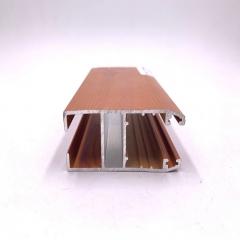
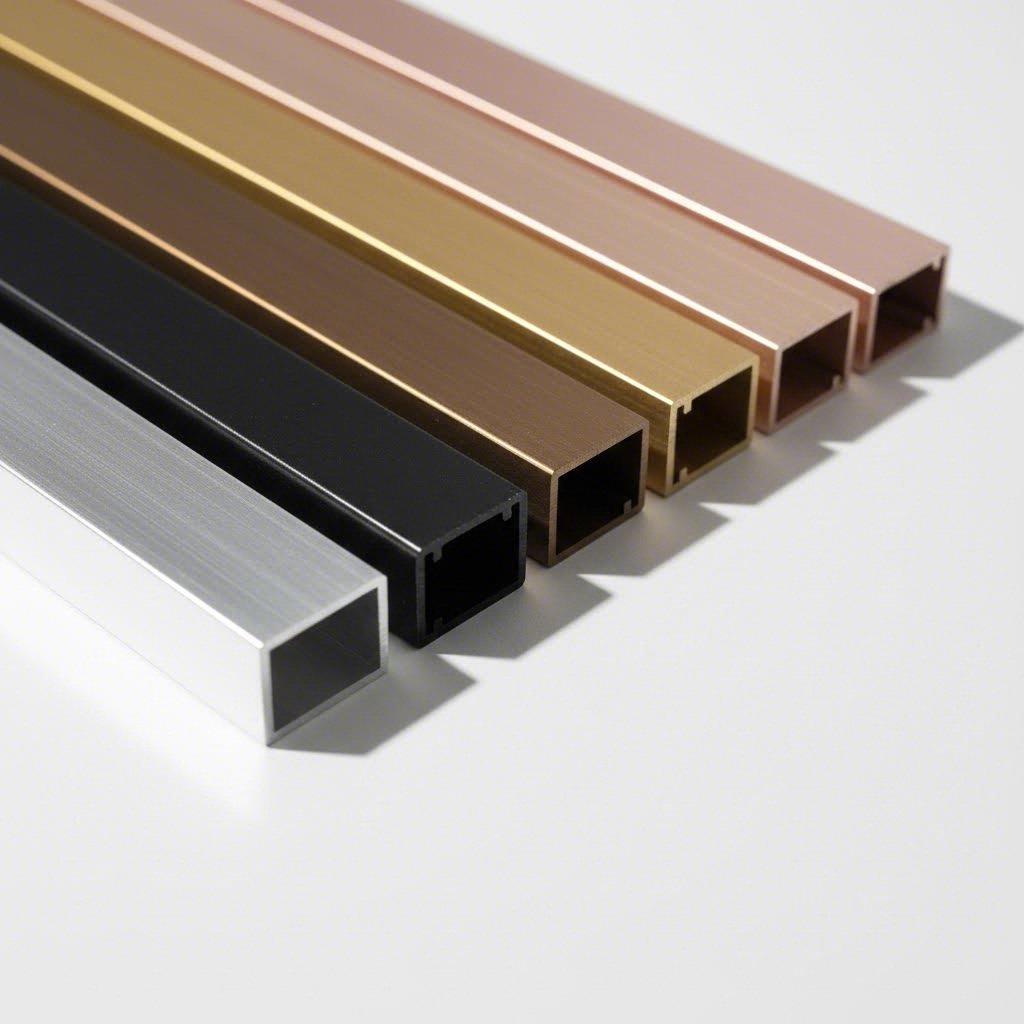
Color possibilities extend far beyond basic silver, black, and bronze tones. Modern anodizing processes accommodate custom colors including Champagne, Rose Gold, red, blue, green, and virtually any shade specified. These colors become integral to the oxide layer rather than sitting on top—meaning they won't fade, chip, or wear away under normal use.
For manufacturers requiring comprehensive surface treatment capabilities, suppliers like Shengxin Aluminium offer integrated extrusion and finishing services with custom anodizing colors that match architectural specifications or branding requirements—eliminating the coordination challenges of managing separate extrusion and finishing vendors.
When anodizing alone doesn't meet your performance requirements, advanced coating technologies fill the gap. Each option addresses specific environmental challenges that standard finishes can't handle.
Powder Coating delivers exceptional versatility for industrial applications. According to industry sources, powder coating is highly durable and can resist scratches and other types of wear better than anodizing in many applications. The electrostatically applied powder bonds to aluminum surfaces during high-temperature curing, forming a uniform finish available in virtually unlimited colors—from metallic gray to matte black and everything between.
A powder coated aluminum profile offers several advantages:
PVDF Coating (polyvinylidene fluoride) represents the premium choice for architectural and exterior applications demanding decades of service life. This fluoropolymer coating system—often known by brand names like Kynar—resists UV degradation, chemical attack, and weathering far beyond standard powder coatings. Curtain walls, window frames, and building facades frequently specify PVDF for guaranteed color retention over 20+ year service periods.
Micro-Arc Oxidation (MAO) pushes protective coating performance to another level entirely. According to MAO specialists, this cutting-edge electrochemical process forms a robust ceramic coating on aluminum surfaces through controlled high-voltage plasma discharges. Unlike conventional anodizing that produces a porous layer, MAO creates a highly integrated and less permeable coating with exceptional properties:
MAO coatings prove especially valuable for CNC machined aluminum parts used in demanding environments—aerospace components experiencing high temperatures, industrial equipment facing aggressive wear, or electronic housings requiring both protection and insulation.
Selecting appropriate surface treatments requires evaluating your specific application environment. Outdoor architectural applications typically demand PVDF or high-quality anodizing for UV and weathering resistance. Industrial machinery benefits from hardcoat anodizing or powder coating for wear protection. High-performance applications in aerospace or electronics may justify the investment in micro-arc oxidation for its exceptional combination of hardness, heat resistance, and durability.
For projects requiring advanced finishing capabilities, working with manufacturers offering end-to-end processing streamlines production. Facilities with integrated CNC machining and surface treatment capabilities—including advanced options like micro-arc oxidation—eliminate coordination complexity and ensure consistent quality from raw extrusion through finished component.
With surface treatment selection complete, the final step involves synthesizing everything you've learned into actionable project decisions—from initial design through finding the right manufacturing partner for your aluminum extrusion CNC requirements.
You've journeyed through the complete landscape of aluminum extrusion CNC applications—from understanding why this single search term bridges two distinct manufacturing worlds to mastering alloy selection, equipment requirements, and surface treatment options. Now it's time to transform that knowledge into action. Whether you're building a CNC frame from T-slot profiles or sourcing precision-machined aluminum components, the decisions you make next determine your project's success.
Every successful aluminum extrusion project follows a logical progression—and skipping steps inevitably creates problems downstream. Here's the complete workflow that connects extrusion selection to finished CNC-ready components:
This sequence applies whether you're machining a single prototype bracket or scaling to production volumes of thousands. The difference lies in who executes each step—you, or a manufacturing partner with established capabilities.
Throughout this guide, several principles have emerged as critical differentiators between projects that succeed and those that struggle:
The most successful aluminum extrusion CNC projects match manufacturing capabilities precisely to application requirements—neither over-engineering simple components nor under-specifying critical ones. Understanding where your project falls on the spectrum from hobbyist to aerospace determines every downstream decision.
Keep these essential insights front of mind as you move forward:
For many projects, the critical decision isn't whether to machine aluminum extrusions—it's identifying the right partner to execute production efficiently. According to custom aluminum extrusion specialists, precision, technology, and expertise must come together to create exceptional profiles. This means evaluating potential suppliers across multiple dimensions.
When assessing an aluminum extrusion manufacturer for CNC machining aluminum parts, consider these factors:
For readers ready to explore professional custom aluminum extrusion services, Shengxin Aluminium represents the type of comprehensive solution that simplifies complex projects. With over 30 years of industry experience, their facility houses 35 extrusion presses ranging from 600T to 5500T—capacity that handles everything from intricate architectural trim to heavy industrial profiles. Their state-of-the-art CNC machining centers deliver precise cutting, drilling, and bending to exact specifications, while comprehensive surface treatment options include custom anodizing colors, powder coating, PVDF, and micro-arc oxidation.
Whether you need custom 6063 aluminum tubes, precision-machined brackets, or complex industrial profiles requiring tight tolerances, end-to-end support from die development through mass production eliminates the coordination headaches of managing multiple vendors. Factory-direct pricing and technical consultation ensure your aluminum profile fabrication project starts on solid footing.
The path forward is clear: define your requirements, select appropriate materials and processes, and partner with manufacturing capabilities that match your project scope. Armed with the knowledge from this guide, you're positioned to make informed decisions—whether building CNC frames, machining precision components, or scaling from prototype to production.
Aluminum extrusion CNC frames perform well for light to medium-duty applications. For milling aluminum or softer materials, 4080 or larger extrusion profiles provide adequate rigidity. The key considerations are profile size selection, proper bracing, and matching frame stiffness to cutting forces. Doubling profile dimensions increases stiffness by over tenfold, so 40x40mm or 80x80mm profiles handle more demanding work than smaller 20x20mm sections.
For maximum rigidity in DIY CNC builds, 80x80mm or 80x160mm profiles offer the highest moment of inertia and load capacity. These heavy-duty sections suit large format CNC machines and gantry systems. However, 40x40mm profiles provide excellent rigidity for most hobby applications while remaining cost-effective. Strategic combination of profile sizes—heavy sections for the base, lighter profiles for bracing—optimizes both performance and budget.
6061 aluminum offers superior machinability with approximately 50% higher tensile strength (45,000 psi vs 30,000 psi), making it ideal for precision-machined components. 6063 aluminum excels in extrudability, producing smoother surface finishes and more complex profile shapes—perfect for T-slot frame construction. Choose 6061 when tight tolerances and extensive CNC machining are required; select 6063 for architectural profiles, frames, and applications where surface appearance matters most.
Yes, CNC routers can machine aluminum when properly configured. Key requirements include water-cooled spindles (minimum 2.2kW), carbide tooling with polished flutes designed for aluminum, and appropriate speeds and feeds. However, routers have limitations compared to mills—their lighter frames and high-speed spindles restrict cutting depth and achievable tolerances. For precision work on 6061 aluminum or aggressive material removal, CNC mills deliver superior results.
Anodizing remains the most popular choice, creating an integrated oxide layer that resists wear and corrosion while accepting custom colors. Powder coating provides thicker coverage (2-6 mils) with unlimited color options and superior impact resistance. For demanding applications, micro-arc oxidation creates ceramic-like coatings with exceptional hardness and thermal stability. PVDF coatings suit architectural and outdoor applications requiring decades of UV resistance. Treatment selection depends on your specific environmental conditions and performance requirements.



 Servicio en línea
 0086 136 3563 2360
 sales@sxalu.com
 +86 136 3563 2360
 español
 English
 français
 Deutsch
 русский
 português
 العربية
 ไทย
ไทย Việt
Việt Українська