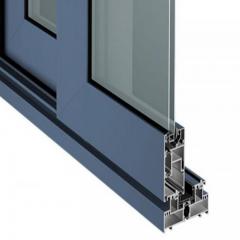

Trickle vents are small openings built into window frames that allow fresh air to flow into your home continuously, even when the window is closed. They provide background window ventilation without requiring you to open the window itself.
Ever noticed a small slot at the top of your window frame and wondered what it does? Or maybe you have floor vents positioned right beneath your windows and assumed they were the same thing? You're not alone. When homeowners search for information about air vents in windows, they're usually dealing with one of two completely different systems. Understanding which one you have makes all the difference in how you manage airflow, energy efficiency, and indoor air quality.
These two vent types serve different purposes and work in entirely different ways. Trickle vents are passive ventilation devices integrated directly into the window frame itself. You'll find them as narrow slots along the top edge of vented windows, and they work without electricity or moving parts. Their job is simple: let stale indoor air escape while drawing fresh outdoor air inside.
HVAC supply vents, on the other hand, are part of your home's heating and cooling system. They're typically located on floors or walls near windows because that positioning helps counteract heat loss or gain through the glass. These vents actively push conditioned air into the room using your furnace or air conditioner.
Imagine your home as a sealed box. Windows represent the thinnest barrier between your indoor environment and the outside world. They're where temperature differences are most extreme and where moisture problems often show up first. This makes them the natural location for managing airflow.
Window vents in a house serve a critical function in modern construction. As homes become more airtight for energy efficiency, they also trap moisture, pollutants, and stale air inside. A ventilating window with built-in trickle vents solves this problem by maintaining constant, controlled air exchange. You get fresh air without sacrificing the insulation benefits of keeping your windows closed.
Understanding which type of window vent you're dealing with is the first step toward making informed decisions about your home's ventilation strategy. The sections ahead will walk you through how trickle vents actually work, which types are available, and how to choose the right solution for your situation.
So what does a vent do when it's just a small slot in your window frame? The answer lies in basic physics that work around the clock without any help from you. Window trickle vents rely on natural forces to move air through your home, and understanding these principles helps you appreciate why they're so effective at maintaining indoor air quality.
Imagine standing outside on a windy day. You'll notice the air pushes against one side of your house while creating lower pressure on the opposite side. This pressure difference is exactly what drives airflow through trickle air vents for windows.
Two main forces create the conditions for passive ventilation:
These forces work together continuously. Even on calm days, temperature differences between inside and outside generate enough pressure to move air through the small slots in your window frames. The vent wing design on some models helps direct this airflow more efficiently, channeling incoming air upward to mix with room air before reaching occupants.
Not all trickle vents move the same amount of air. The key measurement is equivalent area, expressed in square millimeters (mm²). This figure represents the effective size of the ventilation opening when accounting for any internal baffles or restrictions.
A larger equivalent area means more air exchange per hour. However, bigger isn't always better. The relationship between slot size and airflow involves several factors:
The critical difference between trickle vents and simply opening a window comes down to consistency. When you crack a window open, you get a burst of fresh air by rapid heat loss. Then you close it, and moisture starts building up again.
Continuous low-level airflow prevents moisture and pollutant buildup more effectively than occasional window opening.
Trickle vents work differently. They maintain a steady, modest airflow rate throughout the day and night. This constant exchange removes excess humidity before it can condense on cold surfaces and dilutes indoor pollutants like cooking fumes, cleaning chemicals, and carbon dioxide from breathing. The result is better air quality without the energy penalty of leaving windows open.
With the physics covered, the next question becomes practical: which type of trickle vent suits your windows and your needs?
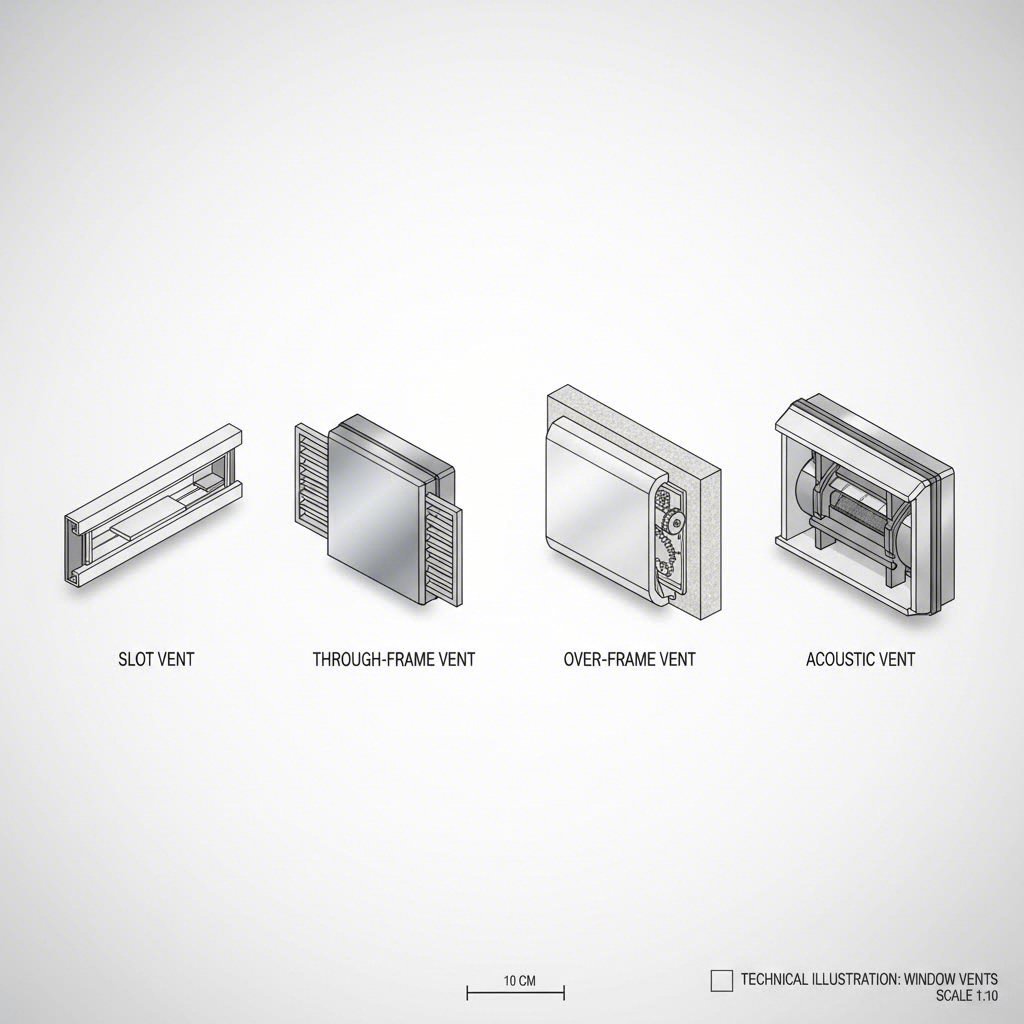
So you've decided trickle vents in windows are the right solution for your home. Now comes the next question: which type should you choose? Not all window air vents are created equal. They differ in how they're installed, where they sit on the frame, and how much airflow they provide. Picking the wrong type can mean compromised aesthetics, inadequate ventilation, or unnecessary noise problems.
What is a trickle vent in practical terms? It's a small ventilation device fitted to your window frame, but the installation method varies significantly depending on the product design. Let's break down the four main types you'll encounter when shopping for trickle vents windows.
The three primary installation configurations each have distinct characteristics that make them suitable for different situations.
Slot vents are the most common type you'll find on modern windows. They're cut directly into the top rail of the window frame, creating a narrow channel that allows air to pass through. You'll notice them as thin horizontal openings, often with a sliding cover that lets you adjust airflow. Slot vents work well with uPVC and timber frames and offer a clean, integrated appearance since they sit flush with the frame profile.
Through-frame vents pass completely through the window frame from outside to inside. This design typically provides higher airflow rates because the air path is more direct. However, installation requires precise cutting through the entire frame depth, which makes retrofitting more challenging. Through-frame vents suit timber and aluminium frames particularly well, though they can also be fitted to uPVC with proper technique.
Over-frame vents mount on top of the window frame rather than cutting into it. When you need fitted air vents but want to avoid modifying the frame structure, this is often the simplest solution. They're especially useful for retrofit situations where cutting into the frame isn't practical or could void warranties. The trade-off is aesthetics: over-frame vents are more visible and can look bulkier than integrated options. Some homeowners also install an above door vent using similar surface-mounted designs when additional ventilation is needed in hallways or landings.
Standard window trickle vent designs prioritize airflow over sound control. If you live on a quiet street, that's perfectly fine. But imagine trying to sleep with traffic noise filtering through your bedroom window, or working from home while construction happens next door. Suddenly, that simple ventilation slot becomes a weak point in your sound insulation.
Acoustic trickle vents address this problem by incorporating internal baffles and sound-absorbing materials. These additions force incoming air to travel a longer, more tortuous path, which dampens sound waves before they enter your room. The result is noticeably reduced noise transmission compared to standard vents.
When does the upgrade make sense? Consider acoustic vents if your property faces:
Acoustic vents typically reduce noise ingress by a meaningful margin compared to standard models, though the exact performance depends on the specific product design and installation quality. They cost more than basic vents, but for properties in noisy locations, the improvement in comfort often justifies the investment.
The table below summarizes the key differences to help you match the right window trickle vent to your specific situation:
| Vent Type | Installation Method | Compatible Materials | Equivalent Area Range | Acoustic Performance | Best Use Case |
|---|---|---|---|---|---|
| Slot Vent | Cut into top rail of frame | uPVC, timber | 2,500 - 5,000 mm² | Minimal sound reduction | New installations, standard residential use |
| Through-Frame Vent | Passes through entire frame depth | Timber, aluminium, uPVC | 4,000 - 8,000 mm² | Minimal sound reduction | High airflow requirements, larger rooms |
| Over-Frame Vent | Surface-mounted on top of frame | All frame types | 2,500 - 6,000 mm² | Minimal sound reduction | Retrofit projects, warranty-sensitive installations |
| Acoustic Vent | Cut into frame with baffled interior | uPVC, timber, aluminium | 2,500 - 5,000 mm² | Significant noise reduction | Urban properties, roadside locations, bedrooms |
Keep in mind that equivalent area figures vary by manufacturer and model. The ranges shown represent typical values rather than universal standards. When selecting a vent, always check the specific product specifications against your ventilation requirements.
Choosing the right type is only part of the equation. You'll also need to understand whether your installation must comply with building regulations, which brings us to the legal requirements that affect many UK homeowners.
You've picked the right vent type for your windows. But here's a question many homeowners overlook: are you legally required to install it? In the UK, trickle ventilation isn't just a nice-to-have feature. For certain properties and situations, it's a regulatory requirement. Getting this wrong can mean failed building inspections, complications when selling your home, or even enforcement action.
The rules around trickle ventilation windows can feel confusing. Some installers say you must have them. Others fit double glazed windows with ventilation as standard. And plenty of older homes have none at all. So what's actually required, and when does it apply to you?
UK Building Regulations Part F sets the minimum ventilation standards for dwellings. Its purpose is straightforward: ensure buildings have adequate fresh air to protect occupant health and prevent moisture damage. The regulations specify how much ventilation each room type needs, measured in equivalent area (mm²).
Part F applies to:
The regulations distinguish between different room types. Habitable rooms like bedrooms and living areas have specific minimum equivalent area requirements. Kitchens and bathrooms, which generate more moisture, typically need higher ventilation rates. This is similar in principle to how interior door ventilation works in whole-house airflow strategies, where air moves from drier rooms toward extraction points in wet rooms.
For windows with vents, Part F specifies that background ventilators (including trickle vents) must provide a minimum equivalent area based on the room's floor area and function. The exact figures are detailed in the Approved Document F, which building control officers use to assess compliance.
Here's where confusion often arises. Trickle vent installation is mandatory in some scenarios but only recommended in others. Understanding the distinction helps you avoid unnecessary expense while staying compliant.
Installation is typically mandatory when:
Installation is recommended but not mandatory when:
The critical point many homeowners miss: if your existing windows have trickle vents and you replace them with windows that don't, you may be reducing the property's ventilation provision below compliant levels. This can constitute non-compliance with building regulations, even if no formal approval was required for the window replacement itself.
Think of it like foundation vents in a different context. Just as knowing when to open foundation vents matters for crawl space moisture control, understanding when trickle vents are required matters for indoor air quality compliance.
Own a listed building or live in a conservation area? Standard trickle vent installation may not be straightforward. These properties often have restrictions on external alterations that affect their historic character.
In listed buildings, any modification to windows typically requires listed building consent. Standard trickle vents with visible external grilles may not be acceptable if they alter the window's historic appearance. You might need to use specially designed heritage-compatible vents or alternative ventilation strategies altogether.
Conservation areas present similar challenges. While the restrictions are generally less strict than for listed buildings, local planning authorities may still require approval for visible external changes. Some areas have specific guidance on acceptable vent designs and finishes.
Before installing trickle vents in a heritage property, check with your local planning authority. They can advise whether consent is needed and which product types are likely to be acceptable. This step can save significant time and expense compared to installing non-compliant vents and being required to remove them later.
With the regulatory landscape clear, the next practical question is whether trickle vents will actually solve your condensation problems, or whether you're dealing with something they can't fix.

You wake up on a cold morning, pull back the curtains, and there it is: water streaming down your windows. Maybe you've noticed damp patches forming on walls near the glass, or a musty smell that won't go away. Condensation is one of the most common reasons homeowners start researching air vents in double glazed windows. But here's what most people get wrong: trickle vents can help, but they're not a magic fix for every moisture problem.
Understanding why condensation forms in the first place helps you set realistic expectations about what house window vents can actually accomplish.
Imagine breathing on a cold mirror. That fog appearing on the glass? That's condensation in action. The same process happens throughout your home, just on a larger scale.
Here's the simple version: warm air holds more moisture than cold air. When that warm, humid indoor air touches a cold surface like a window pane or an exterior wall, it cools rapidly. Once the air temperature drops below what's called the dew point, the moisture it was carrying can no longer stay as invisible vapor. It turns into visible water droplets.
Your windows are usually the coldest surfaces in any room. Even with double glazing, glass conducts heat away faster than insulated walls. That's why drip vents in windows and condensation problems go hand in hand: the window is where moisture shows up first, but it's rarely where the problem originates.
Several everyday activities pump moisture into your indoor air:
In older, draftier homes, this moisture escaped through gaps around windows and doors. Modern airtight construction traps it inside, which is why condensation problems have become more common even as insulation has improved.
When you open a window to clear condensation, you get immediate results. The humid air rushes out, fresh dry air comes in, and the moisture disappears. Problem solved, right?
Not quite. Within an hour of closing that window, humidity starts climbing again. You're back where you started, except now you've also lost a significant amount of heat. This spike-and-drop pattern is inefficient and uncomfortable, especially during winter.
Trickle vents work differently. They provide continuous night time ventilation and daytime airflow at a much lower rate. Instead of dramatic air exchanges, they maintain a steady, gentle removal of excess moisture throughout the day and night. The humidity level stays more consistent rather than swinging between extremes.
Trickle vents manage humidity at source rather than treating symptoms after condensation appears.
This approach works because it prevents moisture from accumulating to problematic levels in the first place. By the time you'd normally see condensation forming, the excess humidity has already been vented away. The same principle applies whether you're dealing with a basement window vent in a below-grade space or standard house window vents on upper floors.
Here's where honesty matters. Trickle vents reduce condensation risk, but they have limits. If you're expecting them to eliminate moisture problems entirely, you may be disappointed.
Trickle vents won't solve condensation caused by:
A basement window with vent can help manage humidity in below-grade spaces, but if groundwater is seeping through foundation walls, no amount of ventilation will fix that underlying issue. Similarly, if you're drying laundry indoors every day in a small flat with minimal heating, even properly sized vents may struggle to keep up.
The key is matching your ventilation capacity to your moisture load. For typical household activities in a reasonably heated home, trickle vents provide effective background moisture control. For higher moisture situations, you may need additional extraction fans, dehumidifiers, or changes to how you manage moisture-generating activities.
Condensation isn't just an aesthetic nuisance. Persistent moisture creates conditions where mold thrives. Those black spots appearing around window frames or in corners aren't just unsightly. They can trigger respiratory problems, aggravate allergies and asthma, and cause structural damage to window frames, plaster, and decorative finishes over time.
Addressing condensation through proper ventilation protects both your health and your property. It's a preventive measure that costs far less than remediation work after mold has taken hold or timber frames have started to rot.
Now that you understand what trickle vents can realistically achieve, the next step is figuring out how to add them to your existing windows if they weren't installed originally.

So your windows don't have trickle vents, but you want to add them. Maybe you're dealing with condensation issues, or perhaps you're upgrading ventilation to meet current standards. Either way, retrofitting is absolutely possible on most existing windows. The real question is whether you should tackle it yourself or bring in a professional.
Before you grab your tools or pick up the phone, you'll need to assess whether your window frames can actually accept a window vent insert. Not every frame is suitable, and getting this wrong can mean damaged windows, voided warranties, or vents that don't perform as expected.
Walk up to your window and take a close look at the top rail of the frame. This is where most fitted vents will be installed. The first thing you need to determine is whether there's enough material depth to cut into without compromising the frame's structural integrity.
For uPVC frames, you'll typically need at least 25-30mm of solid material in the top rail. Many modern uPVC windows have hollow chambers within the frame profile, and cutting into the wrong section can weaken the structure or expose internal cavities to moisture. Run your fingers along the frame and tap gently. A solid sound indicates sufficient material; a hollow sound suggests you're over a chamber that shouldn't be cut.
Timber frames are generally more forgiving. The wood is solid throughout, so depth is less of a concern. However, you'll need to check for:
Aluminium frames present unique challenges. The metal is thin, and cutting requires specialized tools to avoid burrs and sharp edges. Most homeowners find aluminium retrofit more difficult than uPVC or timber.
When is a frame unsuitable? Avoid retrofitting if you notice:
If your frames fall into any of these categories, professional assessment is worth the investment before proceeding. Some situations call for alternative solutions entirely, such as a ventilation fan on window or over-frame vents that don't require cutting.
You've confirmed your frames are suitable. Now comes the decision: do it yourself or hire someone? Both approaches have merit, and the right choice depends on your skills, tools, and how much risk you're comfortable taking.
DIY installation appeals to handy homeowners who want to save money and enjoy the satisfaction of completing the job themselves. The process involves measuring and marking the vent position, cutting a slot through the frame using a jigsaw or oscillating multi-tool, cleaning up the cut edges, and fitting the vent components. Easy glaze trickle vents and similar retrofit products are designed with DIY installation in mind, often including templates and detailed instructions.
However, the margin for error is slim. Cut too deep and you might breach a sealed unit or hollow chamber. Cut at the wrong angle and the vent won't seat properly. Make a mistake on a visible frame and you're looking at an eyesore every time you glance at the window.
Professional installation costs more upfront but eliminates most of these risks. Experienced fitters have installed hundreds of vents and know exactly how different frame types behave. They carry appropriate insurance, can provide compliance documentation if needed, and typically guarantee their work.
The comparison below breaks down the key factors to help you decide:
| Factor | DIY Approach | Professional Approach |
|---|---|---|
| Cost (vent + installation) | £15-50 per vent (product only) | £50-120 per vent (fitted) |
| Time per window | 30-60 minutes (first attempt may take longer) | 15-20 minutes |
| Warranty risk | High — DIY cutting typically voids manufacturer warranty | Low — professional fitting may preserve warranty |
| Compliance documentation | Not available | Available on request for building control |
| Skill requirement | Moderate — confident with power tools, precise measuring | None — handled by installer |
| Risk of frame damage | Moderate to high for inexperienced users | Low — covered by installer's insurance |
Cost figures vary depending on vent type, frame material, and your location. For accurate pricing, obtain quotes from local installers and compare against product costs from builders' merchants.
Some situations tip the balance firmly toward hiring a professional, regardless of your DIY confidence:
Think of it this way: if you're comfortable installing a basement window vent kit in a utility space where appearance matters less, DIY might be fine. But for visible living areas or situations with regulatory implications, professional fitting provides peace of mind that's often worth the extra cost.
Whether you choose DIY or professional installation, the job doesn't end once the vent is in place. Even properly installed vents can develop problems over time, which brings us to troubleshooting the issues that catch many homeowners off guard.
You've installed trickle vents, but something isn't right. Maybe condensation still appears every morning. Perhaps you feel a cold draft whenever the wind picks up. Or the street noise that was supposed to stay outside is now filtering through that small slot in your window frame. Sound familiar?
These problems are more common than you'd think, and they're almost always fixable. The trick is diagnosing what's actually going wrong before reaching for solutions. Let's walk through the most frequent issues and how to resolve them.
The most common reason trickle vents stop working properly is simple: they're blocked. Dust, debris, paint overspray, and even insect nests can accumulate in the narrow channels over time, restricting airflow to a trickle of what it should be.
Here's how to diagnose and fix the problem:
If your home previously had no vents and you've recently installed tickle vents (a common misspelling, but the same product), this cleaning routine should become part of your regular maintenance schedule. Vents in kitchens tend to accumulate grease residue faster, while those near busy roads collect more dust and particulates.
Cleaned your vents and still experiencing problems? The issue likely runs deeper than a simple blockage. Here's what each symptom typically indicates:
Condensation persists despite open vents: This usually means one of three things. The vent's equivalent area may be too small for the room size, meaning it can't move enough air to manage your moisture load. The moisture source might be overwhelming any reasonable ventilation rate, such as drying multiple loads of laundry indoors daily. Or the vent is partially blocked internally where you can't see it. Consider whether an alternative to trickle vents might serve you better in high-moisture situations, such as adding mechanical extraction in kitchens and bathrooms.
Noticeable cold drafts: If you feel a distinct stream of cold air, your vent may be oversized for the room, or it's positioned directly facing prevailing winds. Solutions include partially closing the vent during windy conditions, installing a baffle insert that redirects airflow upward, or upgrading to an acoustic model with internal chambers that slow incoming air. Some homeowners wonder whether their window AC unit vent should be open or closed during winter. The same principle applies: close or restrict openings that create uncomfortable drafts while maintaining minimum background ventilation elsewhere.
Excessive noise ingress: Standard trickle vents offer minimal sound resistance. If traffic noise, aircraft, or neighborhood sounds are bothering you, the vent is working exactly as designed. It's just not designed for acoustic performance. Acoustic trickle vents with internal baffling are the appropriate solution here, not an alternative to trickle vents entirely. They maintain ventilation while significantly reducing sound transmission.
Sometimes you need to close a vent completely. Maybe you're experiencing severe drafts during a cold snap, or construction noise outside has become unbearable. A trickle vent blanking plate covers the opening entirely, stopping all airflow through that vent.
This is a temporary solution, not a permanent fix. Blocking vents long-term reintroduces the moisture and air quality problems they were installed to prevent. Use blanking plates sparingly and remove them once conditions improve. If you find yourself wanting to block vents permanently, the real issue is likely vent selection, sizing, or positioning rather than the concept of background ventilation itself.
With troubleshooting covered, the next consideration is getting the sizing and placement right from the start, which prevents many of these problems before they occur.
You've chosen the right vent type, confirmed your frames are compatible, and maybe even troubleshot a few issues along the way. But here's a question that trips up many homeowners: how many vents do you actually need, and where exactly should they go? Get this wrong, and you'll end up with either inadequate air ventilation window performance or unnecessary drafts that make rooms uncomfortable.
Sizing and placement aren't guesswork. They're calculated based on room function, floor area, and building regulations. Understanding these principles helps you specify venting windows correctly from the start, whether you're working with an installer or planning a DIY retrofit.
The number of vents required depends on two factors: what the room is used for and how large it is. UK Building Regulations Part F sets minimum equivalent area requirements that vary by room type, recognizing that kitchens and bathrooms generate more moisture than bedrooms or living rooms.
Here's how the calculation works in principle:
The specific equivalent area figures are detailed in Approved Document F. Rather than memorizing numbers, the practical approach is to check the current document or consult with a ventilator window supplier who can calculate requirements based on your room dimensions. Most manufacturers provide sizing guides that translate regulatory requirements into product recommendations.
For a typical bedroom, one standard trickle vent often provides adequate background ventilation. Larger living spaces may need two or more vents, or a single vent with higher equivalent area. Kitchens and bathrooms frequently require vents at the upper end of the equivalent area range, sometimes supplemented by mechanical extraction for peak moisture loads.
Small vent windows in compact rooms present a particular challenge. If the window frame is too narrow to accommodate a vent with sufficient equivalent area, you may need to consider alternative locations such as an adjacent wall vent or a second small vent on another window in the same room.
Where you place a vent on the frame matters almost as much as the vent's size. Position it poorly, and you'll notice drafts, reduced effectiveness, or practical obstructions that limit airflow.
The top of the window frame is the preferred location for several reasons. Warm air naturally rises due to the stack effect, so positioning vents high allows stale air to exit efficiently while fresh air enters and mixes with room air before descending to occupant level. This mixing action reduces the perception of cold drafts. You'll feel the benefit of open window ventilation without the discomfort of cold air streaming directly onto you.
High placement also keeps vents clear of furniture, curtains, and blinds that might otherwise block airflow. A vent positioned at the bottom or middle of a frame is more likely to be obstructed by a sofa back, heavy drapes, or a desk pushed against the window.
Should air vents point towards window glass or away from it? The answer depends on the vent design. Most trickle vents direct incoming air upward or into the room at an angle, which promotes mixing and reduces draft sensation. Vents that direct air straight into the room can feel drafty, particularly on cold or windy days.
Many trickle vents include a night vent setting, but few homeowners understand what it actually does. This intermediate position partially restricts the vent opening while maintaining some airflow. It's designed for situations where you want ventilation but with reduced volume.
Mechanically, the night vent position typically closes off a portion of the equivalent area. Instead of the full slot being open, only a smaller section allows air through. This reduces both airflow rate and the size of the opening visible from outside.
When does this setting make sense? The primary use case is security-conscious ventilation overnight. With the vent in night position, you maintain background air exchange while presenting a smaller opening that's less visible and harder to tamper with from outside. It's a compromise between the full ventilation of an open vent and the complete closure that stops airflow entirely.
Does the night vent position meaningfully affect acoustic or thermal performance? The impact is modest. Reducing the opening size does slightly decrease noise transmission and heat loss, but the difference is less significant than switching to a dedicated acoustic vent or closing the vent completely. Think of it as a middle ground rather than a performance upgrade.
For most homeowners, the standard open position during the day and night vent position overnight provides a practical balance. If you find yourself closing vents completely to manage drafts or noise, that's a signal to revisit vent selection or consider acoustic alternatives rather than relying on partial closure as a permanent solution.
With sizing and placement sorted, the final step is selecting a quality product that meets your specific requirements and will perform reliably for years to come.
You've worked through the technical details, understood the regulations, and figured out exactly where your vents should go. Now comes the moment of truth: which product do you actually buy? With dozens of options on the market, making the right choice means knowing what separates a quality vent window solution from one that will disappoint you within a year.
The selection process isn't complicated once you know what matters. Whether you're sourcing ventilation windows for a new build, a renovation project, or a simple retrofit, the same core criteria apply. Let's break down what to look for and how to evaluate your options.
Think of buying a trickle vent like buying any other building component. You want something that performs well, lasts long, and fits your specific situation. Here are the factors that actually matter:
Material choice: This is your first decision point. Aluminium vents offer superior durability, resist corrosion, and maintain their appearance over decades. They're the preferred choice for commercial projects and quality-conscious homeowners. Plastic vents cost less upfront but may discolor over time and can become brittle in extreme temperatures. For a venting window that needs to perform reliably for 20+ years, aluminium typically proves the better investment.
Frame compatibility: Not every vent fits every window. You'll need to match the product to your frame material. uPVC frames accept most vent types but require careful cutting to avoid hollow chambers. Timber frames offer more flexibility but need vents with appropriate weatherproofing. Some products are designed specifically for one material, while others work across multiple frame types.
Compliance with standards: If you're in the UK, your vent should meet Part F requirements. Look for products that clearly state their equivalent area rating and confirm compliance with current building regulations. This matters for new builds and regulated renovations, but it's also a useful quality indicator for any installation.
Ease of installation: Some vents require professional fitting with specialized tools. Others come with templates and straightforward instructions suitable for confident DIYers. Consider your installation approach before committing to a product that demands skills or equipment you don't have.
Finish options: Your vent will be visible every day. Choose a finish that complements your window frames and interior decor. Quality manufacturers offer multiple color options and surface treatments to match common frame finishes.
Unlike car window vents or window vents for cars, which prioritize airflow volume for vehicle comfort, building trickle vents must balance ventilation with thermal performance and security. The design considerations are fundamentally different, so don't assume automotive ventilation principles translate directly to your home.
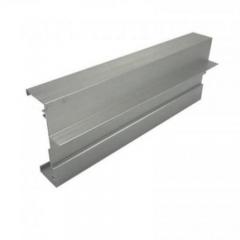
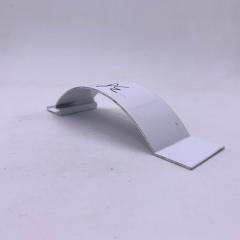
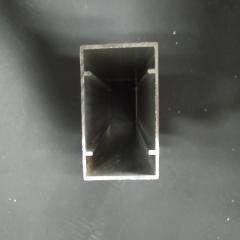
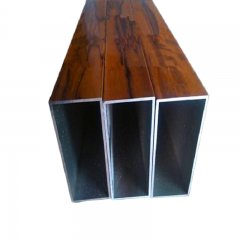
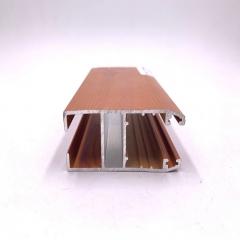
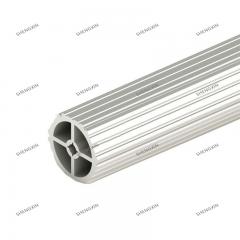
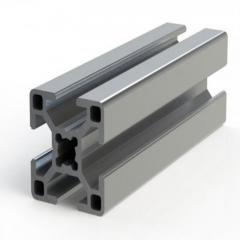
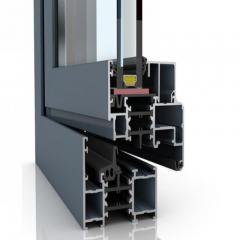
When construction professionals need reliable ventilation products, they look for manufacturers who understand both performance requirements and practical installation realities. Shengxin Aluminium's trickle vents represent one strong option in this category, designed to meet the demands of both commercial projects and discerning homeowners.
These vents deliver continuous passive airflow while maintaining insulation integrity, addressing the core challenge of modern airtight construction. They're engineered to provide background ventilation without creating the thermal bridges or draft problems that plague lower-quality products.
Here's how Shengxin's offering stacks up against the key buying criteria:
For projects requiring interior door vents alongside window ventilation, the same quality considerations apply. Consistent product quality across your ventilation strategy ensures uniform performance and simplified maintenance over time.
Is Shengxin the only option worth considering? Of course not. The market includes several reputable manufacturers producing quality fitted vent products. But for construction professionals sourcing compliant ventilation solutions, or homeowners who want specification-grade performance without commercial pricing, Shengxin's range deserves serious consideration.
The right vent is only as good as its ongoing maintenance. Once you've made your selection and completed installation, keeping your vents performing well becomes the final piece of the puzzle.

You've selected the right vents for windows, installed them correctly, and they're working beautifully. But here's what most homeowners forget: trickle vents need ongoing care to keep performing. Neglect them, and you'll find yourself back where you started, dealing with condensation, poor air quality, and vents that barely function.
The good news? Maintenance is straightforward. A few minutes of attention each season keeps your window air vent system working efficiently for years. Let's cover exactly what to do and when to do it.
How often should you clean your trickle window vents? At minimum, aim for an annual inspection. Seasonally is better, particularly if you live in a dusty area, near busy roads, or in a home where cooking generates significant airborne grease. According to ventilation specialists, blocked airflow can reduce ventilation capacity by up to 70%, trapping moisture indoors and defeating the entire purpose of having vents installed.
During each inspection, look for these common problems:
The cleaning process itself takes just a few minutes per vent. Here's the step-by-step approach:
Windows vents in kitchens deserve extra attention. Cooking grease becomes airborne and settles on nearby surfaces, including ventilation openings. Without regular cleaning, this residue hardens and becomes increasingly difficult to remove. If you have a ventilator above door or in a hallway near the kitchen, check it more frequently than vents in bedrooms or living areas.
Sometimes cleaning isn't enough. Trickle vent window components wear out over time, and there comes a point when replacement makes more sense than continued maintenance. Industry data suggests that while double-glazed units last 20-35 years, trickle vents often need replacement after 5-10 years due to mechanical wear.
Replace your vents for windows when you notice:
If you've renovated and combined rooms or changed how spaces are used, your original vents may no longer provide adequate ventilation. A bedroom converted into a home office with multiple occupants, for example, may need higher equivalent area than the original single vent provided. In these cases, upgrading to larger vents or adding additional units makes more sense than trying to make undersized vents work harder.
You've now covered the complete journey: understanding what trickle vents are and how they differ from HVAC vents, learning the physics behind passive airflow, comparing vent types, navigating building regulations, addressing condensation realistically, retrofitting existing windows, troubleshooting problems, sizing and placing vents correctly, selecting quality products, and maintaining them for long-term performance. Whether you're a homeowner noticing that small slot in your window frame for the first time or a professional specifying ventilation for a project, you now have the practical knowledge to make informed decisions and keep your indoor air quality where it should be.
Trickle vents provide continuous background ventilation without opening your windows. They allow fresh air to enter while stale, moisture-laden air escapes, helping prevent condensation buildup and maintaining healthy indoor air quality. Unlike HVAC vents that actively push conditioned air, trickle vents work passively using natural pressure differentials from wind and temperature differences between indoors and outdoors.
Trickle vents are legally required under UK Building Regulations Part F for new-build properties, extensions, and window replacements where the original windows had background ventilation. If you replace windows that had trickle vents with ones that don't, you may be non-compliant. However, retrofitting vents to older properties without existing ventilation is recommended but not mandatory unless part of a regulated renovation project.
Trickle vents significantly reduce condensation by continuously removing excess moisture from indoor air before it reaches cold window surfaces. However, they cannot eliminate condensation entirely if the root cause is excessive moisture generation from activities like drying laundry indoors, inadequate heating, or structural damp issues. They work best when moisture loads are typical for a reasonably heated home.
DIY installation is possible on many uPVC and timber frames if you have moderate power tool skills and the frame has sufficient material depth (typically 25-30mm). You'll need a jigsaw or oscillating cutter to create the slot. However, professional installation is recommended for sealed unit windows, heritage frames, aluminium windows, or when compliance documentation is needed, as incorrect cutting can void warranties or damage the frame.
Select trickle vents based on material durability (aluminium lasts longer than plastic), frame compatibility (uPVC vs timber), equivalent area rating for your room size, and acoustic performance if you live near busy roads. Products like Shengxin Aluminium trickle vents offer specification-grade quality with UK Part F compliance, available in multiple finishes to match your window system while delivering reliable passive airflow.



 Servicio en línea
 0086 136 3563 2360
 sales@sxalu.com
 +86 136 3563 2360
 español
 English
 français
 Deutsch
 русский
 português
 العربية
 ไทย
ไทย Việt
Việt Українська