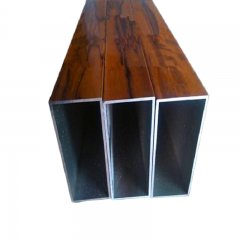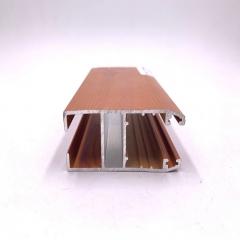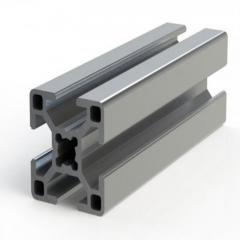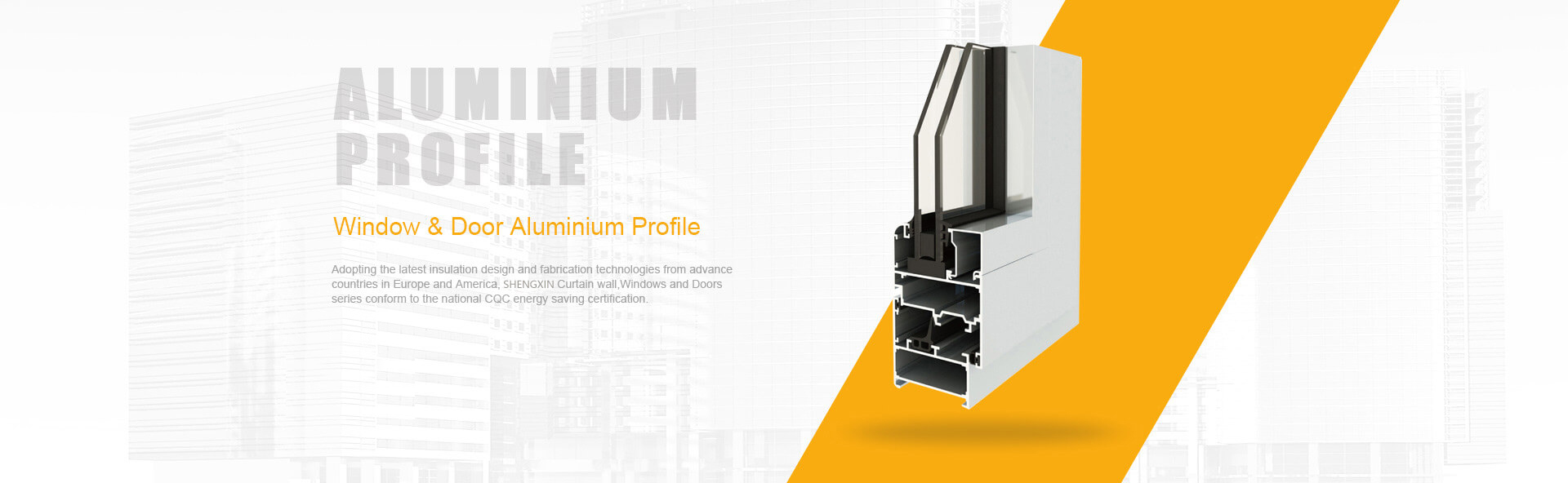
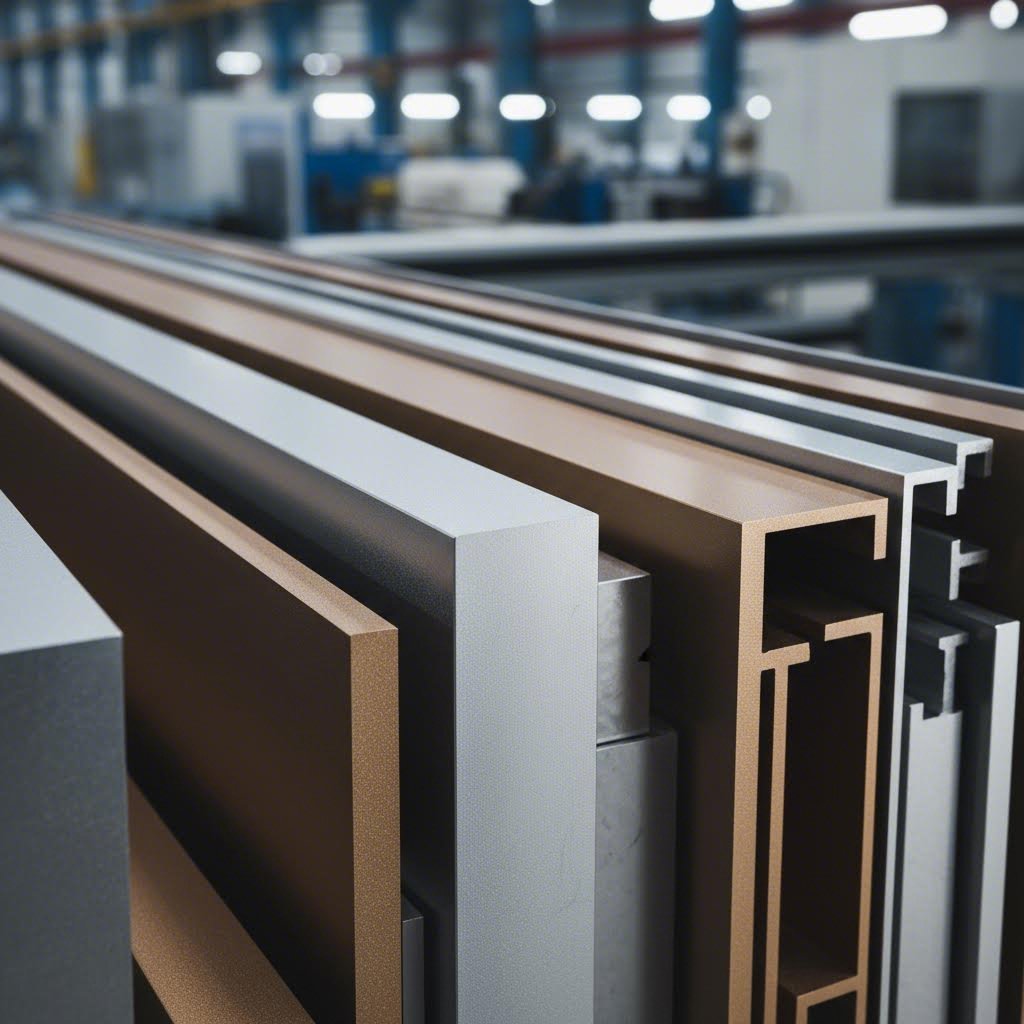
Ever wondered how aluminum window frames maintain their sleek appearance for decades? Or why anodized aluminum cookware resists scratches so remarkably well? The answer lies in a fascinating electrochemical process that transforms ordinary aluminum into an extraordinarily durable material. Understanding what is anodizing opens the door to appreciating why this finishing method has become indispensable across countless industries.
At its core, anodizing is an electrochemical conversion process that transforms the surface of aluminum into aluminum oxide. But here's what makes it truly remarkable: unlike paint or plating that simply sits on top of a surface, anodizing becomes part of the aluminum itself. The process works by immersing aluminum parts in an acid electrolyte bath and exposing them to electrical current. This drives oxygen ions to the surface, forming a porous oxide layer that is fully integrated with the underlying substrate.
Unlike coatings or electroplating, the anodized layer is not applied on top of the substrate - it is produced from the aluminum itself. This creates a finish that is fully integrated, making it exceptionally durable and corrosion-resistant.
The resulting oxide layer delivers impressive benefits. It will not chip or peel like conventional coatings. The surface becomes extremely hard - comparable to sapphire in some applications - while providing outstanding corrosion resistance. This is precisely what anodising means in practical terms: a permanent enhancement that strengthens the metal rather than merely covering it.
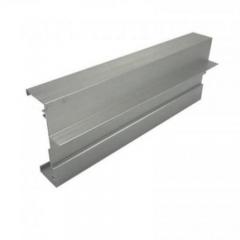
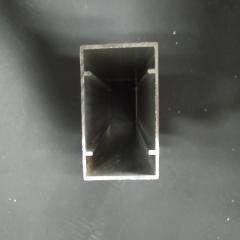
So why are anodized aluminum extrusions particularly successful? The answer involves both chemistry and manufacturing consistency. Aluminum extrusions are produced by forcing heated aluminum alloy through precisely designed dies, creating profiles with uniform cross-sections. This manufacturing method delivers several advantages for anodizing:
What is anodized aluminum in the context of extrusions? It represents the ideal marriage of material and process. The Aluminum Extruders Council notes that specific performance characteristics like hardness and porosity depend on the alloy being used, the anodizing process, and treatment time. Extruded profiles provide the material consistency needed to optimize these variables.
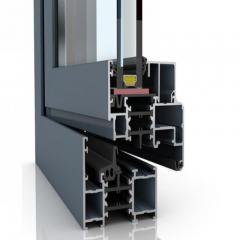
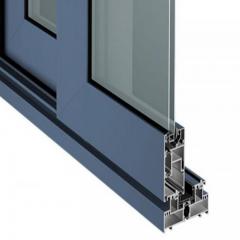
The applications for anodized metal span from architectural curtain walls requiring decades of weather resistance to consumer electronics demanding sleek design finishes. Whether you're looking at window frames, storefronts, railings, or industrial components, anodized aluminum extrusions deliver the durability and aesthetics that modern applications demand. As manufacturers increasingly seek longer-lasting, better-performing products, this proven technology continues to grow in relevance across multiple industries.
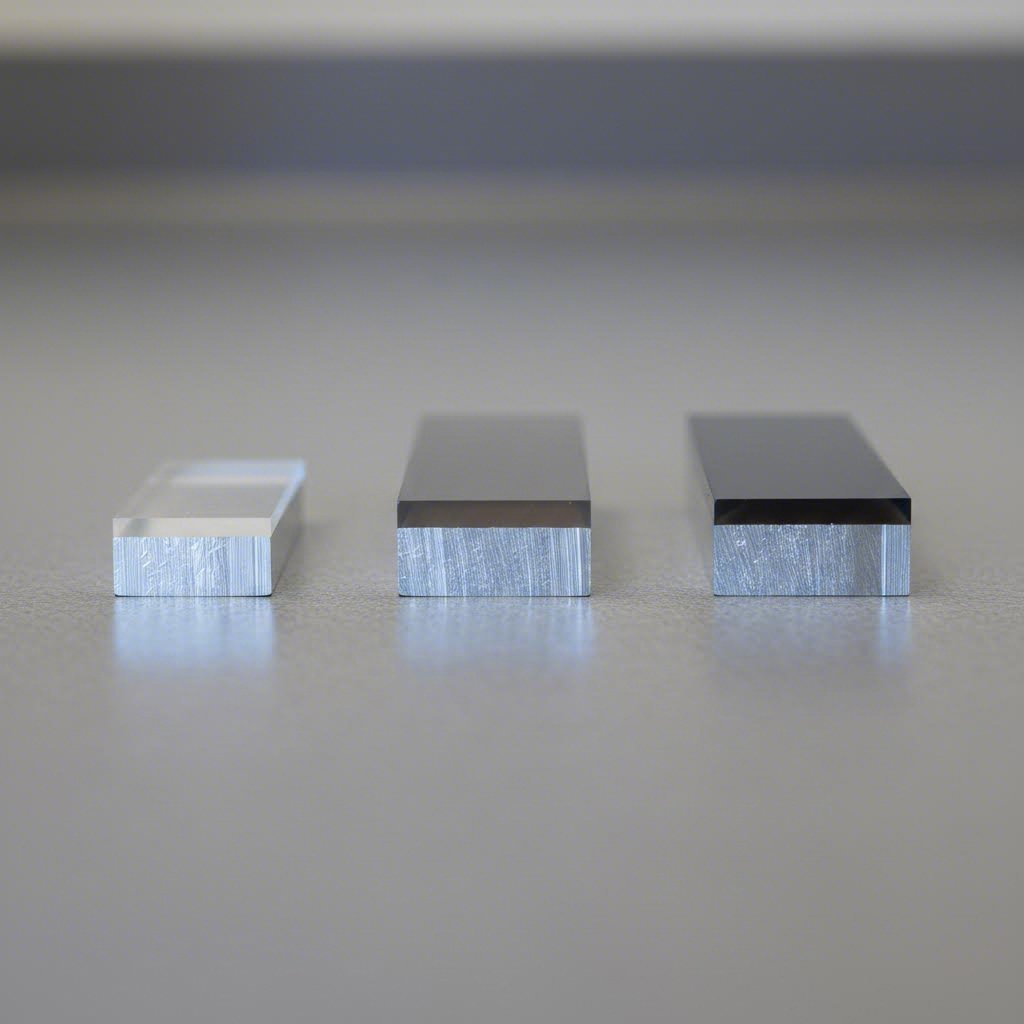
Selecting the right anodizing type can feel overwhelming when you're faced with specifications like MIL-A-8625 and AAMA 611. A wrong choice might compromise your parts' performance or exceed your budget unnecessarily. The good news? Understanding the three main anodizing types helps you match the process to your application with confidence.
When tight tolerances are non-negotiable, Type I anodizing aluminum delivers precision protection. This process uses a chromic acid electrolyte to create an exceptionally thin oxide layer - typically less than 2.5 microns (0.1 mils). Why does this matter for extruded profiles? Imagine an aerospace assembly where even a few extra microns on each component could cause interference fits.
Type I anodizing offers several distinct advantages for precision applications:
However, Type I coatings produce a dull gray appearance and cannot be dyed due to their non-porous structure. According to MIL-A-8625F specifications, Type I is often the go-to choice for aircraft parts where tolerance is critical. Environmental regulations have made this process less common due to chromic acid handling requirements, typically making it more expensive than alternatives.
Looking for the perfect balance of protection, appearance, and cost? Type II anodizing is the industry workhorse - and for good reason. This sulfuric acid process creates a porous oxide layer that readily accepts dyes, opening up an impressive spectrum of anodizing colours for your extruded profiles.
The process works by making the aluminum part the positive electrode (anode) in a sulfuric acid bath. Controlled electric current grows a structured, porous aluminum oxide layer on the surface. After formation, the pores act like tiny sponges, absorbing organic dyes to create vibrant, lasting colors. Final sealing - typically in hot deionized water or nickel acetate solution - locks in the color and closes the pores against contaminants.
For architectural applications, AAMA 611 specifications define two classifications based on coating thickness:
This anodized aluminum finish delivers exceptional value for window frames, storefronts, curtain walls, and railings. The combination of corrosion resistance, decorative flexibility, and proven durability makes Type II the most requested finish for architectural extrusions.
When your extruded components face extreme wear, hard coat anodize steps up to the challenge. Also called hard anodize or hard coating aluminum, Type III creates oxide layers ranging from 1.0 to 4.0 mils (25 to 100 microns) - significantly thicker than other types. The process uses lower bath temperatures and higher current densities to achieve this robust protective layer.
Hard coat anodized surfaces deliver remarkable performance characteristics:
Industrial applications for hard coat anodized extrusions include machine components, conveyor system parts, hydraulic cylinder housings, and wear-critical sliding surfaces. While the thicker coating adds some dimensional buildup - typically 50% penetration into the base metal and 50% buildup above the original surface - the extended service life often justifies this consideration for demanding environments.
Choosing between anodizing types requires balancing multiple factors. This comparison table summarizes the key specifications governed by MIL-A-8625 and AAMA standards:
| Characteristic | Type I (Chromic Acid) | Type II (Sulfuric Acid) | Type III (Hard Coat) |
|---|---|---|---|
| Typical Thickness | 0.02 - 0.1 mils (0.5 - 2.5 μm) | 0.4 - 1.0 mils (10 - 25 μm) | 1.0 - 4.0 mils (25 - 100 μm) |
| Hardness | Moderate | Good | Excellent (comparable to sapphire) |
| Color Capability | Gray only, not dyeable | Full color range, excellent dye absorption | Limited (gray to dark gray/black) |
| Dimensional Impact | Minimal | Moderate (plan for buildup) | Significant (50% buildup above surface) |
| Best Extrusion Applications | Aerospace components, tight-tolerance parts, paint base | Architectural profiles, consumer products, decorative finishes | Industrial machinery, wear components, high-friction parts |
| Governing Specifications | MIL-A-8625 Type I | MIL-A-8625 Type II, AAMA 611 | MIL-A-8625 Type III |
Understanding these distinctions empowers you to specify the right anodizing type for your extruded profiles. But selecting the type is only part of the equation - the actual process steps determine whether your finish meets expectations. Let's explore how anodizing transforms raw extrusions into finished components.
So you've selected your anodizing type - but how do you anodize aluminum in practice? The transformation from raw extrusion to flawless finish involves a carefully orchestrated sequence of chemical and electrochemical steps. Each phase builds upon the previous one, and skipping or rushing any step compromises the final result. Let's walk through exactly how the anodizing process unfolds for extruded profiles.
Here's something many people overlook: the quality of your anodized finish depends heavily on what happens before the aluminum ever enters the anodizing tank. Extruded profiles carry unique surface characteristics - including die lines, flow marks, and handling scratches - that require specific attention during pre-treatment.
Die lines are longitudinal marks inherent to the extrusion process. While they're often barely visible on raw aluminum, anodizing can actually emphasize these imperfections. According to Linetec's technical documentation, eco-friendly acid etch baths containing fluorides attack the aluminum surface to create a microscopically rough texture that helps mask small defects like die lines, flow lines, and minor scratches. However, neither conventional caustic etch nor acid etch completely removes deep surface irregularities - they simply do a better job of concealing them.
The complete anodizing process follows this sequential workflow:
Expert tip: when handling aluminum throughout this entire process, white cotton gloves are essential. As noted by anodizing specialists at Aluconsult, these gloves prevent grease transfer while making dirt or dust particles immediately visible against the white fabric.
Now we reach the heart of the transformation. How does anodizing work at the electrochemical level? When you place aluminum in the anodizing tank, it becomes the positive electrode (anode) in a circuit completed through the electrolyte solution - typically sulfuric acid mixed with water for Type II processes.
As electrical current flows through the system, something remarkable happens. Oxygen ions migrate to the aluminum surface and combine with the base metal to form aluminum oxide. According to Linetec's process specifications, the electrical current continues running through the aluminum for approximately 25 minutes to generate a Class I architectural coating. The resulting structure is fascinating: a series of hexagonal cells, each with a central pore and a thin barrier layer separating the electrolyte from the underlying metal.
Consider these impressive numbers: the aluminum oxide coating is approximately 15% porous, with roughly 500 billion pores per square inch. These microscopic pores serve two critical functions - they allow oxygen ions to continue reaching the aluminum beneath to build more coating, and they later absorb coloring materials during the dyeing step.
Modern anodizing facilities handling extruded profiles can process remarkably diverse part sizes. Industry capabilities typically range from profiles as small as 1/4 inch up to lengths exceeding 240 inches, accommodating everything from small electronic enclosures to full-length architectural mullions. Computer-controlled hoist systems guide material through each tank, tracking sequencing, time, temperature, voltage, and current to ensure consistent results across every load.
How do you anodize metal to achieve lasting protection? The sealing step makes or breaks the durability equation. At this stage, the porous oxide structure resembles a microscopic sponge - great for absorbing dye particles, but vulnerable to contamination if left open.
Sealing works by hydrating the aluminum oxide in the pores, essentially swelling them shut. Most architectural anodizing uses elevated temperature hydrothermal sealing by a final hot water rinse. This process transforms the porous layer into a dense, protective barrier that resists staining and corrosion for decades.
The consequences of poor sealing are significant. As anodizing experts explain, inadequate sealing leaves the aluminum surface open to chemical and physical damage because the porous structure readily adsorbs water and aggressive substances. This can diminish corrosion protection and cause colors to fade prematurely.
How to anodize successfully ultimately depends on matching each process step to your specific application requirements. Different environments demand different sealing methods - a window frame in a coastal location faces vastly different challenges than an interior railing. Discussing your product's end-use environment with your anodizer ensures they select the optimal sealing approach for long-term performance.
With the process mechanics understood, the next consideration is color. The porous structure created during anodizing opens up remarkable possibilities for decorative finishes - from natural silver tones to vibrant custom hues.
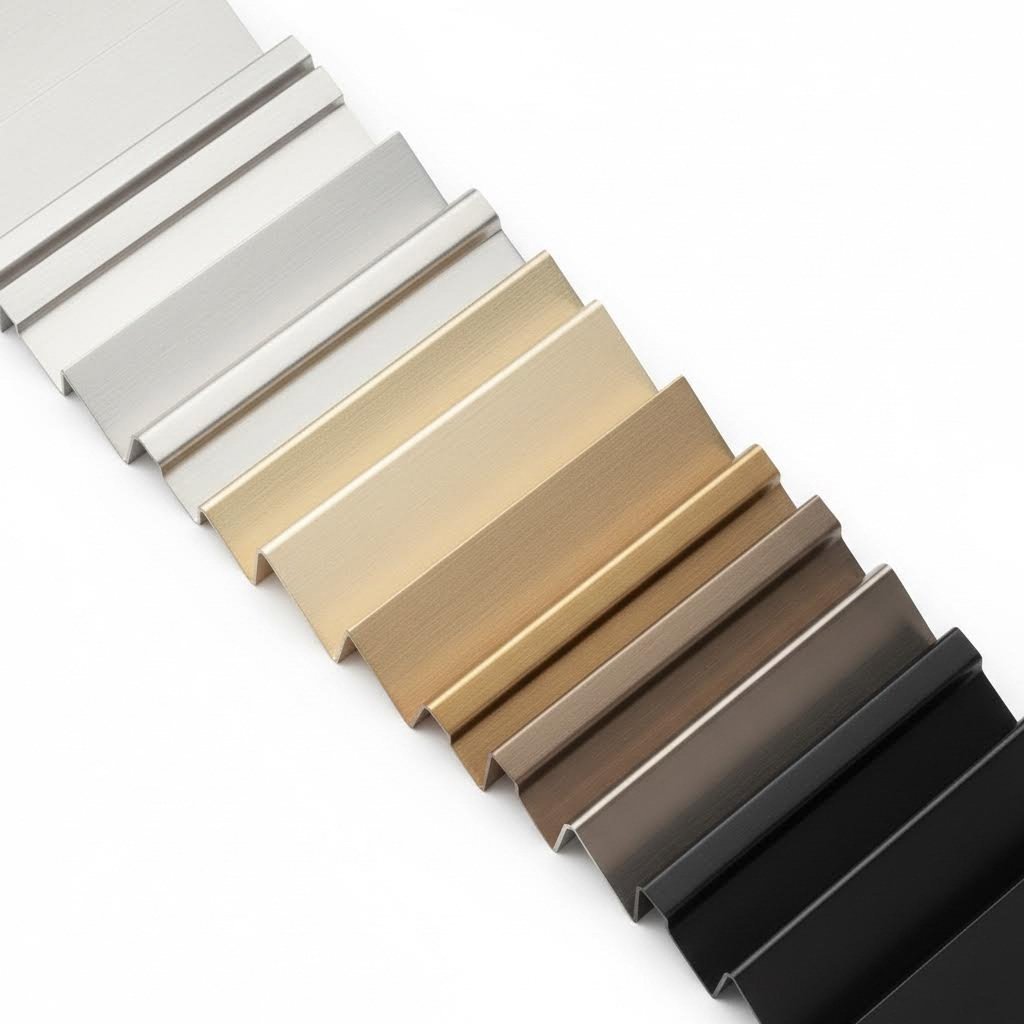
Imagine walking through a modern city center - the champagne-toned curtain walls catching morning light, jet-black storefront frames creating bold contrast, bronze railings complementing natural stone. These striking aluminum coloring effects all stem from the porous oxide layer we explored in the previous section. But how exactly do anodizing colors achieve such variety and permanence? Let's explore the full spectrum of options available for your extruded profiles.
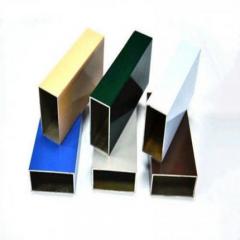
The range of anodized aluminum colors available today extends far beyond basic silver. According to industry color specifications, popular color categories include:
The most straightforward approach to aluminum color involves either leaving the oxide layer natural or introducing organic dyes. Natural anodizing produces a clear, transparent coating that showcases the underlying metal's silver-white appearance while enhancing surface properties.
For colored finishes, organic dye absorption is the most common method. Here's how it works: after the anodizing step creates that porous oxide structure, the part is immersed in a heated anodizing dye solution. The microscopic pores - remember those 500 billion per square inch - act like tiny sponges, drawing dye molecules deep into the coating.
Several factors influence the final color intensity:
According to Xometry's technical resources, the sealing process that follows is critical - boiling the anodized and colored aluminum in hot water traps dye molecules within the pores, preventing them from escaping while blocking further reactions with external factors.
When your extruded profiles face years of outdoor exposure, organic dyes may not deliver the fade resistance you need. This is where electrolytic coloring anodized aluminum cathode processes excel - producing colors that withstand decades of UV bombardment without significant fading.
Electrolytic coloring works differently from dye absorption. After standard anodizing, the part enters a secondary bath containing dissolved metal salts - typically tin, nickel, cobalt, or combinations. An alternating current deposits these metal particles into the porous oxide structure, creating colors through the physical presence of metal rather than organic compounds.
The resulting aluminum anodizing colors typically fall within the bronze-to-black spectrum:
For architectural applications requiring exceptional durability, electrolytic coloring offers distinct advantages. The metal particles are physically locked within the oxide structure rather than chemically bound like organic dyes. This makes electrolytically colored finishes inherently more resistant to UV degradation - a critical consideration for building facades expected to perform for 20+ years.
What happens when your project demands a specific corporate color or unique aesthetic? Custom color matching bridges the gap between standard anodizing colors and precise brand requirements.
As noted by industry specialists, some anodizing suppliers can customize finishes to match Pantone color codes - the standardized color matching system extensively used in design, branding, and manufacturing. This allows anodized parts to precisely meet brand color requirements or aesthetic specifications. The RAL system, a popular European standard, provides another reference framework with established codes like RAL 9005 (jet black) and RAL 1028 (melting yellow).
Achieving consistent custom colors across production runs requires careful control of multiple variables. The aluminum alloy composition, dye bath chemistry, immersion timing, and sealing parameters must all remain consistent. Even subtle variations in any factor can produce noticeable color shifts - which is why working with experienced anodizers who understand these interactions is essential for brand-critical applications.
One advanced technique worth mentioning: interference coloring. By modifying the pore structure of the anodized layer with sulfuric acid, metal deposits create colors through optical interference effects rather than pigmentation. This produces vibrant, unique shades including greens, blues, reds, and yellows that would be difficult to achieve through conventional methods.
The color possibilities for anodized extrusions continue expanding as technology advances. However, achieving your desired finish consistently depends on more than just the coloring process - the underlying aluminum alloy plays a surprisingly significant role in final appearance.
You've selected your anodizing type, understood the process steps, and chosen your ideal color. But here's a question that catches many engineers off guard: why do two seemingly identical aluminum extrusions sometimes produce dramatically different anodized finishes? The answer lies in alloy composition - and selecting the right one can mean the difference between a flawless anodized finish and frustrating inconsistencies.
Walk past any modern commercial building, and you're likely looking at 6063 aluminum anodized to architectural standards. This alloy has earned its dominant position for good reason. According to industry specialists, 6063 aluminum is the top choice for architectural and decorative applications due to its smooth finish and excellent corrosion resistance.
What makes 6063 so exceptional for aluminum anodizing? The answer involves chemistry. This alloy contains relatively low levels of alloying elements - typically 0.2-0.6% silicon, 0.45-0.9% magnesium, and minimal iron, copper, and manganese. These modest additions provide adequate strength for architectural profiles while minimizing the compounds that disrupt oxide layer formation.
During anodization, silicon and other alloying elements behave differently than pure aluminum. They can create irregularities in the oxide structure, leading to visual inconsistencies. The 6063 composition strikes an ideal balance - enough alloying for structural integrity, but not so much that finish quality suffers. This translates to:
Not every application calls for 6063. When structural demands increase, engineers often reach for 6061 or 6005 - but these alloys bring different anodizing characteristics. Understanding these differences prevents unwelcome surprises when your alu anodized parts emerge from the finishing line.
The 6061 alloy contains higher copper content (0.15-0.40%) along with increased silicon and magnesium compared to 6063. As Mill Steel's technical comparison notes, 6063 may edge out slightly in anodizing applications due to its smoother finish and more uniform surface - making it the go-to choice for visible architectural components.
Research published in Materials Sciences and Applications examined anodic coating characteristics across different aluminum alloys. The findings confirm that optical properties and spectral analysis of anodized samples demonstrate clear dependency on alloying elements. Higher-alloy materials like 7075 (with significant zinc content) produced notably darker, more opaque finishes compared to 6000-series alloys.
Here's what happens chemically: during the etching and anodizing steps, alloying elements respond differently than aluminum. Copper-rich phases can cause pitting. Excess silicon creates grayish tones. High zinc content produces darker finishes that may not meet decorative requirements. These effects compound when you're trying to achieve consistent color matching across production batches.
Selecting the optimal alloy requires balancing mechanical requirements against finish expectations. The following comparison helps you match common extrusion alloys to your anodizing requirements:
| Alloy | Anodizing Suitability | Typical Applications | Finish Consistency | Color Uniformity |
|---|---|---|---|---|
| 6063 | Excellent | Window frames, curtain walls, railings, decorative trim | Outstanding - minimal variation between batches | Excellent - accepts dyes evenly with vibrant results |
| 6061 | Good | Structural components, marine fittings, machinery parts | Good - slight variation possible due to copper content | Good - may show subtle gray cast in clear finishes |
| 6005 | Good to Excellent | Structural profiles, ladder rails, transportation components | Very good - similar to 6063 with slightly higher strength | Very good - performs well with most anodizing colors |
For best results with anodized aluminum material, consider these practical guidelines:
One often-overlooked factor: even within the same alloy specification, material from different suppliers or production lots can produce slightly different results. Working with suppliers who maintain tight control over their aluminum chemistry - and anodizers experienced with your chosen alloy - helps ensure the consistent finish quality your project demands.
With the right alloy selected, you're positioned for anodizing success. But where will your finished extrusions ultimately perform? The applications for anodized profiles span an impressive range of industries, each with unique requirements.
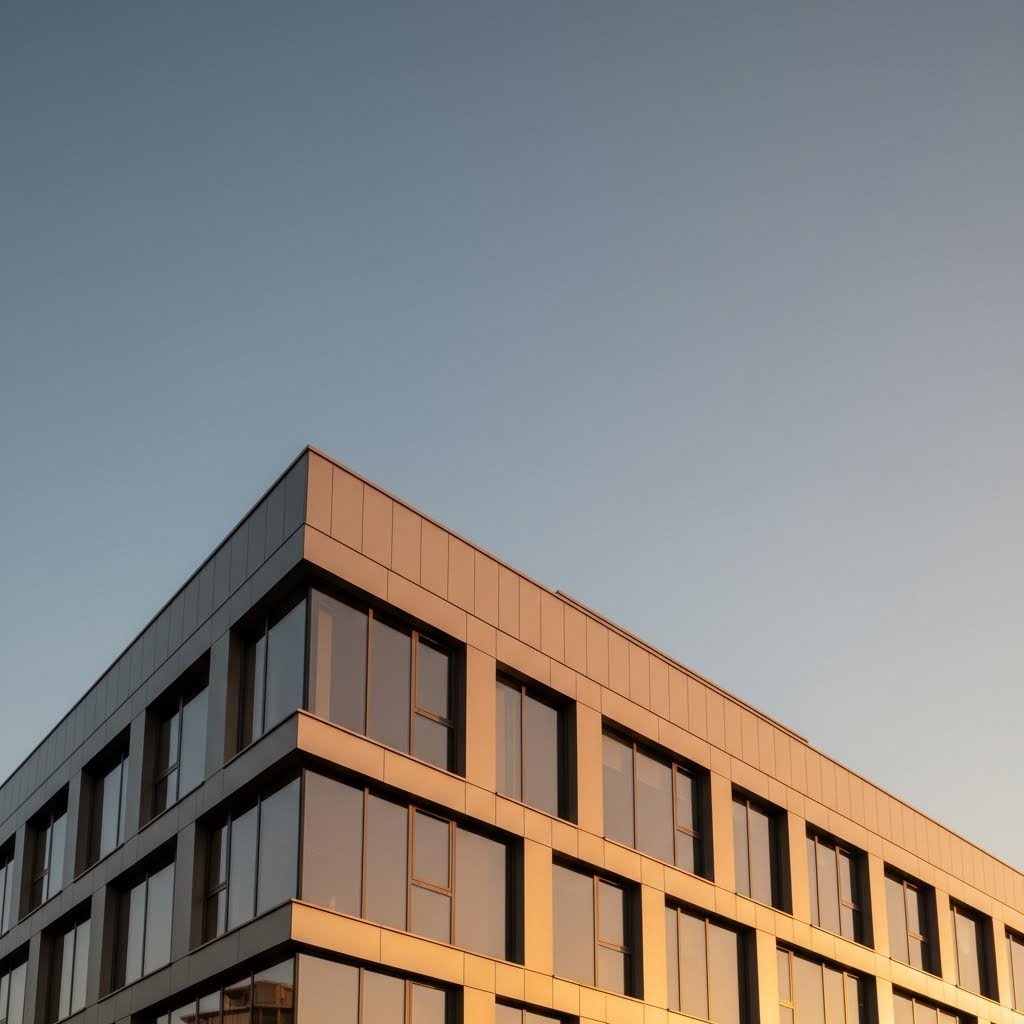
Picture a sleek smartphone case, a towering curtain wall reflecting the city skyline, and a precision conveyor system running 24/7 in a manufacturing plant. What do these seemingly unrelated products share? They all rely on anodized aluminum extrusion to deliver durability, aesthetics, and performance. The versatility of this finishing method has made it indispensable across sectors ranging from construction to consumer electronics.
When architects specify materials that must perform flawlessly for decades while maintaining visual appeal, anodized extruded aluminum consistently tops the list. The architectural sector represents one of the largest markets for these finished profiles, and the reasons are compelling.
According to SAF's industry documentation, all exposed surfaces should receive an architectural anodized finish in conformance with Aluminum Association Standard SSA-46 or AAMA 611 standard. This isn't just a recommendation - it's the established quality benchmark that ensures building components perform as expected.
Common architectural applications include:
The durability benefits in architectural projects are well-documented. Unlike painted finishes that can chip, peel, or fade, the anodized layer is integral to the aluminum itself. A properly specified and sealed finish meeting AAMA 611 Class I standards delivers 3,000 hours of salt spray resistance - translating to decades of real-world performance on building facades.
Step inside any modern manufacturing facility, and you'll find anodized aluminum extrusions working behind the scenes. Industrial applications prioritize function over form, but the same properties that make anodizing attractive for architecture - hardness, wear resistance, and corrosion protection - prove equally valuable here.
Industrial applications span diverse sectors:
One consideration that arises in industrial contexts: welding anodized aluminum requires specific techniques. The oxide layer must be removed from weld zones before joining, as the aluminum oxide melts at a much higher temperature than the base metal. Post-weld re-anodizing can restore protection to affected areas when the application demands it.
The consumer market showcases anodizing's aesthetic potential alongside its functional benefits. When you hold a premium laptop, admire high-end audio equipment, or use quality sporting goods, you're often experiencing anodized aluminum surfaces designed to look and feel exceptional.
Consumer product applications include:
Understanding where anodizing fits within the complete production workflow helps you appreciate its role in delivering finished components. The journey from concept to completed part follows a logical progression:
Working with suppliers offering integrated extrusion and finishing services streamlines this workflow. When die development, extrusion, fabrication, and anodizing happen under coordinated management, quality control becomes more consistent and lead times typically shrink. This integration also simplifies communication - instead of coordinating between multiple vendors, you work with a single point of contact who understands the complete production chain.
As the Aluminum Anodizers Council notes, the variety of aluminum materials and products incorporated into anodizing projects require that an acceptable range be agreed upon between the specifier-buyer and the manufacturer-anodizer on a per-project basis. This collaboration becomes much smoother when extrusion and finishing expertise reside within the same organization.
With such diverse applications relying on anodized finishes, maintaining quality becomes paramount. What happens when defects occur - and how can you prevent them? Understanding common issues and their solutions protects your investment in these versatile components.
You've invested in quality aluminum extrusions, selected the right alloy, and specified your ideal anodizing type. Yet when parts emerge from the anodizing line, something looks wrong - streaks running along the profile, unexpected color variations, or strange surface textures. What went wrong? Understanding common defects and their root causes empowers you to prevent problems before they occur and address issues when they arise.
According to industry defect classifications, surface defects account for the highest proportion of anodizing rejections. The good news? Most defects are preventable when you understand what causes them and implement proper controls throughout the anodize aluminum process.
Before you can fix a problem, you need to recognize it. Here are the most frequently encountered defects when anodizing metal surfaces on extruded profiles:
Extrusion-specific characteristics often contribute to these defects. Die lines - those longitudinal marks inherent to the extrusion process - can become dramatically more visible after anodizing. Handling marks from transportation or storage create localized contamination. Even subtle alloy inconsistencies between batches can produce noticeable finish variations.
Each defect type has identifiable causes - and corresponding prevention strategies. Let's examine the most common issues and how to address them:
Sounds familiar? You anodize a profile expecting uniform finish, but instead, the surface displays obvious linear marks. According to anodizing quality research, proper pretreatment is essential to remove contaminants, ensuring strong adhesion and a uniform finish.
Prevention strategies:
Those small craters scattered across your anodized surface typically originate from contamination issues. Surface finishing experts note that pitting is often caused by chloride contamination in process baths or improper rinsing between process steps.
Prevention strategies:
When parts emerge with inconsistent coloring, multiple factors may be responsible. As noted by finishing specialists, discoloration can stem from inconsistent alloy composition, contamination in the anodizing bath, temperature fluctuations, or improper sealing.
Prevention strategies:
Areas with thin or absent oxide film often result from poor electrical contact or gas bubble retention during the electrolytic process.
Prevention strategies:
Those fine crack patterns typically develop when there's a significant difference in thermal expansion between the oxide layer and the aluminum substrate, or when parts experience external stress.
Prevention strategies:
Preventing defects requires more than addressing individual issues - it demands a systematic quality control program. Industry best practices recommend implementing comprehensive inspection protocols:
Acceptance standards vary by application. Architectural projects typically reference AAMA 611 requirements, while aerospace components follow MIL-A-8625 specifications. Establishing clear acceptance criteria with your anodizer before production begins prevents disputes and ensures everyone works toward the same quality targets.
Maintaining detailed process documentation also proves invaluable. When defects do occur, having records of bath conditions, processing parameters, and material lot information helps identify root causes quickly. This data-driven approach transforms quality control from reactive troubleshooting into proactive prevention.
With quality control measures in place, the next consideration becomes practical: what does anodizing actually cost, and how do different specifications affect your budget?
You've specified the perfect alloy, selected your anodizing type, and confirmed quality requirements. Now comes the practical question every project manager asks: what will this actually cost? The cost of anodising aluminium varies significantly based on multiple factors - and understanding these variables helps you optimize specifications without compromising performance.
Think of anodizing pricing like ordering custom manufacturing - batch size, complexity, and specifications all affect your final invoice. According to industry cost analysis, understanding these factors can reduce your anodising process expenses by 20-40%. Here are the primary cost drivers:
Extrusion profile complexity deserves special attention. Simple, open profiles allow anodising solution to flow freely and drain completely. But profiles with intricate geometries - like multi-channel heat sinks or complex structural shapes - require specialized racking, longer processing times, and more careful quality inspection. As cost analysis research confirms, intricate designs or areas requiring masking increase labor costs significantly.
When you need quick turn anodizing or are evaluating different specifications, understanding relative pricing helps you make informed decisions. Here's how the three main types compare:
| Anodizing Type | Relative Cost | Typical Price Range (per sq. inch) | Best Value Applications |
|---|---|---|---|
| Type I (Chromic Acid) | Moderate to High | $0.40 - $1.00 | Aerospace parts requiring tight tolerances and paint adhesion |
| Type II (Sulfuric Acid) | Lowest | $0.10 - $0.50 | Architectural profiles, decorative finishes, general corrosion protection |
| Type III (Hard Coat) | Highest | $0.50 - $1.50 | High-wear industrial components, machinery parts |
Volume dramatically affects per-piece pricing. Most anodizing facilities charge minimum batch fees regardless of quantity. Processing 5 pieces individually might cost as much per piece as processing 50 - the setup time and anodizing equipment preparation remain constant. For production runs exceeding 500 pieces, per-unit costs typically drop 40-50% compared to small batches.
Here's the key insight: the cheapest specification isn't always the best value. Selecting the right anodizing type for your actual application requirements prevents both over-specification (paying for protection you don't need) and under-specification (risking premature failure).
Consider these optimization strategies:
The cost-benefit calculation changes by application. For a visible architectural facade expected to perform 30+ years, premium specifications represent smart investment. For an internal machine component hidden from view, basic Type II protection likely meets functional requirements at lower cost. Working with experienced anodizers who understand your end-use environment helps identify the specification sweet spot where performance meets budget.
Once your anodized extrusions are installed, proper maintenance extends their service life and protects your investment. Let's examine how to care for these finished surfaces over the long term.
Your anodized extrusions are installed and looking flawless. But here's what many project managers overlook: that beautiful anodised finish requires ongoing attention to deliver its full 20+ year service life. The good news? Proper maintenance is straightforward - and the effort you invest pays dividends in extended performance and preserved appearance.
According to industry research, anodized surfaces that accumulate stains or dirt can be cleaned easily using mild detergent, enabling you to recover the appearance of a new finish. The lifespan of properly maintained anodised aluminium reaches approximately 20 years - significantly exceeding painted alternatives. Let's explore exactly how to achieve that longevity.
Wondering what is anodised aluminium's secret to lasting beauty? Regular cleaning. The anodised finish is exceptionally hard and mar-resistant, but atmospheric pollutants, salt spray, and everyday grime can accumulate over time, dulling the surface and potentially compromising its protective properties.
According to AAMA Publication 609-93, cleaning anodised metal surfaces follows these essential guidelines:
Frequency matters too. For standard environments, annual or semi-annual cleaning maintains optimal appearance. In coastal areas exposed to salt spray or locations with heavy industrial pollutants, cleaning should align with regular glass maintenance schedules - typically quarterly or more frequently.
Here's something that sets anodised surfaces apart from painted finishes: you can clean them slightly more aggressively when needed. Minor scuff marks and rub marks on anodised aluminium can be removed with a mild abrasive pad like Scotch-Brite. Use the pad to address the mark, then clean normally with mild soap solution. However, avoid this approach on painted surfaces where it would cause damage.
Products to avoid:
Imagine completing a beautiful anodized storefront installation only to discover handling marks and scratches marring the finish. Prevention during fabrication and installation protects your investment far more effectively than remediation afterward.
According to maintenance specialists, proper storage and handling practices during periods of nonuse or transportation are essential. Clean, dry storage areas prevent unnecessary exposure to damaging elements, while sensitive handling techniques reduce scratches or surface damage.
Follow these protection guidelines:
For solvents needed to remove grease, sealants, or other construction materials, mineral spirits or denatured alcohol are acceptable. Never mix cleaners or combine cleaners with solvents - the resulting mixture can cause harmful or even dangerous results.
Even with careful maintenance, minor damage occasionally occurs during installation or daily use. The question then becomes: can you repair anodized surfaces without complete refinishing?
For minor scratches or slight surface damage, touch-up methods can restore appearance. As finishing specialists note, some rub marks on anodised surfaces can be removed with mild abrasive pads prior to touch-up painting. Custom finishers typically supply limited touch-up paint with project documentation.
Important considerations for refinishing:
What about painting anodized aluminum for a complete color change? While possible, it requires proper surface preparation. The hard oxide layer actually provides excellent adhesion for paint systems when properly prepared. However, this approach trades the integral durability of anodizing for a coating that sits on top - fundamentally changing the maintenance profile going forward.
Always test cleaning or repair methods on a small, inconspicuous area first. For additional guidance, refer to AAMA Publication 609-93 for architectural anodized aluminum care specifications.
With proper maintenance practices established, the final consideration is selecting a manufacturing partner who can deliver quality anodized extrusions from the start - minimizing the maintenance challenges you'll face over your product's service life.
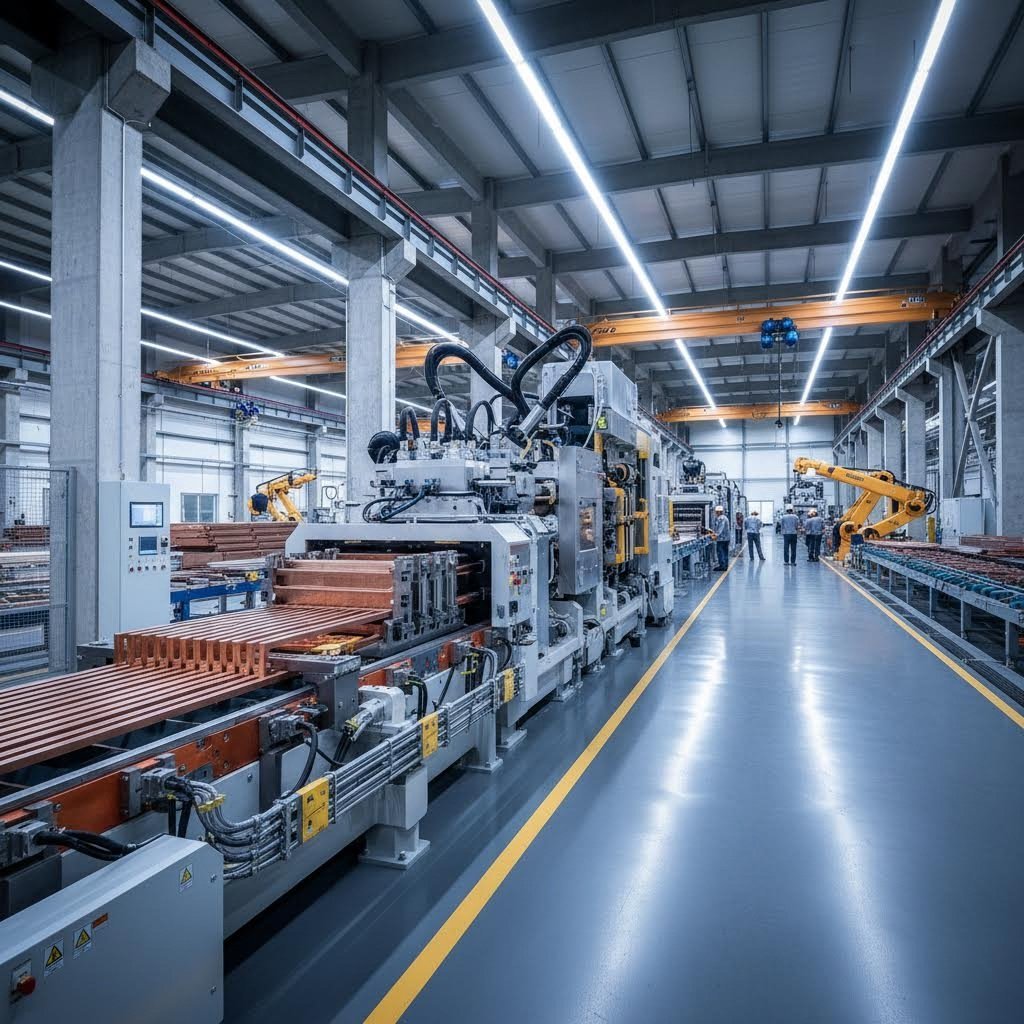
You've learned about anodizing types, process steps, color options, and quality control measures. Now comes perhaps the most consequential decision: choosing the manufacturing partner who will bring your anodized aluminium extrusions to life. The difference between a mediocre supplier and an exceptional one can mean the difference between parts that perform flawlessly for decades and components that create ongoing headaches.
Unlike purchasing an anodizing kit or aluminum anodizing kit for small-scale hobby work, industrial and architectural projects demand partners with proven capabilities, sophisticated equipment, and deep process expertise. An aluminium anodising kit might work for prototypes, but production-scale projects require manufacturers who understand the complete journey from raw billet to finished component.
According to industry analysts, evaluating potential vendors requires examining multiple dimensions beyond basic price quotes. Here's what separates premier suppliers from average ones:
As manufacturing experts note, top-tier manufacturers invest heavily in advanced extrusion presses, automation, and quality control equipment. This technological edge allows them to tackle complex designs and maintain tight tolerances that others might struggle to achieve consistently.
Imagine coordinating between separate die makers, extruders, fabricators, and anodizers - each with different quality standards, communication protocols, and timelines. Now picture working with a single partner who handles everything from initial design through finished component. The difference is transformative.
Integrated suppliers offer compelling advantages:
For example, Shengxin Aluminium exemplifies this integrated approach with over 30 years of industry experience. Their facility houses 35 advanced extrusion presses ranging from 600T to 5500T capacity, combined with state-of-the-art CNC machining centers for precise cutting, drilling, and bending. Their anodizing capabilities extend to custom colors like Champagne and Rose Gold alongside standard architectural finishes, with additional surface treatment options including powder coating, PVDF, and micro-arc oxidation. This end-to-end capability - from die development through mass production - demonstrates how integrated suppliers simplify complex projects while maintaining quality throughout.
Before committing to a supplier, thorough due diligence protects your project investment. Consider asking these critical questions during your evaluation:
Technical Capabilities:
Quality Assurance:
Capacity and Logistics:
Partnership Value:
According to industry guidance, how responsive and helpful a potential partner is during the quoting process often predicts their performance during production. If communication is difficult before you've placed an order, imagine managing production issues with them later.
The right partner transforms anodized aluminium from a specification on paper into components that perform exactly as designed. Whether you're sourcing architectural profiles for a landmark building, industrial components for demanding machinery, or precision parts for consumer products, your choice of supplier directly impacts project success.
Consider starting with pilot projects or sample orders before committing to large production runs. This validation approach - common among experienced procurement professionals - confirms that a supplier's capabilities match their claims. As industry research indicates, testing extrusions from potential partners for finish consistency and coating durability under your specific conditions provides confidence before scaling up.
For projects requiring comprehensive aluminum extrusion and deep processing services, manufacturers offering factory-direct pricing with technical support from die development through finished components deliver exceptional value. The combination of advanced extrusion capacity, versatile surface treatment options, and integrated quality control creates a foundation for successful long-term partnerships.
Your anodized aluminum extrusions represent a significant investment in durability, performance, and aesthetics. Choosing the right manufacturing partner ensures that investment delivers returns for years - even decades - to come.
The 720 rule is an industry-standard formula used to determine operational parameters during aluminum anodization to achieve a desired coating thickness. It calculates the relationship between current density, time, and coating thickness. While generally useful for many aluminum alloys, this rule may produce less accurate results for alloys where non-aluminum constituents comprise a relatively large portion of the metal, such as high-silicon or high-copper alloys.
Type II sulfuric acid anodizing creates oxide layers of 0.4-1.0 mils thickness, accepts dyes readily for vibrant colors, and is ideal for architectural profiles and decorative finishes. Type III hard coat anodizing produces much thicker layers (1.0-4.0 mils) with exceptional hardness comparable to case-hardened steel, making it suited for industrial machinery and high-wear components. Type II costs less while Type III offers superior abrasion resistance.
6063 aluminum alloy dominates architectural anodizing due to its low levels of alloying elements (0.2-0.6% silicon, 0.45-0.9% magnesium). This composition delivers exceptional surface smoothness, superior color uniformity when dyed, minimal gray cast in clear finishes, and excellent extrudability. The alloy produces consistent anodizing results with fewer surface disruptions during oxide formation compared to higher-alloy alternatives like 6061.
Properly specified anodized aluminum meeting AAMA 611 Class I standards provides approximately 20+ years of service life on exterior applications. This specification requires minimum 0.7 mils (18 microns) coating thickness and 3,000 hours of salt spray resistance. Regular maintenance with mild soap solutions and annual cleaning extends performance. Unlike paint that chips or peels, the anodized layer is integral to the aluminum itself.
Yes, anodized extrusions can be custom color matched to Pantone or RAL color codes through specialized dye absorption or electrolytic coloring processes. Integrated suppliers like Shengxin Aluminium offer custom colors including Champagne and Rose Gold alongside standard architectural finishes. Achieving consistent custom colors requires strict control over bath chemistry, temperature, and processing time across production runs.



 Servicio en línea
 0086 136 3563 2360
 sales@sxalu.com
 +86 136 3563 2360
 español
 English
 français
 Deutsch
 русский
 português
 العربية
 ไทย
ไทย Việt
Việt Українська