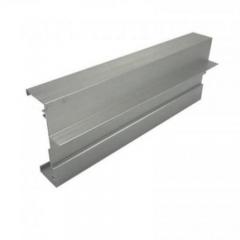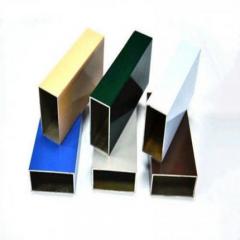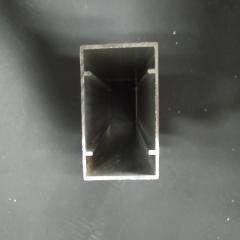
When you hear "cheap aluminum extrusions," what comes to mind? If you're picturing flimsy, low-grade metal that bends under pressure, think again. Finding affordable extruded aluminum is really about understanding the manufacturing process and making strategic purchasing decisions. Smart buyers save money not by sacrificing quality but by knowing exactly what drives costs in this industry.
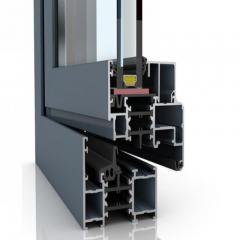
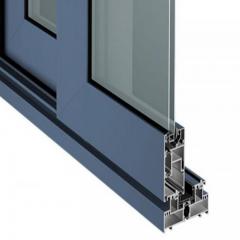
Aluminum extrusion refers to a manufacturing process that creates metal profiles with specific cross-sectional shapes. These aluminum extrusion profiles appear everywhere—from the frames holding your 3D printer together to the sleek window tracks in modern buildings. The versatility explains why demand continues growing across industries.
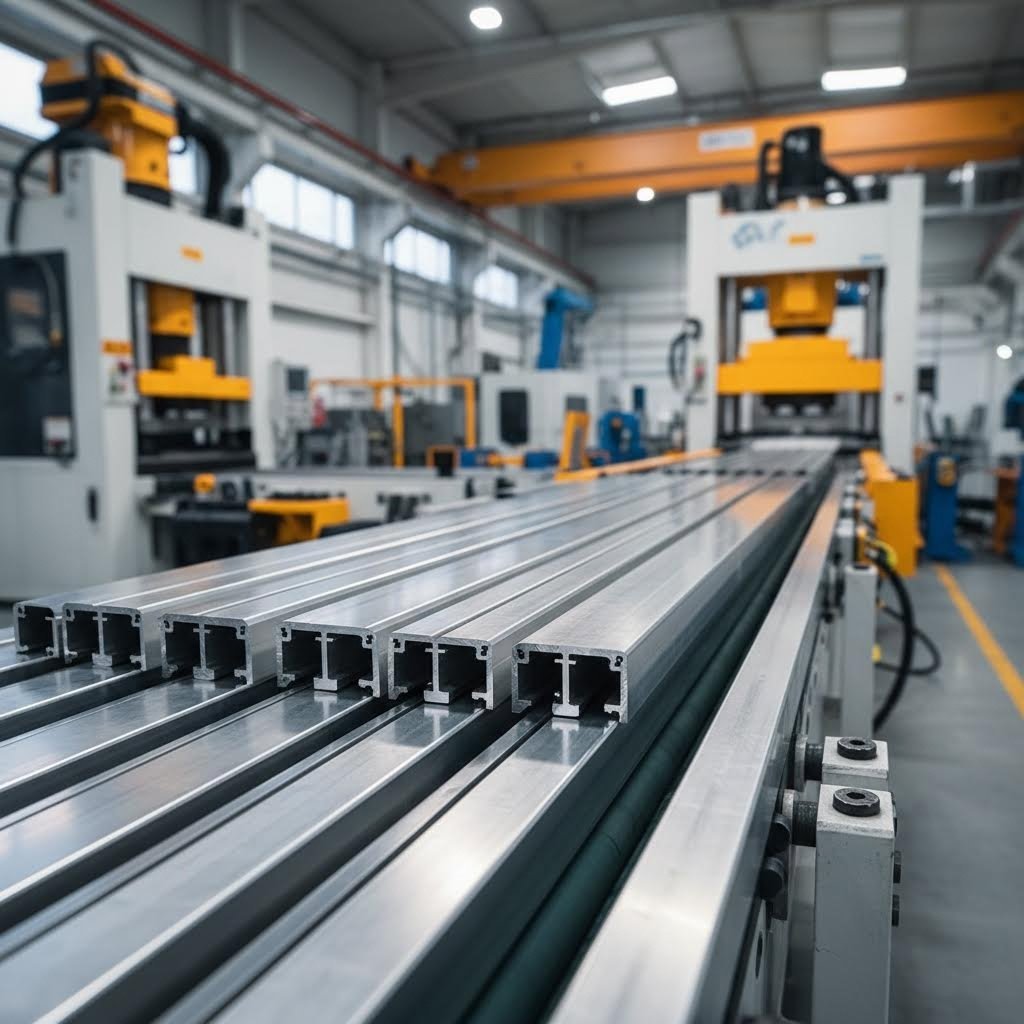
Imagine squeezing toothpaste through a shaped nozzle. That's essentially how manufacturers aluminum extrude raw material into finished profiles. The process begins with a solid aluminum billet—a cylindrical log of aluminum alloy—heated to approximately 800-925°F. At this temperature, the metal becomes soft enough to shape but retains its structural integrity.
A powerful hydraulic ram then pushes this heated billet through a steel die containing the desired profile shape. As the aluminum emerges from the other side, it takes on the exact cross-section of the die opening. According to Gabrian, this extrusion aluminum process produces profiles ranging from 8 to 24 feet in length, which can then undergo heat treatment, finishing, and fabrication to meet customer specifications.
The beauty of this process? Once a die exists, manufacturers can produce thousands of identical profiles with remarkable consistency. This repeatability directly impacts pricing—making standard profiles significantly more budget-friendly than custom designs.
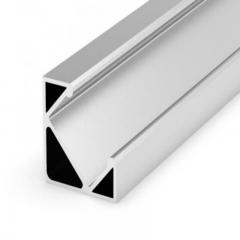
Your profile choice affects everything from structural performance to final cost. Simple, symmetrical shapes flow through dies more efficiently, requiring less pressure and causing minimal wear on tooling. Complex geometries with varying wall thicknesses demand more sophisticated dies and slower production speeds.
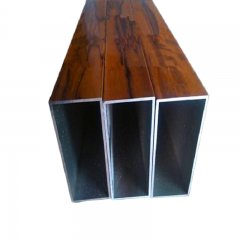
Here's what many buyers miss: cheap aluminum doesn't mean compromising on quality. It means selecting the right profile complexity for your actual needs. A straightforward rectangular tube might serve your purpose just as well as an intricate custom design—at a fraction of the price.
Three primary factors determine whether your aluminum extrusion purchase stays budget-friendly:
Understanding these fundamentals positions you to make purchasing decisions that balance quality with cost-effectiveness. The following sections dive deeper into each factor, revealing exactly how seasoned buyers consistently find the best deals on aluminum extrusion profiles without compromising on the specifications their projects demand.
Ever wonder why two seemingly identical aluminum extrusions carry vastly different price tags? The answer lies in a handful of critical factors that most buyers overlook. Understanding these cost drivers transforms you from a passive purchaser into a strategic buyer who consistently lands better deals on aluminum extrusion profiles.
Aluminum extrusion cost breaks down into predictable components: raw material pricing, die expenses, labor, surface treatments, and order volume. According to Hugh Aluminum, the formula looks like this: Die Costs + Current Aluminum Prices + Labor Costs + Production Costs + Finishing Costs + Shipping Costs = Final Price. Master each variable, and you'll know exactly where savings hide.
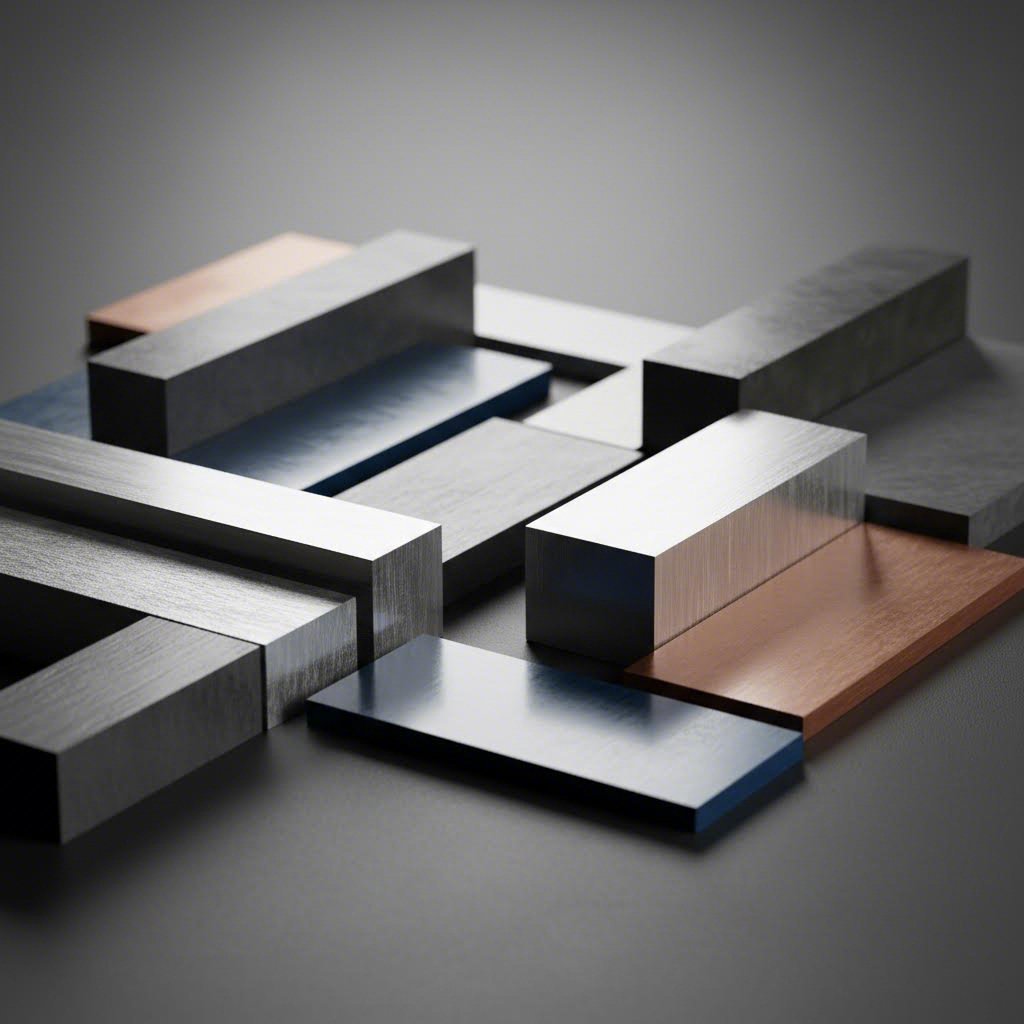
Not all aluminum alloys cost the same—and choosing wisely here creates immediate savings. The two most common alloys in aluminium extrusion profiles are 6063 and 6061, each serving distinct purposes at different price points.
6063 aluminum is the architectural workhorse. Its excellent extrudability produces smooth surface finishes ideal for window frames, curtain walls, and decorative applications. More importantly for budget-conscious buyers, 6063 typically costs less than structural alternatives. According to TBK Metal, 6063 aluminum ranges from approximately $3.2 to $4.0 per kilogram, making it a sweet spot for projects prioritizing aesthetics and moderate strength.
6061 aluminum commands a slight premium, ranging from $3.5 to $4.5 per kilogram. Why the higher cost? This alloy delivers superior strength and machinability, making it the go-to choice for structural frames and load-bearing applications. When your project demands aluminum profile extrusion that handles significant stress, the extra investment in 6061 pays dividends in performance.
| Alloy Type | Typical Applications | Relative Cost (USD/kg) | Best For Budget Projects |
|---|---|---|---|
| 6063 | Window frames, curtain walls, decorative profiles | $3.2 – $4.0 | Yes—excellent value for non-structural uses |
| 6061 | Structural frames, load-bearing components, machine bases | $3.5 – $4.5 | When strength requirements justify the premium |
| 3003 | Decorative panels, roofing, non-structural elements | $2.5 – $3.0 | Yes—lowest cost for purely decorative applications |
| 7075 | Aerospace, high-stress structural components | $5.0 – $6.5 | No—premium pricing for specialized demands |
Here's where smart buyers save the most money. Die costs for aluminum extrusions typically range from $400 to $2,000 for standard profiles with diameters between 60mm and 178mm. However, complex custom dies with outer diameters exceeding 200mm can skyrocket to $2,300–$10,000.
The strategic move? Stick with standard profiles whenever possible. Extruded aluminum profiles using existing dies eliminate tooling charges entirely. T-slot designs exemplify this principle perfectly—their massive popularity means manufacturers maintain extensive die libraries, passing volume savings directly to buyers.
Custom dies make financial sense only at scale. Most manufacturers waive die costs entirely when orders exceed 10–15 tons. Below that threshold, the per-unit impact of tooling expenses can dramatically inflate your aluminum extrusion cost.
One detail trips up many first-time buyers: extruded aluminum sizes follow either metric or imperial standards, and mixing them creates compatibility headaches. European and Asian manufacturers typically produce metric profiles (measured in millimeters), while North American suppliers often stock imperial dimensions. Confirm your project's measurement system before ordering to avoid costly mismatches with hardware and connectors.
Minimum order quantities (MOQs) represent another critical pricing lever. Ordering just a few pieces means paying retail rates—sometimes three to four times higher per unit than bulk pricing. Most manufacturers structure their pricing tiers around weight thresholds:
Even hobbyists can access better pricing by combining projects or coordinating group purchases with local maker communities. The difference between ordering 10 meters versus 100 meters often exceeds 30% per unit—savings that add up quickly across multiple builds.
With these cost fundamentals in place, the next logical question becomes: which specific profile types deliver the best value for most projects? T-slot extrusions have emerged as the budget-friendly standard for good reasons worth exploring.
Why do makers, engineers, and industrial designers keep reaching for the same profile type when budget matters? The answer lies in aluminum t slot extrusions—a category that dominates the affordable market for excellent reasons. These versatile profiles combine modular flexibility with standardized manufacturing, creating a sweet spot where cost-effectiveness meets genuine performance.
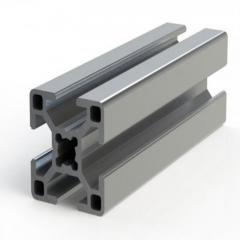
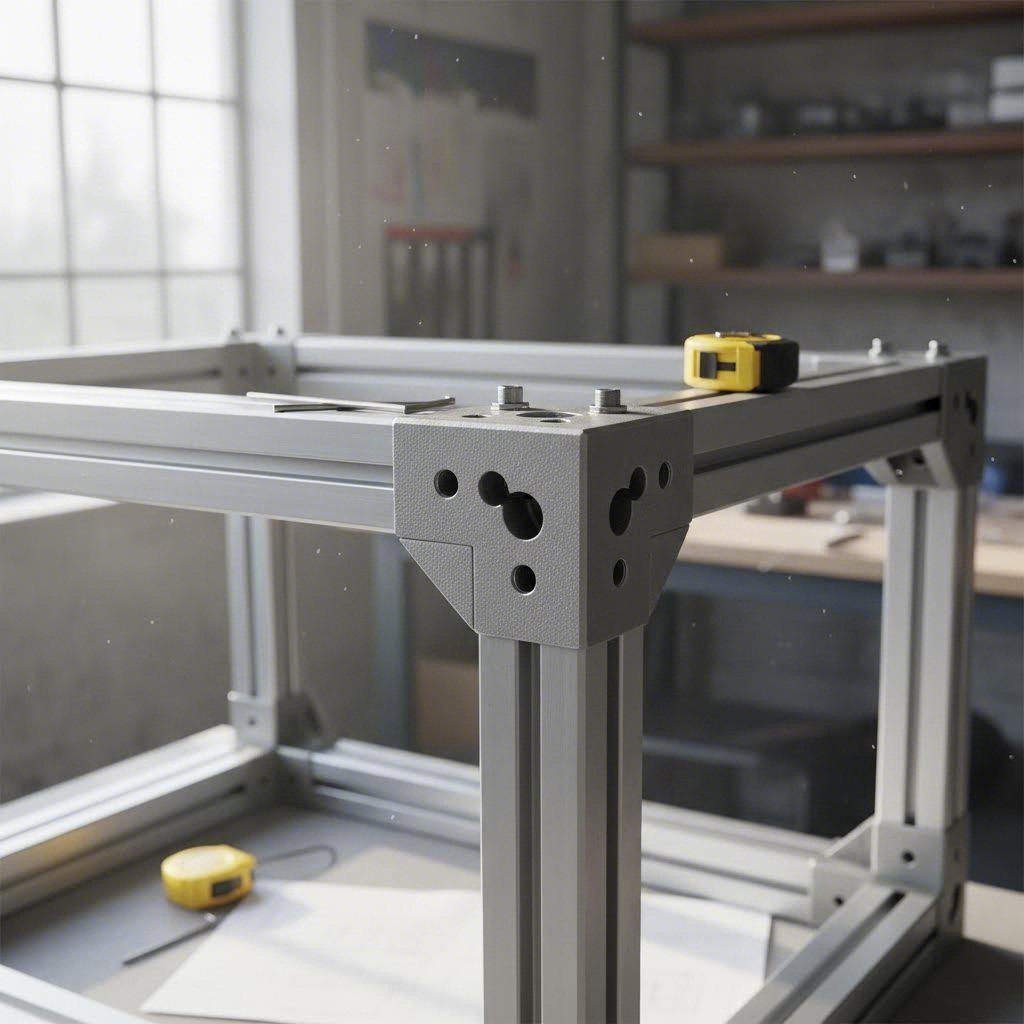
T-slotted aluminum extrusions feature channels running along their faces that accept specialized nuts, brackets, and connectors. This simple design innovation eliminates welding, reduces assembly time, and allows infinite reconfiguration. According to GAP Engineering, these profiles are often called the "industrial Meccano set" because of their incredible adaptability across applications.
What makes t slot framing so universally appealing? The magic starts with accessibility. You don't need a machine shop or specialized welding skills to build professional-grade structures. Slide a T-nut into the channel, tighten a bolt, and your connection is complete. Need to adjust later? Simply loosen, reposition, and retighten.
This modularity translates directly into cost savings beyond the initial purchase. Consider a traditional welded steel frame—modifying it means cutting, rewelding, and refinishing. With 2020 aluminum extrusion or any t-slotted system, you simply unbolt, reconfigure, and reassemble. Projects evolve without scrapping materials.
The standardization factor deserves special attention. Major manufacturers like 80/20 Inc. maintain extensive catalogs of 8020 extrusion profiles, meaning dies already exist for countless configurations. This widespread availability keeps production costs low and lead times short. When manufacturers don't need to create custom tooling, those savings flow directly to buyers.
Common applications where budget-conscious buyers get maximum value from t-slotted profiles include:
T-slot profiles organize into series based on their core dimensions. Understanding this system helps you match structural requirements to budget constraints—avoiding both overspending on unnecessary capacity and underspending on inadequate strength.
The 20 series represents the entry point for most budget projects. These profiles feature 20x20mm cross-sections with 6mm T-slots. According to GAP Engineering, they excel in applications where "space constraints and low load-bearing requirements are critical." A 2020 aluminum extrusion handles 3D printer frames, small enclosures, and desktop equipment beautifully—at roughly half the cost of larger profiles.
Moving up, the 30 series (30x30mm with 8mm slots) bridges light and medium-duty applications. These profiles work perfectly for medium-duty workbenches, exhibition stands, and industrial machinery frames requiring more rigidity than the 20 series provides.
The 40 series and 80 20 t slot aluminum profiles in this range handle genuinely heavy loads. With 40x40mm dimensions and 8-10mm slots, these extrusions support industrial machine frames, heavy-duty workstations, and warehouse storage solutions. The 40 series also appears extensively in vehicle roof rack systems and campervan conversions where strength-to-weight ratio matters.
For maximum load capacity, the 45 and 50 series profiles offer robust solutions. These larger extrusions serve heavy-duty industrial frames, gantry systems, and structural applications where failure isn't an option.
Here's the cost-performance insight that matters most: smaller series profiles don't just cost less per meter—they also use smaller, cheaper hardware. A complete 20 series build might cost 40-50% less than an equivalent 40 series structure when you factor in brackets, fasteners, and connectors.
The strategic approach? Start by honestly assessing your load requirements. Many builders over-engineer their first projects, spending more on 40 series profiles when 20 or 30 series would perform identically for their actual use case. Match the profile to the genuine demands of your application, and your budget stays intact without compromising structural integrity.
Now that you understand which profiles offer the best value, the next critical question becomes where to actually purchase them—and how sourcing decisions can slash or inflate your total project cost.
You've selected the perfect profile and understand what drives costs. Now comes the question that makes or breaks your budget: where to buy aluminum extrusion? The sourcing channel you choose often impacts final costs more dramatically than the extrusion itself. Savvy buyers know that identical profiles can vary 30-50% in price depending on where and how you purchase them.
Three primary sourcing channels serve the aluminum extrusion supply market, each with distinct advantages for different buyer scenarios. Understanding when each option makes financial sense transforms you from someone searching for aluminum material for sale into a strategic purchaser who consistently lands the best deals.
Buying direct from manufacturers offers the lowest per-unit pricing—but only when your order volume justifies the relationship. According to UD Machine, manufacturers excel at accommodating large volume orders while maintaining quality consistency. They also provide access to custom aluminum extrusion services when standard profiles won't meet your specifications.
The trade-off? Manufacturers typically impose minimum order quantities ranging from 500 kg to several tons. They're optimized for production efficiency, not small-batch convenience. If you're ordering a few meters for a weekend project, direct manufacturer relationships rarely make sense.
Industrial distributors like MISUMI occupy the middle ground. Their misumi extruded aluminum offerings provide convenience that manufacturers can't match—smaller minimum orders, pre-cut lengths, and integrated hardware catalogs. You'll pay a premium for this accessibility, typically 15-25% above direct manufacturer pricing. However, for projects under 100 kg, that premium often costs less than the shipping, handling, and minimum order penalties manufacturers impose.
Aluminum wholesale suppliers represent the third major channel. These operations specialize in bulk pack options—purchasing manufacturer overruns, standard profiles in high volumes, and passing savings to buyers willing to accept less customization. When you're flexible on exact specifications and can use standard lengths, wholesale channels deliver exceptional value.
| Source Type | Minimum Order | Price Level | Lead Time | Best For |
|---|---|---|---|---|
| Direct Manufacturer | 500 kg – 1+ ton | Lowest (baseline) | 2-6 weeks | Large industrial orders, custom profiles |
| Industrial Distributor (MISUMI, etc.) | 1-10 pieces | 15-25% premium | 3-10 days | Small projects, prototype builds, convenience |
| Wholesale/Bulk Suppliers | 50-200 kg | 10-15% above manufacturer | 1-3 weeks | Medium projects using standard profiles |
| Online Marketplaces | No minimum | Variable (often highest) | 1-4 weeks | Hobbyists, single-piece orders |
Where to buy extruded aluminum becomes clearer once you calculate your true project volume. Many buyers underestimate their needs, purchasing in small increments and paying premium rates repeatedly. A smarter approach? Plan ahead and consolidate.
Consider combining multiple projects into single orders. That 3D printer frame you're building this month plus the workbench planned for next quarter might together cross a pricing threshold that neither project achieves alone. According to Anglelock, the volume of your order may further impact supplier rates—larger orders consistently unlock better pricing tiers.
Group purchasing offers another avenue for smaller buyers. Online maker communities and local fabrication clubs often coordinate bulk orders, distributing volume discounts across multiple participants. You get aluminum for sale at near-wholesale pricing without committing to quantities beyond your actual needs.
The sticker price on aluminum extrusions tells only part of the story. Experienced buyers calculate total landed cost before comparing suppliers—and several hidden expenses frequently surprise first-time purchasers.
Shipping weight adds up fast. Aluminum weighs approximately 2.7 grams per cubic centimeter—lighter than steel but still substantial in bulk. A modest order of 40-series T-slot profiles can easily reach 50+ kg, triggering freight shipping rates rather than standard parcel pricing. Always request shipping quotes before finalizing orders, especially for lengths exceeding 2 meters.
Cutting services carry surcharges. Standard extrusions ship in mill lengths (typically 4-6 meters), and cutting to your specifications incurs per-cut fees. According to Anglelock's research, 80/20 charges approximately $2.79 per cut. Ten cuts across an order adds nearly $30—insignificant on large purchases but meaningful for small projects.
Hardware multiplies material costs. T-nuts, corner brackets, end caps, and fasteners often equal or exceed the extrusion expense itself. Budget 40-60% of your extrusion cost for associated hardware when planning complete builds.
Here's a practical formula for calculating true project costs:
True Project Cost = (Extrusion Price × Length) + Shipping + Cutting Fees + (Hardware × 1.5 contingency) + Surface Treatment Upcharges
That 1.5 hardware multiplier accounts for the brackets, fasteners, and connectors you'll inevitably add mid-project. Building in this buffer prevents budget surprises and frustrating delays waiting for supplemental orders.
With sourcing channels mapped and hidden costs exposed, the next critical decision involves selecting profiles that genuinely match your project requirements—without over-engineering your way into unnecessary expense.
Here's a costly mistake that catches many first-time buyers: grabbing the heaviest aluminum extrusion available "just to be safe." This over-engineering approach burns through budgets fast. The smart strategy? Match your profile selection precisely to actual project demands. You'll get the structural performance you need while keeping costs firmly under control.
Choosing the right extruded aluminum shapes requires honest assessment of your application. According to CAN Art, defining your specific application and considering factors like load-bearing capacity, environmental conditions, and aesthetic requirements should come first—before browsing catalogs or comparing prices.
Imagine you're building a monitor stand. Do you really need the same profile that supports industrial conveyor systems? Obviously not. Yet buyers routinely select 4040 profiles for applications where 2020 would perform identically—spending twice as much for zero additional benefit.
The most cost-effective standard profiles break down into clear performance tiers:
2020 profiles (20x20mm) handle light-duty applications beautifully. Think 3D printer frames, small electronics enclosures, desktop organizers, and display fixtures. These extruded aluminum channel profiles support loads up to approximately 50 pounds across reasonable spans while costing roughly half what larger options demand.
2040 profiles (20x40mm) step up for medium loads. Workbenches, larger enclosures, machine guards, and assembly tables benefit from this rectangular cross-section. The aluminum t channel design provides increased rigidity in one direction—perfect when loads concentrate along a specific axis.
4040 profiles (40x40mm) deliver heavy-duty performance. Industrial machine frames, CNC router structures, and applications involving significant vibration or dynamic loading call for this robust aluminum extrusion square profile. The price premium reflects genuine capability increases.
Before selecting any profile, work through these critical decision factors:
Custom dies sound appealing—profiles designed exactly for your unique application. However, the economics rarely favor customization for budget-conscious projects. According to Ya Ji Aluminum, die costs range from $400 to $2,000 for standard profiles, while complex custom dies can reach $2,300-$10,000.
That tooling investment only makes sense at scale. Most manufacturers waive die costs when orders exceed 10-15 tons. Below that threshold, standard profiles from existing die libraries deliver dramatically better value.
Here's when smooth extrusions make sense versus T-slot designs: if you're building a permanent structure requiring no future modification, smooth extruded aluminium channel profiles eliminate the slot complexity you'll never use. They're slightly more affordable, easier to clean, and provide continuous bearing surfaces. However, T-slot versatility typically justifies the modest premium for most projects—especially when future reconfiguration remains possible.
Surface treatments add both protection and expense. Understanding your options helps balance durability against budget constraints.
Raw mill finish represents the most economical option. Aluminum emerges from extrusion with a natural oxide layer providing basic corrosion resistance. For indoor applications without aesthetic demands, this finish often suffices—and costs nothing beyond base extrusion pricing.
Anodizing adds $0.10-$0.30 per kilogram according to Ya Ji Aluminum. This electrochemical process thickens the natural oxide layer, improving corrosion resistance and enabling decorative colors. Clear anodizing maintains aluminum's natural appearance while adding protection. Black anodizing creates striking visual contrast popular in maker projects.
Powder coating runs $0.20-$0.50 per kilogram, providing excellent color options and impact resistance. This finish excels in applications requiring specific branding colors or enhanced durability against scratches and chips.
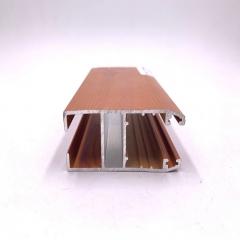
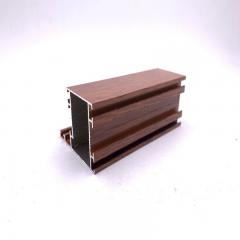
Premium finishes like PVDF, wood-grain, and electrophoresis treatments add $0.50-$1.00+ per kilogram. These specialized options serve architectural and high-end commercial applications—rarely justified for budget-focused industrial or maker projects.
The practical advice? Start with raw mill finish for prototype and proof-of-concept builds. Upgrade to anodizing for permanent installations requiring corrosion protection. Reserve powder coating and premium treatments for customer-facing applications where aesthetics drive purchasing decisions.
Selecting appropriate profiles prevents the twin budget killers of over-engineering and under-specifying. With your profile choices optimized, the next consideration becomes understanding which applications deliver the strongest return on your aluminum extrusion investment.
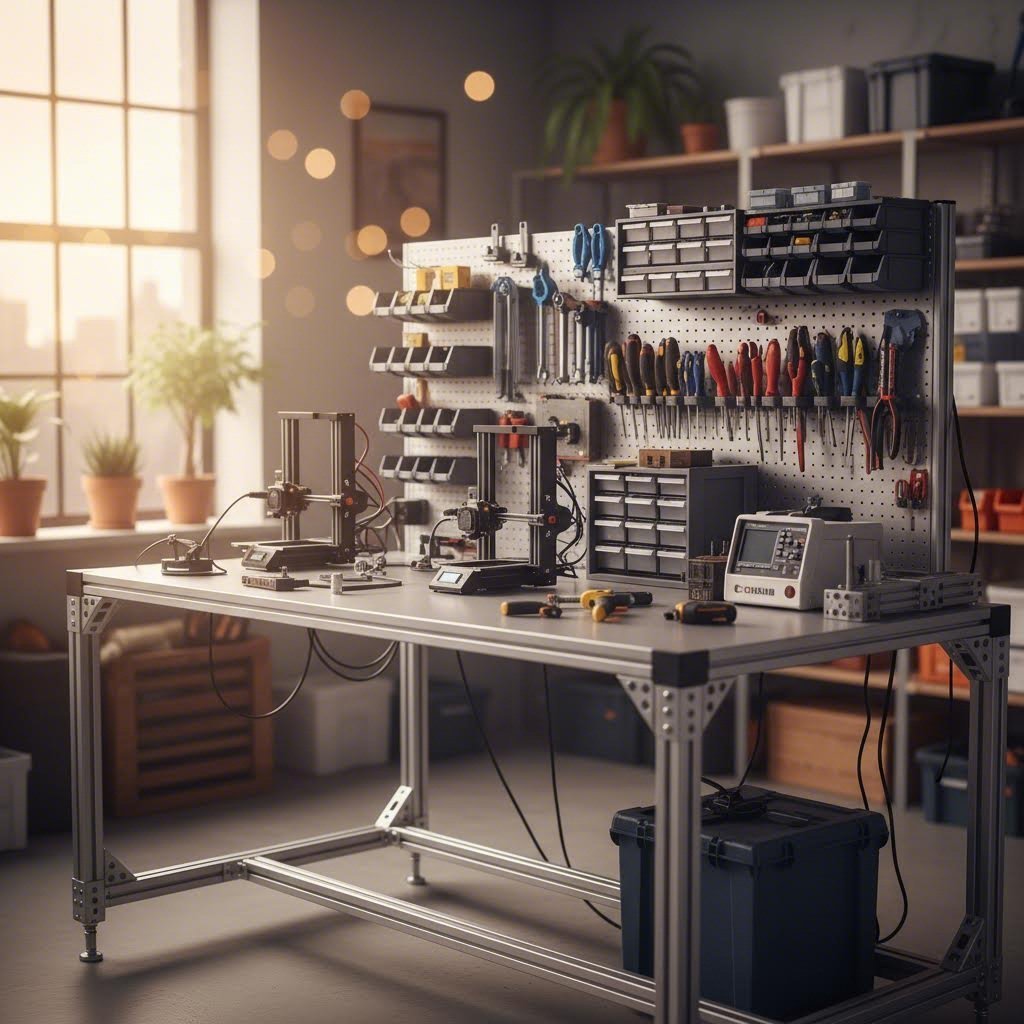
So you've selected your profiles and found a solid supplier. Now comes the exciting part—putting those extrusions to work. Where do cheap aluminum extrusions deliver the most value for your investment? Certain applications maximize the inherent advantages of aluminum framing systems while keeping project costs firmly in check.
According to Hackaday, builders use extrusions to create frames for 3D printers, laser cutters, and CNC machines—but the applications extend far beyond maker projects. From custom van fixtures to industrial workstations, the versatility explains why demand continues growing across industries.
Workshop builds represent the sweet spot for budget-conscious aluminum extrusion frame projects. Why? These applications leverage every advantage aluminum offers while avoiding scenarios where premium materials genuinely matter.
Ranked by cost-effectiveness and assembly ease, the top DIY applications include:
What makes these applications particularly budget-friendly? They all share common characteristics: moderate loads, indoor environments, and high reconfiguration value. You're not paying for strength you won't use or weather resistance you don't need.
Industrial buyers often assume structural aluminum extrusions can't match welded steel for serious applications. That assumption costs money. According to Formaspace, 80/20 aluminum frames use 6105-T5 aluminum alloy with a tensile strength of 35,000 lbs per square inch—serious capability for most industrial demands.
The weight advantage alone justifies aluminum for many industrial applications. An extruded frame weighs significantly less than equivalent welded steel, making furniture and equipment easier to move around facilities. This weight reduction also translates to lower shipping costs when equipment needs relocation.
Consider these industrial scenarios where aluminum extrusion frame kits outperform welded alternatives:
Cheap aluminum extrusions excel in applications prioritizing flexibility, moderate loads, and controlled environments. However, certain scenarios genuinely warrant premium options or alternative materials entirely.
Stick with budget extrusions when: Your project involves indoor use, moderate loading, likely future modifications, and situations where assembly speed matters more than absolute structural permanence.
Consider premium options when: Outdoor exposure demands enhanced corrosion protection, loads approach structural limits, vibration continuously stresses connections, or the application requires zero maintenance over decades of service.
According to Formaspace, welded steel joints don't require ongoing maintenance and are inherently stronger than bolted connections. For permanent installations where reconfiguration provides no value, fully welded frames may justify their higher upfront cost through eliminated maintenance requirements.
The practical takeaway? Match your material investment to genuine project demands. A 3D printer frame doesn't need aerospace-grade specifications, and a permanent industrial fixture might genuinely benefit from welded construction. Budget extrusions deliver exceptional value within their appropriate application range—and understanding that range prevents both overspending and underbuilding.
With your applications identified, one critical consideration remains: the hardware and accessories that transform raw extrusions into complete, functional builds.
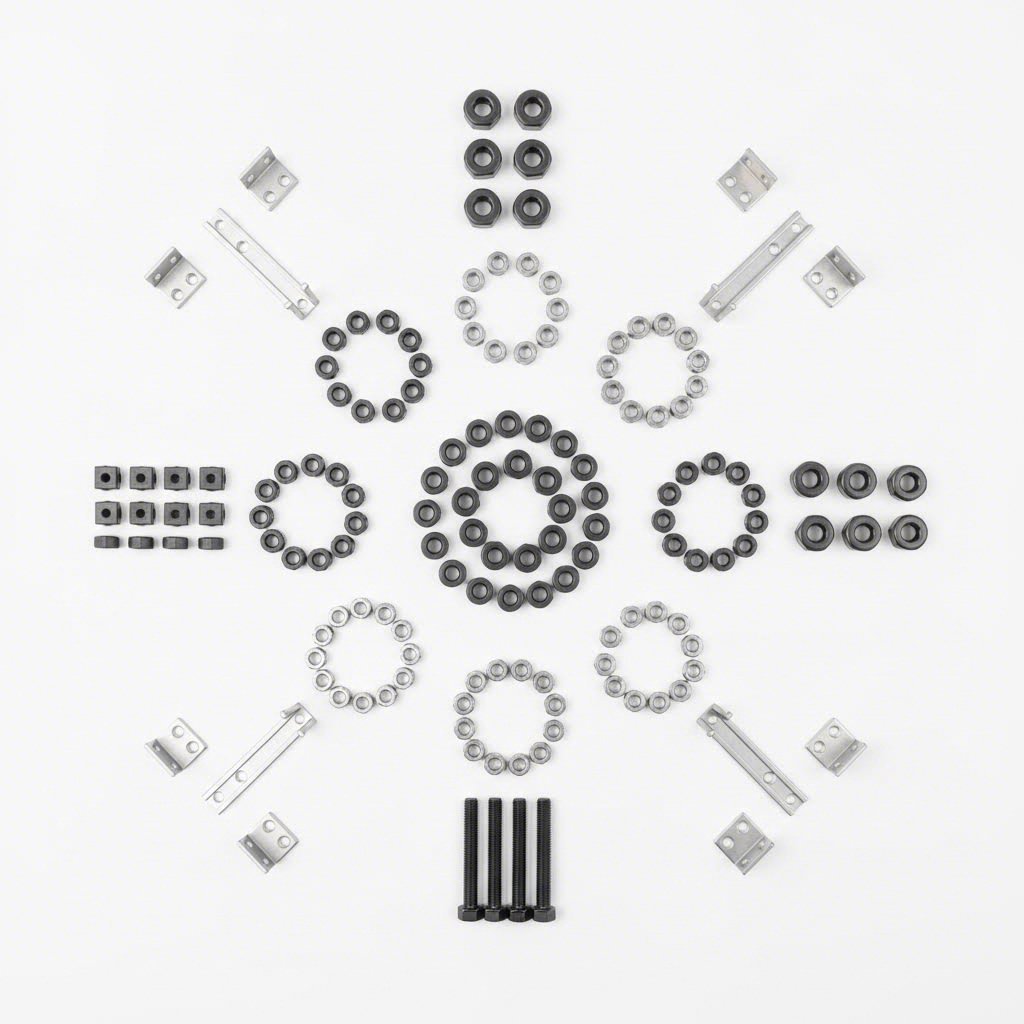
Here's a reality check many first-time builders miss: your aluminum extrusion hardware often costs as much as the profiles themselves. That sleek T-slot rail sitting in your cart? It's useless without T-nuts, brackets, and fasteners to connect everything together. Understanding this accessory ecosystem helps you budget accurately—and reveals where smart purchasing decisions save serious money.
According to A-Line Automation, T-slot accessories are modular components designed to connect, fasten, and enhance aluminum T-slot extrusion frames. These parts fit into the T-shaped slots along the profiles, allowing easy assembly and reconfiguration without welding or specialized machining.
Every t slotted build starts with fasteners. These small components create the connections holding your entire structure together—choosing the right ones affects both assembly ease and final strength.
The essential fasteners break down into clear categories by function and typical cost:
Corner brackets and gussets ($1.50-$8.00 each) reinforce 90-degree connections where loads concentrate. According to A-Line Automation, gussets distribute stress over larger areas, significantly increasing joint strength and rigidity. External brackets mount visibly but offer maximum strength, while internal brackets hide inside T-slots for cleaner appearances.
Beyond basic fasteners, several accessories complete professional builds without inflating budgets unnecessarily.
Functional accessories worth considering:
Compatibility concerns trip up many buyers. An aluminum t bar from one manufacturer may use slightly different slot dimensions than another's system. The safest approach? Source extrusions and hardware from the same supplier whenever possible. When mixing systems, verify slot width measurements before ordering—6mm, 8mm, and 10mm slots require specifically sized T-nuts.
Here's where significant savings hide: hardware pricing drops dramatically at volume. Individual T-nuts might cost $0.40 each, while 100-packs bring that down to $0.15-$0.20 per piece. Corner brackets show similar patterns—buying 20 instead of 4 often cuts per-unit costs by 40%.
The tools needed for aluminum extrusion work remain refreshingly simple:
Budget approximately 40-60% of your extrusion cost for associated aluminum extrusion accessories. A $200 extrusion order typically needs $80-$120 in hardware for complete assembly. Building this calculation into initial budgets prevents unpleasant surprises when projects near completion.
With hardware costs understood and accessory needs mapped, the final piece of the puzzle involves finding suppliers who deliver genuine value—not just low prices—on your complete aluminum extrusion purchase.
You've mapped your profile requirements, identified sourcing channels, and budgeted for hardware. Now comes the final challenge: actually securing the best possible deal without sacrificing quality or service. Finding cheap aluminum extrusion that performs reliably requires looking beyond sticker prices to evaluate suppliers holistically.
According to Zetwerk, manufacturing experts emphasize the crucial role suppliers play in overall project success—their technology, innovations, and characteristics directly influence the end product. The cheapest quote means nothing if profiles arrive with dimensional inconsistencies or surface defects that derail your build.
Think negotiation only works for massive industrial contracts? Think again. Even mid-sized orders unlock meaningful savings when you approach discussions strategically.
According to Gold Apple Aluminium, effective contract negotiation starts with thorough due diligence. Research potential suppliers' industry experience, reputation, financial stability, and technical capabilities before initiating price discussions. This groundwork positions you as an informed buyer—not someone desperate for the lowest number.
Key negotiation strategies that consistently deliver results:
When negotiating pricing, consider factors beyond base material costs. According to Gold Apple Aluminium, discussing payment methods, timelines, and potential discounts for bulk orders or long-term contracts should all factor into your negotiation strategy. A slightly higher per-unit price with included cutting services might beat a lower quote requiring separate fabrication arrangements.
How do you evaluate suppliers beyond just price? Experienced buyers assess multiple factors that determine whether cheap aluminium extrusion actually delivers value or creates hidden headaches.
Quality consistency matters enormously. Reputable aluminum frame suppliers should have deep understanding of various aluminum alloys, grades, and their applications, according to Zetwerk. Look for suppliers who source aluminum from trusted mills and demonstrate technical expertise in recommending appropriate alloys for your specific needs.
Surface treatment options reveal capability depth. Budget suppliers often offer limited finishing—maybe just raw mill finish or basic clear anodizing. Comprehensive suppliers provide extensive options: anodizing in custom colors, powder coating in RAL-matched shades, PVDF for architectural durability, and specialized treatments for demanding environments.
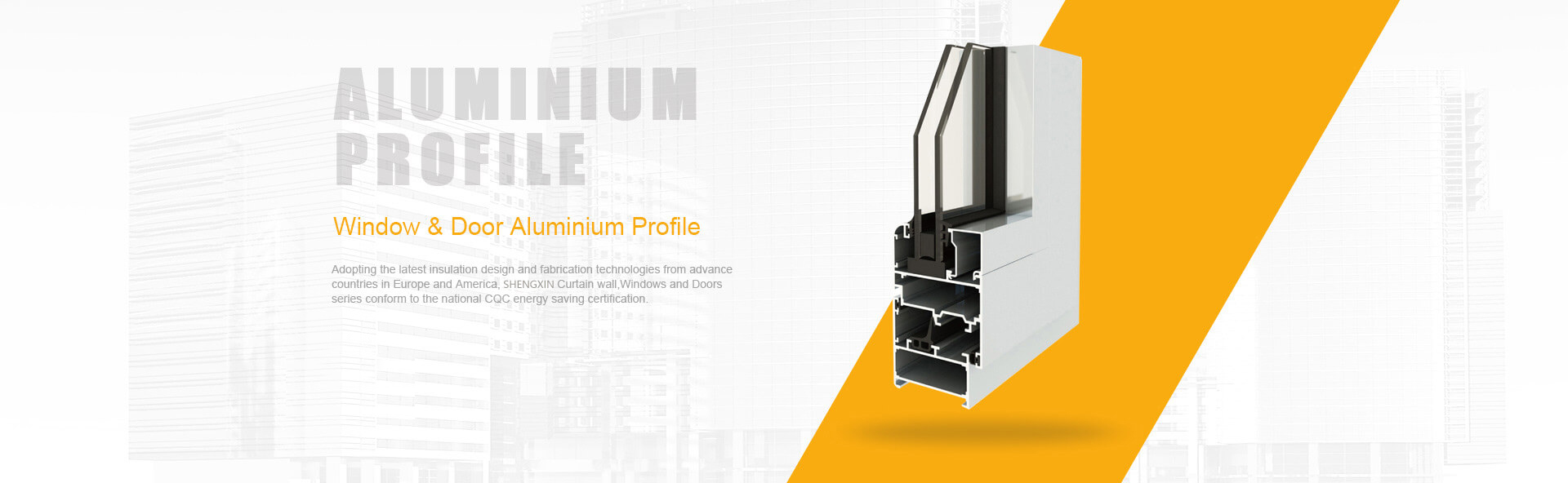
For buyers seeking factory-direct pricing with comprehensive services, manufacturers like Shengxin Aluminium offer end-to-end support from die development to mass production. With over 30 years of industry experience and 35 advanced extrusion presses, they provide extensive surface treatment options including anodizing (available in custom colors like Champagne and Rose Gold), powder coating, and PVDF finishes—all at factory-direct pricing that eliminates distributor markups.
Technical support availability separates vendors from partners. Will someone answer questions about load calculations? Can they advise on alloy selection for your specific application? According to Zetwerk, suppliers offering value-added services like design assistance, material selection guidance, and technical support significantly enhance the buyer experience throughout the project lifecycle.
The lowest price means nothing if quality inconsistency forces rework, surface defects require refinishing, or lack of technical support leaves you guessing on critical specifications. True value balances competitive pricing with reliable quality and responsive service.
Searching for aluminum extrusions for sale or aluminium extrusions for sale online surfaces countless options. How do you distinguish legitimate budget suppliers from operations cutting corners that will cost you later?
Watch for these warning signs:
According to Gold Apple Aluminium, including stringent quality assurance measures in contracts protects your interests. Specify acceptance criteria, testing procedures, and required certifications upfront—legitimate suppliers accommodate these requirements willingly.
Different buyers have different optimal strategies. Here's targeted guidance for the three most common scenarios:
Hobbyists and Makers: Your best value typically comes from industrial distributors offering no-minimum orders and pre-cut options. Yes, you'll pay 15-25% premiums over manufacturer pricing—but avoiding minimum order requirements and shipping full-length stock saves more than you'd gain chasing wholesale rates. Focus on extruded aluminum for sale through established platforms with transparent pricing and reliable reviews.
Small Businesses and Repeat Buyers: You occupy the sweet spot for negotiated arrangements. Consolidate quarterly needs into single orders crossing discount thresholds. Establish relationships with 2-3 suppliers and request competitive quotes for each project. According to Gold Apple Aluminium, negotiating flexible delivery arrangements that accommodate demand fluctuations protects against inventory carrying costs while maintaining pricing advantages.
Industrial Purchasers: Direct manufacturer relationships deliver maximum value at your volumes. Invest time in qualifying suppliers thoroughly—factory visits, sample testing, and reference checks pay dividends over multi-year relationships. Look for manufacturers offering end-to-end capabilities: die development, extrusion, finishing, and fabrication under one roof minimizes coordination complexity and quality variations between vendors.
Regardless of your buyer category, remember this fundamental truth: the best deal isn't always the lowest price. Discount aluminum that arrives late, varies in quality, or lacks technical support costs far more than slightly premium options from reliable partners. Evaluate total value—pricing, quality, service, and reliability—and your cheap aluminum extrusion purchases will consistently deliver the performance your projects demand.
The cheapest sources depend on your order volume. For bulk orders exceeding 500 kg, direct manufacturers like Shengxin Aluminium offer factory-direct pricing that eliminates distributor markups. For smaller quantities, suppliers like ZYLtech offer bulk packs around $89-100 for ten 1-meter 2020 profiles. 80/20 Inc. lists 2020 extrusions at approximately $0.25 per inch, while McMaster-Carr charges about $0.60 per inch for convenience and faster shipping. Wholesale suppliers and group purchasing through maker communities also unlock significant savings for mid-sized orders.
Five main factors drive aluminum extrusion pricing: alloy selection (6063 costs $3.2-4.0/kg versus 6061 at $3.5-4.5/kg), die complexity ($400-2,000 for standard dies, up to $10,000 for complex custom designs), order volume (pricing drops significantly above 100 kg thresholds), surface treatments (anodizing adds $0.10-0.30/kg, powder coating $0.20-0.50/kg), and fabrication services like cutting. Standard T-slot profiles cost less because manufacturers maintain existing die libraries, eliminating tooling charges entirely.
Not necessarily. Cheap aluminum extrusions simply reflect smart sourcing decisions rather than inferior materials. Budget-friendly options typically use the same 6063-T5 or 6061-T6 alloys as premium brands. The price difference comes from purchasing standard profiles instead of custom designs, buying in appropriate volumes, choosing basic surface finishes, and sourcing from manufacturers rather than distributors. Quality varies by supplier reliability, not price point—always verify certifications like ISO 9001 and request samples before large orders.
Match profile size to actual load requirements rather than over-engineering. For light-duty applications like 3D printer frames and small enclosures, 2020 profiles (20x20mm) handle loads up to 50 pounds at roughly half the cost of larger options. Medium-duty workbenches and assembly tables benefit from 2040 profiles. Heavy-duty machine frames and industrial applications requiring significant rigidity call for 4040 or larger profiles. Consider expected load weight, span length, vibration exposure, and aesthetic requirements when selecting.
Beyond base extrusion pricing, budget for shipping (aluminum weight triggers freight rates on larger orders), cutting services ($2-3 per cut), and hardware. T-nuts, brackets, fasteners, and connectors often equal 40-60% of extrusion costs. Calculate true project cost as: (Extrusion Price × Length) + Shipping + Cutting Fees + (Hardware × 1.5 contingency) + Surface Treatment Upcharges. The hardware multiplier accounts for components inevitably added mid-project.



 Servicio en línea
 0086 136 3563 2360
 sales@sxalu.com
 +86 136 3563 2360
 español
 English
 français
 Deutsch
 русский
 português
 العربية
 ไทย
ไทย Việt
Việt Українська