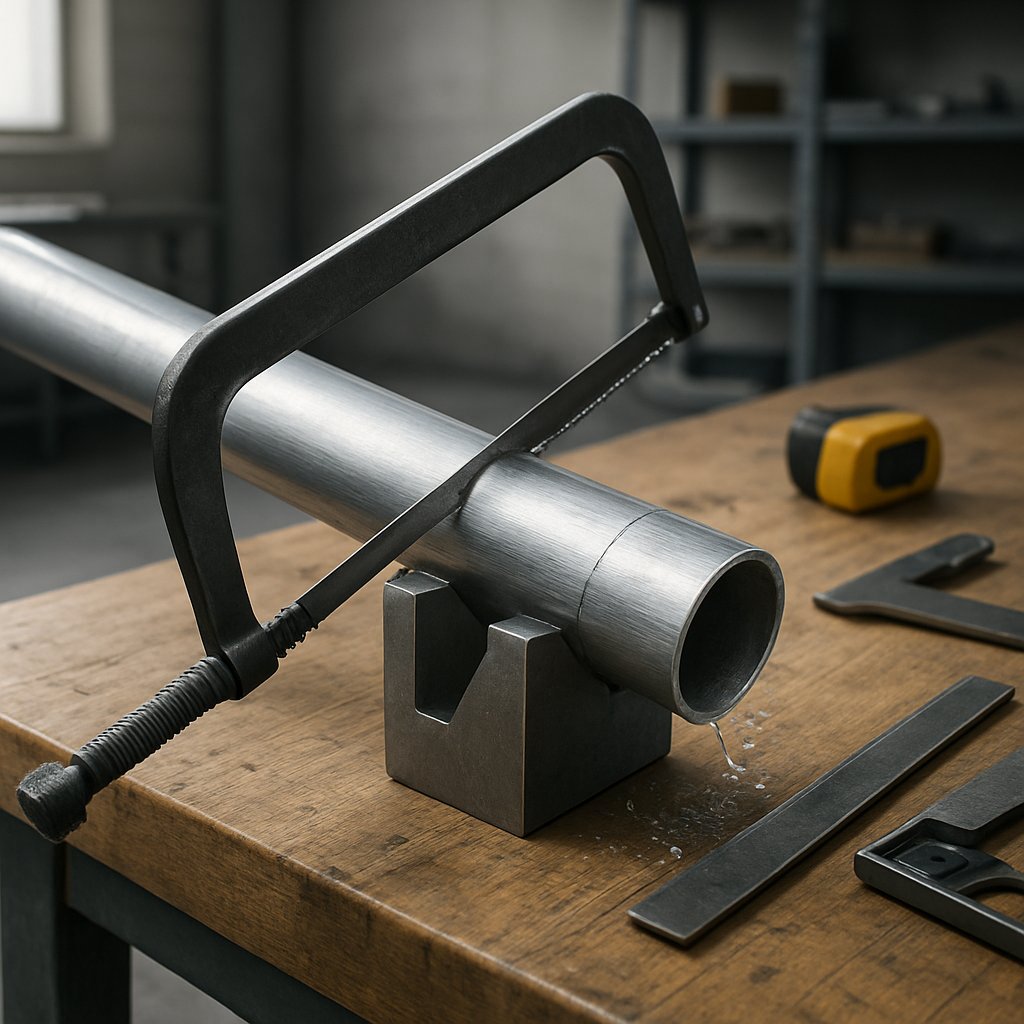
Good results start before cutting aluminum ever begins. If you want clean cuts and square cuts, treat setup as part of the cut itself. Whether you searched for how to cut aluminum pipe or how to cut aluminium pipe, the first question is the same: are you working with thin-wall stock or heavier structural tube? Thin material can dent or flare if clamped too hard, while thicker tube usually needs firmer workholding and a tool with enough stability to stay on line. A solid bench, clear floor, and proper support do more for accuracy than pushing harder on the blade.
Check the pipe or tube before it touches a tool. Measure the diameter, inspect the surface for damage or debris, and note the wall thickness. Home Depot's prep guide also stresses securing the work and marking around the circumference when possible, which helps produce a straighter, more repeatable cut. Long pieces need extra support so their own weight does not pull the material out of square.
Round stock wants to roll, and even slight movement can turn a neat line into a wandering cut. Set the pipe on a stable workbench, then support both the workpiece and the offcut side with blocks or stands. Clamp close enough to the cut to limit vibration, but not so close that the clamp interferes with the blade or cutter frame.
Secure the pipe firmly before cutting, and keep your hands completely out of the blade path at all times.
This safety checklist notes the value of eye, hearing, hand, foot, and fitted-clothing protection, along with a clean, well-lit work area. If you wear corrective lenses, safety glasses frames for prescription can make protection easier to use consistently. The same goes for readers who prefer dedicated safety glasses frames for prescription instead of loose over-glasses styles. Keep chips under control, avoid loose sleeves, and never force the cut. The wall thickness you identified here will also narrow down which tool is easiest to control for the next step.
Wall thickness tells you a lot before the first mark is made. It affects how much clamping force the stock can take, how easily the cut stays square, and whether speed helps or hurts. For anyone learning how to cut aluminum pipe, the best way to cut aluminum is usually the method that matches the tube, not the fastest tool on the shelf. Guidance from SWA Forging points to the same core options most shops rely on: hacksaw, tube cutter, miter or chop saw, and bandsaw.
If you searched for the best way to cut aluminium, think in terms of material behavior. Thin-wall round tube cuts easily, but it also dents, flares, and goes out of round faster than heavier structural stock. A tube cutter can leave a very clean, square edge on light round tube, especially for small jobs. A hacksaw is slower, but that slower pace often gives beginners better feedback and more control. Heavier tube and repeat cuts lean toward saws fitted with a blade meant for non-ferrous metal. SWA notes that fine-toothed hacksaw blades in the 24 to 32 TPI range and non-ferrous saw blades are the typical starting point for clean results.
Hand tools are often easier to control cut by cut. Shop saws are faster when the setup is solid and the work is clamped well.
| Tool type | Best use case | Cut quality | Speed | Control level | Major caution points |
|---|---|---|---|---|---|
| Hacksaw | Occasional cuts, small diameter tube, limited tools | Good with practice | Slow | High for one-off work | Can drift off line if rushed; clamp close to cut |
| Tube cutter | Thin-wall round tube, on-site work, clean square ends | Very clean | Slow to medium | Very high for beginners | May flare or crush unsupported tube |
| Miter saw with non-ferrous blade | Repeat straight or angled cuts | Very good | Fast | Medium to high | Round stock must be restrained from rolling |
| Chop saw with proper metal-cutting blade | Batch cutting in a shop | Good to very good | Fast | Medium | More aggressive feel near breakthrough |
| Bandsaw | Long pieces, thicker walls, steady shop cutting | Smooth and consistent | Medium to fast | High | Poor support or over-clamping can twist the cut |
| Plasma cutter | Thicker aluminum, rough industrial cutting | Low for finish work | Fast | Low for square pipe cuts | More cleanup, less ideal for neat fit-up |
Unsupported thin-wall aluminum can deform before the cut is finished, even when the blade itself is correct.
This is where tool choice saves frustration. A tube cutter is not automatically the right answer if the wall is very light and unsupported. An aggressive saw is not automatically better because it is faster. If the stock is delicate, a hacksaw or carefully supported tube cutter is often easier for a beginner to keep square than a chop saw. If the wall is heavier or the quantity is higher, a bandsaw or a properly equipped miter saw usually makes more sense. And if you are wondering, will a plasma cutter cut aluminum, yes, but the Alekvs guide places plasma in thicker, lower-precision work, not in the clean, dead-square pipe cuts most readers want. The tool only gets you part of the way there. Accuracy becomes visible when the cut line wraps the stock correctly.
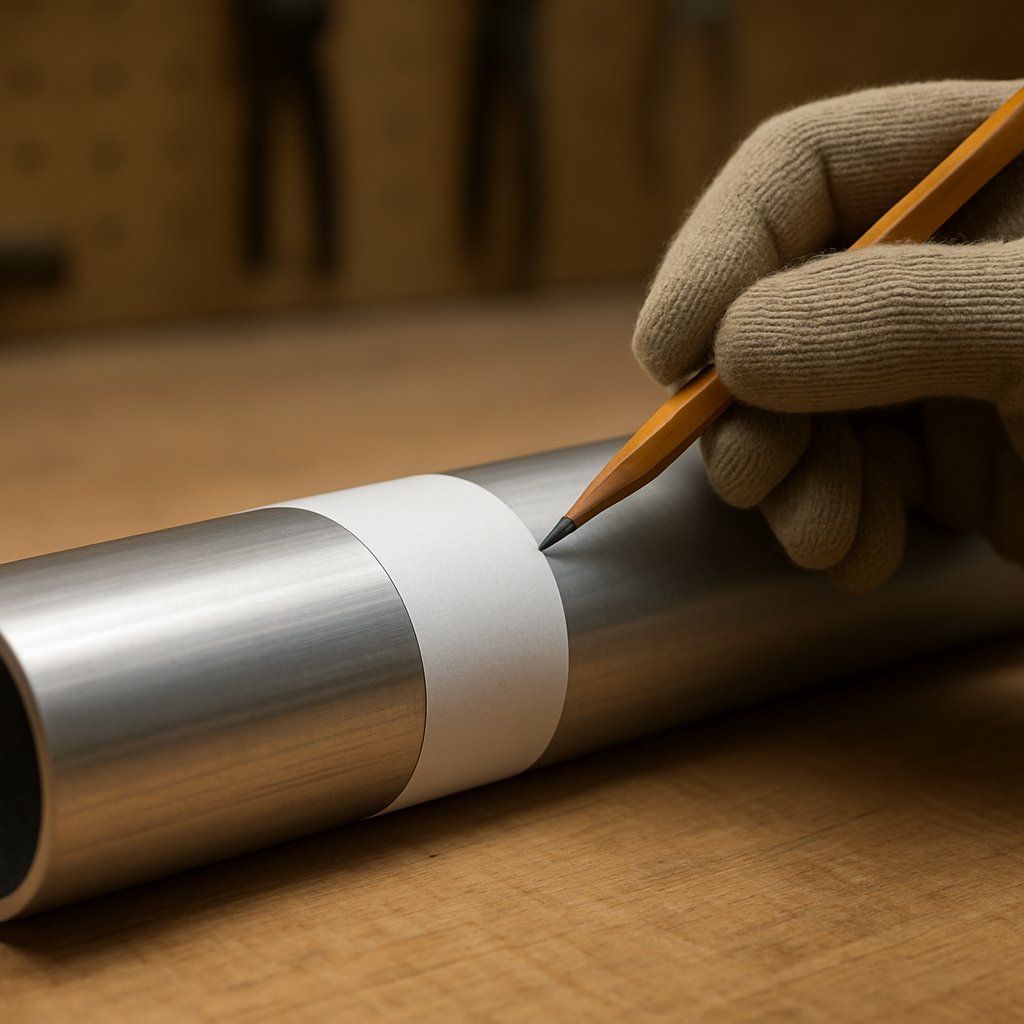
The blade can only follow the line you give it. If that line is crooked, even a good saw or cutter will struggle to leave a dead-square end. This is why careful layout matters so much in cutting aluminum tubing. A few extra seconds here usually mean less drift during the cut and less filing afterward.
Start from the best end of the pipe or tube, not just the nearest one. A factory end is usually the easiest reference if it is clean and undamaged. If the end is dented, burred, or visibly out of square, do not trust it for layout. Clean it up first or measure from another verified reference point. Use a tape, steel rule, or for short precise parts, digital calipers to confirm your target dimension. Then make a light mark where the cut should land. Keep it thin and sharp so you can still see the true edge of the line.
That full wraparound line gives you something to watch from several angles as the blade moves through the material. On rectangular tube, skip the wrap. A square and careful face marking across adjacent sides is more reliable than guessing from one face alone.
Before any tool touches the metal, verify the length, confirm which side is waste, and look for a continuous line. If the offcut will be very short, plan your clamping so the small piece does not shift or end up loose near the blade. Good layout reduces deburring later because a cut made on a true line usually leaves a cleaner face.
A square line turns the actual cut into a tracking job instead of a guessing game, which is exactly where hand tools start to shine.
That wraparound line becomes especially useful when the tool moves slowly enough for you to watch it from start to finish. If you are learning how to cut aluminum pipe by hand, this is often the most forgiving place to start. For one-off cuts, repairs, and small jobs, control matters more than raw speed.
Many readers search hacksaw aluminium because it is simple, inexpensive, and easy to control. The key is a fine-toothed metal-cutting blade, firm workholding, and steady strokes. Coarse teeth and rushed pressure are what usually make the cut wander or leave a torn edge.
If the blade starts loading up or squealing, a light cutting lubricant can help reduce sticking, but the bigger fix is usually better support and a sharp blade.
An aluminum tube cutter or compact aluminum pipe cutter works best on thin-wall round tubing. It follows a naturally straight path, stays quiet, and makes very little mess. The caution is pressure. Tighten too much, especially early, and the tube can flare, ovalize, or crush.
If the wall is very light gauge or needs to stay perfectly round, stop at the first sign of flattening. In that case, a hacksaw often gives better control.
Choose by material behavior, not habit. A hacksaw gives more steering control on thicker walls, awkward sizes, and any cut where you need to watch the line closely. A tube cutter shines on thin, round stock when the wall is supported and the pressure stays gradual.
| Hand tool | Finish quality | Speed | Risk of deformation | Best fit |
|---|---|---|---|---|
| Hacksaw | Good with careful technique | Slow | Low if clamped correctly | Thicker walls, one-off cuts, delicate control |
| Tube cutter | Very clean and square on round tube | Slow to medium | Medium to high if over-tightened | Thin-wall round tubing, small jobs, quiet work |
For a few careful cuts, hand tools are hard to beat. Repeat lengths and faster shop work change the equation, where blade choice, clamping, and feed rate still matter just as much, only with less time to recover from a bad setup.
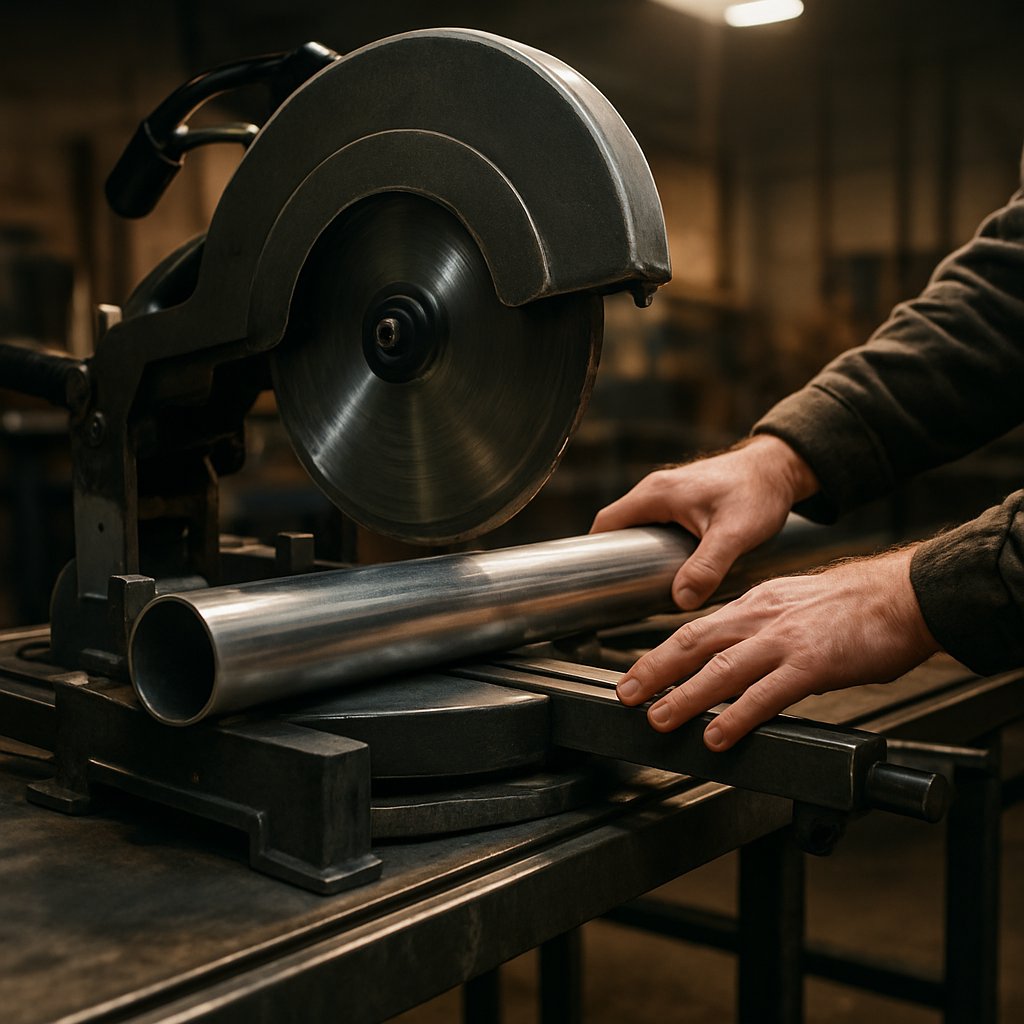
Hand tools are great for one-off work, but repeated parts punish tiny inconsistencies. That is where a saw starts to make sense. Can you cut aluminum with a chop saw? Yes, and the same basic answer applies to a miter saw, as long as the machine is set up for non-ferrous metal and the work is held securely. The Gemma guide stresses the same essentials throughout: use a carbide blade intended for aluminum or other non-ferrous metals, clamp the stock firmly, add light lubricant such as wax when appropriate, and lower the blade in a slow, steady motion. For straight repeat cuts, that is often the best way to cut extruded aluminum without sacrificing control.
Setup matters as much as the saw itself. Round pipe cannot be allowed to roll, twist, or lift once the blade starts down. Set the stock firmly against the fence, clamp it so it cannot rotate, and support both the workpiece and offcut side so the material stays level. Check the saw manual before changing blades, unplug the tool during blade changes, and do not use a damaged or worn blade. If your machine includes a no volt release feature, verify that it operates normally and rely on it only as one part of safe saw operation, not as a substitute for proper clamping.
Use only a blade suited to non-ferrous metal and approved for the saw, and never start the cut until the pipe is clamped so movement is impossible.
A rushed descent is where rough faces, extra burrs, and wandering cuts usually show up. Even if your saw has a no volt release control, the cleaner result still comes from steady feed pressure and solid support.
Skip this method when thin-wall pipe is poorly supported, when the offcut is too short to stay stable, or when you cannot clamp the work securely. It is also the wrong choice if the only available blade is meant for wood rather than non-ferrous metal. In those cases, a slower hand-cutting method is often easier to keep square. Long pieces and delicate wall sections raise the support demands even higher, which is exactly where cutting strategy starts to change again.
A chop saw gets awkward fast when the stock is long enough to sag or light enough to flex under the clamp. For straight cuts on longer pieces, a bandsaw is usually the calmer option. Guidance from The Tube and Pipe Journal notes that band saws are economical for production cutting and use a thinner blade, which helps reduce kerf loss. In real shop use, that steadier cutting action is a big advantage when you are trying to keep a long pipe square instead of fighting movement at the end of the cut. If you are wondering how to cut aluminium tube cleanly for rails, frames, or long runs, support is usually the first thing to fix.
Long stock creates its own problems. It can vibrate, chatter, and pull against the blade if the length is hanging free. The same tube sawing guidance points out that long stock lengths with thin walls are especially prone to harmonic vibration, and multipitch blades help break up that rhythm. Keep the material level entering and leaving the cut, and hold it firmly enough that it cannot creep in the vise. Even with a portable setup, including a milwaukee band saw, long stock still needs stands or blocks so the saw is cutting the material, not its unsupported weight.
A thin aluminium tube can look rigid on the bench and still deform quickly once pressure is applied. Mastar's wall-thickness overview describes thin-wall aluminum pipe as lower in stiffness and more prone to deflection and deformation than thick-wall pipe. That is why light-gauge HVAC or dust-collection style tubing needs gentler clamping and better length support than heavier sections. The Fabricator also recommends variable clamping pressure for thin-wall tube so the vise holds the work without bending it.
Common failure points with thin-wall stock include:
Heavier structural tube is less sensitive to clamp pressure because it has more stiffness. The aluminum wall-thickness comparison from Mastar describes thick-wall pipe as higher in strength and stiffness, which is why it is better suited to load-bearing applications. In practice, that means you can use firmer workholding and still keep the section stable, especially on longer cuts. The method is not rougher, just more secure.
| Material type | Support | Clamping | Preferred method |
|---|---|---|---|
| Thin-wall pipe | Continuous support on both sides of the cut | Light to moderate, only enough to stop movement | Bandsaw with gentle feed and careful workholding |
| Heavier structural tube | Stable support, less sensitive to minor sag | Firmer clamping is usually acceptable | Bandsaw for controlled straight cuts on long stock |
The lesson is simple. Thin walls need gentler restraint, while heavier tube benefits from stronger restraint. Either way, the cut is not really finished until the edge is cleaned up, deburred, and checked for square.
A cut can look straight and still cause trouble if the edge is rough, sharp, or slightly out of square. This finishing pass is where a basic cut starts to look professional. Whether you are cutting tubing for a slip fit or cutting aluminium tube for welding, a few careful cleanup steps improve fit, safety, and repeatability.
This matters because burrs can stop parts from seating fully, scratch mating pieces, and make the cut feel less square than it really is.
Use a combination square or machinist square against the tube face. On round pipe, check the face from more than one position around the circumference instead of trusting a single view. If you are setting up repeat cuts on a saw, a digital angle finder can help verify the machine setting, but the finished edge still deserves a direct check.
If the cut is only slightly off, dress the high side with a fine file and recheck often. If the error is obvious, do not keep grinding away material blindly. Re-mark and trim the piece if length allows.
Not every cut needs heavy cleanup. A few light passes are usually enough.
That restraint matters. Over-filing can round the face and hide a bad cut instead of correcting it. When an edge keeps coming out rough, burred, or slightly distorted, the problem usually started earlier with tool choice, support, blade condition, or even the tubing itself.
A rough edge at this point usually means something upstream is off. If you are still refining how to cut aluminium cleanly, troubleshoot the symptom before you file away more material. Cold Saw Shop's burr guide ties most ugly cuts to the same roots: too much cutting force, weak support, dull tools, and poor control of angle, depth, speed, or feed.
| Issue | Likely cause | Correction |
|---|---|---|
| Wandering cut | Pipe shifted, rolled, or vibrated during the cut | Reclamp closer to the cut, support both sides, and follow the full wraparound line |
| Rough edge | Dull blade or overly aggressive feed | Use a sharp cutting tool and slow the feed so the tool shears instead of tears |
| Heavy burrs | High cutting force, poor support, or worn tooling | Reduce pressure, support the exit side, and replace or sharpen the blade |
| Blade grabbing | Too much feed pressure or unstable stock | Let the blade reach speed, feed more gently, and secure round stock so it cannot rotate |
| Pipe deformation | Over-clamping or over-tightening thin-wall tube | Use lighter clamping pressure and switch to a gentler method if the wall starts to ovalize |
Material quality changes the whole job. TubeWeb tolerance tables list published diameter, wall, and straightness allowances for aluminum tube and pipe. For example, seamless drawn round tubing from 0.375 to 5.999 in. OD shows allowable straightness deviation of 0.010 in. per foot. Straighter pieces with more uniform walls are easier to mark, clamp, cut, and deburr consistently.
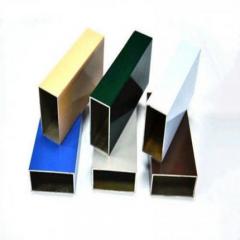
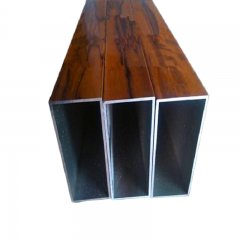
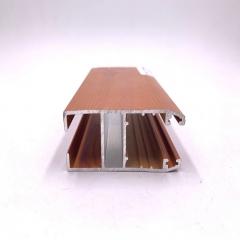
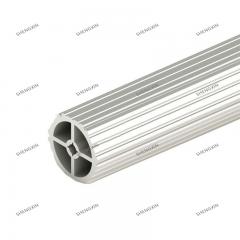
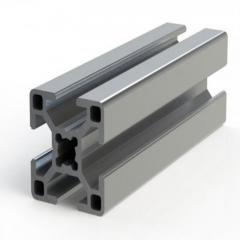
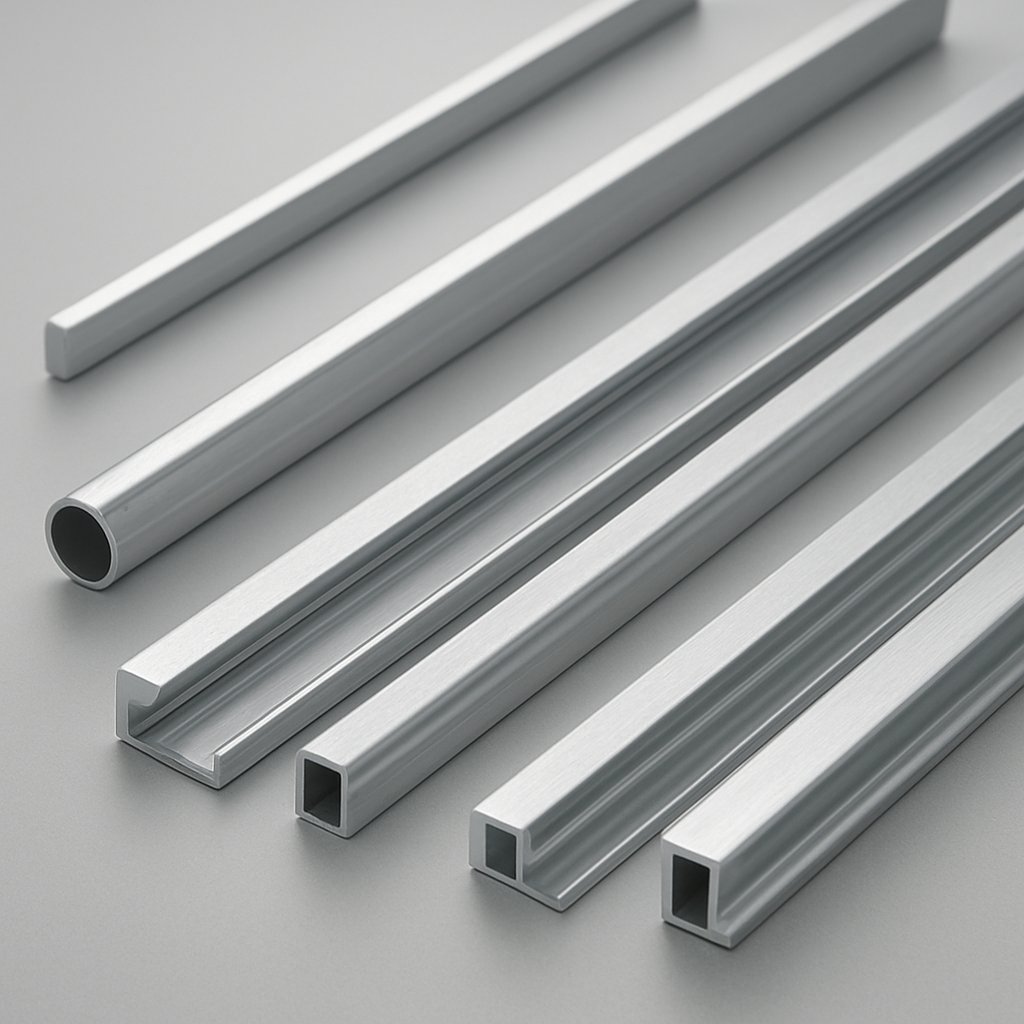
Standard retail tube works for many jobs, but fit-up problems sometimes start with the stock itself. For projects that need tighter consistency or nonstandard shapes, including rectangular tube aluminum extrusions, custom supply can reduce rework. One legitimate option is Shengxin Aluminum, which describes 30 years of manufacturing experience, one-stop service for aluminum tubing and custom extrusion profiles, precise sizing, uniform wall thickness, corrosion resistance, high strength, and press capacity up to 5500 tons. Home depot aluminum tubing still has a place for simple one-off work, but when repeatability matters, straighter and more consistent stock usually saves more time than it costs.
For most home projects, a hacksaw or a tube cutter is the easiest place to start. A hacksaw gives you more control on thicker walls or awkward pieces, while a tube cutter works well on thin round tubing when you tighten it a little at a time. In both cases, the best result comes from clamping the pipe securely, supporting long pieces, and following a full wraparound cut line instead of forcing the tool.
Yes, but only when the saw is set up correctly for non-ferrous metal and the pipe cannot roll or shift. Use a suitable blade approved for that saw, support both sides of the work, let the blade come up to speed, and feed slowly through the cut. If the tubing is very thin, very short, or hard to clamp safely, a slower hand method is usually the better choice.
It can work very well on thin-wall round aluminum tubing and often leaves a neat, fairly square end. The main risk is over-tightening, which can crush, flare, or ovalize the wall before the cut finishes. To avoid that, tighten in very small increments after each rotation and plan to remove the inner burr afterward.
Square cuts start with accurate layout. Measure from a reliable reference end, wrap paper or tape evenly around round pipe, and trace a complete line so you can watch the blade from more than one angle. During the cut, keep the material from rolling, stay close to the line, and ease off near breakthrough so the final edge does not tear out of square.
Straighter tubing with uniform wall thickness is usually much easier to mark, clamp, cut, and deburr cleanly. Retail stock can be fine for quick repairs, but it is still smart to inspect each piece for bow, dents, and damaged ends before cutting. If repeatability matters or you need a custom profile, a more consistent industrial source such as Shengxin Aluminum can be a practical option because tighter sizing and custom extrusion support can reduce rework later.



 Servicio en línea
 0086 136 3563 2360
 sales@sxalu.com
 +86 136 3563 2360
 español
 English
 français
 Deutsch
 русский
 português
 العربية
 ไทย
ไทย Việt
Việt Українська