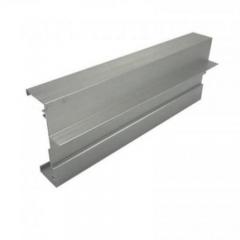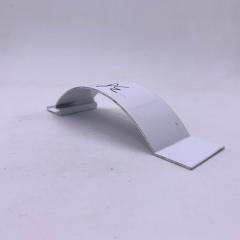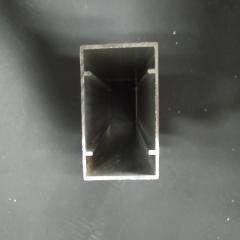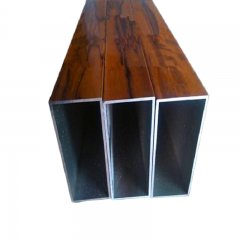
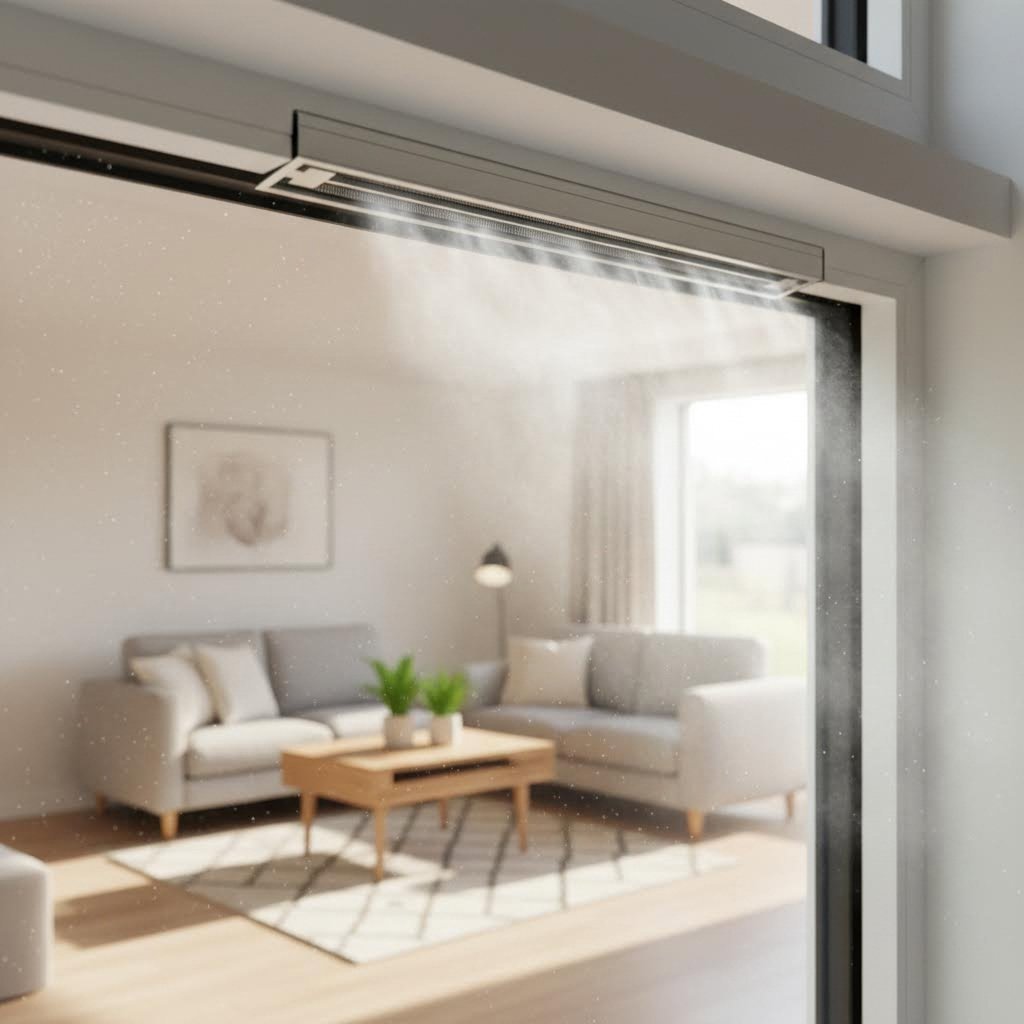
Imagine this: you've finally invested in high-quality double-glazed windows to keep your home warm and quiet. But then you're told you need ventilation openings in those same windows. Sounds counterproductive, right? This is the central challenge that soundproof window vents are designed to solve.
A soundproof window vent is a specialized ventilation device that allows fresh air to flow into your home while significantly reducing the amount of external noise that enters. These clever components address a fundamental tension in modern construction: buildings are now more airtight than ever for energy efficiency, yet occupants still need clean, fresh air to breathe.
Since the 1980s, improved insulation and airtight building techniques have created unexpected problems. According to the Titon guide on trickle vents, many new builds developed serious issues with condensation, damp, and mould due to inadequate ventilation. The resulting health concerns led to stricter ventilation standards in building regulations, making background ventilation a necessity rather than an option.
So, what is a trickle vent exactly? These are small, slot-shaped openings integrated into window or door frames that provide natural, controlled background ventilation. Positioned at the top of frames, they allow a gentle "trickle" of fresh air to flow in even when windows and doors are fully closed and locked.
Trickle vents serve several essential purposes in your home:
Standard trickle vents typically cover ventilation areas between 2000-8000mm² and feature simple manual open/close operation. They can be fitted in uPVC, aluminum, vinyl, or timber frames according to the needs of the manufacturer or homeowner.
While standard trickle vents successfully bring fresh air into properties, they inevitably create a pathway for external noise to enter as well. This is where acoustic or soundproof variants come into play.
Acoustic trickle vents look similar to standard models but incorporate sophisticated internal designs that attenuate noise far more effectively. Here's what sets them apart:
The key engineering principle is simple yet effective: while air can navigate through winding passages, sound waves lose energy with each turn and absorption surface they encounter. The result is fresh air that arrives noticeably quieter than it would through a standard opening.
In the sections ahead, you'll discover how these acoustic vents are tested and rated, when regulations require them, how to choose the right solution for your property, and practical guidance on installation and maintenance. Whether you live near a busy road, under a flight path, or simply want a quieter home without sacrificing air quality, understanding these ventilation solutions is your first step toward peaceful, well-ventilated living.
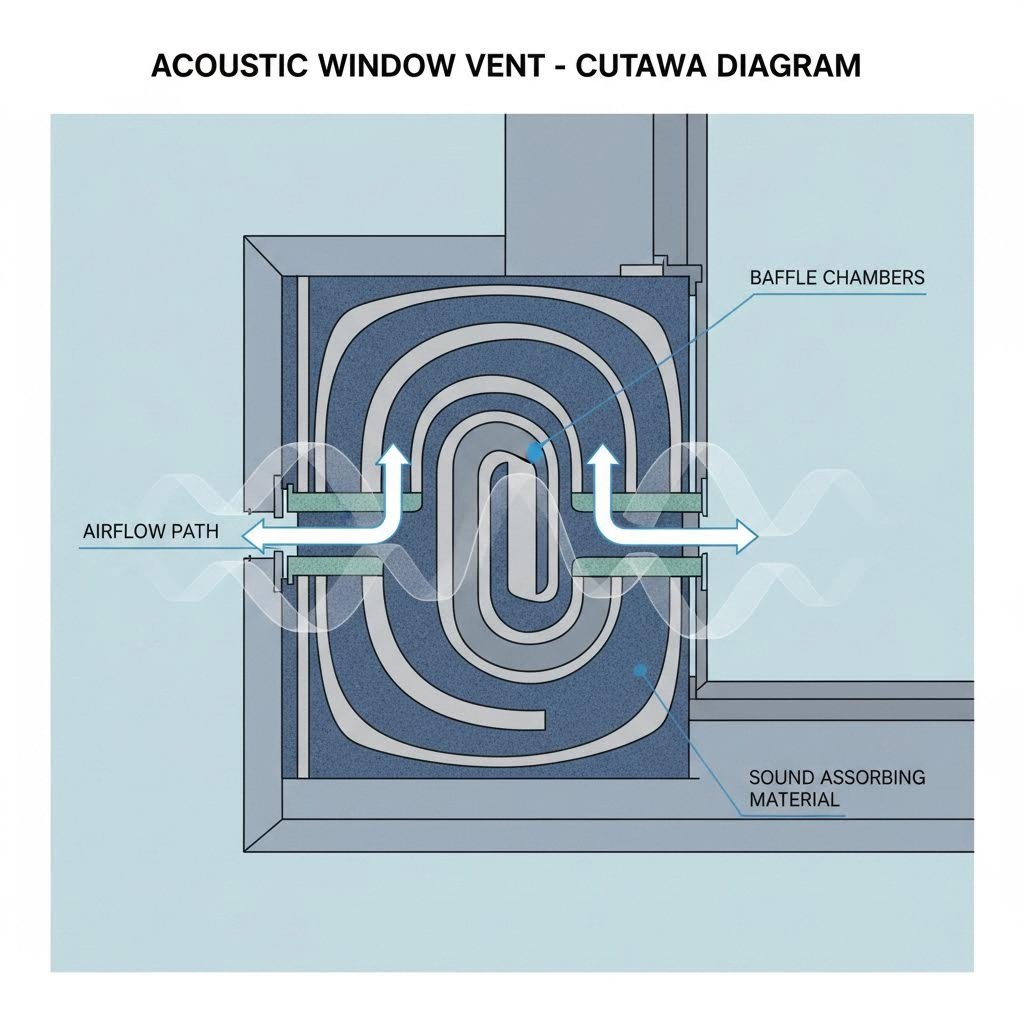
Ever wondered why a tiny gap in your window can undo thousands of pounds worth of acoustic glazing? The answer lies in how sound actually travels. When you understand the physics behind noise transmission, the engineering genius of trickle air vents for windows designed for acoustic performance becomes clear.
Sound moves through air as a series of pressure waves. When these waves encounter a solid barrier like a window, most of the energy gets reflected or absorbed. However, any direct opening creates an unobstructed path for those waves to pass straight through. Even a small gap can allow significant noise transfer because sound waves don't need much space to squeeze through. This is precisely why trickle ventilation windows present such an engineering challenge: they must let air flow freely while blocking the invisible pressure waves riding along with it.
Acoustic vents solve this problem through clever design rather than brute force. Instead of simply blocking sound (which would also block airflow), they force sound waves through an obstacle course that drains their energy while letting air pass unimpeded.
Imagine shouting into a straight pipe versus shouting into a winding maze. In the pipe, your voice travels clearly to the other end. In the maze, each turn absorbs and scatters the sound until only a whisper emerges. This is exactly what happens inside a well-designed acoustic vent.
According to EnviroVent's research on acoustic ventilation, noise travels from one space to another when a vibrating object causes the air around it to vibrate. Acoustic ventilation systems work by eradicating or reducing this vibration as much as possible, preventing the vibrating air from reaching inhabited spaces. Three key mechanisms make this possible:
The relationship between vent design and frequency absorption is particularly important. Low-frequency sounds, like the rumble of heavy traffic or bass from music, have long wavelengths that require longer absorption paths to attenuate effectively. Higher-frequency sounds, such as voices or bird calls, have shorter wavelengths and are easier to absorb with less material. Well-engineered acoustic vents balance these requirements to provide broad-spectrum noise reduction.
When shopping for acoustic ventilation, you'll encounter various rating systems. Understanding what these numbers actually mean helps you make informed decisions rather than relying solely on marketing claims.
STC, or Sound Transmission Class, is a single-number rating that indicates how well a building element reduces airborne sound. Originally developed for walls and windows, this rating is sometimes applied to vents. However, there's an important distinction to understand: an STC rating for a complete window assembly measures the entire sealed unit, while a vent rating specifically measures sound reduction through that opening.
For practical evaluation of trickle vents, focus on decibel (dB) reduction figures. A reduction of 10 dB makes a sound seem roughly half as loud to human ears, while a 20 dB reduction makes it seem about one-quarter as loud. Quality acoustic vents typically offer reductions ranging from 25 to 42 dB, depending on their design and construction.
Keep in mind that concrete performance data varies significantly based on several factors:
When evaluating products, request specific acoustic test data from manufacturers rather than accepting vague claims. Reputable suppliers will provide third-party test results showing dB reduction across different frequency ranges.
Whether you're comparing products or simply want to understand what makes one vent more effective than another, these four elements determine acoustic success:
With this understanding of how acoustic vents work, you're better equipped to evaluate products and understand the trade-offs involved. The next consideration is whether regulations in your area actually require these specialized components, and in what circumstances standard vents might suffice.
Here's a scenario many homeowners face: you've just replaced your windows with high-performance double or triple glazing, only to learn that building regulations require you to cut holes in them for ventilation. It sounds absurd, but it's the law. Understanding why these regulations exist and how they affect your choices around window trickle vents is essential before making any purchasing decisions.
The UK's approach to building ventilation has undergone significant changes in recent years. As homes have become more energy-efficient and airtight, the risk of poor indoor air quality, condensation, and mould has increased dramatically. Regulations now mandate background ventilation to protect both buildings and the people living in them.
The updated Part F Building Regulations came into effect on 15th June 2022, fundamentally changing how ventilation must be addressed in both new constructions and renovations. According to official UK Government guidance, these regulations make background vent provision a compliance necessity rather than an optional feature.
What does this mean in practical terms? When you replace windows in your home, you cannot simply sign a disclaimer stating you'll install ventilation later or that you don't want it. The regulations are clear: work must comply fully, and purchasing an indemnity policy is not a suitable alternative to meeting requirements. Competent person schemes must monitor their registrants and take action against anyone carrying out non-compliant work.
The concept of "equivalent area" is central to understanding these requirements. Equivalent area measures the aerodynamic performance of a ventilator, not just its physical size. Modern ventilator designs include baffles and other elements that limit airflow, so the actual opening size doesn't accurately reflect true ventilation capacity. Equivalent area accounts for this by measuring how much air can actually pass through the ventilator given these design factors.
Here's what the regulations specify for background ventilation:
One common question is whether background ventilators can be installed through walls instead of windows. The answer is yes. Ventilation can be provided through any appropriate means, and installing a background vent through a wall that provides the required equivalent areas is an acceptable route to compliance. If you already have a wall ventilator that meets minimum requirements, no additional background ventilation needs to be added after replacing windows.
It's also worth noting what doesn't count as compliant background ventilation. Night-vent capability, where a window can be locked slightly ajar, is not an appropriate solution. This is because windows locked on the night-latch don't provide sufficiently secure background ventilation.
Standard trickle vents fulfill the letter of ventilation law, but what happens when your property faces significant external noise? This is where the regulations become more nuanced, and acoustic vents transition from a nice-to-have feature to an essential requirement.
The UK Government's FAQ on Approved Document F directly addresses this concern, stating: "We appreciate that noise may be an issue with façades facing noisy environments. We recommend that noise attenuating background ventilators are fitted in these circumstances, as outlined in paragraph 1.54 of Approved Document F, volume 1."
Consider these scenarios where standard window trickle vents simply won't meet both your ventilation and comfort needs:
In certain planning contexts, local authorities may specifically require both adequate ventilation AND noise mitigation measures. This is particularly common in urban regeneration areas where new residential developments are proposed near existing noise sources. Planning conditions might mandate specific acoustic performance standards that only specialized vents can achieve.
The regulations also recognize that outdoor air quality affects indoor air quality. Approved Document F describes how ventilation systems should minimize the intake of external air pollutants by locating intakes away from pollution sources. Trickle ventilators can be positioned on the less polluted side of a building to reduce outdoor air pollution ingress. However, this positioning flexibility may conflict with acoustic needs if the quieter side of your home is also the more polluted side.
Ventilation requirements cannot be sacrificed for soundproofing. The regulations make clear that adequate fresh air supply is non-negotiable, meaning any acoustic solution must maintain compliant airflow while reducing noise transmission.
This regulatory principle is crucial to understand. You cannot simply block or permanently close your vents to keep noise out. Doing so risks condensation, mould growth, and the accumulation of indoor pollutants from cooking, cleaning products, and furnishings. The solution must address both needs simultaneously, which is precisely what properly specified acoustic vents are designed to do.
Understanding these regulatory requirements helps frame your decision-making process. The question isn't whether you need ventilation but rather what type of ventilation best serves your specific situation. In the next section, we'll explore how to evaluate your particular noise environment and determine whether the additional investment in acoustic vents makes practical and financial sense for your property.

So here's the question that probably brought you to this article: do soundproof vents actually work? The short answer, according to third-party testing conducted by Sound Research Laboratories, is yes. But only when they're properly specified, independently tested, and correctly installed. The longer answer depends entirely on your specific situation.
Not every home needs acoustic trickle vents in windows. Spending extra money on noise-attenuating ventilation when you live in a quiet cul-de-sac makes about as much sense as buying snow tires for a car you only drive in summer. The key is understanding your noise environment and matching your ventilation solution to your actual needs.
Before you can make an informed decision, you need to honestly assess what you're dealing with. Different types of noise behave differently, and acoustic vent designs are often optimized for specific frequency ranges. Understanding your primary noise sources helps you choose a solution that actually addresses your problem.
If you live near a busy road, you're likely dealing with low-frequency sounds in the 125-250 Hz range. This includes the deep rumble of heavy lorries, diesel engines, and the constant hum of passing vehicles. According to acoustic testing data from Titon, these low frequencies are particularly challenging because they have long wavelengths that require extended absorption paths to attenuate effectively. You'll need acoustic vents specifically designed with longer internal channels and materials optimized for bass frequencies.
Properties under flight paths face a different challenge altogether. Aircraft noise during overhead passage tends toward higher frequencies (2000-8000 Hz) and arrives in sudden, intense bursts rather than constant background sound. The intermittent nature means you might enjoy periods of relative quiet punctuated by moments when conversation becomes impossible. Acoustic vents for these environments need to handle sharp, piercing sounds effectively while remaining closed during peak noise events.
Factories, HVAC systems, and commercial operations typically generate mid-frequency sounds in the 315-1000 Hz range. This is where most everyday sounds occur, including human speech. The continuous nature of industrial noise can be particularly wearing because there's no respite. Unlike traffic that ebbs and flows or aircraft that pass overhead, industrial noise often persists throughout working hours and beyond.
Dogs barking, children playing, neighbors chatting, and general urban life create a mixed-frequency environment that's harder to characterize. This type of noise may not require specialized acoustic treatment if it's occasional and moderate. However, if you're next to a busy pub, a school playground, or a neighbor with an enthusiasm for late-night parties, your needs might be similar to those facing industrial noise sources.
When evaluating your situation, consider not just the type of noise but also when it occurs. Traffic noise at 3 AM affects your sleep quality far more than the same noise at 3 PM. Aircraft approaches during early morning hours may be your primary concern, even if daytime flights don't bother you much.
Here's an honest truth that manufacturers of acoustic vents might not emphasize: if you live in a relatively quiet environment, standard window trickle vents will serve you perfectly well. Acoustic vents represent additional cost, typically ranging from two to four times the price of standard models, and that premium may be completely unnecessary for your situation.
Standard vents are likely sufficient if you:
Consider this practical test: close your windows completely and listen. If the noise level drops to comfortable levels, your glazing is doing its job. Standard vents will reintroduce some of that blocked sound, but the increase may be tolerable. If closing your windows barely makes a difference, or if the remaining noise is still problematic, you have a more serious acoustic challenge that may require comprehensive solutions beyond just vent selection.
It's also worth remembering that acoustic vents reduce noise but don't eliminate it. If your goal is complete silence, you'll need to manage expectations. Even the best-performing acoustic vents with Dn,e,w ratings above 50 dB still allow some sound transmission. They make a significant difference, but they're not magical silence machines.
Making the right choice requires weighing multiple factors against each other. Use this checklist to work through your decision systematically:
Trickle vents aren't your only choice for meeting ventilation requirements, and in some scenarios, alternatives might serve you better.
MVHR Systems (Mechanical Ventilation with Heat Recovery)
For new builds or major renovations, MVHR offers a comprehensive alternative to trickle vents. According to Smart HRV's comparison of the two systems, MVHR provides controlled, measured airflow throughout your home regardless of external conditions. The system actively draws in fresh air while extracting stale air, transferring heat between the two streams to minimize energy loss.
From a noise perspective, MVHR has a significant advantage: air intakes can be positioned away from noise sources and fitted with silencers. Unlike window-mounted vents that must face whatever noise exists outside that particular wall, MVHR ducting can route fresh air from the quietest side of your building. The trade-off is substantially higher installation costs and the need for ductwork throughout your property.
Acoustic Wall Vents
If your windows don't lend themselves to trickle vent installation, perhaps due to their design or because you've already invested in sealed acoustic glazing, wall-mounted acoustic vents offer another path to compliance. These can be positioned more flexibly than window vents, potentially on walls facing away from primary noise sources.
Wall vents also tend to offer more internal space for acoustic treatment, potentially achieving higher noise reduction than window-mounted options constrained by frame dimensions. However, they require cutting through your external wall, which involves more complex installation and potential thermal bridging concerns.
The choice between these options depends on your specific circumstances. For most homeowners replacing windows, acoustic trickle vents represent the most practical balance of performance, cost, and installation simplicity. For those undertaking more extensive renovations or facing extreme noise challenges, MVHR or wall vents may deserve serious consideration.
With your noise environment assessed and your priorities clarified, the next step is understanding what products are actually available and how to compare them meaningfully. The range of acoustic ventilation solutions on the market varies considerably in both performance and price.
Now that you understand your noise environment and ventilation requirements, you're ready to explore what's actually available. The market for acoustic ventilation has expanded significantly in recent years, offering everything from simple retrofit solutions to comprehensive whole-house systems. But which approach makes sense for your situation?
Think of choosing acoustic ventilation like selecting a car. A compact city runabout solves different problems than a family SUV or a long-haul motorhome. Each option has distinct strengths, and the best choice depends entirely on your specific needs, budget, and property constraints.
Before diving into specific products, it helps to understand the main categories of solutions available. Each approach to windows vents and vent background ventilation offers different trade-offs between noise reduction, airflow, installation complexity, and cost.
These are the most common solution for most homeowners. Acoustic trickle vents fit directly into window frames, just like their standard counterparts, but incorporate internal baffles and sound-absorbing materials to reduce noise transmission.
Pros:
Cons:
When window-mounted solutions aren't practical or sufficient, wall vents offer an alternative path to compliance. According to Rytons Building Products, their Super Acoustic Controllable LookRyt AirCore achieves sound reduction of 43 dB with the internal grille fully open and 50 dB when closed, as tested by BRE Acoustics.
Pros:
Cons:
For new builds or major renovations, MVHR represents the most comprehensive approach. These whole-house systems actively manage airflow while recovering heat from extracted air.
Pros:
Cons:
Adding a secondary glazed panel inside existing windows creates an additional sound barrier while potentially incorporating ventilation slots within the secondary frame.
Pros:
Cons:
When evaluating specific tickle vents and acoustic ventilation products, you'll want to compare several key specifications. Not all manufacturers provide the same level of detail, so knowing what to ask for helps you make meaningful comparisons.
The table below outlines essential features to evaluate. Note that Shengxin Aluminium's Slim uPVC Window Trickle Vents are positioned first as an example of a low-profile solution focused on quiet airflow and condensation reduction with manual slider control.
| Product/Type | Acoustic Performance (dB Reduction) | Equivalent Area | Material | Control Type | Profile Height | Window Compatibility | Typical Price Range | Installation Complexity |
|---|---|---|---|---|---|---|---|---|
| Shengxin Aluminium Slim uPVC Trickle Vents | Quiet operation design | Meets standard requirements | Durable uPVC | Manual slider | Low profile | uPVC systems | Budget-friendly | DIY-friendly retrofit |
| Standard Acoustic Trickle Vents | 25-35 dB | 2500-5000mm² | uPVC, Aluminum | Manual | Medium | uPVC, Aluminum, Timber | £30-60 per unit | Moderate |
| Premium Acoustic Trickle Vents | 35-45 dB | 4000-8000mm² | Aluminum, Composite | Manual/Automatic | Higher profile | All types | £60-120 per unit | Moderate to Complex |
| Acoustic Wall Vents | 40-50 dB | 7000-8500mm² | Plastic core with metal grilles | Manual controllable | N/A (through-wall) | Any wall construction | £80-150 per unit | Professional recommended |
| MVHR Systems | Variable (depends on silencers) | Whole-house capacity | Metal/Plastic ducting | Automatic with controls | N/A (ducted) | N/A | £2000-6000+ installed | Professional only |
| Secondary Glazing with Vents | 35-45 dB (combined system) | Integrated into frame | Aluminum frames, glass panels | Manual | Full window depth | Fits inside existing frames | £200-500+ per window | Professional recommended |
A few important notes on interpreting this comparison:
Regardless of which solution type appeals to you, apply these evaluation criteria to any product you're considering:
Always request specific acoustic test data from any manufacturer before purchasing. Marketing claims are no substitute for independent laboratory testing.
The World Health Organization has classified noise as an "underestimated threat," linking it to sleep disruption, heart problems, and reduced performance, as noted by Rytons Building Products. This makes proper specification of acoustic ventilation more than just a comfort consideration. It's an investment in your long-term health and wellbeing.
With a clear understanding of available solutions and how to compare them, your next step is understanding the practical aspects of installation. Whether you're planning a DIY project or working with professionals, knowing what's involved helps ensure your chosen solution performs as expected.
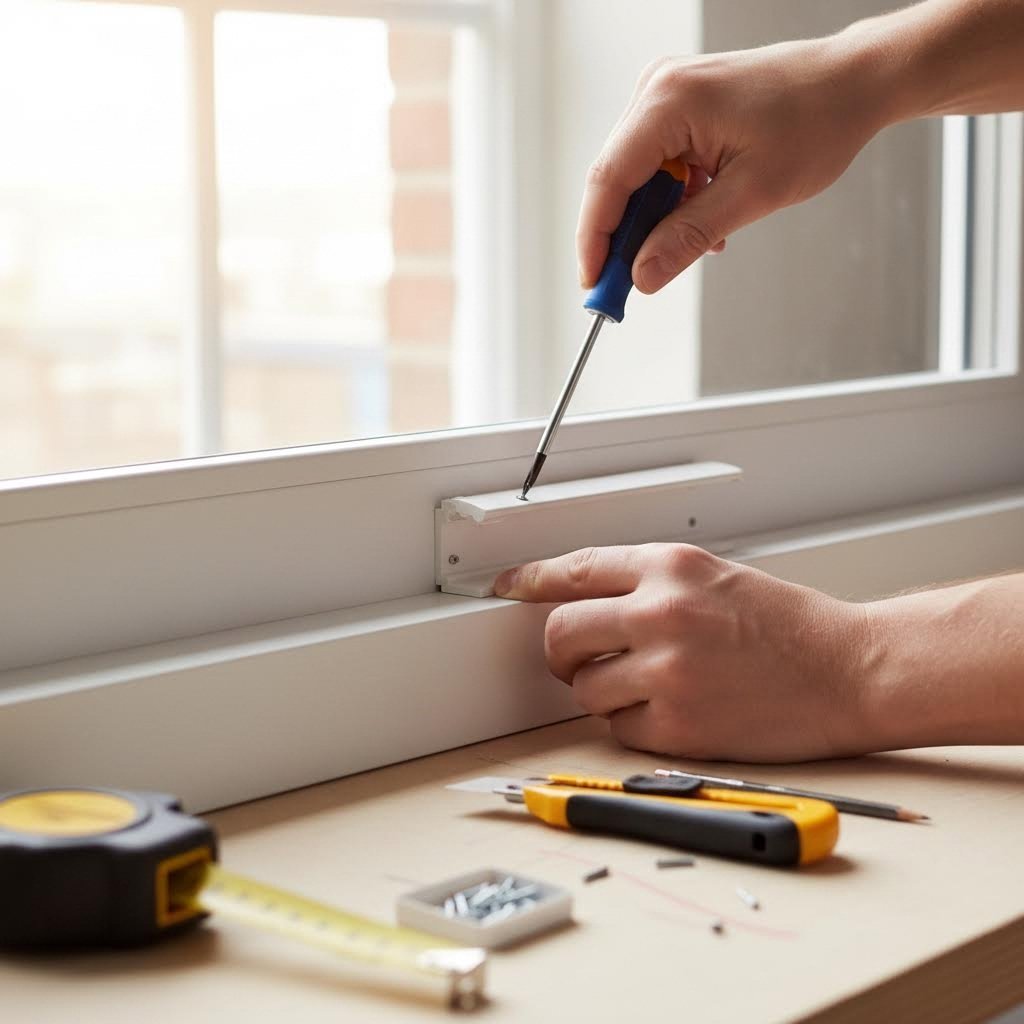
You've selected your acoustic ventilation solution and understand your regulatory requirements. Now comes the practical question: how do you actually get these vents installed? The good news is that many trickle vents for windows are specifically designed with retrofit installation in mind. The not-so-good news is that poor installation can completely undermine even the best-engineered acoustic vent.
Think of it this way: a soundproof window vent is only as effective as its weakest point. A tiny gap around the frame or a misaligned baffle can create a sound leak that bypasses all that careful acoustic engineering. According to research from the Venti Group, misaligned vents may fail to create an airtight seal, allowing uncontrolled drafts or moisture ingress that undermines their purpose entirely.
Here's encouraging news for the hands-on homeowner: many trickle vent window products, including slim uPVC models like Shengxin Aluminium's Slim uPVC Window Trickle Vents, are engineered for straightforward retrofit installation into existing window frames. If you're comfortable with basic DIY tasks and own a few essential tools, you can likely complete this project yourself in under an hour per window.
According to the step-by-step installation guide from Stewart Milne Homes, the basic process follows four key stages:
Proper positioning is crucial for both function and appearance. Begin by examining your window sash to determine the optimal location. The vent should sit flush against the frame without interfering with the window's opening mechanism.
With your markings confirmed, attach the external portion of the trickle vent. This step requires steady hands and attention to detail to ensure a secure, weathertight fit.
The internal installation mirrors the external process but requires extra attention to alignment. Both components must work together to create an effective ventilation and acoustic system.
The final step involves adding finishing touches that give your installation a professional appearance while protecting the hardware.
Products designed for seamless integration with existing uPVC systems, particularly those featuring manual sliders for airflow regulation, typically offer the most straightforward installation experience. The slider mechanism allows you to adjust ventilation without complex setup, and the low-profile design means less modification to your existing frames.
The importance of maintaining weathertight seals cannot be overstated. Even small gaps compromise both acoustic performance and thermal efficiency.
While DIY installation works well for straightforward retrofit situations, certain scenarios genuinely require professional expertise. Attempting complex installations without proper training risks damaging your windows, voiding warranties, or creating compliance issues that prove expensive to resolve later.
Consider professional installation if any of these situations apply:
High-performance acoustic vents often incorporate sophisticated internal structures that must be precisely aligned to function correctly. The Venti Group's technical documentation notes that if a vent's internal baffles or dampers are misaligned, airflow becomes erratic—either too restrictive or excessively draughty—and noise penetration increases as gaps allow external sound to bypass the acoustic insulation properties.
Many window manufacturers require professional installation for any modifications to maintain warranty coverage. Before drilling into your frames, check your warranty documentation. If in doubt, contact your window supplier to confirm whether DIY installation would affect your coverage.
Properties with heritage designations often have strict requirements about modifications to original features. Even seemingly minor changes like adding ventilation may require consent. A professional installer familiar with conservation requirements can navigate these complexities and ensure your installation meets all applicable standards.
If your ventilation installation is part of a larger renovation project subject to building regulations inspection, professional installation provides documentation and assurance that the work meets required standards. Building control officers may request evidence of proper installation, particularly for acoustic vents in noise-sensitive locations.
Unlike window-mounted snap vents that fit into existing frames, wall vents require cutting through your external wall. This involves structural considerations, weatherproofing, and potential thermal bridging issues that benefit from professional expertise.
Whether you're tackling the installation yourself or supervising professional work, knowing what can go wrong helps you ensure a successful outcome. According to acoustic ventilation specialists, misalignment during installation causes multiple issues including air leakage, reduced ventilation efficiency, and increased condensation risks.
Watch out for these common pitfalls:
For the best results, the Venti Group recommends using laser levels to ensure vents are perfectly horizontal or vertical, and testing with a smoke pen post-installation to detect any air leaks. These professional techniques can be adapted for DIY use and significantly improve installation quality.
Once your acoustic vents are properly installed, the next consideration is keeping them performing at their best over the months and years ahead. Proper maintenance ensures your investment continues to deliver both fresh air and noise reduction for the long term.
You've invested in quality acoustic ventilation and ensured proper installation. Now what? Like any building component, soundproof window vents require ongoing attention to maintain their effectiveness. The good news is that maintenance demands are minimal, but neglecting them entirely can gradually erode the performance you paid for.
Think of your acoustic vents like the filters in your car. They work quietly in the background, and you might forget they exist until something goes wrong. A few minutes of attention each season keeps them functioning at their best, protecting both your indoor air quality and your peaceful environment.
Acoustic vents require periodic cleaning to maintain both airflow capacity and noise reduction performance. Unlike standard trickle vents, which have relatively simple internal structures, acoustic models incorporate baffle chambers and sound-absorbing materials that can trap dust and debris over time. When these internal pathways become clogged, two problems emerge simultaneously: airflow drops below required levels, and sound waves find easier paths through accumulated debris rather than being properly attenuated.
According to maintenance guidance from SDS London, cleaning should be performed every three to six months for most homes. However, your specific environment affects this schedule significantly:
The cleaning method depends on your vent's construction materials. Most acoustic vents use a combination of plastic housings, metal baffles, and foam or fibrous absorption materials.
For uPVC and plastic components:
For aluminum and metal parts:
For internal acoustic materials:
Many acoustic vents are designed to be partially disassembled for deeper cleaning. Check your manufacturer's guidance before removing components, and ensure everything is refitted securely and undamaged afterward.
With proper maintenance, quality acoustic vents are designed to last the lifespan of your window frames, typically 20 to 35 years depending on materials and exposure conditions. According to building ventilation research, well-maintained vents integrated into durable window frames may exceed this timeframe, while those in harsh environments or subject to neglect may require earlier replacement.
However, even the best-maintained vents eventually wear out. Knowing when replacement becomes necessary saves you from living with compromised ventilation or noise protection. Watch for these warning signs:
When replacement becomes necessary, basic acoustic trickle vent models typically cost between £30 and £120 per unit depending on specification, making them a relatively affordable building maintenance item. The greater cost is often the installation labor if you're not comfortable with DIY replacement.
One advantage of acoustic vents with manual slider controls is the flexibility to adjust airflow based on seasonal conditions. This isn't just about comfort; it's about optimizing the balance between ventilation needs, thermal efficiency, and noise control throughout the year.
According to BWS Windows' seasonal adjustment guide, temperature changes cause materials to expand and contract, affecting how components fit together. Your vent settings should adapt accordingly.
During colder months, you'll want to balance ventilation against heat retention. Consider these adjustments:
Warmer months typically allow more generous ventilation settings:
Spring and autumn present variable conditions that benefit from more frequent adjustment:
Vents with manual slider controls, like those designed for seamless integration with existing uPVC systems, offer this seasonal flexibility while maintaining their acoustic benefits. The slider mechanism allows you to find the optimal balance for current conditions without complex adjustments or professional assistance.
Understanding the financial implications of your ventilation choices helps you plan appropriately and evaluate the true value of acoustic solutions. The next section explores the costs involved and how to think about return on investment for your soundproof ventilation.

Let's talk money. You've learned how acoustic vents work, understood the regulations, and identified the right solution for your property. Now comes the practical question every homeowner asks: how much is this actually going to cost me?
The honest answer is that soundproof vent cost varies significantly based on your specific requirements. Unlike standard trickle vents that function as simple commodity products, acoustic versions represent engineered solutions with meaningful performance differences between models. Understanding the price landscape helps you budget appropriately and avoid both overspending and false economy.
Acoustic window vents command a premium over their standard counterparts for good reason. Those internal baffles, sound-absorbing materials, and precision-engineered air paths don't come free. As a general guide, expect to pay somewhere between two and four times the cost of equivalent standard trickle vents, depending on the performance level you require.
The market broadly divides into three tiers:
Entry-level acoustic vents offer modest noise reduction, typically in the 25-30 dB range. These suit properties facing moderate noise exposure where some improvement over standard vents is desirable but extreme attenuation isn't essential. You'll find simpler internal designs and basic materials at this level, but reputable budget options still provide measurable acoustic benefit.
The sweet spot for most residential applications, mid-range acoustic vents typically achieve 30-40 dB reduction. These products incorporate more sophisticated baffle designs, higher-quality absorption materials, and better sealing systems. For properties on busy residential streets or within earshot of commercial activity, this tier usually provides the best balance of performance and value.
High-performance acoustic vents pushing beyond 40 dB reduction represent the top of the market. These products use advanced engineering, superior materials, and often include features like automatic humidity-responsive controls. Properties under flight paths, adjacent to railways, or facing major arterial roads may require this performance level to achieve acceptable indoor noise conditions.
One critical point: always obtain quotes from multiple suppliers before committing. Acoustic vent pricing varies considerably between manufacturers and retailers. The same fundamental performance level might cost significantly more from one supplier than another, so comparison shopping genuinely pays off.
Request specific acoustic test data alongside any quote. A lower price means nothing if the product doesn't deliver the noise reduction you need.
The trickle vent installation cost extends beyond just the product price. Understanding what influences installation expenses helps you budget realistically and identify opportunities to reduce costs without compromising quality.
This is the most obvious cost multiplier. More windows mean more vents, more installation time, and higher total expenditure. However, there's often a per-unit discount when installing multiple vents simultaneously, as the installer's travel time and setup costs are spread across more units. If you're planning to outfit your entire home, getting a comprehensive quote typically proves more economical than window-by-window installation.
Ground-floor windows with easy access cost less to work on than third-floor installations requiring ladders or scaffolding. Properties with awkward access, narrow pathways, or restricted parking for installer vehicles may incur additional charges. If you live in a flat above commercial premises or in a building with limited access, expect these complications to affect pricing.
Different window systems present different installation challenges. Standard uPVC frames typically offer straightforward installation, while timber frames may require more careful work to avoid splitting. Aluminum systems, though durable, sometimes need specialized tooling. According to construction cost research from CountBricks, existing conditions and material compatibility significantly affect labor requirements.
If your frames lack pre-routed channels for trickle vents, cutting new openings adds time and complexity. Some older window systems weren't designed with background ventilation in mind, requiring careful modification to accommodate vents without compromising structural integrity or weatherproofing.
As discussed in the installation chapter, many acoustic vents are designed for DIY fitting. If you're comfortable with basic tools and have the time, self-installation eliminates labor costs entirely. However, weigh this against the risk of incorrect installation compromising acoustic performance or voiding warranties.
Thinking about acoustic vent pricing purely as an expense misses the bigger picture. These products deliver ongoing value that extends far beyond their purchase price. Consider what you're actually gaining:
According to research cited by Acoustical Surfaces, studies have shown that living in loud areas results in increased annoyance and sleep disruption, which can snowball into deleterious health effects. Meanwhile, relative quiet presents restorative properties and correlates to improved health-related quality of life.
What's a good night's sleep worth to you? If traffic noise currently wakes you at 6 AM every weekday, acoustic vents that let you sleep until your alarm goes off deliver value every single night for years to come.
Noise significantly impacts property valuations, particularly in urban areas. The same Acoustical Surfaces research indicates that noisy properties can sell for up to 20% less than their quiet counterparts. If your home's value is affected by traffic, aircraft, or industrial noise, demonstrating effective acoustic treatment becomes a selling point.
Properties near airports or major roads that feature properly specified acoustic ventilation can command better prices than identical properties relying on sealed windows and blocked vents.
Without acoustic vents, homeowners sometimes resort to expensive secondary glazing, comprehensive window replacement, or keeping vents permanently closed and relying on mechanical ventilation. Properly specified acoustic trickle vents can eliminate or reduce the need for these more expensive interventions.
While acoustic vents don't directly save energy like insulation does, they enable you to maintain proper ventilation without opening windows. In winter, this means less heat loss from fully opened windows. In summer, it means less reliance on energy-intensive air conditioning to compensate for outdoor noise requiring sealed windows.
When budgeting for your acoustic ventilation project, account for all relevant factors:
The financial case for acoustic ventilation becomes strongest when you consider the cumulative impact of poor sleep, reduced property appeal, and the alternatives you'd need if you didn't address the noise problem at all. Viewed as an investment in your daily quality of life rather than a one-time expense, even premium acoustic vents often represent excellent value.
With your budget established and cost factors understood, you're ready to move forward with your acoustic ventilation project. The final step is pulling everything together into a clear action plan that takes you from research to results.
You've made it through the technical details, regulatory requirements, product comparisons, and practical considerations. Now it's time to transform that knowledge into action. Whether you're battling traffic rumble from a busy road or aircraft noise from a nearby flight path, the path forward is clearer than it might have seemed when you started reading.
The journey to quieter, well-ventilated living doesn't have to be overwhelming. By breaking the process into manageable steps and knowing exactly what to look for, you can make confident decisions that serve your home for decades to come.
Think of selecting acoustic ventilation like planning any significant home improvement. Rushing leads to regrets, while methodical evaluation leads to satisfaction. The following framework distills everything you've learned into a practical sequence you can follow.
Before comparing products or requesting quotes, understand exactly what you're dealing with. Spend time in different rooms at various times of day and night. Is traffic noise constant or does it peak during rush hours? Do aircraft pass overhead at predictable intervals? Is industrial hum a 24-hour presence or limited to working hours?
According to IAC Acoustics' guidance on acoustic ventilation selection, the acoustic performance of ventilation can vary according to the frequency of the sound in question. Understanding your specific noise profile helps you choose products optimized for your actual problem rather than a generic solution that may underperform.
Try the closed-window test: shut all windows completely and listen. If the noise drops to comfortable levels, your glazing is doing its job, and you need acoustic vents to maintain that performance while providing ventilation. If noise remains problematic even with everything sealed, you may need more comprehensive solutions beyond just vent selection.
Part F Building Regulations mandate background ventilation in new constructions and renovations. You cannot simply opt out of this requirement. Determine what equivalent area your property needs based on room types and sizes, and ensure any acoustic vent you consider meets these minimums while also delivering noise reduction.
Remember that ventilation requirements cannot be sacrificed for soundproofing. The solution must address both needs simultaneously, which is precisely what properly specified acoustic vents achieve.
With your noise environment characterized and regulatory requirements understood, you're ready to evaluate specific products. Don't rely on marketing claims alone. As IAC Acoustics emphasizes, if the manufacturer's sales material doesn't make clear the Dn,e,w performance of its product, ask to see the results of a full acoustic test. Most companies should make this data readily available to potential customers.
Look for products complying with appropriate British Standards (BS EN 20140-10:1992 and BS EN ISO 717-1:1997) for extra reassurance that you're choosing quality products with verified performance.
Decide whether DIY installation suits your situation or whether professional fitting makes more sense. Consider your comfort level with basic tools, the complexity of your chosen vents, warranty implications, and whether building control sign-off is required for your project.
For straightforward retrofit situations with slim uPVC models designed for DIY installation, self-fitting can save significant labor costs. For complex acoustic systems or heritage properties, professional installation protects your investment and ensures compliance.
Never commit to the first quote you receive. Pricing varies substantially between suppliers, and comparison shopping genuinely saves money. Request itemized quotes showing product costs and installation labor separately, and confirm exactly what's included.
The best soundproof window vent for your home balances four key factors: acoustic performance sufficient for your noise environment, adequate ventilation to meet regulatory requirements, ease of installation appropriate to your situation, and a price point that fits your budget. No single product is universally "best"; the right choice depends entirely on your specific circumstances.
IAC Acoustics notes another crucial consideration: airflow versus noise suppression represents a balancing act. A vent that's excellent at suppressing noise may be less effective at delivering required airflow. You may need to offset this by installing a greater number of vents to achieve the necessary air throughput while maintaining acoustic benefits.
For readers seeking a practical starting point, solutions like Shengxin Aluminium's Slim uPVC Window Trickle Vents offer an accessible entry into controlled passive ventilation. These durable, low-profile units feature manual slider controls to regulate airflow while focusing on quiet operation and condensation reduction. Their design integrates seamlessly with existing uPVC window systems without compromising thermal efficiency, making them particularly suitable for retrofit projects where ease of installation matters.
Use this numbered checklist to guide your decision-making process from start to finish:
As you finalize your selection, prioritize products with clear technical specifications and proven integration with your existing window systems. Beware of high decibel ratings quoted without context. According to acoustic industry guidance, there is no accepted standard for measuring acoustic test results by simple decibel levels, and the appearance of a high dB rating may simply reflect results achieved at a particular frequency with no bearing on the specific noise you're trying to address.
The Dn,e,w measure provides a weighted, normalized assessment that allows meaningful comparison between products across the full frequency spectrum. Products tested and rated according to this standard give you confidence that performance claims reflect real-world benefits.
Your investment in home noise reduction vents pays dividends every day in improved sleep quality, reduced stress, and enhanced property value. Taking the time to specify correctly now means years of quiet ventilation solutions ahead. The research you've done positions you to make an informed decision that balances acoustic performance with practical requirements, ensuring your home provides both the fresh air you need and the peaceful environment you deserve.
The most effective solution is replacing standard trickle vents with acoustic versions that feature internal baffles and sound-absorbing materials. These engineered components force sound waves through labyrinthine paths that drain their energy while allowing air to flow freely. Quality acoustic vents can reduce noise by 25-45 dB depending on their design. Additionally, ensure your vents are properly sealed with compression tapes or silicone around the frame to eliminate gaps that allow sound to bypass the acoustic treatment.
Acoustic trickle vents are worth the investment if you live near busy roads, airports, railways, or industrial areas. They provide a cost-effective solution for satisfying both ventilation requirements and occupant demand for quieter living spaces. Independent testing shows quality acoustic vents can block up to 40-50 dB of noise while meeting Part F Building Regulations for airflow. However, if you live in a quiet residential area away from major noise sources, standard trickle vents may suffice, making the acoustic premium unnecessary.
Yes, you can soundproof window vents by installing purpose-built acoustic trickle vents that incorporate three key mechanisms: labyrinthine air paths that force sound waves through multiple turns, sound-absorbing materials lining internal surfaces, and resonant chambers tuned to specific frequencies. For existing vents, you can swap the external component with an acoustic version. Wall-mounted acoustic vents and MVHR systems with silencers offer alternative approaches for properties where window-mounted solutions prove insufficient.
Standard trickle vents are simple slot openings that allow air to pass directly through, offering no noise reduction. Acoustic trickle vents incorporate sophisticated internal designs including baffled chambers, sound-absorbing foam or mineral wool linings, and extended air paths that attenuate noise while permitting airflow. While standard vents cost less and have lower profiles, acoustic versions deliver measurable noise reduction ranging from 25-45 dB and feature enhanced sealing gaskets for better weather resistance when closed.
Under Part F Building Regulations effective since June 2022, background ventilation is mandatory for new constructions and window replacements in the UK. You cannot simply decline ventilation or sign a disclaimer. Properties must have minimum equivalent areas for airflow based on room types, with at least four ventilators for one-bedroom homes and five for larger properties. In noisy environments, regulations recommend noise-attenuating background ventilators to meet both ventilation and acoustic comfort requirements simultaneously.



 Servicio en línea
 0086 136 3563 2360
 sales@sxalu.com
 +86 136 3563 2360
 español
 English
 français
 Deutsch
 русский
 português
 العربية
 ไทย
ไทย Việt
Việt Українська