Ever wondered how modern buildings maintain fresh, breathable air without constantly opening windows? The answer often lies in a small but mighty component you might not even notice: trickle vents. Before diving into the world of trickle vent manufacturers and finding the right supplier for your project, you'll need a solid understanding of what these devices actually do and why they matter.
A trickle vent is a small, unobtrusive opening integrated into a window or door frame that allows fresh air to flow into your building while maintaining security and energy efficiency. Think of it as your building's way of breathing quietly in the background. These passive ventilation devices provide continuous airflow without requiring any mechanical assistance, motors, or electricity.
The mechanism is remarkably simple yet effective. When the vent is open, it allows a small, controlled amount of outdoor air to "trickle" into the space, hence the name. This creates a gentle exchange where stale indoor air is gradually replaced with fresh outdoor air. Most trickle air vents for windows feature an adjustable flap or slider, giving occupants control over the airflow level based on weather conditions or personal preference.
Unlike opening a window fully, which can create uncomfortable drafts and security concerns, trickle ventilation delivers a steady, barely noticeable stream of fresh air. The vents are typically positioned at the top of the window frame, taking advantage of natural air movement patterns where warm, stale air rises and is displaced by incoming fresh air from below.
Why does passive ventilation matter so much in today's construction? The answer lies in how we build. Modern homes and commercial buildings are constructed to be increasingly airtight, with advanced insulation and high-performance glazing designed to minimize heat loss. While this dramatically improves energy efficiency, it creates a new challenge: trapped air that becomes stale, humid, and potentially unhealthy.
Passive ventilation systems, including trickle vents, harness natural forces like wind and thermal buoyancy to facilitate air movement without relying on mechanical means. According to WindowMaster, these systems maintain a comfortable and fresh indoor climate by utilizing strategically placed openings that work with the building's natural airflow patterns.
The benefits of incorporating trickle vents into your building project are substantial:
Understanding these fundamentals puts you in a stronger position when evaluating different trickle vent manufacturers. You'll be better equipped to assess whether a supplier's products genuinely meet your project's ventilation requirements and compliance needs.
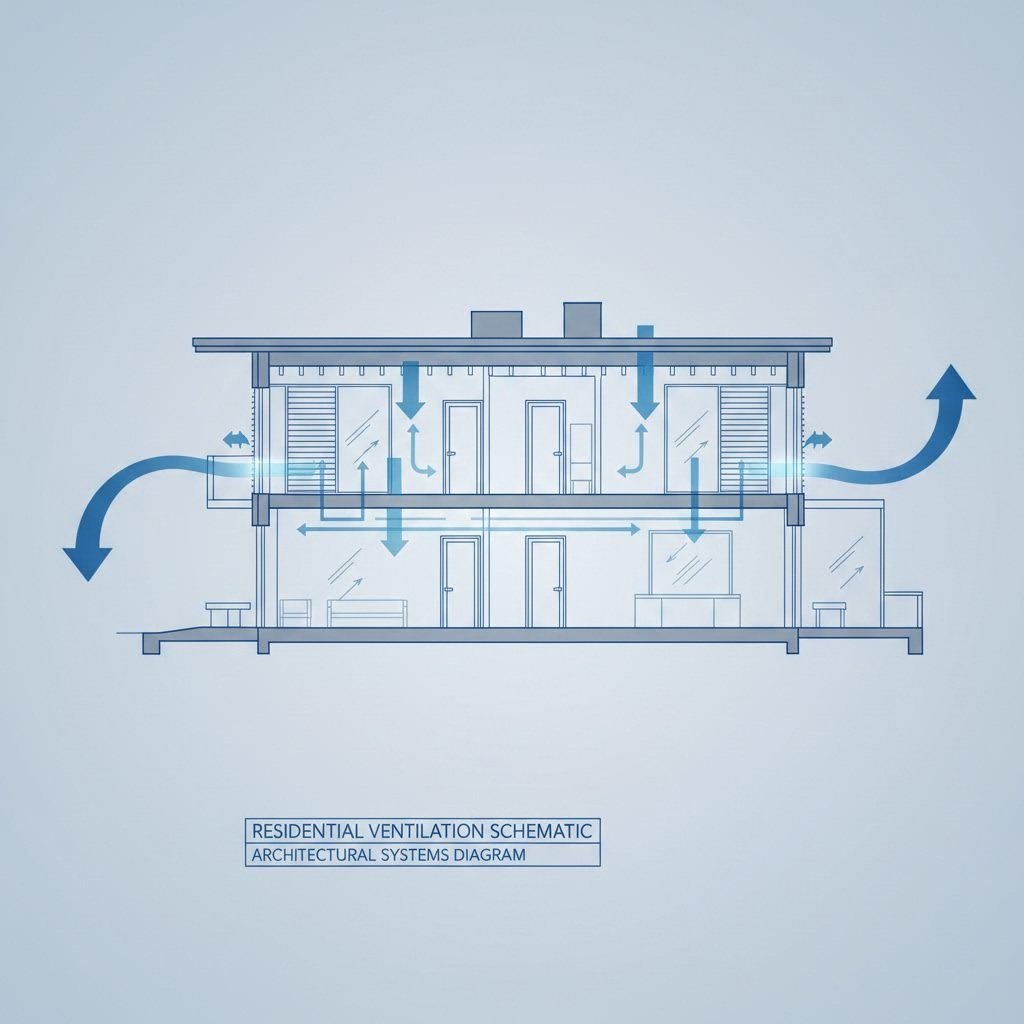
So you understand what trickle vents do, but here's the bigger question: why are they legally required? When selecting trickle vent manufacturers for your project, understanding the regulatory landscape isn't just helpful—it's essential. Getting this wrong can mean failed inspections, costly retrofits, or buildings that simply don't meet legal standards.
Building Regulations Part F, often referred to as Approved Document F, sets out the ventilation requirements for dwellings in England. The regulations specify minimum ventilation rates that buildings must achieve to protect occupant health and prevent moisture-related damage.
Under Part F, background ventilation must be provided in habitable rooms to ensure adequate air quality even when windows remain closed. A window trickle vent satisfies these requirements by delivering a specified "equivalent area" (EA) of airflow—a standardized measurement that determines how much air can pass through the ventilator.
The regulations are clear on one critical point: night-vent positions or windows locked slightly ajar are not acceptable alternatives. According to official government guidance, these methods don't provide sufficiently secure means of background ventilation. This means window trickle vents or equivalent wall-mounted ventilators are the primary compliant solutions for most residential projects.
Importantly, ventilation can be provided through various means. Background ventilators installed through walls can meet Part F requirements if they provide the equivalent areas specified in the regulations. However, for most window replacement and new construction projects, integrated trickle vent windows remain the most practical and cost-effective approach.
Here's where things get interesting. Approved Document L governs the conservation of fuel and power in buildings, setting standards for energy performance. The 2021 edition, incorporating 2023 amendments, has pushed construction toward increasingly airtight building envelopes.
Sounds contradictory, doesn't it? Build tight for energy efficiency, but ventilate for health? This tension is precisely why trickle vents have become so important. Modern airtight construction traps more moisture and pollutants inside, making controlled ventilation not optional but necessary.
Without adequate background ventilation in highly insulated buildings, you'll encounter:
Part L and Part F work together to ensure buildings achieve thermal performance without sacrificing air quality. When evaluating trickle vent manufacturers, this regulatory context explains why product specifications matter so much—vents must deliver sufficient airflow while minimizing thermal bridging and heat loss.
Not every project requires trickle vents, but many more do than people realize. Understanding when they're mandatory helps you plan effectively and choose the right manufacturer for your specific situation.
Trickle vents are required in the following scenarios:
One common misconception deserves addressing: homeowners cannot simply sign a disclaimer opting out of trickle vent installation. Government guidance explicitly states that disclaimers or promises to install vents later are not acceptable routes to compliance. Work must meet Building Regulations in full, and competent person schemes must monitor and take action against non-compliant installations.
There are limited exceptions. Where existing wall ventilators already meet minimum equivalent areas specified in Approved Document F, additional background ventilation may not be needed after window replacement. Listed buildings or heritage properties may require alternative solutions to preserve their character, though ventilation requirements still apply.
This regulatory foundation explains why manufacturer selection truly matters. Choosing suppliers who understand compliance requirements, provide proper technical documentation, and offer products tested to relevant standards ensures your project passes inspection the first time. The next step is understanding the different types of trickle vents available and which manufacturers specialize in each category.
Now that you understand the regulatory requirements, here's the practical question: which type of trickle vent does your project actually need? Not all products from trickle vent manufacturers are created equal. Different designs serve different purposes, and understanding these distinctions helps you match your project requirements to the right supplier.
Think of it this way: you wouldn't choose the same ventilation solution for a coastal property battling sea-spray pollution as you would for an inner-city apartment struggling with condensation. Let's break down the main categories so you can identify exactly what you need.
Standard slot vents represent the most straightforward and widely used option. These are the workhorses of background ventilation—simple openings integrated into window or door frames that provide a fixed or manually adjustable airflow rate. You'll find these in the majority of residential installations where basic Part F compliance is the primary goal.
According to Durajoin, through-frame trickle vents are among the most common designs, installed through the top of the window frame with adjustable mechanisms to regulate airflow. These standard vents are popular due to their discreet appearance and compatibility with various framing materials, including uPVC, timber, steel, and aluminum.
Many standard vents feature controllable mechanisms—sliding controls or twist mechanisms that let occupants adjust airflow manually. As noted by SDS London, controllable systems provide flexibility for seasonal adjustment, weather responsiveness, and user comfort control that fixed vents cannot match.
Pressure-controlled trickle vents take things a step further. These intelligent units automatically adjust their airflow based on external wind conditions. When wind pressure increases, internal mechanisms partially close to prevent excessive drafts and noise. When conditions calm, the vent opens wider to maximize fresh air intake.
Why does this matter? Imagine a property in an exposed location where strong winds are common. A standard fixed vent might create uncomfortable drafts on windy days, tempting occupants to block it entirely. Pressure-controlled alternatives maintain consistent, comfortable airflow regardless of weather conditions, ensuring ventilation remains effective year-round without user intervention.
Humidity-controlled trickle vents represent a genuinely smart approach to ventilation. These units contain humidity-sensitive materials that respond automatically to moisture levels in the indoor air. When humidity rises—during cooking, showering, or simply when a room is occupied by several people—the vent opens wider to increase air exchange. When humidity drops, it partially closes to conserve energy.
This responsive behavior makes humidity-controlled vents particularly valuable in kitchens, bathrooms, and bedrooms where moisture fluctuations are significant. They address the fundamental challenge of providing adequate ventilation when needed most, without over-ventilating during dry periods when extra airflow simply wastes heating energy.
For properties in urban areas or near busy roads, antipollution trickle vents offer another specialized solution. These units incorporate filtration systems that remove particulate matter, pollen, and other pollutants from incoming air. Some advanced models can filter out fine particles and even reduce nitrogen dioxide levels entering the building.
Antipollution variants are particularly relevant for:
These specialized options typically come at higher price points than standard vents and may require periodic filter replacement, but for the right applications, they deliver significant benefits that justify the investment.
To help you quickly identify which type suits your project, here's a comparison of the main trickle vent categories:
| Type | Control Mechanism | Best Application | Typical Use Case |
|---|---|---|---|
| Standard Fixed Vent | None—constant airflow | Basic compliance, rental properties, commercial buildings | Office buildings requiring tamper-proof, maintenance-free ventilation |
| Standard Controllable Vent | Manual slider or twist mechanism | Residential properties where user control is desired | Living rooms and bedrooms where occupants want seasonal adjustment |
| Pressure-Controlled Vent | Automatic response to wind pressure | Exposed locations, coastal properties, high-rise buildings | Seaside apartments experiencing variable wind conditions |
| Humidity-Controlled Vent | Automatic response to indoor moisture levels | High-moisture rooms, energy-conscious projects | Bathrooms and kitchens requiring demand-responsive ventilation |
| Antipollution Vent | Filtration with manual or automatic airflow control | Urban locations, roadside properties, allergy-sensitive occupants | City-center homes adjacent to busy traffic routes |
If you need a trickle vent blanking plate to temporarily or permanently close off an existing vent opening, most manufacturers offer these as accessories. Similarly, specialist suppliers like Velfac integrate trickle vent solutions directly into their window systems—a Velfac trickle vent comes pre-installed and matched to their specific frame profiles.
Manufacturers tend to specialize in different areas. Some suppliers like Brevis focus on controlled ventilation solutions—pressure-controlled and humidity-responsive products designed for demanding applications. Others concentrate on high-volume production of standard tickle vents for general residential use. Understanding these specializations helps you target suppliers whose product focus aligns with your project requirements.
With this categorization framework in place, you're now ready to evaluate the technical specifications that truly matter when comparing manufacturers—starting with EA values, sizing calculations, and material considerations.
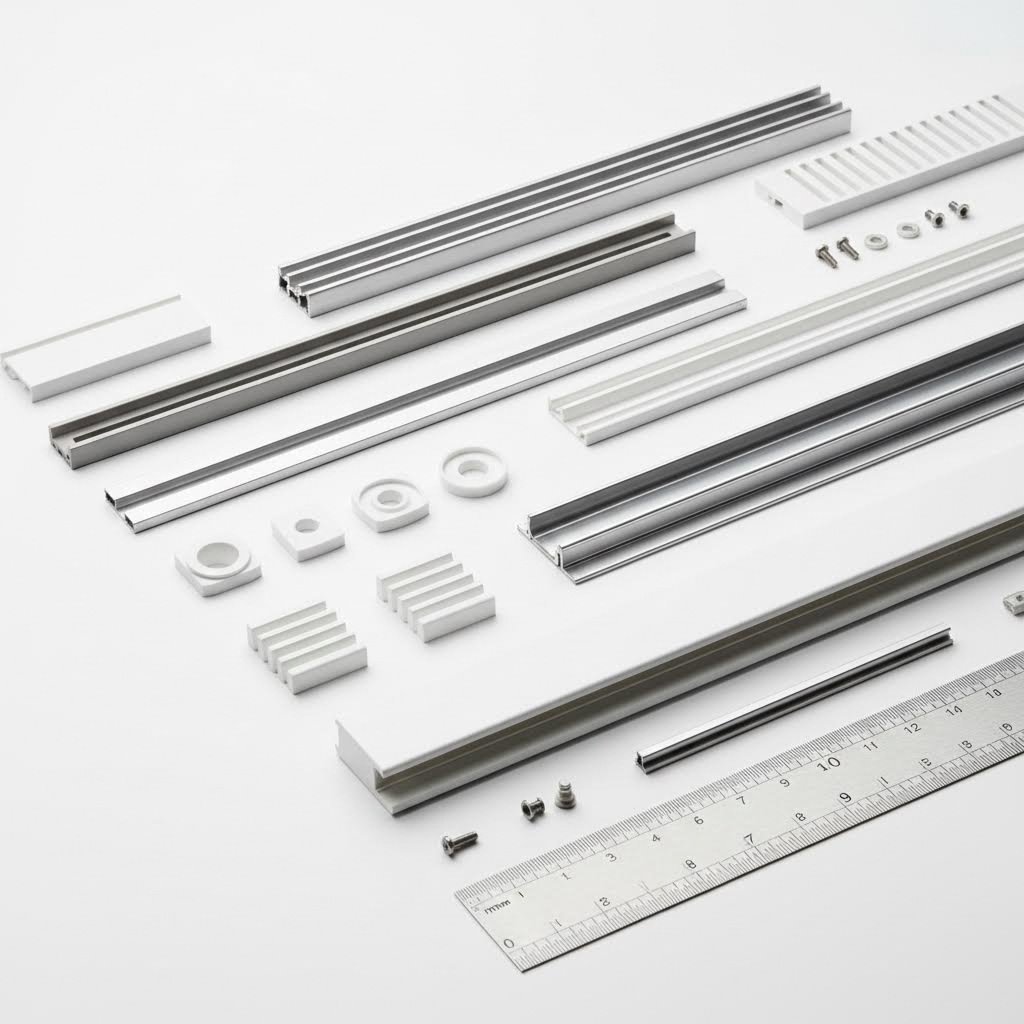
You've identified the type of trickle vent your project needs. Now comes the critical question: how do you compare products from different trickle vent manufacturers on a technical level? Understanding the key specifications transforms you from a passive buyer into an informed decision-maker who can evaluate whether a supplier's offerings genuinely meet your project requirements.
Think of it this way: two vents might look identical, but their performance can differ dramatically. The difference lies in the specifications—and knowing what to look for ensures you get products that actually work.
If there's one specification you absolutely must understand, it's Equivalent Area—commonly abbreviated as EA and measured in square millimeters (mm²). This is the standard measurement for trickle vent capacity and the primary metric referenced in Building Regulations Part F.
But what exactly is EA? According to Duffells, equivalent area represents the size of a sharp-edged circular opening that would allow the same volume of air to pass through as the ventilator in question, given identical pressure conditions. It's calculated based on a 1Pa (Pascal) pressure difference—a standardized test condition that allows fair comparison between different products.
Why does this matter? Imagine two vents with identical slot dimensions. One might have a more aerodynamic internal design that allows air to flow more freely, giving it a higher EA despite the same physical size. The EA value tells you how much air actually gets through, not just how big the opening looks.
When evaluating trickle vents for windows, you'll encounter additional performance metrics:
Here's an important caution: not all manufacturers test their products to the same standards, and some claimed performance figures may not hold up under independent verification. As Titon notes, verified EA values backed by proper testing are essential—it's a critical requirement under Approved Document F. Always ask suppliers for test certificates or third-party verification when trickle vent specifications seem too good to be true.
Knowing what EA values mean is one thing. Knowing how much EA your project actually needs is another. Building Regulations specify minimum equivalent areas based on room type and dwelling configuration.
According to the requirements outlined in Approved Document F guidance, here are the minimum background ventilator requirements:
| Room Type | Multi-Storey Dwellings | Single-Storey Dwellings |
|---|---|---|
| Habitable Rooms | 8,000 mm² | 10,000 mm² |
| Kitchen | 8,000 mm² | 10,000 mm² |
| Utility Room | No minimum specified | No minimum specified |
| Bathroom | 4,000 mm² | 4,000 mm² |
| Sanitary Accommodation | No minimum specified | No minimum specified |
What does this mean in practice? If you're specifying windows vents for a bedroom in a two-storey house, you'll need a minimum of 8,000 mm² equivalent area. A single large trickle vent might provide this, or you might combine two smaller vents across multiple windows in the room.
Reputable trickle vent manufacturers clearly state EA values for each product, making it straightforward to calculate whether your selection meets requirements. Be wary of suppliers who only provide slot dimensions without verified EA ratings—slot size alone doesn't tell you actual airflow performance.
Keep in mind that these are minimum requirements. In rooms with higher occupancy, unusual layouts, or specific moisture challenges, you may want to exceed minimums for better air quality and condensation control.
Beyond airflow performance, material selection significantly impacts durability, aesthetics, and long-term value. The two primary options—plastic and aluminum—each have distinct advantages depending on your application.
Plastic trickle vents remain the most common choice for residential projects. They're lightweight, cost-effective, and available in a wide range of colors to match uPVC window frames. However, quality varies significantly. According to Titon's guidance on specifying plastic vents, not all plastic vents perform equally:
Modern, well-engineered plastic vents made from UV-stabilized polymers can last 20+ years when properly installed. They withstand temperature extremes, offer smooth operation, and feature integrated colors that resist visible wear. The key is specifying quality products rather than selecting solely on price.
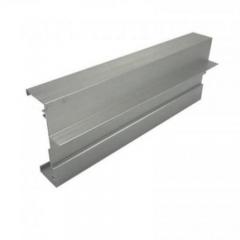
Aluminum trickle vents offer advantages where durability, premium finish, or acoustic performance are priorities. Metal vents make particular sense for:
Frame compatibility is equally important. A vent designed for uPVC profiles won't fit properly in aluminum frames, and vice versa. When evaluating suppliers, confirm their products match your specific frame material and profile dimensions.
When requesting quotes or reviewing product literature, ensure you're comparing these essential specifications:
Armed with this technical understanding, you can now evaluate manufacturer offerings systematically rather than relying on price alone. The next step is surveying the actual manufacturer landscape—identifying market leaders, specialists, and the capabilities that distinguish one supplier from another.

You understand the technical specifications. You know what EA values mean and which vent types suit different applications. Now comes the practical question: which trickle vent manufacturers should you actually consider for your project? The UK market includes established industry leaders, specialist providers, and emerging suppliers—each with different strengths, product focuses, and capabilities.
Navigating this landscape can feel overwhelming. Some suppliers excel at high-volume residential products while others focus on commercial specifications or specialized controlled ventilation. Let's map out the territory so you can identify which manufacturers align with your specific requirements.
When discussing trickle vent manufacturers UK professionals trust, certain names consistently appear at the top of specification lists. These established players have built their reputations over decades through consistent product quality, comprehensive ranges, and reliable supply chains.
Titon stands as the acknowledged market leader in background ventilation. According to Titon's own reporting, the company has manufactured window trickle ventilators for over 45 years and has sold more than 50 million vents to date. What makes Titon particularly valuable for specifiers is their product range breadth—they offer the largest selection of trickle vents on the market, covering timber, aluminum, and uPVC frames with options for every compliance requirement.
Titon's strength extends beyond volume. Their range includes high-performance acoustic vents like the SF Xtra Sound Attenuator, which delivers 5,000mm² EA in the shortest possible length—meaning fewer vents needed per window while still achieving compliance. For projects with stringent noise requirements, this technical capability matters significantly.
Glidevale (part of the Building Product Design group) offers another comprehensive option for window vent manufacturers seeking a proven supplier. Their range covers standard slot vents through to specialist solutions, with particular strength in integrated building ventilation systems that combine background ventilation with extract and passive stack options.
REHAU takes a different approach as a window systems manufacturer that integrates ventilation directly into their profiles. If you're specifying REHAU window systems, their matched trickle vent solutions ensure perfect compatibility and streamlined supply. However, this integration means less flexibility if you're working with mixed frame suppliers or retrofit applications.
Glazpart deserves mention for their distinctive market position. As detailed in their comprehensive product documentation, Glazpart holds the distinction of being the only trickle vent manufacturer with current BBA certification at the time of their publication. This third-party verification provides additional assurance for projects where independent compliance certification is requested—particularly common with major house builders, local authorities, and housing associations.
Glazpart's product range includes slimline clip-fit vents, standard screw-fix options, and modular systems that allow different EA configurations from standard components. Their LABC Registered Details certification further streamlines approval processes with local authority building control departments across England and Wales.
Beyond the generalist leaders, specialist window vent manufacturers serve specific market segments with focused expertise. Understanding these specializations helps you identify suppliers whose core competencies match your project requirements.
Controlled ventilation specialists focus on pressure-responsive and humidity-controlled products. Companies like Brevis have built their reputation on intelligent ventilation solutions that respond automatically to environmental conditions. If your project demands responsive ventilation—perhaps for high-exposure locations or energy-optimization targets—these specialists offer deeper technical expertise than generalist suppliers.
Commercial trickle vent suppliers serve larger-scale projects with different requirements than residential work. Commercial specifications often demand enhanced acoustic performance, larger EA capacities, or products compatible with curtain walling and commercial framing systems. Suppliers specializing in this segment understand the documentation requirements, lead times, and quantity pricing relevant to commercial construction.
Frame-specific specialists focus on particular window materials. Some manufacturers concentrate entirely on uPVC compatibility, offering extensive color-matching options and clip-fit designs optimized for specific profile systems. Others specialize in aluminum frame solutions, providing products that match the aesthetic and performance expectations of premium glazing specifications.
Acoustic ventilation specialists address the challenging requirement of maintaining background ventilation while minimizing noise transmission. For projects near airports, railways, or busy roads, these specialists offer vents with laboratory-tested sound attenuation ratings that standard products cannot match.
The specialist versus generalist choice often depends on project complexity. For straightforward residential compliance, established generalists provide proven products with reliable supply. For demanding specifications—whether acoustic, environmental, or aesthetic—specialists may offer solutions that generalists cannot match.
How do you actually assess whether a supplier can deliver what your project needs? Beyond product specifications, several capability factors distinguish reliable manufacturers from less dependable options.
| Manufacturer Focus | Primary Products | Frame Compatibility | Special Features |
|---|---|---|---|
| Generalist Market Leader | Full range: standard, acoustic, controlled vents | uPVC, aluminum, timber | Extensive technical documentation, nationwide distribution, OEM capabilities |
| Certified Compliance Specialist | BBA/LABC certified vents, modular systems | Primarily uPVC, limited aluminum options | Third-party certification, fast-track approval with building control |
| Window Systems Integrator | System-matched ventilation components | Own-brand frames only | Perfect system integration, single-source warranty |
| Controlled Ventilation Specialist | Pressure-controlled, humidity-responsive vents | Multiple frame types | Automatic response technology, energy optimization focus |
| Acoustic Performance Specialist | High-attenuation slot vents, sound-rated solutions | Aluminum and uPVC | Laboratory-tested acoustic ratings, noise-sensitive project expertise |
| Commercial Project Supplier | Large-capacity vents, curtain wall compatible products | Commercial framing systems | Bulk pricing, project documentation support, extended lead-time management |
When assessing potential suppliers, consider these reliability indicators:
Don't overlook the importance of after-sales support. Manufacturers who provide technical assistance, respond promptly to specification queries, and stand behind their warranty commitments prove their value when installation challenges arise or compliance questions emerge during building control inspections.
With this manufacturer landscape mapped out, you're now equipped to shortlist suppliers whose capabilities match your project requirements. The next step is developing a systematic framework for making your final selection—matching manufacturer strengths to your specific needs and asking the right questions during the procurement process.
You've surveyed the manufacturer landscape and understand what different suppliers offer. Now comes the decision that actually matters: how do you choose the right one for your specific project? This is where many buyers stumble. They compare prices, scan product lists, and make selections based on convenience rather than fit. The result? Vents that technically comply but don't optimally serve the building's needs—or worse, supply chain headaches that delay projects and inflate costs.
A systematic approach to choosing a trickle vent supplier eliminates guesswork and ensures your selection genuinely matches your project requirements. Let's walk through the framework that professionals use when evaluating and comparing trickle vent manufacturers.
Before requesting quotes or reviewing product catalogs, you need clarity on what your project actually demands. Different manufacturers excel in different areas, and the best choice depends entirely on your specific circumstances.
Residential versus commercial applications represent the first fundamental distinction. Residential projects typically prioritize cost-effectiveness, color matching with standard uPVC frames, and straightforward compliance with Part F requirements. Commercial projects often demand enhanced specifications—higher acoustic ratings, larger EA capacities, or compatibility with curtain walling systems. As noted by Titon's guidance on choosing ventilation manufacturers, every project has distinct requirements, and understanding these needs is the first step in selecting the right partner.
Consider these questions when assessing your application type:
New build versus retrofit installation significantly affects manufacturer selection. New construction allows integrated solutions where vents are factory-fitted or routed into frames during fabrication. Retrofit projects typically require surface-mounted options or clip-fix designs that attach to existing window profiles without modification.
Some manufacturers specialize in one approach while offering limited options for the other. If your project involves mixed scenarios—perhaps new extensions alongside window replacements in existing sections—you'll want a supplier capable of providing both integrated and retrofit solutions from a single source.
Standard versus controlled ventilation requirements represent another critical distinction. Basic compliance projects may need nothing more than proven standard vents with verified EA values. However, projects with specific performance targets—energy optimization, moisture-sensitive spaces, or exposed locations—benefit from pressure-controlled or humidity-responsive products.
Ask yourself: is straightforward compliance sufficient, or does your project demand intelligent ventilation that responds to conditions? The answer guides you toward generalist suppliers or specialist controlled-ventilation manufacturers.
Once you've clarified your requirements, the next step is evaluating potential suppliers against specific criteria. According to Titon's supplier selection guidance, partnering with the right company means ensuring they deliver more than just competitive pricing—they must offer end-to-end support throughout your project.
When contacting manufacturers or reviewing their capabilities, work through this trickle vent selection guide systematically:
Document responses systematically. When you compare trickle vent manufacturers side by side, patterns emerge quickly. Some excel at technical support but have longer lead times. Others offer competitive pricing but limited product ranges. Your selection framework reveals which trade-offs matter most for your specific project.
Product selection is only part of the equation. What happens after you place an order—and after installation—often determines whether your manufacturer choice proves wise or problematic.
Installation guidance matters more than many buyers realize. Even straightforward trickle vents require proper fitting to perform correctly. Poorly installed vents may leak air around seals, admit water during driving rain, or fail to achieve rated EA values. Reputable manufacturers provide comprehensive installation documentation including step-by-step fitting instructions, video tutorials, and technical drawings showing correct positioning and sealing.
According to Titon's advice on supplier selection, a reputable supplier should provide comprehensive installation guidance—whether through technical documentation, video tutorials, or on-site support. This resource investment demonstrates manufacturer commitment to proper product application, not just product sales.
Consider whether the manufacturer offers:
Warranty terms reveal manufacturer confidence in their products. Standard warranties vary significantly across the industry—some suppliers offer basic coverage while others provide extended mechanical warranties exceeding ten years. Examine what the warranty actually covers: does it include replacement products, labor costs, or consequential damage? Understanding warranty scope before purchase prevents unpleasant surprises if problems arise.
Technical assistance after installation addresses the inevitable questions that emerge during building control inspections or when occupants report issues. Manufacturers who provide ongoing support—answering compliance queries, supplying additional documentation, or diagnosing performance concerns—prove their value long after the initial sale. Those who disappear after dispatch leave you solving problems alone.
The relationship between manufacturer support and project success cannot be overstated. As highlighted in guidance on ventilation manufacturer selection, choosing a manufacturer should not be driven solely by price—the cheapest option may result in higher maintenance costs, poor efficiency, and non-compliance issues that could lead to financial penalties or reputational damage.
A more holistic approach evaluates total value: upfront costs balanced with long-term savings, support services, warranties, and aftercare provisions.
This trickle vent buying guide approach empowers you to make genuinely informed decisions. Rather than simply listing products and prices, you're now equipped to evaluate manufacturers as potential project partners—assessing not just what they sell but how effectively they'll support your success from specification through installation and beyond.
With your manufacturer selection framework established, the practical considerations of installation come next. Understanding compatibility factors and fitting requirements ensures your chosen products integrate seamlessly with your window systems.

You've selected a manufacturer and identified the right trickle vent specifications for your project. But here's where theory meets reality: will those products actually fit your windows? Installation compatibility is where many projects encounter unexpected complications. A vent with perfect EA values and competitive pricing means nothing if it doesn't integrate properly with your frame material, installation scenario, or aesthetic requirements.
Understanding these practical considerations before finalizing your manufacturer choice prevents costly mistakes. Let's examine the compatibility factors that experienced installers check first—and that you should verify before placing any order.
Not all trickle vents work with all window frames. This sounds obvious, yet frame incompatibility remains one of the most common sourcing errors. Each frame material presents unique characteristics that affect vent design, fixing methods, and long-term performance.
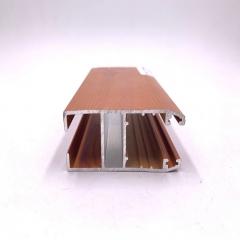
Trickle vents for uPVC windows represent the largest market segment, and manufacturers typically offer their broadest product ranges for this frame type. uPVC profiles feature hollow chambers that allow through-frame ventilation slots to be routed during fabrication. According to Shengxin Aluminum's installation guidance, surface-mounted vents designed specifically for uPVC frames feature slim profiles that fit neatly into the window head without compromising structural integrity.
When specifying for uPVC, verify these compatibility factors:
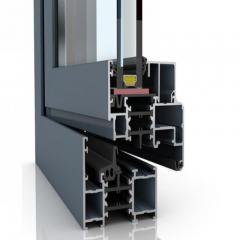
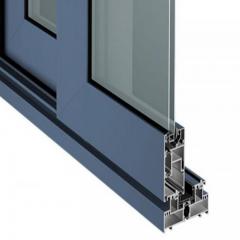
Aluminium frame trickle vents demand more precise specification due to the material's structural characteristics. Aluminum profiles typically feature narrower sightlines than uPVC, requiring vents engineered for compact integration. The material's strength allows thinner wall sections, but this also means less tolerance for installation errors.
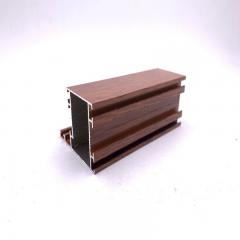
Aluminum-compatible vents often feature minimalist, color-matched finishes that complement the sleek aesthetic these frames provide. As noted by specialist aluminum ventilation manufacturers, precision fit is essential—products must be engineered specifically for snug, secure integration with aluminum's narrower profiles.
Key considerations for aluminum applications include:
Timber frame vents present distinct challenges related to the material's natural properties. Wood expands and contracts with humidity changes, requiring vents with flexible sealing arrangements that accommodate movement without creating air leaks. According to industry guidance on timber applications, frame sensitivity demands vents with secure but flexible fits to avoid warping or seal failure.
Timber installations also offer unique aesthetic opportunities. Vents can often be painted or stained to match woodwork, and concealed or low-profile designs maintain heritage aesthetics in period properties. For listed buildings or conservation areas, these considerations may be essential rather than optional.
Why do manufacturers specialize in specific frame types? The engineering requirements differ significantly. A manufacturer focused on aluminum systems develops expertise in precision-fit products, thermal break integration, and contemporary finishes. A uPVC specialist invests in broad color ranges, clip-fit mechanisms for major profile systems, and cost-effective production at scale. Choosing suppliers whose core competency matches your frame material reduces risk and typically improves both product fit and technical support quality.
The distinction between retrofit and new construction fundamentally shapes your manufacturer options. These scenarios demand different products, different installation approaches, and often different supplier capabilities.
Retrofit trickle vents must attach to existing window frames without requiring frame modification during manufacturing. This typically means surface-mounted designs that fix to the internal and external faces of the frame head. According to Everest's guidance on retrofit installation, fitting vents to existing windows involves drilling through the frame—a process requiring careful measurement and appropriate tooling to avoid damage.
Surface-mounted retrofit options offer practical advantages:
However, retrofit installation comes with considerations. The process requires drilling through the frame, creating a pathway for airflow. As installation specialists note, this isn't an easy job—if measurements aren't perfect, your frame ends up with holes that can't be filled. Professional installation is often recommended, particularly for uPVC frames where drilling technique affects both aesthetics and weatherproofing.
New build installations allow integrated solutions where ventilation is incorporated during window fabrication. Routed vents—where the airflow slot is machined into the frame profile—offer superior aesthetics with flush-fitting internal and external covers. Factory integration ensures precise positioning, consistent quality, and optimal sealing.
Integrated new-build solutions provide distinct advantages:
Some manufacturers offer both clip-fix and routed options, providing flexibility across project types. Others specialize in one approach—OEM suppliers focused on factory integration for window fabricators, or retrofit specialists serving the replacement market. When evaluating suppliers, confirm their product range covers your specific installation scenario. A manufacturer with an excellent routed vent range may offer limited retrofit options, leaving you sourcing from multiple suppliers with added coordination complexity.
For projects involving both scenarios—perhaps new extensions alongside window replacements in existing sections—single-source suppliers capable of both approaches simplify procurement and ensure consistent product quality throughout.
Beyond functional compatibility, two factors increasingly influence manufacturer selection: how discreetly vents integrate visually, and how effectively they manage sound transmission.
Aesthetic integration matters more than many specifiers initially assume. Occupants notice visible vents, and building owners increasingly request solutions that minimize visual impact. Modern manufacturers have responded with progressively lower-profile designs, concealed options, and extensive color-matching capabilities.
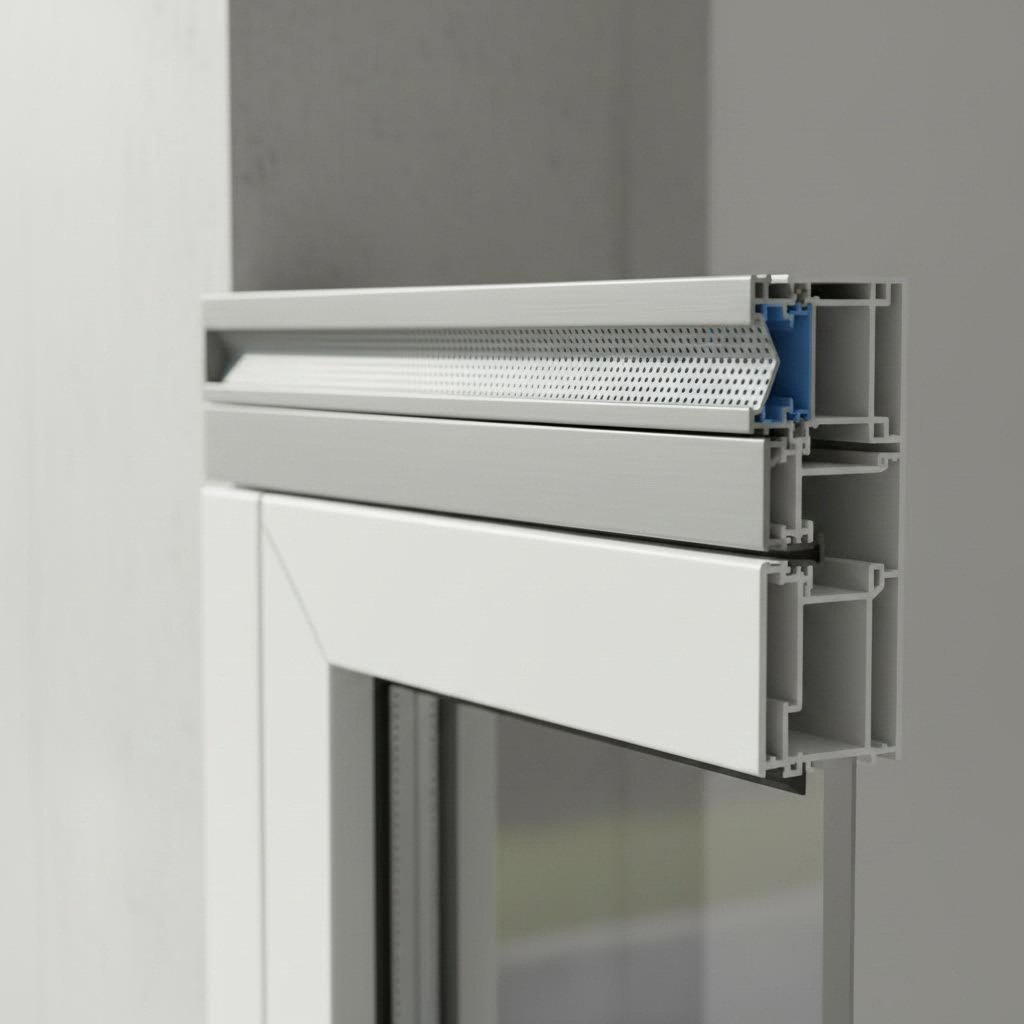
Concealed trickle vents represent the premium aesthetic solution. These designs hide within the window structure, often in the head of the outer frame, covered by color-matched canopies or trims. According to guidance on specialty installations, concealed vents maintain original sightlines and window style while still meeting building regulations for background ventilation—ideal for heritage renovations or minimalist contemporary designs.
When aesthetics are priorities, evaluate manufacturers on:
Acoustic performance becomes critical for properties in noise-sensitive locations. Standard trickle vents create an opening in the building envelope that sound waves can penetrate. As Everest explains, adding trickle vents can impact noise reduction measures—sound is more difficult to contain than light because soundwaves can diffract around corners to find their way through small gaps.
For projects near busy roads, railways, flight paths, or industrial areas, acoustic-rated vents offer solutions. These products incorporate sound-attenuating baffles, labyrinth designs, or acoustic insulation that reduces noise transmission while maintaining required airflow. Performance is measured in decibels (dB) of sound reduction, with specialized products achieving significantly better attenuation than standard designs.
When acoustic performance matters, consider:
Before confirming any manufacturer selection, verify these practical factors to ensure smooth installation and optimal performance:
This practical trickle vent installation guide ensures your manufacturer selection translates into successful on-site execution. Compatibility issues discovered after ordering create delays, additional costs, and potential compliance complications. Verifying these factors upfront protects your project timeline and budget while ensuring the ventilation solution performs as intended throughout the building's operational life.
With installation compatibility confirmed, you're ready for the final step: taking action on your manufacturer search and establishing supplier relationships that serve your project effectively.
You've done the research. You understand EA values, frame compatibility, and the regulatory landscape. Now comes the moment that transforms knowledge into action: actually sourcing trickle vents for your project. This final step is where many buyers hesitate, uncertain whether to work through distributors, approach manufacturers directly, or simply pick the first supplier offering acceptable pricing.
The approach you choose significantly affects not just cost, but customization options, technical support quality, and long-term supply reliability. Let's clarify your options so you can move forward confidently.
When you buy trickle vents direct from a manufacturer rather than through distributors or retailers, you're accessing the source—and that changes the relationship fundamentally. But which approach suits your project?
Distributors serve as intermediaries between manufacturers and end users. They stock products from multiple brands, handle logistics, and typically serve smaller orders with faster turnaround. For a homeowner replacing a few windows or a small contractor with occasional ventilation needs, distributors offer convenience and accessible minimum quantities.
However, working through intermediaries has limitations. According to industry analysis of supply chain structures, distributors focus on reselling goods rather than product development or technical expertise. They may not offer the customization options, deep technical knowledge, or competitive pricing that direct manufacturer relationships provide.
Direct manufacturer relationships unlock capabilities that distributors cannot match. When you work with an OEM trickle vent manufacturer, you're partnering with the company that actually designs, engineers, and produces the products. This direct connection delivers several distinct advantages:
The trade-off? Manufacturers typically work at larger volumes. A professional trickle vent supplier focused on wholesale trickle vents may have minimum order quantities unsuitable for single-window replacements. However, for window fabricators, commercial contractors, property developers, or anyone managing multiple projects, direct relationships prove more valuable than transactional distributor purchases.
Consider approaching manufacturers directly when:
Rather than suggesting a one-size-fits-all solution, match your search starting point to your project type. Different scenarios call for different supplier categories.
Armed with the knowledge from this guide, you're positioned to approach manufacturers as an informed buyer rather than a passive recipient of sales pitches. Here's how to translate your research into effective action:
The trickle vent manufacturer you select becomes a project partner whose product quality, technical support, and supply reliability directly affect your outcomes. The systematic approach outlined throughout this guide—understanding regulations, evaluating specifications, matching manufacturer capabilities to requirements, and verifying installation compatibility—positions you to make that selection with confidence.
Whether you're specifying ventilation for a single dwelling or managing procurement across a development portfolio, the principles remain consistent: know what you need, evaluate suppliers against those needs, and build relationships with manufacturers whose capabilities genuinely match your project requirements. That's how you transform the fragmented trickle vent market into a source of reliable, compliant, and cost-effective ventilation solutions.
Titon is the acknowledged UK market leader in trickle vents, having manufactured window trickle ventilators for over 45 years with more than 50 million vents sold. They offer the largest product selection covering timber, aluminum, and uPVC frames. Other established manufacturers include Glidevale, REHAU, and Glazpart, each with distinct strengths. Glazpart holds BBA certification distinction, while REHAU integrates vents directly into their window systems. For projects requiring direct manufacturer relationships with OEM capabilities, suppliers like Shengxin Aluminum offer high-performance solutions with rigorous quality testing.
Installing trickle vents in existing windows requires surface-mounted retrofit designs that attach to the frame head without factory modification. The process involves drilling through the window frame at the top to create an airflow pathway, then securing internal and external vent covers. Precise measurement is critical—incorrect drilling leaves unfillable holes. Clip-fix designs work with specific profile geometries, while screw-fix options offer broader compatibility. Professional installation is often recommended, particularly for uPVC frames where drilling technique affects weatherproofing and aesthetics.
Standard trickle vents provide basic background ventilation through a simple opening in the window frame, meeting Part F compliance requirements. Acoustic trickle vents incorporate sound-attenuating baffles, labyrinth designs, or acoustic insulation that reduces noise transmission while maintaining required airflow. Performance is measured in decibels (dB) of sound reduction. Acoustic vents are essential for properties near busy roads, railways, or flight paths, though they typically cost significantly more than standard products and may require larger or multiple units to achieve the same EA values.
Yes, Building Regulations Part F mandates background ventilation in dwellings to protect occupant health and prevent moisture damage. Trickle vents are required for all new residential construction, window replacements where originals had vents or lacked adequate ventilation, building conversions to residential use, and significant refurbishments increasing airtightness. Homeowners cannot sign disclaimers opting out of trickle vent installation. Work must meet Building Regulations in full, with minimum equivalent areas specified for different room types—typically 8,000mm² for habitable rooms in multi-storey dwellings.
Evaluate manufacturers on verified EA values with test certificates, product range for your specific frame types (uPVC, aluminum, or timber), technical support availability, compliance documentation including BBA or LABC certification, lead times, minimum order quantities, and color matching capabilities. Consider whether they offer both retrofit and new-build solutions if needed. For ongoing projects, assess warranty terms, installation guidance quality, and after-sales support. Direct manufacturer relationships provide OEM capabilities, customization options, and competitive pricing that distributors cannot match, particularly for larger orders.



 Servicio en línea
 0086 136 3563 2360
 sales@sxalu.com
 +86 136 3563 2360
 español
 English
 français
 Deutsch
 русский
 português
 العربية
 ไทย
ไทย Việt
Việt Українська