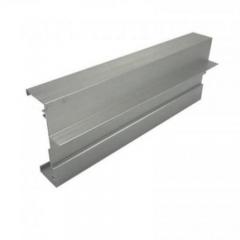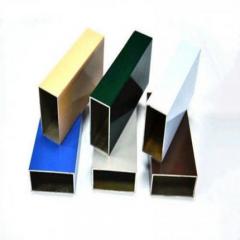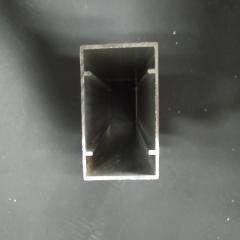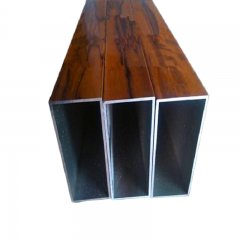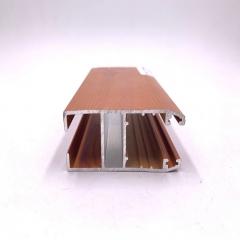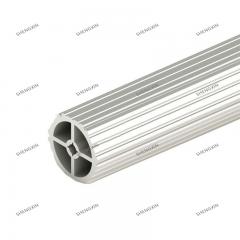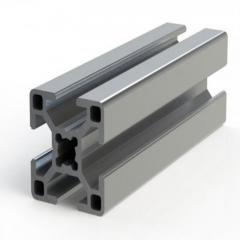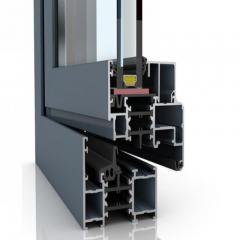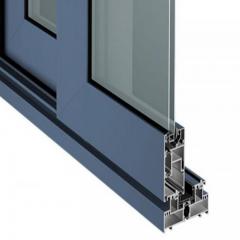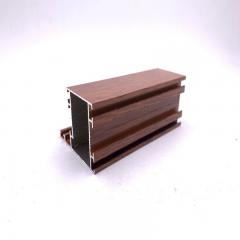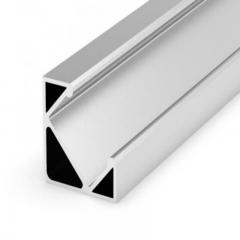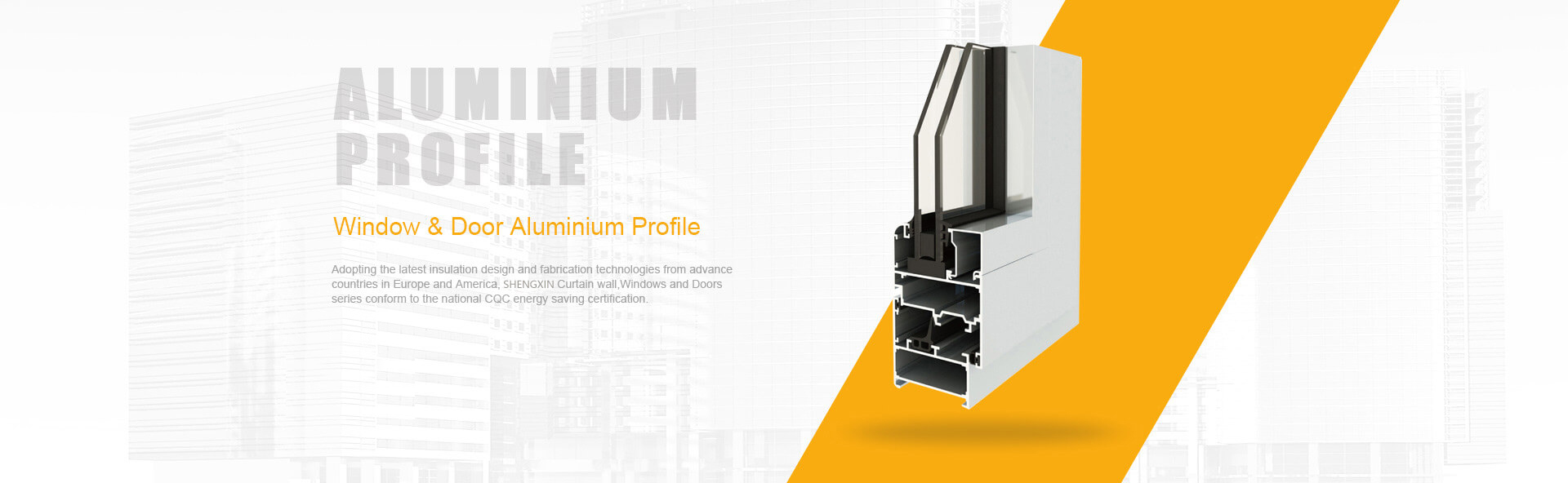
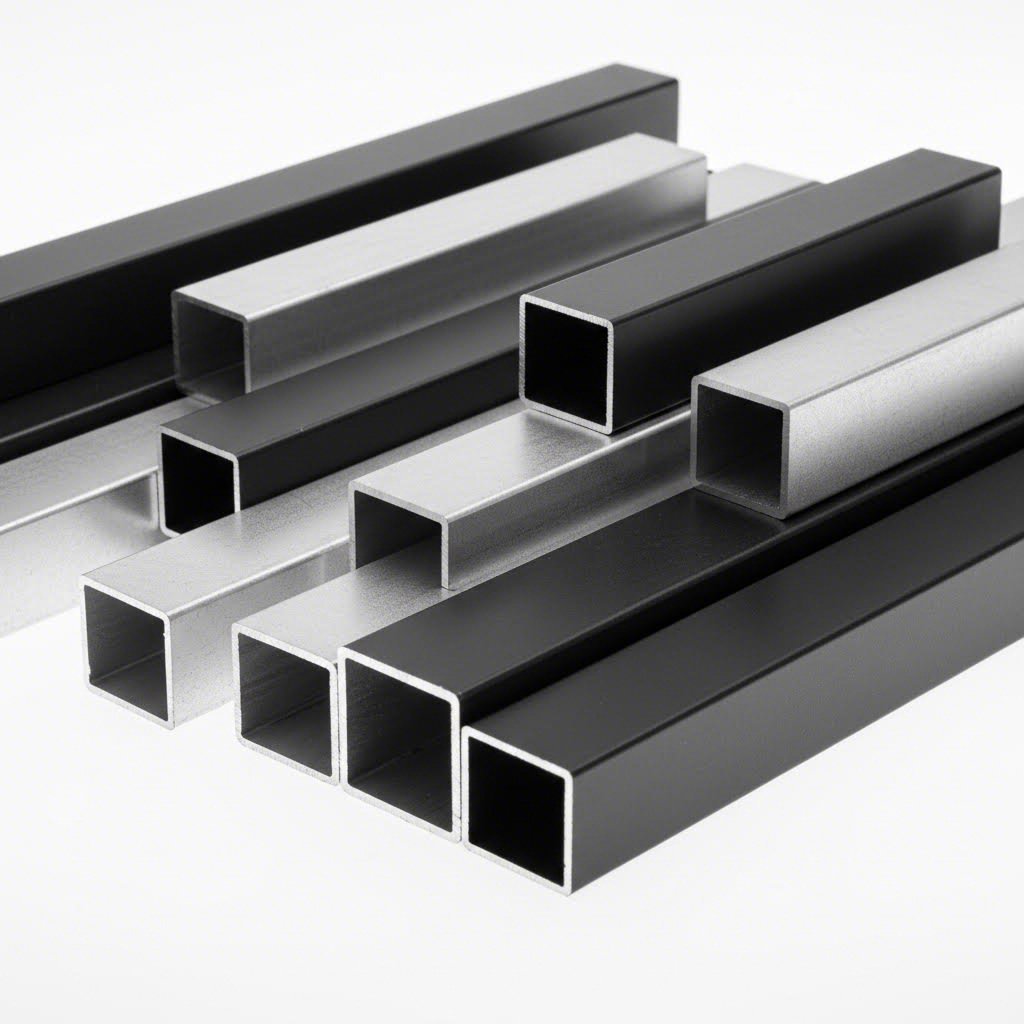
When you're sourcing structural components for construction, electronics, or industrial applications, understanding exactly what you're working with makes all the difference. U channel aluminum extrusion is one of the most versatile profile types available, featuring a distinctive cross-section that resembles the letter "U" - a flat base (called the web) connected to two perpendicular legs of equal length. This seemingly simple geometry delivers remarkable functionality across countless applications.
But what makes extruded aluminum channel different from other metal forming methods? The answer lies in the manufacturing process itself, which creates profiles with exceptional dimensional consistency and structural integrity that stamped or roll-formed alternatives simply cannot match.
Imagine squeezing toothpaste from a tube - that's essentially how aluminum extrusion works, just with significantly more force and precision. The process begins with a solid aluminum billet, typically a cylindrical log of aluminum alloy weighing anywhere from 50 to several hundred pounds.
Here's how it unfolds:
This process allows manufacturers to create u channels with remarkably consistent dimensions across production runs. According to Gabrian, profiles can then undergo heat treatment to enhance properties, by various surface finishes and fabrication operations to achieve final specifications.
Sounds complex? Let's clear up the confusion between similar-looking profiles. While metal u channel profiles and their cousins share some visual similarities, their geometric differences create distinct functional capabilities.
The aluminum channel you select directly impacts how loads are distributed, how components mount, and how the profile integrates into your assembly. An aluminium u channel features open geometry ideal for edge protection and sliding applications, while other profiles serve fundamentally different purposes.
| Profile Type | Shape Characteristics | Typical Dimensions | Primary Applications |
|---|---|---|---|
| U-Channel | Flat base with two equal-length perpendicular legs; completely open on one side |
Leg heights: 0.5" - 4" Base widths: 0.5" - 6" Wall thickness: 0.062" - 0.25" |
Edge protection, sliding tracks, cable management, framing, decorative trim |
| C-Channel | Similar to U-channel but with inward-facing flanges (lips) at the end of each leg |
Heights: 1" - 12" Widths: 1" - 4" Flange depth: 0.25" - 1" |
Structural beams, building frames, machine bases, heavy-duty supports |
| Aluminum Hat Channel | Flat base, two vertical legs, plus two outward-facing horizontal flanges at the top |
Heights: 0.5" - 2" Base widths: 1" - 3" Flange widths: 0.5" - 1.5" |
Drywall mounting, siding installation, creating air gaps for insulation or drainage |
| J-Channel | Asymmetrical profile with one short leg and one longer leg forming a "J" shape |
Short leg: 0.25" - 0.5" Long leg: 0.75" - 2" Base: 0.5" - 1.5" |
Siding trim, window surrounds, edge finishing where asymmetry is needed |
The key distinction? U-channels offer symmetrical, open geometry that makes them incredibly versatile for applications requiring access from one side - whether you're protecting glass edges, creating sliding mechanisms, or managing cables. C-channels sacrifice some of that accessibility for increased rigidity through their internal flanges, making them better suited for heavy structural loads.
Understanding these differences prevents costly specification errors. When you need an extruded aluminum channel for a track system where components must slide freely, a U-channel is your answer. When you need maximum beam strength with minimal deflection, a C-channel might be the better choice.
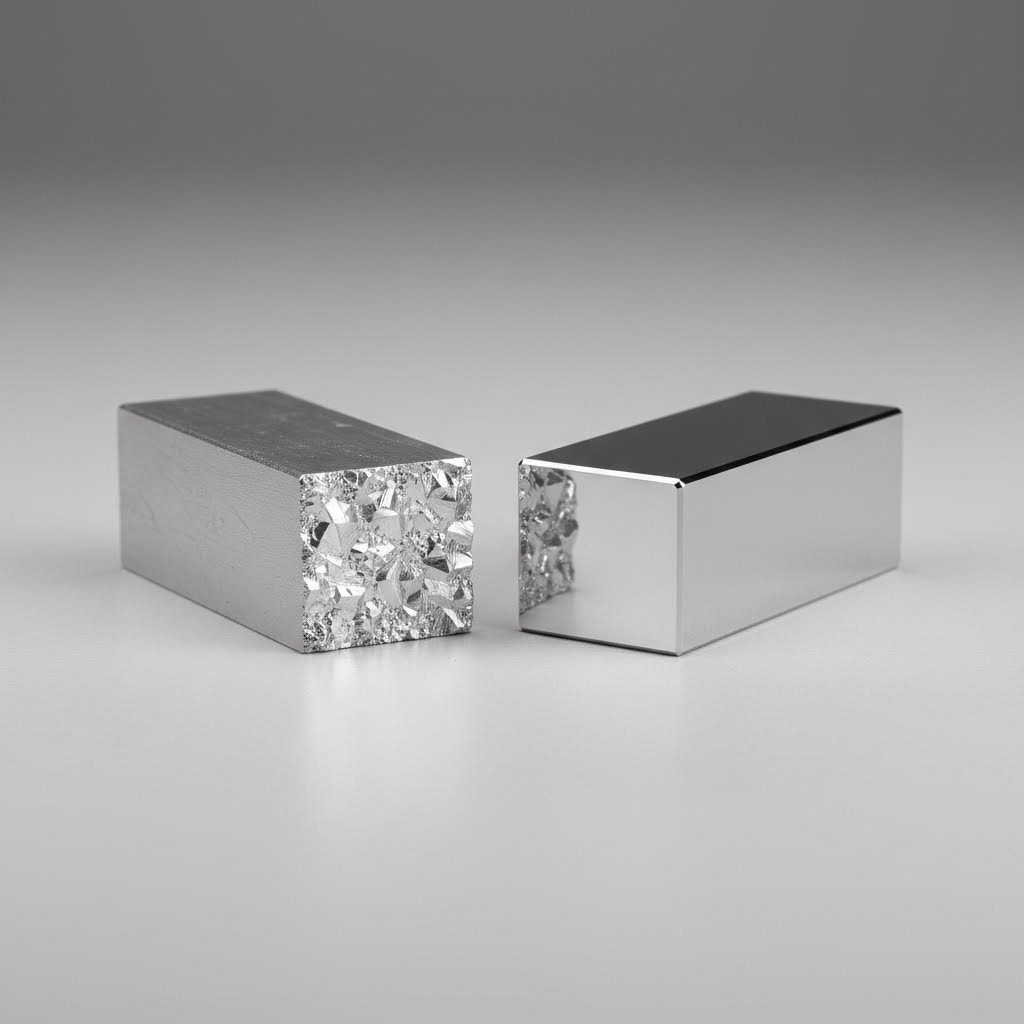
Now that you understand how U-channel profiles are manufactured and what distinguishes them from other shapes, here's where many projects succeed or fail: choosing the right aluminum alloy. You'll find that the two most common options - 6061 and 6063 - couldn't be more different in their ideal applications, even though they belong to the same alloy family.
Both alloys come from the 6000 series, meaning they share magnesium and silicon as primary alloying elements. But the proportions and additional trace elements create dramatically different performance characteristics. Selecting the wrong one can mean premature failure in structural applications or unnecessary cost and poor aesthetics in architectural projects.
When your project demands strength above all else, 6061 aluminum u channel is the go-to choice. Often called the "structural alloy," 6061 is a precipitation-hardened material that achieves its impressive mechanical properties through a heat treatment process. During this treatment, particles within the metal spread evenly throughout the grain structure, preventing displacement and significantly increasing strength.
What makes 6061 stand out for demanding applications?
However, 6061 comes with trade-offs. Its higher strength makes it harder to extrude into thin walls or tight corners without defects. You'll also find that post-weld heat treatment is often required to restore mechanical integrity after welding, adding time and cost to fabrication.
Typical applications for extruded aluminum channels in 6061 include structural angles for scaffolding, railroad car components, marine fittings, bicycle frames, truck components, and aluminum strut channel systems where load-bearing capacity is essential.
Imagine you're specifying aluminum channels for a high-end storefront or visible interior trim. Strength matters, but surface quality and visual appeal matter more. This is precisely where 6063 aluminum excels.
Known as the "architectural alloy," 6063 offers characteristics that make it the preferred choice when aesthetics take priority:
The trade-off? Lower mechanical strength. An extruded aluminium channel in 6063-T6 temper delivers approximately 214 MPa (31 ksi) tensile strength and 186 MPa (27 ksi) yield strength - roughly 30% less than its 6061 counterpart. For architectural applications where the profile isn't bearing significant structural loads, this difference rarely matters.
You'll find 6063 aluminum extruded profiles throughout the built environment: window and door frames, curtain walls, handrails, decorative trim, furniture components, and signage frames where that smooth, premium finish makes all the difference.
Before specifying your next u channel aluminum extrusion project, review how these alloys compare across all critical properties:
| Property | 6061-T6 | 6063-T6 | Winner For... |
|---|---|---|---|
| Tensile Strength | 310 MPa (45 ksi) | ~214 MPa (31 ksi) | 6061 - structural applications |
| Yield Strength | 276 MPa (40 ksi) | ~186 MPa (27 ksi) | 6061 - load-bearing requirements |
| Brinell Hardness | ~95 HB | ~73 HB | 6061 - wear resistance |
| Elongation at Break | 17% | ~12% | 6061 - ductility under stress |
| Extrudability | Good | Excellent | 6063 - complex shapes |
| Surface Finish Quality | Good | Excellent | 6063 - visible applications |
| Anodizing Response | Good | Excellent | 6063 - decorative finishes |
| Weldability | Good (needs post-weld treatment) | Excellent | 6063 - easier fabrication |
| Corrosion Resistance | Excellent | Excellent | Tie - both perform well |
| Relative Cost | Higher | Lower | 6063 - budget-conscious projects |
The decision between 6061 and 6063 ultimately comes down to one question: Is your primary requirement strength or finish quality? Choose 6061 when structural integrity is non-negotiable. Choose 6063 when appearance and cost-efficiency take priority.
Beyond alloy selection, getting the right dimensions for your application is equally critical. Standard sizing varies significantly across suppliers, and understanding what's available - versus what requires custom tooling - can save considerable time and budget in your procurement process.
You've selected the right alloy for your application - but now comes another decision that's just as critical: getting the dimensions right. Whether you're searching for a compact 2 inch aluminum u channel for trim work or a heavy structural profile for load-bearing applications, understanding standard sizing conventions prevents costly ordering mistakes and project delays.
Unlike some building materials with universally standardized dimensions, aluminum u channel sizes vary between manufacturers and regional standards. However, industry guidelines from organizations like the Aluminum Association provide baseline specifications that most quality suppliers follow. Let's break down what you need to know before placing your next order.
When reviewing an aluminum channel sizes chart, you'll encounter several key measurements that define each profile:
Standard aluminum channel dimensions typically range from small trim profiles starting at 2 inches deep to heavy structural channels reaching 12 inches or more. Here's a comprehensive reference covering common alum channel sizes you'll encounter:
| Designation | Depth (in) | Width (in) | Flange Thickness (in) | Web Thickness (in) | Area (in²) | Weight (lb/ft) |
|---|---|---|---|---|---|---|
| 2 x 0.577 | 2.000 | 1.000 | 0.130 | 0.130 | 0.490 | 0.58 |
| 2 x 1.07 | 2.000 | 1.250 | 0.260 | 0.170 | 0.911 | 1.07 |
| 3 x 1.14 | 3.000 | 1.500 | 0.200 | 0.130 | 0.965 | 1.14 |
| 3 x 1.60 | 3.000 | 1.750 | 0.260 | 0.170 | 1.36 | 1.60 |
| 4 x 1.74 | 4.000 | 2.000 | 0.230 | 0.150 | 1.48 | 1.74 |
| 4 x 2.33 | 4.000 | 2.250 | 0.290 | 0.190 | 1.98 | 2.33 |
| 5 x 2.21 | 5.000 | 2.250 | 0.260 | 0.150 | 1.88 | 2.21 |
| 5 x 3.09 | 5.000 | 2.750 | 0.320 | 0.190 | 2.63 | 3.09 |
| 6 x 2.83 | 6.000 | 2.500 | 0.290 | 0.170 | 2.41 | 2.83 |
| 6 x 4.03 | 6.000 | 3.250 | 0.350 | 0.210 | 3.43 | 4.03 |
| 8 x 4.15 | 8.000 | 3.000 | 0.350 | 0.190 | 3.53 | 4.15 |
| 10 x 6.14 | 10.000 | 3.500 | 0.410 | 0.250 | 5.22 | 6.14 |
| 12 x 8.27 | 12.000 | 4.000 | 0.470 | 0.290 | 7.04 | 8.27 |
Notice how wall thickness increases proportionally with channel size. A 2-inch profile might feature 0.130-inch walls, while a 12-inch structural channel could have walls approaching 0.50 inches. This scaling ensures adequate strength-to-weight ratios across the size range.
For metric specifications, multiply inch values by 25.4 to convert to millimeters. A 4-inch deep channel becomes approximately 102mm, while 0.190-inch wall thickness converts to roughly 4.8mm.
Here's something that catches many first-time buyers off guard: no extruded profile is perfectly dimensioned. Manufacturing tolerances are an inherent reality of the extrusion process, and understanding what's acceptable helps you specify appropriately without paying for unnecessarily tight requirements.
According to industry standards published by ANSI H35.2, standard tolerances for aluminum extrusions follow these general guidelines:
What does this mean practically? A 10-foot length of u channel aluminum could be up to 0.125 inches (about 3mm) out of perfectly straight and still meet standard specifications. For most applications, this is perfectly acceptable. For precision assemblies requiring tighter control, you'll need to specify closer tolerances - and budget accordingly.
Before finalizing your order, verify these critical tolerance factors with your supplier:
Tighter tolerances require slower extrusion speeds, additional inspection steps, and sometimes modified tooling - all adding cost. The Aluminum Association standards note that experienced extruders may suggest design modifications to help achieve functional requirements without extreme tolerance demands.
Standard dimensional tolerances should always be specified when applicable. Requesting unnecessarily tight tolerances increases cost without functional benefit - work with your supplier to determine what your application truly requires.
With aluminum c channel sizes and u channel dimensions now clearly understood, the next consideration becomes matching these specifications to your specific industry application. Different sectors demand different combinations of size, alloy, and finish - and knowing these requirements upfront streamlines the entire procurement process.

So you've selected the right alloy and nailed down your dimensional requirements - but here's the real question: how do professionals actually use aluminum u channel profiles in the field? Understanding specific industry applications helps you validate your specifications and often reveals design possibilities you hadn't considered.
The beauty of U-channel geometry lies in its functional versatility. That open profile creates natural opportunities for edge protection, sliding mechanisms, cable containment, and structural integration that closed profiles simply cannot match. According to S Metals UK, manufacturers across industries prefer aluminum U-channel specifically for its combination of strength, reliability, and flexibility - characteristics that translate into real-world performance across remarkably diverse applications.
Walk through any modern building and you'll encounter aluminum channel track systems hiding in plain sight. The construction industry has embraced U-channel profiles for applications where traditional materials simply can't compete on weight, corrosion resistance, or installation efficiency.
Here's where you'll find aluminum u channel working in construction and architecture:
What makes U-channel particularly valuable in architectural applications? Its resistance to moisture and corrosion - industry references note that aluminum U-channels are highly resistant to corrosion, moisture, and fire, making them ideal for harsh environmental conditions where these factors present ongoing challenges.
When you shift from visible architectural applications to behind-the-scenes industrial uses, U-channel geometry proves equally valuable - though for entirely different reasons. Here, the focus shifts to cable management, thermal properties, and precision assembly.
Industrial and electronics applications where aluminum channel track systems excel:
The key to successful U-channel specification lies in matching profile geometry to functional requirements - edge protection demands different dimensions than sliding applications, and cable management prioritizes accessibility over structural rigidity.
Beyond construction and industrial uses, aluminum c channel track profiles serve critical functions in sectors where aesthetics, precision movement, or specialized environmental resistance take priority.
Signage and Display Industry:
Furniture and Interior Design:
Automotive and Transportation:
Marine Applications:
As industry sources confirm, aluminum U-channel applications span automotive, aviation, and marine sectors specifically because these environments demand high strength combined with exceptional corrosion resistance - properties that aluminum delivers while offering significant weight advantages over steel alternatives.
How do professionals actually specify U-channels for these diverse applications? The process typically follows a logical sequence:
These answers drive alloy selection (6061 for structural, 6063 for visible applications), dimensional specifications (leg height, base width, wall thickness), and surface finish requirements. A channel track for sliding glass doors demands precise dimensions and smooth surfaces, while cable management tray channels prioritize capacity over appearance.
Understanding how your industry uses U-channel profiles helps validate specifications and often reveals opportunities for standardization across projects. But appearance matters too - and the right surface finish can transform a functional profile into an architectural statement or protect it against decades of environmental exposure.
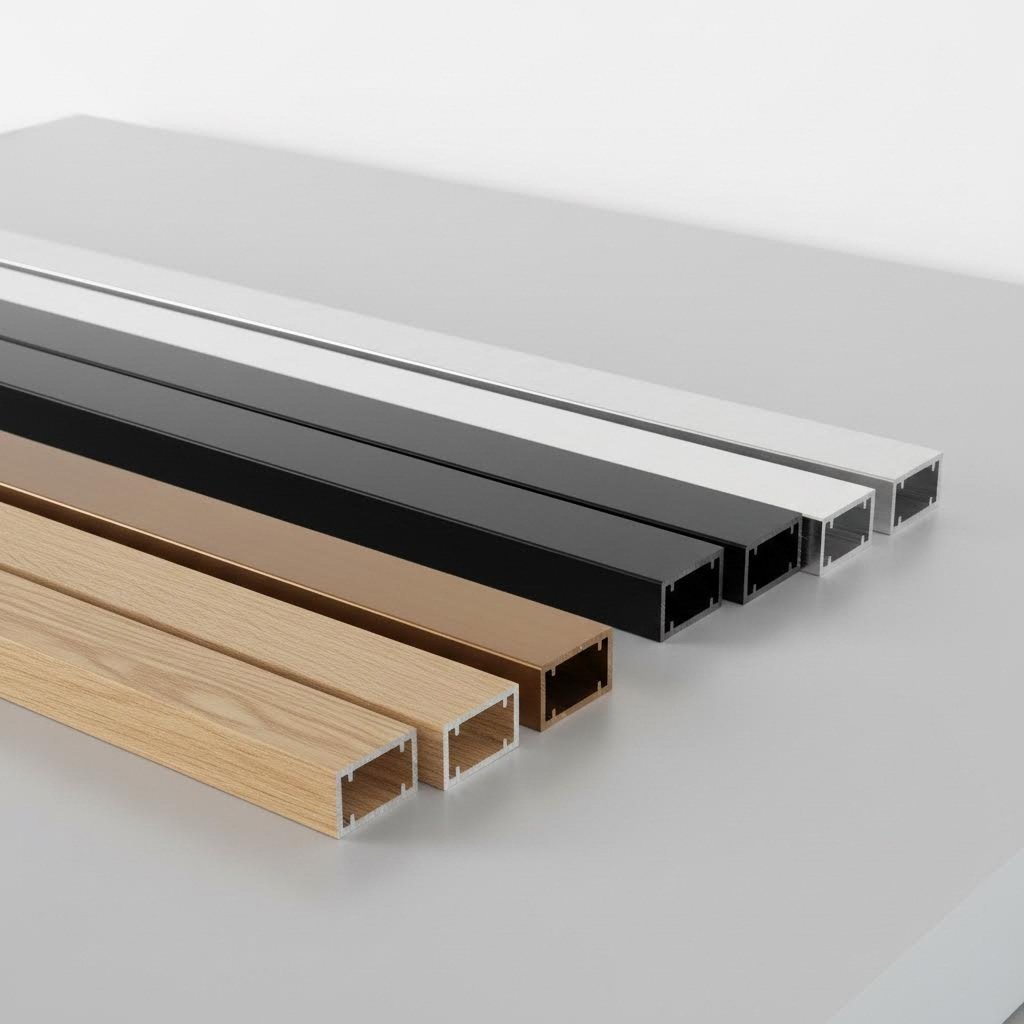
You've selected the perfect alloy and specified precise dimensions - but here's what separates a good aluminum project from a great one: the surface finish. A raw "mill finish" aluminum u channel might seem functional straight from the extruder, but it's vulnerable to scratches, stains, and oxidation that compromise both appearance and longevity.
Think about where your profile will live. Coastal environments with salt spray? High-traffic areas where fingerprints accumulate? Exterior facades baking under UV exposure for decades? Each scenario demands a different protective strategy. According to Minh Dung Holdings, applying a protective and decorative finish is essential to protect your investment - the finish you choose determines how well your aluminum system holds up over time.
Here's something that surprises many first-time buyers: anodizing isn't a coating at all. Unlike paint or powder that sits on top of the surface, anodizing is an electrochemical process that transforms the aluminum itself. The process submerges your aluminum trim channel in an acid bath while passing electric current through it, forming a super-hard layer of aluminum oxide that's fully integrated with the base metal.
What makes anodizing particularly valuable for U-channel applications?
A black aluminium u channel created through anodizing delivers that sleek, modern aesthetic architects love for curtain walls and storefront systems. The finish remains stable and consistent, though industry sources note that slight color variations can occur between production batches - something to consider for large projects requiring perfect uniformity.
Anodizing thickness matters significantly for durability. According to Aplank's finishing guide, ASTM standards specify Class I anodizing (0.7 mils or thicker) for outdoor architectural applications, while Class II (0.4 mils minimum) suits interior projects. Thicker coatings mean better long-term protection - especially for aluminum profiles exposed to weather, UV, and environmental pollutants.
When your black u channel needs to match specific brand colors or withstand decades of outdoor exposure, coating systems enter the picture. But not all coatings perform equally - and choosing incorrectly can mean premature fading, chalking, or complete coating failure.
Powder Coating Advantages:
However, powder coating has limitations. Most formulations test to AAMA 2604 standards, which provide solid protection but don't match the UV and color retention of premium coatings. In high-sun or coastal environments, experts caution that this difference can lead to premature fading if specifications aren't carefully considered.
PVDF Coating (Kynar) for Maximum Durability:
PVDF comes at a higher price point and offers fewer texture options than powder coating. Color matching across batches requires careful quality control. But for monumental architecture, building facades, and projects demanding multi-decade performance, it remains the specification of choice.
Beyond the primary finish categories, specialized treatments address unique application requirements:
| Finish Type | Durability Rating | Relative Cost | Color Options | Best Environments |
|---|---|---|---|---|
| Clear Anodizing | Excellent (Class I: 20+ years) | Moderate | Natural metallic only | Architectural facades, premium interiors, electronics |
| Color Anodizing | Excellent | Moderate-High | Limited palette (bronze, black, gold, champagne) | High-end storefronts, visible architectural elements |
| Powder Coating | Good (AAMA 2604: 10-15 years) | Low-Moderate | Unlimited colors and textures | Interior applications, moderate climates, budget projects |
| PVDF (Kynar) | Superior (AAMA 2605: 20+ years) | High | Wide range, primarily solid colors | Coastal, high-UV, industrial, monumental architecture |
| Wood-Grain Sublimation | Very Good | Moderate-High | Realistic wood patterns | Residential facades, hospitality, retail where wood aesthetic desired |
| Mill Finish | Fair (requires maintenance) | Lowest | Natural aluminum only | Hidden structural applications, temporary installations |
The right surface treatment depends on balancing performance requirements against budget constraints and aesthetic goals. A black aluminum u channel destined for a coastal high-rise demands PVDF's weathering resistance, while the same profile used for interior cable management might need nothing beyond mill finish. Understanding these options ensures your specification delivers both immediate visual impact and long-term durability.
Of course, even the perfect finish won't help if fabrication goes wrong. Cutting, drilling, welding, and bending aluminum U-channels requires specific techniques - and common mistakes can ruin otherwise excellent profiles before they ever reach installation.
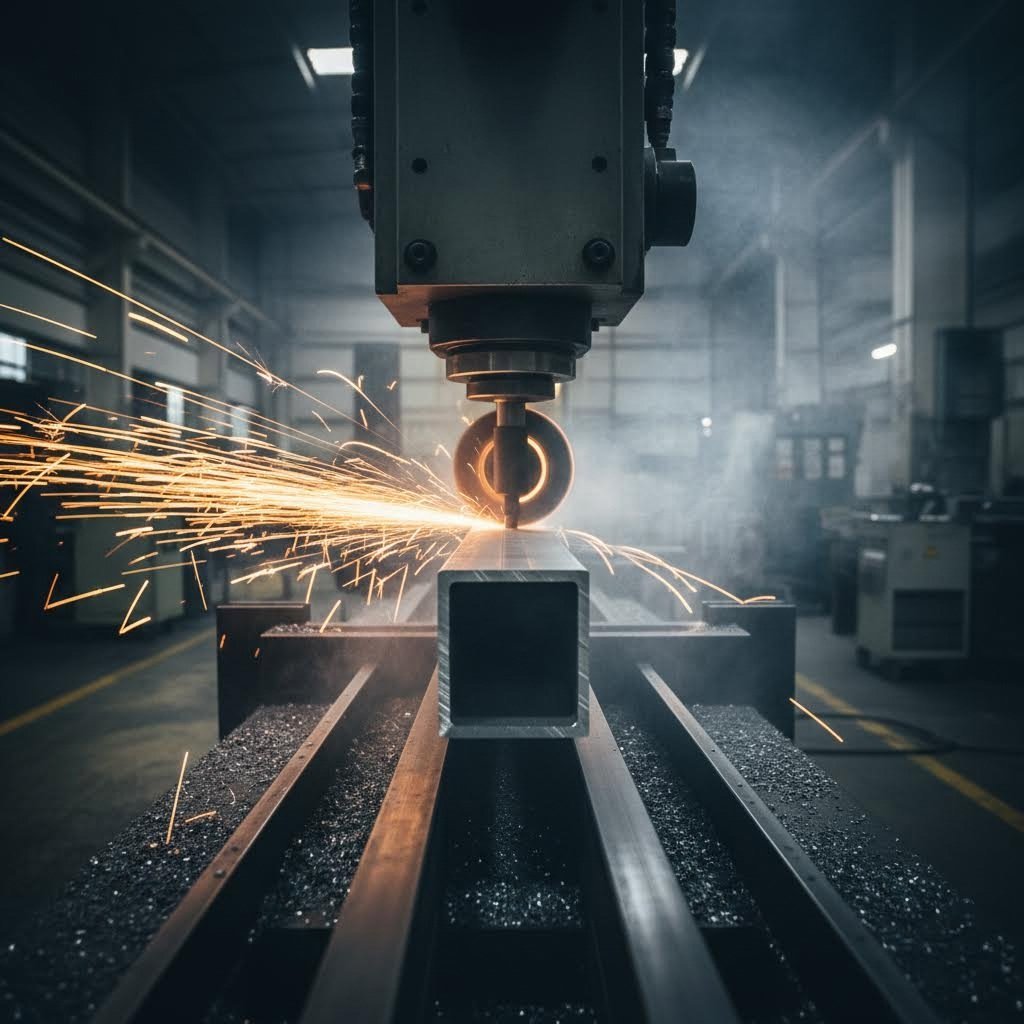
You've selected the right alloy, specified precise dimensions, and chosen the perfect finish - but here's where many projects fall apart: the fabrication phase. Aluminum u channel extrusion behaves differently from steel under cutting, drilling, and welding operations. Treat it the same way, and you'll end up with burrs, warped profiles, cracked welds, and scrap that should have been installed components.
The good news? With the right techniques and a little patience, aluminum fabrication produces clean, precise results. According to Wiley Metal's fabrication guide, precision starts at the cut - errors here are difficult to recover from later. Let's walk through each operation so your extruded aluminum rails and channel frame components come out right the first time.
Ever watched a blade grab and tear aluminum instead of cutting cleanly? That's what happens when you use tooling designed for steel. Aluminum's softness and low melting point demand specific blade geometries, speeds, and lubrication strategies.
Cutting Method Options:
Speed matters enormously. Unlike steel, aluminum cuts best at higher blade speeds - typically 3,000 to 5,000 surface feet per minute for carbide tooling. Too slow, and the material smears rather than chips cleanly. Too fast without proper lubrication, and friction heat causes the aluminum to weld itself to the blade.
Drilling and Tapping Considerations:
Those clean holes you need for your frame channel assembly? They require drills designed specifically for non-ferrous metals - typically featuring 118-135 degree point angles with polished flutes that evacuate chips efficiently. Standard steel drill bits will work, but they dull quickly and often produce rough, oversized holes.
Here's a reality check: welding aluminum isn't like welding steel, and approaching it with steel-welding habits will frustrate you and ruin your work. According to Universal Technical Institute's welding guide, aluminum is soft, highly sensitive, and insulated by a tough oxidized layer - characteristics that demand completely different techniques.
The oxide layer presents the biggest challenge. Pure aluminum melts at approximately 1,200°F (650°C), but the aluminum oxide coating that forms naturally on all exposed surfaces melts at about 3,700°F (2,037°C). That's a 2,500-degree difference. The oxide must be removed before welding can begin, or you'll end up with contaminated, porous welds that fail under stress.
Recommended Welding Methods for U-Channel Profiles:
Critical Pre-Weld Preparation:
Remember that welding experts emphasize the importance of patience - aluminum has higher thermal conductivity than steel, meaning heat dissipates rapidly. This requires maintaining consistent heat input while working quickly enough to achieve fusion before the metal cools.
Can you bend aluminum U-channels? Yes - with significant caveats. The T6 temper commonly used for both 6061 and 6063 alloys is heat-treated for maximum strength, which simultaneously reduces ductility. Bend too tight, and the outer surface cracks.
As Wiley Metal notes, tolerances aren't just suggestions - they're essential to part function. For bending operations, experienced fabricators account for springback, bend allowance, and material thickness from the outset. With aluminum U-channels specifically:
First-time aluminum fabricators consistently make the same errors. Avoid these pitfalls to protect your profiles and your budget:
Material processing doesn't happen in isolation. If the cutting phase doesn't account for welding, finishing, or assembly, problems surface later - misaligned holes, inaccessible weld joints, or parts that don't fit into jigs can create production bottlenecks.
Taking the time to understand aluminum's unique fabrication requirements pays dividends in reduced scrap, faster assembly, and components that perform as designed. Whether you're building an aluminum c slide track channel system or fabricating complex frame channel assemblies, proper technique separates professional results from frustrating failures.
Of course, not every project can use standard profiles straight from stock. When your design demands unique dimensions, wall thicknesses, or integrated features, the question becomes whether to modify existing profiles or invest in custom extrusion tooling - a decision with significant cost and timeline implications.
Here's a question that determines whether your project stays on budget or spirals into unexpected costs: should you work with standard aluminum channel extrusions pulled from warehouse inventory, or invest in custom tooling designed specifically for your application? The answer isn't always obvious - and getting it wrong can mean paying for tooling you didn't need or compromising on a design that never quite works.
Standard stock profiles offer immediate availability and proven dimensions. Custom extrusions deliver exactly what you need but require upfront investment and patience. Understanding where the breakeven point falls - and what the custom development process actually involves - helps you make informed decisions that align with both your technical requirements and budget realities.
Before exploring custom options, consider whether existing aluminum c channel or U-channel profiles might already solve your problem. According to Eleanor Industries' comparison guide, standard profiles offer several compelling advantages that make them the right choice for many applications.
Advantages of Stock Aluminum Channel Extrusions:
Standard profiles work best when your application fits within available dimensional ranges and doesn't require integrated features like mounting slots, wire channels, or unique wall thickness combinations. If you need a straightforward c channel aluminum profile for edge protection or basic framing, stock almost certainly makes sense.
The limitation? Standard profiles force design compromises. Your assembly must adapt to available dimensions rather than the profile adapting to your ideal design. For high-volume production where every gram of material and every assembly step costs money, those compromises add up.
When does investing in custom aluminum c channel extrusion or specialized U-channel tooling become the smarter choice? The economics shift in your favor when volume, performance requirements, or design integration justify the upfront investment.
Custom profiles make economic sense when:
The custom extrusion process follows a structured sequence from concept through production. According to Gemini Group's die development guide, effective die design is critical - it directly impacts quality, efficiency, and cost-effectiveness of the final product.
Custom Die Development Stages:
Die complexity significantly affects cost. A simple aluminum j channel extrusion with solid geometry requires a basic solid die, while hollow or semi-hollow profiles demand more complex mandrel designs. As KMC Aluminium explains, hollow dies take several different forms including bridge, porthole, and spider configurations - each with distinct advantages, disadvantages, and cost implications.
| Factor | Stock Profiles | Custom Extrusions |
|---|---|---|
| Lead Time | 1-5 days from inventory | 4-8 weeks including die development |
| Minimum Order Quantity | Often 1 piece or low footage | 500-2,000+ lbs typical; varies by supplier |
| Tooling Cost | $0 - dies already exist | $500-$5,000+ depending on complexity |
| Design Flexibility | Limited to available catalog dimensions | Virtually unlimited within extrusion constraints |
| Per-Unit Cost | Higher for specialty sizes | Lower at volume; optimized material usage |
| Integrated Features | None - secondary operations required | Screw bosses, channels, snap-fits built in |
| Ideal For | Prototypes, low volume, standard applications | Production runs, unique requirements, weight-critical designs |
The timeline and quantity requirements for custom c aluminum channels often surprise first-time buyers. According to industry sources, three primary factors influence production lead time: tooling development, extrusion scheduling, and any secondary fabrication or finishing operations.
Tooling lead time alone typically runs 2-4 weeks for standard complexity dies. The more intricate your aluminum f channel or specialized profile geometry, the longer the die fabrication requires. Once the die is ready, your order enters the production queue - timing depends on press availability and current workload.
Why do minimum order quantities exist? They're not arbitrary profit grabs. As KMC Aluminium details, MOQs reflect real economic and technical realities:
Whether you choose stock profiles or custom development, your supplier relationship determines project success. Look for partners who offer technical support throughout the specification process - not just order-takers who ship what you request without questioning whether it's actually what you need.
For complex custom U-channel projects requiring end-to-end support, experienced manufacturers like Shengxin Aluminium provide integrated capabilities from die development through mass production. With 35 extrusion presses ranging from 600T to 5500T capacity, they handle everything from small precision profiles to large structural aluminum channel extrusions - all backed by over 30 years of industry experience.
The key differentiator? Comprehensive service that extends beyond basic extrusion. When your project requires CNC machining for precise cutting, drilling, or bending, plus surface finishing in the same facility, you eliminate coordination headaches between multiple vendors. That integration reduces lead times, maintains quality control, and often lowers total project cost compared to sourcing individual operations separately.
The stock versus custom decision ultimately comes down to volume, timeline, and design requirements. For prototypes and low-volume needs, stock profiles offer speed and simplicity. For production applications where optimized design delivers ongoing value, custom extrusion investment pays dividends across thousands of units. Understanding both paths ensures you choose the approach that serves your project best.
You've now walked through every critical aspect of u channel aluminum specification - from alloy metallurgy and dimensional standards to surface treatments and fabrication techniques. But here's where it all comes together: making a final selection that balances technical requirements, budget constraints, and long-term performance expectations.
The difference between a successful aluminum project and an expensive failure often comes down to systematically evaluating each decision point rather than rushing to place an order. Let's synthesize everything into actionable guidance you can apply immediately.
When specifying u-channel profiles, four primary considerations determine project success. Overlooking any one of them creates problems that surface during fabrication, installation, or long-term service - exactly when they're most expensive to fix.
1. Alloy Selection Based on Application Demands
Your choice between 6061 and 6063 aluminum sets the foundation for everything that follows. As we covered earlier, 6061 delivers superior strength for structural applications - aluminum unistrut systems, load-bearing frames, and components subject to fatigue cycling. Meanwhile, 6063 offers excellent extrudability and surface finish for architectural applications where appearance matters more than maximum strength.
Don't overlook aluminium channel types beyond the 6000 series for specialized applications. Marine environments with constant salt spray exposure might warrant 5000-series alloys with enhanced corrosion resistance, while high-strength aerospace applications sometimes call for 7075 despite its welding limitations.
2. Dimensional Requirements and Tolerances
Standard alu channel dimensions work for most applications, but verify that available sizes actually match your design requirements. A profile that's close but not quite right forces compromises in your assembly - extra hardware, modified mating parts, or reduced performance.
Equally important: understand what tolerance specifications you actually need versus what you think you need. Requesting tighter tolerances than necessary adds cost without functional benefit. According to industry best practices from Khetan Group, selecting a profile shape that aligns with your project's structural needs while ensuring dimensions and thickness adequately handle required loads is essential for success.
3. Surface Finish for Environment and Aesthetics
Match your finish specification to both environmental exposure and visual requirements. A coastal installation demands AAMA 2605 PVDF coating or Class I anodizing - anything less will show degradation within years. Interior cable management trays might need nothing beyond mill finish. Visible architectural elements often specify anodizing for its authentic metallic appearance and scratch resistance.
4. Stock vs Custom Economics
Don't default to custom extrusion when stock profiles could work, and don't force-fit stock profiles when custom tooling would pay for itself across your production volume. The breakeven calculation depends on order quantity, die complexity, and how much design compromise stock profiles require. For aluminum i channel or l channel aluminum applications with unusual dimensions, running the numbers often reveals that custom development costs less per unit at production volumes.
Before finalizing your order, verify each of these critical factors with your supplier:
The most successful u-channel projects start with clear communication between designer and manufacturer. Technical requirements that seem obvious to you may not be obvious to your supplier - and vice versa. Invest time upfront in specification clarity to avoid costly corrections later.
Your supplier relationship extends far beyond placing orders and receiving shipments. According to Shengxin Global's supplier selection guide, reliable customer service is just as important as the product itself - choose a supplier who communicates clearly, responds promptly, and provides technical support when needed.
What distinguishes a true manufacturing partner from a simple order processor?
For complex u-channel projects requiring comprehensive capabilities, manufacturers like Shengxin Aluminium offer end-to-end support that simplifies procurement significantly. With over 30 years of industry experience and 35 extrusion presses ranging from 600T to 5500T, they handle profiles from small precision channels to large structural sections.
Their integrated approach proves particularly valuable when your project requires multiple processing steps. State-of-the-art CNC machining centers deliver precise cutting, drilling, and bending to exact specifications. Extensive surface treatment options - including anodizing in custom colors like champagne and rose gold, powder coating, PVDF, and micro-arc oxidation - mean your profiles arrive ready for installation rather than requiring additional processing elsewhere.
This integration matters because quality control remains consistent throughout production. When extrusion, machining, and finishing happen under one roof with unified quality standards, problems get caught and corrected immediately rather than after material ships to the next vendor in a fragmented supply chain.
Specifying u-channel aluminum successfully requires balancing multiple factors - but it's not as complicated as it might initially appear. Start with your application requirements: What loads must the profile carry? What environment will it face? How visible will it be? Will standard dimensions work, or does your design demand custom tooling?
Those answers guide alloy selection, dimensional specification, finish requirements, and the stock versus custom decision. Work with suppliers who offer technical support throughout the process - their experience with similar applications often reveals solutions you wouldn't have considered.
Whether you're sourcing aluminum unistrut for industrial framing, architectural u-channel for storefront glazing, or custom profiles for specialized equipment, the principles remain consistent: match material properties to application demands, specify precisely what you need (and nothing you don't), and partner with manufacturers who treat your project as a collaboration rather than just another order to fill.
Standard U channel aluminum extrusion sizes range from 2-inch depths for trim applications to 12-inch depths for heavy structural use. Common dimensions include leg heights from 0.5" to 4", base widths from 0.5" to 6", and wall thicknesses from 0.062" to 0.25". Most suppliers follow Aluminum Association guidelines, offering profiles in both imperial and metric measurements. When selecting sizes, verify that dimensions match your design requirements within acceptable tolerances, as standard cut lengths typically carry ±1/16" to ±1/8" variance.
6061 aluminum delivers approximately 30% higher tensile strength (310 MPa vs 214 MPa) making it ideal for structural applications like load-bearing frames and aluminum strut systems. 6063 aluminum offers superior extrudability and surface finish quality, making it the preferred choice for architectural applications like window frames, storefronts, and decorative trim. Choose 6061 when strength is critical; choose 6063 when appearance and cost-efficiency matter more. Both alloys offer excellent corrosion resistance.
Stock profiles work best for prototypes, low-volume orders, and standard applications where immediate availability matters. Custom extrusions become economical when volumes exceed 500-2,000+ pounds, when standard dimensions don't fit your design, or when integrated features like screw bosses and mounting slots reduce assembly operations. Custom die development typically takes 2-4 weeks with tooling costs ranging from $500 to $5,000+ depending on complexity. Experienced manufacturers like Shengxin Aluminium provide end-to-end support from die development to mass production.
Common finishes include mill finish (raw aluminum), anodizing (clear or colored options like black, bronze, champagne), powder coating (unlimited colors and textures), and PVDF coatings (Kynar) for maximum weathering resistance. Anodizing creates an integral oxide layer that cannot peel or chip, while PVDF coatings meet AAMA 2605 standards for 20+ year performance in harsh coastal or industrial environments. Choose anodizing for metallic aesthetics and scratch resistance; select powder coating for color variety; specify PVDF for demanding exterior applications.
U-channel aluminum extrusions serve diverse applications across industries: construction (wall paneling, curtain walls, glazing frames), electronics (cable management, heat sink mounting, control panels), signage (channel letter mounting, poster frames), furniture (drawer slides, shelving systems), automotive (window guides, seat tracks), and marine applications (hatch covers, equipment rails). The open U-shaped geometry makes these profiles particularly valuable for edge protection, sliding track systems, and applications requiring access from one side.



 Servicio en línea
 0086 136 3563 2360
 sales@sxalu.com
 +86 136 3563 2360
 español
 English
 français
 Deutsch
 русский
 português
 العربية
 ไทย
ไทย Việt
Việt Українська