
Ever noticed your home feels stuffy even with the heating off? Or maybe condensation keeps creeping across your window frames every winter morning? These are telltale signs that your indoor air isn't moving the way it should. That's exactly the problem a window ventilation system solves.
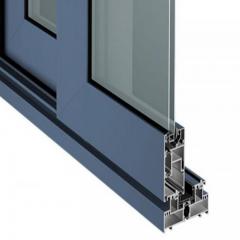
A window ventilation system is a mechanism integrated into or alongside a window frame that enables controlled airflow between interior and exterior spaces without requiring the window to be opened.
Unlike simply cracking a window, these systems create designated pathways for air exchange. Stale indoor air escapes while fresh outdoor air enters in a measured, continuous flow. Your windows stay locked and secure, weather stays outside, and you still get the airflow your home needs to stay healthy and comfortable.
Think of ventilation windows as a middle ground between a sealed box and an open window. They work by creating small, purpose-built openings that allow air to move without the drawbacks of leaving a window ajar. No chilly drafts, no security concerns, no rain blowing in during a sudden downpour.
These systems fall into two main categories:
Most residential applications use passive solutions, while active systems tend to appear in commercial buildings or high-performance homes where precise air quality control matters.
Here's the challenge: modern construction has become remarkably good at keeping air out. Tighter building envelopes mean better energy efficiency and lower heating bills. But that same airtightness traps moisture from showers, CO2 from breathing, cooking fumes, and volatile compounds from furniture and cleaning products.
Poor window ventilation quickly leads to condensation buildup, mold growth, and that musty smell that lingers no matter how much you clean. In the UK, Approved Document F now makes background ventilation a legal requirement for new and replacement windows, recognizing that controlled airflow isn't optional in well-sealed homes.
The sections ahead break down the physics of how air actually moves through these systems, compare every major vent type side by side, and walk through the compliance requirements you need to know. Whether you're specifying for a new build or retrofitting existing windows, you'll find the practical details that matter.
So how does air actually move through venting windows without a fan pushing it along? It comes down to simple physics that buildings have relied on for centuries. Understanding these principles helps you choose the right air ventilation window setup for your space and explains why some rooms ventilate easily while others stay stuffy no matter what you try.
Natural ventilation relies on pressure differences to move fresh air through buildings. These pressure differences come from two main sources: wind hitting the building exterior and temperature variations between indoor and outdoor air. The amount of airflow you get depends critically on where you place openings and how large they are.
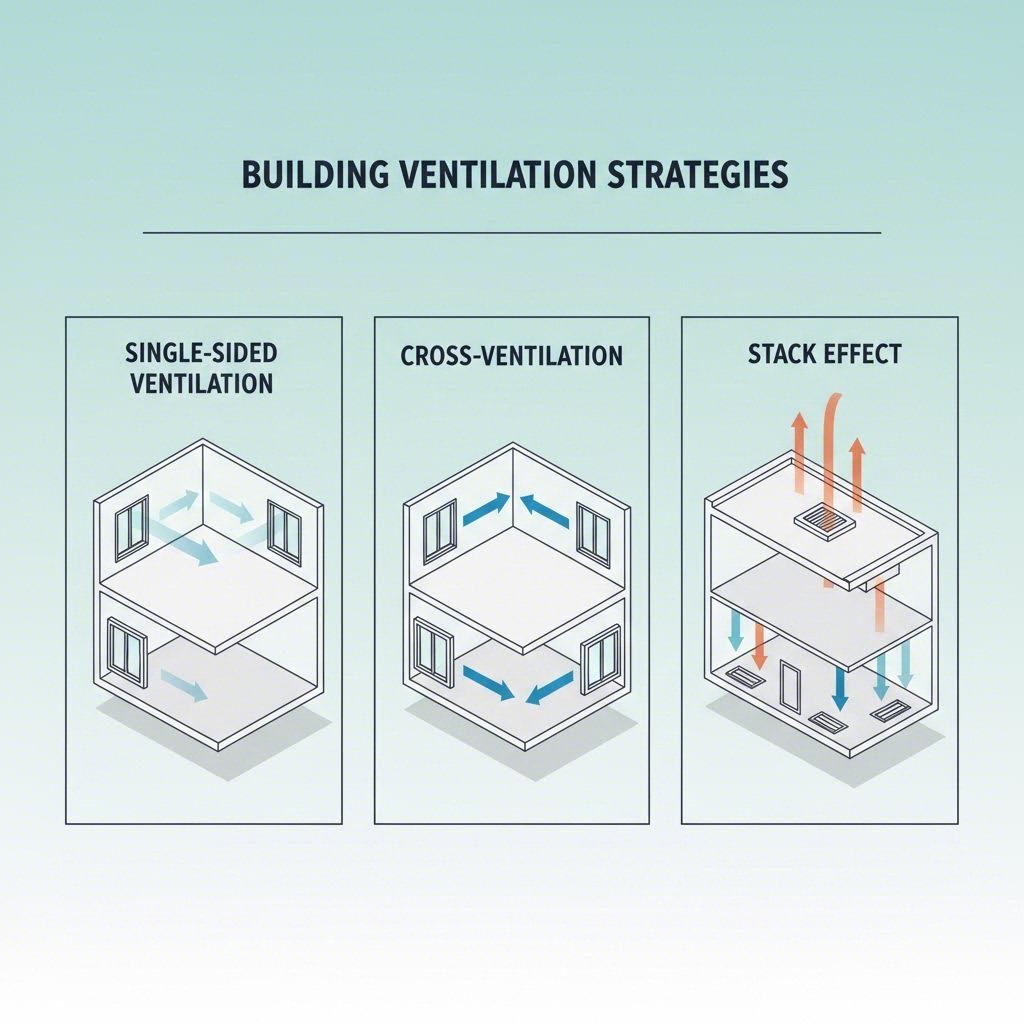
Three core principles drive airflow through windows for ventilation. Each works differently and suits different room layouts:
Single-sided ventilation: Air enters and exits through openings on just one wall. Wind creates positive pressure on the windward side of a building and negative pressure on the leeward side. When openings exist only on one wall, air movement depends on wind gusts and thermal buoyancy within the room itself. This approach works reasonably well in shallow rooms but struggles to ventilate deeper spaces. The Whole Building Design Guide notes that naturally ventilated buildings should generally be narrow because distributing fresh air across very wide spaces using natural forces alone becomes difficult.
Cross-ventilation: Openings on opposite or adjacent walls create a pressure differential that drives airflow horizontally through the space. Wind hitting one side of a building pushes air in through windward openings while simultaneously pulling air out through leeward openings. This horizontal process is sometimes called wind-induced ventilation and delivers the most effective air exchange rates. Strategic window placement matters here. Designers typically avoid placing inlet and outlet windows directly across from each other to promote better mixing throughout the room rather than creating a single air stream that bypasses most of the space.
Stack effect: Warm air rises because it's less dense than cool air. In a vertical space, an opening at the top allows warm, stale air to escape while an opening at the bottom draws in cooler, denser fresh air. This constant cycle creates ventilation driven purely by temperature differences. The height of the space matters significantly, as does the size of the openings. Stack ventilation works best when indoor temperatures exceed outdoor temperatures, making it particularly effective during cooler months. In summer, when you want the indoors cooler than outdoors, wind-driven or humidity-driven approaches typically work better.
These three effects often work together. The total airflow through a building results from the combined pressure effects of wind and buoyancy. In practice, you'll rarely rely on just one mechanism.
When specifying ventilation, you'll encounter the term ACH, which stands for air changes per hour. This metric describes how many times the entire volume of air in a room gets replaced with fresh outdoor air within sixty minutes. An ACH of 1.0 means all the air in the room is theoretically replaced once per hour.
Why does this matter? Fresh air is required in buildings to alleviate odors, provide oxygen for respiration, and increase thermal comfort. The U.S. EPA references ASHRAE Standard 62.2, which recommends homes receive 0.35 air changes per hour as a minimum ventilation rate for acceptable indoor air quality. This baseline helps minimize adverse health effects from pollutant buildup.
Keep in mind that actual requirements vary by regulation, room type, and occupancy. Kitchens and bathrooms typically need higher ventilation rates due to moisture and odor generation. Bedrooms with multiple occupants need more fresh air than single-occupancy spaces. Local building codes specify exact requirements for your jurisdiction, so always verify against applicable standards rather than relying on general figures alone.
The sizing of your window openings directly affects achievable ACH. Larger openings permit more airflow, but the relationship isn't linear. The effectiveness also depends on wind speed, temperature differentials, and whether you're using single-sided, cross, or stack ventilation strategies. Professional sizing calculations should reference applicable local standards and account for your specific building geometry.
With these physics fundamentals in place, the next step is understanding how different vent types put these principles into practice and which trade-offs each design involves.
Trying to choose the right window ventilator for your project? You'll quickly discover that options range from simple fixed slots to sophisticated motorized systems. The challenge is that most resources only cover one or two types, leaving you to piece together information from multiple sources. This section puts every major option side by side so you can make an informed decision based on your specific needs.
Before diving into the comparison table, it helps to understand the fundamental split between passive and active approaches to window air circulation.
Passive systems rely entirely on natural forces. Wind pressure, temperature differences, and humidity levels drive airflow without any electrical input. These include trickle vents, rebate vents, and humidity-controlled units. They're simple, reliable, and require minimal maintenance. The trade-off? You have limited control over exactly how much air moves through at any given moment.
Active systems use motors and electronics to open and close ventilation shutters or window sections on demand. Electric window actuators fall into this category, converting electrical energy into mechanical motion to automate window operation. These systems can integrate with building management systems, respond to sensors, and provide precise control over airflow rates. The downside is higher upfront cost, electrical requirements, and more complex maintenance.
Most residential projects use passive solutions because they're cost-effective and meet building regulation requirements without adding complexity. Active systems tend to appear in commercial buildings, high-rise applications where manual operation isn't practical, or smart home setups where automated climate control is a priority.
The table below compares the six most common ventilator window types across consistent criteria. Use it to narrow down which approach fits your project requirements.
| Type | Airflow Control Method | Humidity Responsive | Noise Reduction | Frame Compatibility | Typical Use Case | Cost Tier |
|---|---|---|---|---|---|---|
| Trickle Vent (manual or fixed) | Manual slider or fixed aperture | No | Low | uPVC, timber, aluminium | General residential background ventilation | Low |
| Acoustic Trickle Vent | Manual slider with baffled channels | No | Medium to High (verify product datasheet) | uPVC, timber, aluminium | Properties near roads, railways, or airports | Medium |
| Humidity-Controlled (Hygroscopic) Vent | Automatic via hygroscopic material | Yes | Low to Medium | uPVC, timber, aluminium | Kitchens, bathrooms, bedrooms with moisture concerns | Medium |
| Micro-Ventilation (rebate/night latch position) | Window hardware position | No | Low | Casement and tilt-turn windows | Secure night ventilation in bedrooms | Low (built into hardware) |
| Through-Frame Vent | Fixed or adjustable aperture | No | Low | Thick-profile frames only | Retrofit where head-mounted vents won't fit | Low to Medium |
| Motorized/Actuator-Driven Vent | Electric motor with remote or sensor control | Optional (sensor-dependent) | Varies by product | Most frame types with appropriate mounting | Commercial buildings, smart homes, hard-to-reach windows | High |
A few notes on reading this table:
Standard trickle vents remain the most widely installed option because they satisfy building regulation requirements at the lowest cost. They work well for general background ventilation in rooms without specific acoustic or moisture challenges.
Acoustic versions make sense when external noise is a concern. Properties near busy roads, flight paths, or industrial areas benefit from the baffled internal channels that dissipate sound energy while still permitting airflow. The internal design forces air to change direction multiple times, which absorbs sound waves but maintains the pressure differential needed for ventilation.
Humidity-controlled vents offer a clever middle ground for rooms where moisture levels fluctuate. The hygroscopic mechanism responds automatically to changing conditions, opening wider when humidity rises and narrowing when it drops. This self-regulating behavior suits bathrooms and kitchens where fixed vents might provide too little airflow during peak moisture generation or too much during dry periods.
Micro-ventilation positions built into window hardware provide a simple solution for secure night ventilation. The window stays locked but slightly ajar, allowing air exchange without the security concerns of a fully open window. This approach works well in bedrooms but doesn't provide the continuous background ventilation that trickle vents deliver.
Through-frame vents solve a specific problem: what happens when there's no room in the window head for a standard trickle vent? By routing airflow through the frame itself, these products enable ventilation in retrofit scenarios where other options won't physically fit.
Motorized systems represent the high end of the spectrum. Electric actuators can handle heavy skylights, high windows, and automated ventilation schedules. They integrate with building management systems and can respond to temperature, humidity, or air quality sensors. The trade-off is cost, complexity, and the need for electrical connections and periodic maintenance.
Understanding these trade-offs helps you match the right ventilator to your specific situation. But one category deserves deeper explanation: humidity-controlled vents use a fascinating mechanism that most people don't fully understand.

Imagine a ventilator for window applications that knows when your bathroom is steamy after a shower and opens wider automatically, then closes back down once the moisture clears. No switches to flip, no timers to set, no electricity required. That's exactly what humidity-controlled vents deliver, and the mechanism behind them is surprisingly elegant.
These window ventilators represent a significant step up from fixed-aperture trickle vents. While standard vents provide the same airflow regardless of conditions, hygroscopic systems respond dynamically to the actual moisture levels in your space. The result? More ventilation when you need it, less when you don't.
The technology relies on a well-documented physical phenomenon: certain materials change shape when they absorb moisture from the air. Aereco, which pioneered this approach in 1984, uses polyamide bands as the sensing and actuating element. These bands lengthen when ambient humidity rises and shorten when humidity drops.
Here's how the mechanism works in practice:
The sensor element is isolated from the incoming airstream, meaning it only measures indoor humidity without being affected by outdoor conditions or clogging from exhaust air. Some designs also incorporate thermal correction so the vent responds appropriately even when absolute humidity is low, such as during winter months.
Research published in Building and Environment found that relative-humidity-sensitive ventilation systems can reduce mean ventilation rates by 30-40% during cold periods while generating 12-17% energy savings. The system achieves this by reducing airflow when the building is unoccupied or when moisture generation is low, then ramping up when conditions demand it.
Moisture is a particularly relevant indicator of ventilation needs in residential settings. Whether produced through cooking, showering, washing clothes, or simply breathing and sweating, moisture appears at different times, in different locations, and in varying quantities. Fixed vents can't adapt to these fluctuations.
Humidity-controlled window ventilators excel in spaces where moisture generation is intermittent and unpredictable:
In a relatively airtight home without properly designed ventilation, this moisture condenses on colder walls and windows, promoting mold growth. The health risks extend beyond structural damage to respiratory problems for occupants. A relative humidity between 40% and 60% supports healthy respiratory function, but extreme moisture levels prove detrimental to both buildings and the people living in them.
By adjusting airflow in response to relative humidity, these vents provide an effective response to condensation problems. They also help evacuate CO2 and cooking odors, since these pollutants often correlate with moisture generation from occupancy and activity.
For projects where moisture control is a primary concern, humidity-controlled vents offer a compelling balance of automation and simplicity. They sit between basic trickle vents and fully motorized systems in both cost and capability.
Of course, any opening in your building envelope creates a potential path for sound as well as air. The next section explores how acoustic performance factors into vent selection and what trade-offs you'll face when balancing airflow against noise control.
Here's the uncomfortable truth about any window for ventilation: the same opening that lets fresh air in also lets noise through. Sound waves travel through air, and any gap in your building envelope becomes a potential weak point in your acoustic defenses. This creates a fundamental tension that every specifier needs to understand before selecting a vent for noise-sensitive locations.
If you live on a quiet suburban street, this trade-off barely registers. But what if your bedroom faces a busy road? Or your office sits beneath a flight path? Suddenly, the difference between a standard trickle vent and an acoustic model becomes the difference between restful sleep and constant disturbance.
Any opening that allows airflow also provides a path for sound transmission. The challenge is dissipating sound energy while maintaining the pressure differential needed for ventilation.
Understanding how acoustic vents solve this problem helps you specify the right product for your noise exposure level rather than over-engineering quiet locations or under-specifying noisy ones.
Acoustic trickle vents don't block sound the way a solid wall does. Instead, they use clever internal geometry to absorb and dissipate sound energy as air passes through. The key is forcing air to change direction multiple times within the vent housing.
Imagine a maze inside the vent. Air enters, hits an angled baffle, turns, hits another surface, turns again, and eventually exits into your room. Each direction change accomplishes two things:
This labyrinthine path forces sound to reflect and dissipate within the vent housing while air flows freely through the same channels. The result is a ventilated window opening that significantly reduces noise transmission compared to a straight-through aperture of the same size.
Testing by third-party laboratories confirms that well-designed acoustic background ventilators can meaningfully reduce sound transmission while meeting airflow requirements. The testing process involves mounting the vent in a standard test wall between two chambers, generating controlled noise across a broad frequency range (typically 100 Hz to 5000 Hz), and measuring the difference in sound levels between the source and receiver rooms.
The key metric you'll encounter is Dn,e,w, which indicates how many decibels of noise reduction you can expect from the product. A higher value means better sound insulation. Some test reports also break down performance by frequency bands, which helps when targeting specific noise sources like low-frequency traffic rumble or higher-frequency aircraft noise.
What do those dB numbers actually mean in practice? Understanding the decibel scale helps you interpret acoustic ratings and match them to your specific situation.
The decibel scale is logarithmic, not linear. A reduction of 3 dB roughly halves the perceived sound intensity. A 10 dB reduction sounds about half as loud to the human ear. This means small differences in acoustic ratings translate to noticeable real-world differences in comfort.
Here's a practical framework for matching vent ratings to noise exposure:
Different noise sources also behave differently across the frequency spectrum. Low frequencies (125-250 Hz) include deep, rumbling sounds from heavy traffic, diesel engines, and underground trains. Mid frequencies (315-1000 Hz) cover everyday sounds like human speech and regular traffic. High frequencies (2000-8000 Hz) include sharp, piercing sounds from emergency vehicle sirens and aircraft overhead. Some acoustic vents perform better at certain frequency ranges than others, so matching the vent to your dominant noise source improves results.
One critical point: actual acoustic requirements depend on local noise exposure assessments and building regulations. In the UK, acoustic testing follows the ISO 10140-1:2021 series for laboratory measurement of sound insulation. Developers, architects, and designers should only trust performance claims backed by independent, UKAS-accredited laboratories using recognized standards. Always verify against applicable local standards rather than relying on general figures alone.
There's also an important coordination issue to consider. Your acoustic vent selection should align with your overall window glazing specification. Installing a high-performance acoustic vent in a window with poor glazing creates a mismatch where the glass becomes the acoustic weak point. Conversely, specifying expensive acoustic glazing with a basic trickle vent undermines the investment in the glass. The vent and glazing should work together as a system, with comparable acoustic performance across both elements.
The Dne,w metric represents the current standard for acoustic testing, produced by testing the window vent in isolation. This gives a more accurate representation of the vent's own acoustic performance compared to older metrics that tested vents installed in frames. When comparing products, ensure you're looking at the same measurement standard.
Acoustic performance adds cost and complexity to vent selection, but for noise-sensitive locations, it's an investment in occupant comfort and wellbeing. The next section shifts focus to another critical consideration: how building regulations mandate ventilation provision and what compliance actually requires.

You've selected the right vent type, considered acoustic performance, and understand the physics. But here's a question that trips up many homeowners and installers alike: does your window ventilation actually meet legal requirements? In most countries with modern building codes, ventilation isn't just a nice-to-have. It's mandated by law.
The push toward energy-efficient, airtight construction created an unintended consequence. Homes became so well-sealed that moisture, CO2, and pollutants had nowhere to go. Regulators responded by requiring minimum ventilation provision in habitable spaces. If you're installing new windows or replacing existing ones, understanding these background ventilation requirements saves you from costly compliance failures down the line.
Building regulations typically distinguish between two fundamentally different ventilation functions. Confusing them leads to specification errors that fail inspection.
Background ventilation provides continuous, low-level airflow that operates around the clock. Think of it as the baseline air exchange that keeps your home healthy even when you're asleep or away. Trickle vents are the most common mechanism for delivering this constant, gentle airflow. They work passively, requiring no occupant intervention, and maintain air quality without creating noticeable drafts.
Purge ventilation serves a completely different purpose. It delivers rapid air changes to quickly clear pollutants, odors, or excess heat from a space. Cooking fumes, paint vapors, or an overheated room on a summer afternoon all call for purge ventilation. Openable windows typically provide this function, allowing occupants to flush a room with fresh air when needed.
The British Institute of Interior Design notes that each habitable room should have a purge ventilation system, which might include openings or a mechanical extract ventilation system. In most cases, you must comply with a minimum opening area. This means your windows need to open wide enough to achieve the required air change rate, not just have trickle vents installed.
Here's the key distinction: trickle vents handle background ventilation, while openable window sashes handle purge ventilation. A compliant installation typically needs both.
The UK's Approved Document Part F provides one of the clearest regulatory frameworks for window ventilation. Updated in June 2022, it specifies that trickle vents are no longer optional but a requirement by law for new and replacement windows. The regulations detail minimum ventilation requirements for different room types, expressed in equivalent area (EQA) measured in mm².
Equivalent area isn't the physical size of the vent opening. It's a measure of aerodynamic performance, specifically the area of a sharp-edged circular orifice through which air would pass at the same volume flow rate under identical pressure conditions. This standardized metric allows fair comparison between different vent designs regardless of their physical shape.
The specific requirements vary by room type and building configuration:
| Room Type | Multiple-Floor Dwelling (Minimum EQA) | Single-Floor Dwelling (Minimum EQA) |
|---|---|---|
| Living spaces | 8,000mm² | 10,000mm² |
| Kitchen | 8,000mm² | 10,000mm² |
| Bathroom | 4,000mm² | 4,000mm² |
| Utility room and toilet | No minimum (but must still be vented) | No minimum (but must still be vented) |
These figures mean older, smaller vent sizes like 2,000mm² and 3,000mm² no longer meet current standards. Installers typically achieve compliance by combining multiple vents. For example, two 4,000mm² EQA vents per room satisfy the 8,000mm² requirement for habitable rooms in multi-story homes.
All vents must have their EQA performance stamped on their internal section, providing a visible compliance marker for inspectors and future reference.
Room types covered by ventilation regulations and their general compliance approach include:
For replacement windows, the regulations require that any existing trickle vents must be replaced, and new windows must install trickle vents or demonstrate that sufficient background ventilation is provided by other means. When existing windows don't have trickle vents, installers must demonstrate that ventilation will not be made worse with the replacement. Since modern windows are typically more airtight than older ones, trickle vents often become necessary even where none existed before.
Proof of compliance matters for property transactions. Homeowners unable to provide documentation that ventilation requirements have been met may experience difficulty selling. Competent person schemes like Fensa, Certass, and LABC police these requirements, and installation companies bear responsibility for proving they've installed the required ventilation.
Similar regulatory frameworks exist across the EU, North America, and Australia, though specific values and measurement standards vary by jurisdiction. If you're working outside the UK, reference your local building code for applicable requirements rather than assuming UK figures apply universally.
Compliance with Part F ventilation windows requirements positions your project correctly from a legal standpoint. But regulations represent minimum standards, not optimal performance. The next section explores how retrofit and new build scenarios differ in their approach to meeting these requirements, and the thermal trade-offs that come with any opening in your building envelope.
Planning a new build? Your architect specifies trickle vents at the design stage, the window manufacturer integrates them into the frame profile, and everything arrives on site ready to install. But what if you're upgrading windows in an existing property? Suddenly, the straightforward becomes complicated. Retrofit window ventilation presents challenges that new construction simply doesn't face.
The distinction matters because the approach you take affects cost, appearance, thermal performance, and whether you'll actually achieve the airflow your home needs. Many homeowners have been told that retrofitting vents to existing windows is impossible, leaving full window replacement as the only option. That's rarely true, but choosing the right method requires understanding what's actually feasible for your specific frames.
In new build window ventilation requirements, the process is relatively straightforward. Architects and specifiers calculate the equivalent area needed for each room based on Part F requirements, then select window units with integrated trickle vents that meet those thresholds. The vents arrive factory-fitted, properly sealed, and positioned in the optimal location within the frame head. No site modifications needed.
New build projects benefit from several advantages:
Trickle vent retrofit to existing windows presents a different challenge entirely. Your existing frames weren't designed with ventilation slots in mind. Reinforcement bars, decorative profiles, and limited head heights all create obstacles that require creative solutions.
The good news? Real-world installation experience shows that retrofitting trickle vents is possible in nearly all windows. The key difference is how they're retrofitted and choosing the right method for the window in front of you.
Two proven retrofit approaches dominate the market:
Slimline frame-fitted vents: Modern retrofit trickle vents are far slimmer than many people realize. Some designs require as little as 18mm of frame height, making installation possible in situations where older, bulkier vents would never have fitted. This method involves cutting a narrow slot in the head of the window frame, installing a slim internal vent, and fitting a low-profile external canopy. In most uPVC, aluminium, and timber windows, this is achievable without weakening the structure, provided reinforcement and profiles are properly checked first.
Glazed-in vents: When there genuinely isn't enough room in the frame due to reinforcement, sightlines, or decorative constraints, glazed-in trickle vents offer a reliable alternative. This method avoids cutting the frame altogether. The existing sealed unit is removed, a new unit is manufactured approximately 45mm shorter, a glazed-in vent clips into the opening, and the new sealed unit installs beneath it. This approach works particularly well where frame drilling is undesirable, aluminium profiles are extremely slim, or heritage and aesthetic concerns apply.
Here's a practical checklist for retrofit window ventilation projects:
The real question isn't whether trickle vents can be retrofitted. It's which retrofit method is appropriate for that specific window. Very few windows are truly impossible to retrofit, provided the installer understands the available systems and their limitations.
Here's the trade-off nobody wants to talk about honestly: any vent aperture represents a reduction in your insulating envelope. You've invested in double or triple glazing, argon-filled cavities, and warm-edge spacer bars to minimize heat transfer. Then you cut a slot in the frame and create a direct path for cold air to enter. Sounds counterproductive, doesn't it?
The concern is legitimate. Trickle vents do contribute to heat loss. They allow a small amount of fresh air to enter, which can lead to slight temperature reductions in a room. However, the overall impact on thermal efficiency is more nuanced than the simple "hole in the wall" framing suggests.
Modern windows are designed with energy efficiency in mind. They often feature double or triple glazing that significantly reduces heat transfer. The integration of trickle vents doesn't completely compromise this thermal efficiency because the vents are engineered to work alongside these energy-saving features. The air exchange rate through a properly sized trickle vent is typically low, around 0.3 to 1.0 air changes per hour, which isn't significant enough to impact overall heating costs considerably in well-insulated homes.
Modern trickle vents with closeable flaps give occupants control over window vent heat loss. When ventilation isn't needed, such as during extremely cold nights or when the room is unoccupied, closing the flap reduces airflow and limits thermal penalty. However, it's important to understand that even a fully closed vent still has a lower U-value contribution than an uninterrupted frame section. The plastic or aluminium housing simply can't match the insulating performance of a solid, multi-chambered frame profile.
The energy penalty creates a feedback loop that affects occupant behavior. Studies show that localized cold air movement near windows has a disproportionate impact on perceived comfort, leading directly to vent closure. Research indicates that between 60-65% of occupants routinely close trickle vents, most commonly due to cold drafts, external noise, dust ingress, or perceived loss of thermal comfort. Once closed, a trickle vent provides no background ventilation at all.
So what's the honest assessment? The energy penalty of correctly sized background ventilation is generally small compared to the cost of moisture damage or poor air quality. Inadequate ventilation leads to condensation, mold growth, and structural damage that far exceeds any heating cost savings from keeping vents closed. A home with persistent dampness faces timber rot, plasterwork degradation, and health risks that dwarf the modest increase in heating demand from properly functioning vents.
That said, every project is different. Readers should verify thermal impact against their specific project's energy model rather than relying on general statements. Factors that influence the trade-off include:
For homes already struggling with poor wall or loft insulation, the additional heat loss from trickle vents is proportionally more significant. In these cases, addressing the larger thermal weaknesses in the building envelope delivers better returns than obsessing over vent-related losses.
The fundamental tension remains: a ventilation strategy that only works when occupants accept discomfort is not a robust strategy. Good building design anticipates predictable human responses. If cold drafts cause people to close vents, the ventilation system has failed regardless of its theoretical performance. This is why some specifiers are moving toward mechanical ventilation with heat recovery for airtight new builds, where the thermal penalty of passive vents becomes harder to justify against the available alternatives.
For most residential projects, though, trickle vents remain the practical choice. They meet regulatory requirements at reasonable cost, require no power or maintenance beyond periodic cleaning, and provide the background ventilation that modern airtight homes need. The thermal trade-off is real but manageable, especially when weighed against the consequences of inadequate ventilation.
Of course, even the best-specified vent needs proper care to perform over time. The next section covers what maintenance trickle vents actually require and how to troubleshoot the most common problems homeowners encounter.
You've installed the right vents, met compliance requirements, and balanced thermal performance against airflow needs. But here's what most guides skip entirely: what happens after installation? Trickle vents aren't maintenance-free forever. Like any building component exposed to the elements, they need occasional attention to keep performing as designed.
The good news? Window vent maintenance is straightforward and takes minimal time. A few minutes of annual care prevents the most common failures and keeps your background ventilation working properly for years. Neglect them, though, and you'll face trickle vent blocked airflow, drafts, and the very condensation problems the vents were meant to prevent.
Dust and grime build up within and around trickle vents if they're ignored. Despite their design, which does its best to filter pollutants, outdoor air quality affects how quickly they get dirty. Urban areas with higher pollution levels may require more frequent cleaning than rural locations.
The cleaning process is simple. When you're cleaning around your windows, open the trickle vents and use a thin duster or pipe cleaner to remove any buildup from the slots. Industry guidance suggests this quick job doesn't need to happen often, but it's more than worth the effort. For stubborn grime that won't shift with dry dusting, a small amount of cleaning fluid and a cloth should clear it.
Why does this matter? The gaps in trickle vents are small, so it doesn't take much debris to obstruct them. Research on vent failures found that blocked airflow can reduce ventilation capacity by up to 70%, trapping moisture indoors and defeating the entire purpose of the installation.
Annual maintenance should include:
Simple maintenance steps like these prevent the majority of operational failures. With only a few moving parts, there's less to go wrong compared to mechanical systems. Once attached securely, quality vents require virtually no input beyond periodic cleaning.
Lifespan varies significantly based on material choice and environmental exposure. Understanding these differences helps you set realistic expectations and plan for eventual replacement.
Quality aluminium vents typically outlast the window frame itself. Aluminium windows generally achieve 40-50 years or more under proper care, and well-made aluminium vent components share this durability. The material resists corrosion, doesn't warp, and maintains its finish for decades with only occasional cleaning. For coastal properties or high-moisture environments, powder-coated or anodised aluminium performs particularly well.
Plastic vents present a different picture. uPVC components can experience discolouration, brittleness, and minor cracking after extended UV exposure. While uPVC windows themselves typically last 25-30 years, the smaller, thinner plastic components in trickle vents may show degradation sooner, particularly on south-facing elevations with intense sunlight. Depending on material grade and exposure conditions, plastic vents may need attention or replacement after 10-15 years.
Common failure modes to watch for include:
Manufacturing quality matters significantly. Low-grade materials and assembly flaws cause some vents to jam or leak within months of installation. Homeowners frequently report mechanisms that feel cheap and flimsy, failing far sooner than expected. Investing in quality products from reputable manufacturers pays dividends in longevity and reliability.
Window ventilation condensation problems, unexpected drafts, and noise complaints are the three issues homeowners raise most often. Each has identifiable causes and practical solutions.
Drafts near windows: If you feel cold air blowing directly at head or body height, the vent aperture may be oversized for the room, or the closer mechanism isn't functioning properly. Check that the slider or flap closes fully when operated. If the vent closes completely but drafts persist, the issue may be degraded seals around the housing rather than the vent itself. Some designs direct airflow toward the ceiling specifically to avoid drafts at occupant level.
Condensation on window frames: Counterintuitively, condensation often signals insufficient ventilation rather than too much. When trickle vents are closed or blocked, moisture from cooking, bathing, and breathing has nowhere to go. It condenses on the coldest surfaces, typically window glass and frames. Before assuming the vents are causing problems, check whether they're actually open and functioning. Many homeowners close vents in winter to conserve heat, then blame the vents for the resulting condensation.
Noise ingress: If external noise seems louder than expected, first verify that your vents have appropriate acoustic ratings for your location. A standard trickle vent near a busy road will transmit significantly more sound than an acoustic model with baffled channels. Check the product specification against your actual noise exposure. If the rating seems adequate but noise remains problematic, inspect for gaps around the vent housing where sound might bypass the acoustic treatment entirely.
Use this troubleshooting checklist when problems arise:
Most problems have straightforward solutions. Blocked vents need cleaning. Stiff mechanisms need lubrication. Degraded seals need replacement. Only rarely does the entire vent unit require removal and replacement, and even then, the process is typically simpler than replacing the window itself.
With proper maintenance and realistic expectations about lifespan, trickle vents deliver reliable background ventilation for many years. But knowing when they're the right solution, and when you need something more capable, requires understanding what separates a quality product from a commodity one.
So you understand the physics, know the regulations, and have a maintenance plan ready. Now comes the practical question: how do you actually choose a trickle vent that won't disappoint? Walk into any builders' merchant and you'll find dozens of options at wildly different price points. They all look similar. They all claim to meet Part F. But the difference between a quality product and a commodity one becomes painfully obvious about two years after installation.
Trickle vents remain the most widely specified passive ventilation component in residential construction. Their simplicity is their strength: no power, no moving parts beyond a slider, and decades of proven performance when properly manufactured. The challenge is that this apparent simplicity masks significant quality variations that affect everything from airflow consistency to long-term durability.
The temptation to specify on price alone is understandable. If a vent meets the minimum trickle vent equivalent area rating and fits the slot, why pay more? Industry experience reveals exactly why: sliders that snap or jam, canopies that become brittle and weather-stained, and poor sealing that compromises both airflow and acoustic isolation. These failures typically emerge post-handover, creating maintenance headaches and compliance concerns for years to come.
When evaluating any trickle vent supplier, focus on these key specification criteria:
International standards certification matters more than marketing claims. A vent compliant with UK Part F has undergone testing to verify its equivalent area performance under standardized conditions. This provides a verifiable quality signal that generic products simply can't match. When a manufacturer documents compliance with recognized standards, they're staking their reputation on measurable performance rather than vague promises.
The aluminium trickle vent vs uPVC window debate comes down to balancing cost against longevity and application requirements. Both materials work, but they suit different situations.
Modern plastic vents made from UV-stabilised polymer can deliver excellent performance when properly engineered. They withstand extreme temperature cycles, offer quiet operation, feature integrated colours that reduce visible wear, and can last 20+ years if quality materials and manufacturing processes are used. For budget-conscious residential projects without specific acoustic or durability demands, well-specified plastic vents remain a solid choice.
Metal vents make sense in specific scenarios:
Window vent frame compatibility deserves careful attention regardless of material choice. A vent designed for timber frames may not fit uPVC profiles without modification, and vice versa. The best manufacturers offer product ranges specifically engineered for different frame types, ensuring proper fit without compromising structural integrity or aesthetic integration.
For timber windows, veneered trickle vents that blend into the frame deliver performance without compromising the traditional appearance that timber buyers typically value. For uPVC systems, colour-matched plastic or powder-coated aluminium options maintain visual consistency across the window assembly.
The bottom line? Don't assume all vents perform equally just because they share similar specifications on paper. Testing, materials, and design quality matter. Think beyond handover: the right vent reduces callbacks, supports ongoing compliance, and contributes to occupant comfort for decades. Choose metal where durability, acoustic performance, or premium finish is critical. Choose quality plastic where budget constraints apply but long-term reliability still matters.
Of course, even the best trickle vent has limits. Some buildings and room types demand more ventilation capacity than passive window vents can deliver alone. The final section explores when you need to step beyond window-based solutions and what alternatives exist.
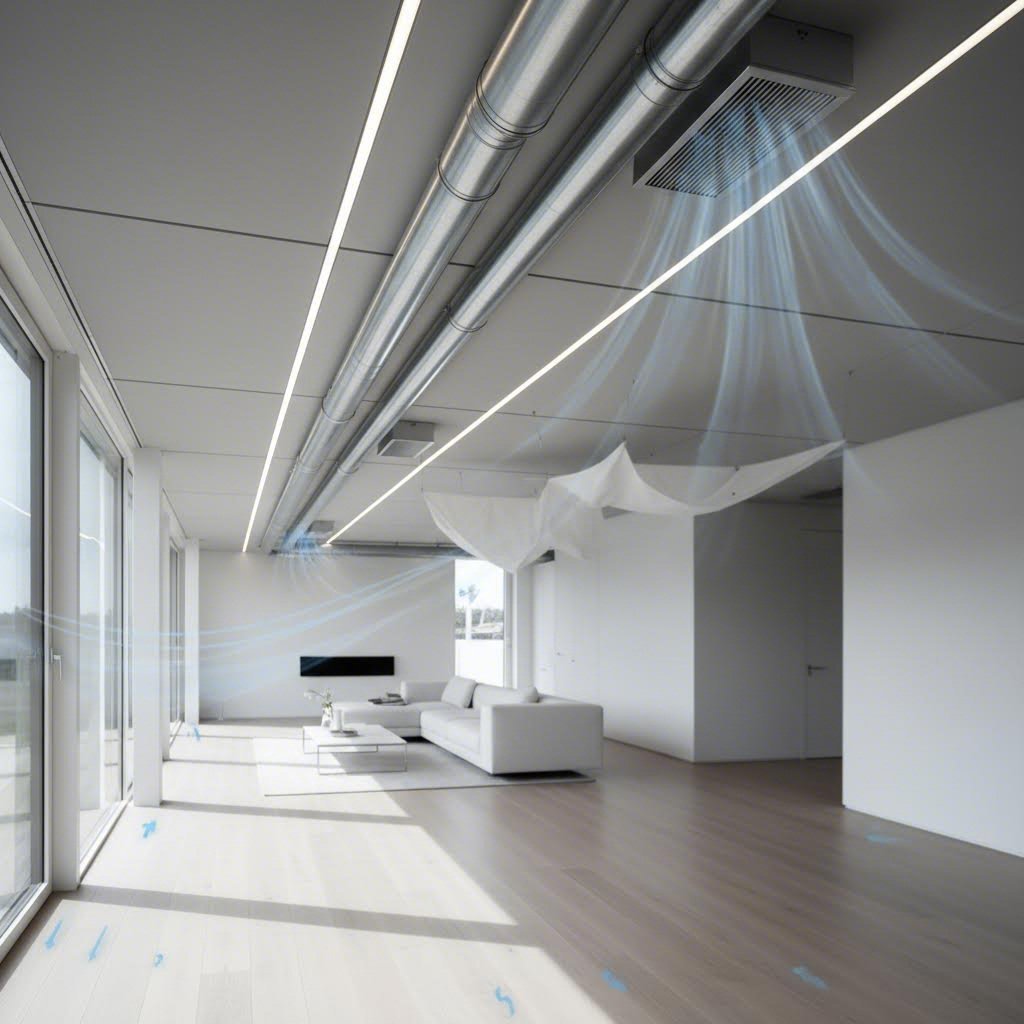
You've made it through the physics, the regulations, the product comparisons, and the maintenance requirements. But here's the honest question you need to ask before finalizing any ventilation strategy: will trickle vents alone actually solve your problem? For many homes, the answer is yes. For others, window ventilation vs mechanical extract becomes a critical decision that determines whether your indoor air quality thrives or struggles.
Trickle vents excel at background ventilation. They deliver the continuous, low-level air exchange that keeps habitable rooms fresh and prevents moisture buildup during normal occupancy. But they have limits. Understanding those limits helps you avoid the frustration of installing a system that can't keep pace with your building's actual demands.
Think about what happens in your bathroom during a hot shower. Steam billows, mirrors fog, and relative humidity spikes to 90% or higher within minutes. A trickle vent providing gentle background airflow simply cannot evacuate that moisture fast enough. The same applies to kitchens during heavy cooking, utility rooms with tumble dryers, or any space generating concentrated moisture loads.
Window vents provide background ventilation but cannot deliver the extract rates required for high-moisture spaces without supplementary mechanical extract. This isn't a design flaw. It's a fundamental limitation of passive systems that rely on natural pressure differences rather than powered fans.
Several scenarios trigger the need to step beyond window-based solutions:
Research from the Oxford Institute for Sustainable Development found that even in airtight homes with MVHR systems, indoor air quality was significantly better than in homes relying on trickle vents with intermittent extract. Peak CO2 levels in bedrooms exceeded 1500 ppm in about 90% of non-MVHR houses compared to under 20% of MVHR houses. That's a striking difference that highlights when to use mechanical ventilation.
Ventilation strategies exist on a spectrum. At one end sits pure natural ventilation: trickle vents plus openable windows, relying entirely on wind and buoyancy to move air. At the other end sits full mechanical ventilation with heat recovery, where fans control every cubic metre of air entering and leaving the building. Most projects land somewhere in between.
The ventilation hierarchy works like this:
The table below compares these approaches across the factors that matter most for specification decisions:
| System Type | Upfront Cost | Heat Recovery | Installation Complexity | Suitability for Airtight Buildings |
|---|---|---|---|---|
| Window Vents + Openable Windows | Low (£50-200 per window) | None | Simple (integrated into window installation) | Limited (relies on natural leakage for air movement) |
| Through-Wall Vents | Low to Medium (£100-300 per vent) | None | Moderate (requires core drilling through external walls) | Limited (same passive limitations as window vents) |
| MEV (Mechanical Extract) | Medium (£1,000-2,500 installed) | None | Moderate (ducting to wet rooms, trickle vents for supply) | Adequate (provides reliable extraction but wastes heat) |
| MVHR (Heat Recovery) | High (£4,000-8,000 installed) | 90-95% efficiency | Complex (full supply and extract ducting throughout) | Excellent (designed specifically for airtight construction) |
The airtightness of your building is the single biggest factor in this decision. At air permeability levels of 8-10 m³/hr/m² at 50Pa, typical of older properties after some improvement, window vents work reasonably well. MEV provides reliable extraction, and MVHR offers comfort benefits but may not pay back its higher cost.
Drop below 5 m³/hr/m², which is common in well-built new homes, and the equation shifts. MVHR vs trickle vents becomes a clearer choice because the building is tight enough for heat recovery to deliver meaningful energy savings. The house loses so little heat through walls and windows that ventilation becomes the dominant energy penalty. Recovering 90% of that heat suddenly makes economic sense.
Below 3 m³/hr/m², which is Passivhaus territory, MVHR isn't just preferable. It's essential. There simply aren't enough gaps in the building envelope for passive ventilation to work reliably. The building needs mechanical systems to breathe.
Here's the decision framework in practical terms:
Window ventilation remains the right starting point for most residential and light commercial projects. It's simple, affordable, and meets regulatory requirements without adding complexity. The question isn't whether to use it. The question is what to pair it with. In rooms with high moisture loads, supplement with extract fans. In airtight buildings, consider stepping up to MEV or MVHR. Match the ventilation strategy to the building's actual needs, and you'll create indoor environments that stay healthy, comfortable, and efficient for decades.
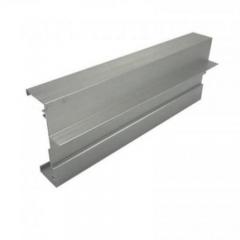
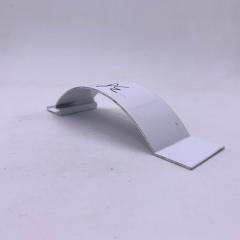
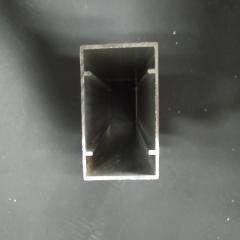
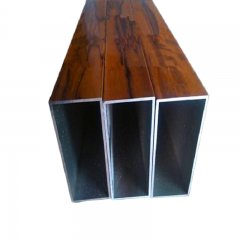
A window ventilation system is a mechanism integrated into or alongside a window frame that enables controlled airflow between indoor and outdoor spaces without opening the window. These systems work by creating designated pathways for air exchange using natural pressure differences from wind and temperature variations. Passive systems like trickle vents operate continuously without power, while active systems use motorized actuators for precise control. Quality options like Shengxin Aluminium's Part F compliant trickle vents deliver reliable background ventilation while maintaining security and weather protection.
Yes, in the UK, trickle vents became a legal requirement under Approved Document Part F (updated June 2022) for new and replacement windows. The regulations specify minimum equivalent area (EQA) requirements: 8,000mm² for habitable rooms in multi-floor dwellings and 10,000mm² for single-floor properties. Similar ventilation mandates exist across the EU, North America, and Australia. Compliance-certified products like Shengxin Aluminium's window trickle vents meet these international standards and feature stamped EQA ratings for inspector verification.
Trickle vents do contribute to some heat loss, but the impact is generally modest in well-insulated homes. The air exchange rate through properly sized vents typically ranges from 0.3 to 1.0 air changes per hour, which doesn't significantly affect heating costs. Modern vents with closeable flaps allow occupants to reduce airflow during cold periods. Importantly, the energy penalty of background ventilation is far smaller than the cost of moisture damage, mold growth, and poor air quality that result from inadequate ventilation.
Yes, trickle vents can be retrofitted to nearly all existing windows using two main methods. Slimline frame-fitted vents require as little as 18mm of frame height and involve cutting a narrow slot in the window head. Glazed-in vents avoid frame cutting entirely by replacing the sealed unit with a shorter version and clipping the vent into the opening. Both approaches work with uPVC, timber, and aluminium frames. The key is choosing the right method based on your specific frame profile, reinforcement positions, and aesthetic requirements.
Window trickle vents suit most residential applications but have limits. Consider mechanical extract ventilation (MEV) or mechanical ventilation with heat recovery (MVHR) when dealing with high-moisture rooms like bathrooms without external walls, buildings with airtightness below 5 m³/hr/m² at 50Pa, high-occupancy spaces, or properties in sheltered locations with minimal wind. MVHR becomes essential for Passivhaus-standard construction below 3 m³/hr/m², recovering up to 95% of heat from extracted air while providing filtered fresh air supply.



 Servicio en línea
 0086 136 3563 2360
 sales@sxalu.com
 +86 136 3563 2360
 español
 English
 français
 Deutsch
 русский
 português
 العربية
 ไทย
ไทย Việt
Việt Українська